

Note: This article contains affiliate links. If you click on these links and make a purchase, I may earn a small commission at no extra cost to you. This helps support my research and content. Read my full affiliate disclosure here.
If you drive a Jeep Wrangler, the condition of your rear brake rotors directly affects braking balance, pedal feel, and safety on- and off-road. Replacing worn or damaged rear rotors restores predictable stopping, reduces vibration and prolongs the life of pads and calipers. This guide covers seven top rear brake rotor options shortlisted for fitment and proven performance in common Wrangler use cases.We evaluated candidates for fit accuracy, heat dissipation and resistance to warping, material quality, and durability under typical trail and highway conditions. Below you will find a clear summary of each recommended rotor and the factors we used to judge them, followed by practical buying and maintenance advice to help you select the right rear rotor for your Wrangler and driving style.
Looking for other parts? See all Jeep Wrangler parts & accessories.
Top Picks at a Glance
| Best Overall The best all-around choice for most situations | Detroit Axle Complete Front & Rear Brake Kit for 2007–2018 Jeep Wrangler |  |
| Best Quality Built to a higher standard if you want something more solid | PowerStop Z36 Truck & Tow Front and Rear Brake Kit (Drilled & Slotted Rotors, Carbon-Fiber Ceramic Pads) |  |
| Best Value The sweet spot between price and what you get | Detroit Axle Rear Brake Kit for Jeep Wrangler (12.44 in rotors) |  |
| Best Budget The cheapest option that still gets the job done reliably | Bendix Premium Rear Brake Rotor PRT5726 |  |
| Highest Rated A top-rated pick with lots of positive feedback | ACDelco Silver Rear Brake Rotor (18A2465A) |  |
| Most Popular A crowd favorite that many people choose with confidence | Detroit Axle Rear Brake Kit with Drilled & Slotted Rotors and Ceramic Pads |  |
| Best Seller A high-volume bestseller chosen again and again | PowerStop Z17 Rear Coated Rotor and Ceramic Brake Pad Kit (CRK3090) |  |
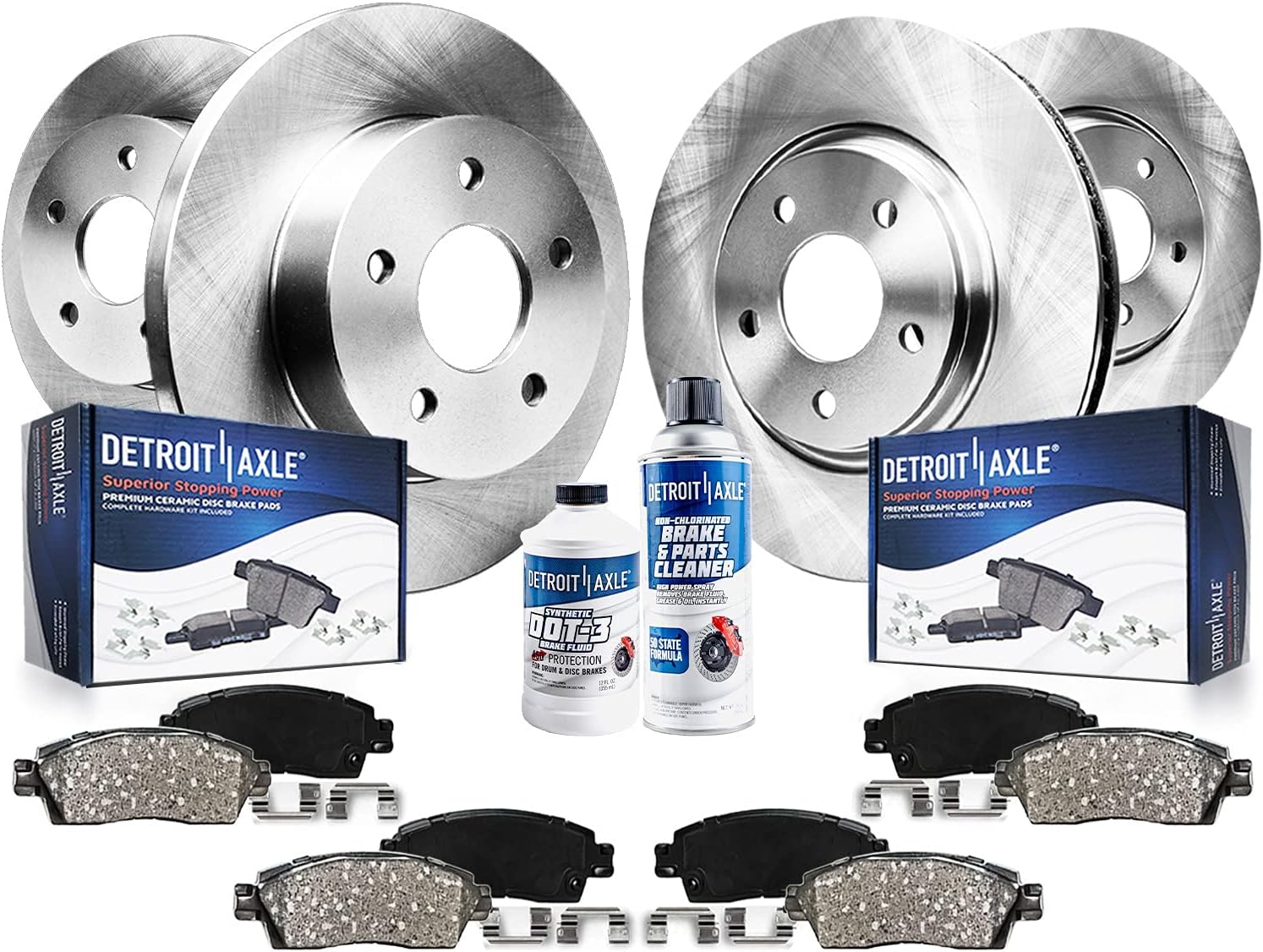
1. Detroit Axle Complete Front & Rear Brake Kit for 2007–2018 Jeep Wrangler
| Fitment | 2007–2017 Jeep Wrangler, 2018 Wrangler JK |
|---|---|
| Front rotor size | 11.89 inch (302mm) |
| Rear rotor size | 12.44 inch (316mm) |
| Brake pad type | 100% ceramic |
| Warranty | 10 Year Warranty |
This Detroit Axle kit supplies both front and rear rotors plus ceramic pads and a few consumables to complete a brake job on 2007–2018 Jeep Wrangler models. The rotors are zinc plated to resist corrosion and feature ventilation for faster cooling, while the included 100% ceramic pads are intended to reduce dust and noise. The kit also bundles installation hardware, a 10oz brake cleaner and a 12oz bottle of brake fluid so you have the basic items needed for a DIY replacement. Fitment and locating holes are machined to align with factory mounting for straightforward installation. Expect good stopping performance and a clean appearance out of the box, though some users report surface finish and rust can vary depending on local conditions and that heavy stop-and-go may produce pad dust or noise. This is a practical, value-focused option for a balanced buyer wanting a complete brake refresh without buying separate components or premium performance rotors.
Best for: Buyers who want a balanced, do-it-yourself brake refresh for a 2007–2018 Wrangler that prioritizes a complete package and straightforward fitment over premium track-focused performance.
Less Ideal for: Drivers seeking high-performance or track-grade rotors or those who need corrosion-resistant, specialty coatings for very harsh coastal environments should consider higher-end options.
- Complete kit includes front and rear rotors, ceramic pads, installation hardware, brake cleaner and brake fluid
- Zinc plated rotors resist visible corrosion and have ventilation slots for improved cooling
- Machined locating holes and factory-style fitment simplify DIY installation
- Some buyers report faster-than-expected surface rust in certain climates and variable rotor finish compared to advertised drilled/slotted look
Verdict: A ready-to-install, value-minded complete brake kit that gives Wrangler owners a reliable, no-fuss front and rear replacement with factory-style fitment.
2. PowerStop Z36 Truck & Tow Front and Rear Brake Kit (Drilled & Slotted Rotors, Carbon-Fiber Ceramic Pads)

| Included components | Front and rear rotors, pads, hardware |
|---|---|
| Pad type | Carbon-fiber ceramic |
| Rotor style | Drilled & slotted, zinc plated |
| Fitment | Vehicle specific fit for Jeep Wrangler 2007-17 and 2018 JK |
| Warranty | 36 Month / 36,000 Mile Warranty |
This PowerStop Z36 Truck & Tow kit replaces both front and rear pads and rotors with a bolt-on upgrade aimed at heavier-duty Wrangler use. The carbon-fiber infused ceramic pads deliver stronger, low-dust stopping compared with factory pads while stainless-steel shims and chamfered edges help reduce noise. The drilled-and-slotted rotors are zinc plated to resist corrosion and use precision drill holes and slots to shed heat and debris during long descents or towing. Installation is straightforward since the kit includes rotors, pads, and stainless hardware for direct fitment to 2007–2017 and 2018 JK Wranglers. In practice this kit suits owners who tow, run larger tires, or drive hilly terrain and want a noticeable improvement in pedal feel and fade resistance without swapping calipers. Expect improved braking performance and cleaner wheels, but keep in mind drilled rotors can be more prone to cracking under extreme repeated track abuse compared with plain heavy-duty rotors and ceramic pads may require a proper bedding procedure to reach peak performance.
Best for: Drivers who prioritize stronger, more fade-resistant braking for towing, larger tires, or steep terrain and want a full, bolt-on front and rear upgrade without changing calipers.
Less Ideal for: People who primarily track their Jeep under repeated very high heat conditions or those seeking the most crack-resistant solid rotors should consider purpose-built track rotors instead.
- Carbon-fiber infused ceramic pads provide stronger stopping and low dust compared with typical stock pads
- Drilled and slotted rotors improve cooling and help remove gas and debris during heavy use
- Includes stainless-steel installation hardware for a full front and rear bolt-on replacement
- Silver zinc plating on rotors reduces rust and corrosion for longer appearance life
- Drilled rotor design can be less durable than solid rotors under extreme repeated high-heat track conditions
Verdict: If you tow, run bigger tires, or drive hilly terrain on a Jeep Wrangler and want a full front-and-rear bolt-on upgrade for stronger, lower-dust braking, this kit delivers a clear performance-focused improvement.
3. Detroit Axle Rear Brake Kit for Jeep Wrangler (12.44 in rotors)

| Fitment | 2007–2017 Jeep Wrangler, 2018 Wrangler JK (12.44 in rear rotor size) |
|---|---|
| Rotor type | Drilled and vented with zinc plating |
| Pad material | Ceramic |
| Kit contents | 2 rotors, 2 pads, hardware, brake cleaner, brake fluid |
This Detroit Axle rear brake kit supplies everything needed for a rear brake job on Jeep Wrangler models that use 12.44-inch rotors. The kit includes two drilled and vented rear rotors with zinc plating, two ceramic rear pads with mounting hardware, a can of brake cleaner and a small bottle of brake fluid. In practice the vented drilled rotors help dissipate heat and reduce moisture, while the zinc coating slows surface rust and keeps the visible area cleaner. The ceramic pads are quieter and produce less dust than basic semi-metallic pads, which makes them a good match for rear braking duties that do not see the same load as the front. Fit and locating holes are machined to match factory mounting, so installation typically requires no modification. The kit is a budget-friendly, do-it-yourself friendly option, but it is not targeted at heavy towing or extreme off-road braking upgrades where heavy-duty components would be preferable.
Best for: Drivers who want a cost-effective, do-it-yourself rear brake replacement that restores reliable stopping and minimizes dust and noise without upgrading the whole brake system.
Less Ideal for: Those who need heavy-duty or performance-grade rear brakes for frequent towing, rock-crawling, or high-heat track use should choose a dedicated heavy-duty or performance brake upgrade instead.
- Complete kit includes rotors, ceramic pads, hardware, brake cleaner and brake fluid for a one-stop rear job
- Drilled and vented rotors improve cooling and help reduce fade under normal driving
- Zinc plating on rotors resists surface corrosion and reduces visible wheel dust
- Machined locating holes and supplied hardware for direct fitment to specified Wrangler rotor size
- Designed for standard rear braking; not intended as an upgrade for heavy towing or severe off-road use
Verdict: An affordable, all-in-one rear brake replacement that delivers quiet, low-dust stopping and straightforward fitment for Jeep Wranglers using 12.44-inch rear rotors.
4. Bendix Premium Rear Brake Rotor PRT5726

| Material Type | Cast Iron |
|---|---|
| Exterior Finish | Machined |
| Automotive Fit Type | Vehicle Specific Fit |
| Included Components | (1) Bendix Rotor |
The Bendix Premium PRT5726 is a single rear brake rotor intended as a direct-replacement for specific Jeep Wrangler fitments. Made from high-grade cast iron with a machined finish and dynamic balancing, it is built to match factory fit, form, and function so installation is straightforward for a routine rotor swap. The rotor’s vented design and attention to heat dissipation help resist brake fade during everyday and towing use, while the machined surface and balancing reduce vibration and brake noise. Buyers should note the listing sells one rotor at a time and should verify thickness and diameter for their exact Wrangler year and configuration before ordering. Some users report surface rust over time on certain examples and a few fitment complaints where dimensions differed slightly from factory units, so confirm vehicle-specific specs and install with proper bedding procedures. For a budget-focused replacement that aims to replicate factory behavior, Bendix offers a reliable, well-balanced rotor option for rear-brake service.
Best for: Jeep Wrangler owners looking for an affordable, factory-style replacement rear rotor who prioritize reliable everyday braking and straightforward installation.
Less Ideal for: Drivers seeking heavy-duty or performance rotors for racing or repeated high-load towing should choose a dedicated performance or coated aftermarket rotor instead.
- Cast iron construction and machined finish provide factory-style fit and consistent braking surface
- Dynamically balanced to reduce vibration and improve pedal feel
- Vented design aids heat dissipation to lower risk of brake fade under regular driving and light towing
- Vehicle-specific fit simplifies installation for supported Wrangler models
- Sold as a single rotor rather than a pair, requiring buyers to order two for axle service
- Some reports of early surface rust on the rotor face and hat on certain examples
- A few reviewers noted thickness or hub bore differences versus their stock parts, so fitment should be double-checked
Verdict: A budget-friendly, factory-style rear rotor that offers balanced, quiet braking and simple fitment for Jeep Wrangler rear brake replacement.
5. ACDelco Silver Rear Brake Rotor (18A2465A)

| Material Type | Cast Iron |
|---|---|
| Exterior Finish | Machined |
| Automotive Fit Type | Vehicle Specific Fit |
| Compatible with Vehicle Type | Cars, Sedan |
This ACDelco Silver rear rotor is a factory-style replacement designed to restore rear braking performance on compatible Jeeps and similar vehicles. It uses multi-alloy construction and an application-specific vane layout to improve heat dissipation and reduce fade during normal driving. The machined, non-directional finish helps minimize noise and vibration while promoting even pad contact, which in turn can extend brake pad life. Because it is a vehicle-specific fit, installation should be straightforward for a competent DIYer or technician and the rotor’s rounded edges and balanced design increase durability under repeated use. The product is sold as a single rear rotor, so plan to buy the matching side or replace paired components when doing a full axle service. These rotors are cast iron, so owners who want rust-resistant coatings or high-performance drilled/slotted designs will need a different model.
Best for: Buyers who prioritize dependable, factory-quality replacement parts to restore reliable rear braking performance on their Jeep and want peace of mind from proven, straightforward components.
Less Ideal for: Drivers seeking rust-resistant coated rotors, high-performance drilled or slotted styles, or those who want a complete axle kit in a single purchase should consider other options.
- Vehicle-specific fit reduces fitment issues and simplifies installation.
- Multi-alloy construction and optimized vane design improve heat dissipation to reduce brake fade.
- Machined non-directional finish and balanced design lower noise and vibration for smoother stops.
- Smooth rotor surface helps reduce pad wear and thickness variation, extending pad life.
- Sold as a single rotor rather than a pair, requiring an extra purchase for both sides.
Verdict: Choose this ACDelco Silver rear rotor when you need a reliable, factory-style replacement that restores quiet, fade-resistant braking on compatible Jeep rear axles.
6. Detroit Axle Rear Brake Kit with Drilled & Slotted Rotors and Ceramic Pads

| Position | Rear |
|---|---|
| Manufacturer | Detroit Axle |
| Special Features | Drilled and slotted rotors; ceramic brake pads; includes brake cleaner and fluid |
This Detroit Axle rear brake kit supplies complete rear stopping components for compatible Jeep Wranglers, pairing drilled and slotted rotors with ceramic brake pads plus brake cleaner and fluid. It is intended for DIY replacement or a shop install and comes with the small hardware needed to fit the rear brakes. The drilled and slotted rotors help dissipate heat and resist warping during heavier use while ceramic pads aim to reduce dust and deliver smooth, quiet stops in everyday driving. Included cleaner and fluid make pre-install prep and a fluid top-up more convenient. Buyers should note drilled rotors can be slightly louder under certain conditions and ceramic pads typically need a proper break-in to reach peak performance. The kit is a practical upgrade for drivers who want a complete rear brake refresh that balances improved cooling and low dust with an accessible, mostly bolt-on installation.
Best for: Buyers who value proven user feedback and want a complete, ready-to-install rear brake refresh for a Wrangler that improves cooling and reduces pad dust while staying affordable.
Less Ideal for: Drivers seeking ultra-quiet, low-noise performance or track-oriented braking that requires race compounds and non-drilled rotors should consider other options.
- Complete rear kit includes rotors, ceramic pads, brake cleaner and fluid, plus hardware for installation
- Drilled and slotted rotors improve heat dissipation and reduce likelihood of rotor warping under load
- Ceramic pads produce lower dust and deliver smooth, quiet engagement for daily driving
- Packaged to fit factory rear mounting points for a direct replacement installation
- Drilled rotors can produce more noise than plain rotors under some conditions
Verdict: A well-reviewed, complete rear brake kit that upgrades cooling and reduces pad dust while providing everything needed for a straightforward Wrangler rear brake replacement.
7. PowerStop Z17 Rear Coated Rotor and Ceramic Brake Pad Kit (CRK3090)

| Included components | 2 Coated Rotors, Brake Pad Sets, Installation Hardware, Brake Lube |
|---|---|
| Orientation | Rear |
| Compatible with Vehicle Type | SUV |
| Manufacturer Warranty Description | 24 Month / 24,000 Mile Limited Warranty |
This PowerStop kit supplies everything needed to replace rear rotors and pads on compatible Jeep Wrangler models, combining fully Geomet-coated rotors with Z17 ceramic pads, stainless hardware, and rubberized shims. The coated rotors protect against rust and corrosion, which helps them look cleaner and last longer in daily driving and salty or humid conditions. The Z17 ceramic pads are designed for quiet, low-dust operation and include chamfers and slots for predictable bedding and reduced vibration. Installation is straightforward for a DIY mechanic because the kit is a direct bolt-on replacement and includes the hardware and lubricant called out in the description. Practical limitations: this is targeted as a stock-replacement daily driver upgrade rather than a heavy-duty or track-oriented performance kit, and a few users reported missing lubricant in the box so double-check contents before starting the job. For mainstream buyers wanting a reliable, cleaner-looking rear brake refresh, this kit balances durability and everyday braking comfort.
Best for: Buyers who prioritize a trouble-free, longer-lasting rear brake replacement and want low-dust, quiet operation with an easy bolt-on install for routine driving.
Less Ideal for: Drivers who need heavy-duty, high-temperature performance for towing, off-road abuse, or track use should choose a performance-oriented rotor and pad package instead.
- Fully GEOMET corrosion-resistant coating reduces rust and keeps rotors looking cleaner
- Z17 ceramic pads offer low dust and quiet braking with chamfered and slotted faces
- Includes stainless-steel installation hardware and shims for an easier bolt-on install
- Designed as a direct-fit rear replacement for specified Jeep Wrangler years
- Intended for daily driving stock-replacement use rather than heavy towing or performance track duty
Verdict: A complete, rust-resistant rear brake replacement kit that delivers quiet, low-dust braking and easy bolt-on installation for everyday Jeep Wrangler use.
Choosing the Right Jeep Wrangler Rear Brake Rotors: Key Factors to Consider
Fitment And Hub Compatibility
Exact fitment to the Jeep Wrangler hub and caliper is essential because incorrect rotor diameter, hat height, or bolt pattern causes poor alignment, uneven pad wear, and unsafe braking behavior. Verify the rotor's center bore, bolt-circle diameter, and overall diameter match your Wrangler's factory specifications. Even small deviations in hat height or offset can change caliper clearance and brake line geometry, creating installation headaches or necessitating adapter hardware.
Fitment also affects rotor runout, which directly influences vibration and pedal pulsation. Rotors designed for the Wrangler's hub reduce the need for heavy machining or shims and ensure consistent contact between rotor and pad across the surface. When choosing, prioritize rotors that list Jeep Wrangler fitment explicitly and provide detailed dimensional specs so you can confirm compatibility before purchase.
Material And Manufacturing Quality
Rotor material and casting or machining processes influence heat capacity, wear resistance, and susceptibility to cracking. High-quality cast iron with appropriate hardness is standard because it balances thermal mass and machinability. Some rotors receive additional treatments like cryogenic processing or heat treatments to improve grain structure and durability, which can matter if you do repeated heavy braking or trail descents.
Manufacturing tolerances matter for flatness and balanced mass distribution. Poorly cast or unevenly machined rotors can lead to premature pad wear and noise. Look for rotors with clear manufacturing data on hardness, machining tolerances, and any post-machining finishes that protect against corrosion and surface degradation.
Thermal Performance And Resistance To Warping
Brake rotors convert kinetic energy to heat, so their ability to absorb and shed heat determines fade resistance and the likelihood of warping. For Jeep Wranglers that may see towing, heavy loads, or frequent trail braking, rotors with better thermal conductivity and greater thickness at the friction surface help maintain consistent braking under repeated stops.
Rotor design features such as vanes, cross-drilling, or slots can aid cooling but also change heat distribution and stress patterns. Consider the typical driving you do: highway-centric use stresses rotors differently than repeated low-speed trail stops. Choose rotors rated for the expected thermal load to reduce the chance of glazing, cracking, or thickness variation over time.
Surface Design: Plain, Slotted, Or Drilled
Surface features influence pad bite, gas evacuation, and water clearing. Slotted rotors provide a scraping action that helps remove gas and pad deposits, maintaining consistent friction. Drilled rotors improve ventilation and water dispersion but can concentrate stress and increase the risk of cracking under severe thermal cycling. Plain rotors offer a uniform contact surface and are often the most durable for heavy-duty or off-road use.
For Wrangler owners, choose a surface design that matches driving conditions. Off-road use with debris favors plain or lightly slotted designs for durability, while frequent high-speed braking or spirited driving may benefit from slots to preserve pad performance. Understand that aggressive drilling or slotting can shorten rotor life under extreme loads, so balance performance needs against longevity.
Thickness, Minimum Spec, And Measurement
Rotor thickness directly affects heat capacity and structural stiffness. Manufacturers specify an original thickness and a minimum safe thickness. Installing rotors that are near or below the minimum invites overheating, cracking, and reduced braking effectiveness. Measure thickness accurately across multiple points using a micrometer and compare against the specified minimum.
If you plan to resurface rotors, ensure the remaining thickness after machining will still exceed the minimum. Replacing rotors that already sit near the minimum avoids recurring service and ensures the rotor can absorb heat without deforming. Regularly checking thickness during routine brake inspections helps catch wear before it compromises braking performance.
Finish And Corrosion Protection
Corrosion can accelerate wear and compromise braking performance, especially in climates with road salt or frequent exposure to water and mud. Rotors with protective coatings on the hat and non-friction surfaces prolong service life and reduce sticking, noise, and cleaning time. Some finishes are designed to resist vertical rusting that can affect mounting surfaces and increase runout.
However, coatings should not be present on the friction surface except where explicitly designed for break-in. Evaluate whether the rotor's finish and protective treatments match your local environmental exposure and maintenance habits. Selecting a rotor with durable corrosion protection reduces the chance of early replacement and keeps braking consistent over time.
When To Replace Your Rear Brake Rotors
Recognizing the right time to replace rear rotors helps you avoid unsafe braking and costly downstream damage. Common signs include persistent vibration or pulsation in the brake pedal during stops, visual scoring or deep grooves on the friction surface, and measured thickness approaching the manufacturer's minimum specification.
Other indicators are uneven pad wear after a recent pad change and visible heat spotting or cracking. Regular inspections during pad replacement or every brake service will help you spot these issues early. If you plan to resurface rotors, confirm remaining thickness and balance the cost versus replacement to ensure long-term reliability.
- Pedal pulsation during braking
- Visible grooves, scoring, or cracking
- Thickness near or below minimum spec
- Uneven pad wear after brake service
How To Measure Rotor Thickness Correctly
Measuring rotor thickness requires a calibrated micrometer or digital caliper and checking multiple points around the braking surface. Clean the rotor to remove rust and brake dust before taking measurements. Measure at three or more locations and average the readings to account for eccentric wear.
Compare your readings with the rotor's minimum thickness stamped on the hat or specified in the vehicle manual. If resurfacing, calculate the final thickness after machining to ensure it will remain above the minimum. If you lack the tools or are unsure of the readings, have a service technician verify thickness during a brake inspection.
- Use a micrometer for accuracy
- Take measurements at multiple points
- Clean the braking surface first
- Compare against minimum spec before resurfacing
Slotted Versus Drilled Rotors: Pros And Cons For The Wrangler
Slotted rotors help maintain pad bite by scraping away gas and deposits and are generally less likely to develop structural cracks. They perform well where repeated high-temperature stops occur but still offer solid longevity for mixed road and light off-road use. Drilled rotors allow faster initial heat escape and water evacuation, which can help in wet conditions but introduce stress concentration points that may lead to cracks under repeated severe thermal cycling.
For many Jeep Wrangler owners who encounter mud, rocks, and rough terrain, slotted or plain rotors are often more practical because they resist debris-induced damage better than heavily drilled designs. Decide based on how you use the vehicle: if you do sustained high-speed braking often, slots can help maintain performance; if you spend significant time off-road, prioritize durability.
- Slotted: better pad cleaning, lower cracking risk
- Drilled: improved water evacuation, higher crack risk
- Plain: maximum durability in debris-prone environments
Rotor Resurfacing Versus Replacement
Resurfacing rotors can restore a flat contact surface and remove light scoring, extending rotor life when thickness and structural integrity allow. However, each resurfacing removes metal and reduces thickness, so it is only viable when the rotor has sufficient material remaining above the minimum specification. Resurfacing also will not fix cracks or deep heat damage.
Replacement is the safer choice when rotors have deep grooves, heat cracks, or are already close to the minimum thickness. Consider replacement if you want consistent thermal performance and a predictable lifespan, especially for Wranglers used under heavier loads or off-road conditions where rotors face harsher stresses.
- Resurface to remove light scoring only when thickness allows
- Replace for cracks, deep grooves, or near-minimum thickness
- Replacement yields more consistent long-term performance
Matching Rotors To Brake Pads And Driving Style
Brake rotor choice should align with the pad compound you intend to use. Some aggressive pad materials generate more heat and abrasive wear, which favors thicker or better-ventilated rotors. Conversely, mild or ceramic-style pads pair well with plain rotors for quiet operation and long life. Consider whether you prioritize low noise, high fade resistance, or maximal life expectancy when matching pads and rotors.
Also account for typical driving. If your Wrangler regularly tows, carries heavy loads, or does frequent steep descents, choose rotors with higher thermal capacity and robust design. For light urban driving and occasional trail use, standard rotors with a durable finish will usually provide the best balance of performance and longevity.
- Aggressive pads need rotors with higher thermal capacity
- Mild pads work well with plain rotors for quieter braking
- Consider towing and terrain when picking rotor features
Installation Tips And Torque Specs
Proper installation prevents runout and ensures even wear. Always clean the hub mounting surface to remove rust and debris so the rotor seats flat. Use the correct wheel-stud torque sequence and final lug torque to factory specifications to avoid distorting the rotor when the wheel is tightened.
When installing new rotors, follow the recommended bedding-in procedure for the selected pad compound. If replacing only rear rotors, inspect front rotors and pads as well to maintain balanced braking performance. If you are unsure about torque specs or bedding procedures for your Wrangler, consult the vehicle service manual or a qualified technician.
- Clean hub surface before mounting
- Use factory lug torque and proper torque sequence
- Follow pad bedding procedures after installation
Still looking for the perfect fit?
Select your Jeep Wrangler configuration to see the most relevant Brake Rotors recommendations
How We Chose the Best Jeep Wrangler Rear Brake Rotors
We focused on selection criteria that matter specifically for Jeep Wrangler rear brake rotors and for owners who use their vehicles on a mix of road and trail. Our evaluation emphasized fitment accuracy to ensure proper alignment with hub and caliper hardware, thermal performance to resist warping under repeated braking, material and manufacturing quality for corrosion and wear resistance, and rotor thickness and finish to match common pad compounds used on Wranglers.We also considered rotor weight and hat design where relevant to reduce unsprung mass without sacrificing strength, and the balance between surface features such as slots or drill patterns and long-term durability. Durability in wet and salty conditions was a key filter given many Wranglers see coastal or winter use. We excluded products without clear vehicle fitment information, rotors lacking manufacturer-specified thickness or hardness data, and any option with known fitment anomalies for the Wrangler.In short, we favored rotors that offer reliable fit, good heat management, durable finishes, and clear thickness specifications. We did not include entries without verifiable technical specs or that required vehicle-specific modifications to install.
Our full evaluation process is outlined in our review methodology.
FAQ
How often should I check rear rotor thickness on my Jeep Wrangler?
Check rotor thickness at every pad change or at least once a year if you drive primarily on pavement. More frequent inspections are warranted if you tow, carry heavy loads, or do frequent off-road driving because these conditions accelerate wear.
Can I resurface my Wrangler's rear rotors instead of replacing them?
You can resurface rotors that have light scoring and sufficient remaining thickness above the minimum spec. Resurfacing is not appropriate for cracked or deeply heat-damaged rotors and will shorten life if the rotor was already thin.
Are slotted or drilled rotors better for off-road use?
For off-road use, slotted or plain rotors are generally preferable because they resist debris-induced damage better than heavily drilled rotors. Drilled rotors can clear water more quickly but are more prone to stress cracking under severe thermal cycles.
What symptoms indicate rear rotor wear on a Wrangler?
Common symptoms include pedal pulsation during braking, visible grooves or scoring on the rotor surface, increased stopping distances, and uneven pad wear. Visual heat spotting or hairline cracks are also signs the rotor needs attention.
Will replacing just the rear rotors affect braking balance?
Replacing rear rotors alone can affect pedal feel and balance if the front rotors and pads are significantly different in condition. It is acceptable to replace rears alone when they are worn, but check the front system to ensure overall braking remains balanced.
How do environmental conditions affect rotor choice for a Wrangler?
Wet, salty, or muddy environments increase corrosion and may favor rotors with protective finishes on non-friction surfaces. Off-road debris exposure favors plain or lightly slotted designs that offer better durability against impacts and abrasion.
Final Verdict
When choosing rear brake rotors for your Jeep Wrangler, prioritize exact fitment, sufficient thickness, and thermal performance that matches your typical use. Balance surface design with durability needs: plain or slotted rotors often work best for mixed road and off-road use, while drilled designs trade durability for better water and gas evacuation.Focus on rotors with clear dimensional specs and corrosion-resistant finishes, and measure thickness before considering resurfacing. Prioritizing these criteria will help you restore reliable stopping power and minimize recurring service on your Wrangler.
Explore More:
- Check out all Jeep Wrangler parts & accessories
- Explore Brake Rotors Maintenance & Repair Guides
- Explore Brake System
- Browse all Auto Parts
