

Note: This article contains affiliate links. If you click on these links and make a purchase, I may earn a small commission at no extra cost to you. This helps support my research and content. Read my full affiliate disclosure here.
What You’ll Need
A quick look at the tools and supplies commonly used for this job.
Tools
Parts & Supplies
- Brake cleaner
- Correct differential gear oil
- Limited-slip additive if required
- Shop rags
- Thread sealant or RTV if applicable
- Replacement fill or drain plug washer
This article is part of our Transmission and Drivetrain Maintenance & Repair Guides.
A noisy or leaking axle does not always mean the whole unit is ruined, but differential problems can get expensive fast if you keep driving without checking them. The differential transfers power to the wheels while allowing them to rotate at different speeds in turns, so problems usually show up as whining, clunking, vibration, fluid leaks, or binding.
The good news is that many differential faults can be narrowed down with a careful road test, a visual inspection, and a few hands-on checks in your driveway. This guide walks you through the most useful DIY diagnostic steps for rear, front, and all-wheel-drive differentials so you can tell the difference between low fluid, worn bearings, gear damage, axle issues, and normal driveline play.
How the Differential Fails
Before testing, it helps to know what usually goes wrong. Inside the housing are ring and pinion gears, side gears, spider gears, bearings, seals, and sometimes clutch packs or electronic locking components. Noise or drivability changes happen when lubrication breaks down, bearing preload changes, gear teeth wear, or parts develop excessive backlash.
- Low or contaminated gear oil can cause whining, overheating, and rapid wear.
- Worn pinion or carrier bearings often create a howl that changes with speed.
- Bad axle bearings can sound similar to differential noise but are located closer to one wheel.
- Worn gears may whine on acceleration, deceleration, or both depending on the contact pattern.
- Broken limited-slip clutches can cause chatter or binding during low-speed turns.
Common Symptoms to Notice First
Noises That Point Toward the Differential
A differential usually gives clues through sound. A steady whine that rises with vehicle speed often points to ring and pinion wear or incorrect gear contact. A rumble or growl can suggest bearing damage. A single clunk when shifting from drive to reverse may be normal driveline lash, but a harsh bang or repeated clunk can mean excessive backlash, worn U-joints, loose mounts, or axle play.
Driveability Symptoms
Pay attention to vibration, binding, and handling changes. A differential with internal damage may shudder under load, bind in turns, or feel like the rear of the vehicle is dragging. On limited-slip units, chatter during slow parking-lot turns is a classic sign of wrong fluid, missing friction modifier, or worn clutch packs.
Fluid Leak Symptoms
Leaks are one of the easiest signs to catch early. Wetness around the differential cover, pinion seal, axle seals, or fill plug means fluid can drop below a safe level. A burnt smell after driving, especially around the rear axle, can also mean the gear oil is overheating.
Safety and Setup Before You Start
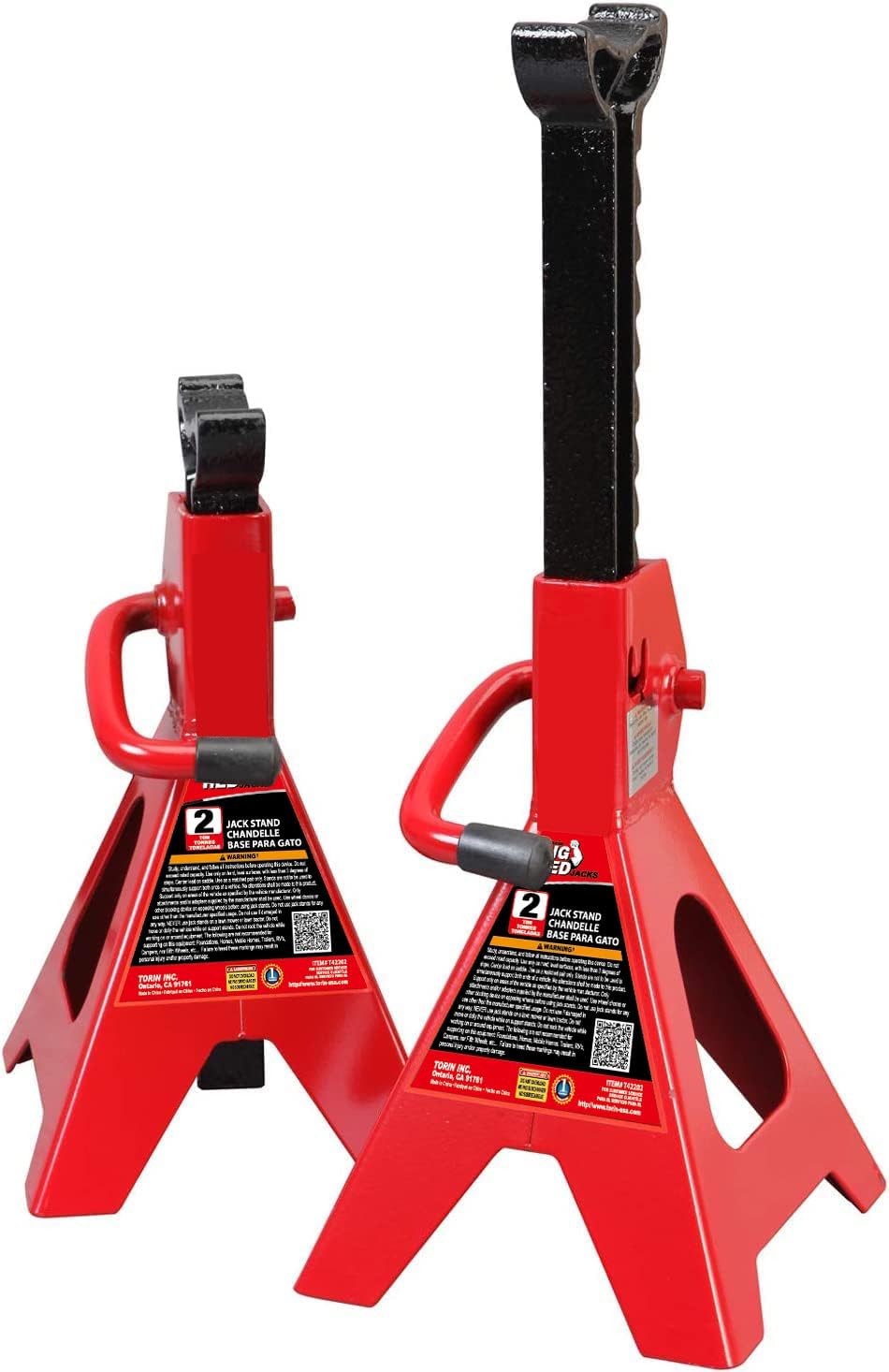
Work on a flat surface, set the parking brake unless you specifically need the axle free to rotate, and chock the wheels. If you lift the vehicle, always support it with jack stands under the proper lift points or axle tubes. Never rely on a floor jack alone.
If your vehicle is all-wheel drive or four-wheel drive, check the service information before rotating wheels by hand. Some driveline layouts can behave differently than a simple rear-wheel-drive axle, and electronic locking systems may require special procedures.
Road Test the Right Way
A road test is often the fastest way to narrow down differential trouble. Turn off the radio, drive on a smooth road, and note exactly when the noise happens. The key question is whether the sound changes with vehicle speed, engine speed, load, or turning.
- Drive at a steady speed and listen for a hum, howl, or whine that increases as road speed rises.
- Lightly accelerate, then let off the throttle and listen for changes between acceleration and deceleration.
- At low speed in an empty lot, make slow left and right turns and listen for chatter, clicking, or binding.
- If safe, shift to neutral while coasting at the same speed to see whether the noise remains tied to road speed rather than engine load.
- Notice whether the sound seems centered in the vehicle, closer to one wheel, or from the front versus rear.
If the noise changes mainly with vehicle speed, the issue is more likely in the differential, axle bearings, wheel bearings, or tires. If it changes mainly with engine RPM and not road speed, the source may be the engine, transmission, or transfer case instead.
Tools That Make This Job Easier


Inspect for Leaks and External Damage
Check the Housing and Seals
Use a flashlight to inspect the differential cover, axle tubes, pinion yoke area, and fill and drain plugs. Fresh gear oil is usually amber to dark honey-colored, while older oil may be darker and have a strong sulfur smell. Wet streaks thrown rearward by airflow often reveal the real source of a leak.
- Differential cover leak: wet perimeter around the cover or gasket area.
- Pinion seal leak: oil around the driveshaft yoke and front of the differential.
- Axle seal leak: oil near the backing plate, inner wheel area, or axle end.
- Fill plug leak: dampness only around the plug threads.
Look for Impact Damage
A dented housing, bent cover, damaged vent hose, or loose mounting hardware can create noise and leaks. Off-road impacts can also misalign internal parts if the housing or axle tubes were bent.
Check Differential Fluid Condition and Level
Fluid condition is one of the most important clues. Remove the fill plug first, not the drain plug or cover, so you know the unit can actually be refilled. On most differentials, the fluid should be level with the bottom edge of the fill hole or just slightly below it.
Insert a clean finger or small zip tie to sample the oil. Good gear oil feels slick and should not contain gritty metal particles. Burnt-smelling oil, silver shimmer, chunks of metal, or a very low level strongly suggest internal wear or a long-running leak.
- Low but otherwise clean fluid may mean a seal or cover leak was caught early.
- Dark, burnt fluid with fine metallic paste points to wear from overheating.
- Visible chips or flakes indicate more serious gear or bearing damage.
- Milky fluid can mean water contamination from submersion or a failed vent system.
If the vehicle has a limited-slip differential, verify the exact fluid specification. Using the wrong oil or skipping the required friction modifier can cause chatter that feels like a mechanical failure even when the gears are still in good shape.
Check for Excessive Play and Mechanical Looseness
Driveshaft and Pinion Yoke Play
With the vehicle safely supported and the transmission in neutral where appropriate, rotate the driveshaft by hand back and forth. Some lash is normal, but a large dead zone before the wheels begin to move can point to excessive backlash in the differential or wear elsewhere in the driveline.
Grab the pinion yoke and check for up-and-down or in-and-out movement. There should be essentially no noticeable wobble. Any obvious play at the yoke strongly suggests a worn pinion bearing or loosened pinion preload.
Axle and Wheel-end Play
Spin each rear wheel and listen. A rough sound near one side may point to a wheel bearing or axle bearing rather than the center differential. Then grasp the tire at the top and bottom and check for movement. Excessive play can come from wheel bearings, axle bearings, or suspension components.
Ring Gear Backlash Check
If you are comfortable opening the housing or removing the cover, a dial indicator can measure ring gear backlash. Compare the reading to factory specifications. Too much backlash can create clunking and noise, while too little can overheat gears and cause whine. This is a more advanced check, but it gives much better evidence than guessing from sound alone.
Separate Differential Noise From Wheel Bearing, Tire, and U-Joint Noise
Many parts can mimic differential failure, so it is important not to jump straight to the worst-case conclusion. Tires with cupping or aggressive tread can hum loudly. Wheel bearings often growl and may change when you swerve left or right. U-joints usually clunk during shifts or vibration under load rather than produce a steady gear whine.
- Noise that changes when cornering often points more toward a wheel bearing than the center differential.
- A vibration felt mainly under acceleration may come from the driveshaft or U-joints.
- A constant humming from one tire can be tire wear, not gear damage.
- A differential whine commonly stays centered and changes with load or road speed.
A mechanic’s stethoscope or electronic chassis ears can help isolate the source while the driveline is rotating on a lift, but use extreme caution and only if you have the equipment and experience to do it safely.
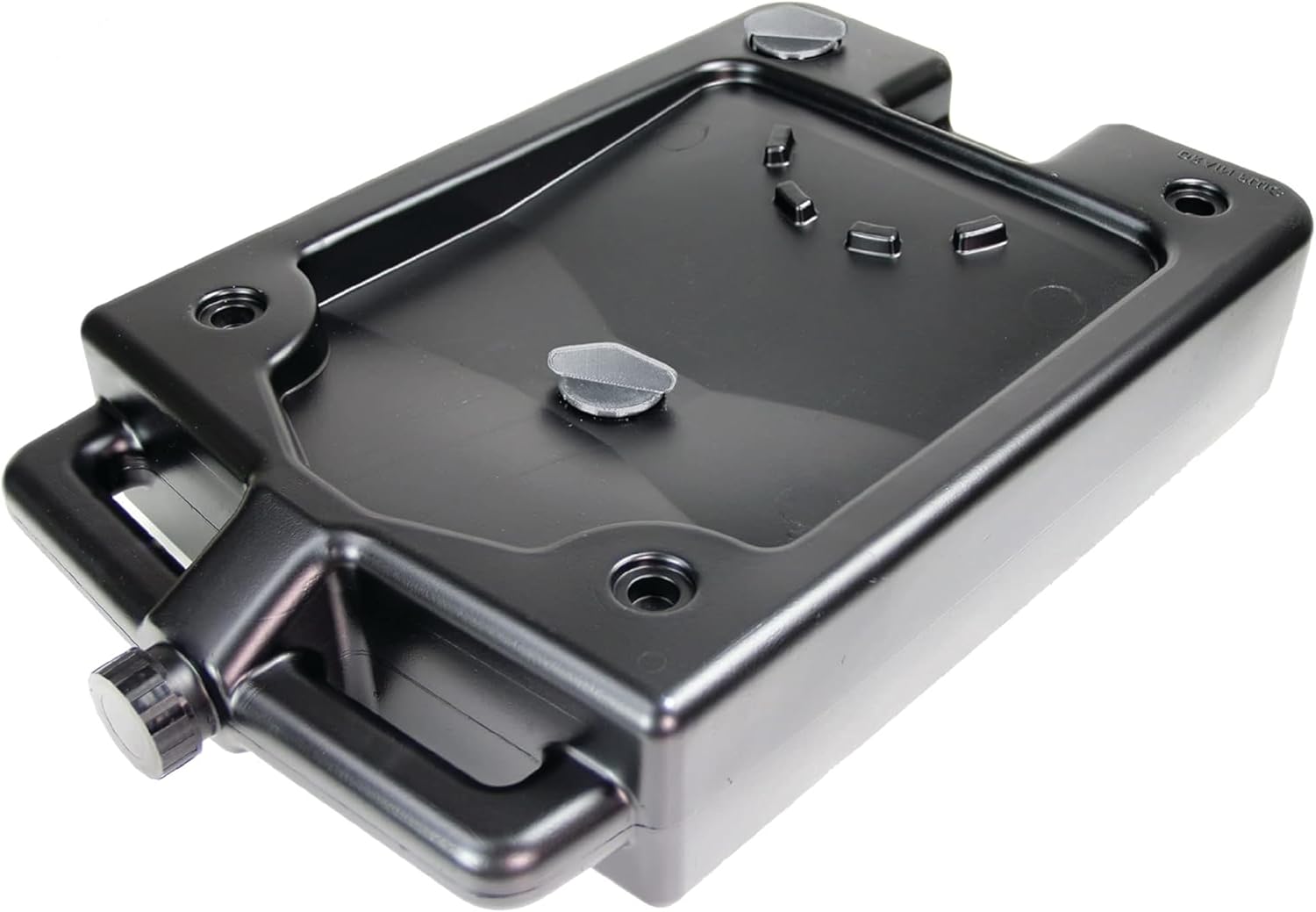
Recommended Tools for This Job


What Specific Sounds Usually Mean
Sound interpretation is not perfect, but some patterns are common enough to be useful.
- Whine during acceleration: often pinion depth, gear wear, or bearing issues under load.
- Whine during deceleration: often pinion bearing wear or coast-side gear wear.
- Rumble or growl at all speeds: usually carrier, pinion, or axle bearing damage.
- Clunk when taking off: driveline lash, worn gears, loose mounts, or U-joints.
- Chatter in turns: limited-slip clutch issue, wrong fluid, or missing additive.
- Clicking from one side: more likely axle, CV joint, or wheel-end issue than the differential center section.
When Heat Tells You Something Important
After a short drive, an infrared thermometer can help compare temperatures at the differential housing near the pinion, center section, and axle ends. A unit running much hotter than expected may have low fluid, excessive preload, bearing damage, or internal friction from gear damage.
Use temperature only as a supporting clue, not a final diagnosis. Long towing, high ambient temperatures, and aggressive driving can all increase normal differential temperature.
How to Interpret Your Findings
Once you finish the road test and inspection, try to match the evidence rather than relying on a single symptom.
- Leak plus low fluid plus new whine: refill with the correct fluid, repair the leak, and reassess quickly before damage worsens.
- Clean fluid but heavy yoke play or growling: pinion bearing failure is likely and usually requires internal repair.
- Metal flakes in oil plus loud whine: gear or bearing damage is likely advanced, and rebuild or replacement is usually the realistic next step.
- Chatter only in tight turns with no metal in oil: limited-slip fluid or additive issue is possible before assuming hard-part damage.
- Noise isolated to one side with wheel play: inspect axle or wheel bearing components before condemning the differential.
What You Can Fix Yourself and What Usually Needs a Shop
DIY-friendly repairs usually include changing gear oil, replacing a cover gasket or RTV seal, fixing some minor leaks, and verifying fluid specifications. These steps can solve chatter, reduce wear, and catch trouble early.
Internal repairs such as replacing ring and pinion gears, carrier bearings, pinion bearings, crush sleeves, or setting backlash and contact pattern are much more advanced. These jobs require specialty tools and careful measurements. A differential can become louder and fail quickly if gear setup is even slightly off.
If you find large metal particles, severe backlash, obvious yoke looseness, or a howl that keeps getting worse, it is usually smarter to stop driving and get a professional inspection. Continuing to drive can lock up the axle, damage the driveshaft, or leave you stranded.
Next Steps After Diagnosis
- Document the exact symptoms, including whether noise happens on acceleration, deceleration, turns, or all the time.
- Check and correct the fluid level using the exact specification listed for your axle or differential type.
- Repair any obvious external leaks and clean the housing so you can monitor for fresh seepage.
- If noise remains, inspect related components such as wheel bearings, driveshaft joints, and mounts before ordering expensive differential parts.
- If internal wear is strongly indicated, decide between rebuild, used assembly replacement, or remanufactured unit based on cost and vehicle value.
A careful diagnosis saves money because many noises blamed on the differential are actually coming from tires, wheel bearings, or driveline joints. But when the evidence really does point to the differential, acting early can prevent a full gear and bearing failure.
Key Takeaways
- Match the noise to vehicle speed, load, and turning before assuming the differential is bad.
- Always check fluid level and condition first because low or wrong gear oil can mimic major internal failure.
- Pinion yoke play, metal in the oil, and a worsening howl usually mean internal repair is needed soon.
- Differentiate center differential noise from wheel bearings, tires, and U-joints to avoid unnecessary parts replacement.
- Stop driving if the axle is loudly grinding, binding, or leaking badly enough to risk running low on fluid.
FAQ
Can I Drive with a Noisy Differential?
Maybe for a very short distance to diagnose or reach a repair shop, but it depends on the noise. Mild chatter from incorrect limited-slip fluid is less urgent than a loud howl, grinding, or major leak. If the noise is getting worse quickly, the differential is binding, or the fluid is low, driving further can cause catastrophic damage.
What Does Low Differential Fluid Sound Like?
Low fluid often causes a whining or howling noise that rises with vehicle speed, especially after the differential warms up. In more advanced cases, you may also hear growling from bearings or feel binding due to overheating and poor lubrication.
How Do I Know if the Noise Is a Wheel Bearing Instead of the Differential?
Wheel bearing noise often comes from one corner of the vehicle and may change when you turn left or right and shift load across the suspension. Differential noise is more often centered and can change between acceleration and deceleration. Checking for wheel play and listening at each wheel helps separate the two.
Will Changing Differential Fluid Fix Whining?
It can help if the noise is caused by low fluid, degraded fluid, or limited-slip additive issues, but it usually will not repair worn gears or bad bearings. If the old fluid contains heavy metal particles or the whine remains after servicing, internal damage is more likely.
What Causes Differential Chatter in Turns?
Chatter during low-speed turns is common on limited-slip differentials when the wrong gear oil is used or the friction modifier is missing. It can also happen when the clutch packs are worn or sticking. Start by confirming the correct fluid specification before assuming hard-part failure.
Is a Clunk when Shifting From Drive to Reverse Always a Bad Differential?
No. Some driveline lash is normal, especially on older trucks and SUVs. A strong or worsening clunk can come from excessive differential backlash, but it can also be caused by worn U-joints, loose suspension or drivetrain mounts, or axle play.
Do I Need Special Tools to Diagnose a Differential Problem?
Basic diagnosis can be done with a jack, stands, flashlight, hand tools, and a careful road test. More precise diagnosis may require a dial indicator for backlash, a stethoscope or chassis ears for sound tracing, and service specs for your axle.
When Should I Rebuild the Differential Instead of Replacing It?
Rebuild makes sense when the housing is good, parts are available, and labor costs are reasonable. Replacement may be better if the gears are severely damaged, the axle housing is bent, or a quality remanufactured or low-mile used assembly is cheaper than setup labor and parts.
Need Parts for This Repair?
The right parts and supplies vary by vehicle.
Select your make and model to find compatible parts and accessories for your car.
Exact Fit
Parts that fit your make and model
Quality You Can Trust
Top brands and OEM quality options
Fast Shipping
Get the parts you need, delivered fast