

Note: This article contains affiliate links. If you click on these links and make a purchase, I may earn a small commission at no extra cost to you. This helps support my research and content. Read my full affiliate disclosure here.
What You’ll Need
A quick look at the tools and supplies commonly used for this job.
Tools
- Work gloves
- Safety glasses
- Flashlight
- OBD2 scan tool or temperature reader
- Infrared thermometer
- Cooling system pressure tester
- Coolant funnel or spill-free funnel kit
- Jack and jack stands or drive-on ramps
Parts & Supplies
- Correct coolant for the vehicle
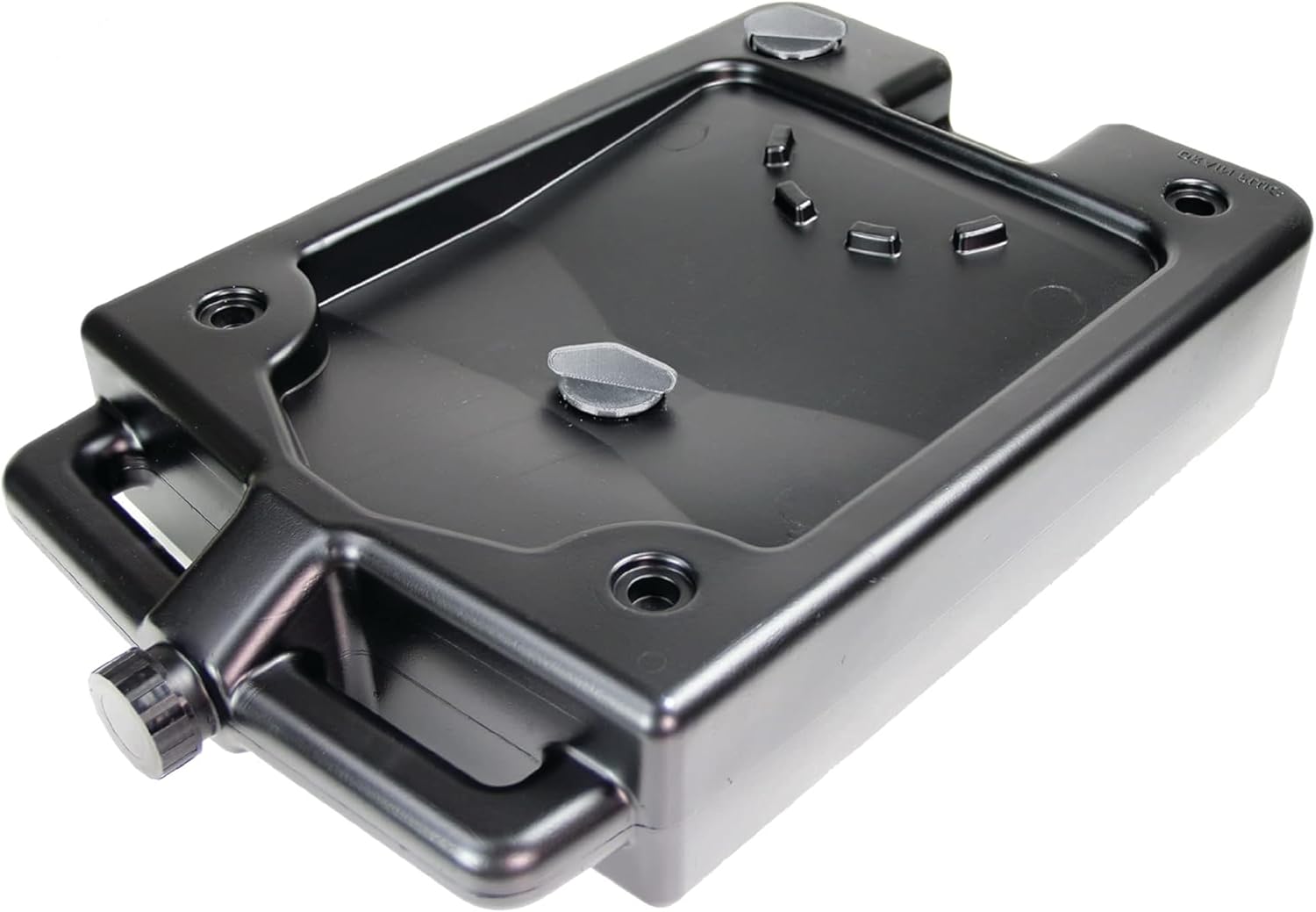
- Drain pan
- Distilled water if coolant must be mixed
- Shop rags
This article is part of our Cooling System Maintenance & Repair Guides.
Air trapped in the cooling system can cause overheating, weak cabin heat, temperature gauge swings, and noisy coolant flow even when major parts like the radiator or water pump are still working.
This problem often shows up after a coolant change, thermostat replacement, hose repair, radiator work, or any leak that let the system run low. Because modern cooling systems depend on steady coolant circulation, even a small air pocket can stop coolant from flowing properly through the engine, heater core, or thermostat housing.
The goal of this guide is to help you tell whether trapped air is the likely cause, how to check safely at home, and when the symptoms point to a different problem such as a leak, bad thermostat, failing radiator cap, clogged heater core, or head gasket issue.
Why Air in the Cooling System Causes Problems
A sealed cooling system is designed to move liquid coolant through the engine, radiator, heater core, and related passages. Liquid coolant carries heat efficiently; air does not. When air gets trapped, the water pump may cavitate, the thermostat may not see the correct coolant temperature, and hot spots can form in the cylinder head or engine block.
Air pockets are especially common near high points in the system, such as the thermostat housing, upper radiator hose, heater core lines, and bleed ports. In some vehicles, the radiator cap or degas bottle is not the highest point, which makes proper bleeding more important after service.
- Air can prevent steady coolant flow and make the temperature gauge rise and fall suddenly.
- A trapped pocket near the heater core can leave the cabin heater blowing cool or inconsistent air.
- Air near the thermostat can delay opening and cause temporary overheating.
- Bubbling coolant may look like boiling even when the real issue is trapped air circulation.
Common Symptoms of Air in the Cooling System
Symptoms You May Notice While Driving
- Temperature gauge climbs higher than normal, then drops back down unexpectedly.
- Heat from the vents is weak at idle but improves when engine speed rises.
- You hear gurgling, rushing water, or sloshing sounds behind the dash.
- The engine overheats shortly after coolant service or a repair.
- The upper radiator hose gets hot while another part of the system stays much cooler than expected.
Symptoms You May Notice Under the Hood
- Coolant level in the reservoir rises and falls more than usual after shutdown.
- You see intermittent bubbles in the funnel or reservoir during warm-up.
- The radiator or surge tank seems low even though it was recently filled.
- There are no major leaks, but the engine still runs hotter than normal.
None of these signs prove trapped air by themselves, but the combination matters. If the problem began soon after a cooling system repair or after the vehicle was driven low on coolant, air in the system becomes much more likely.
When Air Is Most Likely the Cause
Trapped air is most likely when symptoms started after the system was opened or coolant level dropped. DIY owners often chase a thermostat or fan problem when the real issue is simply that the system was refilled without being bled correctly.
- Coolant was recently drained and refilled.
- A radiator, hose, thermostat, water pump, or heater hose was replaced.
- A leak caused the engine to run low on coolant before being topped off.
- The vehicle overheated once, then continued to act up after coolant was added.
- The heater became inconsistent immediately after repair work.
If none of those conditions apply, do not assume trapped air is the only explanation. A stuck thermostat, weak water pump, clogged radiator, electric fan issue, or combustion gases entering the system can mimic the same symptoms.
Safety Before You Start
Never remove a radiator cap or pressurized reservoir cap on a hot engine. Hot coolant can spray out with enough force to cause serious burns. Let the engine cool fully before opening the system.
- Work only on a cool engine unless a specific test requires warm-up with the cap already removed and a funnel installed.
- Keep hands, tools, and clothing clear of belts and cooling fans.
- Support the vehicle properly if you raise the front end to help bleeding.
- Clean up coolant spills immediately because coolant is slippery and toxic to pets.
Tools That Make This Job Easier


Initial Checks Before You Assume There Is Air
Check Coolant Level Cold
With the engine completely cool, inspect the radiator if accessible and the overflow or degas bottle. A low level is the first clue that air may have entered. If the radiator is low but the reservoir still has coolant, there may be a cap problem or trapped air preventing proper recovery.
Look for Obvious Leaks
Check hose connections, radiator seams, the thermostat housing, water pump area, heater hose fittings, and the radiator cap or reservoir cap seal. If coolant is leaking, air can re-enter every time the engine cools down.
Confirm the Cooling Fans Work
If the engine gets hot at idle or in traffic, make sure the radiator fans turn on when the engine reaches operating temperature or when the air conditioning is switched on, depending on vehicle design. A fan problem can look like trapped air.
Check Heater Performance
Set the HVAC to full heat with the blower on medium. If the engine is warm but cabin heat remains cool or changes from hot to cold as you drive, trapped air in the heater core circuit is a strong possibility.
How to Test for Air in the Cooling System
Test the System During Cold Start Warm-Up
Start with a fully cool engine. Remove the radiator cap only if the design allows it safely and the cap is on the radiator; if the system uses a pressurized reservoir, follow that design instead. Install a spill-free funnel if you have one and fill to the proper level.
Start the engine and let it idle. Watch the coolant in the funnel or filler neck as the engine warms up. Small level changes during warm-up are normal, but repeated burps followed by level drops can indicate trapped air working its way out.
- Occasional bubbles right after filling often mean trapped air is being purged.
- A sudden drop in coolant level when the thermostat opens usually means coolant is finally circulating through a previously air-bound section.
- Persistent violent bubbling from the start can point to combustion gases rather than simple trapped air.
Feel Hose Temperature Differences Carefully
As the engine warms, the upper radiator hose should generally stay cooler until the thermostat opens, then become hot quickly. The lower hose is usually somewhat cooler than the upper one, but not ice-cold once circulation is established. Use caution and wear gloves.
A hose that remains much cooler than it should, or a heater hose that alternates hot and cool, can suggest unstable coolant flow from trapped air. An infrared thermometer makes this check much safer and more accurate.
Use the Heater as a Diagnostic Tool
Turn the cabin heat to maximum while the engine reaches operating temperature. If the vents blow warm, then suddenly cool, then warm again as engine speed changes, the heater core may have an air pocket. This is one of the most common DIY clues.
Watch the Temperature Gauge Behavior
A thermostat problem often produces a more consistent pattern, such as staying cold too long or overheating steadily. Air in the system often creates erratic behavior: normal reading, then a sudden spike, then a return toward normal once coolant circulation briefly recovers.
Bleed Screw and Funnel Checks
Many engines have one or more bleed screws near the thermostat housing, coolant crossover pipe, or heater outlet. If your vehicle has them, they are often the quickest way to confirm and remove trapped air.
- With the engine cool, fill the system to the proper level.
- Open the bleed screw slightly while adding coolant.
- Watch for sputtering air mixed with coolant.
- When a steady stream of coolant comes out without bubbles, close the screw to the correct tightness.
- Repeat at any additional bleed points specified for the vehicle.
If you open a bleed screw and get obvious spurts of air before coolant flows steadily, that is strong confirmation that trapped air was present. If you never get a solid stream or the system keeps drawing air back in after cooling, suspect a leak or another fault.
A spill-free funnel helps because it keeps the fill point above the engine, allowing bubbles to migrate upward. On some vehicles, slightly raising the front of the car can also help move trapped air toward the fill point, but it is not a substitute for the correct bleeding procedure.
Recommended Tools for This Job


Using Temperature Readings to Confirm the Problem
An infrared thermometer or live data from a scan tool can help separate trapped air from other cooling system faults. Compare the engine coolant temperature reading with hose and radiator temperatures as the engine warms up.
- If scan data shows the engine getting hot but the heater hoses stay inconsistent, air in the heater circuit is likely.
- If the engine coolant temperature rises rapidly but the upper radiator hose stays cool too long, the thermostat may be closed or sitting in an air pocket.
- If the radiator shows large cold sections after warm-up, you may have a circulation issue, trapped air, or internal blockage.
- If temperature readings normalize after bleeding and topping off, trapped air was probably the root cause.
How to Tell Air Apart From Other Cooling System Problems
Bad Thermostat
A stuck thermostat often causes repeatable overheating with poor radiator flow. Air can mimic this, but symptoms that change after refilling, squeezing hoses, or bleeding lean more toward trapped air.
External Coolant Leak
If coolant level keeps dropping, do not stop at bleeding. A leak is often the original cause that allowed air into the system. Pressure testing is the best next step when no obvious drip is visible.
Head Gasket or Combustion Gas Leak
Continuous bubbling in the radiator from a cold start, repeated hard upper hoses, unexplained coolant loss, white exhaust smoke, or coolant contamination can point to combustion gases entering the system. In that case, air is a symptom, not the root problem.
Weak Water Pump
A damaged impeller can cause poor circulation, overheating, and weak heat, much like trapped air. If the system was bled properly and temperatures still stay unstable, circulation problems should move higher on your suspect list.
Radiator Cap or Reservoir Cap Failure
A cap that cannot hold pressure or draw coolant back during cool-down can cause recurring low coolant and fresh air entry. If the level keeps changing between the radiator and reservoir abnormally, inspect or test the cap.
What to Do If You Confirm There Is Air
If your tests point to trapped air, the fix is usually to refill and bleed the cooling system correctly for that vehicle. Exact procedures vary, and some engines require special steps such as opening specific bleed screws, using a vacuum fill tool, setting the heater controls a certain way, or cycling the engine at a prescribed RPM.
- Let the engine cool fully.
- Top off with the correct coolant mixture.
- Use the proper bleed points if equipped.
- Run the engine with the heater on full hot.
- Allow the thermostat to open and watch for the coolant level to drop.
- Add coolant as needed until bubbling stops and heat output becomes steady.
- Install the cap, road test the vehicle, and recheck level after a full cool-down.
If the system keeps collecting air after you bleed it, you still have an underlying cause. Most often that means an external leak, a cap problem, or combustion gases entering the cooling system.
When to Stop Driving and Get More Help
Do not keep driving a vehicle that is actively overheating. A simple air pocket can quickly become warped heads, a blown head gasket, or engine damage if temperature climbs into the red.
- Stop driving if the gauge is near hot, a warning light comes on, or steam is visible.
- Do not keep topping off coolant without finding out why the level dropped.
- If the system will not bleed cleanly or keeps bubbling, test for leaks and combustion gases next.
- If heater output stays erratic after correct bleeding, inspect thermostat operation and coolant circulation.
Key Takeaways
- Erratic temperature swings, gurgling sounds, and weak cabin heat after coolant service are classic signs of trapped air.
- Check coolant level cold and inspect for leaks first, because air usually enters only after coolant is lost or the system is opened.
- A spill-free funnel, bleed screws, and steady heater output are some of the best DIY ways to confirm and remove trapped air.
- If bubbling never stops or air keeps returning after bleeding, look for a leak, bad cap, water pump problem, or head gasket issue.
FAQ
Can Air in the Cooling System Cause Overheating?
Yes. Air pockets can block coolant circulation, prevent the thermostat from reacting correctly, and create hot spots in the engine. Even if the system is full enough to show coolant in the reservoir, trapped air can still cause overheating.
Will Air in the Cooling System Go Away on Its Own?
Sometimes a small amount works out after several heat cycles, but many vehicles will not self-bleed completely. If symptoms are noticeable, you should bleed the system correctly rather than waiting and risking overheating.
What Does Air in the Cooling System Sound Like?
Drivers often describe it as gurgling, sloshing, trickling, or rushing-water sounds, especially behind the dashboard near the heater core. The noise may be most noticeable during startup, acceleration, or after shutdown.
Can Trapped Air Make the Heater Blow Cold?
Yes. If air reaches the heater core, coolant may not flow through it steadily. That can cause little heat at idle, heat that comes and goes, or vents that stay cool even when the engine is warm.
How Do I Know if It Is Air in the System or a Bad Thermostat?
Air tends to cause more erratic symptoms, especially after recent coolant work, such as gauge spikes and changing heater output. A bad thermostat often produces more repeatable behavior, like running cold too long or overheating consistently. If bleeding improves the problem, trapped air was likely involved.
Why Does My Cooling System Keep Getting Air in It?
The system usually keeps getting air because coolant is escaping somewhere or combustion gases are entering the system. Common causes include a hose leak, radiator leak, bad cap, water pump leak, or head gasket problem.
Do I Need a Special Funnel to Bleed the Cooling System?
Not always, but a spill-free funnel makes the job easier and safer because it raises the fill point and lets trapped air escape without making a mess. Some vehicles still require specific bleed screws or a factory-style procedure.
Is It Safe to Open the Radiator Cap to Check for Bubbles?
Only when the engine is completely cool. Never remove the cap on a hot engine. If you need to watch coolant during warm-up, install the cap off only while the system is cool and use a proper funnel setup before starting the engine.
Need Parts for This Repair?
The right parts and supplies vary by vehicle.
Select your make and model to find compatible parts and accessories for your car.
Exact Fit
Parts that fit your make and model
Quality You Can Trust
Top brands and OEM quality options
Fast Shipping
Get the parts you need, delivered fast