

Note: This article contains affiliate links. If you click on these links and make a purchase, I may earn a small commission at no extra cost to you. This helps support my research and content. Read my full affiliate disclosure here.
What You’ll Need
A quick look at the tools and supplies commonly used for this job.
Tools
- Digital multimeter
- 12-volt test light
- Flashlight
- Trim tool or small screwdriver for fuse box cover
- Owner’s manual or fuse box diagram
- Fuse puller or needle-nose pliers
Parts & Supplies
- Replacement blade fuses in the correct amperage ratings
- Spare relays if applicable
- Electrical contact cleaner
- Notebook or phone for recording test results
This article is part of our Electrical System Maintenance & Repair Guides.
Blown fuse diagnosis is more than swapping in a new fuse and hoping the problem goes away. A fuse is a safety device that opens the circuit when current goes too high, so when one blows, your real job is to figure out why that happened.
In many cases, a blown fuse points to a short to ground, a failing component, water intrusion, damaged wiring, or an incorrect fuse installation. Sometimes the fix is simple, like a chafed wire under a seat or a failed cigarette lighter socket. Other times, repeated fuse failure means there is a deeper electrical issue that needs a methodical process.
This guide walks through the safest DIY way to diagnose a blown fuse in your car, truck, or SUV. You will learn how to confirm the fuse is actually bad, identify what that fuse powers, narrow down the likely cause, and decide whether you can repair it yourself or should hand it off to a professional.
What a Blown Fuse Usually Looks Like
A blown fuse often shows up as one or more electrical features suddenly stopping. The affected system might be obvious, like a dead radio or power outlet, or it might be less obvious, like inoperative interior lights, a disabled HVAC control head, or windows that stop moving.
Common Symptoms
- One accessory stops working while the rest of the vehicle operates normally.
- A fuse blows immediately after replacement.
- A fuse blows only when a certain switch, motor, or accessory is used.
- Several related functions fail because they share one fuse or power feed.
- You smell hot plastic or see signs of heat at the fuse box or affected component.
If the new fuse blows the instant you install it, suspect a direct short to ground on the power side of that circuit. If it blows only when you turn something on, the problem may be inside the switched component, its wiring, or a motor drawing too much current under load.
Also remember that not every dead electrical system is caused by a blown fuse. Weak batteries, poor grounds, failed relays, bad switches, and module faults can mimic fuse problems. That is why testing matters before replacing parts.
Safety Before You Start
Automotive fuse diagnosis is usually safe for a careful DIYer, but you still need to protect yourself and the vehicle. Work with the ignition off unless a test specifically requires the circuit to be powered. Never install a fuse with a higher amp rating than the one specified by the manufacturer.
- Use the correct fuse amperage and style every time.
- Do not bypass a fuse with foil, wire, or an oversized fuse.
- Keep metal tools away from exposed terminals whenever possible.
- Disconnect the negative battery cable before opening harnesses or repairing damaged wiring.
- Be extra cautious around airbag, ABS, and high-current cooling fan circuits.
If the blown fuse is tied to critical systems like airbags, engine control, anti-lock brakes, or electronic steering, basic checks are fine, but deeper diagnosis is often better left to a qualified technician.
Tools and Information You Need
You do not need a full professional electrical lab to diagnose many blown fuse issues. The most useful items are a fuse diagram, a test light, and a digital multimeter. The owner’s manual or the fuse box cover will often tell you the fuse name, amperage, and location.
Why Each Tool Helps
- A fuse diagram tells you what the circuit powers so you know where to look.
- A fuse puller removes blade fuses without damaging them or the fuse block.
- A test light quickly shows whether both sides of a fuse have power.
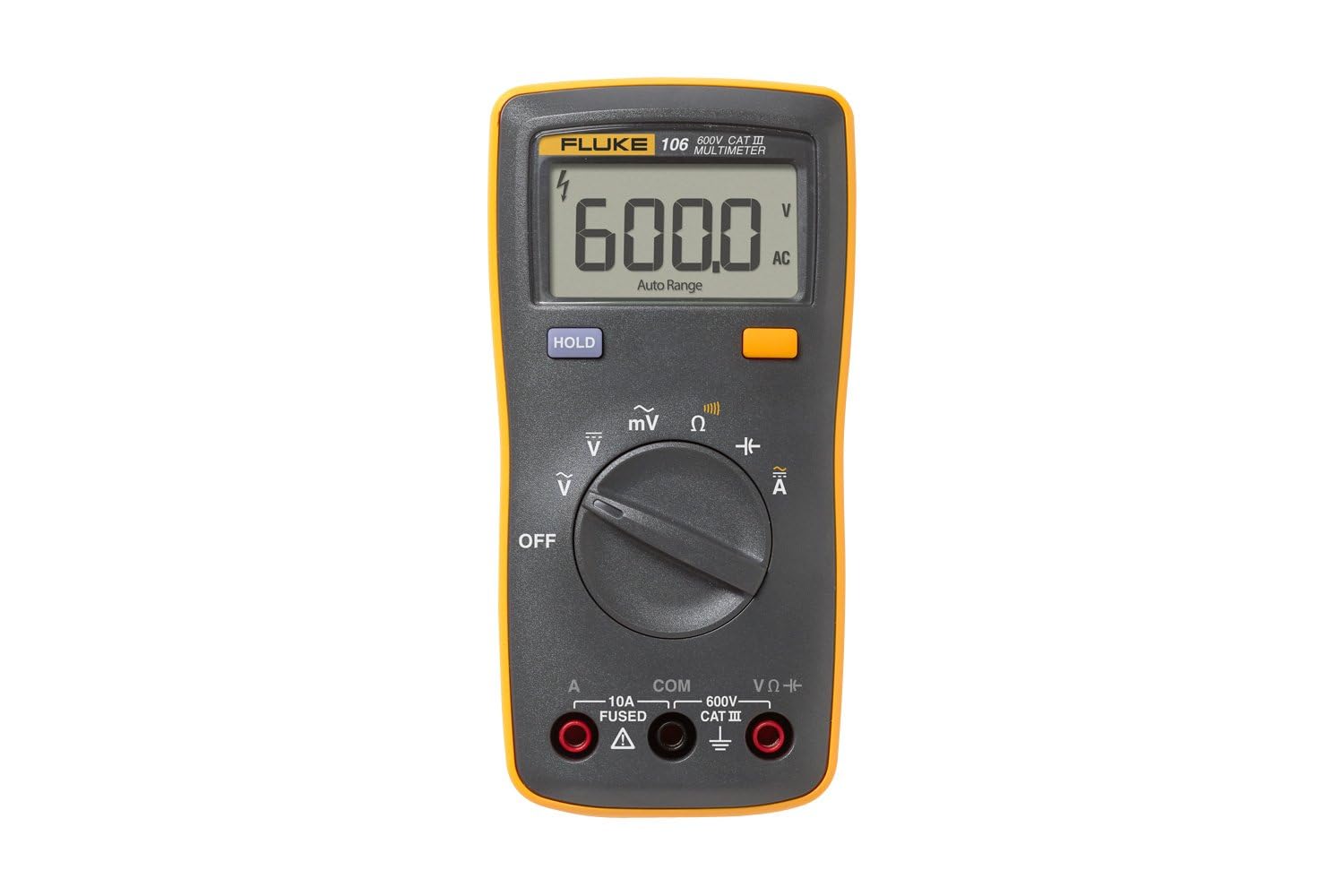
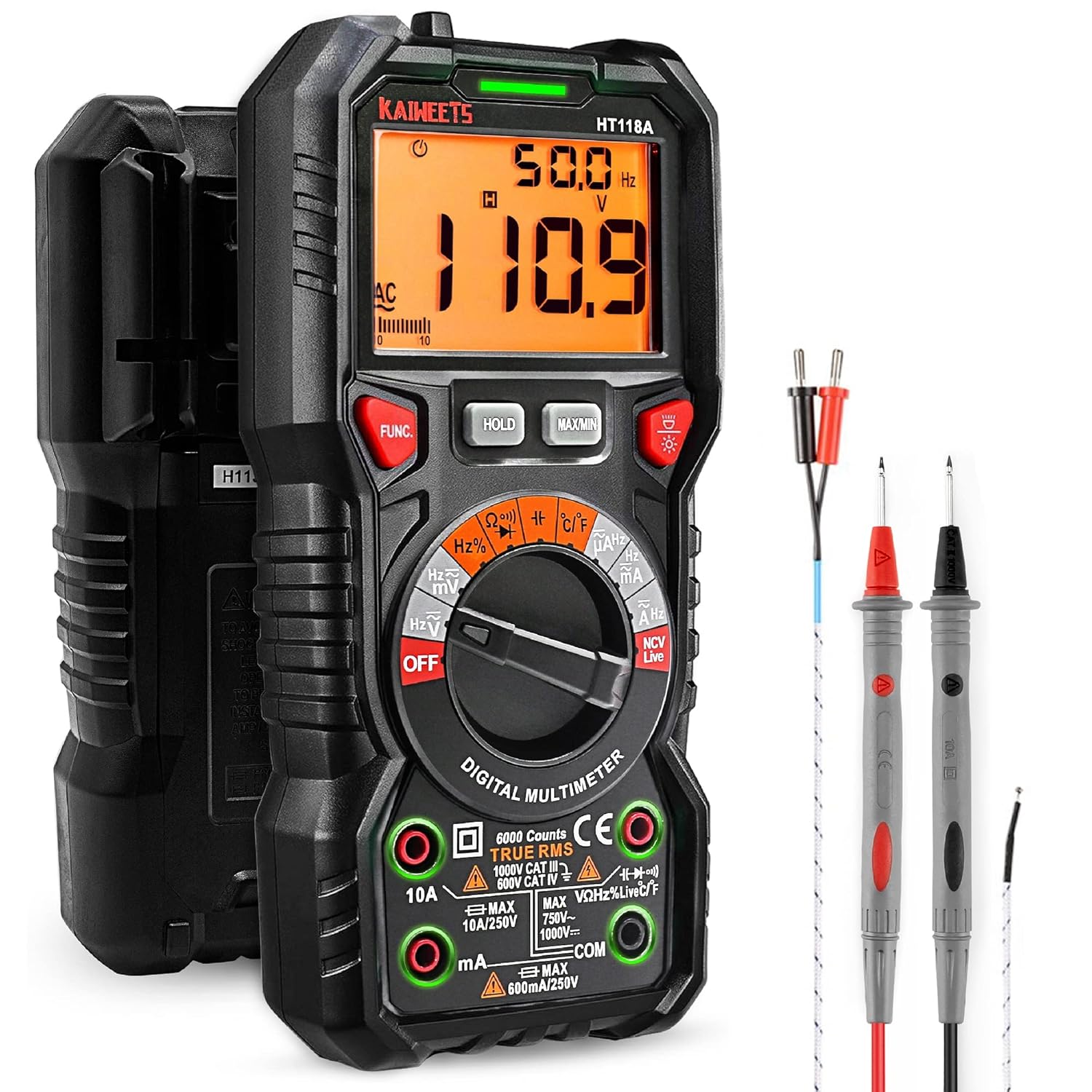
- A multimeter helps verify continuity, voltage, and sometimes excessive current draw patterns.
- A flashlight helps you see heat damage, corrosion, and melted plastic in tight spaces.
If you can access a wiring diagram for your exact vehicle, diagnosis gets much easier. It lets you trace what components and connectors are downstream of the fuse, which is critical when several devices share one circuit.
Find the Right Fuse and Confirm It Is Blown
Start by identifying which electrical function is not working. Then locate the related fuse in the under-dash or under-hood fuse panel. Some systems have more than one relevant fuse, so verify all fuses listed for that circuit.
Visual Inspection
Pull the fuse and inspect the metal strip inside. If the strip is broken or the plastic window is darkened, the fuse is likely blown. However, do not rely on visual inspection alone, because some fuses crack in ways that are hard to see.
Quick Test Light Check
With the circuit powered as required, clip the test light to a known good ground and probe the small exposed test points on top of the fuse. A good powered fuse usually lights the tester on both sides. If only one side lights, the fuse is blown. If neither side lights, the circuit may not be powered at that moment, or there may be an upstream power supply problem.
Multimeter Continuity Check
With the fuse removed and the circuit off, set the multimeter to continuity or low ohms. Touch a probe to each blade. A good fuse shows continuity or very low resistance. An open reading confirms the fuse is blown.
If the fuse is not actually blown, stop and diagnose the dead circuit more broadly. You may be dealing with a relay, switch, control module, poor ground, or power supply issue instead.
Tools That Make This Job Easier


Understand What the Fuse Powers
Once the fuse is confirmed bad, the next step is to identify everything on that fuse. This is where many DIYers save time. The label might say something simple like RADIO, but the same fuse may also feed interior illumination, USB ports, steering wheel audio controls, or a body control module input.
Make a list of all devices on that circuit. Then ask two questions: what was being used when the fuse blew, and what parts of the circuit are physically exposed to movement, moisture, heat, or rubbing?
Common Problem Areas
- Power outlet or cigarette lighter sockets with coins or metal debris inside
- Trailer wiring harnesses damaged by road debris or corrosion
- Door jamb harnesses that flex every time the door opens
- Seat wiring crushed or pinched by seat tracks
- Trunk and hatch harnesses broken inside rubber boots
- Aftermarket stereo, alarm, lighting, or remote start wiring
If the fuse serves a motor, like a blower motor, wiper motor, or power window circuit, excessive current draw from a worn motor can blow the fuse even without a direct short. That is an important distinction, because the wiring may be fine while the component is failing internally.
Step-by-Step Diagnostic Process
Install the Correct Replacement Fuse Once
After confirming the original fuse is blown, install a new fuse with the exact same amperage rating. Do this once as part of diagnosis, not repeatedly. Replacing fuses over and over can hide the pattern and may risk damage if you become tempted to use the wrong fuse.
See when the Fuse Blows
Turn the key to the required position and operate the affected system. Note whether the fuse blows immediately, only when the component is activated, only while driving, or only on bumps or turns. Timing tells you a lot.
- Blows instantly with key on: likely short to ground or internal module failure.
- Blows when device is switched on: suspect the component or its branch wiring.
- Blows only occasionally: suspect intermittent chafing, moisture, vibration, or heat-related failure.
- Blows only under heavy load: suspect a weak motor or high-current accessory.
Disconnect Loads One at a Time
If the fuse powers more than one item, unplug the easiest downstream components one at a time. Replace the fuse, retest, and see whether the fuse still blows. When the fuse stops blowing after one component is disconnected, you have narrowed the problem to that component or the wiring branch leading to it.
For example, if a radio fuse keeps blowing, unplug the radio first. If the fuse then survives, the radio or its wiring is suspect. If it still blows, continue isolating other loads on the same circuit.
Inspect the Harness Physically
Look for rubbed insulation, pinched sections, melted connectors, green corrosion, water tracks, and recent repair work. Pay close attention anywhere the harness passes through metal, under trim, near hinges, under seats, or close to exhaust components.
Check for Short to Ground
With the battery disconnected and the blown fuse removed, use a wiring diagram to identify the load side of the fuse socket. Measure resistance from that load side to chassis ground. Very low resistance may indicate a short to ground, but interpretation depends on what is connected to the circuit. Motors, bulbs, and modules can create readings that are not truly a dead short, so use this test along with component isolation.
Recommended Tools for This Job


How to Interpret Your Test Results
Good electrical diagnosis is really about pattern recognition. The fuse failure pattern points you toward the root cause.
When the Fuse Blows Immediately
This usually means the power feed is touching ground before the load can even operate, or a module or component has an internal short. Start with recent work, aftermarket accessories, and harnesses near sharp metal edges.
When the Fuse Blows Only with Movement
Suspect an intermittent harness fault. Door jambs, trunk lids, tailgates, seat tracks, and steering column wiring are common examples. Wiggle testing the harness while monitoring the circuit can help, but do it carefully to avoid causing more damage.
When the Fuse Blows Only While the Component Is Running
A motor or actuator may be drawing too much current because it is worn, seized, or mechanically overloaded. Blower motors, cooling fan motors, wiper motors, power seat motors, and window motors fit this pattern.
When the Fuse No Longer Blows After Unplugging One Item
That strongly suggests the disconnected item or its branch wiring is the cause. Before replacing the component, inspect its connector and surrounding harness for heat or chafing so you do not misdiagnose a wiring issue as a bad part.
When Multiple Fuses Are Blown
Look for a broader charging system issue, water intrusion in the fuse box, a shorted aftermarket installation, or a major harness problem. Multiple blown fuses usually mean the fault is not isolated to a single small accessory.
Mistakes to Avoid
- Do not replace a 10-amp fuse with a 15-amp or 20-amp fuse just to see if it holds.
- Do not assume the fuse is the root cause; the fuse is usually protecting you from the real problem.
- Do not keep installing new fuses without changing anything in your testing process.
- Do not ignore aftermarket wiring, even if the affected system seems unrelated.
- Do not overlook mechanical causes like jammed motors, seized linkages, or debris in power sockets.
One of the most common DIY mistakes is focusing only on the failed device instead of the entire fused circuit. If three items share the same fuse, any one of them can be responsible for the blown fuse.
When You Can Fix It Yourself and When to Get Help
Many blown fuse causes are realistic DIY repairs. You can usually handle things like replacing a failed power outlet, repairing an obvious rubbed wire, cleaning corrosion from a connector, or removing damaged aftermarket accessories.
You should strongly consider professional help if the circuit involves engine management, airbags, anti-lock brakes, body control modules, repeated fuse failure with no visible damage, or evidence of major harness melting. The same goes for situations where wiring diagrams and advanced electrical testing are needed to avoid expensive guesswork.
Good Next Steps After Diagnosis
- Repair damaged wiring with proper automotive-grade methods, not household connectors.
- Replace the failed component if testing clearly points to it.
- Clean and dry affected fuse boxes or connectors if moisture intrusion is found.
- Recheck operation several times after the repair using the correct fuse rating.
- Document which fuse failed, what conditions caused it, and what fixed it.
Key Takeaways
- Always confirm the fuse is actually blown and replace it only with the exact same amperage rating.
- Use the fuse diagram to identify every component on the circuit before blaming the most obvious failed accessory.
- If a new fuse blows immediately, suspect a short to ground; if it blows only during use, suspect the component or its load.
- Disconnect loads one at a time and inspect harnesses in high-movement or high-heat areas to narrow the fault quickly.
- Get professional help for safety-critical circuits, module-controlled systems, or any wiring damage beyond a clear basic repair.
FAQ
Can I Drive with a Blown Fuse?
It depends on what the fuse powers. If it controls a nonessential accessory like a power outlet, you may be able to drive safely. If it affects lights, wipers, engine controls, cooling fans, airbags, or ABS, do not drive until the issue is diagnosed.
Why Does a Replacement Fuse Blow Right Away?
An immediate failure usually points to a direct short to ground, an internally shorted component, or incorrect fuse installation. Check the circuit wiring, any recently installed accessories, and the load side of the circuit before installing another fuse.
Can a Bad Battery Cause a Fuse to Blow?
A weak battery usually causes low-voltage symptoms rather than blowing fuses. However, charging system faults, reversed jumper connections, or voltage spikes from electrical problems can contribute to fuse failure in some cases.
Is It Okay to Use a Higher Amp Fuse Temporarily?
No. Using a higher rated fuse can allow wiring or components to overheat before the fuse opens. That can turn a simple electrical problem into melted wiring or even a fire risk.
How Do I Know if the Problem Is the Fuse or the Relay?
Test the fuse first for continuity or power on both sides. If the fuse is good but the system does not work, the relay becomes more suspect. Swapping with a known-good matching relay can sometimes help, but only if the relay type is identical and appropriate to swap.
What Usually Causes Blown Fuses in Older Vehicles?
Common causes include brittle insulation, corroded connectors, worn motors, water leaks, chafed harnesses, and old aftermarket wiring repairs. Age and vibration make intermittent shorts more common in older vehicles.
Can a Blown Fuse Fix Itself if I Wait?
No. Once the fuse element opens, it stays open and must be replaced. If a replacement fuse then survives, that may only mean the fault is intermittent, not that the underlying problem disappeared.
Need Parts for This Repair?
The right parts and supplies vary by vehicle.
Select your make and model to find compatible parts and accessories for your car.
Exact Fit
Parts that fit your make and model
Quality You Can Trust
Top brands and OEM quality options
Fast Shipping
Get the parts you need, delivered fast