

Note: This article contains affiliate links. If you click on these links and make a purchase, I may earn a small commission at no extra cost to you. This helps support my research and content. Read my full affiliate disclosure here.
What You’ll Need
A quick look at the tools and supplies commonly used for this job.
Tools
Parts & Supplies
- Carburetor cleaner or throttle body cleaner
- Soapy water in a spray bottle
- Replacement vacuum hose
- Hose clamps or zip ties
- Intake manifold gasket if needed
- Throttle body gasket if needed
This article is part of our Engine Maintenance & Repair Guides.
A vacuum leak happens when unmetered air gets into the engine after the mass airflow sensor or through a cracked hose, bad gasket, or loose intake connection. That extra air can upset the air-fuel mixture and cause rough idle, hesitation, lean trouble codes, high idle, or a check engine light.
The good news is that many vacuum leaks can be found at home with a careful inspection and a few simple tests. Most leaks come from aging rubber hoses, brittle plastic fittings, intake manifold gaskets, brake booster hoses, PCV lines, or a loose throttle body connection.
This guide walks you through the safest and most effective ways to find the leak, confirm it, and decide whether the repair is a quick hose replacement or something that needs deeper intake work.
What a Vacuum Leak Looks and Feels Like
Before testing, it helps to know what symptoms point toward a vacuum leak instead of an ignition, fuel, or sensor problem. Vacuum leaks usually affect idle quality and part-throttle drivability more than wide-open throttle performance.
- Rough or unstable idle, especially when the engine is warm.
- Idle speed that stays too high or surges up and down.
- Hesitation, stumbling, or light misfires at low speeds.
- A hissing sound from the engine bay.
- Lean codes such as P0171, P0174, or random misfire code P0300.
- Poor fuel economy or slow throttle response.
- Brake pedal effort that feels abnormal if the brake booster hose is leaking.
These symptoms are strong clues, but they are not proof by themselves. A dirty throttle body, weak ignition coil, stuck PCV valve, or faulty mass airflow sensor can create similar complaints. That is why you want to inspect, test, and verify before replacing parts.
Safety Before You Start
Some vacuum leak checks are done with the engine idling, so keep loose clothing, hands, and tools away from belts, fans, and pulleys. If you use any spray around the intake, work in a well-ventilated area and keep it away from hot exhaust parts and ignition sources.
- Set the parking brake and work on a level surface.
- Wear safety glasses and gloves.
- Do not spray flammable cleaner near the alternator or exhaust manifold.
- Use very short bursts of cleaner, not heavy soaking.
- If the engine is too hot to work around safely, let it cool first.
Start With the Easiest Visual Checks
Inspect Vacuum Hoses and Fittings
Open the hood and follow every small vacuum hose you can see. Look for cracked rubber, collapsed sections, disconnected ends, soft spots, oil-soaked hoses, and brittle plastic tees or elbows. Pay close attention to bends and ends near clamps, because hoses often split where the damage is hardest to see.
Wiggle each connection gently. If a hose feels loose on its nipple or slides off too easily, that may be your leak. Also check whether any hose was routed incorrectly after prior repairs.
Check Common Leak Points
- PCV hose and PCV valve grommet.
- Brake booster vacuum hose and check valve.
- Vacuum lines to the EVAP purge solenoid.
- Intake boot between air box and throttle body.
- Throttle body gasket area.
- Intake manifold gasket area.
- Vacuum caps on unused ports.
- EGR and secondary air control vacuum lines on older vehicles.
The intake boot deserves extra attention. Even though it is larger than a typical vacuum hose, a split boot can let in unmetered air and act like a vacuum leak. Flex the rubber gently and inspect the ribs for hidden cracks.
Use a Scan Tool for Helpful Clues
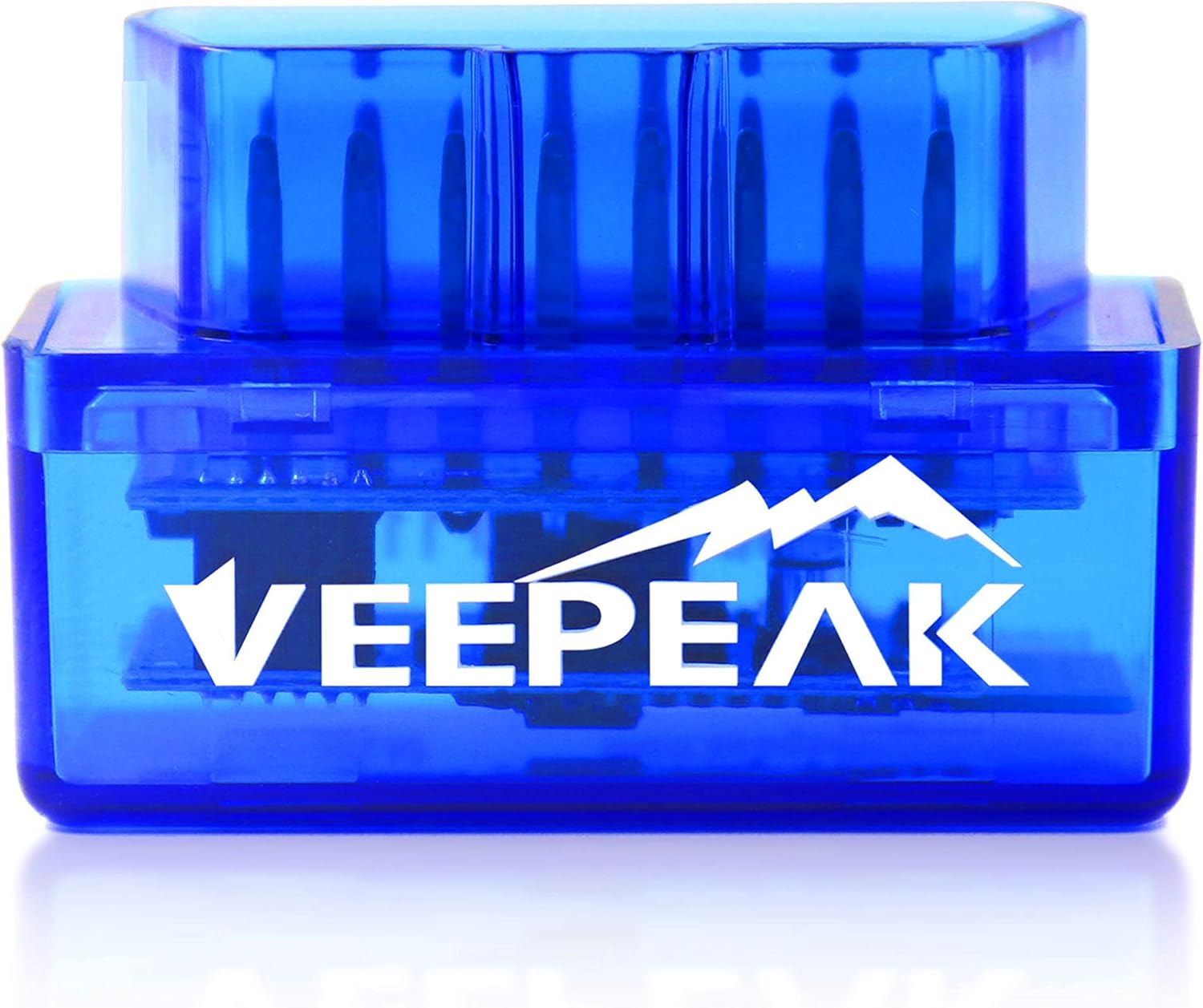
If you have an OBD2 scan tool, check for stored and pending trouble codes before doing anything else. Lean codes are common with vacuum leaks, especially when they show up at idle or low load.
What Codes and Data Can Tell You
- P0171 means Bank 1 is running lean.
- P0174 means Bank 2 is running lean.
- P0507 can point to idle speed higher than expected.
- P0300 or single-cylinder misfire codes may happen if the leak affects one intake runner more than the others.
If your scan tool shows fuel trim data, look at short-term fuel trim and long-term fuel trim at idle and then again around 2,500 RPM. A vacuum leak often drives trims strongly positive at idle because the engine computer is adding fuel to compensate for extra air. If the trims improve noticeably when RPM increases, that makes a vacuum leak more likely.
As a rough guideline, fuel trims that are mildly positive may still be normal, but large positive numbers at idle deserve investigation. Use the data as a clue, not a final diagnosis.
Tools That Make This Job Easier


Listen for the Leak
Many vacuum leaks make a faint hissing sound. With the engine idling, listen around the intake manifold, throttle body, brake booster hose, and PCV lines. A mechanic’s stethoscope can help, but even a clean length of hose used like an earpiece can make small leaks easier to hear.
- Place one end of the hose near your ear.
- Move the other end slowly around suspected leak points.
- Do not let the hose or your hands touch moving engine parts.
- A sharper hiss in one spot often points to the leak source.
This method works best in a quiet area. Turn off music, fans, and anything else that masks a small hiss. If the sound changes when you lightly move a hose or fitting, that is another good clue.
Try the Spray Test Carefully
A common DIY method is to spray a small amount of carburetor cleaner or throttle body cleaner around suspected leak points while the engine idles. If the cleaner gets pulled into a leak, the idle may change briefly, often smoothing out or rising for a moment.
How to Do It Safely
- Start the engine and let it settle into idle.
- Use short, controlled bursts only around one area at a time.
- Aim at hose connections, gasket seams, and the base of the throttle body.
- Pause after each spray and listen for an idle change.
- Repeat in another spot until you isolate the area causing the response.
Do not blanket the whole engine bay with cleaner. You want a precise result from a small area, not a fire risk or a misleading change caused by overspray. If engine speed changes only when you spray one exact connection or seam, that is strong evidence of a leak.
A Safer Alternative
If you prefer to avoid flammable sprays, use soapy water around suspected spots on some accessible hoses and fittings, especially where a leak may whistle or suck at a connection. This is less sensitive than cleaner, but it can still help reveal movement or bubbling in certain cases.
Use a Vacuum Gauge for Engine Clues
A vacuum gauge will not always tell you the exact leak location, but it can help confirm that the engine has a vacuum-related problem. Connect the gauge to a suitable intake manifold vacuum source, not just any port that may be switched or restricted.
On many healthy gasoline engines at warm idle, vacuum is fairly steady. If the reading is lower than expected or fluctuates in a way that does not fit normal operation, that supports further leak testing. Engine design, altitude, and camshaft profile affect the reading, so use the vehicle’s normal behavior and service information when possible.
What the Gauge Can Suggest
- A lower-than-normal steady reading can suggest a vacuum leak or late valve timing.
- A flickering needle may point to valve or ignition issues instead of a simple hose leak.
- A reading that improves when you pinch off one suspect hose can help isolate the affected circuit.
Pinch-Off Testing to Narrow It Down
If the leak is in one branch of the vacuum system, gently pinching a rubber hose for a moment can help identify the circuit involved. This works especially well on PCV and accessory vacuum lines. Use care and do not crush hard plastic lines or damage old brittle hoses.
- Let the engine idle.
- Pinch one suspect rubber hose briefly with pliers padded by a rag if needed.
- Watch for idle quality changes or fuel trim improvement on the scan tool.
- Release the hose and move to the next branch if there is no change.
If pinching one hose suddenly smooths the idle, the leak may be in that hose, the component attached to it, or the check valve on that circuit. The brake booster line is one of the most important examples. If you suspect the booster or its hose, inspect carefully because brake assist is a safety issue.
Check the PCV System and Brake Booster First
PCV System
The PCV system is one of the most common sources of vacuum leaks. A cracked PCV hose, hardened elbow, missing grommet seal, or stuck-open PCV valve can introduce too much air into the intake. Remove the hose and inspect all soft sections closely. If the valve rattles weakly, sticks, or shows heavy sludge, it may need replacement.
Brake Booster and Check Valve
A leaking brake booster hose or failed check valve can create a hiss and a rough idle. Inspect the large hose from the intake manifold to the booster for cracks, soft spots, or loose fittings. With the engine off, the booster should hold some vacuum briefly; if it does not, the hose, valve, or booster diaphragm may be leaking.
Because the booster affects braking feel, do not ignore this area. If the pedal feels hard and you hear a leak near the firewall, stop driving until you confirm the problem.
Recommended Tools for This Job


When the Leak Is at a Gasket or Intake Manifold
Not every vacuum leak is a hose. Intake manifold gaskets and throttle body gaskets can leak as they age, especially after repeated heat cycles. These leaks are often harder to see but may respond clearly to the spray test around the gasket seam.
- Leak symptoms that are worse at warm idle often point to gasket issues.
- A single-cylinder misfire near one intake runner may suggest a localized manifold leak.
- Whistling from the manifold area deserves closer inspection.
- Visible oil residue or dust trails along a gasket seam can be a clue.
If you confirm a manifold or throttle body gasket leak, replacement usually means removing parts and torquing them properly. That repair is still DIY-friendly on many vehicles, but use service information for torque specs and sequence. Over-tightening can warp components or cause a new leak.
How to Interpret Your Test Results
The best diagnosis usually comes from more than one clue lining up. One weak symptom is not enough, but several consistent results can point to the leak with confidence.
Results That Strongly Suggest a Vacuum Leak
- Positive fuel trims at idle that improve off idle.
- A clear hiss from one hose, fitting, or gasket area.
- Idle speed or smoothness changes when cleaner is sprayed at one exact spot.
- Visible cracks, disconnected hoses, or broken plastic tees.
- Idle improves when a suspect vacuum hose branch is pinched off.
Results That May Point Elsewhere
- No change during spray or pinch tests anywhere.
- Fuel trims stay high at both idle and higher RPM, which can suggest fuel delivery or MAF issues.
- Misfires only under load, which may point more toward ignition problems.
- A vacuum gauge pattern that looks unstable in a way consistent with valve train issues.
If your testing does not reveal a leak but the symptoms still fit, the next step is often a professional smoke test. Smoke machines make small intake leaks much easier to find than visual checks alone.
What to Do Once You Find the Leak
Replace damaged hoses rather than wrapping them with tape as a long-term fix. Use vacuum-rated hose in the correct inside diameter. Make sure every hose is fully seated, routed properly, and secured if the original design used clamps or clips.
- Replace cracked rubber hoses and brittle plastic fittings.
- Install a new PCV valve or grommet if either is leaking.
- Replace failed brake booster check valves or hoses promptly.
- Renew intake or throttle body gaskets if testing confirms leakage there.
- Clear codes after the repair and retest the vehicle.
After the repair, start the engine and confirm that idle quality improves. Recheck for hissing, monitor fuel trims if you have a scan tool, and take a short drive to verify that lean codes and drivability symptoms do not return.
When to Stop DIY Diagnosis
DIY diagnosis makes sense when the problem appears to be a simple hose, fitting, or accessible gasket area. It is time to step back if the leak is hidden under the intake, tied to emissions hardware that is hard to access, or mixed with other problems like severe misfires, fuel pressure issues, or brake assist concerns.
- The leak seems to be under the intake manifold.
- You suspect the brake booster itself is leaking.
- You have multiple codes that do not fit one simple air leak.
- The engine stalls often or runs too poorly to test safely.
- You need a smoke machine to confirm the source.
Key Takeaways
- Start with a careful visual inspection of PCV hoses, the brake booster line, vacuum caps, and the intake boot before replacing any parts.
- Use scan tool fuel trims, hissing sounds, and a targeted spray test together to confirm a vacuum leak instead of guessing.
- If pinching one vacuum hose branch improves idle, focus on that hose, its check valve, or the component attached to it.
- Treat brake booster leaks as a safety issue because they can affect both engine idle and braking assist.
- If you cannot isolate the leak with basic tests, a professional smoke test is usually the fastest next step.
FAQ
Can I Drive with a Vacuum Leak?
Sometimes the car will still run, but it is not a good idea to ignore it. A vacuum leak can cause lean running, poor idle, misfires, stalling, and reduced fuel economy. If the leak involves the brake booster hose or booster itself, it can also affect braking assist and should be treated as a safety issue.
What Is the Most Common Place for a Vacuum Leak?
Common leak points include the PCV hose and grommet, brake booster hose, vacuum caps, intake boot, EVAP purge lines, throttle body gasket, and intake manifold gasket. On older vehicles, brittle plastic tees and elbows are especially common failure points.
Will a Vacuum Leak Always Trigger a Check Engine Light?
No. Small leaks may cause a slight rough idle or occasional stumble before the computer sets a code. Larger or persistent leaks are more likely to trigger lean codes, idle control codes, or misfire codes.
Can a Bad PCV Valve Act Like a Vacuum Leak?
Yes. A PCV valve stuck open, a cracked PCV hose, or a leaking PCV grommet can allow too much unmetered air into the intake and create the same symptoms as a typical vacuum leak.
Is the Carb Cleaner Spray Test Safe?
It can be done carefully, but it does carry fire risk because the cleaner is flammable. Use very short bursts, keep clear of hot exhaust parts and sparks, and work in a ventilated area. If you are not comfortable with that risk, skip it and use other methods or a smoke test.
How Do I Know if It Is a Vacuum Leak or a Bad Mass Airflow Sensor?
A vacuum leak often causes fuel trims to be more positive at idle than at higher RPM. A mass airflow sensor problem can affect fueling across a broader range and may not respond to hose pinching or a targeted spray test. Both issues can cause lean codes, so confirming with multiple tests is important.
Can a Vacuum Leak Cause a High Idle?
Yes. Extra unmetered air can raise idle speed or make the idle surge. That is especially common when the leak is significant and located close to the intake manifold or throttle body.
What if I Cannot Find the Leak but I Am Sure It Is There?
The next best step is a smoke test. A smoke machine fills the intake system with visible smoke, making hidden leaks at hoses, fittings, gaskets, and manifolds much easier to spot than with sight, sound, or spray tests alone.
Need Parts for This Repair?
The right parts and supplies vary by vehicle.
Select your make and model to find compatible parts and accessories for your car.
Exact Fit
Parts that fit your make and model
Quality You Can Trust
Top brands and OEM quality options
Fast Shipping
Get the parts you need, delivered fast