

Note: This article contains affiliate links. If you click on these links and make a purchase, I may earn a small commission at no extra cost to you. This helps support my research and content. Read my full affiliate disclosure here.
What You’ll Need
A quick look at the tools and supplies commonly used for this job.
Tools
- OBD-II scan tool
- Flashlight
- Turkey baster or fluid transfer pump for sampling fuel
- Nitrile gloves
- Safety glasses
- Fuel-safe drain pan or approved gasoline container
- Clean clear glass jar or fuel-safe sample container
- Basic hand tools
Parts & Supplies
- Fresh gasoline from a busy, reputable station
- Fuel system cleaner
- Dry gas or fuel dryer for water contamination
- Replacement fuel filter if serviceable
- Shop rags
This article is part of our Fuel System Maintenance & Repair Guides.
Bad gas can cause rough running, hard starts, hesitation, and warning lights, but those symptoms can also come from ignition, air, or fuel delivery problems.
The key is to look at when the problem started, what changed right before it happened, and whether multiple symptoms point back to contaminated or stale fuel. In many cases, bad gas shows up shortly after a fill-up, after a car has sat for weeks or months, or after fuel has been stored improperly.
This guide walks you through a practical DIY diagnostic process. You will learn the most common signs of bad gasoline, how to separate it from similar problems, what simple checks you can do at home, and when the safest next step is dilution, draining the tank, or getting professional help.
Common Signs of Bad Gas
Bad gasoline usually affects how the engine starts, idles, accelerates, and responds under load. The exact symptoms depend on whether the fuel is old, contaminated with water, mixed with the wrong fuel, or simply poor quality.
- The engine started running poorly soon after your last fill-up.
- The car cranks longer than normal before starting.
- Idle is rough, shaky, or unstable.
- The engine stumbles, hesitates, or bucks when you accelerate.
- Power feels weak, especially on hills or during merging.
- Fuel economy drops noticeably without another clear reason.
- The check engine light comes on with misfire or fuel-trim related codes.
- The car sat for a long time with fuel in the tank before the problem started.
If several of these signs appeared at the same time, especially right after fueling, bad gas becomes much more likely. If the symptoms built up slowly over months, you should also consider old spark plugs, a dirty air filter, a weak fuel pump, or a failing sensor.
When Bad Gas Is Most Likely
Context matters. Fuel itself does not usually go bad overnight in a regularly driven car, but there are a few common situations where gasoline quality becomes the leading suspect.
Right After Filling Up
If the engine ran fine, you filled up, and within minutes or by the next start it began misfiring or hesitating, contaminated fuel or the wrong octane from a bad batch becomes a strong possibility. This is one of the most common patterns DIY owners notice.
After Long-term Storage
Gasoline degrades with time. Lighter compounds evaporate, varnish can form, and ethanol-blended fuel can attract moisture. If a car, lawn equipment can, or seasonal vehicle sat for months, stale fuel can definitely cause hard starting and rough operation.
After Using Old Stored Fuel
Pouring old gas from a can into a vehicle can introduce stale fuel, water, dirt, or rust. If the storage can was not sealed well or sat through temperature swings, contamination risk goes up.
After Accidental Misfueling
Putting diesel in a gasoline car, or a high ethanol blend in a vehicle not designed for it, can cause immediate drivability problems. That is technically different from ordinary bad gas, but the symptoms overlap and the fix is often to stop running the engine and drain the tank.
Safety Before You Diagnose
Gasoline is extremely flammable, and fuel vapors can ignite easily. Any inspection that involves opening the fuel system or taking a sample needs to be done carefully.
- Work outside or in a very well-ventilated area.
- Keep sparks, cigarettes, heaters, and hot work far away.
- Wear gloves and safety glasses.
- Use only approved fuel containers.
- Clean spills immediately and dispose of rags properly.
- If you suspect major contamination or wrong fuel, avoid driving the car more than necessary.
If the engine is misfiring badly, stalling in traffic, or knocking under load, do not keep forcing it to run. Continued operation can overheat the catalytic converter or leave you stranded.
Step-by-Step Diagnostic Procedure
Start with the Timeline
Ask yourself three questions: When did the symptoms begin, what changed right before they started, and does the problem happen all the time or only under certain conditions? A bad gas diagnosis gets much stronger if the answer is, “It started right after I filled up” or “The car sat for months.”
- Did the issue begin within one tank of fuel?
- Did you fill up at an unfamiliar or low-turnover gas station?
- Was the underground tank at the station possibly being refilled when you bought fuel?
- Did you recently use fuel from a portable can?
- Did the vehicle sit unused for weeks or months?
Check for Obvious Non-fuel Causes
A loose air intake hose, disconnected sensor, very dirty air filter, weak battery, or overdue ignition parts can mimic bad gas. Do a quick visual inspection under the hood before blaming the fuel.
Tools That Make This Job Easier
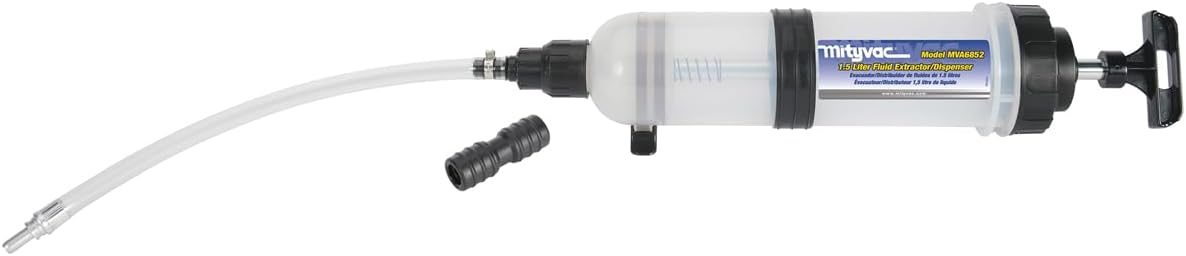
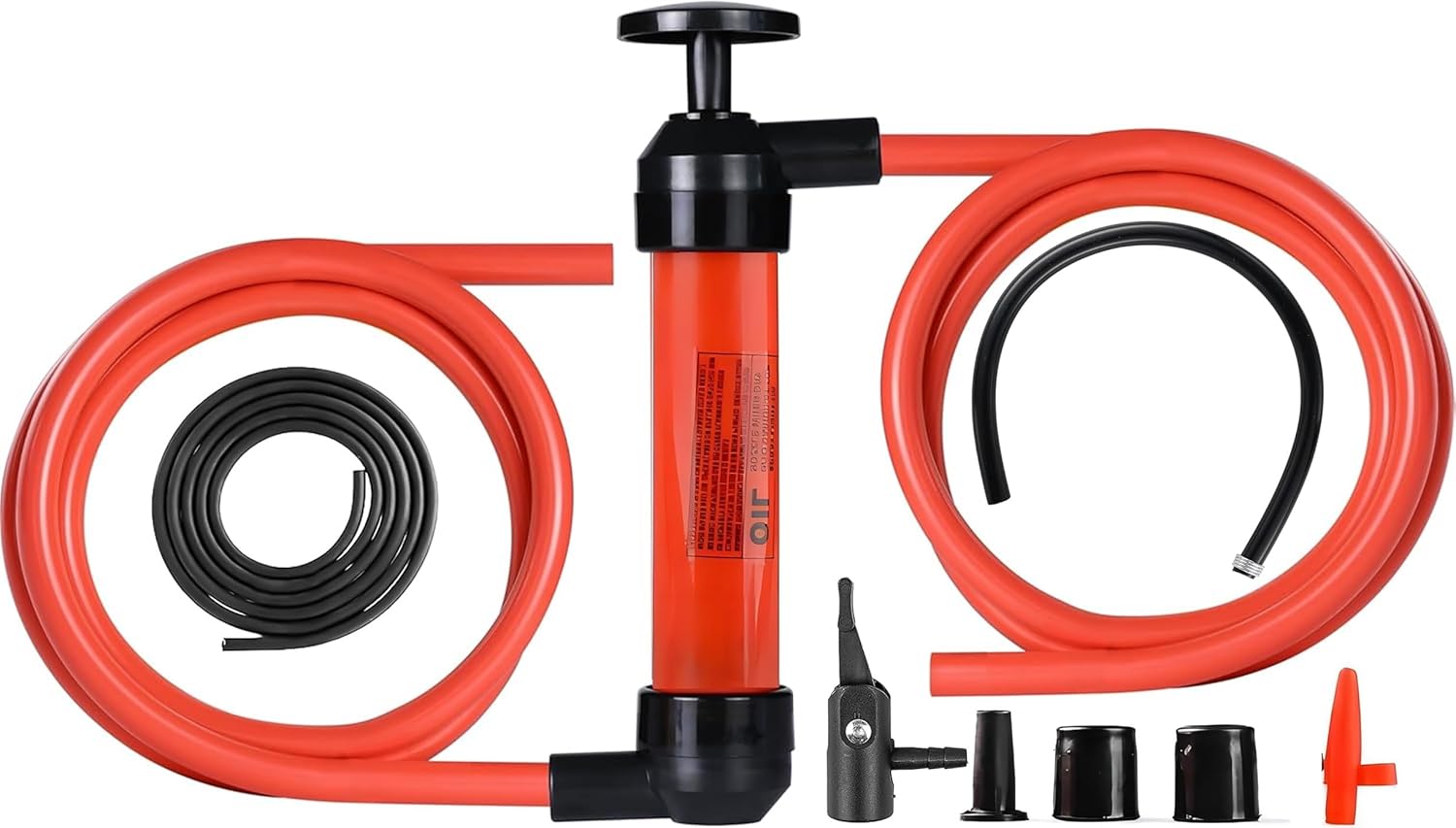

- Make sure the air intake tube is attached and not cracked.
- Check that the mass airflow sensor connector is fully seated if equipped.
- Look for a severely clogged air filter.
- Confirm the battery voltage is healthy enough for normal starting.
- If spark plugs are far overdue, note that misfires may not be fuel related.
Scan for Trouble Codes
An OBD-II scan tool can help you tell whether the engine is seeing misfires, lean conditions, or random combustion problems. Bad gas often triggers codes like P0300 for random misfire, individual cylinder misfire codes, or sometimes lean mixture codes. These codes do not prove the fuel is bad, but they support the diagnosis when combined with the timing of the problem.
If you only have a misfire code and the issue started long before your recent fill-up, ignition components may still be the better suspect. If the car ran perfectly until the last tank and now shows random misfires across multiple cylinders, contaminated fuel becomes more likely.
Notice How the Car Behaves
Bad gas tends to create broad drivability issues instead of one isolated symptom. Pay attention to whether the engine struggles at idle, during light acceleration, and under heavier load. Water-contaminated fuel may cause intermittent stumbling or sudden roughness, especially as the contaminated portion reaches the injectors.
- Rough idle plus hesitation plus poor power points more strongly to fuel quality issues.
- A single-cylinder miss at all times may point more toward a plug, coil, or injector problem.
- Hard cold starts after long storage often fit stale fuel.
- Ping or knock under load after fueling may indicate poor fuel quality or insufficient octane.
Take a Small Fuel Sample if Practical
If your vehicle design allows safe access, a small fuel sample can tell you a lot. On some vehicles, you may be able to collect fuel from a service port or from a removed line during approved pressure-relief procedures. On others, taking a sample from the tank filler area is not practical or safe, so skip this step rather than improvising.
Place the sample in a clean, clear container and let it sit undisturbed for several minutes. Look for cloudiness, debris, unusual dark color, or visible separation. Water may settle to the bottom in a distinct layer. Good gasoline is typically clear to light amber and should not contain floating particles.
A sour or varnish-like smell can also suggest old fuel. Fresh gas has a recognizable sharp smell, but stale fuel often smells heavier and degraded. Do not intentionally inhale fuel vapors closely; this is only something you may notice while handling the sample normally.
Compare Fuel Level to Symptom Severity
If the symptoms are strongest right after filling the tank and continue throughout that tank, contaminated gas is more likely. If the tank is nearly empty and the car only acts up on sharp turns or hills, a weak fuel pump or low fuel level issue may be involved instead.
Try Dilution if the Symptoms Are Mild
If the car still runs reasonably well and you only suspect slightly poor fuel, adding fresh gasoline from a busy top-tier station can be a useful test. If symptoms improve noticeably after adding several gallons of fresh fuel, that supports the bad gas theory.
A quality fuel system cleaner may help with minor deposits or poor combustion quality, but it will not fix serious water contamination or the wrong fuel. For suspected moisture in small amounts, a fuel dryer product may help, especially in older systems dealing with minor condensation.
How to Tell Bad Gas From Similar Problems
The biggest DIY challenge is not spotting symptoms, but separating bad gas from all the other issues that can cause similar drivability complaints.
Bad Gas Vs. Bad Spark Plugs or Ignition Coils
Ignition problems often cause a repeatable misfire on one cylinder or under specific load conditions. Bad gas more often affects multiple cylinders and appears suddenly after fueling or storage. If coils or plugs are failing, the problem may worsen gradually and may not line up with a fuel purchase.
Bad Gas Vs. Weak Fuel Pump
A weak fuel pump can also cause hesitation, long cranking, and lack of power. The difference is that fuel pump issues often get worse when the engine is hot, when the tank is low, or under heavy load. They do not usually begin immediately after a single fill-up unless that fuel also clogged the system.
Bad Gas Vs. Clogged Fuel Filter
A clogged filter can mimic bad fuel, especially on older vehicles with replaceable filters. If contamination entered the tank, both problems may exist together. If the filter is serviceable and old, replacing it may be part of the repair after dealing with the fuel.
Bad Gas Vs. Dirty Air Sensor or Vacuum Leak
A vacuum leak or mass airflow sensor issue often creates lean codes, rough idle, and hesitation, but these problems usually will not begin right after refueling. A quick under-hood inspection and scan data review can help separate these causes.
Bad Gas Vs. Wrong Fuel
If diesel was put in a gasoline car or gasoline in a diesel vehicle, treat it as a serious misfuel event, not normal bad gas. Do not continue starting or driving the vehicle. The correct fix is usually draining the tank and checking the fuel system.
Recommended Tools for This Job


What Your Findings Mean
Once you gather the symptoms, timeline, scan data, and any fuel sample evidence, you can usually sort the problem into one of three categories.
Likely Mild Poor-quality Fuel
If the car still runs, symptoms are relatively mild, the issue began after a fill-up, and performance improves after adding fresh fuel, you are probably dealing with marginal gasoline rather than severe contamination. In this case, dilution with fresh gas and possibly a fuel cleaner may be enough.
Likely Stale or Contaminated Fuel
If the fuel sample looks cloudy, separated, or dirty, or the vehicle sat for a long time and now runs poorly across the board, the fuel is likely stale or contaminated. This situation often calls for draining the old gas, replacing a serviceable fuel filter if needed, and refilling with fresh fuel.
Likely Not Bad Gas
If the issue did not start around a refueling event, there is no storage history, the fuel looks normal, and trouble codes point strongly to a specific cylinder or sensor problem, you should shift your diagnosis toward ignition, air intake, fuel delivery hardware, or engine management faults.
What to Do Next
If the Car Still Runs Fairly Well
Add fresh fuel from a reputable station and avoid hard driving. If the tank is not full, topping off with good fuel can dilute minor contamination. A quality fuel system cleaner can be added if appropriate for your vehicle.
Drive gently and monitor whether idle quality, throttle response, and starting improve over the next several miles. If the symptoms clearly fade, finish the tank and refill again with fresh gasoline.
If You Suspect Water or Stale Fuel
If the symptoms are moderate to severe, or you have visible evidence of contamination, draining the tank is the better move. On some vehicles this is straightforward; on others it requires special access and procedures. Follow the service information for your specific vehicle if you plan to do it yourself.
After draining, refill with fresh gas, clear any stored codes if appropriate, and replace the fuel filter if your vehicle uses a serviceable one. If the engine still runs poorly afterward, further diagnosis of the pump, injectors, plugs, and coils may be necessary.
If You Put in the Wrong Fuel
Do not keep cranking or driving the vehicle. Have the tank drained and the system inspected. Quick action can prevent much more expensive repairs.
If the Check Engine Light Is Flashing
A flashing check engine light usually means an active misfire severe enough to risk catalytic converter damage. Stop driving as soon as it is safe, and address the problem before continuing.
How to Prevent Bad Gas Problems
Prevention is mostly about fuel quality, storage habits, and not letting gas sit too long.
- Buy fuel from busy, reputable stations with high turnover.
- Avoid filling up while a station’s storage tanks are actively being replenished if possible.
- Do not keep gasoline in portable cans longer than recommended.
- Use a fuel stabilizer for vehicles or equipment that will sit for extended periods.
- Keep the tank reasonably full during storage to reduce moisture buildup.
- Stick with the octane and fuel type recommended by your owner’s manual.
If you have a seasonal car, generator, mower, or motorcycle, fuel management matters even more. Many bad gas complaints start with old stored fuel being reused in a vehicle that was otherwise running fine.
Key Takeaways
- If drivability problems started right after a fill-up or after long storage, bad gas moves high on the suspect list.
- Use the timeline, scan codes, and overall symptom pattern together because bad gas and ignition or fuel system faults can feel similar.
- A clear fuel sample showing water, separation, debris, or varnish-like odor strongly supports stale or contaminated gasoline.
- Mild cases may improve by diluting with fresh fuel, but severe contamination or wrong fuel usually requires draining the tank.
- Do not keep driving with a flashing check engine light or severe misfire because catalytic converter damage can happen quickly.
FAQ
How Long Does It Take for Gas to Go Bad in a Car?
It depends on fuel formulation, temperature, storage conditions, and whether ethanol is present, but gasoline can start degrading in a matter of months. In a regularly driven car, it is usually less of a problem than in a vehicle that sits for long periods.
Can Bad Gas Cause a Check Engine Light?
Yes. Poor-quality or contaminated fuel can cause misfires, rough combustion, and lean-running symptoms that trigger the check engine light. Common codes include random or cylinder-specific misfires.
Will Bad Gas Fix Itself if I Keep Driving?
Sometimes mild poor-quality fuel improves as you dilute it with fresh gas, but serious contamination, water intrusion, or wrong fuel will not fix itself. Continuing to drive can worsen the problem or damage emissions components.
What Does Bad Gas Smell Like?
Stale gas often smells heavier, sour, or varnish-like compared with fresh gasoline. This is only one clue, though, and it should not be used as the only basis for diagnosis.
Can I Add Fuel Injector Cleaner for Bad Gas?
A fuel system cleaner may help if the issue is minor poor combustion or deposits, but it will not solve serious water contamination, stale fuel that has degraded badly, or accidental misfueling.
Is Water in Gas the Same as Old Gas?
No. Old gas has chemically degraded over time, while water contamination means moisture has entered the fuel. Both can cause similar symptoms, but water may visibly separate in a fuel sample and often requires draining or a fuel dryer in minor cases.
Should I Replace the Fuel Filter After Bad Gas?
If your vehicle has a serviceable fuel filter and contamination was significant, replacement is a smart step. Dirty or degraded fuel can load the filter and continue causing drivability issues even after the tank is refilled.
Can a Car Start and Still Have Bad Gas?
Yes. Many cars with bad gas will still start, but they may idle roughly, hesitate, lack power, or misfire once you drive. Severe contamination can also cause a no-start.
Need Parts for This Repair?
The right parts and supplies vary by vehicle.
Select your make and model to find compatible parts and accessories for your car.
Exact Fit
Parts that fit your make and model
Quality You Can Trust
Top brands and OEM quality options
Fast Shipping
Get the parts you need, delivered fast