

Note: This article contains affiliate links. If you click on these links and make a purchase, I may earn a small commission at no extra cost to you. This helps support my research and content. Read my full affiliate disclosure here.
What You’ll Need
A quick look at the tools and supplies commonly used for this job.
Tools
- Floor jack
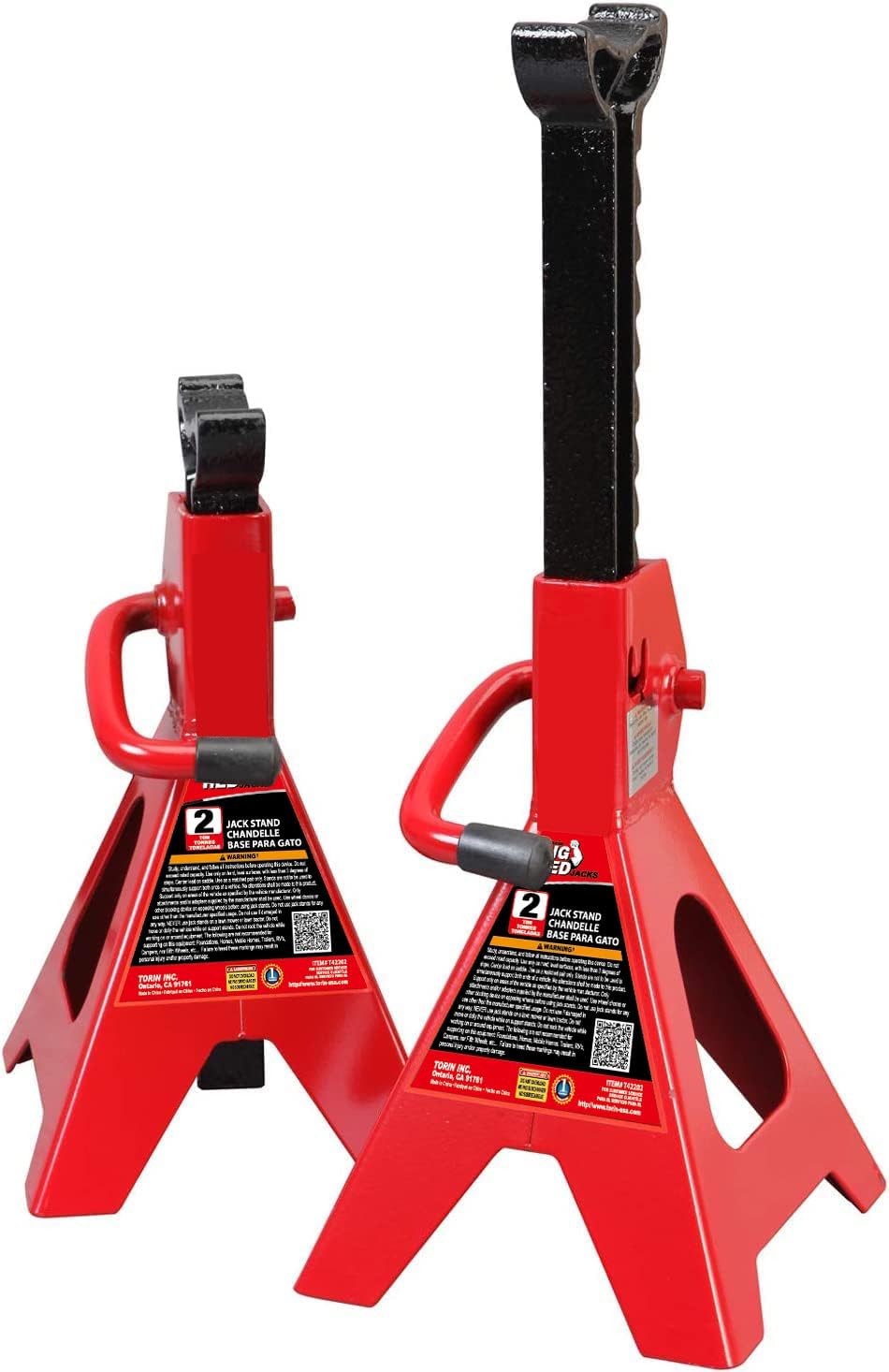
- Jack stands
- Wheel chocks
- Torque wrench
- Flashlight
- Mechanic’s gloves
- Mechanic’s stethoscope
- Lug wrench or breaker bar
- Flat screwdriver or small pry bar
- Dial indicator with magnetic base
Parts & Supplies
- Brake cleaner
- Replacement wheel bearing or hub assembly
- Shop rags
- New axle nut or spindle nut if required
This article is part of our Wheels and Tires Maintenance & Repair Guides.
A bad wheel bearing or hub assembly usually gives you a warning before it completely fails: a humming, growling, or rumbling noise that changes with speed. The challenge is that tire noise, uneven tread wear, brakes, and even drivetrain problems can sound very similar.
The best way to diagnose it is to combine a careful road test with hands-on checks for wheel play, roughness, heat, and noise at the hub. Looking at only one symptom can lead to replacing the wrong part, especially on modern vehicles where the wheel bearing is built into the hub assembly.
This guide walks through a practical DIY process to help you narrow down which corner of the vehicle is causing the problem, confirm whether the bearing is actually bad, and decide when it is safe to drive versus when repair should happen immediately.
What a Wheel Bearing or Hub Assembly Does
A wheel bearing supports the vehicle’s weight while allowing the wheel and hub to rotate smoothly with minimal friction. On many newer cars and SUVs, the bearing is integrated into a sealed hub assembly that may also include a wheel speed sensor for the ABS and traction control systems.
When the bearing wears out, the rolling elements and races no longer move smoothly. That creates extra friction, heat, looseness, and vibration. As the damage gets worse, you may hear a steady hum at highway speed, feel looseness in the wheel, or see ABS warning lights if the sensor signal is affected.
- Older-style serviceable bearings may be cleaned, packed, and adjusted, depending on design.
- Most modern sealed hub assemblies are replaced as a complete unit rather than repaired internally.
- Ignoring a worn bearing can damage the hub, axle, knuckle, brake components, or wheel speed sensor.
Common Symptoms of a Bad Wheel Bearing
Noise That Changes with Vehicle Speed
The classic symptom is a humming, growling, rumbling, or droning sound that gets louder as road speed increases. It usually does not depend much on engine RPM, so the noise will stay present even if you let off the throttle while coasting.
Noise That Changes While Turning
On many vehicles, the sound changes when you load or unload the bearing in a gradual lane change or sweeping turn. For example, if the noise gets louder when turning left, the right-side bearing may be under more load and may be the failing one. This clue is helpful, but it is not perfect, so always confirm with physical inspection.
Wheel Play or Looseness
A worn bearing can allow the wheel and hub to move more than they should. You may feel clunking or see movement when rocking the tire by hand with the vehicle safely lifted.
Rough Rotation, Vibration, or Heat
In more advanced cases, the wheel may feel rough when spun by hand, or the steering wheel and body may vibrate. Some bad bearings also run hotter than the others after a drive, though brake drag can produce similar heat.
ABS or Traction Control Issues
If the hub assembly includes a wheel speed sensor or tone ring, internal wear can create an erratic signal. That may trigger an ABS, traction control, or stability control warning light along with the bearing noise.
Problems That Can Mimic a Bad Wheel Bearing
Before you conclude that a hub assembly has failed, rule out other common sources of similar noise. This matters because tire noise is often mistaken for bearing noise, especially if the tire has cupping, feathering, or aggressive tread.
- Uneven or cupped tires can create a loud hum or drone that increases with road speed.
- Brake pad drag or a sticking caliper can cause heat, smell, and resistance when spinning the wheel.
- A bent backing plate can scrape the rotor and create grinding or rubbing noises.
- CV joints, differential issues, and drivetrain bearings can sometimes be mistaken for wheel bearing noise.
- Loose suspension or steering parts can create wheel movement that feels similar to bearing play.
Because of these look-alike symptoms, you should use several tests together rather than replacing a bearing based only on road noise.
Safety Before You Start
Work on a level surface, set the parking brake unless you need the rear wheels to rotate for diagnosis, and chock the wheels that stay on the ground. Lift the vehicle only at approved jack points and always support it securely with jack stands before putting your hands near a wheel or suspension component.
If the vehicle has severe grinding, major wheel wobble, or obvious looseness at the hub, avoid extended driving. A heavily worn bearing can fail suddenly and affect steering, braking, or wheel retention.
Tools That Make This Job Easier


Road Test: Find the Corner Making Noise
Listen for Speed-related Hum or Growl
Drive on a smooth road and gradually increase speed. A bad wheel bearing typically gets louder as speed rises from about 20 mph upward and often becomes most obvious between 40 and 70 mph.
Pay attention to whether the sound changes with throttle input. Bearing noise usually follows vehicle speed, not engine speed. If the noise changes mainly when the transmission shifts or when you rev the engine in neutral, look beyond the wheel bearings.
Use Gentle Lane-change Loading
In a safe, open area, make very gentle left and right steering inputs at steady speed. This shifts weight across the vehicle and changes load on the bearings.
- Noise louder while steering left can point to a failing right-side bearing.
- Noise louder while steering right can point to a failing left-side bearing.
- If the noise does not change at all, the bearing may still be bad, but tire noise becomes more likely.
Notice Vibration and Pedal Feel
A failing hub may transmit vibration through the seat, floor, or steering wheel. If you also feel pulsation only during braking, brake rotor issues may be part of the problem rather than the bearing itself.
Lifted Inspection: Check for Play and Roughness
Spin the Wheel by Hand
With the suspected wheel off the ground, rotate it slowly by hand. Listen and feel for roughness, grinding, a dry scraping sensation, or drag that seems abnormal compared with the opposite side.
Do not rely on this test alone. Brake pad contact can create light drag and mask bearing feel, and some bad sealed bearings make noise under load on the road while feeling almost normal when unloaded.
Rock the Wheel at 12 and 6 O’clock
Grip the tire at the top and bottom and push-pull to check for movement. Notice whether there is clunking or visible play at the hub area.
Movement here can suggest a worn wheel bearing, but it can also come from ball joints or suspension play. Watch the joints closely while someone rocks the wheel if possible.
Rock the Wheel at 9 and 3 O’clock
Hold the tire from side to side and repeat the push-pull test. Looseness in this direction may come from the wheel bearing, but tie rod ends or steering components can also be responsible.
Compare Both Sides
Always compare the suspect corner to the matching wheel on the other side of the vehicle. A slight amount of brake drag or tire movement can feel normal until you compare it with a healthy side.
How to Separate Bearing Play From Suspension or Steering Play
This is one of the most important parts of the diagnosis. If the wheel moves but the bearing is not actually bad, replacing the hub will not solve the problem.
- If the brake rotor and hub move together relative to the knuckle, suspect the wheel bearing.
- If movement occurs at the outer tie rod while rocking at 9 and 3, suspect steering linkage instead.
- If movement appears at the lower or upper ball joint while rocking at 12 and 6, inspect those joints closely.
- If the wheel is loose because the lug nuts are not properly tightened, stop and correct that first before doing any further diagnosis.
A helper makes this much easier. One person rocks the wheel while the other watches the hub, knuckle, ball joints, and tie rods to pinpoint exactly where the movement starts.
Use Better Confirmation Tests If the Result Is Unclear
Dial Indicator Test
If you have access to a dial indicator, mount it to a solid point and measure hub or rotor movement while rocking the wheel. Compare the reading to the manufacturer’s service limit if available. This is the best way to confirm excessive play when you want more than a hand-feel judgment.
Brake Caliper Removed Test
If brake drag is making the wheel hard to evaluate, removing the caliper and safely supporting it can let the hub spin more freely. Never let the caliper hang by the hose. Once the pads are out of the equation, roughness in the bearing is often easier to feel.
Chassis Ear or Stethoscope Comparison
Professional shops often use electronic chassis ears during a road test or a mechanic’s stethoscope with the vehicle safely supported. Comparing noise side to side can help isolate the loudest hub. Use extra caution around any moving parts.
Temperature Comparison
After a short drive, compare wheel-end temperatures carefully without touching hot metal directly. A failing bearing may run warmer than the others, but dragging brakes can produce the same result, so treat this as supporting evidence only.
Recommended Tools for This Job


ABS and Hub Assembly Clues
Many late-model hub assemblies include the wheel speed sensor or its tone ring. If you have an ABS light along with wheel noise, scan for wheel speed sensor codes and compare live wheel-speed data while driving if you have a scan tool.
An erratic signal from one wheel, especially if it lines up with the noisy corner, strengthens the case for a bad hub assembly. Still, inspect the sensor wiring and connector first. A damaged harness can mimic a failed hub sensor.
- ABS light plus humming noise often points to a hub assembly problem on vehicles with integrated sensors.
- Intermittent low-speed ABS activation can happen when one wheel speed signal drops out.
- Corrosion at the sensor mounting area or connector can also create false wheel speed readings.
When the Bearing Is Definitely Bad
You can be reasonably confident the wheel bearing or hub assembly is bad when several of the following are true at the same time: road-speed-related hum or growl, change in noise while turning, roughness or looseness at the lifted wheel, and stronger noise or heat at one specific corner than the others.
The diagnosis is even stronger if removing brake drag from the equation still leaves rough hub rotation, or if ABS wheel speed data also points to the same wheel.
When Not to Drive the Vehicle
Some wheel bearings make noise for a while before becoming dangerous, but there is no safe way to predict exactly when a failing bearing will get much worse. Do not keep driving if the problem has advanced beyond a mild hum.
- The wheel has obvious looseness or wobble.
- You hear grinding rather than a light hum or drone.
- The ABS warning is joined by severe noise, vibration, or pulling.
- The hub becomes unusually hot after a short drive.
- The steering feels unstable or the wheel does not track normally.
What to Replace and What Else to Inspect
On most modern vehicles, you replace the complete hub assembly rather than the bearing alone. Follow torque specifications exactly, especially for axle nuts and hub fasteners, because improper torque can quickly ruin a new bearing.
While you are there, inspect nearby parts that may have been affected or may have caused confusion during diagnosis.
- Check the brake rotor, pads, and caliper for drag, heat spotting, or uneven wear.
- Inspect the wheel speed sensor harness and connector if the hub includes ABS components.
- Look at the tire for cupping, feathering, or irregular wear that may have masked or mimicked the bearing noise.
- Check ball joints, tie rods, and control arm bushings if you found play during inspection.
Mistakes to Avoid During Diagnosis
- Do not condemn a bearing based only on tire-like humming without checking tread condition.
- Do not assume the noisy side is always the side opposite the turn-load test result; confirm physically.
- Do not ignore loose steering or suspension parts that can mimic bearing play.
- Do not reuse one-time-use axle nuts if the service information calls for replacement.
- Do not tighten axle or hub fasteners by feel; use a torque wrench and the correct spec.
Key Takeaways
- Use both a road test and a lifted inspection, because bearing noise alone is easy to confuse with tire or brake problems.
- A hum that changes with road speed and gets louder during gentle turns is a strong clue, but wheel play and roughness should still be confirmed at the hub.
- Compare the suspect wheel to the opposite side to catch subtle differences in noise, drag, heat, or looseness.
- If the wheel wobbles, grinds, or the hub runs very hot, stop driving and repair it before it becomes a safety issue.
- When replacing a hub assembly, torque all fasteners to specification so the new bearing is not damaged immediately.
FAQ
Can a Bad Wheel Bearing Sound Like Tire Noise?
Yes. Unevenly worn, cupped, or aggressive-tread tires can create a humming or droning sound very similar to a bad wheel bearing. That is why you should inspect tire wear and rotate or compare tires before replacing a hub based only on noise.
Does a Bad Wheel Bearing Always Have Noticeable Play?
No. Some sealed bearings make plenty of noise under load on the road but show very little looseness when the wheel is lifted. That is why road-test clues and comparison side to side are important.
Which Side Is Bad if the Noise Gets Louder when I Turn Left?
Often the right-side bearing is more heavily loaded in a left turn, so it may get louder. However, this is not a guaranteed rule. Use the turning clue as a guide, then confirm with hands-on inspection.
Can I Drive with a Bad Wheel Bearing?
A mildly noisy bearing may still roll for a while, but it is not something to ignore. If there is grinding, wobble, significant looseness, excessive heat, or unstable steering, do not drive it until it is repaired.
Will a Bad Hub Assembly Trigger an ABS Light?
It can. Many hub assemblies include the wheel speed sensor or tone ring, and internal wear or sensor damage can cause erratic wheel speed data. Wiring damage and connector corrosion can cause similar ABS symptoms, so inspect those too.
Can a Bad Axle or CV Joint Be Mistaken for a Wheel Bearing?
Yes. CV joints, axle support bearings, and even differential noise can be confused with a wheel bearing, especially if the sound is hard to localize. Bearing noise usually follows road speed and often changes with side loading in turns.
Should I Replace Both Front or Both Rear Hub Assemblies at the Same Time?
Not always. If only one side is clearly bad, replacing just that side is common. But if the opposite side has similar mileage, noise, or roughness, some owners choose to replace the pair to avoid another repair soon.
Need Parts for This Repair?
The right parts and supplies vary by vehicle.
Select your make and model to find compatible parts and accessories for your car.
Exact Fit
Parts that fit your make and model
Quality You Can Trust
Top brands and OEM quality options
Fast Shipping
Get the parts you need, delivered fast