

Note: This article contains affiliate links. If you click on these links and make a purchase, I may earn a small commission at no extra cost to you. This helps support my research and content. Read my full affiliate disclosure here.
What You’ll Need
A quick look at the tools and supplies commonly used for this job.
Tools
- Torque wrench
- Breaker bar or lug wrench
- Correct size socket for lug nuts
- Flashlight
- Floor jack
- Jack stands
- Gloves
- Wire brush
- Thread pitch gauge or known-correct replacement lug nut
Parts & Supplies
- Brake cleaner
- Replacement lug nuts
- Replacement wheel studs if damaged
- Penetrating oil
- Shop rags
This article is part of our Wheels and Tires Maintenance & Repair Guides.
Lug nut problems are a serious wheel safety issue. A loose, damaged, or incorrect lug nut can let the wheel shift on the hub, damage the studs, create vibration, and in the worst case allow the wheel to come off while driving.
The good news is that many lug nut issues can be identified with a careful visual inspection and a proper torque check. The key is to look beyond whether the nut simply tightens. You also need to confirm the lug nut size, seat style, thread condition, and how the wheel sits against the hub.
This guide walks you through the most useful DIY checks, what the results mean, and when you should stop driving the vehicle until the problem is repaired correctly.
Common Signs of Loose, Damaged, or Incorrect Lug Nuts
Lug nut problems often show up after a tire rotation, brake job, wheel swap, roadside tire change, or recent wheel installation. If the hardware was over-tightened, under-tightened, cross-threaded, or mixed with the wrong type, symptoms may appear quickly.
- Clicking, clunking, or metallic popping from one wheel area during acceleration, braking, or turns.
- A steering wheel shake or vehicle vibration that starts after wheel service.
- One or more lug nuts that feel unusually easy to loosen or will not torque properly.
- Visible gap between the wheel and hub, or shiny wear marks around the lug seats.
- Lug nuts that look different from each other in shape, length, seat style, or socket size.
- Studs with damaged threads, rust flakes, or metal shavings around the nut.
If you feel severe wobble, hear loud knocking from a wheel, or discover multiple loose lug nuts, do not keep driving except to move the vehicle to a safe inspection area. That can indicate the wheel is no longer clamping correctly.
Safety First Before You Inspect
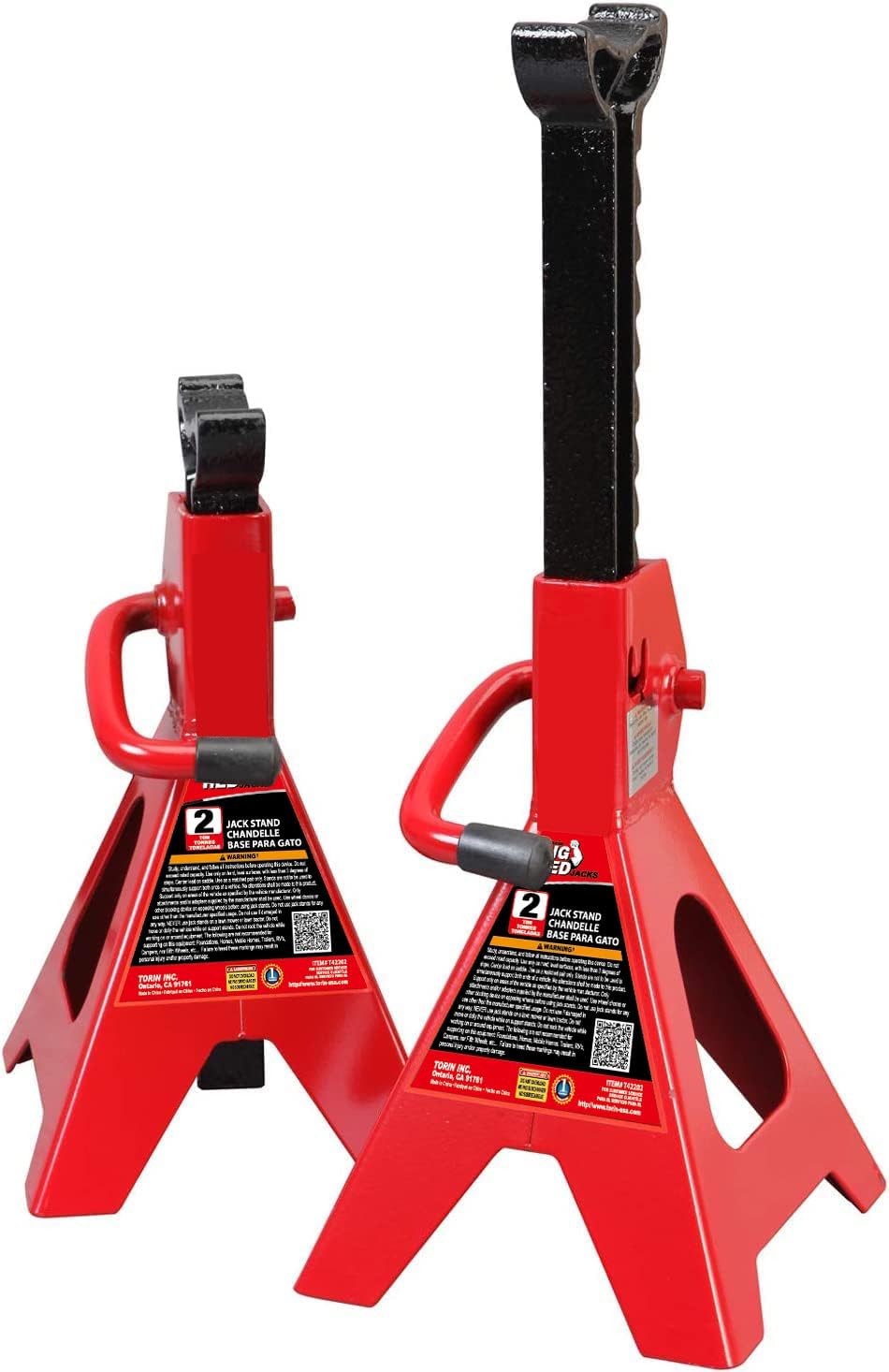
Always inspect wheel hardware on a flat, stable surface. Set the parking brake and use wheel chocks if available. If you need to raise the vehicle, support it with jack stands placed at the manufacturer-approved lift points. Never rely on a jack alone.
If a lug nut is visibly missing, if a stud is snapped, or if the wheel appears loose on the hub, the safest choice is to stop and repair or tow the vehicle rather than drive it.
What You Are Actually Checking
A proper diagnosis involves more than checking whether the nuts are tight. You are verifying four things: the lug nuts match the wheel, the threads are healthy, the wheel seats evenly against the hub, and the final clamp load meets the vehicle’s torque specification.
- Correct fit: the lug nut diameter, thread pitch, seat type, and shank design match the wheel and stud.
- Thread condition: the nut spins on smoothly by hand and the stud threads are not flattened, stretched, or cross-threaded.
- Proper seating: the contact area of the nut matches the wheel seat style so the wheel centers and clamps correctly.
- Proper torque: the nuts are tightened in the correct pattern to the correct specification.
Inspect the Lug Nuts and Wheel Visually
Compare All Lug Nuts on the Wheel
Look for one odd lug nut among the others. A mismatched replacement is a common clue. All lug nuts on the same wheel should generally have the same shape, length, seat design, and wrench size unless the manufacturer specifies otherwise.
Check for Seat-style Mismatch
Most passenger vehicles use one of three common lug nut seat designs: conical or acorn seat, ball or radius seat, and shank or mag style. If the wheel requires one style but the nut has another, the wheel may not center or clamp properly. This can cause loosening, vibration, and damage to the wheel holes.
A conical-seat nut should contact the wheel evenly around the tapered seat. A ball-seat nut should match the curved pocket of the wheel. A shank-style nut uses a straight shank and often a washer. If the contact pattern looks narrow, off-center, or gouged, suspect the wrong seat type.
Look for Damage Around the Lug Holes
Use a flashlight to inspect the wheel around each lug hole. Elongated holes, shiny scraped metal, cracking, or crushed seating surfaces can mean the wheel has been moving because the nuts were loose or wrong. If the wheel itself is damaged, replacing the nuts alone will not solve the problem.
Inspect the Studs
Check whether the studs are rusty, bent, stripped, or missing thread peaks. Studs that show flattened threads, galling, or stretching from over-torque should be replaced. A lug nut can only hold safely if the stud threads are intact.
Tools That Make This Job Easier


Check for Loose Lug Nuts the Right Way
Do not judge tightness by feel alone with a short tire iron. Use a torque wrench and the vehicle’s factory wheel nut torque specification. If you do not know the spec, look it up before final tightening.
How to Perform the Torque Check
- With the vehicle on the ground, set the torque wrench to the factory lug nut spec.
- Check each lug nut in a star or crisscross pattern, not in a circle around the wheel.
- Note any nut that turns significantly before reaching the click or indicated torque.
- If several nuts turn before reaching spec, the wheel was likely under-torqued.
- If a nut keeps turning without reaching proper torque, stop and inspect the stud and nut for thread damage.
One lug nut slightly below spec after recent service may mean it settled or was missed during installation. Multiple loose nuts usually point to improper installation, wrong hardware, or the wheel not seating properly against the hub.
Check for Cross-Threading and Thread Damage
Cross-threaded lug nuts may tighten partially, then bind, squeal, or feel rough. They may also require excessive force to remove. This often happens when an impact gun starts the nut instead of hand-threading it first.
How to Inspect the Threads
- Safely raise the vehicle if needed and remove one suspect lug nut at a time.
- Try threading the nut onto the stud by hand only.
- A good lug nut should spin on smoothly for several turns without tools.
- If it binds immediately, rocks side to side, or stops early, inspect both the nut and stud threads closely.
- Use a wire brush to clean light rust or dirt, then test again.
If the threads are rolled over, shaved, or visibly deformed, replacement is the correct fix. Do not force a damaged lug nut onto the stud. Thread chasers can clean minor damage, but they do not restore seriously stretched or stripped threads.
Confirm the Lug Nut Size and Thread Pitch
A lug nut can look almost correct and still be wrong. Similar thread sizes may start onto the stud but fail to clamp safely. Common mistakes happen after aftermarket wheel installation or when spare hardware gets mixed together.
What to Compare
- Thread diameter
- Thread pitch
- Overall nut length
- Seat type
- Shank diameter and washer, if used
If you have a known-correct lug nut from the same vehicle, compare it directly to the suspect one. You can also use a thread pitch gauge or confirm the specification in a service manual or parts catalog. If the nut does not match exactly, replace it with the proper part rather than guessing.
Be extra careful with aftermarket wheels. They may require a different seat style than the factory wheel, even when the thread size is the same. Using factory nuts on the wrong aftermarket wheel, or vice versa, is a common source of repeat loosening.
Check Whether the Wheel Is Seating Properly
Loose or uneven lug nut torque is sometimes a symptom, not the root cause. Corrosion, debris, paint buildup, or a wheel not centered on the hub can prevent full contact between the wheel and mounting surface.
Inspect the Wheel-to-hub Contact Surfaces
Remove the wheel if needed and inspect the back side of the wheel and the hub face. Rust scale, dirt, excess paint, or trapped debris can keep the wheel from sitting flat. Clean the surfaces with a wire brush and brake cleaner, then wipe dry.
Also confirm that the center bore of the wheel fits correctly over the hub. Some aftermarket wheels use hub-centric rings. If a ring is missing, broken, or the wrong size, the wheel may not center correctly during installation, making the lug nuts do extra work and increasing the chance of vibration or uneven clamping.
Recommended Tools for This Job


How to Interpret Your Findings
If the Lug Nuts Were Simply Loose
If the threads, wheel seats, and studs all look good, and the nuts torque normally to spec, the issue may have been improper installation. Retorque all nuts in the correct pattern and recheck them after 50 to 100 miles if the wheel was recently installed.
If One or More Nuts Are Damaged
Replace the damaged lug nuts. If the studs are also damaged, replace the studs too. New lug nuts on bad studs will not hold properly.
If the Lug Nuts Are Incorrect
Replace all incorrect nuts on that wheel, and ideally verify every wheel on the vehicle. Mixed hardware often means the problem exists in more than one location. Match the exact thread size and seat style to the wheel being used.
If the Wheel Seats or Lug Holes Are Damaged
Do not continue using a damaged wheel. Elongated holes, cracked seats, or metal deformation around the lug holes can prevent safe clamping even with new hardware.
If the Studs Will Not Hold Torque
This usually means stripped or stretched threads. Replace the affected studs and lug nuts before driving the vehicle normally.
Common Installation Mistakes That Cause Repeat Problems
- Starting lug nuts with an impact gun instead of by hand.
- Using the wrong seat style for the wheel.
- Tightening in a circle instead of a star pattern.
- Over-torquing with an impact wrench and damaging studs.
- Under-torquing and assuming “good and tight” is enough.
- Installing wheels over rust, dirt, or paint buildup on the hub face.
- Mixing aftermarket and factory lug nuts without confirming compatibility.
Any of these mistakes can create the same symptoms: looseness, vibration, damaged studs, and recurring torque loss after driving.
When You Should Not Drive the Vehicle
Stop driving and repair the issue first if any of the following are true:
- A lug nut is missing.
- A stud is broken or badly stripped.
- The wheel moves on the hub or makes loud clunking noises.
- The lug holes in the wheel are elongated, cracked, or chewed up.
- The nuts cannot be torqued to spec without spinning, binding, or stripping.
These are not minor maintenance concerns. They are wheel retention issues.
Next Steps After Diagnosis
Once you have identified the problem, the fix should match the failure. Replace damaged hardware rather than reusing questionable parts. Clean the hub and wheel mounting surfaces. Install the correct lug nuts by hand first, snug them in a star pattern, lower the vehicle enough to keep the wheel from turning, and torque to specification with a torque wrench.
After any wheel installation, especially with aftermarket wheels or new hardware, recheck torque after 50 to 100 miles. If lug nuts loosen again, there is still an underlying problem such as wrong seat type, damaged threads, or poor wheel seating.
Key Takeaways
- Always verify lug nut thread size, seat type, and torque spec instead of assuming a nut that fits the stud is correct.
- A lug nut should start by hand and spin on smoothly; binding or rough engagement usually means thread damage or mismatch.
- If multiple nuts are loose after recent service, inspect the wheel seats and hub face for wrong hardware or improper wheel seating.
- Do not keep driving with missing lug nuts, broken studs, damaged wheel holes, or nuts that will not torque properly.
- After reinstalling a wheel, torque in a star pattern and recheck after 50 to 100 miles.
FAQ
Can I Drive with One Loose Lug Nut?
It is not a good idea. One loose lug nut increases the load on the remaining studs and can allow the wheel to shift. Tighten and inspect it immediately, and check the rest of the wheel hardware for damage or incorrect fit.
How Do I Know if a Lug Nut Is the Wrong Seat Type?
Compare the shape of the lug nut’s contact surface with the wheel’s lug pocket. Conical seats are tapered, ball seats are rounded, and shank-style nuts use a straight shank and often a washer. If the shapes do not match exactly, the lug nut is wrong for that wheel.
Why Do My Lug Nuts Keep Coming Loose After a Tire Rotation?
Common causes include under-torque, dirty or rusty mounting surfaces, incorrect seat style, damaged threads, or an improperly centered wheel. Repeated loosening means you should inspect the hardware and wheel fitment instead of just retightening them.
Can an Impact Gun Damage Lug Nuts or Studs?
Yes. An impact gun can over-torque, stretch studs, deform lug nuts, and start nuts crooked, which can cross-thread them. Best practice is to start every lug nut by hand and finish with a torque wrench.
Should I Lubricate Lug Nut Threads?
Usually no, unless the manufacturer specifically instructs it. Lubrication changes the clamping force at a given torque value and can lead to over-tightening. Clean, dry threads are the normal standard for most passenger vehicles.
What Does It Mean if a Lug Nut Keeps Spinning and Never Tightens?
That usually indicates stripped lug nut threads, a damaged wheel stud, or severe mismatch. Remove the nut and inspect both parts. Do not drive until the damaged components are replaced.
Do Aftermarket Wheels Need Different Lug Nuts than Factory Wheels?
Often yes. Even if the thread size is the same, the seat style or shank design may be different. Always use the lug nuts specified for that exact wheel and vehicle combination.
Need Parts for This Repair?
The right parts and supplies vary by vehicle.
Select your make and model to find compatible parts and accessories for your car.
Exact Fit
Parts that fit your make and model
Quality You Can Trust
Top brands and OEM quality options
Fast Shipping
Get the parts you need, delivered fast