

Note: This article contains affiliate links. If you click on these links and make a purchase, I may earn a small commission at no extra cost to you. This helps support my research and content. Read my full affiliate disclosure here.
What You’ll Need
A quick look at the tools and supplies commonly used for this job.
Tools
- Floor jack
- Jack stands
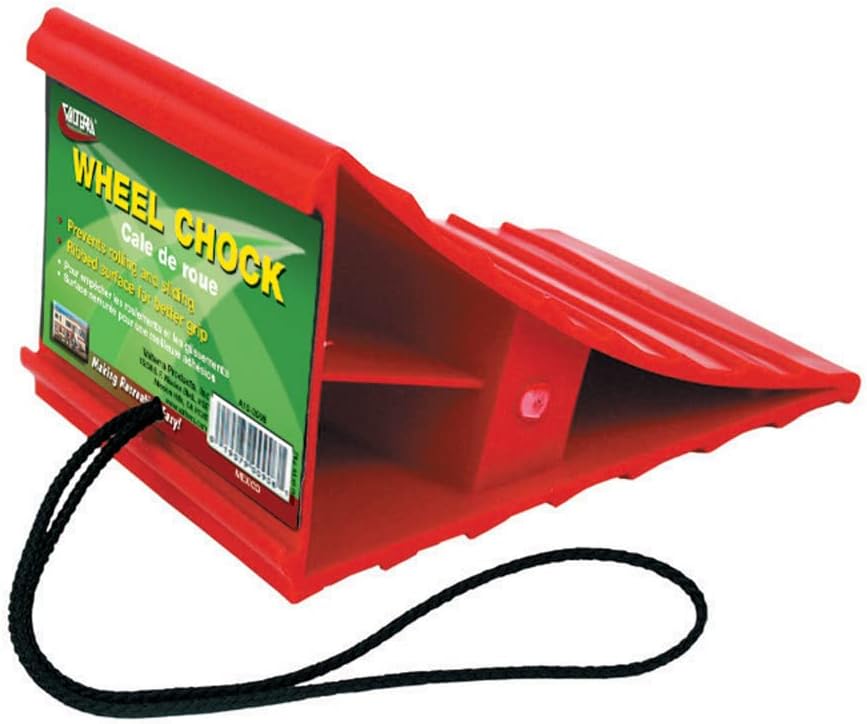
- Wheel chocks
- Torque wrench
- Flashlight
- Socket set or lug wrench
- Digital caliper or vernier caliper
- Straightedge
- Wire brush
- Marker or chalk
Parts & Supplies
- Brake cleaner
- Correct hub-centric rings if required
- Shop towels
- Anti-seize compound for hub face if appropriate
- Replacement lug nuts or wheel bolts if damaged or incorrect
This article is part of our Wheels and Tires Maintenance & Repair Guides.
If you have a steering wheel shake after installing wheels, strange vibration at highway speeds, or a wheel that never seems to sit quite right, hub-centric wheel fitment problems are worth checking first. A wheel that does not center properly on the hub can feel like a balancing issue, but the root cause is often the wheel-to-hub fit, not the tire itself.
Most DIY owners can diagnose this at home with basic tools, careful measurements, and a close look at how the wheel seats against the hub. The goal is to confirm whether the wheel center bore matches the vehicle hub correctly, whether hub-centric rings are needed or damaged, and whether dirt, corrosion, or incorrect hardware is preventing the wheel from mounting true.
This guide walks you through the symptoms, measurements, inspection points, and simple tests that help separate a true hub fitment problem from bent wheels, tire balance issues, or suspension faults.
What Hub-Centric Fitment Means
A hub-centric wheel is centered by the vehicle’s hub pilot, which is the raised lip on the hub that fits snugly into the wheel’s center bore. When the fit is correct, the wheel is naturally centered before the lug nuts or bolts are tightened.
Many factory wheel setups are hub-centric by design. Aftermarket wheels often use a larger center bore so they can fit multiple vehicles, and those setups usually require hub-centric rings to reduce the bore to the exact hub diameter.
If the wheel center bore is too large and no proper ring is installed, the wheel may tighten slightly off-center. Even a small amount of mis-centering can create vibration, uneven clamping, noise, and difficulty getting the wheel to sit flush.
- Correct fit: hub pilot and wheel center bore fit snugly with no forced installation.
- Oversized bore: wheel needs the correct hub-centric ring to center properly.
- Undersized bore: wheel will not fit the hub correctly and should not be forced on.
- Improper contact: rust, debris, or burrs can prevent a good fit even when sizes are correct.
Common Symptoms of Hub-Centric Wheel Problems
The most common clue is a vibration that starts after new wheels, spacers, or tires were installed. That vibration often shows up between about 50 and 75 mph and may feel similar to a poor wheel balance.
Another clue is inconsistent installation. If one wheel seems harder to mount, wobbles slightly before tightening, or does not sit flat against the hub without help, the centering fit may be wrong.
- Steering wheel vibration that began after wheel installation.
- Body or seat vibration that changes with road speed, not engine rpm.
- Wheel appears difficult to center while mounting.
- Hub-centric rings repeatedly falling out, cracking, or deforming.
- Visible gap or uneven contact between wheel and hub mounting surfaces.
- Lug nuts or wheel bolts seem to pull the wheel into place instead of the wheel sliding onto the hub cleanly.
These symptoms can overlap with bent wheels, badly balanced tires, wrong offset, or worn suspension parts. That is why measurement and inspection matter more than guessing based on vibration alone.
Safety Before You Start
Work on a level surface, apply the parking brake, and chock the wheels that stay on the ground. Loosen lug nuts or wheel bolts slightly before lifting the vehicle, then support it securely on jack stands.
Do not crawl under a vehicle supported only by a jack. If you find cracked rings, damaged mounting surfaces, elongated lug holes, or a wheel that does not physically fit the hub, stop driving the vehicle until the issue is corrected.
Initial Checks With the Wheel Still Installed
Look for a Recent Change
Start with the simplest question: what changed right before the problem started? Hub-centric issues often begin right after installing aftermarket wheels, seasonal wheel swaps, spacers, or replacement rings.
Check the Vibration Pattern
Drive the vehicle carefully and note when the vibration appears. A fitment problem usually tracks vehicle speed and often stays present during steady cruising. If braking makes it worse, warped rotors may also be involved. If acceleration only causes the issue, driveline faults may be more likely.
Inspect Wheel Seating Visually
With the wheel installed, shine a light around the center area and the wheel mounting pad. Look for crooked rings, rust buildup at the hub pilot, paint buildup on aftermarket wheels, or signs the wheel is not fully seated against the hub face.
Tools That Make This Job Easier


Remove the Wheel and Inspect the Hub Area
Once the wheel is off, inspect the hub pilot, hub face, and wheel center bore carefully. This is where many fitment problems become obvious.
- Check for rust scale on the hub pilot lip and on the flat hub mounting face.
- Look for dirt, paint, old anti-seize buildup, or corrosion inside the wheel center bore.
- Inspect any hub-centric ring for cracks, flattening, melting, looseness, or deformation.
- Check for burrs, gouges, or impact damage on the wheel’s center bore or mounting pad.
- Make sure the wheel seats fully against the hub face without interference from clips, rings, or debris.
Use a wire brush and brake cleaner to remove loose rust and contamination from the hub and wheel mounting surfaces. Heavy corrosion can hold the wheel off-center or keep it from sitting flush even if the dimensions are technically correct.
Measure the Hub Pilot and Wheel Center Bore
This is the most important diagnostic step. Use a caliper to measure the outside diameter of the vehicle’s hub pilot and the inside diameter of the wheel center bore or ring.
How to Measure Correctly
- Measure the hub pilot at several points to confirm it is round and free of heavy corrosion distortion.
- Measure the wheel center bore across the inner opening where it actually locates on the hub.
- If a hub-centric ring is installed, measure the ring’s inner diameter and outer diameter.
- Compare your measurements to the vehicle hub specification and wheel bore specification if available.
What the Measurements Should Tell You
The hub pilot diameter and the wheel bore or ring inner diameter should be a close match. The fit should be snug enough to center the wheel, but not so tight that the wheel must be hammered on. If the wheel bore is larger than the hub and there is no proper ring, you have likely found the problem.
If the wheel bore is smaller than the hub, the wheel is not compatible without machining, and you should not force it on. If the ring dimensions are wrong, the wheel may appear to fit but will not actually center correctly.
Test-Fit the Wheel Without Fully Tightening It
A careful dry fit can reveal whether the wheel naturally centers on the hub or relies on the fasteners to pull it into place.
What to Look for During Test Fit
- The wheel should slide onto the hub pilot smoothly and sit flat against the hub face.
- There should be little to no wobble when the wheel is hand-positioned on the hub.
- The center bore or ring should not bind, cock sideways, or fall out during installation.
- The wheel should not rock on the hub face.
If the wheel hangs up before fully seating, remove it and inspect again for rust, paint thickness, incorrect ring size, or an undersized bore. If it fits loosely on the hub and can shift around before the lug nuts are tightened, that points to a missing or incorrect ring on an oversized aftermarket bore.
Check Lug Hardware and Seating Style
A wheel can have the correct center bore and still install poorly if the lug nuts or wheel bolts are the wrong style. Seat style matters because the hardware helps clamp the wheel evenly.
Common seat types include cone seat, ball seat, and flat seat. Using the wrong style can misalign clamping forces, damage the wheel, and create vibration or loosening.
- Verify the lug nut or bolt seat matches the wheel design.
- Inspect for damaged threads or distorted seats.
- Check that shank length or bolt length is appropriate if spacers are installed.
- Confirm all hardware matches in type and size across the wheel.
Hub-centric fit and correct hardware are separate issues, but they often show up together on aftermarket wheel setups. If both are wrong, the wheel may never center consistently.
Recommended Tools for This Job


Rule Out Similar Problems
Before you conclude that the issue is hub-centric fitment, rule out the other common causes of wheel-related vibration.
- Tire balance issue: vibration begins at speed but the wheel fit checks out and rebalancing changes the symptom.
- Bent wheel: visible runout, impact damage, or wobble while the wheel rotates.
- Tire defect: bulge, separated belt, or uneven tread wear.
- Rust scale between brake rotor and hub: causes the rotor and wheel stack-up to sit unevenly.
- Suspension or steering wear: looseness in tie rods, ball joints, or control arm bushings can amplify vibration.
If you have access to a dial indicator, checking wheel or tire runout can help separate a fitment issue from a bent component. But many DIY owners can still make a solid diagnosis through measurement, visual inspection, and a proper remount.
How to Confirm the Diagnosis
A hub-centric wheel fitment problem is strongly confirmed when several clues line up: the wheel has an oversized center bore, rings are missing or incorrect, the wheel does not center snugly on the hub, and the vibration began right after wheel installation.
Strong Confirmation Signs
- Measured hub pilot and wheel center bore do not match properly.
- Installed ring dimensions are wrong for the hub or wheel.
- The ring is damaged and no longer holds the wheel centered.
- The wheel can shift noticeably on the hub before tightening.
- Cleaning the hub and reinstalling with the correct ring changes or eliminates the vibration.
If you reinstall the wheel with correct fitment parts, tighten the hardware in the proper star pattern, torque to spec, and the vibration disappears, that is another strong real-world confirmation.
Corrective Next Steps
Once you identify the problem, fix it before continuing to drive at highway speed. Improperly centered wheels can stress hardware, damage mounting surfaces, and create unsafe handling.
- Clean the hub pilot and hub face thoroughly so the wheel can sit flush.
- Install the correct hub-centric rings if the wheel bore is larger than the hub.
- Replace cracked, loose, or heat-damaged rings.
- Use the correct lug nuts or wheel bolts for the wheel seat design.
- Mount the wheel by hand, making sure it sits flat and centered before tightening.
- Torque the hardware in a star pattern to the vehicle or wheel manufacturer’s specification.
- Recheck torque after a short drive if recommended by the wheel maker.
If the wheel center bore is too small, the wheel is not a correct fit for the vehicle. Do not grind the hub or force the wheel on. If the wheel still vibrates after all fitment issues are corrected, move on to balancing, runout checks, and suspension inspection.
When to Stop DIY Diagnosis and Get Professional Help
Seek professional help if the wheel will not seat flush, the center bore appears machined incorrectly, the hub pilot is damaged, or the wheel mounting holes show elongation or cracking. Those are not minor issues.
A professional tire and wheel shop can also check dynamic balance, road force variation, and wheel runout if you have corrected the obvious fitment problem but still have vibration. That is the fastest way to avoid replacing good parts based on guesswork.
Key Takeaways
- Measure the hub pilot and wheel center bore instead of assuming the wheel is centered correctly.
- Missing, damaged, or wrong-size hub-centric rings are a common cause of vibration after aftermarket wheel installation.
- Rust, paint buildup, and debris on the hub face or center bore can mimic a bad fit even when dimensions are correct.
- Correct lug hardware matters because the wrong seat style can worsen centering and clamping problems.
- If the wheel bore is too small or the wheel will not seat flush, stop driving until the fitment issue is fixed.
FAQ
Can a Hub-centric Problem Feel Exactly Like an Unbalanced Tire?
Yes. A wheel that is slightly off-center on the hub often creates a speed-related vibration that feels very similar to poor tire balance, especially between highway speeds.
Do All Aftermarket Wheels Need Hub-centric Rings?
No. They only need rings when the wheel center bore is larger than the vehicle hub pilot. If the wheel bore already matches the hub exactly, rings are not required.
Is It Safe to Drive Without Hub-centric Rings if the Lug Nuts Are Tight?
It is not a good idea on a setup designed to use them. The wheel may tighten off-center, causing vibration, uneven clamping, and possible hardware or mounting surface damage over time.
What Happens if the Wheel Center Bore Is Too Small?
The wheel is not a correct direct fit for that hub. Do not force it on. A too-small bore can prevent proper seating and create dangerous loading on the wheel and hub.
Can Rust on the Hub Cause Wheel Fitment Problems?
Yes. Rust and corrosion on the hub pilot or hub face can keep the wheel from seating flat or centering properly, even if the wheel and ring sizes are otherwise correct.
Are Plastic Hub-centric Rings Good Enough, or Should I Use Metal?
Either can work if the dimensions are correct and the parts are good quality. Plastic rings are common and often fine for normal use, but any ring that is cracked, loose, or heat-damaged should be replaced.
Will Retorquing the Lug Nuts Fix a Hub-centric Vibration?
Not by itself if the wheel is being centered incorrectly. Retorquing may help if installation was uneven, but the real fix is correct hub fit, clean mounting surfaces, and proper hardware.
Need Parts for This Repair?
The right parts and supplies vary by vehicle.
Select your make and model to find compatible parts and accessories for your car.
Exact Fit
Parts that fit your make and model
Quality You Can Trust
Top brands and OEM quality options
Fast Shipping
Get the parts you need, delivered fast