

Note: This article contains affiliate links. If you click on these links and make a purchase, I may earn a small commission at no extra cost to you. This helps support my research and content. Read my full affiliate disclosure here.
Repair Snapshot
Use a mechanic if the shaft is seized, the vehicle has a two-piece shaft with carrier bearing setup, or factory procedures require special balancing or angle measurements. A pro is also the safer choice if you find transmission or differential seal leaks, damaged flanges, or heavy rust.
This article is part of our Transmission and Drivetrain Maintenance & Repair Guides.
Replacing a driveshaft is a manageable DIY repair if you work carefully, support the vehicle correctly, and pay close attention to shaft orientation and torque specs.
A driveshaft transfers power from the transmission or transfer case to the differential. On many rear-wheel-drive and four-wheel-drive vehicles, the shaft uses U-joints or CV-style joints, and some designs slide into the transmission while others bolt to fixed flanges at both ends. That means the exact procedure varies by vehicle, but the safety checks and installation principles are largely the same.
This guide covers a typical one-piece driveshaft replacement with notes for slip-yoke, flange-mounted, and two-piece setups. Always compare your replacement part to the original before installation, and use your factory repair information for exact torque values and any one-time-use hardware.
Before You Start
Confirm the Driveshaft Is Actually the Problem
A bad driveshaft can cause vibration under acceleration, clunking when shifting from drive to reverse, squeaking U-joints, or visible dents and missing balance weights. But similar symptoms can also come from worn transmission mounts, differential problems, bad axle shafts, or wheel and tire issues. Inspect the shaft carefully before ordering parts.
- Look for rust-colored powder around U-joint bearing caps, which often points to a failing joint.
- Check for dents, twisted tubing, cracked CV boots, or missing balance weights.
- Inspect the transmission or transfer case output seal and the differential pinion seal for leaks.
- Grab the shaft near each joint and check for looseness, binding, or rough movement.
- Verify the replacement shaft matches the original length, flange style, and spline arrangement.
Work Safely Before Going Underneath
Park on level ground, set the parking brake if the procedure allows it, and chock the wheels that will stay on the ground. Raise the vehicle using the recommended lift points and support it securely on jack stands. Never rely on a floor jack alone. If the rear wheels need to rotate during inspection, follow the factory procedure and keep hands clear of moving parts.
On some slip-yoke designs, pulling the shaft from the transmission can spill fluid. Place a drain pan under the tail housing before removal. If your vehicle uses a flange at the transmission or transfer case instead of a slip yoke, fluid loss is usually minimal.
How Driveshaft Designs Affect the Job
Knowing which style you have makes the removal and installation much easier. A one-piece shaft is the simplest. A two-piece shaft adds a center support or carrier bearing and usually requires more careful alignment. Some vehicles use U-joints with straps or retaining bolts at the differential, while others use CV joints with bolt-on flanges.
- A slip-yoke rear driveshaft slides into the transmission or transfer case and usually comes out after the rear fasteners are removed.
- A flange-to-flange shaft bolts at both ends and often stays sealed, which reduces fluid loss.
- A two-piece shaft has a center support bearing that must be removed and reinstalled squarely.
- A CV-joint shaft may require a specific tightening pattern and careful boot inspection.
If you are replacing only the shaft assembly, the key concern is preserving alignment and tightening the fasteners evenly. If you are also replacing U-joints or the carrier bearing, expect extra labor and the possibility of balancing issues if parts are pressed in incorrectly.
Preparation and Inspection
Mark Orientation Before Loosening Anything
Before removal, use a paint marker to mark the relationship between the driveshaft and the differential flange, and also mark any center support or front flange positions if applicable. These marks matter because driveshaft orientation can affect balance and vibration. Even if you are installing a complete new shaft, the marks are useful as a reference.
Inspect Surrounding Components Now
A new driveshaft will not fix worn mounting surfaces or leaking seals. Check the rear flange ears, companion flange, output shaft seal area, center bearing bracket, and underbody clearance. If the old shaft failed due to a seized U-joint or impact damage, inspect the transmission mount and differential mount as well.
- Replace damaged or stretched flange bolts when the manufacturer calls for it.
- Do not reuse distorted U-joint straps or cracked retainers.
- Clean rust and dirt from the flange mating surfaces before installation.
- If a seal is leaking, repair it before or during the driveshaft job to avoid repeating labor.
Tools That Make This Job Easier

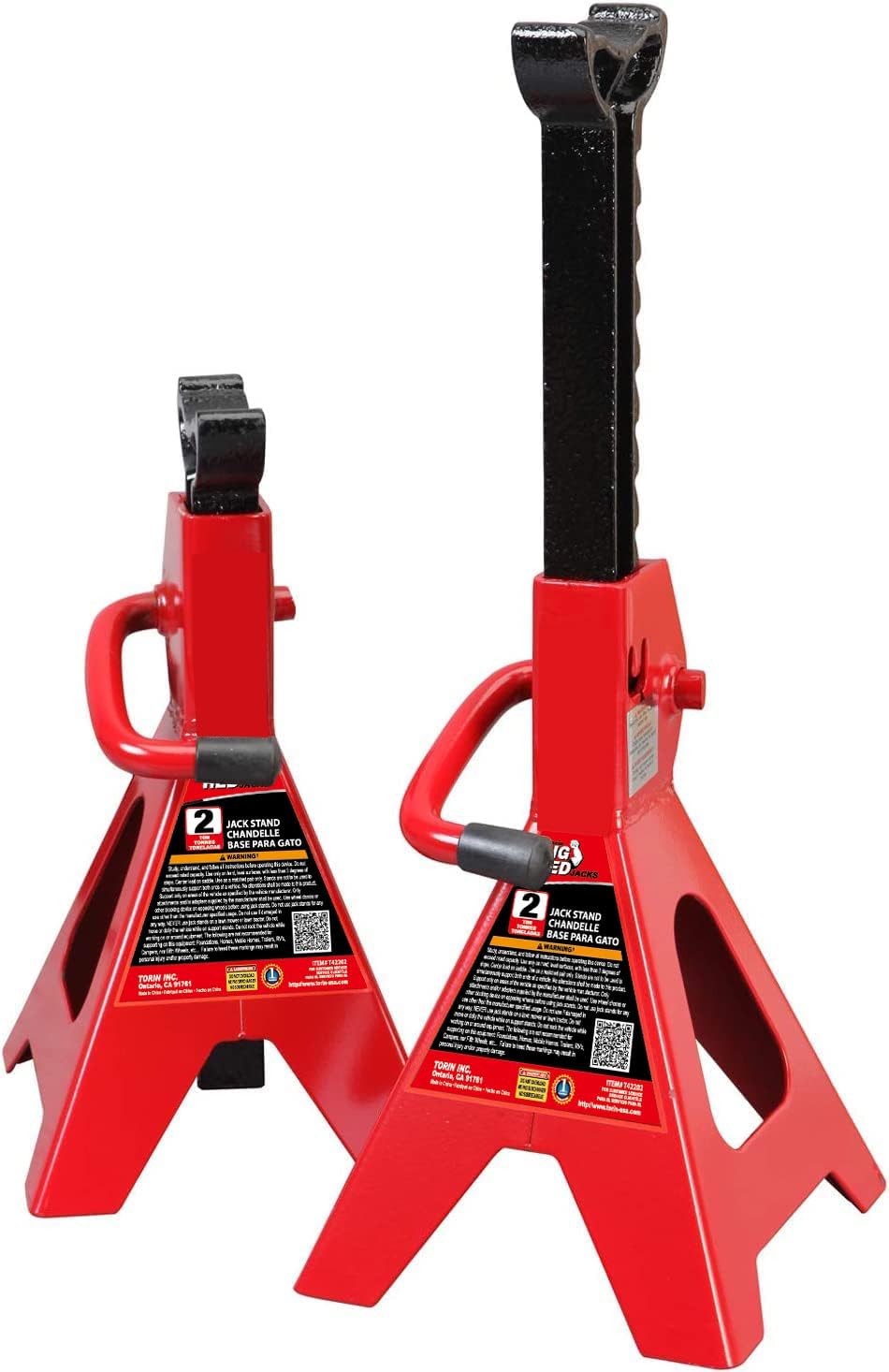

Removing the Old Driveshaft
Loosen the Rear Connection First
Most driveshaft jobs start at the differential end. Put the transmission in neutral if needed to rotate the shaft and access each fastener, then place it back in park or in gear while breaking the bolts loose. Remove the U-joint strap bolts, flange bolts, or CV joint bolts at the rear connection. Keep track of any small retainers, washers, and spacers.
If the bearing caps are exposed, be careful not to let them fall off the U-joint once the shaft is free. Loose needle bearings can spill out easily and make the old shaft hard to handle without a mess.
Support the Shaft as You Free the Front
Once the rear is disconnected, support the shaft with one hand while working the front loose. On a slip-yoke design, lower the rear of the shaft slightly and slide it rearward out of the transmission or transfer case. Keep the drain pan underneath because fluid may leak as soon as the yoke comes out.
On flange-mounted designs, remove the front flange bolts and lower the shaft straight down. On a two-piece shaft, remove the center support bearing fasteners before fully lowering the assembly. A long shaft can be awkward, so take your time and avoid damaging exhaust parts, heat shields, or seals.
Check What You Removed
Compare the old shaft to the replacement on the floor before installing anything. Check length, flange bolt pattern, spline count, yoke size, center support location, and overall clocking. If they do not match exactly where it matters, stop and verify the correct part number.
Installing the New Driveshaft
Prepare the Mating Points
Wipe the transmission output area, flange faces, and bolt holes clean. If the replacement shaft has a slip yoke, lightly lubricate the splines or sealing surface only if the service information calls for it. Do not pack excess grease where it can contaminate seals or fling onto the underbody.
If your vehicle uses thread locker on flange bolts, apply the correct type and amount. Start all bolts by hand to avoid cross-threading. Make sure the U-joint bearing caps stay fully seated if the shaft uses external straps or retainers.
Install the Front, Then Align the Rear
For a slip-yoke shaft, carefully slide the front yoke into the transmission or transfer case without nicking the seal. Lift the rear into place and line up your reference marks if you are reusing the original orientation. For flange-mounted shafts, loosely install the front flange bolts first so the assembly is supported while you align the rear.
On a two-piece shaft, loosely install the center support bearing bracket before final tightening. The bracket should sit squarely and without side-load. Tightening it in a forced position can create a vibration that feels like a bad shaft even when the new part is fine.
Tighten Hardware Evenly and to Spec
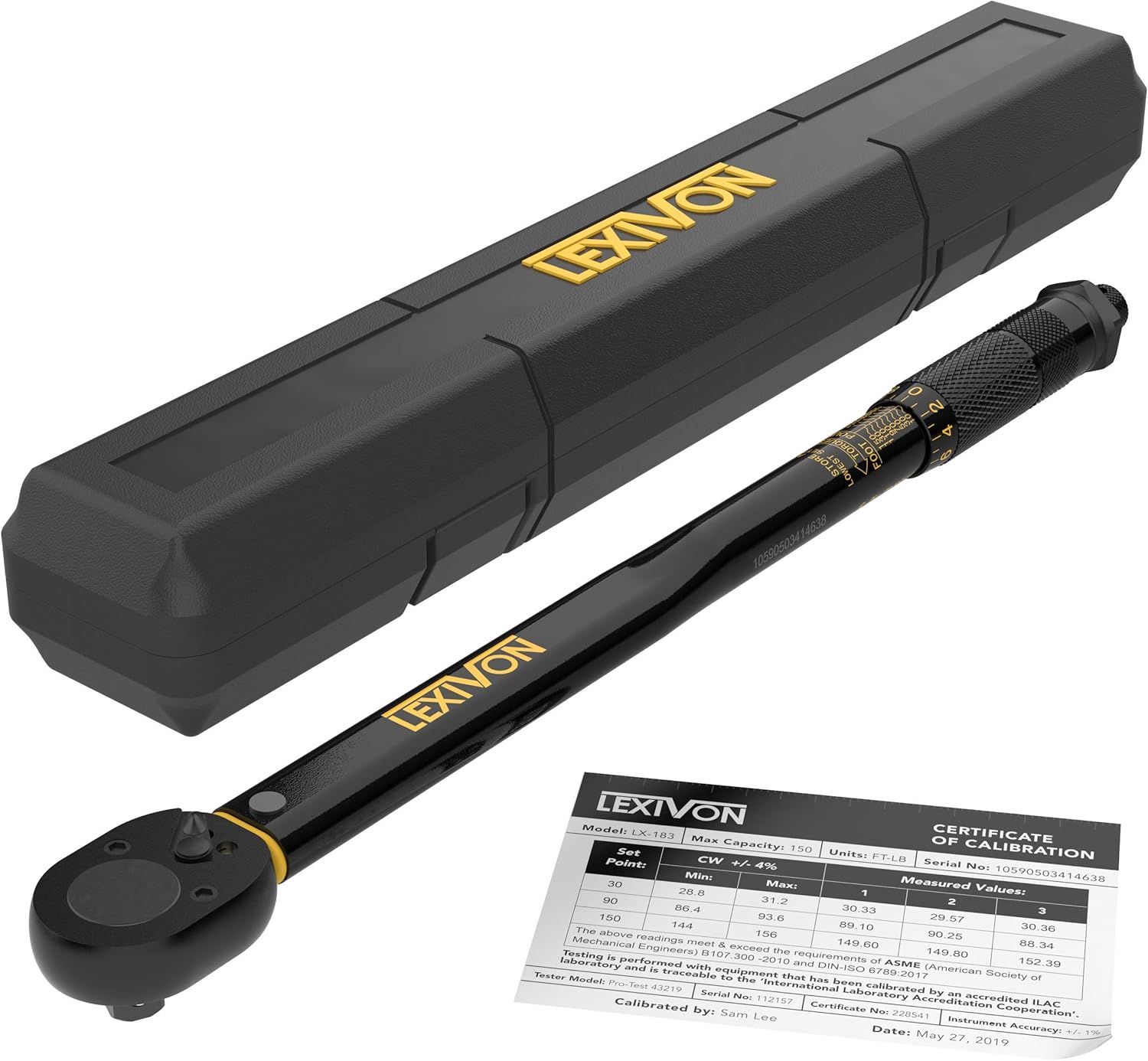
Tighten the rear and front fasteners in an even pattern, especially on CV-style flanges. Final torque varies widely by vehicle, so use your factory specs for flange bolts, U-joint strap bolts, center support bearing fasteners, and any heat shield or bracket hardware removed during the job. Over-tightening can crush bearing caps or strip threads, while under-tightening can let the shaft move and create a dangerous failure.
- Use a torque wrench for all flange bolts and U-joint strap bolts.
- Replace one-time-use bolts where required instead of guessing.
- Make sure bearing caps are fully seated before final torque.
- Do not pry against thin seals or aluminum housings during alignment.
Recommended Tools for This Job


Fluid, Seal, and Clearance Checks
If the front slip yoke came out of the transmission or transfer case, check fluid level before driving. Even a small amount of fluid loss can matter on some vehicles. Top off with the exact fluid specified for your model. If the old yoke surface was grooved or the seal lip was wet, replace the output seal now rather than waiting for a leak to get worse.
Rotate the shaft by hand after installation and look for contact with exhaust pipes, crossmembers, parking brake cables, heat shields, and underbody panels. Confirm that all hangers and brackets are back in place. Any rubbing or unusual angle should be corrected before the wheels go back on the ground.
Final Checks and Test Drive
Inspect Before Lowering the Vehicle
Go back over every fastener you touched. Verify the driveshaft is centered correctly, the center support bearing is secure if equipped, and no tools or rags remain near rotating parts. If you removed shields or braces for access, reinstall them before the test drive.
Test Drive in Stages
Start with a short, low-speed drive around the block. Listen for clunks when shifting into drive or reverse, and feel for new vibration under light acceleration. Then increase speed gradually on a smooth road. If the vehicle remains smooth and quiet, recheck underneath for leaks or fresh witness marks after the drive.
If a vibration appears immediately after replacement, stop and inspect the shaft orientation, flange seating, center support bearing alignment, and torque on all hardware. Persistent vibration can also mean the replacement shaft is out of balance, the pinion angle is off, or another driveline component is worn.
Common Mistakes to Avoid
- Skipping orientation marks and then chasing a new vibration after installation.
- Letting U-joint bearing caps fall off and losing needle bearings during removal.
- Reusing damaged straps, distorted retainers, or one-time-use bolts.
- Installing a two-piece shaft with the center support bracket pulled sideways.
- Forgetting to check transmission or transfer case fluid after removing a slip yoke.
- Using impact tools for final tightening instead of a torque wrench.
Most post-repair driveline issues come from alignment or fastening mistakes rather than the shaft itself. Slow, deliberate assembly usually prevents the comeback problems DIYers run into most.
When Replacement May Not Be Enough
Sometimes the driveshaft is only one part of the failure. If the old shaft shows heavy rust, impact damage, or failed joints, inspect the parts that connect to it. Excess play in the differential pinion, worn transmission mount movement, or a bent flange can quickly ruin a new shaft or make it feel like the repair did not work.
You may need additional repairs if you notice seal leaks, a grooved yoke surface, a torn CV boot, a noisy carrier bearing, or a repeated vibration at highway speed. In those cases, a driveline specialist can check shaft balance and driveline angles more accurately than most home garages can.
Key Takeaways
- Mark the shaft and flange positions before removal so you have a reliable reference during installation.
- Support the vehicle securely and expect fluid loss if the shaft uses a slip yoke into the transmission or transfer case.
- Compare the new shaft to the old one before installation to confirm length, flange pattern, and joint style.
- Torque all straps, flange bolts, and center support hardware to factory specifications instead of estimating.
- If vibration remains after replacement, recheck alignment, flange seating, and nearby mounts before blaming the new driveshaft.
FAQ
Can I Replace a Driveshaft at Home Without a Lift?
Yes, many DIYers replace a driveshaft using a floor jack and sturdy jack stands on level ground. The job is still awkward because the shaft can be long and heavy, so safe support and enough working room underneath are essential.
Do I Need to Mark the Old Driveshaft Before Removing It if I Am Installing a New One?
Yes. Marks help you reference the original orientation and flange relationship, which is useful if the replacement needs to match a specific position or if you need to compare alignment during installation.
Will Transmission Fluid Leak Out when I Remove the Driveshaft?
It can on vehicles with a slip-yoke driveshaft that slides into the transmission or transfer case. Keep a drain pan ready and recheck fluid level before driving.
Can a Bad U-joint Be Replaced Without Replacing the Whole Driveshaft?
Often yes, but not always. Some shafts use serviceable U-joints, while others use staked or non-serviceable designs that are better replaced as a complete assembly unless a driveline shop rebuilds them.
Why Does My Vehicle Still Vibrate After I Replaced the Driveshaft?
Common causes include incorrect shaft orientation, uneven flange seating, loose hardware, a misaligned carrier bearing, wrong part length, bad driveline angles, or another worn component such as a mount or differential flange.
Should I Replace Driveshaft Bolts and Straps?
If the manufacturer lists them as one-time-use or if they show stretching, corrosion, or damage, replace them. Reusing questionable hardware can lead to loosening, vibration, or joint failure.
Do I Need an Alignment After Replacing a Driveshaft?
A standard wheel alignment is usually not required just for driveshaft replacement. However, driveline angle or carrier bearing alignment may need attention if vibration develops after installation, especially on lifted trucks or two-piece shaft setups.
Need Parts for This Repair?
The right parts and supplies vary by vehicle.
Select your make and model to find compatible parts and accessories for your car.
Exact Fit
Parts that fit your make and model
Quality You Can Trust
Top brands and OEM quality options
Fast Shipping
Get the parts you need, delivered fast