

Note: This article contains affiliate links. If you click on these links and make a purchase, I may earn a small commission at no extra cost to you. This helps support my research and content. Read my full affiliate disclosure here.
Repair Snapshot
Use a professional if the transmission is slipping badly, making heavy grinding noises, will not move the vehicle, or requires internal disassembly. Modern automatic and CVT repairs often need specialty tools, software procedures, and exact fluid-level calibration.
This article is part of our Transmission and Drivetrain Maintenance & Repair Guides.
Internal transmission problems can show up as slipping, delayed engagement, harsh shifting, shuddering, whining, or a complete loss of movement. While some symptoms point to low fluid, worn clutches, or a failed valve body, others can be caused by electrical faults or poor maintenance, so the smartest repair starts with careful diagnosis instead of guessing.
For many DIY owners, the practical goal is not a full rebuild at home. It is figuring out whether the problem is minor enough for a fluid and filter service, pan inspection, sensor or solenoid replacement, or whether the transmission needs a professional teardown, rebuild, or replacement. Catching the issue early can sometimes prevent metal contamination and major internal damage.
This guide walks through the most common symptoms, likely causes, and the repair path to follow before spending money on parts. It also explains when driving the vehicle further can make the damage worse.
Common Symptoms of Internal Transmission Trouble
Transmission problems do not always feel the same from one vehicle to another, but several patterns come up repeatedly. The more severe and consistent the symptom, the more likely the issue is internal rather than just fluid age or a minor electrical fault.
- Engine revs increase but vehicle speed does not keep up, which usually feels like slipping.
- There is a delay when shifting into Drive or Reverse, especially after the vehicle sits overnight.
- Shifts are harsh, erratic, or flare between gears.
- The transmission shudders, especially during light acceleration or torque-converter lockup.
- You hear whining, humming, grinding, or clunking from the transmission area.
- The vehicle goes into limp mode, stays in one gear, or triggers a check engine or transmission warning light.
- There is no movement in any gear or only partial movement when cold.
A one-time odd shift does not always mean the transmission is failing. Repeated slipping, metal noise, or a no-move condition is much more serious and should be treated as a stop-driving warning until checked.
What Usually Causes Internal Transmission Problems
Automatic transmissions, CVTs, and dual-clutch units rely on hydraulic pressure, friction materials, precision valves, and electronic control. A fault in any of those systems can create similar symptoms, which is why diagnosis matters.
Typical Internal Causes
- Worn or burned clutch packs that can no longer hold under load.
- A failing torque converter that causes shudder, slipping, or debris contamination.
- A sticking or worn valve body that disrupts hydraulic pressure and shift timing.
- Failed solenoids that misdirect fluid pressure or prevent proper gear engagement.
- A clogged filter or restricted pickup that lowers pressure.
- Damaged bands, drums, bearings, bushings, or planetary gears.
- Overheated or incorrect transmission fluid, which reduces lubrication and friction control.
- Internal seal leaks that bleed off pressure and create delayed or soft engagement.
Conditions That Speed Up Failure
Heavy towing, repeated overheating, ignored fluid leaks, long fluid-service intervals, aggressive driving, and using the wrong fluid spec can shorten transmission life dramatically. If the unit has already shed friction material or metal, even a fresh fluid service may only reveal damage that was already present.
Before You Repair Anything, Rule Out Simpler Causes
Not every transmission symptom means the hard parts inside the case are destroyed. A careful inspection can separate a serviceable issue from a rebuild candidate.
Check Fluid Level and Condition
Use the manufacturer procedure, because many late-model transmissions require a certain fluid temperature and level-check process. Low fluid can cause delayed engagement, slipping, and aeration. Burnt-smelling dark fluid points to overheating, while glittery fluid suggests internal wear. Milky fluid can indicate coolant contamination from a failed transmission cooler.
Scan for Trouble Codes
Use an OBD2 scanner capable of reading transmission codes if possible. Solenoid performance codes, speed sensor codes, pressure-control codes, or torque-converter codes can help narrow the fault. A code does not automatically mean the named part is bad; wiring, low pressure, or internal wear can also trigger it.
Inspect for External Leaks and Cooling Issues
Check the pan gasket, cooler lines, axle seals, electrical connector seals, and the transmission cooler itself. A transmission that has been run low on fluid because of a slow leak may have deeper damage. Also confirm the engine cooling system is working properly, because high engine temperature can overheat the transmission fluid as well.
Look at Mounts and Driveline Components
Broken engine or transmission mounts, failing CV axles, or differential problems can mimic harsh engagement or clunking. Rule those out before assuming a full transmission failure.
Tools That Make This Job Easier
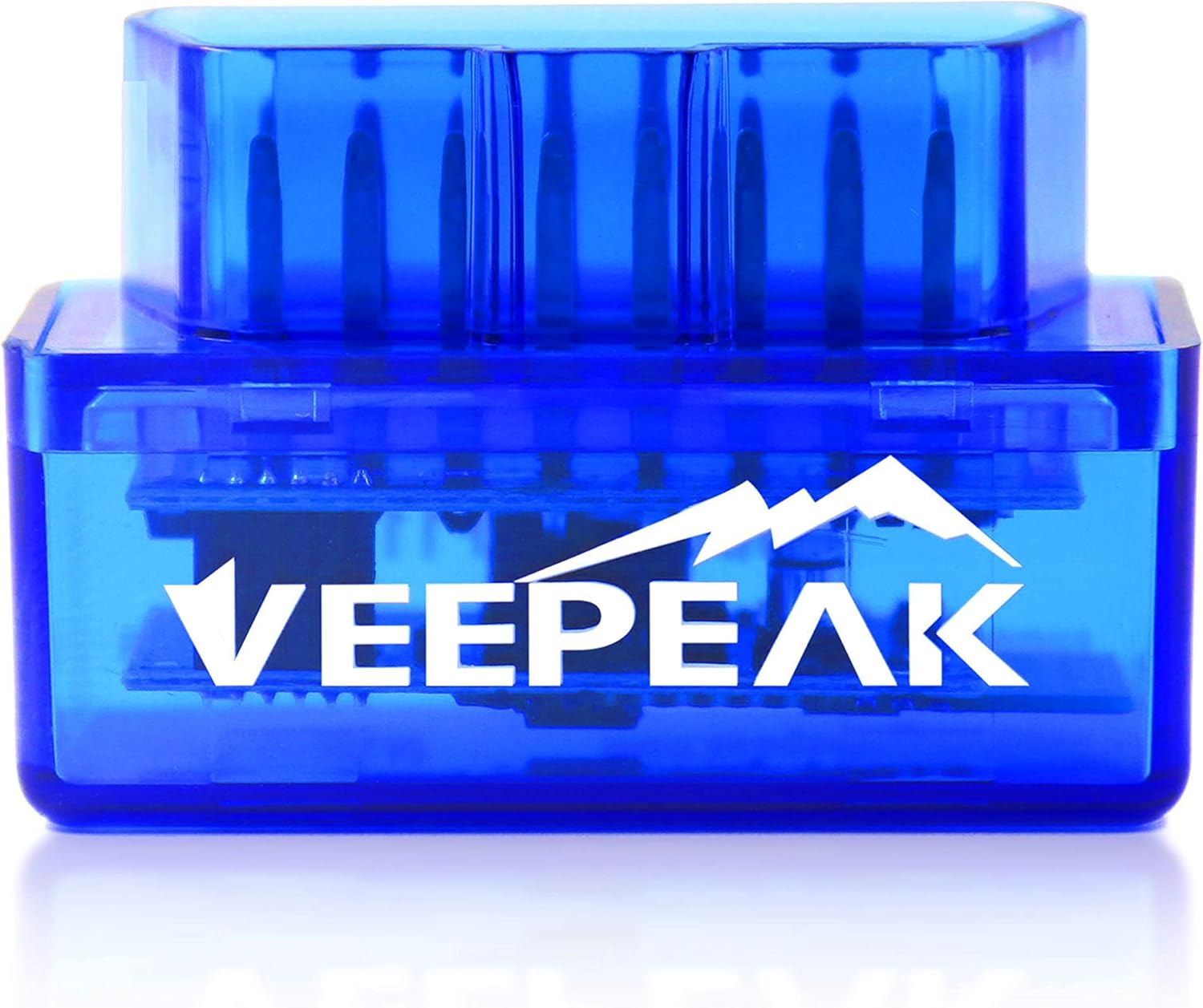
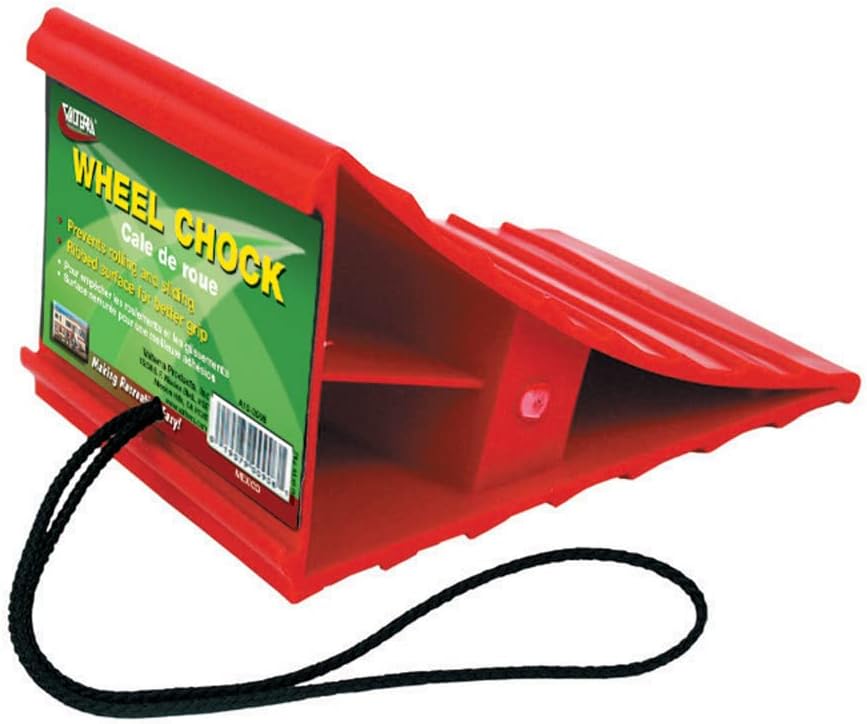

How to Inspect the Pan for Internal Damage
On many conventional automatics, dropping the pan gives you the best DIY evidence of what is happening inside. CVTs and sealed units vary, so always check service information before opening anything.
- Park on level ground, set the parking brake, chock the wheels, and safely raise and support the vehicle.
- Place a drain pan underneath and remove the pan bolts carefully, leaving a few loosely threaded until the fluid drains.
- Lower the pan and inspect the magnets and bottom of the pan.
- Remove the filter if accessible and check for heavy debris or restriction.
- Clean the pan thoroughly and note what you found before reinstalling.
A light gray paste on the magnet is normal clutch and metallic dust on many transmissions. What is not normal is heavy metal flakes, bronze-colored particles, chunks of friction material, needle-bearing rollers, or obvious gear fragments. Those signs usually point to major internal wear and make a simple fluid service unlikely to solve the problem.
If the pan is relatively clean and the fluid is old but not full of debris, a filter and fluid service may still be worth trying if the transmission is only showing mild symptoms.
DIY Repair Options That May Help
A DIY owner can often handle the lower-risk repair steps around the transmission. These repairs are most appropriate when the unit still moves the vehicle, there is limited debris in the pan, and diagnosis points to a pressure-control or service issue rather than catastrophic hard-part failure.
Perform a Fluid and Filter Service
If the fluid is old, slightly burnt, or low, replace the filter where applicable and refill with the exact manufacturer-specified fluid. Do not mix fluid types unless the vehicle maker specifically allows it. Many shifting complaints get worse after using a universal fluid that does not match the required friction properties.
Be realistic: a fluid service does not repair worn clutch packs, broken gears, or a damaged torque converter. It can, however, restore pressure and improve operation if the filter is restricted or the fluid is badly degraded.
Replace Accessible Solenoids or Sensors
Some shift solenoids, pressure-control solenoids, input or output speed sensors, and temperature sensors can be replaced with the pan off or from the outside of the case. This can be a worthwhile repair when scanning and testing strongly point to one component and there is no severe metal contamination.
Service or Replace the Valve Body
Valve body issues can cause delayed shifts, harsh engagement, bind-ups, and ratio codes. On some transmissions, replacing or professionally remanufacturing the valve body is more practical than rebuilding the whole unit. This is still an advanced DIY job because bolt placement, separator plates, check balls, and torque specs must be exact.
When the Transmission Needs a Rebuild or Replacement
There is a point where servicing around the edges is no longer cost-effective. Once a transmission has widespread friction failure, bearing damage, or hard-part wear, the fix is usually internal overhaul or a replacement assembly.
- The vehicle barely moves or will not move in any gear.
- The fluid or pan contains heavy metal debris or large friction fragments.
- There is strong burnt odor plus repeated slipping after the correct fluid level is confirmed.
- You hear grinding, rumbling, or mechanical knocking from inside the transmission.
- The transmission has multiple gear-ratio or pressure-related codes and symptoms across several gears.
- A previous service briefly improved it, then the problem returned quickly.
A rebuild replaces worn friction materials, seals, bushings, and often hard parts that fail inspection. A replacement may be a remanufactured transmission, used transmission, or new assembly. In many cases, a quality remanufactured unit provides the best balance of warranty and long-term reliability.
Basic Repair Procedure for a Transmission Service and Pan Inspection
If diagnosis suggests a serviceable issue, this is the basic process most DIY owners can follow on a conventional automatic transmission. Always compare these steps with the factory procedure for your exact vehicle.
- Warm the vehicle briefly so the fluid drains more easily, then park on level ground and support it safely on jack stands.
- Disconnect the battery if the service manual recommends it and remove any splash shields blocking access.
- Drain the transmission fluid if a drain plug is present; otherwise loosen the pan carefully and let the fluid drain into a wide pan.
- Remove the transmission pan and inspect the fluid, pan, and magnet for clutch material or metal fragments.
- Replace the transmission filter and pan gasket, or clean and reseal the pan if the design uses RTV.
- If testing identified a bad solenoid or accessible sensor, replace it now using the exact torque spec and connector routing.
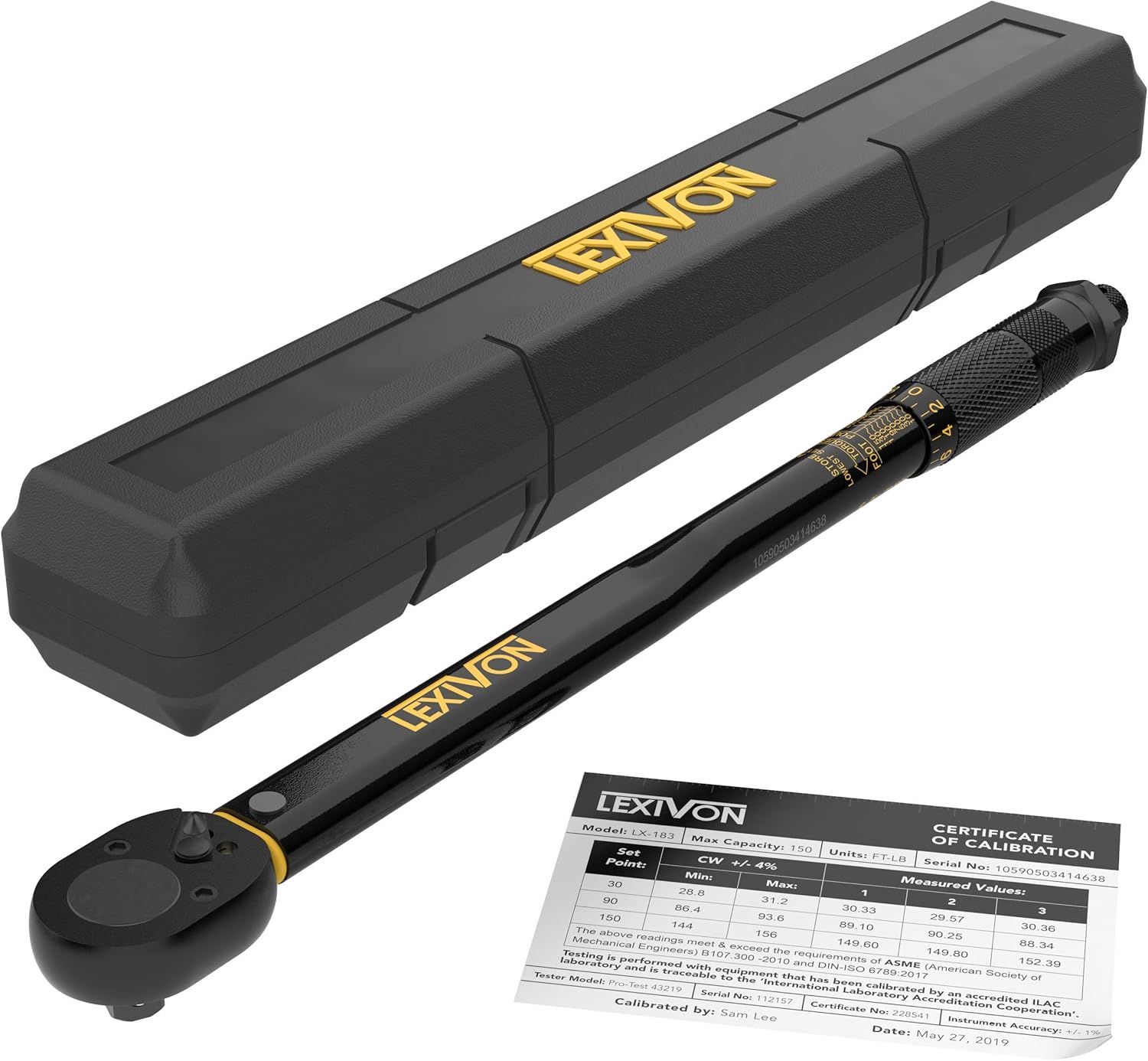
- Reinstall the pan evenly, torque the bolts in sequence, and refill with the correct amount and specification of fluid.
- Start the engine, move the shifter through each gear position with your foot on the brake, and verify the fluid level using the manufacturer temperature procedure.
- Road test the vehicle gently while monitoring for slip, harsh shifts, warning lights, or delayed engagement.
- Recheck for leaks and confirm the fluid level one final time.
Do not overtighten pan bolts. Bent pans and crushed gaskets are common causes of repeat leaks after DIY service. Also avoid aggressive test drives right after service if the transmission already showed significant slipping.
Recommended Tools for This Job


Mistakes That Can Make Transmission Problems Worse
Transmission repairs are expensive partly because small mistakes can create major damage. Avoiding the following errors can save a lot of money.
- Using the wrong fluid specification or guessing with a universal fluid.
- Driving the vehicle for days or weeks after noticeable slipping begins.
- Ignoring low fluid because the car still moves.
- Replacing random parts without scanning codes or checking fluid condition first.
- Failing to clean the pan and magnets during service.
- Letting dirt enter the valve body, solenoid connectors, or open case.
- Assuming a flush will fix a transmission full of metal debris.
A power flush can be helpful on some healthy systems when done correctly, but it is not a cure for a transmission already shedding material. If the pan contains significant debris, a flush can be a waste of money or accelerate failure.
How to Choose Between Repair, Rebuild, and Replacement
The best option depends on vehicle value, mileage, parts availability, and how severe the damage is. A targeted repair makes sense when the problem is limited to a sensor, solenoid, valve body, leak, or service issue. A rebuild makes more sense when the transmission case is good but the internal wear is widespread. Replacement is often the fastest route when labor costs are high or a remanufactured unit has a strong warranty.
General Cost Expectations
- Fluid and filter service: roughly $80–$300 DIY or $180–$450 shop.
- Solenoid, sensor, or valve body repair: roughly $150–$900+, depending on access and part cost.
- Used transmission installed: often $1,500–$4,000 with variable risk.
- Remanufactured or rebuilt transmission installed: often $3,000–$6,500+ on many U.S. vehicles.
If the vehicle is otherwise in excellent condition, a quality rebuild or reman unit can be worth it. If the car has low resale value and other major issues, it may not make financial sense to invest thousands in the transmission.
Final Checks After Any Transmission Repair
After any transmission work, confirm the basics before assuming the repair is complete. Verify fluid level at the proper temperature, scan again for pending or stored codes, and inspect for leaks after the road test. If the battery was disconnected or the control module was reset, some vehicles may need a relearn or adaptation drive cycle before shift quality fully stabilizes.
Continue monitoring for delayed engagement in the morning, flare shifts under light throttle, new noises, or fresh warning lights. Those clues tell you whether the service fixed the root problem or only bought a little more time.
Key Takeaways
- Check fluid level, fluid condition, and transmission trouble codes before buying parts or assuming the unit needs a rebuild.
- A clean pan with mild symptoms may justify a fluid, filter, sensor, or solenoid repair, but heavy metal debris usually means major internal damage.
- Use only the exact transmission fluid specification and the manufacturer fluid-level procedure, especially on sealed automatics and CVTs.
- Stop driving the vehicle if it slips badly, makes grinding noises, or loses movement, because continued use can turn a repairable problem into a full replacement.
- Choose between targeted repair, rebuild, or replacement based on debris found, severity of symptoms, warranty options, and the overall value of the vehicle.
FAQ
Can I Keep Driving with Internal Transmission Problems?
Only if the symptoms are very mild and you are driving directly to a diagnostic appointment. If the transmission is slipping, shuddering heavily, making grinding noises, or struggling to engage, continued driving can quickly increase internal damage and debris.
Will Changing the Transmission Fluid Fix Slipping?
Sometimes, but only if the slipping is caused by low fluid, degraded fluid, or a restricted filter. If the clutches are worn or the transmission has internal seal or hard-part damage, a fluid change will not repair it.
Is Dark Transmission Fluid Always a Sign the Transmission Is Bad?
Not always. Dark fluid can simply mean the service interval was overdue. Burnt odor, visible metallic particles, and repeated slipping are much stronger signs of serious internal wear.
What Does Metal in the Transmission Pan Mean?
A light paste on the magnet can be normal wear. Large metal flakes, shiny chips, bronze particles, or bearing pieces usually mean significant internal damage and often point toward rebuild or replacement.
Can a Bad Solenoid Feel Like a Bad Transmission?
Yes. A failed or sticking solenoid can cause delayed shifts, harsh engagement, limp mode, or ratio codes that feel severe. That is why scanning for codes and confirming pressure-related faults matters before condemning the whole transmission.
Should I Flush a Transmission That Is Already Having Problems?
Usually not unless the manufacturer procedure and your diagnostic findings clearly support it. If the unit is slipping badly or the pan contains heavy debris, a flush is unlikely to help and may be a poor use of money.
Is Rebuilding Better than Replacing the Transmission?
It depends on the shop quality, the transmission design, and parts availability. A good rebuild can be excellent, but a quality remanufactured replacement often offers better warranty support and faster turnaround.
How Do I Know Whether the Problem Is Internal or Just Low Fluid?
Start by checking for leaks, confirming the correct fluid level and condition, and scanning for codes. If topping off the correct fluid restores normal operation and there is little debris in the pan, the problem may be limited. Persistent slip, harsh shifting, metal debris, and no-move conditions are stronger signs of internal damage.
Need Parts for This Repair?
The right parts and supplies vary by vehicle.
Select your make and model to find compatible parts and accessories for your car.
Exact Fit
Parts that fit your make and model
Quality You Can Trust
Top brands and OEM quality options
Fast Shipping
Get the parts you need, delivered fast