

Note: This article contains affiliate links. If you click on these links and make a purchase, I may earn a small commission at no extra cost to you. This helps support my research and content. Read my full affiliate disclosure here.
What You’ll Need
A quick look at the tools and supplies commonly used for this job.
Tools
- OBD-II scan tool
- Flashlight or work light
- Mechanic’s stethoscope
- Floor jack
- Jack stands
- Wheel chocks
- Drain pan
- Safety glasses
- Nitrile gloves
- Clean white shop towels
- Notebook or phone for recording symptoms
Parts & Supplies
- Correct transmission fluid for the vehicle
- Brake cleaner or degreaser for cleanup
- Replacement drain plug washer or seal, if applicable
This article is part of our Transmission and Drivetrain Maintenance & Repair Guides.
Worn transmission gears usually reveal themselves through repeatable patterns: specific noises in certain gears, shifting problems under load, and metal contamination in the fluid.
The goal is to separate true internal gear wear from other problems that feel similar, such as low fluid, worn mounts, bad CV joints, wheel bearings, clutch issues, or electronic shift faults. A careful diagnosis can save you from replacing the wrong part or driving long enough to turn a repairable transmission into a complete rebuild.
This guide walks through the safest and most useful checks a DIY owner can do at home, explains what each result means, and shows when the evidence points strongly to worn gears instead of another transmission-related problem.
How Gear Wear Usually Shows Up
Transmission gears wear gradually, so symptoms often start small and become more obvious under load. The most telling clue is a noise or behavior that changes with vehicle speed, selected gear, or engine load in a consistent way.
- Whining, howling, or humming that appears in one gear or a small range of gears.
- Grinding or crunching during shifts in a manual transmission.
- A transmission that pops out of gear, especially under acceleration or deceleration.
- Metal flakes or glitter in transmission fluid or drained oil.
- Vibration or roughness that is strongest when the transmission is transmitting torque.
In manual transmissions, worn gear teeth, synchronizers, or bearings often create noise in a specific gear. In automatic transmissions, internal gearset wear is less common than clutch, valve body, solenoid, or torque converter issues, but gear damage can still produce severe whining, ratio errors, slipping with metallic debris, or hard failure.
Safety and Before-You-Start Checks
Do not begin with a hard road test. Start by verifying basics and ruling out obvious external causes. Park on a level surface, set the parking brake, chock the wheels, and use jack stands if the vehicle must be lifted.
- Confirm the complaint: when does the noise or shifting problem happen, and in which gear?
- Check service history for low fluid, overdue fluid changes, prior transmission work, or towing abuse.
- Look underneath for leaks from the transmission case, cooler lines, axle seals, or transfer case if equipped.
- Inspect engine and transmission mounts, because failed mounts can exaggerate clunks and driveline movement.
- If the vehicle is automatic, scan for transmission-related diagnostic trouble codes before driving.
If fluid is extremely low, badly burned, or full of metal, avoid extended driving. That usually means internal damage is already advanced.
Tools and Supplies That Help Most
You do not need specialty rebuild tools to diagnose likely gear wear, but a few basic items make the process more accurate.
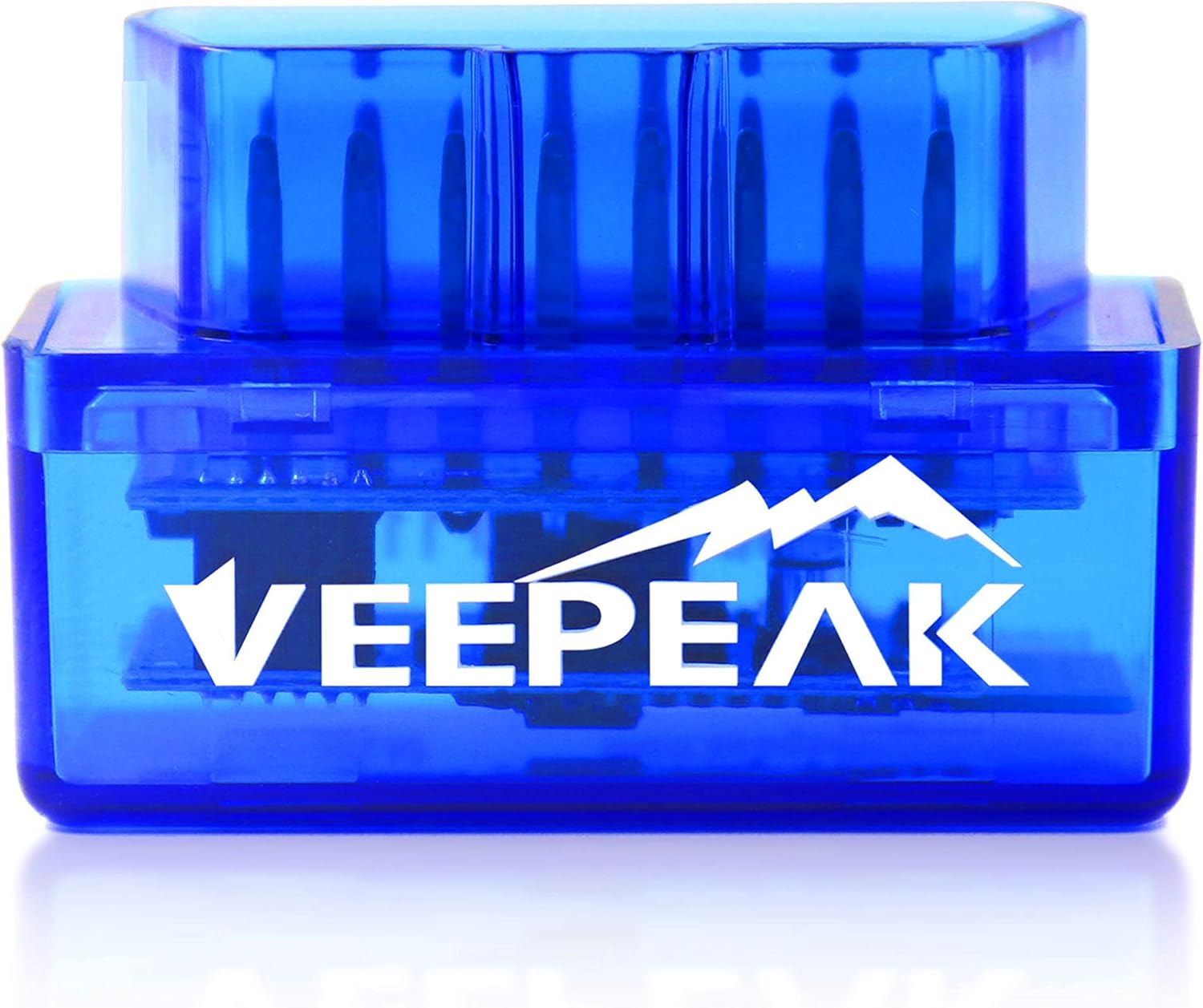
- An OBD-II scan tool helps identify automatic transmission ratio, shift solenoid, speed sensor, and pressure-related codes.
- A mechanic’s stethoscope can help isolate noise at the transmission case, bellhousing, differential area, or adjacent components.
- A drain pan and clean white towel help you inspect fluid color and metallic debris.
- A flashlight helps check for leaks, cracked mounts, and axle or driveline issues that can mimic internal gear noise.
Rule Out Common Problems That Mimic Worn Gears
Low or Wrong Fluid
Low transmission fluid can cause whining, delayed engagement, slipping, overheating, and harsh shifts. Wrong fluid type can also create shift problems or abnormal noise. Check the level and condition using the correct factory procedure, since some transmissions must be checked warm, running, and in a specific gear range.
Wheel Bearings, Tires, and CV Joints
A bad wheel bearing often makes a growl or hum that changes with road speed and steering input, not just selected gear. A worn CV joint usually clicks on turns or under acceleration. Tire cupping can also sound like driveline noise. If the sound stays the same no matter what gear the transmission is in, suspect the wheel end first.
Clutch or Release Bearing Issues in Manual Transmissions
If the noise changes when the clutch pedal is pressed, the problem may be the release bearing, pilot bearing, or input shaft bearing rather than the gear teeth themselves. A gear-specific noise with the clutch fully engaged is more suspicious for internal gear wear.
Electronic or Hydraulic Faults in Automatic Transmissions
An automatic transmission that flares, slips, or shifts harshly may have solenoid, valve body, line pressure, or speed sensor issues instead of damaged gears. Scan tool data and trouble codes matter here. Internal gear damage is more likely when the fluid contains heavy metal and the transmission has severe mechanical noise.
Tools That Make This Job Easier


Check the Fluid for Evidence of Internal Wear
Fluid inspection is one of the most valuable steps because worn gears and bearings usually leave physical evidence behind.
- Bring the vehicle to the correct inspection condition based on the manufacturer procedure.
- Check the fluid level first, because low fluid alone can create misleading symptoms.
- Inspect the fluid color and smell on a white towel or dipstick.
- If safe and practical, drain a small sample or inspect drained fluid in a clean pan.
- Look for shiny metallic particles, bronze-colored material, or larger chips.
Bright metallic glitter points to hard-part wear such as gears or bearings. Bronze or brass-colored debris can suggest synchronizer wear in many manual transmissions. Burnt-smelling dark fluid more often indicates overheating and clutch material breakdown, especially in automatics, but it can exist alongside gear damage.
A light film of very fine material on a magnetic drain plug can be normal over time. Large flakes, needle-like fragments, or obvious chunks are not normal and strongly suggest internal damage.
Use a Controlled Road Test to Isolate the Noise
A careful road test can tell you whether the problem follows engine speed, vehicle speed, load, or a specific gear. Choose a safe route with low traffic and avoid aggressive acceleration.
What to Record During the Drive
- Which gear the noise appears in.
- Whether the sound changes on acceleration, steady cruise, or deceleration.
- Whether the noise changes when the transmission shifts into the next gear.
- Approximate vehicle speed and engine RPM when the symptom starts.
- Whether the symptom appears only hot, only cold, or all the time.
Patterns That Suggest Worn Gears
In a manual transmission, a whine or growl only in third gear, for example, strongly points to wear on that gear pair or its supporting components. A noise in all gears except one can also be useful, because it helps identify which shafts are loaded in each condition. A transmission that jumps out of a specific gear during coast or acceleration is another classic sign of worn gear teeth, shift hubs, or related internal wear.
In an automatic, a ratio-specific whine or severe mechanical grinding during certain shifts may indicate planetary gearset or bearing damage, especially if accompanied by metal in the pan. However, a slip or flare without mechanical noise often points elsewhere first.
Stationary Tests for Manual and Automatic Transmissions
Manual Transmission Checks
With the engine idling, listen in neutral with the clutch engaged, then press the clutch pedal. If the noise changes dramatically when the clutch is pressed, suspect input shaft, release bearing, or pilot bearing issues before condemning the gear teeth. Next, during a short road test, note whether the sound is confined to one gear while the clutch is fully engaged. That pattern is more consistent with internal gear wear.
Automatic Transmission Checks
Check for delayed engagement when shifting from Park to Drive or Reverse, slipping during acceleration, harsh shifts, and any scan-tool codes. A pure engagement delay does not automatically mean worn gears. If the transmission also produces a steady whine that changes with selected range or has heavy metal in the fluid, the chance of hard-part damage rises.
Noise Isolation While Parked
Using a mechanic’s stethoscope carefully on the transmission case can help identify whether the strongest noise is coming from the bellhousing, center case, extension housing, or differential section. Never place hands, clothing, or tools near moving shafts, fans, or belts. This test will not identify an exact damaged gear, but it can help confirm the transmission as the source.
Recommended Tools for This Job


How to Interpret What You Find
Signs That Strongly Point to Worn Transmission Gears
- Noise occurs in one specific gear or a repeatable small group of gears.
- The transmission pops out of a particular gear under load or deceleration.
- Fluid contains obvious metallic particles or larger hard fragments.
- The symptom has worsened gradually from a faint whine to louder grinding or vibration.
- External causes like mounts, wheel bearings, fluid level, and clutch release parts have been ruled out.
Signs That Point More Toward Bearings, Synchronizers, or Other Faults
If the transmission is noisy in neutral and the sound changes when the clutch pedal is pressed, bearings may be more likely than damaged gear teeth. If a manual transmission grinds only during the shift into gear but is quiet once fully engaged, worn synchronizers are a stronger suspect. If an automatic has ratio or speed sensor codes without heavy metallic debris, electrical or hydraulic causes should stay high on the list.
When the Diagnosis Is Uncertain
If your results are mixed, focus on the most objective evidence: fluid contamination, repeatable gear-specific behavior, and scan data. A vague noise with clean fluid and no gear-specific pattern does not justify calling the gears worn yet.
What to Do Next if Gear Wear Looks Likely
Once the evidence points to worn gears, the practical next step depends on severity. Minor early noise might allow limited local driving, but significant grinding, metal contamination, or gear disengagement means continued driving can damage shafts, bearings, synchronizers, and the case.
- If the transmission is low on fluid, correct the level first and recheck the symptoms.
- If fluid is contaminated with metal, avoid flushing it and plan for repair or teardown.
- If the transmission pops out of gear or grinds heavily, stop driving it except to move it for repair.
- Get a professional rebuild estimate if the unit is otherwise valuable or hard to replace.
- Compare the cost of rebuild versus a quality remanufactured or used transmission.
A fluid change will not repair worn gear teeth. At best, fresh fluid may slightly reduce noise if the issue is mild and related to lubrication quality, but it will not reverse mechanical wear.
Common Diagnostic Mistakes to Avoid
- Assuming every transmission whine means worn gears without checking fluid level and condition first.
- Confusing wheel bearing or tire noise with transmission noise because both rise with road speed.
- Ignoring the difference between shift-entry grinding and noise while fully engaged in gear.
- Driving too long after finding metallic debris, which can turn a partial repair into total failure.
- Replacing sensors or external parts blindly when the fluid already shows clear signs of hard-part damage.
Key Takeaways
- A repeatable noise in one specific gear is one of the strongest clues that internal gear wear is present.
- Always check transmission fluid level, condition, and metal content before assuming the worst.
- Rule out wheel bearings, CV joints, mounts, clutch parts, and automatic control faults before blaming the gears.
- If the transmission pops out of gear, grinds heavily, or sheds visible metal, limit driving and plan for repair quickly.
- Clean scan data and symptom notes make it much easier to decide whether you need a rebuild, replacement, or more testing.
FAQ
Can Worn Transmission Gears Cause a Whining Noise Only at Certain Speeds?
Yes. A gear-related whine often shows up only in certain gears or at certain vehicle speeds and load conditions. If the noise changes immediately when the transmission shifts to another gear, that is an important clue that the transmission internals are involved.
Will Changing the Transmission Fluid Fix Worn Gears?
No. Fresh fluid may slightly change the sound if lubrication quality was poor, but it cannot rebuild damaged gear teeth or worn bearings. If you find significant metal in the fluid, a fluid change alone is not a repair.
How Do I Tell the Difference Between Worn Gears and a Bad Wheel Bearing?
A bad wheel bearing usually changes with road speed and often gets louder when turning one direction. Worn transmission gears are more likely to change with selected gear, engine load, or clutch engagement. A road test that compares the noise across gears is the best first step.
Can an Automatic Transmission Have Worn Gears, or Is That Mostly a Manual Transmission Problem?
Both can have gear damage, but the symptoms are diagnosed differently. Manual transmissions often show gear-specific whining, grinding, or popping out of gear. Automatics more commonly have hydraulic or electronic faults, so scan codes and fluid inspection are especially important before blaming the gearset.
What Does Metal Glitter in the Transmission Fluid Mean?
Fine metallic glitter suggests internal wear, especially from gears or bearings. A small amount of paste-like material on a magnetic drain plug can be normal over long intervals, but flakes, chips, or heavy shimmer are strong warning signs of internal damage.
Is It Safe to Keep Driving with Suspected Worn Transmission Gears?
Only if symptoms are very mild and there is no popping out of gear, heavy grinding, or major metal contamination. If the noise is getting worse, the transmission slips badly, or debris is present in the fluid, continued driving can cause much more expensive damage.
Can a Bad Synchronizer Be Mistaken for Worn Gears?
Yes. A worn synchronizer usually causes grinding while shifting into a gear, especially on quick shifts, but may be quiet once the gear is fully engaged. Worn gear teeth are more likely to make noise while driving in that gear.
Need Parts for This Repair?
The right parts and supplies vary by vehicle.
Select your make and model to find compatible parts and accessories for your car.
Exact Fit
Parts that fit your make and model
Quality You Can Trust
Top brands and OEM quality options
Fast Shipping
Get the parts you need, delivered fast