

Note: This article contains affiliate links. If you click on these links and make a purchase, I may earn a small commission at no extra cost to you. This helps support my research and content. Read my full affiliate disclosure here.
What You’ll Need
A quick look at the tools and supplies commonly used for this job.
Tools
- OBD-II scan tool
- Flashlight
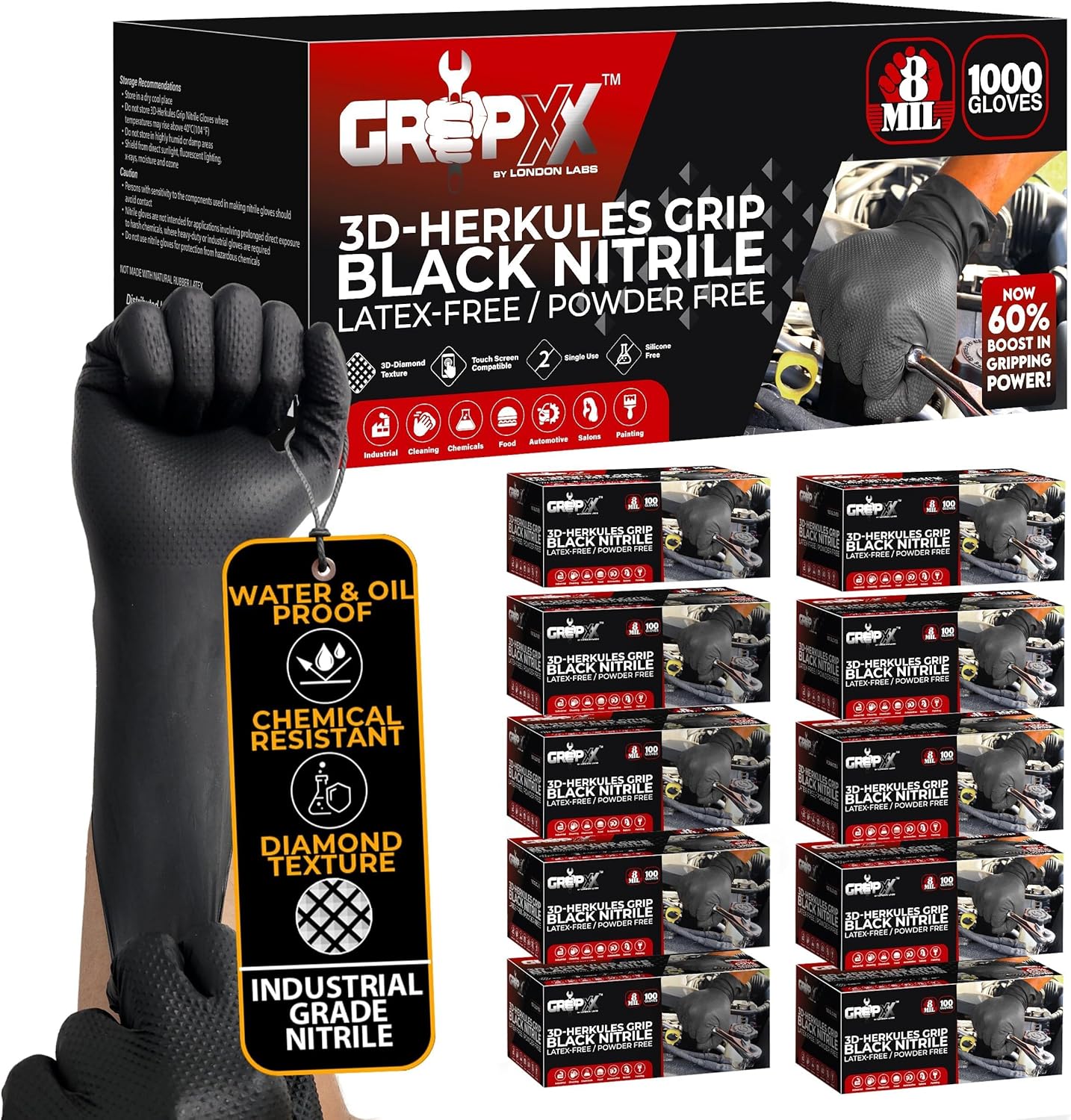
- Nitrile gloves
- Floor jack
- Jack stands
- Wheel chocks
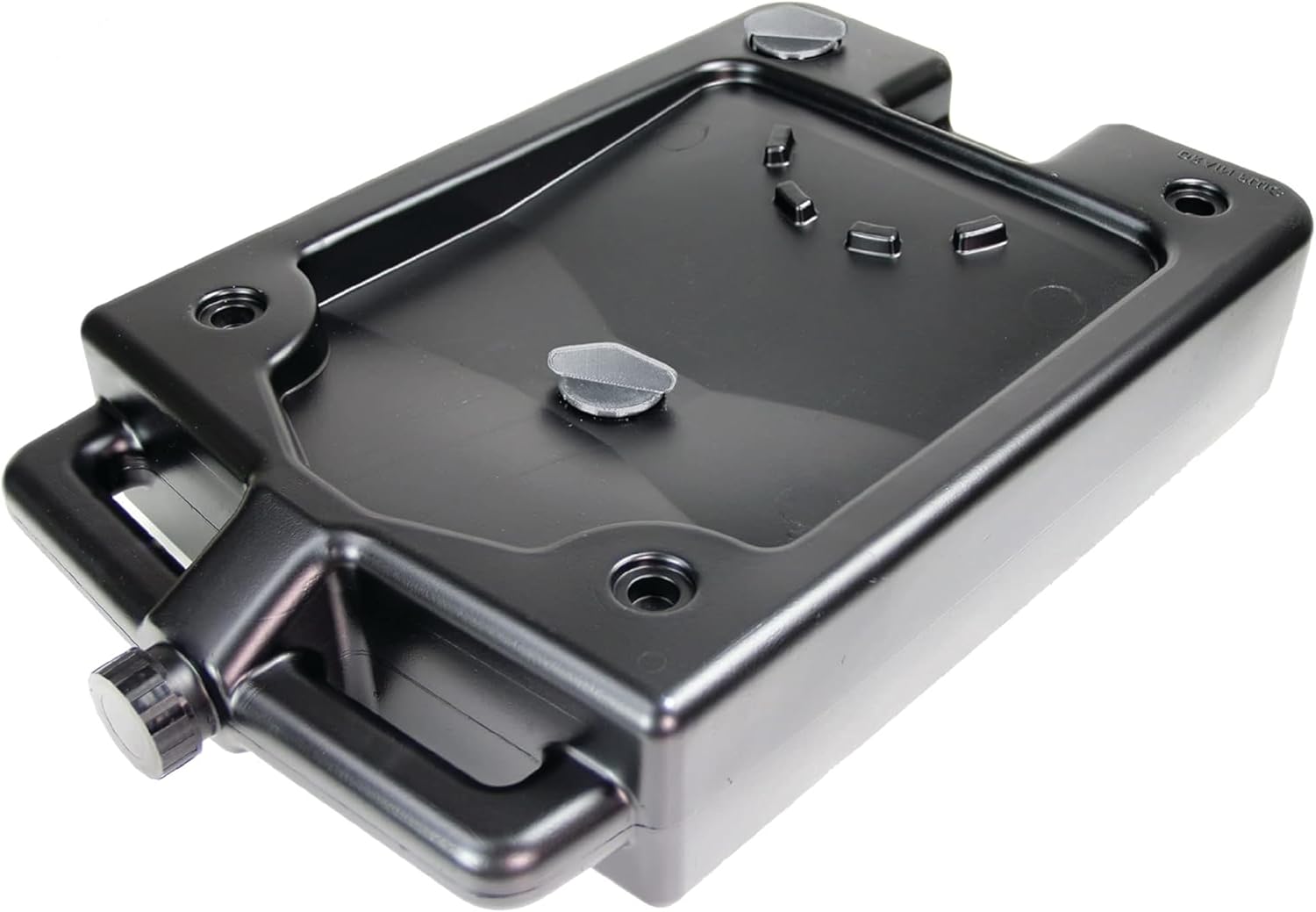
- Drain pan
- Infrared thermometer
- Shop rags
- Transmission fluid dipstick or service fill tool
- Line pressure gauge set
Parts & Supplies
- Manufacturer-specified transmission fluid
- Brake cleaner
- Drain plug washer or seal
- Transmission pan gasket
- Transmission filter
This article is part of our Transmission and Drivetrain Maintenance & Repair Guides.
Diagnosing internal transmission damage and wear is different from finding a simple leak or bad sensor. Many transmission complaints feel similar from the driver’s seat, but clutch pack wear, valve body problems, band damage, bearing failure, and torque converter issues each leave different clues in fluid condition, shift behavior, scan data, and pressure readings.
For a DIY owner, the goal is not always to tear the unit apart and identify the exact failed clutch or bearing. The practical goal is to separate external, electrical, and maintenance-related problems from signs that the transmission is mechanically worn inside. That lets you decide whether the next step is a fluid service, deeper testing, a valve body repair, or a rebuild/replacement estimate.
This guide walks through a safe step-by-step process: check the basics first, road test carefully, inspect the fluid, scan for codes, and use simple diagnostic patterns to judge whether the transmission is likely suffering from internal wear.
What Internal Transmission Damage Usually Looks Like
Automatic and CVT transmissions fail in patterns. Friction material wears away, seals harden, bushings loosen, bearings pit, solenoids stick, and valve body bores wear enough to leak pressure internally. Manual transmissions can show synchronizer wear, gear tooth damage, and bearing noise. In each case, the transmission may still move the car, but it no longer applies power smoothly or consistently.
The most common early signs are delayed engagement when shifting into Drive or Reverse, slipping during acceleration, harsh or flare shifts between gears, shudder under light throttle, whining or grinding noises, and burnt-smelling fluid. None of these symptoms alone proves internal damage, but a combination of them makes internal wear much more likely.
- A flare shift means engine RPM rises during a gear change before the next gear fully engages.
- A slip means RPM climbs without matching vehicle acceleration.
- A delayed engagement means the vehicle hesitates several seconds before moving after selecting a gear.
- A shudder often feels like driving over small rumble strips during converter clutch apply or takeoff.
Safety and Preparation Before You Test
Start on a level surface with the parking brake set. If you need to inspect underneath the vehicle, use wheel chocks and support the car with jack stands on solid lifting points. Never rely on a floor jack alone.
Some transmission checks require the engine to be running and the fluid to be hot. Keep loose clothing, hands, and tools away from cooling fans, belts, and rotating parts. Transmission fluid can also get hot enough to burn you, so wear gloves and open service plugs carefully.
Before assuming internal failure, make sure the battery voltage is healthy and that the engine itself runs correctly. Misfires, throttle issues, low engine power, and charging system problems can mimic transmission complaints or confuse shift behavior.
Confirm the Driver Complaint Clearly
Write Down Exactly What the Transmission Is Doing
Good diagnosis starts with a specific complaint, not a general statement like “the transmission is bad.” Note when the symptom occurs: cold only, hot only, under light throttle, under heavy throttle, uphill, while turning, only in Reverse, only on the highway, or only after a long drive.
- Does it hesitate going into Drive or Reverse?
- Does the engine rev up between gears?
- Does it bang into gear when hot?
- Does it slip only after 20 to 30 minutes of driving?
- Is there a whine that changes with vehicle speed or engine speed?
- Does the problem happen in one gear range or in all ranges?
Patterns matter. A complaint limited to one gear can point to a specific clutch pack, band, or ratio error. A complaint in multiple gears can suggest low line pressure, worn fluid, a pump issue, widespread clutch wear, or valve body leakage.
Check Transmission Fluid Condition First
Inspect Level, Smell, and Color
If your vehicle has a dipstick, follow the manufacturer’s exact checking procedure. Many transmissions must be checked at operating temperature, with the engine idling, and after moving the shifter through all ranges. If it uses a check plug instead of a dipstick, consult the service procedure before opening anything.
Low fluid can cause slipping, delayed engagement, and aeration that mimics internal wear. Overfilled fluid can foam and also create erratic behavior. If the level is far off, correct that first and retest before making conclusions.
- Healthy fluid is usually red, amber, or light brown depending on design and age.
- Dark brown or black fluid with a burnt odor strongly suggests overheating and clutch material breakdown.
- Pink, milky fluid may indicate coolant contamination from a failed transmission cooler.
- Visible glitter or metallic particles point toward hard-part wear such as bearings, bushings, or gears.
What Debris Tells You
A small amount of fine gray paste on a magnet can be normal over time, especially on higher-mileage units. Large metal flakes, brass-colored material, or heavy friction debris in the pan are not normal. Friction material usually looks dark and muddy; hard metal fragments indicate more severe internal damage.
Tools That Make This Job Easier

Look for External Causes Before Calling It Internal Damage
Internal wear is expensive, so rule out simpler causes first. A transmission may shift poorly because of low fluid from an external leak, a damaged cooler line, poor electrical connection, bad range sensor, failing solenoid, or software issue.
- Inspect transmission cooler lines and the radiator or external cooler for leaks.
- Check the transmission case, pan, axle seals, and electrical connectors for fluid seepage or damage.
- Look for harness rubbing, corrosion, or fluid intrusion at transmission plugs.
- Make sure the shifter cable or linkage moves fully into each range.
- Verify the engine mounts and transmission mounts are intact, since broken mounts can exaggerate harsh engagement.
If the transmission is severely low on fluid, fill it with the correct specification and retest. A unit that returns to normal after correcting fluid level may not have major internal damage, though it still needs leak repair and follow-up monitoring.
Scan for Codes and Live Data
Codes Can Point You Toward the Failure Type
Use an OBD-II scan tool that can read transmission data, not just generic engine codes. Even when the check engine light is off, stored or pending transmission-related codes may be present. Generic ratio codes and shift performance codes are especially useful when deciding whether the problem is electrical, hydraulic, or mechanical.
- Gear ratio or incorrect ratio codes often suggest clutch or band slip, low pressure, or internal leakage.
- Shift solenoid circuit codes suggest an electrical fault that may be repairable without rebuilding the unit.
- Pressure control solenoid performance codes can point to hydraulic pressure problems, valve body wear, or pump issues.
- Torque converter clutch slip or performance codes may indicate converter wear, valve body problems, or contaminated fluid.
- Temperature sensor faults can cause abnormal shift scheduling and should be resolved before deeper conclusions.
Useful Live Data to Watch
During a road test, monitor commanded gear, actual gear ratio if available, transmission fluid temperature, input speed, output speed, torque converter clutch status, line pressure command, and slip speed. If the computer commands a shift but the ratio change is slow or incorrect, that supports internal or hydraulic trouble rather than a driver input problem.
Perform a Careful Road Test
Road testing is one of the best ways to separate internal wear from sensor or software issues. Start with light throttle in a safe area, then repeat under moderate throttle once the transmission is warm. Do not continue if the transmission is slipping badly, making loud grinding noises, or overheating, because more testing can quickly turn minor damage into major failure.
What to Look for During the Drive
- Delayed Drive or Reverse engagement after shifting from Park.
- RPM flare during upshifts.
- Slip under acceleration in a specific gear.
- Harsh bang shifts after the unit warms up.
- Shudder during converter clutch lockup around 35 to 60 mph.
- Whining that rises with engine speed, often associated with pump or pressure issues.
- Growling or rumbling that changes with vehicle speed, suggesting bearing or differential wear.
If the transmission behaves normally when cold but slips or bangs when hot, suspect worn seals, valve body wear, or clutch packs that lose holding ability as fluid thins out. If it slips cold and hot, low fluid, severe clutch wear, or pump problems move higher on the list.
Use Symptom Patterns to Narrow Down the Damage
Delayed Engagement
A short pause before the vehicle moves can happen from low fluid, a restricted filter, pump wear, internal seal leakage, or worn clutch apply components. A delay that gets worse over time is a classic sign of internal wear.
Slipping in One Gear
Slip limited to one gear often points to the clutch pack, band, servo, or hydraulic circuit used for that gear. This is especially true if a ratio code matches the same shift event on scan data.
Slipping in Multiple Gears
When multiple forward gears slip, think broader: low line pressure, worn pump, clogged filter, severely worn fluid, or widespread clutch wear. If Reverse is also weak, the transmission may be nearing overhaul time.
Shudder Without Obvious Slip
A light shudder at steady cruise often points to torque converter clutch problems or fluid degradation. This may not always mean the entire transmission is damaged, but it does indicate wear or contamination somewhere in the apply system.
Noise Diagnosis Clues
A pump whine may be loudest in Park or Neutral and change with engine RPM. Bearing or planetary noise often changes with vehicle speed and may appear in specific gears. A sharp metallic grind or clunk inside the case is a strong warning sign of hard-part damage.
Inspect the Pan and Filter if Serviceable
If your transmission has a removable pan and you are comfortable doing the job, dropping the pan can provide some of the best evidence of internal wear. Drain the fluid into a clean pan, remove the transmission pan carefully, and inspect both the fluid and the magnet.
- Fine dark clutch material suggests friction wear.
- Heavy gray paste on the magnet suggests significant internal wear over time.
- Shiny steel flakes suggest hard-part damage.
- Bronze or brass particles can indicate bushing or thrust washer wear.
- A filter full of debris may restrict flow and cause low pressure symptoms.
Be realistic about what a pan inspection can and cannot tell you. It can confirm that internal wear is present, but it cannot always tell you which clutch pack or bearing is failing without further teardown. If debris is heavy, simply replacing the filter and fluid usually will not reverse the damage.
Recommended Tools for This Job


Check Line Pressure When Possible
A line pressure test is one of the clearest ways to separate a control problem from internal mechanical wear, but it requires the correct pressure gauge and the manufacturer’s test procedure. If your transmission has an accessible pressure port, compare actual pressure to spec in Park, Reverse, Drive, and during stall or throttle conditions if the service information allows it.
Low pressure across the board can indicate pump wear, a clogged filter, pressure regulator issues, or major internal leakage. Normal pressure with slipping in a specific gear often points to a worn clutch pack, band, or other internal apply component. Unstable or inconsistent pressure can suggest valve body wear or solenoid control problems.
Do not perform aggressive stall tests unless the factory procedure specifically calls for them and the transmission is in otherwise safe condition. Stall testing builds heat rapidly and can finish off a weak transmission.
Differentiate Internal Wear From Valve Body and Solenoid Problems
Not every serious shift problem means the whole transmission needs a rebuild. Some units suffer mainly from valve body bore wear, sticking valves, failed pressure control solenoids, or worn separator plate gaskets. These can create slip, flare, or harsh shifts that feel like clutch failure.
The best clues favoring a valve body or control issue are cleaner-than-expected fluid, limited metal debris, strong operation in some gears, pressure-related codes, and a symptom pattern that changes sharply with temperature or computer command. In contrast, burnt fluid, heavy friction material, repeated ratio errors, and weak engagement across several ranges make internal clutch wear more likely.
For many DIY owners, this is the line where expert help adds value. A transmission specialist can often use scan data, pressure tests, and experience with specific unit failures to decide whether a valve body repair is realistic or whether the unit is already too worn inside.
Signs the Transmission Likely Needs Rebuild or Replacement
- Burnt fluid returns quickly after service or is full of friction debris.
- The vehicle has delayed engagement plus slipping in multiple gears.
- Scan data shows repeated ratio errors after fluid level and electrical issues are ruled out.
- The pan contains large metal fragments or heavy nonmagnetic debris.
- Line pressure is abnormal and the unit still slips after external causes are corrected.
- The transmission makes grinding, rumbling, or whining noises consistent with internal hard-part wear.
- Reverse is weak or missing along with forward gear problems.
At this point, continued driving is risky. Every slip event creates heat and more debris, which circulates through the valve body, pump, and converter. Even if the vehicle still moves, the repair usually gets more expensive the longer it is driven.
When a Fluid Service Helps and When It Won’t
A fluid and filter service can help when the transmission is operating mostly normally but has mild shudder, minor shift quality issues, or overdue maintenance with no severe debris in the pan. It is less likely to help when the unit already slips badly, bangs into gear, has ratio codes, or contains burnt fluid and visible wear material.
Use only the exact fluid specification for your transmission. Universal fluid with the wrong friction characteristics can create new shift issues or worsen converter clutch shudder. If the transmission is already failing internally, a service may temporarily change symptoms but will not rebuild worn clutches or bearings.
Your Next Diagnostic Decision
After these checks, place the transmission into one of three categories. First, likely external or maintenance-related: fluid was low, no major debris is present, and symptoms improve after correction. Second, likely control or hydraulic issue: scan data or pressure patterns point toward solenoids or valve body problems with limited internal debris. Third, likely internal wear: burnt fluid, debris, slipping, ratio errors, noise, and poor engagement all line up.
If you land in the third category, get professional estimates before spending money on partial repairs. Ask whether the shop recommends rebuild, replacement, converter replacement, cooler flushing or replacement, and warranty terms. If the transmission failed mechanically, the cooler circuit must also be cleaned properly so debris does not damage the replacement unit.
Key Takeaways
- Check fluid level and condition first, because low or burnt fluid can quickly separate simple maintenance issues from likely internal wear.
- Use scan data and a controlled road test together, since slipping, flare shifts, and ratio errors are much more meaningful when they happen in repeatable conditions.
- Heavy pan debris, metallic fragments, delayed engagement, and multi-gear slipping strongly point to internal transmission damage rather than a minor sensor fault.
- Do not keep driving a slipping transmission, because each slip event creates heat and debris that can destroy rebuildable parts.
- If symptoms suggest hydraulic or valve body problems without major debris, professional pressure testing may save you from replacing the whole unit unnecessarily.
FAQ
Can Low Transmission Fluid Feel Like Internal Damage?
Yes. Low fluid can cause slipping, delayed engagement, flare shifts, noise, and overheating that feel very similar to internal wear. Always verify fluid level and fix leaks before assuming the transmission needs a rebuild.
Does Burnt Transmission Fluid Always Mean the Transmission Is Ruined?
Not always, but it is a serious warning sign. Burnt fluid means excess heat and often points to clutch wear or slipping. If the fluid is badly burnt and the transmission already has shift problems, internal damage is much more likely.
Will Changing the Fluid Fix a Slipping Transmission?
Sometimes it helps mild shudder or neglected maintenance issues, but it usually will not fix a transmission that already slips badly from worn clutches, low internal pressure, or hard-part damage. A service is maintenance, not a rebuild.
How Do I Know if the Problem Is a Solenoid Instead of Internal Wear?
A solenoid problem often shows related circuit or performance codes, may affect specific shift events, and may not produce heavy debris in the pan. Internal wear is more likely when fluid is burnt, debris is heavy, engagement is weak, and multiple gears slip.
What Does Metal in the Transmission Pan Mean?
A light paste on the magnet can be normal wear, but shiny flakes, chunks, or brass-colored particles usually indicate internal component wear such as bearings, bushings, washers, or gear damage. Heavy metal debris is a strong sign that teardown or replacement is needed.
Is It Safe to Keep Driving with Delayed Engagement or Slipping?
No, not for long. Slipping and delayed engagement create heat and shed more material into the transmission. Continuing to drive can turn a repairable problem into total failure and may contaminate the cooler and converter.
Can an OBD-II Scanner Really Help Diagnose Transmission Wear?
Yes, if it can read transmission codes and live data. Ratio errors, commanded gear, input and output speed, converter clutch slip, and pressure-related data help confirm whether the computer is commanding the shift correctly and whether the transmission is actually achieving it.
Need Parts for This Repair?
The right parts and supplies vary by vehicle.
Select your make and model to find compatible parts and accessories for your car.
Exact Fit
Parts that fit your make and model
Quality You Can Trust
Top brands and OEM quality options
Fast Shipping
Get the parts you need, delivered fast