

Note: This article contains affiliate links. If you click on these links and make a purchase, I may earn a small commission at no extra cost to you. This helps support my research and content. Read my full affiliate disclosure here.
What You’ll Need
A quick look at the tools and supplies commonly used for this job.
Tools
- Flashlight or work light
- Mechanic’s stethoscope
- Floor jack
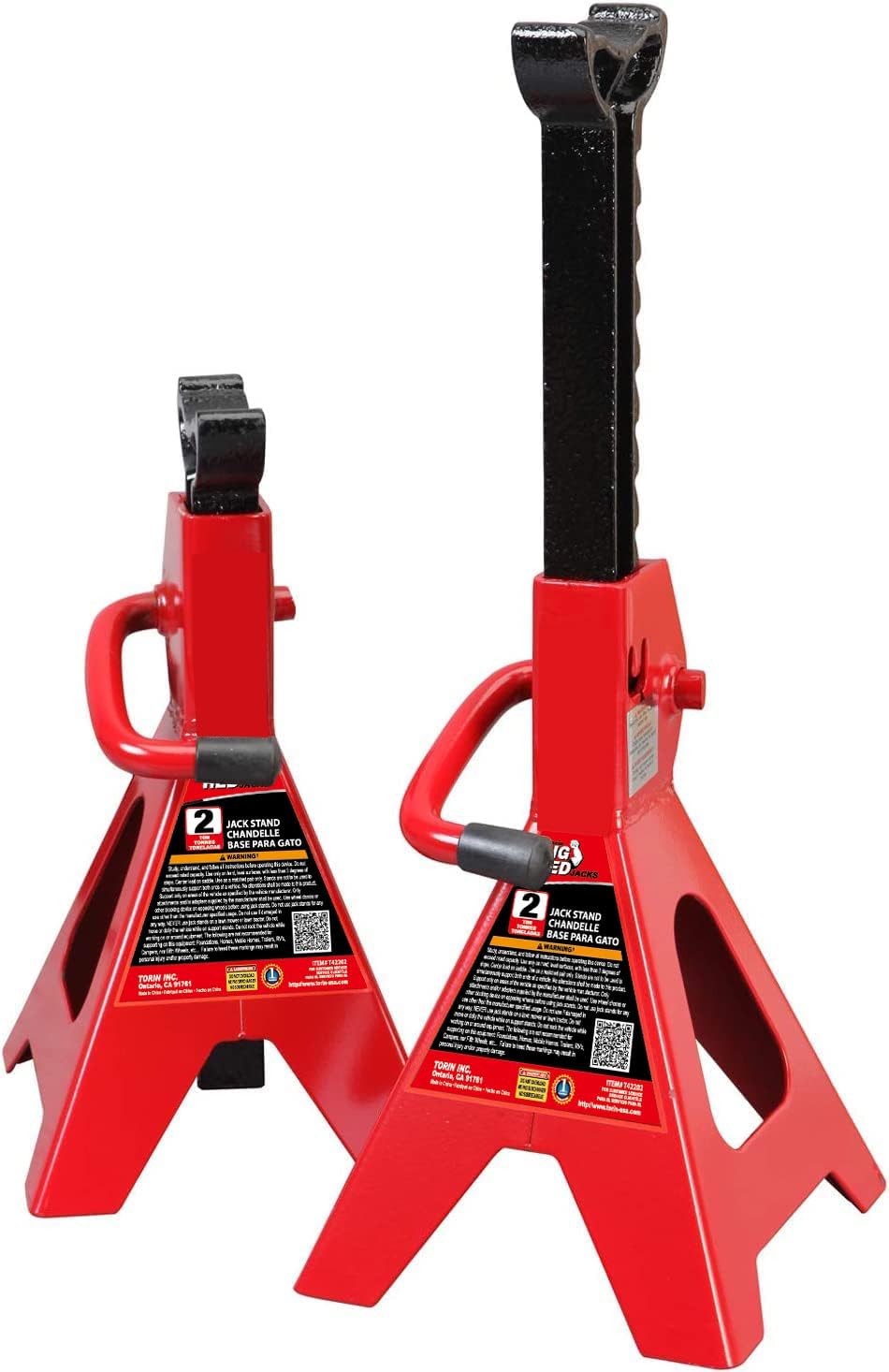
- Jack stands
- Wheel chocks
- Safety glasses
- Gloves
- Notebook or phone for recording symptoms
This article is part of our Transmission and Drivetrain Maintenance & Repair Guides.
Clutch release bearing problems usually show up as noise, rough pedal feel, or a sound that changes the moment you press the clutch pedal. The challenge is that a bad throwout bearing can sound a lot like an input shaft bearing, pilot bearing, worn clutch fork, pressure plate issue, or even normal gear rollover noise in a manual transmission.
The most reliable diagnosis comes from comparing what the noise does with the clutch pedal released, partially pressed, and fully depressed. In most cases, a throwout bearing makes noise when it is loaded during clutch pedal application, but the exact behavior matters. This guide walks through the tests a DIY owner can do before deciding whether the transmission has to come out.
Because the throwout bearing lives inside the bellhousing, no external test can guarantee the diagnosis with 100 percent certainty. But if you follow a careful symptom-based process, you can usually narrow the problem down enough to avoid replacing the wrong parts.
What the Throwout Bearing Does
The clutch release bearing, also called the throwout bearing, slides on the transmission input shaft retainer or release sleeve and presses against the pressure plate fingers when you step on the clutch pedal. Its job is to transfer the clutch fork or hydraulic release force into smooth rotating contact with the spinning pressure plate assembly.
When the bearing wears out, loses lubrication, overheats, or develops rough internal surfaces, it can chirp, grind, whir, squeal, or rumble. Since it only works when the clutch pedal is applied, the biggest clue is usually a noise that appears or changes when the pedal is pressed.
On some vehicles, especially those with concentric slave cylinders, the release bearing is integrated into the hydraulic release assembly. The symptoms are similar, but a fluid leak or changing pedal engagement may join the noise symptoms.
Common Symptoms of a Bad Release Bearing
- Chirping, whirring, or growling that starts when the clutch pedal is pressed.
- Noise that becomes louder as pedal pressure increases.
- A rough, gritty, or vibrating clutch pedal feel.
- Intermittent squeal at idle when lightly resting a foot on the pedal.
- Difficulty shifting if the bearing is failing badly enough to affect clutch release.
- Noise from the bellhousing area that changes immediately with pedal movement.
A failing throwout bearing does not always cause shifting problems at first. Early in the failure, the only symptom may be a light chirp or dry bearing sound during pedal application. As wear progresses, the noise usually becomes more consistent and may turn into a grinding or rumbling sound.
If the vehicle has a very high clutch engagement point, a spongy pedal, or fluid loss along with noise, you may also be dealing with hydraulic problems. Those issues can exist with or without a bad release bearing, so they should be checked separately.
Safety and Setup Before You Test
Do your initial checks on level ground with the parking brake set. Keep loose clothing away from moving parts, and never place any part of your body under a vehicle supported only by a jack.
- Start with the vehicle in neutral and the parking brake fully applied.
- Chock the wheels before any under-vehicle inspection.
- Use jack stands if you raise the vehicle.
- Perform listening tests first with the hood open and then near the bellhousing if safely accessible.
- If the engine or exhaust is already hot, use caution around manifolds, catalytic converters, and cooling fans.
Initial Listening Test at Idle
Listen with the Clutch Pedal Released
Start the engine and let it idle in neutral with the clutch pedal fully released. Listen for rattling, rumbling, or whining from the transmission or bellhousing area. If the noise is present now but goes away when you press the clutch, the problem is less likely to be the throwout bearing and more likely to involve the transmission input shaft bearing, gear rollover noise, or another rotating transmission component.
Press the Pedal Slightly
Now press the clutch pedal just enough to take up free play or begin loading the release system. A worn throwout bearing often makes its first noise right at this point because the bearing starts contacting the pressure plate fingers and spinning under load.
Press the Pedal Fully
With the transmission still in neutral, depress the pedal fully and hold it for a few seconds. If the noise grows louder, rougher, or more obviously centered at the bellhousing as pedal travel increases, that strongly points toward the release bearing. If the noise disappears when the clutch is fully disengaged, interpretation gets more complicated and other rotating parts may be involved.
Tools That Make This Job Easier


How to Interpret Noise Changes
- Noise only when the pedal is pressed: strongly suggests throwout bearing or pressure plate finger contact issues.
- Noise with pedal released, but quieter when pressed: points more toward input shaft bearing or transmission-related noise.
- Noise during pedal transition only: may indicate a dry release bearing, clutch fork contact point, or worn pivot point.
- Noise in all pedal positions: consider multiple faults, including release bearing, pilot bearing, pressure plate, or transmission bearing wear.
- Grinding plus hard shifting: severe clutch release problem, damaged pressure plate, bent disc, hydraulic fault, or failing release bearing.
A classic throwout bearing symptom is a chirp or growl that is absent with the pedal up and appears with pedal down. But real-world failures are not always textbook. A release bearing can also make noise as it first touches the pressure plate fingers, then quiet down slightly once fully loaded. That is why the exact pedal position where the sound appears matters.
Differentiate Throwout Bearing Noise From Similar Problems
Input Shaft Bearing
An input shaft bearing usually makes noise when the transmission input shaft is spinning, which happens with the clutch engaged and the transmission in neutral. Pressing the clutch stops or slows the input shaft, so the noise often reduces or disappears. That pattern is the opposite of the typical throwout bearing failure.
Pilot Bearing or Bushing
A pilot bearing connects the crankshaft and transmission input shaft relationship. It may make noise when the clutch is disengaged because the crankshaft and input shaft are rotating at different speeds. Pilot bearing noise can be mistaken for release bearing noise, but it is often more noticeable with the pedal depressed and may show up during shifts or when selecting reverse.
Pressure Plate or Clutch Fork Issues
Worn pressure plate fingers, a cracked clutch fork, damaged pivot ball, or poor fork contact lubrication can create chirps, clicks, or scraping sounds during pedal travel. These noises may occur at the beginning or end of pedal movement rather than continuously while the pedal is held down.
Hydraulic Release Issues
A hydraulic problem usually changes pedal effort, engagement point, or shift quality more than it creates a spinning-bearing growl. However, concentric slave cylinder systems can fail internally and sound like bearing trouble, especially if fluid contamination or internal wear is present.
Normal Gear Rollover Noise
Some manual transmissions naturally rattle slightly at idle in neutral with the clutch engaged. That noise often changes or goes away when the clutch is pressed. If the sound is mild, unchanged over time, and not accompanied by pedal vibration or shifting issues, it may be normal rather than a failing throwout bearing.
Hands-On Checks You Can Do Without Removing the Transmission
Check Pedal Free Play and Driver Habits
If the clutch system is adjusted too tight on a cable-operated setup, or if the driver commonly rests a foot on the pedal, the release bearing may ride lightly on the pressure plate fingers all the time. That can cause a constant or intermittent chirp and shorten bearing life. Make sure the pedal fully returns and that any factory-specified free play is present.
Inspect Clutch Hydraulic Operation
Check the clutch master cylinder reservoir level if the system uses hydraulic actuation. Look for leaks at the master cylinder, slave cylinder, and hydraulic line. A low reservoir or visible leak does not prove the bearing is bad, but it may explain poor release, soft pedal feel, or inconsistent engagement.
Listen at the Bellhousing
Use a mechanic’s stethoscope carefully on the bellhousing exterior, not on moving components. Compare sound intensity with the pedal up and down. The loudest noise source often gives a useful clue, though bellhousing acoustics can still transmit sound from adjacent parts.
Check for Vibration or Pulsing
A rough release bearing may send a gritty or lightly buzzing sensation into the clutch pedal. If the pedal feels smooth with no noise change, suspect other causes. If the pedal vibrates most strongly during pedal application, the release system deserves closer suspicion.
Recommended Tools for This Job


Road Test Clues
A short road test can add useful evidence if the vehicle is still drivable and the clutch operates normally enough to do so safely. Keep the windows down and the radio off so you can hear subtle changes.
- At a stop in neutral, compare noise with the pedal up and down.
- During shifts, note whether a chirp or grind happens exactly as the pedal is depressed.
- Try reverse engagement from a stop; grinding or resistance can indicate incomplete clutch release, though not necessarily a bad throwout bearing alone.
- Notice whether pedal effort feels rough or notchy rather than smooth.
- Watch for clutch slip, chatter, or engagement problems that suggest a broader clutch assembly failure.
If the vehicle is difficult to get into gear, especially reverse or first at a stop, the release system may not be fully disengaging the clutch. That can happen with a damaged release bearing, but it can also be caused by air in the hydraulic system, bent clutch components, worn pressure plate fingers, or disc problems.
When the Diagnosis Points to Internal Clutch Work
Once the symptom pattern strongly suggests a bad throwout bearing, the repair usually requires transmission removal. There is no practical external service for the bearing on most vehicles. Because labor is the major cost, replacing only the release bearing is usually not the best plan unless the clutch assembly is nearly new and confirmed otherwise healthy.
In most cases, the smart repair is a complete clutch service: clutch disc, pressure plate, release bearing, pilot bearing or bushing if equipped, and inspection or replacement of the clutch fork, pivot, release sleeve, and rear main seal as needed. On hydraulic concentric release systems, replacing the integrated slave/release unit is commonly recommended.
If you ignore a noisy throwout bearing, it can eventually seize, damage pressure plate fingers, overheat related parts, or leave you with a clutch that will not disengage. That can turn a noisy but manageable issue into a stranded-vehicle problem.
Mistakes That Lead to Misdiagnosis
- Assuming any clutch-related noise is automatically the throwout bearing.
- Ignoring whether the noise happens with the pedal up, down, or only in transition.
- Overlooking low clutch fluid, external leaks, or improper clutch cable adjustment.
- Confusing gear rollover noise at idle with bearing failure.
- Replacing the bearing alone during a major teardown when the rest of the clutch is worn.
- Failing to inspect the pilot bearing, pressure plate fingers, fork, pivot, and input shaft retainer during repair.
Next-Step Decision Guide
Monitor for Now
If the noise is faint, intermittent, and only slightly changes with pedal application, you may choose to monitor it for a short period while checking fluid level, pedal adjustment, and driving habits. Record when the noise occurs so you can tell if it is getting worse.
Plan a Clutch Repair Soon
If the sound clearly appears when the pedal is pressed, grows louder over time, or is paired with rough pedal feel, schedule internal clutch service before the vehicle becomes hard to shift or unreliable.
Stop Driving and Inspect Immediately
If you hear grinding, feel severe pedal vibration, cannot disengage the clutch cleanly, or the vehicle becomes difficult to put into gear, continued driving risks damaging the pressure plate, disc, or transmission input components. At that point, immediate repair is the safer choice.
Key Takeaways
- A throwout bearing usually gets louder when the clutch pedal is pressed, while input shaft bearing noise often gets quieter.
- Pay close attention to the exact pedal position where the sound starts, changes, or disappears.
- Check hydraulic condition, cable adjustment, and pedal free play before assuming the transmission must come out.
- If transmission removal is needed, replacing the full clutch service set is usually smarter than replacing only the release bearing.
- Grinding, hard shifting, or severe pedal vibration means the problem is advanced and should not be ignored.
FAQ
What Does a Bad Throwout Bearing Sound Like?
It often sounds like a chirp, whir, squeal, growl, or light grinding noise that appears when you press the clutch pedal. As the bearing gets worse, the sound usually becomes louder and rougher.
Can a Throwout Bearing Make Noise Only Sometimes?
Yes. Early failure may cause an intermittent chirp or dry-sounding squeak only at certain pedal positions or after the drivetrain warms up. Intermittent noise can still indicate a bearing starting to fail.
Is It Safe to Drive with a Noisy Release Bearing?
Sometimes for a short period, but it is a risk. A noisy bearing can worsen without much warning and may eventually prevent proper clutch disengagement or damage pressure plate fingers, so plan repair sooner rather than later.
How Do I Tell the Difference Between a Throwout Bearing and an Input Shaft Bearing?
A throwout bearing usually makes more noise when the clutch pedal is pressed. An input shaft bearing usually makes more noise with the pedal released in neutral and may quiet down when you press the clutch.
Will a Bad Throwout Bearing Affect Shifting?
It can, especially if the failure becomes severe enough to interfere with smooth clutch release. But hard shifting can also come from hydraulic issues, clutch disc problems, a bad pilot bearing, or transmission wear.
Should I Replace Only the Throwout Bearing?
Usually no, unless the clutch assembly is very new and everything else is confirmed to be in excellent condition. Because transmission removal is labor-intensive, most repairs include the clutch disc, pressure plate, and related wear items at the same time.
Can Riding the Clutch Cause Throwout Bearing Failure?
Yes. Resting your foot on the clutch pedal can keep the release bearing lightly loaded against the pressure plate fingers, which increases wear and heat and can shorten bearing life.
Need Parts for This Repair?
The right parts and supplies vary by vehicle.
Select your make and model to find compatible parts and accessories for your car.
Exact Fit
Parts that fit your make and model
Quality You Can Trust
Top brands and OEM quality options
Fast Shipping
Get the parts you need, delivered fast