

Note: This article contains affiliate links. If you click on these links and make a purchase, I may earn a small commission at no extra cost to you. This helps support my research and content. Read my full affiliate disclosure here.
Repair Snapshot
Use a mechanic if your transmission has no clear service procedure, requires scan-tool temperature monitoring, or is already slipping, shuddering, or shifting harshly. A professional is also the safer choice if you cannot securely raise and level the vehicle.
This article is part of our Transmission and Drivetrain Maintenance & Repair Guides.
Changing transmission fluid is one of the most important maintenance jobs for keeping an automatic transmission shifting smoothly and lasting as long as possible. Fresh fluid helps control heat, lubricates moving parts, and allows the transmission to build the hydraulic pressure it needs to operate correctly.
The exact procedure varies by vehicle. Some transmissions have a drain plug and dipstick, some require dropping the pan and replacing a filter, and many newer units use sealed fill procedures that depend on fluid temperature and a level check plug. Before starting, look up the factory procedure for your make, model, year, engine, and transmission.
If you use the correct fluid, keep the vehicle level, and avoid overfilling or underfilling, this is a realistic DIY job for many car owners. The biggest mistakes are using the wrong ATF, checking the level incorrectly, or servicing a transmission that already has serious internal problems.
Before You Start
Transmission service is not a one-size-fits-all job. Some vehicles only allow a drain-and-fill, others require a filter and pan service, and some CVTs and dual-clutch units have very specific fluid types and fill steps. Always confirm the correct procedure in your owner’s manual or service information before loosening a single bolt.
Know What Type of Transmission You Have
- Traditional automatic transmissions usually use ATF and may have a serviceable pan and filter.
- CVTs use specific CVT fluid and are often much less forgiving of fill errors.
- Manual transmissions usually use gear oil or manual transmission fluid, not automatic transmission fluid.
- Some newer transmissions are called “sealed,” but many still have a service procedure with a fill and level check plug.
Check the Service Interval
Many manufacturers recommend transmission fluid service somewhere between 30,000 and 100,000 miles depending on driving conditions and transmission design. If you tow, drive in mountains, sit in heavy traffic, or operate in extreme heat, the severe-service interval is usually shorter. If the fluid is dark, smells burned, or the transmission is running hotter than normal, do not ignore it.
When Not to Do a Simple DIY Service
If the transmission is already slipping badly, flaring between gears, refusing to engage, or shedding a lot of metal in the pan, fresh fluid alone will not fix the problem and may simply reveal how worn the unit already is. That does not mean fluid changes are harmful; it means serious mechanical problems need diagnosis first.
How to Tell If Your Transmission Fluid Needs Attention
A fluid change is scheduled maintenance, but there are also warning signs that should push you to inspect the transmission sooner. The goal is to catch fluid breakdown before it causes heat-related wear or poor shift quality.
- Delayed engagement when shifting into Drive or Reverse.
- Harsh shifts, shuddering, or inconsistent shift timing.
- Transmission temperature warnings or overheating under load.
- Dark brown fluid, burnt odor, or visible contamination on the dipstick if equipped.
- Fluid leaks around the pan, cooler lines, axle seals, or drain plug.
If the fluid is milky, that can indicate coolant contamination. If it contains a large amount of shiny metal, clutch debris, or heavy sludge, stop and consider a professional diagnosis before continuing.
Tools, Parts, and Vehicle Setup
Set yourself up before the vehicle is in the air. Transmission service can get messy fast, especially if the pan has no drain plug. A stable, level work area is critical because the final fluid level on many vehicles depends on the car being level.
Gather the Right Supplies
At minimum, you need the exact fluid specification, a drain pan large enough for the full service amount, and the right hand tools. If your vehicle has a serviceable filter, replace it during the pan service unless the manufacturer specifically says otherwise. Some transmissions use reusable gaskets, while others require a new gasket or sealant.
Raise and Secure the Vehicle Safely
Park on a flat surface, set the parking brake, and chock the wheels. Raise the vehicle with a jack only at approved lift points, then support it with jack stands or use ramps where appropriate. Never rely on a hydraulic jack alone. If your transmission requires a level check procedure, make sure the vehicle sits level front to rear and side to side.
Tools That Make This Job Easier


Step-by-Step: Drain and Refill Transmission Fluid
This section covers the basic drain-and-fill process used on many transmissions. Read through the full procedure before starting so you know where the fill point, drain point, and level check point are located.
Warm the Transmission
Drive the vehicle for 10 to 15 minutes so the fluid reaches normal operating temperature. Warm fluid drains more completely than cold fluid. Do not begin immediately if components are too hot to work around safely.
Locate the Fill Point Before Draining
This is a critical step. Make sure you can remove the fill plug or access the dipstick tube before you drain the transmission. You do not want an empty transmission and then discover a seized or inaccessible fill plug.
Drain the Old Fluid
Place the drain pan under the transmission. Remove the drain plug if equipped, or begin loosening the pan bolts gradually if there is no drain plug. If dropping the pan, leave a few bolts loosely threaded at one end so the pan tilts and drains in a controlled way rather than dumping fluid all at once.
Measure What Came Out
Measure the amount of fluid drained whenever possible. Adding back approximately the same amount gives you a safe starting point before the final level check. This is especially helpful on transmissions without a dipstick.
Reinstall the Drain Plug
Clean the drain plug, replace the sealing washer if required, and torque the plug to specification. Do not guess on torque if the plug threads into an aluminum case; overtightening can strip the case.
Step-by-Step: Pan Drop and Filter Replacement
If your transmission uses a serviceable filter inside the pan, replace it while the pan is off. This is often the most complete routine service a DIY owner can perform without specialized flushing equipment.
Remove the Pan Carefully
Once most of the fluid has drained, support the pan and remove the remaining bolts. Keep the pan level as you lower it because some fluid will still be trapped inside. Inspect the old gasket and note whether the pan has magnets.
Inspect the Pan and Old Fluid
A thin layer of gray paste on the pan magnet is usually normal wear material. Chunks of metal, large friction material pieces, or excessive glitter are not normal and may indicate internal damage. Burnt-smelling fluid and dark debris suggest overheated clutch material.
Replace the Filter
Remove the old filter, making sure any old O-ring or seal comes out with it. Lubricate the new seal with fresh transmission fluid if required, then install the new filter squarely. A filter that does not seat correctly can cause low line pressure and serious shifting issues.
Clean and Reinstall the Pan
Clean the pan thoroughly with brake cleaner and wipe off the magnets. Clean the case sealing surface without gouging it. Install the new gasket or reusable gasket as specified, start all pan bolts by hand, and tighten them in a crisscross pattern to the correct torque. Pan bolts are commonly overtightened, which can warp the pan and create leaks.
Recommended Tools for This Job

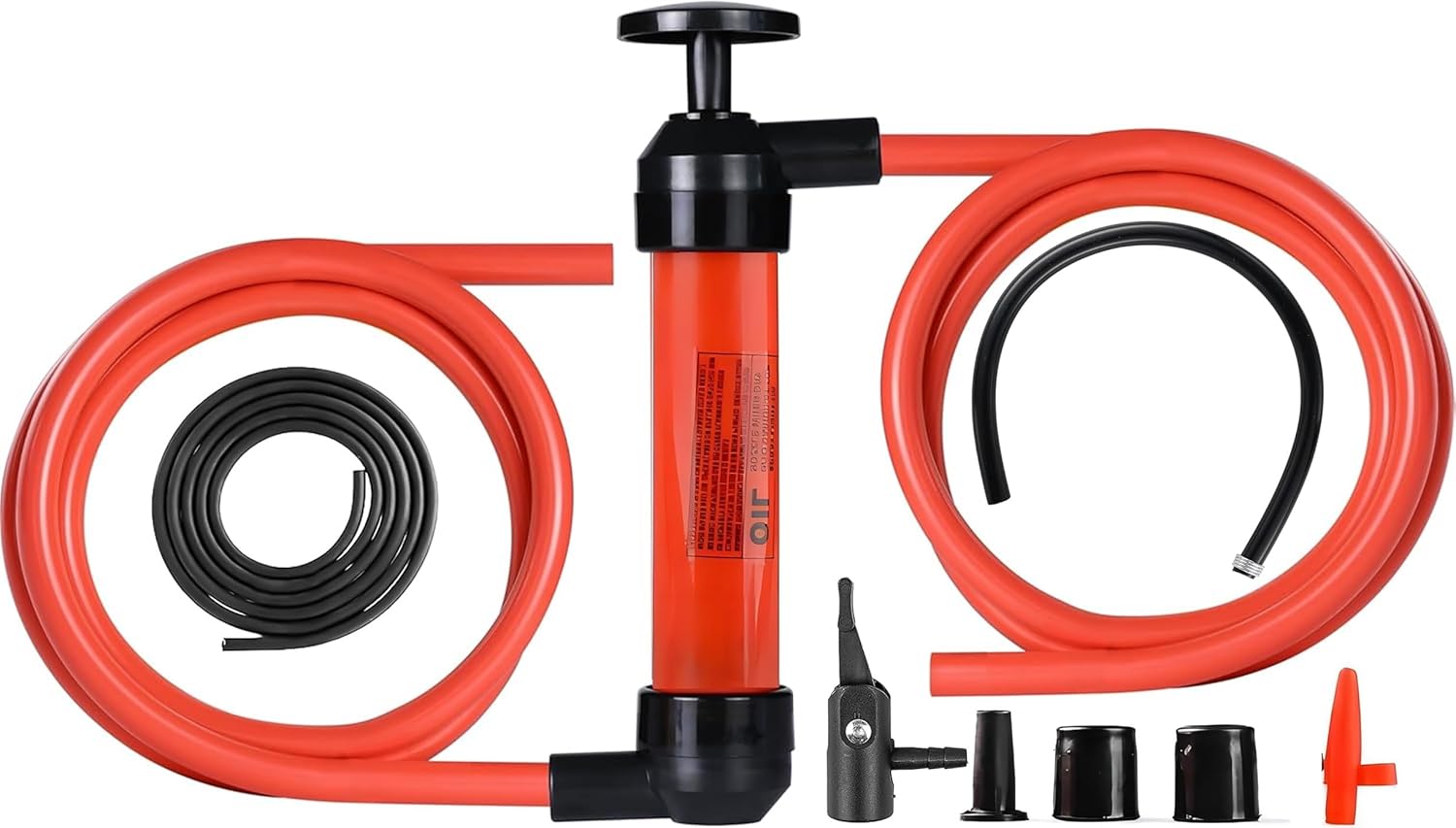
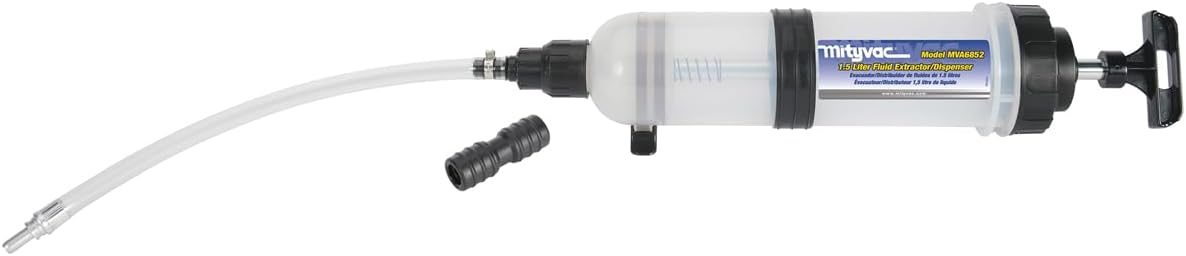
Refilling and Setting the Correct Fluid Level
Getting the level right matters just as much as changing the fluid. Too little fluid can cause aeration, low pressure, slipping, and overheating. Too much fluid can foam, run hot, and shift poorly.
Add the Correct Fluid Only
Use only the exact fluid specification required by the manufacturer. “Universal” transmission fluid is not always a safe substitute, especially in CVTs and late-model automatics with tightly calibrated friction requirements. If the spec calls for a particular OEM fluid, use it.
Initial Refill
Add slightly less than the amount you drained, then start the engine with your foot on the brake. Move the shifter slowly through each gear position and pause briefly in each range. This helps fill the valve body, passages, and clutch circuits.
Check the Level Using the Correct Method
If your vehicle has a dipstick, check the level with the engine running and transmission at the specified temperature, exactly as the manual describes. If it uses a level check plug, the vehicle usually needs to be level and within a narrow temperature range. Add fluid until it barely dribbles from the level port if that is the specified procedure, then reinstall the plug and torque it correctly.
Road Test and Recheck
After a short drive, recheck for leaks around the pan, drain plug, and fill plug. If the service procedure allows, verify the fluid level again at the specified temperature. Many DIY mistakes happen because the transmission is checked cold when the procedure requires warm fluid.
Common Mistakes to Avoid
- Using the wrong transmission fluid because the bottle looked compatible.
- Failing to loosen the fill plug before draining the old fluid.
- Overtightening pan bolts, fill plugs, or drain plugs and damaging threads.
- Ignoring the vehicle-level requirement during filling or level checks.
- Leaving an old filter seal in place and installing the new filter on top of it.
- Assuming all old fluid drains out; a simple drain-and-fill only replaces part of the total capacity on many vehicles.
- Trying to fix a severely slipping or failing transmission with fluid alone.
A drain-and-fill is often safer for older high-mileage transmissions than an aggressive machine flush, especially if maintenance history is unknown. That said, the best approach depends on the manufacturer and the transmission’s condition. Follow the service information rather than internet myths.
After-Service Checks and Maintenance Intervals
Once the service is complete, watch how the vehicle behaves over the next several days. Shifts may feel slightly different with fresh fluid, but they should not be erratic, delayed, or harsh. Any new leak or drivability issue means you should stop and recheck your work.
What to Monitor After the Fluid Change
- Leaks at the pan rail, drain plug, cooler lines, or fill plug.
- Smooth engagement into Drive and Reverse.
- Consistent shift quality once the transmission warms up.
- No warning lights or transmission temperature alerts.
- No burnt smell after driving.
When to Service It Again
If the manufacturer lists both normal and severe-service intervals, most U.S. drivers fall somewhere closer to severe service than they think. Stop-and-go traffic, towing, short trips, hilly driving, and high ambient temperatures all shorten fluid life. A common practical interval for many automatics is every 30,000 to 60,000 miles, but the factory schedule should always take priority.
Key Takeaways
- Use the exact transmission fluid spec for your vehicle, especially on CVTs and newer sealed automatics.
- Always confirm you can open the fill point before draining the old fluid.
- Keep the vehicle level and follow the factory temperature-based level check procedure.
- Replace the filter and pan gasket when the transmission design allows for it and service information calls for it.
- If the transmission is already slipping badly or contains heavy metal debris, get it diagnosed before doing a DIY fluid service.
FAQ
How Often Should Transmission Fluid Be Changed?
It depends on the vehicle and how it is driven. Many manufacturers recommend anywhere from 30,000 to 100,000 miles. If you tow, drive in heavy traffic, or operate in very hot conditions, the severe-service interval is usually shorter.
Is a Transmission Fluid Change the Same as a Transmission Flush?
No. A fluid change or drain-and-fill replaces only part of the total fluid unless the pan and filter are serviced and multiple drain cycles are done. A flush typically uses equipment to exchange more of the old fluid, but it is not always the preferred method for every transmission.
Can I Change Transmission Fluid Myself Without Dropping the Pan?
Yes, if your transmission has a drain plug or an approved drain-and-fill procedure. However, if the transmission has a serviceable filter in the pan, dropping the pan may be the better maintenance approach.
What Happens if I Overfill the Transmission?
Overfilling can cause the fluid to foam, reduce hydraulic performance, create erratic shifting, and increase operating temperature. That is why the final level check must be done exactly as the manufacturer specifies.
Should I Change Fluid in a High-mileage Transmission That Has Never Been Serviced?
Often yes, but carefully and with realistic expectations. A basic drain-and-fill is usually less risky than an aggressive flush on a neglected transmission. If the unit is already slipping, shuddering badly, or full of metal debris, get a professional diagnosis first.
Do I Need to Replace the Transmission Filter Every Time?
Only if your transmission uses a replaceable filter and the service procedure calls for it. Some filters are designed for regular service, while others are internal or not considered routine maintenance items.
Can I Use Any ATF That Says It Works with Many Vehicles?
You should be cautious. Some universal fluids may claim broad compatibility, but many modern transmissions require very specific friction characteristics. The safest choice is the exact OEM-required fluid specification.
Need Parts for This Repair?
The right parts and supplies vary by vehicle.
Select your make and model to find compatible parts and accessories for your car.
Exact Fit
Parts that fit your make and model
Quality You Can Trust
Top brands and OEM quality options
Fast Shipping
Get the parts you need, delivered fast