

Note: This article contains affiliate links. If you click on these links and make a purchase, I may earn a small commission at no extra cost to you. This helps support my research and content. Read my full affiliate disclosure here.
What You’ll Need
A quick look at the tools and supplies commonly used for this job.
Tools
- Flashlight
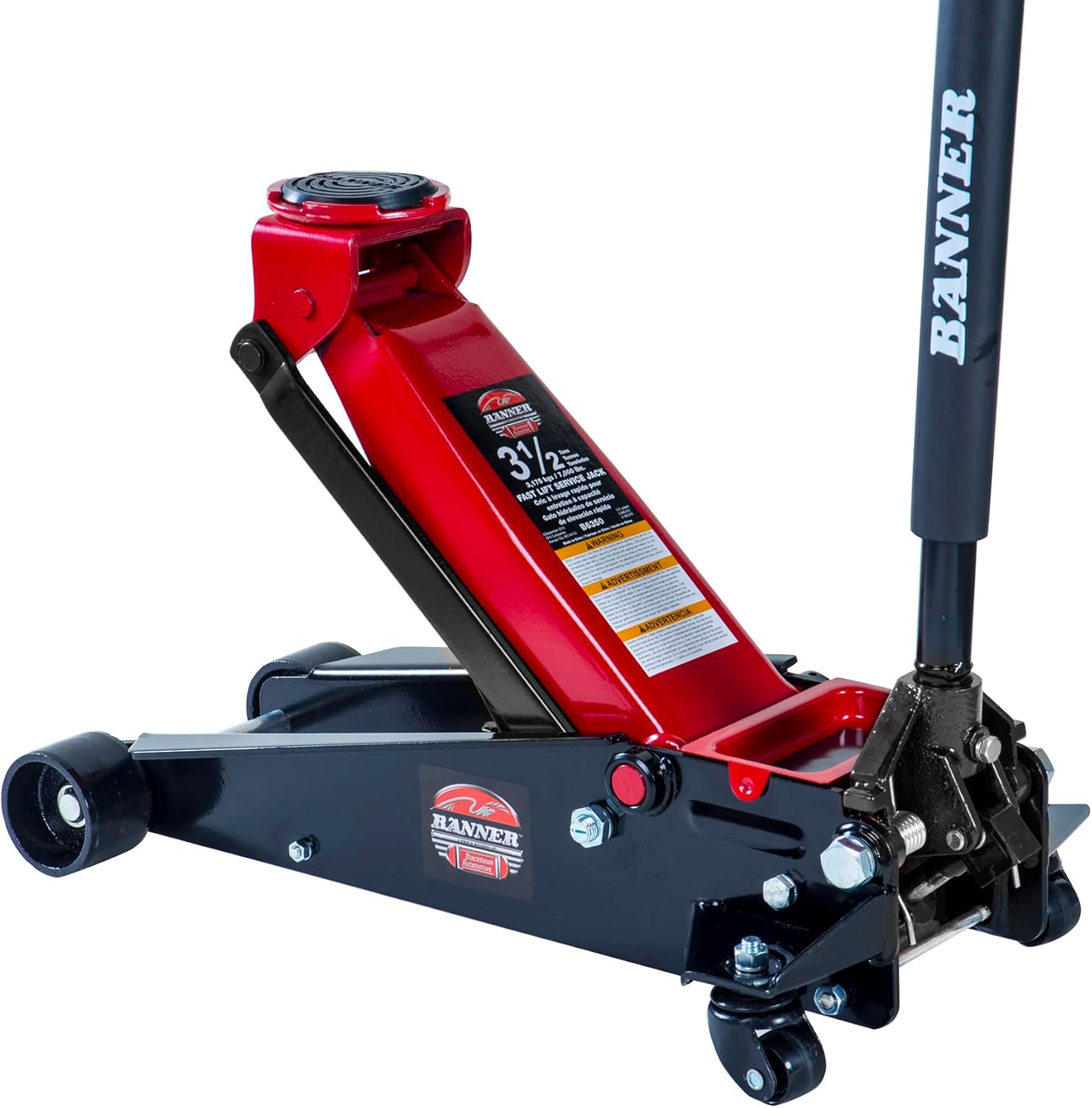
- Floor jack
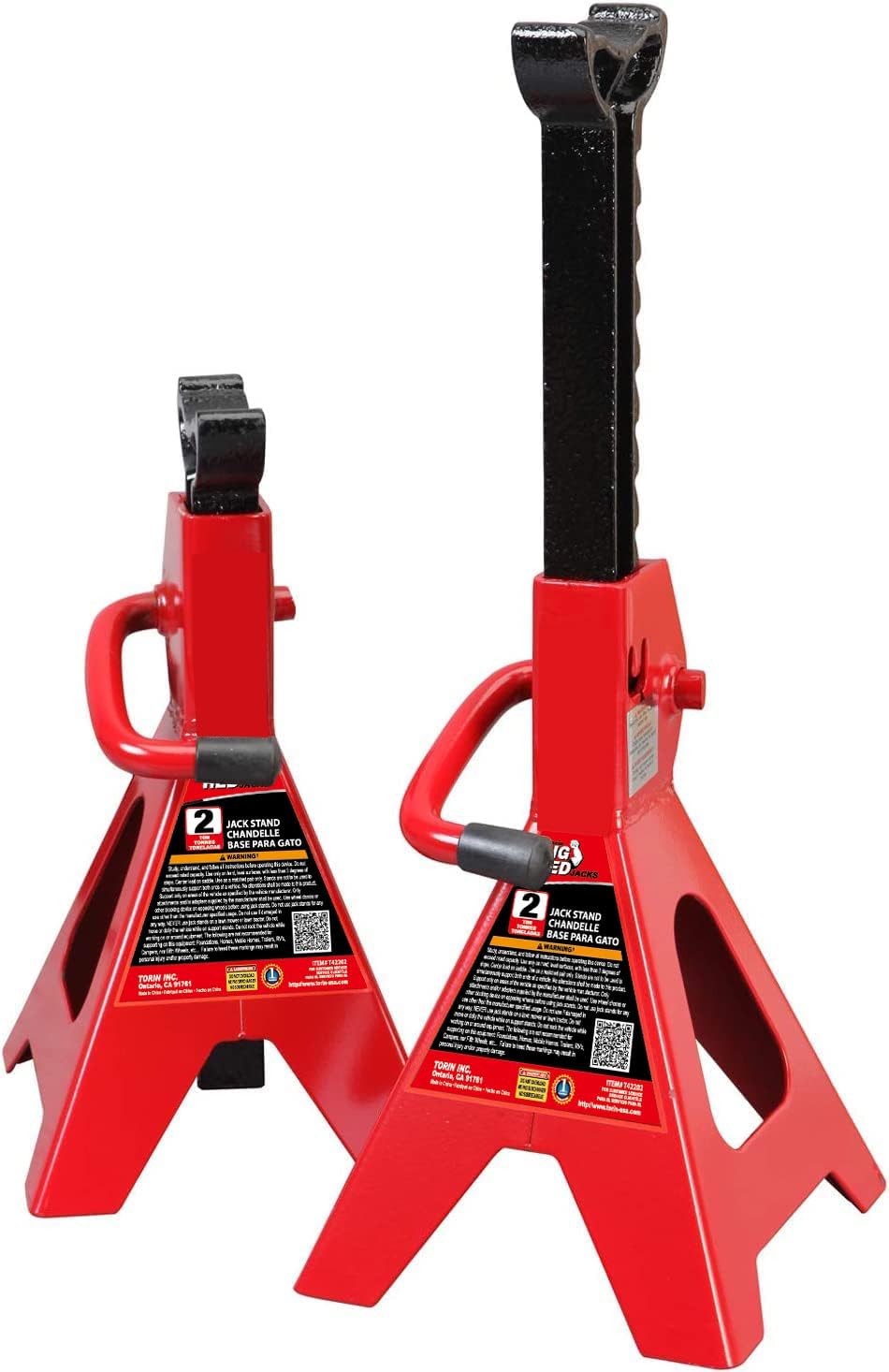
- Jack stands
- Wheel chocks
- Tire pressure gauge
- Pry bar
- Gloves
- Tape measure
- Notepad or phone camera
Parts & Supplies
- Shop towels
- Penetrating oil
This article is part of our Suspension and Steering Maintenance & Repair Guides.
If your car feels bouncy, nose-dives when braking, or crashes hard over bumps, bad struts or shocks may be the reason. These parts control spring movement and help keep your tires planted on the road, so when they wear out, ride quality, braking, and handling all suffer.
The good news is that you can spot many shock and strut problems at home before replacing parts. A careful visual inspection, a few simple checks in the driveway, and a short test drive can usually tell you whether the dampers are worn, leaking, or if another suspension problem is causing similar symptoms.
This guide walks through the most useful signs, tests, and decision points so you can tell whether your shocks or struts are actually bad, which corner is causing trouble, and when it’s time to stop driving and schedule repairs.
What Struts and Shocks Actually Do
Shocks and struts do the same basic job: they dampen spring movement so the vehicle does not continue bouncing after every bump, turn, or braking event. Without enough damping force, the body keeps moving up and down, tires lose consistent contact with the road, and the car becomes harder to control.
A shock absorber is a standalone damping unit. A strut combines the damper with a structural suspension role and usually includes a spring, upper mount, and bearing in the assembly. Many DIY owners use the terms interchangeably, but the diagnosis process is very similar for both.
- Shocks and struts reduce bounce after bumps.
- They help limit brake dive and body roll in turns.
- They improve tire contact, steering stability, and overall control.
- Worn dampers can increase stopping distance and uneven tire wear.
Common Symptoms of Bad Struts or Shocks
Ride and Handling Symptoms
- The vehicle keeps bouncing after speed bumps, dips, or driveway transitions.
- The front end dives hard under braking.
- The rear squats excessively during acceleration.
- The body leans more than normal in corners.
- The vehicle feels unstable or floaty at highway speed.
- You have to make small steering corrections constantly on rough roads.
Noises and Impact Harshness
Bad shocks and struts do not always make noise on their own, but they can contribute to clunks, thumps, or a harsh crashing sensation over potholes. On strut-equipped vehicles, noise can also come from the upper mount or bearing rather than the damper itself. That is why it helps to diagnose the full assembly instead of assuming the damper cartridge is the only failed part.
Tire Wear Clues
A weak damper can allow the tire to skip or hop slightly over the road surface. That can create irregular wear patterns, especially cupping or scalloping, where patches around the tread are worn more than others. Cupped tires do not prove the shocks or struts are bad, but they are one of the strongest supporting clues.
Safety Before You Start
You can do much of this diagnosis on the ground, but if you lift the vehicle, do it safely. Park on level ground, set the parking brake, chock the wheels, and use jack stands under proper support points. Never rely on a floor jack alone.
If a spring looks broken, a strut mount is separating, or the vehicle feels dangerous to drive, skip the road test and repair it first. Suspension failures can quickly affect steering and braking.
Visual Inspection in the Driveway
Look for Fluid Leaks
A hydraulic shock or strut that is wet with oil is a strong sign of failure. Use a flashlight and inspect the damper body and shaft area. A light film of dirt is normal, but oily streaks running down the housing usually mean the internal seal is leaking and damping force has been reduced.
Compare left and right sides. If one front strut or one rear shock is clearly wetter than the other, that corner deserves extra attention.
Check for Physical Damage
- Bent shock or strut body
- Dented housing
- Damaged dust boot
- Broken or sagging coil spring on a strut assembly
- Loose or deteriorated rubber bushings
- Corroded or cracked mounting points
Inspect Ride Height
Measure from the ground to the wheel arch on each corner, or compare side to side visually on level ground. A small difference can be normal depending on load and fuel level, but a clearly low corner may point to a sagging spring, collapsed mount, or related suspension issue. The damper itself usually does not hold the vehicle up, but a strut assembly problem often appears together with spring or mount wear.
Tools That Make This Job Easier

Check the Tires for Suspension Clues
Before blaming the shocks or struts, check all four tires. Improper tire pressure, bad alignment, worn ball joints, and weak dampers can all affect wear patterns, so tires often tell you where to look next.
- Cupping or scalloped tread suggests poor damping.
- Inside or outside edge wear points more strongly toward alignment issues.
- Feathering can come from toe problems, but unstable suspension can make it worse.
- A single badly worn tire may help identify the corner with the problem.
Set tire pressures to spec before your road test. Underinflated or overinflated tires can mimic handling complaints and make your diagnosis less accurate.
Do the Bounce Test the Right Way
The bounce test is helpful, but it is not perfect on modern vehicles with stiff suspensions. It can still reveal severely worn dampers if you do it correctly.
- Push down firmly on one corner of the vehicle several times.
- Release and watch how the body settles.
- Repeat at the other front corner and both rear corners if accessible.
A healthy shock or strut should let the vehicle rise back up and settle quickly. If that corner continues to bounce more than once or feels dramatically easier to push down than the matching side, the damper may be weak.
If the vehicle barely moves, that does not automatically mean the struts or shocks are good. Some suspensions are too stiff to show much by hand. Treat the bounce test as one clue, not the final answer.
Road-Test Symptoms That Point to Worn Dampers
A short, careful drive on familiar roads can reveal more than the bounce test. Choose a safe route with smooth pavement, a few modest bumps, and low- to moderate-speed turns.
What to Feel During Braking
If the front end drops sharply during moderate braking, the front struts or shocks may be weak. Excessive nose dive lets weight transfer too quickly and can make the steering feel less stable.
What to Feel Over Bumps
On a healthy suspension, the car should absorb a bump and settle quickly. If it bounces two or three times afterward, feels floaty, or seems to wallow after dips in the road, damping force is likely reduced.
What to Feel in Turns
Worn dampers allow more body roll and can make the car feel delayed when changing direction. If it leans heavily and then continues to sway after the steering input is over, struts or shocks are suspect.
What to Listen For
A thump over bumps can come from a loose mount, worn sway bar link, bad control arm bushing, or internal strut damage. Noise alone does not confirm a failed shock or strut, but noise plus leakage, poor ride control, and tire cupping makes the diagnosis much stronger.
How to Tell Bad Struts or Shocks From Other Suspension Problems
Several parts can mimic bad dampers. The goal is to separate a true strut or shock failure from wear elsewhere in the suspension or steering.
Symptoms More Likely Caused by Other Parts
- Single sharp clunk on turns: often sway bar links, mounts, or ball joints.
- Loose steering play: often tie rods, rack issues, or front-end wear.
- One low corner with no leaking damper: often a spring or mount problem.
- Vibration at speed: often tire balance, bent wheel, or tire defects.
- Pulling left or right: often alignment, tire conicity, or brake drag.
Quick Checks That Help Narrow It Down
With the vehicle safely lifted, inspect control arm bushings, sway bar links, strut mounts, and ball joints for looseness or torn rubber. Use a pry bar gently where appropriate. A damper can be worn out at the same time as these parts, so do not stop at the first issue you find.
If the vehicle has front struts with upper bearings, turning the steering wheel while parked may reveal popping, binding, or spring wind-up. That points more toward the strut mount or bearing than the damper valve itself.
Recommended Tools for This Job


Diagnosing Which Corner Is Bad
Many owners know the suspension feels wrong but are not sure which side is responsible. These comparisons help isolate the problem.
- Compare left and right for visible leaks.
- Compare how each corner reacts in the bounce test.
- Look for cupped wear on one tire or one axle.
- Listen for noise location while going over small bumps.
- Notice whether the vehicle dips more on one side during braking or cornering.
Front struts usually affect steering feel, brake dive, and turn-in stability more noticeably. Rear shocks often show up as extra rear bounce, a loose feeling from the back of the car, or poor control after highway dips.
Even if only one damper seems bad, replacement is usually done in pairs on the same axle so damping stays balanced side to side.
When the Diagnosis Is Strong Enough to Replace Them
You usually have enough evidence to replace shocks or struts when multiple signs point the same direction. One symptom by itself can be misleading, but several together make the call clearer.
- Visible hydraulic fluid leaking from the shock or strut body
- Repeated bounce after bumps or failed bounce test
- Excessive brake dive, body roll, or highway float
- Cupped tires combined with poor ride control
- Damaged mounts, bushings, or spring seats on the strut assembly
- Mileage-based wear with clear decline in ride and handling
Some shocks and struts weaken gradually without dramatic leakage. If the vehicle has high mileage and shows several classic handling symptoms, replacement can be justified even when the dampers are only lightly damp with grime.
What to Replace Along With Struts or Shocks
If you confirm the dampers are worn, think beyond the bare shock or strut. Related hardware often ages at the same rate and can affect noise, alignment, and ride quality.
- Replace shocks or struts in pairs on the same axle.
- Inspect strut mounts and bearings closely on front struts.
- Check bump stops and dust boots.
- Inspect coil springs for rust, cracks, or sagging.
- Examine sway bar links and control arm bushings while access is easy.
If you install complete loaded strut assemblies, you also get new springs and upper mounts, which can save time and avoid spring compressor work. If you replace only the damper portion, make sure the old spring and mount are still serviceable.
After the Repair: What to Expect
New shocks or struts should make the vehicle feel more controlled, not necessarily softer. You should notice quicker settling after bumps, less nose dive, less body roll, and better tire contact on rough pavement.
If front struts were replaced, an alignment is typically required. Even when ride quality improves immediately, skipping alignment can cause steering pull and rapid tire wear.
If the ride is still noisy or unstable after replacement, inspect mounts, links, tires, and alignment settings. Replacing dampers does not fix unrelated suspension looseness.
Key Takeaways
- Visible oil leakage, repeated bouncing, and cupped tires together are strong evidence that shocks or struts are worn out.
- Use the bounce test as a screening tool, but confirm the diagnosis with a visual inspection and a careful road test.
- Do not confuse bad dampers with worn mounts, sway bar links, ball joints, or alignment problems that can create similar symptoms.
- Replace shocks or struts in axle pairs, and plan on an alignment after front strut replacement.
- If the vehicle feels unstable during braking or over bumps, limit driving until the suspension is repaired.
FAQ
Can I Drive with Bad Struts or Shocks?
You may still be able to drive, but it is not a good idea for long. Worn dampers reduce tire contact, increase stopping distance, and make the vehicle less stable in turns and emergency maneuvers. If the car is bouncing excessively, bottoming out, or feels unsafe, repair it as soon as possible.
Do Bad Struts or Shocks Make Noise?
They can, but not always. Clunks and thumps may come from the strut mount, sway bar links, bushings, or other suspension parts. Noise is most useful when combined with leakage, poor ride control, or visible wear.
Will Bad Struts or Shocks Cause Uneven Tire Wear?
Yes. Weak dampers can cause the tire to bounce against the road surface and create cupping or scalloped wear. However, alignment and other suspension issues can also wear tires, so inspect the whole system before replacing parts.
How Often Do Struts and Shocks Need Replacement?
There is no single interval for every vehicle, but many start showing noticeable wear somewhere after 50,000 miles, and some last much longer. Driving conditions, vehicle weight, and road quality all affect lifespan. Replace them based on symptoms, inspection results, and overall ride quality.
Is a Leaking Strut or Shock Automatically Bad?
In most cases, yes. A visible oil leak usually means the internal seal has failed and damping performance has dropped. Light road grime is normal, but wet oily streaks on the housing are a strong replacement indicator.
Should I Replace Just One Shock or Strut?
It is best to replace them in pairs on the same axle. Replacing only one can leave the vehicle with uneven damping side to side, which can affect handling and braking stability.
Do I Need an Alignment After Replacing Shocks or Struts?
Rear shock replacement alone often does not require alignment, but front strut replacement usually does. Because struts affect suspension geometry, an alignment helps protect tire wear and restore proper steering feel.
Need Parts for This Repair?
The right parts and supplies vary by vehicle.
Select your make and model to find compatible parts and accessories for your car.
Exact Fit
Parts that fit your make and model
Quality You Can Trust
Top brands and OEM quality options
Fast Shipping
Get the parts you need, delivered fast