

Note: This article contains affiliate links. If you click on these links and make a purchase, I may earn a small commission at no extra cost to you. This helps support my research and content. Read my full affiliate disclosure here.
What You’ll Need
A quick look at the tools and supplies commonly used for this job.
Tools
- Flashlight
- Phillips screwdriver
- Socket set
- Multimeter
- 12-volt test light
- Mechanic’s gloves
- Safety glasses
- Flathead screwdriver or trim tool
- Shop vacuum with crevice attachment
Parts & Supplies
- Replacement cabin air filter
- Electrical contact cleaner
- Compressed air
- Microfiber towels
This article is part of our HVAC Maintenance & Repair Guides.
Restricted cabin airflow usually means the HVAC system is moving less air than it should through the dash, floor, or defrost vents, even when the fan speed is turned up. The most common causes are a clogged cabin air filter, weak blower motor, failing blower resistor or control module, blocked evaporator area, stuck mode door, or collapsed ducting.
The good news is that you can diagnose most airflow problems at home with a flashlight, a few hand tools, and a simple step-by-step approach. The goal is to figure out whether the problem is caused by an air restriction, an electrical issue, or an HVAC door problem before you start replacing parts.
This guide walks you through the symptoms to watch for, the checks to perform in order, and how to interpret what you find so you can decide whether the fix is simple maintenance or a deeper HVAC repair.
What Restricted Cabin Airflow Feels Like
Before testing anything, confirm that you are dealing with low airflow and not just poor heating or cooling performance. A vehicle can have cold A/C or hot heat available, but still barely push air into the cabin.
- Air barely comes out of the vents even on high fan speed.
- One or more vents are weak while others flow normally.
- Defrost performance is poor and the windshield takes too long to clear.
- The blower can be heard running loudly, but cabin airflow stays weak.
- Airflow changes randomly when switching between dash, floor, and defrost modes.
If airflow is strong but the air is the wrong temperature, your issue is more likely related to refrigerant level, heater core flow, blend door operation, or engine cooling system performance rather than a true airflow restriction.
Safety and Preparation
Park on a level surface, set the parking brake, and keep loose clothing away from the passenger footwell if you will be checking the blower motor. If you need to disconnect trim panels near airbags, follow the factory procedure and disconnect the battery when appropriate.
Start with the engine running and the HVAC set to fresh air, panel vents, and the highest blower speed. Open all dashboard vents fully. This gives you a repeatable baseline for each test.
Initial Checks You Should Do First
Check All Vent Positions
Make sure the louvers are open and not accidentally shut. Some vehicles have a separate rear-seat or center-console vent shutoff that can affect perceived airflow.
Compare Fan Speeds
Move the blower from low to medium to high and listen carefully. You should hear a clear increase in blower speed at each setting. If airflow barely changes, the system may have a clogged filter, slipping blower wheel, weak motor, or duct obstruction. If only one speed works, suspect a blower resistor or blower control module.
Switch Between Fresh Air and Recirculation
If airflow improves noticeably in recirculation mode, the outside air intake area or cabin filter may be restricted. If there is no change, continue testing deeper into the HVAC box and electrical controls.
Switch Between Panel, Floor, and Defrost
A healthy system should redirect airflow clearly. If airflow stays weak everywhere or continues to come from the wrong outlets, a stuck mode door, failed actuator, or vacuum supply issue may be limiting air delivery.
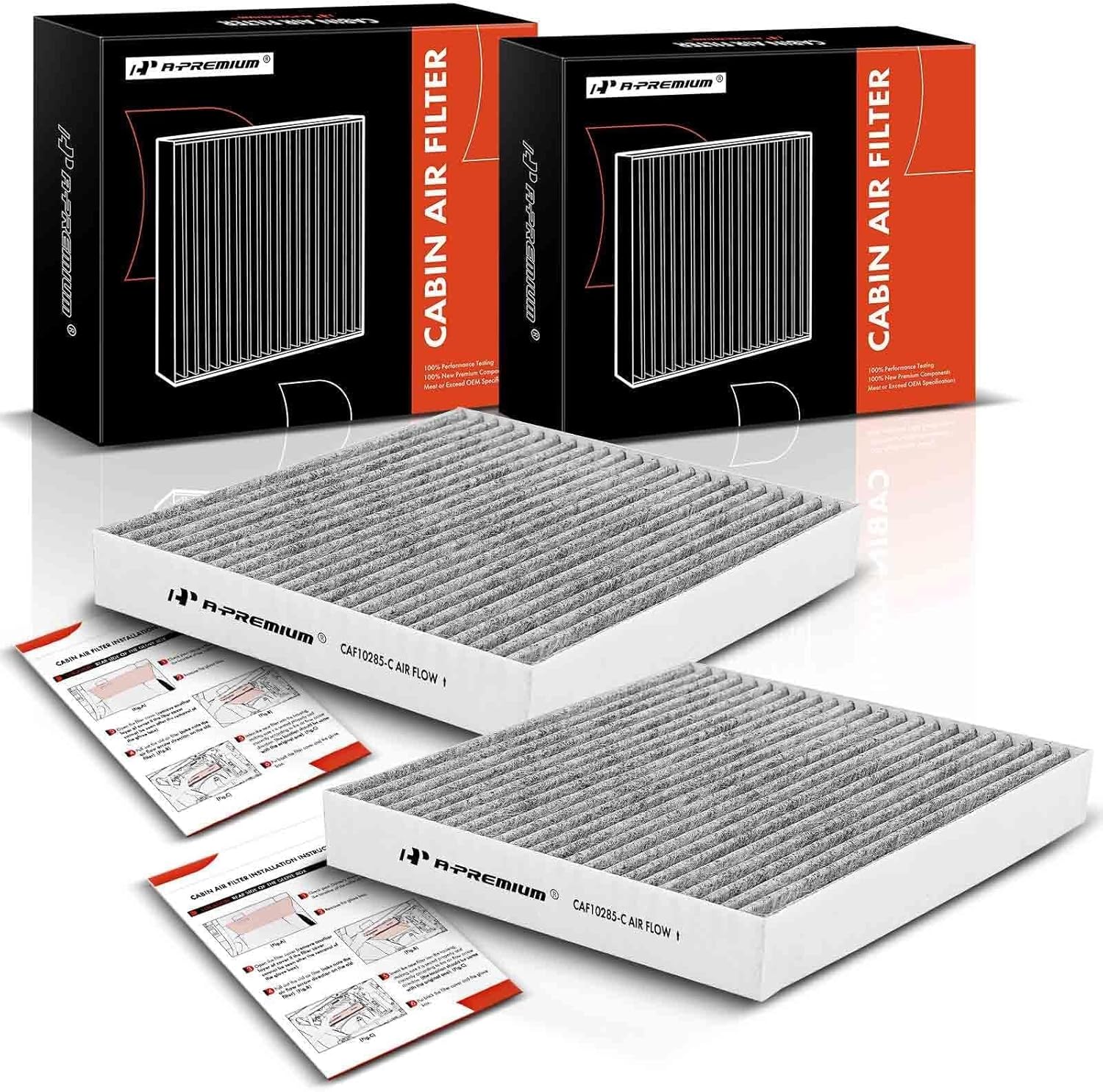
Inspect the Cabin Air Filter
The cabin air filter is the first thing to inspect because it is one of the most common and easiest causes of restricted airflow. On many vehicles it sits behind the glove box, under the cowl, or in a filter tray near the passenger side firewall.
What to Look For
- Filter packed with leaves, dust, hair, or debris.
- Filter that appears dark, damp, warped, or collapsed.
- Evidence of rodent nesting or contamination in the filter housing.
- Airflow direction arrow installed backward after a previous service.
If the filter is heavily loaded, replace it and recheck airflow before doing anything else. A severely clogged filter can reduce airflow across all speeds and make the blower motor sound strained.
Important Tip
With the filter removed, briefly test airflow again. If airflow becomes much stronger, you have confirmed a restriction in the filter or filter housing area. Do not leave the filter out permanently, but this quick comparison is useful for diagnosis.
Tools That Make This Job Easier


Check the Blower Motor and Fan Output
If the cabin filter is clean or replacing it did not help, the next question is whether the blower motor is actually moving enough air.
Listen for Blower Behavior
A healthy blower usually produces smooth, even fan noise that rises with each speed setting. Grinding, chirping, scraping, or a fluctuating pitch can indicate worn motor bearings, debris in the squirrel-cage fan, or a damaged blower wheel.
Inspect for Debris in the Blower Housing
Leaves, insulation, and foam can fall into the blower housing, especially if the cabin filter was missing or installed incorrectly. Remove the blower motor if accessible and inspect the fan wheel. Debris can physically block the wheel or reduce its ability to move air.
Look for a Loose or Damaged Blower Wheel
If the blower motor shaft is spinning but the plastic fan wheel is cracked or slipping, you may hear the motor but get very little airflow. Check for broken fins, rubbing marks, wobble, or looseness on the shaft.
Basic Electrical Check
With the blower commanded on high, verify battery voltage and ground at the blower connector using a multimeter or test light. If full voltage and good ground are present but airflow is still weak, the blower motor itself is likely tired or the fan wheel is damaged. If voltage is low, continue to the blower control circuit.
Test the Blower Resistor or Blower Control Module
Many manual HVAC systems use a blower resistor to create the lower fan speeds, while many automatic climate control systems use a solid-state blower control module. Problems here can cause low airflow, missing fan speeds, or a blower that never reaches full output.
Common Clues
- Blower works only on high speed.
- One or two speeds are missing.
- High speed sounds weaker than normal.
- Blower speed changes on its own or cuts in and out.
Inspect the resistor or module connector for melting, corrosion, or overheated terminals. Heat damage at the connector can reduce current flow to the blower motor and make it run weakly.
If your vehicle uses a resistor pack, compare blower behavior across each speed. A failed resistor often causes missing lower speeds, but if the high-speed circuit is weak too, the issue may be in the blower motor, relay, wiring, or control module rather than the resistor alone.
Look for Airflow Restrictions Inside the HVAC Box
If the blower motor is working correctly but vent output is still weak, there may be a blockage downstream of the blower. This can happen in the evaporator core area, heater core area, or internal duct passages.
Signs of an Internal Blockage
- Strong air noise under the dash but weak flow at the vents.
- Debris visible in the cabin filter tray or blower opening.
- Airflow noticeably better from one vent group than another.
- Musty smell combined with weak airflow, suggesting buildup on the evaporator.
Leaves and dirt can collect on the evaporator core face and restrict airflow much like a clogged filter. In some vehicles, foam from deteriorated HVAC doors also breaks apart and blocks internal passages. Access is often limited, but a flashlight inspection through the cabin filter opening may reveal buildup.
If light debris is present near the filter opening or blower housing, carefully vacuum it out. Avoid bending evaporator fins or forcing tools into the HVAC case.
Check Mode Doors, Blend Doors, and Actuators
HVAC doors route air through different paths inside the case. A stuck mode door can cause poor airflow from the selected vents, while a broken door or failed actuator can leave air trapped in the wrong path.
What to Test
Command the system from panel to floor to defrost while listening behind the dash. You should hear brief actuator movement and then a stable airflow change. Clicking, repeated ticking, or no sound at all can point to stripped actuator gears or a jammed door.
If your vehicle uses vacuum-operated HVAC controls, inspect small vacuum lines under the hood and behind the dash. A vacuum leak can leave the system stuck in defrost or cause weak, inconsistent airflow routing.
How This Affects Airflow
A failed actuator does not always reduce total blower output, but it can make airflow seem weak where you need it most. For example, air may be divided between floor and defrost instead of being directed fully to the dash vents.
Recommended Tools for This Job


Inspect Ducts, Vents, and Cabin-Side Obstructions
Sometimes the restriction is not inside the HVAC box at all. Vents, duct connections, and trim pieces can block or leak airflow before it reaches the cabin.
- Check for dropped items or debris lodged in dash vents.
- Inspect under-dash duct tubes for disconnection, crushing, or collapse.
- Look for aftermarket accessories interfering with footwell vents.
- Make sure floor mats are not covering lower outlet paths.
- Confirm rear-seat vents are not blocked by cargo or trim damage.
A disconnected duct can make the blower sound strong while very little air exits the intended vents. If one side of the cabin has normal airflow and the other side is weak, inspect side-specific ducts and blend door operation.
How to Interpret Your Findings
If Airflow Improves After Removing or Replacing the Cabin Filter
The filter was likely the main restriction. Clean the filter housing, inspect for debris at the intake, and install a quality replacement filter in the correct orientation.
If the Blower Is Noisy but Airflow Is Weak
Suspect debris in the fan, a slipping or damaged blower wheel, or a worn blower motor that no longer spins at full speed under load.
If Some Fan Speeds Are Missing
Check the blower resistor, blower control module, connector condition, and related wiring. Also verify the blower motor is not drawing excessive current, which can overheat the resistor or connector.
If Airflow Is Strong in One Mode but Weak in Another
Look closely at mode door operation, vacuum supply, and actuator movement. The blower itself may be fine.
If Airflow Is Weak Everywhere Despite a Good Blower and Clean Filter
Internal HVAC box restrictions, evaporator blockage, deteriorated foam, or hidden duct separation become more likely. This may require deeper disassembly.
When to Repair It Yourself and When to Get Help
DIY owners can usually handle cabin filter replacement, blower access, debris cleanup, basic voltage checks, and visual inspection of ducts and actuators. These steps solve a large share of airflow complaints.
Consider professional help if the dashboard must come apart, the HVAC case needs to be opened, a control module requires advanced testing, or the evaporator is packed with debris in a hard-to-reach area. Internal HVAC repairs can be labor-intensive and easy to misassemble.
If your vehicle has automatic climate control and stored HVAC fault codes, a scan tool with body and HVAC access can save time by identifying actuator or control head faults early.
Key Takeaways
- Start with the cabin air filter because a clogged filter is the fastest and most common cause of restricted cabin airflow.
- If the blower sounds wrong or airflow does not match fan speed, inspect the blower motor, fan wheel, and electrical feed next.
- Weak airflow only in certain vent modes usually points to a mode door, actuator, or vacuum routing problem instead of a bad blower.
- Strong fan noise with poor vent output often means debris, an internal HVAC blockage, or a disconnected duct is limiting airflow.
- Do not replace expensive HVAC parts until you compare airflow in each mode and verify voltage, ground, and filter condition first.
FAQ
Can a Dirty Cabin Air Filter Really Cause Very Low Airflow?
Yes. A heavily clogged cabin air filter can restrict incoming air enough that vent output becomes weak on every speed setting. It is one of the most common causes and should be checked first.
Why Does My Blower Sound Loud but Barely Any Air Comes Out?
That usually suggests the blower motor is spinning but air is being blocked or misdirected. Common causes include a clogged filter, debris in the HVAC box, a slipping blower wheel, or a disconnected duct.
If Air Only Comes Out of the Defrost Vents, Is That a Blower Problem?
Usually not. Air stuck on defrost often points to a mode door issue, failed actuator, or vacuum supply problem on vehicles with vacuum-operated HVAC controls.
Can a Bad Blower Resistor Cause Weak Airflow?
Yes. A failing blower resistor or blower control module can remove some fan speeds or prevent the blower from reaching full output. However, weak airflow on all settings can also mean the blower motor itself is worn.
Should I Test Airflow with the Cabin Air Filter Removed?
You can do a brief comparison test with the filter removed to see whether airflow improves, but do not operate the system long term without a filter. The test is only for diagnosis.
What if Airflow Is Weak From Only One Side of the Dash?
Check for a blocked vent, disconnected side duct, or side-specific door problem. Dual-zone systems can also have actuator issues that affect one side differently than the other.
Can Mold or Debris on the Evaporator Reduce Airflow?
Yes. Dirt, leaves, and biological buildup on the evaporator core can block airflow through the HVAC case. This often comes with a musty odor and may require partial disassembly to clean properly.
Need Parts for This Repair?
The right parts and supplies vary by vehicle.
Select your make and model to find compatible parts and accessories for your car.
Exact Fit
Parts that fit your make and model
Quality You Can Trust
Top brands and OEM quality options
Fast Shipping
Get the parts you need, delivered fast