

Note: This article contains affiliate links. If you click on these links and make a purchase, I may earn a small commission at no extra cost to you. This helps support my research and content. Read my full affiliate disclosure here.
What You’ll Need
A quick look at the tools and supplies commonly used for this job.
Tools
Parts & Supplies
- Serpentine belt, if worn or contaminated
- Vehicle-specific refrigerant
- PAG or POE oil specified by the manufacturer
- UV dye for A/C systems
- A/C O-rings
This article is part of our HVAC Maintenance & Repair Guides.
A bad AC compressor can make your air conditioning blow warm, cycle erratically, squeal, or stop working completely. But the compressor is expensive, and many no-cool complaints are actually caused by low refrigerant, a pressure switch issue, a failed clutch, wiring problems, or a cooling fan fault.
The goal of diagnosis is to confirm whether the compressor itself has failed mechanically, whether the clutch or control circuit is the real problem, or whether the compressor is being shut down by another fault. A careful step-by-step process can save you from replacing a good compressor and still having the same issue.
This guide walks through the symptoms, safety precautions, visual checks, pressure testing, and electrical tests that help DIY car owners decide whether the compressor is truly bad or whether another A/C system problem is to blame.
Before You Start
Automotive A/C systems operate under high pressure and use refrigerant that can cause frostbite or eye injury if mishandled. Never loosen A/C lines or fittings on a charged system. If you need to recover refrigerant, that should be done with the proper equipment.
Work on a cool engine when doing visual inspections around the belt drive, then run the engine only when necessary for testing. Keep hands, clothing, and tools away from moving belts and fans.
- Wear safety glasses and gloves.
- Do not vent refrigerant to the atmosphere.
- Do not jump pressure switches or clutch circuits for extended testing unless you understand the risk.
- If the compressor is making severe grinding noise, stop running the system to avoid scattering debris through the A/C system.
Common Symptoms of a Bad AC Compressor
A failing compressor can show up in several ways, but no single symptom proves the compressor is bad by itself. You need to connect the symptom with test results.
- Air blows warm or only slightly cool even when the A/C is set to max.
- The compressor clutch does not engage at all.
- The clutch engages and disengages rapidly.
- Squealing, rattling, knocking, or grinding starts when the A/C is turned on.
- The engine bogs heavily or belt slips when the compressor tries to engage.
- Visible oil or dye leaks appear around the compressor nose, case, or line connections.
- High-side and low-side pressures are abnormal or nearly equal when the compressor is commanded on.
Warm air alone is often caused by low refrigerant, condenser airflow issues, or a blend door problem. Noise combined with bad pressure readings or metal contamination is much more suggestive of actual compressor failure.
Tools and Information You Need
You can do a basic diagnosis with visual and electrical checks, but pressure readings are what separate guessing from real diagnosis. Vehicle-specific service information is also useful because some compressors are clutchless or externally controlled by a variable displacement valve.
- A manifold gauge set to compare low-side and high-side pressure.
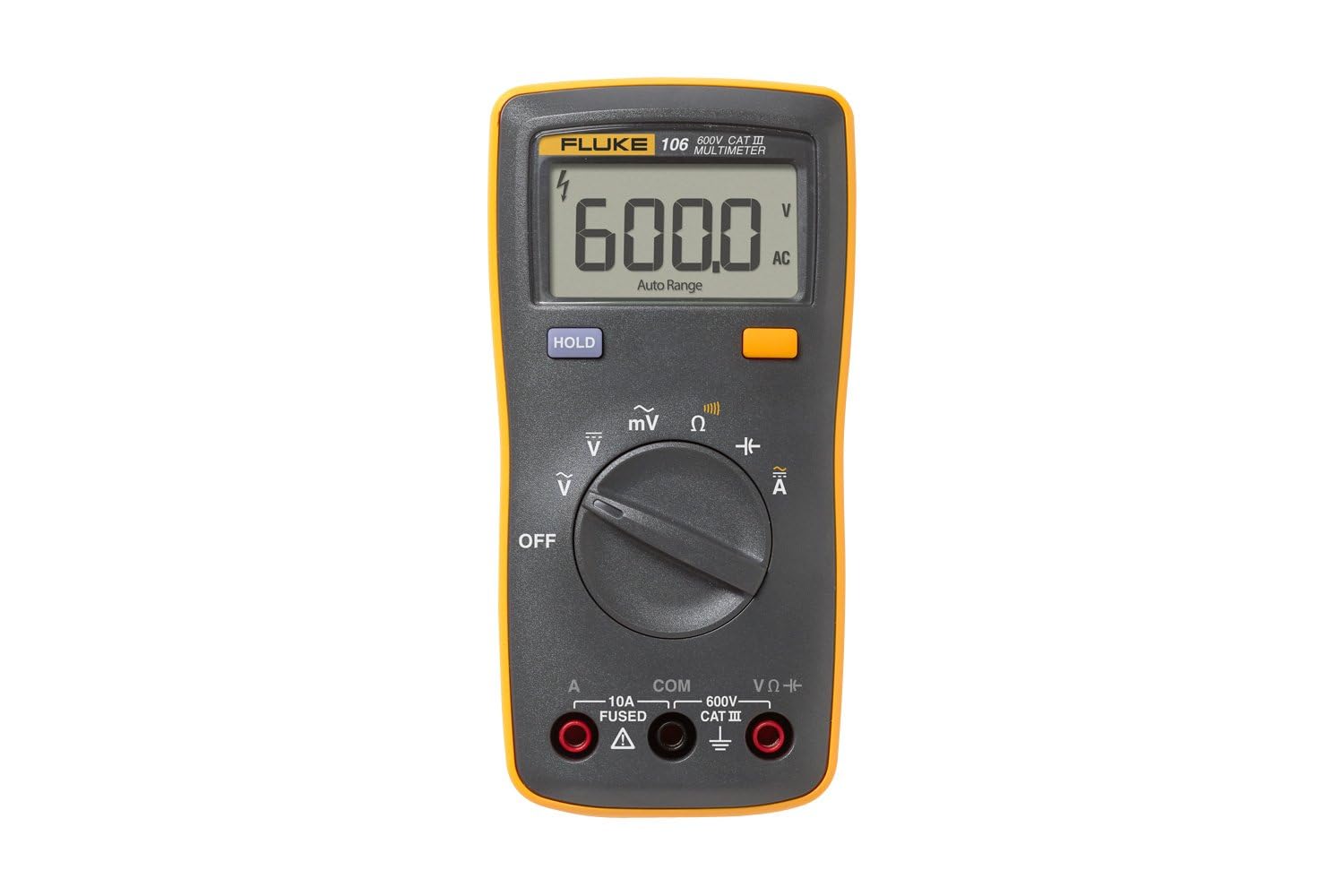
- A multimeter to check voltage, ground, resistance, and fuse continuity.
- A scan tool to look for HVAC, PCM, pressure sensor, and cooling fan related trouble codes.
- A flashlight to inspect the belt, clutch face, connectors, and signs of leakage.
- A stethoscope or long screwdriver used carefully to help isolate bearing or internal compressor noise.
Start With a Visual Inspection
Check the Belt Drive
Inspect the serpentine belt for glazing, cracks, fraying, contamination, or looseness if your vehicle uses an adjustable belt setup. A slipping belt can mimic compressor failure by causing squeal, weak cooling, or an intermittent clutch engagement problem.
Inspect the Compressor Clutch and Pulley
With the engine off, look at the clutch face and pulley. Signs of overheating include blue discoloration, burned friction material, melted connector plastic, and black dust around the clutch area. Spin the pulley by hand if accessible. A rough or noisy pulley bearing can create noise even when the compressor itself is still okay.
Look for Leaks and Oil Staining
A/C refrigerant carries oil, so oily residue around the front seal, hose manifold, compressor body seam, or nearby splash area can point to a leak. A leaking front seal often leaves residue around the compressor clutch or nose. Low refrigerant can keep the compressor from engaging, which can make a healthy compressor look bad.
Check Connectors and Wiring
Inspect the clutch connector, pressure sensor connector, grounds, relay terminals, and harness routing. Corrosion, loose pins, chafed insulation, or heat damage can interrupt clutch operation or variable compressor control.
Tools That Make This Job Easier


Check Basic System Operation
Start the engine, set the A/C to max cool, blower on high, and windows open. Watch the compressor area and listen carefully as the A/C is switched on.
- Does the clutch click and pull in?
- Does the center hub spin with the pulley after engagement?
- Do radiator or condenser fans come on as expected?
- Does engine idle change slightly when A/C is commanded on?
- Does cold air improve only while driving, suggesting an airflow or fan issue rather than compressor failure?
If the clutch never engages, the problem could be low refrigerant, a blown fuse, bad relay, failed clutch coil, poor ground, bad pressure sensor input, or a control module command issue. If it engages but cooling is poor, pressure testing is the next step.
Listen for Compressor and Clutch Noise
Noise pattern matters. A pulley bearing usually makes noise whenever the pulley is spinning, even with the A/C off. Internal compressor damage often becomes much louder when the clutch engages and the compressor begins pumping.
- A chirp or squeal may point to belt slip or clutch drag.
- A growl with the A/C off can indicate a pulley bearing problem.
- A knock, clatter, or grinding with the A/C on can indicate internal compressor damage.
- A loud click with no sustained rotation can mean the clutch is trying to engage but the compressor is seized.
If the clutch engages and the belt immediately squeals or stalls, shut the system off. A seized compressor or excessive internal drag is possible, and continued operation can damage the belt or tensioner.
Test Refrigerant Pressures
Pressure readings are one of the most useful ways to confirm whether the compressor is actually compressing refrigerant. Connect manifold gauges with the engine off, then compare static and running pressures. Exact values vary with ambient temperature and system design, so use your vehicle service information as the final reference.
What Normal Operation Generally Looks Like
When the A/C is working properly, the low side should drop and the high side should rise after the compressor engages. You should see a meaningful pressure split between the two sides, not nearly identical readings.
Pressure Patterns That Suggest Compressor Problems
- Low side and high side stay almost equal with the clutch engaged: the compressor may not be pumping, or the control valve on a variable compressor may be faulty.
- High side stays too low and low side stays too high: weak compressor output is possible.
- High side climbs excessively while low side drops too low: this can point to a restriction, condenser airflow issue, overcharge, or expansion device problem rather than a bad compressor.
- Static pressure is very low before startup: low refrigerant charge from a leak may be preventing operation.
- Compressor cycles rapidly with low pressures: often caused by low refrigerant, not a failed compressor.
A bad compressor cannot be confirmed from pressure alone without considering ambient temperature, fan operation, and refrigerant charge. Still, when a commanded-on compressor shows almost no separation between low and high side pressure, compressor failure becomes much more likely.
Check the Compressor Clutch Circuit
If your compressor uses an electromagnetic clutch and it does not engage, test the clutch circuit before condemning the compressor.
Check Fuse and Relay Operation
Verify the A/C fuse, clutch fuse if separate, and compressor relay. A failed relay or poor relay socket connection can stop clutch engagement completely.
Verify Power and Ground at the Clutch Connector
With the A/C commanded on, check whether battery voltage reaches the clutch connector and whether the ground side is intact. If voltage and ground are present but the clutch does not engage, the clutch coil or clutch air gap may be the issue.
Measure Clutch Coil Resistance
Unplug the connector and measure coil resistance if service information provides a specification. An open circuit usually means a failed clutch coil. Very low resistance can indicate an internal short.
Some vehicles do not use a traditional cycling clutch in the usual way, so confirm system design before testing. On variable displacement systems, the clutch may stay engaged while cooling output is controlled by a valve.
Check Control Inputs That Can Disable the Compressor
The compressor may be healthy but intentionally shut off by the vehicle because another condition is unsafe or out of range.
- Low refrigerant pressure can keep the clutch from engaging.
- Excessively high system pressure can command shutdown.
- A failed pressure sensor can send incorrect data.
- Engine overheating can disable A/C operation.
- Cooling fan failure can cause poor cooling and high-side pressure problems.
- Wide-open throttle or certain PCM strategies may temporarily disengage the compressor.
- HVAC control head or body control module faults can prevent A/C request from reaching the compressor circuit.
This is where a scan tool helps. Look for pressure sensor data, A/C request status, compressor command status, fan command, and stored codes. If the module is refusing to enable the compressor, the reason may not be the compressor itself.
Recommended Tools for This Job


How to Tell the Difference Between a Bad Compressor and Other A/C Problems
Low Refrigerant Charge
This is one of the most common causes of weak cooling and no clutch engagement. Look for leaks, low static pressure, rapid cycling, and UV dye residue. A low-charge system can mimic compressor failure.
Failed Clutch but Good Compressor
If the compressor internals are likely okay but the clutch coil is open, the clutch face is badly worn, or the air gap is excessive, you may have a clutch problem rather than a failed compressor. On some vehicles the clutch can be serviced separately; on others, compressor replacement is more practical.
Expansion Valve or Orifice Tube Restriction
Restrictions often create unusual pressure differences and poor cooling, but the compressor may still be functioning. Very high high-side pressure and very low low-side pressure can point toward restriction rather than weak compression.
Condenser Fan or Airflow Issue
If cooling improves at highway speed but is poor at idle, suspect condenser airflow before the compressor. Cooling fan faults, blocked condenser fins, or debris can cause high pressures and weak cabin cooling.
Blend Door or HVAC Case Issue
If line temperatures and pressures look normal but cabin air is still warm, the issue may be inside the HVAC box. A stuck blend door can send heated air through the vents even when the A/C system is functioning.
Signs the Compressor Has Failed Internally
Internal compressor failure is more serious than a clutch or electrical issue because it can spread debris through the system.
- Grinding, knocking, or metal-on-metal noise when engaged.
- Compressor seized or nearly seized, causing belt slip or engine drag.
- Little or no pressure change between low and high side while commanded on.
- Metal particles found in recovered oil, hoses, condenser passages, or the orifice tube screen.
- Blackened or contaminated oil indicating severe wear or overheating.
If internal failure is confirmed, replacing only the compressor is usually not enough. The receiver-drier or accumulator, expansion device, and often the condenser should also be replaced or thoroughly serviced depending on system design and contamination level. The system must be flushed where appropriate and recharged to the exact specification.
What to Do After Diagnosis
Once you know the root cause, match the repair to the failure type instead of replacing parts blindly.
- If refrigerant is low, find and repair the leak before recharging.
- If the clutch coil or relay has failed, repair the electrical problem and retest system pressures.
- If the compressor is weak or internally damaged, plan for a full, contamination-aware repair.
- If fan operation or condenser airflow is poor, fix that issue before condemning the compressor.
- If scan data shows the compressor is being disabled by another input, repair the control-side fault first.
After any major A/C repair, evacuate the system with proper equipment, add the correct oil amount, recharge by weight, and verify vent temperature, pressures, and clutch or control operation under real operating conditions.
When DIY Diagnosis Should Stop
DIY diagnosis is reasonable for visual inspection, electrical checks, and basic pressure testing if you have the right tools. But some situations call for professional A/C service.
- You suspect internal compressor debris contamination.
- The system requires refrigerant recovery and recharge equipment you do not have.
- You are unsure how to interpret gauge readings on a variable displacement system.
- The vehicle has module-controlled compressor logic with unclear scan data.
- The compressor is seized and belt drive damage is possible.
Key Takeaways
- Do not assume warm air means the compressor is bad, because low refrigerant and airflow problems are very common.
- Use pressure readings, clutch tests, and scan data together before replacing an expensive compressor.
- A compressor that engages but shows little pressure difference between low and high side is a strong failure clue.
- Grinding noise, seizure, or metal contamination points to internal compressor failure and likely system contamination.
- If the compressor is being disabled by pressure, fan, or control faults, fix those issues before replacing parts.
FAQ
Can a Bad AC Compressor Still Blow a Little Cold Air?
Yes. A weak compressor may still create some cooling, especially at higher engine speed, but vent temperatures may not get properly cold and pressure readings may be abnormal.
How Do I Know if It’s the AC Compressor or Just Low Refrigerant?
Low refrigerant usually shows evidence of leakage, low static or running pressure, and rapid cycling. A bad compressor is more likely when the clutch engages but the system shows little pressure separation or the compressor makes internal noise.
If the AC Clutch Does Not Engage, Is the Compressor Bad?
Not necessarily. The cause could be low refrigerant, a blown fuse, bad relay, failed clutch coil, wiring issue, pressure sensor fault, or module command problem. Check the circuit before replacing the compressor.
What Noise Does a Bad AC Compressor Make?
Internal compressor failure often sounds like grinding, knocking, rattling, or heavy growling when the A/C is turned on. A pulley bearing usually makes noise even with the A/C off.
Can I Replace Just the Compressor Clutch?
On some vehicles, yes. If the compressor itself is healthy and the problem is limited to the clutch or clutch coil, clutch service may be possible. On other vehicles, compressor replacement is more practical due to access, parts availability, or labor time.
What Happens if a Compressor Fails Internally?
It can spread metal debris and contaminated oil through the A/C system. In that case, the repair often requires more than a compressor, including a drier or accumulator, expansion device, flushing where allowed, and sometimes condenser replacement.
Can I Drive with a Bad AC Compressor?
If the pulley and belt are still operating normally, you may be able to drive with the A/C off. But if the compressor is seized, the clutch is burning, or the belt is slipping, continuing to drive can lead to belt failure and loss of other belt-driven accessories.
Need Parts for This Repair?
The right parts and supplies vary by vehicle.
Select your make and model to find compatible parts and accessories for your car.
Exact Fit
Parts that fit your make and model
Quality You Can Trust
Top brands and OEM quality options
Fast Shipping
Get the parts you need, delivered fast