

Note: This article contains affiliate links. If you click on these links and make a purchase, I may earn a small commission at no extra cost to you. This helps support my research and content. Read my full affiliate disclosure here.
Repair Snapshot
Use a mechanic if the restriction is inside the fuel tank, the hard line is rusted along its length, or your vehicle uses high-pressure direct injection components. Professional help is also safer if you smell strong fuel vapor, see active leaks, or are not comfortable depressurizing the fuel system.
This article is part of our Fuel System Maintenance & Repair Guides.
A restricted fuel line can starve your engine for gas and cause hard starting, hesitation, poor acceleration, stalling, or a no-start condition. The fix is not always replacing the whole line. In many cases, the real problem is a pinched hose, clogged filter, debris from the tank, a collapsed rubber section, or rust buildup inside an older hard line.
Fuel system work demands extra care because gasoline is flammable and many vehicles maintain fuel pressure even with the engine off. This guide walks you through safe diagnosis, how to locate the restriction, what can be cleaned versus what should be replaced, and how to confirm normal fuel flow before you put the car back into service.
If you find severe rust, tank contamination, or high-pressure fuel system components you cannot safely service, stop and hand the job off to a qualified mechanic. A bad repair on a fuel line can create a fire risk, so accuracy matters.
Signs the Fuel Line Is Actually Restricted
Before taking lines apart, make sure you are chasing a restriction and not a bad pump, failing pressure regulator, electrical issue, or ignition problem. Restricted fuel lines usually create symptoms related to low fuel volume reaching the engine, especially under load.
- Engine cranks longer than normal before starting.
- Vehicle idles acceptably but stumbles or falls flat during acceleration.
- Power drops badly at highway speed or on hills.
- Engine may stall after a few minutes, then restart after sitting.
- Fuel pressure tests low and may recover briefly after pressure is released.
A restricted line often gets worse gradually, especially on older vehicles with rust in steel lines or sediment in the tank. On newer vehicles, a restriction may come from a kinked line after underbody damage, a collapsed flex hose, or contamination from a failing pump module.
Common Causes of Restricted Fuel Flow
Knowing where restrictions usually happen can save a lot of time. The line itself is only one part of the path from the tank to the fuel rail or carburetor.
- A clogged in-line fuel filter or in-tank sock filter.
- Rust, varnish, or debris inside an older steel line.
- A rubber hose that has softened internally and collapsed.
- A pinched or crushed line from road debris, jacking damage, or collision repair.
- Sediment in the fuel tank repeatedly plugging the pickup.
- Contaminated fuel from dirty storage cans or bad gas.
Do not assume compressed air alone is a permanent fix. If rust or tank debris caused the blockage, the restriction often returns quickly unless you also correct the source.
Safety Steps Before You Touch the Fuel System
Work Area Preparation
Work outside or in a very well-ventilated space. Keep all ignition sources away from the vehicle, including cigarettes, space heaters, heat guns, trouble lights with hot bulbs, and power tools that can spark. Have a class B fire extinguisher nearby if possible.
Relieve Fuel Pressure First
Most fuel-injected vehicles hold pressure in the line. Relieve it according to the factory procedure before disconnecting anything. This usually involves removing the fuel pump fuse or relay and cranking the engine, or bleeding pressure at the service port with a rag wrapped around it. Check your service information for the exact procedure.
Support the Vehicle Correctly
If you need access underneath, park on level ground, set the parking brake, chock the wheels, and support the vehicle with jack stands at approved lift points. Never rely on a jack alone.
How to Diagnose the Restriction Location
The goal is to find whether the restriction is before the filter, at the filter, in a flexible hose, in a hard line, or in the tank pickup. Work from the easiest checks to the more invasive ones.
Inspect Visible Lines
Follow the fuel line from the tank forward as far as you can safely see. Look for crushed spots, deep rust scaling, recent impact damage, bent brackets pressing on the line, and rubber sections that look swollen, cracked, or sharply kinked.
Check the Fuel Filter Condition
If your vehicle has a serviceable in-line fuel filter and it is old or of unknown age, replace it early in the process. A heavily restricted filter is one of the most common causes of low fuel flow and is easier to fix than a blocked line.
Compare Flow Before and After Suspect Sections
After pressure is relieved, disconnect the line at a safe service point and inspect what comes out. A weak dribble where you expect stronger flow can point to an upstream restriction. If flow is good before the filter and poor after it, the filter is likely blocked. If flow is poor leaving the tank area, the issue may be the pickup, the pump inlet strainer, or the line just after the tank.
Use Compressed Air Carefully
On a removed low-pressure line section, low-pressure compressed air can help confirm a blockage. Do not blast air into connected high-pressure fuel system components or toward the tank without understanding the system layout. If debris blows out of the line, treat that as evidence of contamination and inspect the tank and filter too.
Tools That Make This Job Easier


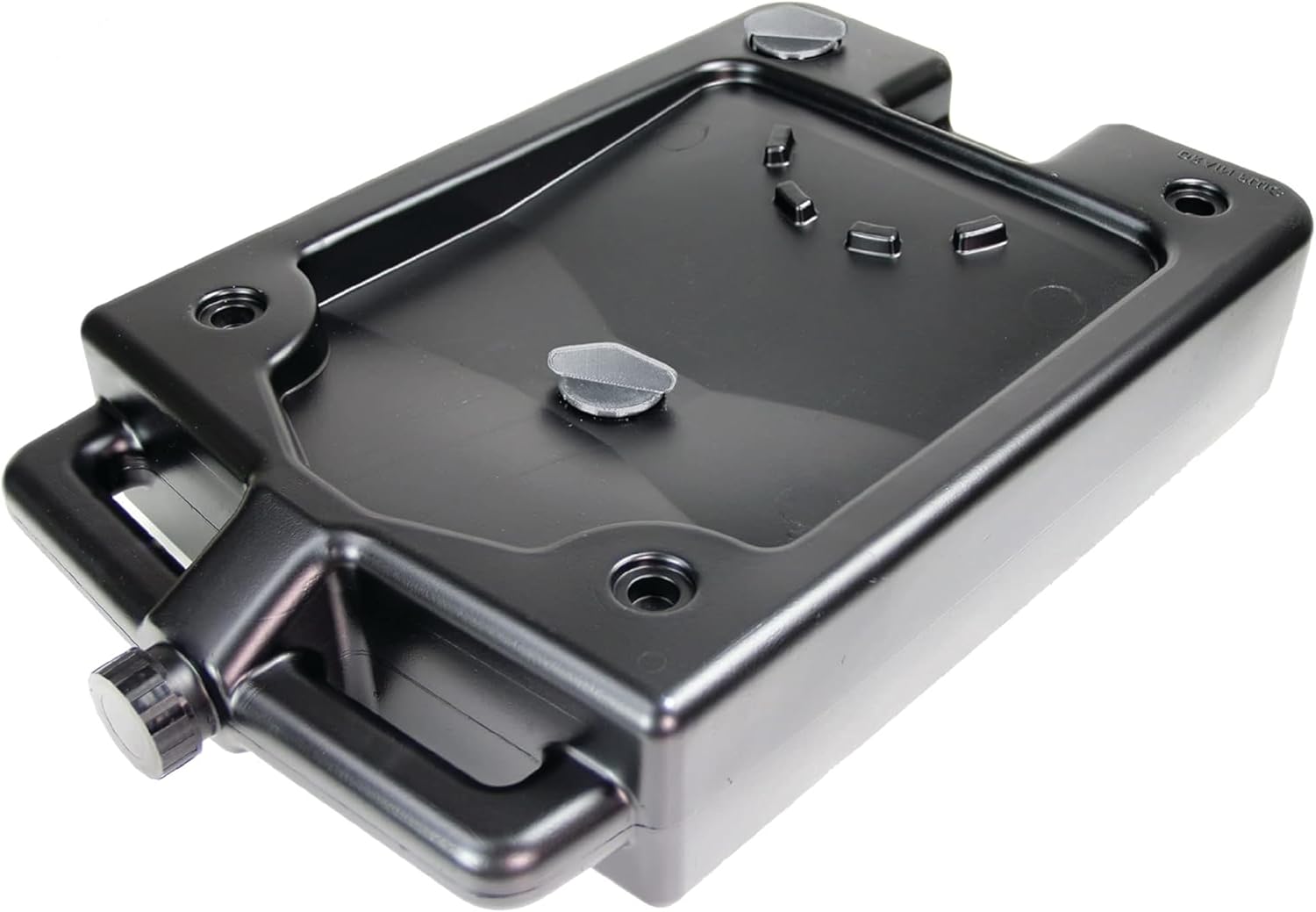
When to Clean a Fuel Line and when to Replace It
Cleaning may be acceptable for a short, removable line with light contamination and no structural damage. Replacement is the better repair when a line is rusted, pinched, brittle, cracked, or contaminated enough that blockage is likely to return.
- Clean a line only if it is structurally sound and you can fully remove and inspect it.
- Replace any rubber hose that feels soft, flattened, split, or oil-soaked.
- Replace steel line sections with heavy corrosion or pitting instead of trying to save them.
- If the tank contains rust flakes or sediment, address the tank or the new line may clog again.
Many DIYers waste time trying to rescue a badly corroded line when a properly routed replacement section is safer and more durable.
Step-by-step Repair Procedure
Remove the Negative Battery Cable
Once fuel pressure has been relieved, disconnect the negative battery cable to reduce the chance of accidental sparks while you work around fuel vapors.
Gain Access to the Affected Line
Raise and support the vehicle if necessary. Remove shields, brackets, or covers blocking the suspect line. Spray rusted fittings or clips with penetrating oil and let them soak before forcing anything.
Disconnect the Line Carefully
Use the correct fuel line disconnect tool where required. Keep a drain pan and rags underneath because some fuel will spill. Cap or plug open ends if possible to limit contamination.
Inspect the Inside and Outside of the Line
Check the full length of the removed section. A sharp bend, internal flaking rust, sludge, or hose delamination confirms the line is the problem. If the line looks good but debris is present, continue checking upstream toward the tank.
Clean Only if the Line Is Reusable
For a reusable low-pressure section, flush it with approved fuel-safe cleaner and blow it out gently with compressed air until clear. Wear eye protection and direct discharge into a safe container. If debris continues to emerge, replace the line instead of reinstalling it.
Install the Replacement Line or Hose
Match the new line diameter, pressure rating, and fitting style to the original. Route it exactly like the factory line, away from exhaust heat, moving suspension parts, and sharp edges. Use correct clips and retainers. Do not let the line hang loose or rub against the body.
Replace the Fuel Filter if Serviceable
Even if the filter is not the main problem, replacing it is smart whenever restricted fuel flow has been confirmed. A partially clogged filter can hide remaining contamination and reduce the life of the new repair.
Reconnect Fittings and Seals
Install any new O-rings or seals required by the design. Make sure quick-connect fittings click fully into place. Tug lightly on the connection after assembly to verify it is locked.
Recommended Tools for This Job


If the Restriction Comes From the Tank Side
If fuel flow is weak right from the tank outlet, the real problem may not be the external line. Sediment in the tank, a clogged pump strainer, or a deteriorating in-tank hose can mimic a blocked fuel line.
- Look for rust flakes or dark debris in drained fuel.
- Inspect the pump module strainer if the tank must be opened.
- Check for split or collapsing in-tank hoses on applicable vehicles.
- Clean or replace a contaminated tank when debris is significant.
Dropping a fuel tank is a bigger repair and may not be worth doing at home if the tank is full, heavily corroded, or difficult to access. If the source of contamination remains in the tank, external line repair alone usually will not last.
Priming, Leak Checks, and Final Testing
Prime the System
Reconnect the battery, reinstall the fuel pump fuse or relay, and cycle the key to the ON position for a few seconds without cranking. Do this several times to let the pump refill the line and pressurize the system.
Check for Leaks Before Starting
Inspect every connection you touched. Do not start the engine if you smell fresh fuel strongly or see dampness forming around fittings, clamps, or the filter. Fix leaks immediately and wipe all spilled fuel before proceeding.
Start the Engine and Verify Performance
Start the engine and let it idle while watching for leaks. If you have access to fuel pressure specs and a gauge, compare the pressure reading to specification. Then road test the vehicle in a safe area to confirm that hesitation, stalling, and power loss are gone.
Recheck After the Road Test
After the test drive, inspect the repaired area one more time. Some small leaks only show up after heat and vibration return to normal.
Mistakes to Avoid During Fuel Line Repair
- Do not use generic hose that is not rated for fuel injection pressure when the system requires it.
- Do not route a replacement line closer to the exhaust than the original.
- Do not ignore tank contamination after finding debris in the line.
- Do not overtighten clamps on fittings not designed for them.
- Do not reuse damaged quick-connect retainers or hardened O-rings.
Another common mistake is replacing the pump before confirming the line and filter are clear. Restricted flow can mimic a weak pump, so basic diagnosis should happen before buying expensive parts.
When This Repair Is Not a Good DIY Job
Some vehicles make fuel system service much riskier than others. Direct injection systems can operate at extremely high pressures, and some late-model cars have limited serviceable line sections. Extensive rust on underbody lines can also turn a simple repair into fabrication work.
Call a professional if the restricted area is hard to access above a tank or subframe, if fittings are severely seized, if the tank likely needs removal, or if you cannot verify leak-free operation afterward. Paying for the correct repair is cheaper than dealing with a fuel leak or engine damage from a persistent lean condition.
Key Takeaways
- Replace the fuel filter early in the diagnosis if it is serviceable and its age is unknown.
- Any crushed, rust-pitted, or internally collapsing fuel line should be replaced, not just blown out.
- If debris comes out of the line, inspect the tank and pickup so the restriction does not return.
- Prime the system and check every fitting for leaks before and after the road test.
- Stop and use a mechanic for tank removal, severe corrosion, or high-pressure direct injection fuel system work.
FAQ
Can a Restricted Fuel Line Cause a Check Engine Light?
Yes. Low fuel flow can cause lean-condition, misfire, or fuel pressure-related trouble codes depending on the vehicle. However, those codes can also be caused by a weak fuel pump, vacuum leaks, or sensor problems, so testing still matters.
Is It Okay to Blow Compressed Air Through a Fuel Line?
Only in a removed or safely isolated low-pressure line section, and only with caution. It can confirm a blockage or help clear minor debris, but it is not a cure for rusted, damaged, or repeatedly contaminated lines.
Should I Replace the Fuel Filter when Repairing a Restricted Fuel Line?
Yes, if your vehicle has a serviceable filter. A clogged or partially clogged filter is a common source of restriction, and replacing it helps protect the rest of the system after line service.
What Is the Difference Between a Clogged Fuel Filter and a Restricted Fuel Line?
A clogged filter blocks fuel at the filter element, while a restricted line is a blockage or collapse in the tubing or hose itself. The symptoms can feel similar, which is why checking flow before and after suspect components is useful.
Can I Patch a Metal Fuel Line with Rubber Hose?
Only as a temporary emergency measure in very limited low-pressure situations, and even then it is not ideal. For a proper repair, use the correct fuel-rated line, fittings, and routing for your vehicle’s pressure and safety requirements.
How Do I Know if the Fuel Tank Is Causing the Restriction?
If flow is weak right from the tank outlet, or if you find rust flakes, sediment, or repeated blockage after cleaning the line, the tank or in-tank strainer may be the true source. In that case, external line repair alone usually will not solve the problem.
Can a Restricted Fuel Line Damage the Engine?
It can. Chronic low fuel delivery may create a lean-running condition, poor combustion, overheating under load, misfires, and drivability issues. It is best to fix the restriction before continued driving causes additional problems.
Need Parts for This Repair?
The right parts and supplies vary by vehicle.
Select your make and model to find compatible parts and accessories for your car.
Exact Fit
Parts that fit your make and model
Quality You Can Trust
Top brands and OEM quality options
Fast Shipping
Get the parts you need, delivered fast