

Note: This article contains affiliate links. If you click on these links and make a purchase, I may earn a small commission at no extra cost to you. This helps support my research and content. Read my full affiliate disclosure here.
Repair Snapshot
Use a mechanic if the turbocharger is hard to access, the actuator requires calibration, or you are dealing with seized fasteners near a hot turbo housing. Professional help is also smart if you are not sure whether the fault is the solenoid, actuator, turbo, or a boost leak.
This article is part of our Engine Maintenance & Repair Guides.
Replacing a turbo wastegate actuator or boost control solenoid can cure underboost, overboost, limp mode, poor acceleration, and turbo-related check engine lights, but only if you replace the correct part.
On many turbocharged vehicles, the boost control solenoid is an electrically controlled valve that directs pressure or vacuum to the wastegate actuator. The wastegate actuator then opens or closes the wastegate to regulate turbo boost. A bad solenoid, cracked hose, sticking wastegate arm, or failed actuator can create very similar symptoms, so proper diagnosis matters before you start unbolting parts.
This guide covers the typical DIY replacement process for either component, along with the checks you should do before and after installation. Exact fastener sizes, routing, calibration values, and torque specs vary by engine, so use your factory service information whenever your vehicle differs from the general procedure below.
Before You Begin
Let the engine cool fully before working around the turbocharger. Turbo housings, heat shields, nearby coolant lines, and exhaust components can stay dangerously hot long after the engine is shut off.
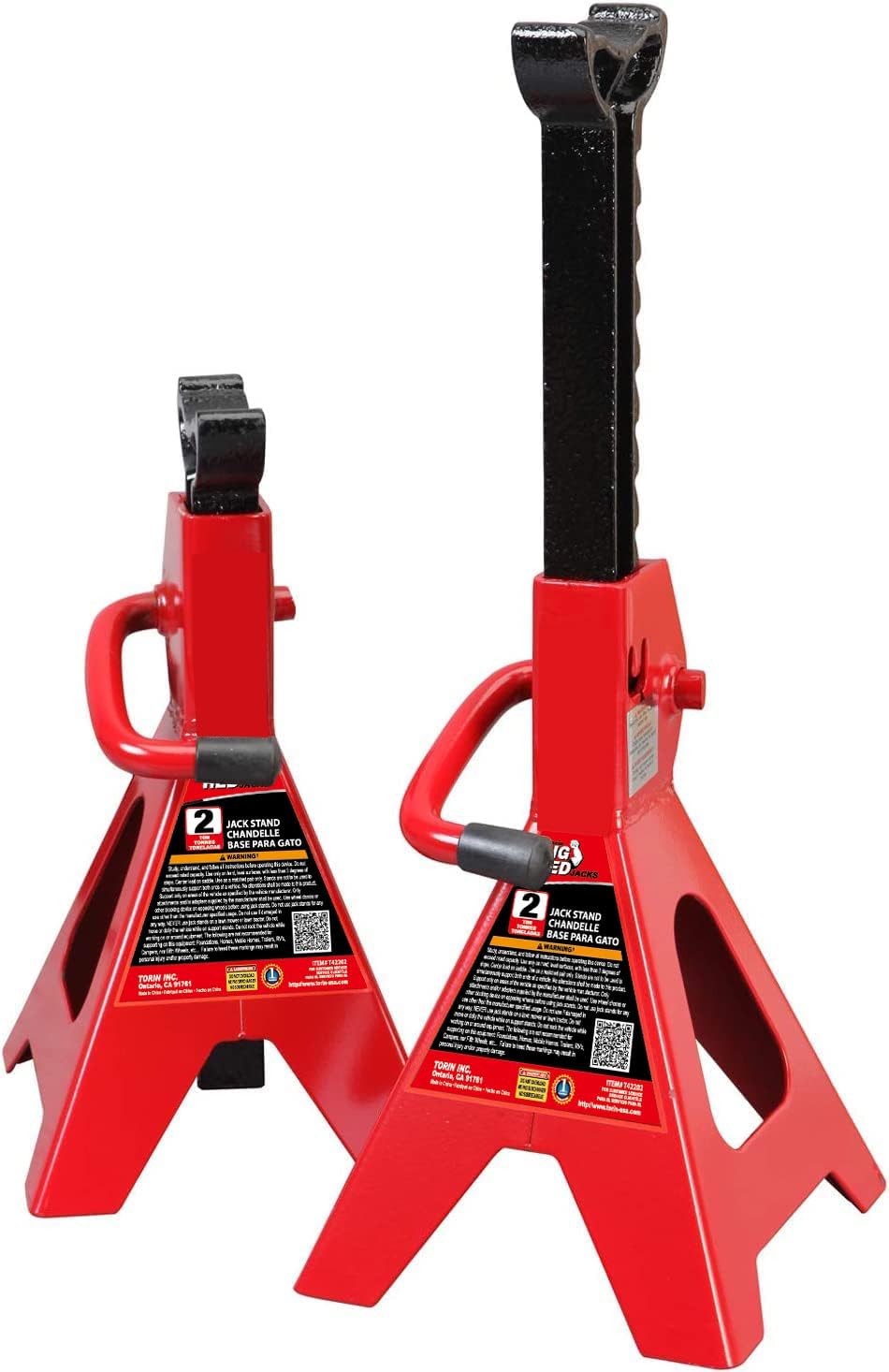
Disconnect the negative battery cable if you will be unplugging electrical connectors near the turbo, moving harnesses, or removing intake plumbing with sensors attached. If access requires lifting the vehicle, support it securely on jack stands placed at proper lift points.
- Scan for diagnostic trouble codes and save freeze-frame data before clearing anything.
- Take clear photos of all hose routing, connector positions, brackets, and heat shields.
- Confirm whether your engine uses pressure-operated or vacuum-operated boost control.
- Verify whether the wastegate actuator is sold separately or only with the turbocharger.
Confirm Which Part Has Failed
Common Signs of a Bad Boost Control Solenoid
- Intermittent underboost or overboost codes.
- Boost pressure that comes and goes unpredictably.
- A clicking or non-clicking solenoid that does not respond to scan tool commands.
- Vacuum or pressure present at the wrong port because the valve is stuck internally.
Common Signs of a Bad Wastegate Actuator or Sticking Wastegate
- The actuator rod does not move smoothly when commanded.
- The rod, lever, or flapper is seized, loose, or heavily corroded.
- The actuator diaphragm will not hold vacuum or pressure.
- Boost is consistently low or high even after solenoid and hose checks.
Before replacing either part, inspect every vacuum or boost hose between the turbo, solenoid, intake plumbing, and actuator. A split hose, loose clamp, cracked plastic tee, or oil-soaked line can mimic a failed solenoid or actuator. Also inspect the electrical connector for corrosion, bent pins, broken locks, or stretched wiring.
If you have a scan tool with bidirectional control, command the boost control solenoid on and off while watching actuator movement. On vacuum- or pressure-operated systems, a handheld vacuum or pressure pump can help confirm whether the actuator holds pressure and moves through its full range. If the rod movement is smooth and the actuator holds, the solenoid or hose routing may be the real problem.
Gain Access to the Turbo Components
Access is the hardest part of this job on many vehicles. The boost control solenoid may be mounted on the intake tube, fan shroud, firewall, turbo bracket, or compressor housing area. The wastegate actuator is usually mounted directly on or near the turbocharger and may be hidden by heat shields, intake pipes, splash shields, or the catalytic converter.
- Remove the engine cover if equipped.
- Remove the intake duct, resonator, or charge pipe that blocks access.
- Remove upper or lower heat shields as needed.
- If access is better from below, raise and support the vehicle and remove the splash shield.
- Spray penetrating oil on exposed turbo-side fasteners and let it work before loosening anything.
As you uncover each component, compare the replacement part with the installed part before removal. Match the port count, connector shape, bracket orientation, rod length, actuator preload style, and mounting points. Even small differences can cause a no-boost or overboost condition after installation.
Tools That Make This Job Easier


How to Replace the Boost Control Solenoid
Removal
- Label each hose before disconnecting it. Many solenoids have ports marked for pressure source, wastegate, and vent, but markings can be hard to read once installed.
- Release the electrical connector lock and unplug the solenoid.
- Remove any retaining screws, rubber mounts, or bracket bolts holding the solenoid in place.
- Twist hoses gently to break them free rather than pulling hard. If they are brittle, cut and replace them instead of reusing damaged hose.
- Inspect the old solenoid ports for oil, debris, or broken plastic nipples that may have caused the issue.
Installation
- Mount the new solenoid in the same orientation as the original.
- Reconnect the hoses exactly as labeled or shown in your photos. Reversed hoses can cause immediate underboost or dangerous overboost.
- Install new hose sections if the originals are soft, cracked, swollen, or oil-saturated.
- Reconnect the electrical connector until the lock clicks fully.
- Tighten mounting fasteners to the manufacturer’s specification. These are usually small fasteners, so avoid overtightening into plastic brackets or aluminum bosses.
On some vehicles, the vent side of the solenoid uses a small filter or vents back into the intake tract. Make sure that hose or filter is present and unobstructed. A blocked vent can cause erratic boost control even with a new solenoid.
How to Replace the Wastegate Actuator
Important Fit and Calibration Note
Some wastegate actuators are simple bolt-on vacuum or pressure canisters, while others are electronically controlled and require calibration with a scan tool after installation. Some turbochargers do not support separate actuator replacement at all. If your actuator is electronic or the service information calls for adaptation, stop and confirm the procedure before removing the old unit.
Removal
- Disconnect the actuator vacuum or pressure line, or unplug the actuator electrical connector if equipped.
- Mark the actuator rod position and hardware arrangement before disassembly.
- Remove the retaining clip or pin from the rod end at the wastegate lever. Shield the area with a rag so the small clip does not spring away and get lost.
- Remove the actuator mounting bolts or nuts from the bracket or turbo housing.
- Lift the actuator away and inspect the wastegate lever by hand. It should move through its range without binding, excessive looseness, or scraping.
Installation
- Position the new actuator on its bracket and start all fasteners by hand.
- Set rod length or preload only if the service procedure allows adjustment and provides a specific method.
- Attach the rod end to the wastegate lever with the original or new pin and retaining clip.
- Reconnect the hose or electrical connector and route it away from heat and moving parts.
- Torque the mounting fasteners to specification and reinstall any heat shields that protect the actuator.
Do not guess at actuator preload. Too little preload can cause slow boost response and underboost. Too much can cause overboost, limp mode, or turbo damage. If the replacement actuator is not pre-set from the manufacturer, use the exact rod adjustment method in the factory manual.
Recommended Tools for This Job


Torque, Hose Routing, and Reassembly Notes
Fastener torque values vary widely based on whether the component bolts into steel, aluminum, or a thin stamped bracket. Small solenoid screws and heat shield fasteners are especially easy to strip. Use a small torque wrench when you can, and if no spec is available in a general source, consult factory information rather than tightening by feel alone.
- Reinstall all heat shields exactly as removed; missing shields can overheat hoses, wiring, and the new solenoid.
- Keep vacuum and boost hoses away from the turbine housing, downpipe, and sharp bracket edges.
- Replace damaged spring clamps or worm clamps so lines cannot pop off under boost.
- Reinstall the intake tube and charge pipes carefully to avoid creating a new boost leak during the repair.
Before you button everything up, do a final visual check. Verify every connector is seated, every hose is on the correct port, every clip is installed, and no tools or rags remain near the turbo or belts.
Post-Repair Testing
After reassembly, clear diagnostic codes only after all connectors and hoses are back in place. Start the engine and let it idle while listening for hissing, rattling heat shields, ticking exhaust leaks, or intake leaks caused by disturbed piping.
- Watch live data for boost pressure, wastegate command, and any relevant actuator position data if your vehicle supports it.
- Check for vacuum or pressure leaks at the solenoid and actuator connections.
- Perform a short, light-throttle road test first to confirm normal operation.
- Then perform a moderate acceleration test and verify boost builds smoothly without spikes or limp mode.
- Re-scan for pending or stored codes after the road test.
If the same underboost or overboost problem remains, do not keep driving hard. The issue may be a sticking wastegate flapper, boost leak, cracked intercooler pipe, failing turbocharger, diverter valve problem, intake restriction, exhaust restriction, or incorrect replacement part.
Mistakes to Avoid
- Replacing the solenoid before checking hoses, connector condition, and actuator movement.
- Mixing up hose routing on a multi-port solenoid.
- Forcing seized turbo fasteners until they snap in the turbine housing or bracket.
- Adjusting wastegate rod length without a specified preload procedure.
- Leaving off heat shields or routing hoses too close to the turbo.
- Skipping a scan and road test after the repair.
A careful diagnosis usually saves more time than the actual replacement. On turbo systems, one small hose mistake can undo the whole job and make the vehicle run worse than before.
Key Takeaways
- Confirm whether the fault is the solenoid, actuator, hose routing, or a boost leak before replacing parts.
- Label every hose and connector during disassembly because incorrect routing can cause immediate boost control problems.
- Do not adjust wastegate actuator rod preload unless your service information gives an exact procedure.
- Reinstall all heat shields and inspect nearby hoses and charge pipes before the first road test.
- If your actuator is electronic or requires calibration, professional setup may be necessary for a successful repair.
FAQ
Can I Drive with a Bad Boost Control Solenoid or Wastegate Actuator?
Usually you can drive short distances if the vehicle is only in reduced-power mode, but it is not a good idea to keep driving it hard. A boost control problem can cause severe underboost, overboost, limp mode, poor fuel economy, and possible turbo or engine damage if ignored.
How Do I Know Whether I Need a Wastegate Actuator or a Boost Control Solenoid?
Start with a scan for codes, inspect all boost and vacuum hoses, and test actuator movement. If the actuator holds vacuum or pressure and the wastegate moves freely, the solenoid or hose routing is more likely. If the actuator leaks, binds, or cannot move the wastegate properly, the actuator is more likely at fault.
Do I Need to Replace Vacuum Hoses when I Replace the Solenoid?
If the hoses are brittle, soft, cracked, oil-soaked, or swollen, yes. Old hoses are a common source of repeat turbo control problems, so replacing questionable hose during the repair is cheap insurance.
Does a Wastegate Actuator Need Adjustment After Installation?
Sometimes. Some actuators are preset from the manufacturer, while others require a precise rod length or preload adjustment. Always follow the vehicle-specific procedure because guessing at rod adjustment can create underboost or overboost.
Will I Need a Scan Tool After Replacing the Part?
A scan tool is strongly recommended. It helps you clear codes, monitor boost data, command some solenoids or actuators during testing, and confirm the repair. It may be required if the new actuator needs calibration or adaptation.
What Codes Are Commonly Related to This Repair?
Common turbo-related faults include generic underboost and overboost codes, along with manufacturer-specific boost control, wastegate regulation, actuator circuit, or actuator performance codes. The exact code list depends on the engine and control system design.
Can I Replace Just the Wastegate Actuator Without Replacing the Turbo?
Sometimes, but not always. Some turbochargers allow separate actuator replacement, while others require actuator calibration or only sell the actuator with the turbocharger. Check parts availability and service information before taking the old one off.
Need Parts for This Repair?
The right parts and supplies vary by vehicle.
Select your make and model to find compatible parts and accessories for your car.
Exact Fit
Parts that fit your make and model
Quality You Can Trust
Top brands and OEM quality options
Fast Shipping
Get the parts you need, delivered fast