

Note: This article contains affiliate links. If you click on these links and make a purchase, I may earn a small commission at no extra cost to you. This helps support my research and content. Read my full affiliate disclosure here.
Repair Snapshot
Use a mechanic if the pulley is integrated into a major component like the alternator, A/C compressor, or power steering pump, or if belt routing is unclear. A pro is also the safer choice if you hear severe grinding, see wobble at the crank pulley, or suspect a timing-related issue.
This article is part of our Engine Maintenance & Repair Guides.
Replacing a noisy accessory pulley is usually a manageable DIY repair if you confirm which pulley is bad before you start taking parts off.
Most accessory-belt systems use one or more idler pulleys, a spring-loaded tensioner pulley, and driven pulleys on components like the alternator, A/C compressor, water pump, and power steering pump. A worn pulley bearing can squeal, chirp, grind, or rumble, especially on cold starts or with the A/C turned on.
The key is to diagnose the exact source of the noise, relieve belt tension safely, and torque the new pulley correctly. On some vehicles, you can replace only the pulley. On others, the correct repair is the complete tensioner assembly or even the accessory itself.
Before You Start
Work on a cool engine, park on level ground, set the parking brake, and disconnect the negative battery cable if your hands will be near the starter cable or alternator terminals. If access requires removing a wheel or splash shield, support the vehicle securely on jack stands.
Do not spray belt dressing on a noisy belt system to “fix” the sound. Dressing can mask the noise temporarily and make diagnosis harder. If the pulley bearing is failing, the noise will return and the pulley can eventually seize or throw the belt.
Know Which Part You Are Replacing
The term accessory pulley can mean different things. A smooth idler pulley only guides the belt. A tensioner pulley sits on a spring-loaded arm that maintains belt tension. Other pulleys are built into accessories like the alternator or A/C compressor. Make sure you buy the correct part before disassembly.
- If the bearing noise comes from a simple idler pulley, you can usually replace only that pulley.
- If the tensioner arm is weak, bouncing, or misaligned, replace the entire tensioner assembly, not just the pulley.
- If the noisy pulley is part of the alternator, A/C compressor, or power steering pump, the repair may require replacing that component or its clutch/pulley assembly.
How to Confirm the Pulley Is the Problem
Listen to the Type of Noise
A worn pulley bearing usually makes a dry whirring, grinding, growling, or metallic chirping sound. A slipping belt often squeals sharply, especially right after startup or when electrical load increases. Misdiagnosing a belt noise as a pulley noise is one of the most common mistakes.
Inspect the Belt and Pulleys Visually
With the engine off, inspect the serpentine belt for glazing, cracking, frayed edges, missing ribs, oil contamination, or chunks torn from the belt. Then look at each pulley from the side. A pulley that wobbles, sits out of line, or shows rust dust around the bearing is suspect.
Use a Stethoscope Carefully
A mechanic’s stethoscope can help narrow down a noisy bearing, but use extreme caution around a running engine. Keep clothing, hair, and the tool away from the belt path. Lightly touch the housing near the pulley, not the spinning pulley itself. The bad component will usually sound noticeably rougher than the others.
Remove Belt Tension and Spin Pulleys by Hand
The most reliable driveway test is to remove the serpentine belt and spin each pulley by hand. A good pulley turns smoothly and quietly, with no roughness or side play. A bad pulley may feel gritty, drag, rock side to side, or make a dry bearing noise.
- Do not run the engine for long with the serpentine belt removed.
- If the water pump is driven by that belt, running without it can quickly overheat the engine.
- Use the belt-off inspection mainly as a brief diagnostic step.
Removal Preparation
Document Belt Routing First
Before loosening anything, find the belt routing decal under the hood. If the decal is missing or unreadable, take clear photos and draw a quick diagram. This can save a lot of frustration during reassembly.
Gain Access to the Pulley
Depending on the vehicle, you may need to remove the upper engine cover, intake duct, splash shield, or passenger-side front wheel. On transverse engines, side access through the wheel well is common.
Check the Replacement Part
Compare the new pulley or tensioner assembly with the old one before disassembly goes too far. Match the diameter, offset, width, rib pattern or smooth face, bolt size, and mounting style. A pulley that looks close but has a different offset can throw the belt out of alignment.
Tools That Make This Job Easier


How to Remove the Belt and Old Pulley
Relieve Belt Tension
Place the correct socket or serpentine belt tool on the tensioner. Rotate the tensioner in the direction that unloads the belt, then slide the belt off the easiest accessible pulley. Release the tensioner slowly and under control. Do not let it snap back, since that can damage the tensioner stop or spring.
Remove the Belt if Needed
If the pulley is buried behind the belt path, remove the belt completely. This is a good time to replace the belt if it shows wear, glazing, contamination, or age-related cracking. If you plan to reuse it, keep the same rotation direction.
Remove the Bad Pulley
Most idler pulleys are held by a single center bolt. Remove the bolt while supporting the pulley so any spacer or dust shield does not fall and get lost. If you are replacing a tensioner pulley only, remove the pulley retaining bolt while keeping track of washers and sleeves. If the service information calls for replacing the full tensioner, remove the mounting bolts for the entire assembly instead.
Inspect the mounting surface after removal. Dirt, corrosion, a bent bracket, or a missing spacer can all cause belt noise and new pulley failure. Clean the mounting face with a rag and make sure the bolt threads are in good condition.
Watch for Hidden Clues
- Blue discoloration on the old pulley suggests overheating from a failing bearing.
- Shiny wear on one belt edge points to misalignment.
- A tensioner arm that sits near the end of its travel can indicate a stretched belt or weak tensioner.
- Grease leakage or red-brown dust around the bearing is a strong sign the pulley was the source of the noise.
Install the New Pulley Correctly
Transfer Hardware Only if Required
Some replacement pulleys include a new bolt, spacer, or dust cap; others require you to reuse the original hardware. Use only the hardware specified for that pulley. Reusing the wrong spacer or reversing a washer can move the pulley out of plane and cause belt walk.
Install by Hand First
Start the retaining bolt by hand to avoid cross-threading. Make sure the pulley sits flat against the mounting point and rotates freely before final tightening.
Use the Correct Torque
Torque specs vary widely by pulley and engine family, so use the factory specification whenever possible. Over-tightening can damage the bearing or strip the mounting threads; under-tightening can let the pulley loosen and wobble. If thread locker is specified by the manufacturer, apply only the recommended amount to clean threads.
If you are replacing the full tensioner assembly, torque each mounting bolt to spec and verify the tensioner arm moves smoothly through its range. A stiff, jerky, or tilted tensioner after installation means something is wrong with alignment, hardware stack-up, or the replacement part.
Reinstall the Belt and Check Alignment
Route the Belt Carefully
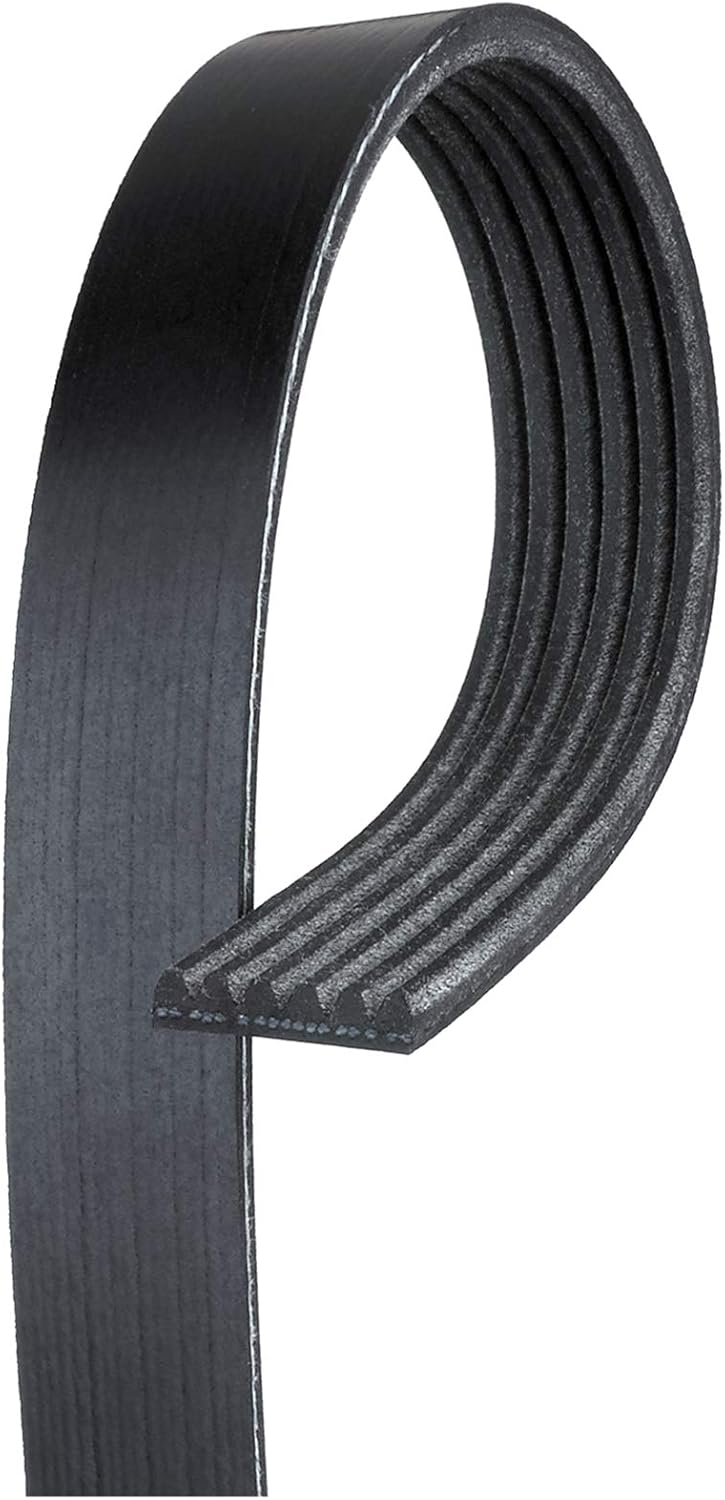
Follow your routing diagram exactly. Make sure the ribbed side of the belt seats into grooved pulleys and the back side of the belt runs over smooth pulleys. Leave the easiest pulley for last, usually an upper smooth pulley or idler.
Load the Tensioner and Slip the Belt On
Rotate the tensioner again, slide the belt onto the final pulley, and then release the tensioner slowly. Check every pulley before starting the engine. A belt that sits one rib off on any pulley can be damaged immediately.
Perform a Full Alignment Check
Use a flashlight and sight across the pulley faces. The belt should run centered with no twist and no overhang. If the new pulley appears to sit forward or backward compared with adjacent pulleys, stop and verify part number, spacers, and washer order.
- Make sure no tools are left in the engine bay.
- Confirm all splash shields, ducts, and covers are reinstalled if removed.
- Reconnect the battery if it was disconnected.
- Verify the belt is fully seated in every groove before startup.
Recommended Tools for This Job


Startup and Final Verification
Start the Engine and Observe
Start the engine and watch the belt path from a safe distance. The belt should track smoothly with no wandering, flutter, or sudden tensioner bounce. Listen for chirping, grinding, or slapping noises.
Load the Accessory System
Turn on the headlights, blower motor, and A/C if equipped. This places extra load on the belt system and can reveal a weak tensioner, misaligned pulley, or worn belt that was not obvious at idle.
Recheck After a Short Drive
After a brief test drive, shut the engine off and inspect the belt position again. Look for fresh rubber dust, uneven belt tracking, or a warm smell from the pulley area. If everything stays centered and quiet, the repair is likely complete.
Common Problems After Replacement
The Noise Is Still There
If the sound remains after replacing the pulley, the original diagnosis may have been incomplete. Another pulley, the belt tensioner spring, the alternator bearings, the A/C clutch bearing, or even the water pump may still be noisy.
The Belt Chirps After Installation
Chirping right after reassembly usually points to misalignment, a belt not fully seated in the grooves, or a worn belt being reused on a corrected pulley angle. Remove tension and inspect every pulley path closely.
The Tensioner Bounces Excessively
A small amount of tensioner movement is normal, but heavy bouncing suggests a weak tensioner spring, a dragging accessory, or a belt length issue. In that case, replacing only the pulley may not solve the root problem.
The New Pulley Feels Rough Quickly
A new pulley should not become noisy or rough immediately. If it does, suspect over-torque, incorrect spacers, bracket damage, or belt contamination from oil or coolant. Check for a misaligned bracket or accessory mounting point.
When to Replace More Than the Pulley
Replacing only the pulley is not always the best repair. If the tensioner arm is weak or crooked, if the accessory shaft has play, or if the pulley surface is damaged by misalignment, the complete assembly is often the smarter fix.
- Replace the entire tensioner if the spring is weak, the arm sticks, or the tensioner sits at an odd angle.
- Replace the serpentine belt if it is glazed, cracked, stretched, contaminated, or older with visible wear.
- Inspect the alternator overrunning pulley on vehicles equipped with one, since a seized decoupler can mimic pulley and tensioner noise.
- Check the crank pulley harmonic balancer for separation if you see wobble at the main lower pulley.
Key Takeaways
- Confirm the exact noisy pulley with a belt-off hand-spin inspection before buying parts.
- Photograph the belt routing and compare the new pulley’s diameter, offset, and hardware stack-up before installation.
- Torque the pulley or tensioner bolts to spec and never let the tensioner snap back during belt removal or installation.
- Replace the belt or full tensioner assembly if wear, weak spring tension, or misalignment is present.
- If noise remains after replacement, inspect the alternator, A/C clutch, water pump, crank pulley, and other belt-driven components.
FAQ
Can I Drive with a Noisy Accessory Pulley?
You might be able to drive a short distance, but it is risky. A failing pulley bearing can seize, overheat, shred the belt, or cause the belt to come off, which may disable the alternator, water pump, power steering, or A/C depending on the vehicle.
How Do I Know if the Bad Part Is the Pulley or the Belt?
A bad belt usually squeals or slips under load, while a bad pulley bearing often grinds, chirps, or growls. The best check is to remove the belt and spin each pulley by hand while inspecting the belt for glazing, cracks, or contamination.
Should I Replace the Serpentine Belt at the Same Time?
Yes, if the belt is worn, glazed, cracked, oil-soaked, or old enough that replacement is due soon. Since the belt is already off, replacing it now can prevent repeat labor and reduce the chance of future noise.
Can I Replace Just the Tensioner Pulley Instead of the Whole Tensioner?
Only if the manufacturer allows it and the tensioner spring and arm are still in good condition. If the arm wobbles, the spring is weak, or the tensioner sits crooked, replace the full assembly.
Do Accessory Pulley Bolts Need Thread Locker?
Some do and some do not. Follow the factory service information for your engine. Using thread locker where it is not required or skipping it where it is specified can lead to loosened hardware or inaccurate torque.
What if the New Pulley Is Quiet but the Belt Still Chirps?
That usually means the belt is misaligned, not fully seated, worn out, or contaminated. Recheck pulley alignment, washer order, and belt routing, then inspect the belt closely for edge wear or glazing.
Is This Repair the Same for Every Vehicle?
No. Basic steps are similar, but access, tensioner direction, bolt sizes, torque specs, and whether the pulley is sold separately vary a lot by make and engine. Always verify service information for your exact vehicle.
Need Parts for This Repair?
The right parts and supplies vary by vehicle.
Select your make and model to find compatible parts and accessories for your car.
Exact Fit
Parts that fit your make and model
Quality You Can Trust
Top brands and OEM quality options
Fast Shipping
Get the parts you need, delivered fast