

Note: This article contains affiliate links. If you click on these links and make a purchase, I may earn a small commission at no extra cost to you. This helps support my research and content. Read my full affiliate disclosure here.
Repair Snapshot
Use a mechanic if the knock is severe under light throttle, the check engine light is flashing, or you suspect internal engine damage. Professional help is also smart if your engine requires special decarbonizing procedures or direct-injection service.
This article is part of our Engine Maintenance & Repair Guides.
Engine knock from low-octane fuel or carbon buildup usually sounds like a metallic pinging or rattling noise during acceleration, climbing hills, or driving in hot weather. In many cases, it happens because the air-fuel mixture is igniting too early or too violently inside the cylinders, which creates abnormal combustion instead of a smooth burn.
The good news is that this type of knock is often fixable without major engine repair. The most common solutions are switching to the correct fuel octane, cleaning carbon deposits from the combustion chambers or intake path, and checking related maintenance items like spark plugs and trouble codes.
The key is to act early. Mild knock that only happens under load may improve with fuel and cleaning steps, but persistent knock can damage pistons, spark plugs, and valves over time. This guide walks you through how to confirm the cause, what you can safely try at home, and when to stop driving and call a professional.
What Engine Knock Means and Why It Happens
Engine knock, also called pinging or detonation, happens when the air-fuel mixture inside the cylinder ignites in an uncontrolled way. Instead of a single flame front started by the spark plug, pressure spikes form and collide inside the chamber. That pressure shock is what creates the sharp metallic sound.
Low-octane fuel is a common trigger because it resists uncontrolled combustion less than the fuel grade your engine may require. Carbon buildup can cause the same problem by raising compression, creating hot spots, or reducing chamber volume. Both conditions make the engine more likely to knock under load.
- Knock is often most noticeable during moderate to heavy acceleration.
- Hot weather, towing, steep hills, or a heavy passenger load can make it worse.
- Older spark plugs, poor fuel quality, and neglected maintenance can contribute.
- Modern engines may reduce timing to protect themselves, which can cause sluggish performance along with the noise.
Signs the Knock Is Probably From Fuel Quality or Carbon Buildup
Before you start cleaning parts or replacing components, look at the pattern. Fuel-related knock and carbon-related knock usually follow predictable habits.
Clues That Point to Low-octane Fuel
- The noise started soon after filling up at a different gas station or using a lower fuel grade.
- The knock is worse right after a fresh tank and improves as you dilute it with higher-octane fuel.
- There are no major drivability problems besides pinging under acceleration.
Clues That Point to Carbon Buildup
- The engine has higher mileage and has mostly seen short trips or stop-and-go driving.
- The knock gradually developed over time rather than starting with one tank of fuel.
- You also notice rough idle, reduced fuel economy, or hesitation.
- Spark plugs show dark deposits or signs of overheating.
If the engine is knocking badly at idle, misfiring, overheating, or making deep mechanical banging noises, do not assume it is just bad gas or carbon. Those symptoms can point to more serious mechanical problems.
Safety and Preparation Before You Begin
Work on a cool engine in a well-ventilated area and keep sparks, cigarettes, and open flames away from fuel vapors and aerosol cleaners. Wear gloves and safety glasses, especially if you will be handling fuel or using intake cleaning chemicals.
Check your owner’s manual before changing fuel grade or installing spark plugs. Some vehicles require premium fuel all the time, while others only recommend it under certain conditions. Also confirm the correct spark plug type and gap for your engine.
- Do not spray intake cleaner into an engine unless the product directions match your engine type.
- Avoid over-revving the engine during cleaning procedures.
- If the check engine light is flashing, stop and diagnose the misfire first.
Step-by-step Diagnosis
Check What Fuel Is in the Tank
Start with the simplest question: did the problem begin after refueling? If your vehicle requires 91 octane or higher and you accidentally filled it with regular, low-octane fuel is the likely cause. Even engines that only recommend premium can sometimes knock if driven hard on lower-octane fuel.
Scan for Trouble Codes
Use an OBD2 scan tool to check for stored or pending codes. Pay close attention to misfire codes, lean condition codes, knock sensor codes, and cooling system codes. A knock sensor fault, vacuum leak, overheating issue, or ignition problem can make detonation worse even if fuel or carbon is involved.
Inspect Spark Plugs
Remove and inspect the spark plugs if they are reasonably accessible. Plugs that are heavily worn, improperly gapped, oil-fouled, or covered in deposits can promote poor combustion and make the engine more knock-prone. White blistering can indicate excessive heat, while heavy crusty deposits may support the carbon buildup theory.
Look for Contributing Conditions
- Low coolant or overheating history
- Dirty air filter restricting airflow
- Vacuum leaks causing a lean mixture
- Poor-quality or contaminated fuel
- Long-overdue tune-up items
If you find major supporting problems, fix those first. Carbon and low octane may not be the only issue.
Tools That Make This Job Easier

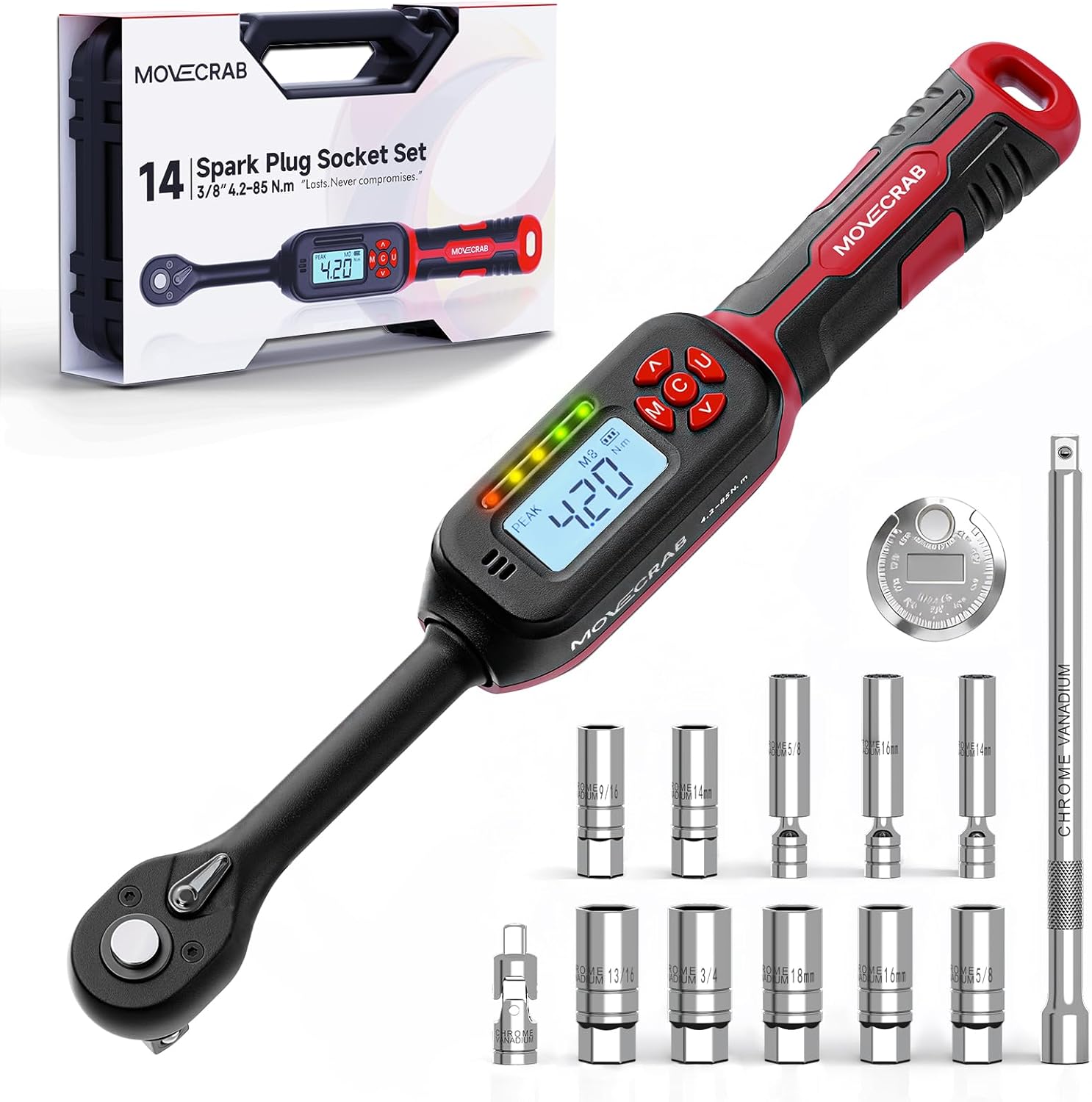

How to Fix Knock Caused by Low-octane Fuel
If the noise clearly started after refueling and there are no signs of serious mechanical trouble, begin with the fuel itself. This is often the fastest and cheapest fix.
Use the Correct Octane Immediately
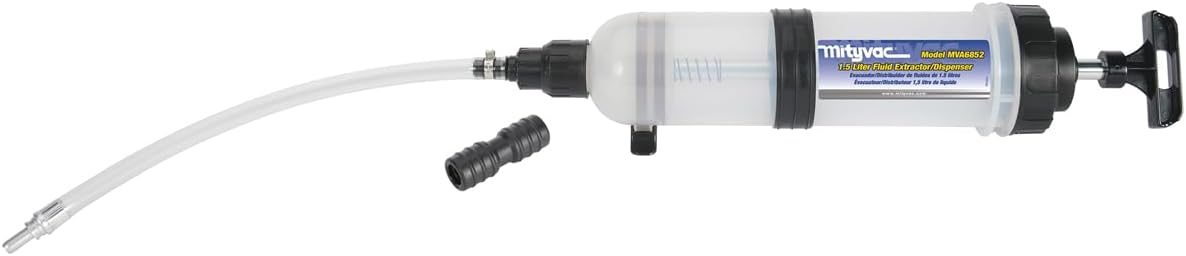
If the tank is only partly full, top it off with the correct premium grade from a busy, reputable station. This can raise the overall octane enough to reduce or eliminate the knock. If the tank is nearly full of the wrong fuel and the knock is severe, siphoning some fuel out before refilling may help, but use only approved fuel-handling equipment and local disposal rules.
Drive Gently Until the Tank Is Diluted
Avoid wide-open throttle, heavy loads, steep hills, and towing until the incorrect fuel has been used up or diluted. Hard acceleration increases cylinder pressure and makes detonation more likely.
Add a Quality Fuel System Cleaner if Appropriate
A fuel system cleaner will not instantly raise octane, but it can help clean injectors and combustion deposits over time. Use a reputable cleaner exactly as directed on the bottle. This is most helpful when low-quality fuel and light deposits are both contributing to the problem.
Reevaluate After One to Two Tanks
If the knock disappears after using the proper fuel, you likely found the root cause. If it improves but does not go away, carbon buildup or another engine-management issue may still be present.
How to Reduce Knock Caused by Carbon Buildup
Carbon buildup can form on piston crowns, combustion chambers, intake valves, and throttle components. The right cleaning approach depends on your engine design and the severity of the deposits.
Start with the Least Aggressive Cleaning Method
For mild carbon buildup, begin by running top-tier fuel and a quality fuel system cleaner through one or two tanks. This can gradually clean fuel injectors and some combustion deposits, especially on port-injected engines.
Use an Intake or Combustion Chamber Cleaner Correctly
Many DIYers use aerosol intake cleaners or combustion chamber cleaners to break up deposits. Follow the product instructions exactly. Some products are sprayed through the intake tract with the engine running, while others are added through a dedicated vacuum port or fuel tank. Too much cleaner too quickly can stall the engine or create drivability issues.
- Bring the engine to operating temperature first unless the product says otherwise.
- Keep RPM in the recommended range during application.
- Expect temporary smoke from the exhaust as deposits and cleaner burn off.
- Take the vehicle for a moderate road test after treatment to clear residue.
Know the Limits of Fuel Additives
On direct-injection engines, fuel additives usually do not clean intake valve deposits because fuel does not wash over the back of the valves. If your engine is known for intake valve carbon buildup, a professional intake valve cleaning service may be necessary.
Consider a Professional Decarbonizing Service for Stubborn Cases
If knocking continues after using correct fuel, replacing worn plugs, and trying safe cleaner methods, the deposits may be too heavy for DIY treatment. Shops may perform upper-engine cleaning, intake valve cleaning, or walnut blasting on certain direct-injection engines.
Recommended Tools for This Job


Check and Replace Spark Plugs if Needed
Worn or incorrect spark plugs can make a knock problem worse, and heavy deposits on the plugs can confirm that combustion has not been healthy. If your plugs are due by mileage or show obvious wear, replace them with the exact heat range and design specified by the manufacturer.
Basic Spark Plug Replacement Tips
- Allow the engine to cool fully.
- Remove ignition coils or plug wires one cylinder at a time so nothing gets mixed up.
- Blow debris away from the plug wells before removing the plugs.
- Check the new plugs for correct gap if your application requires it.
- Install and torque them to specification, then reconnect coils or wires securely.
Do not guess on plug type. The wrong heat range or electrode style can contribute to pre-ignition and detonation. Also avoid over-tightening plugs, which can damage aluminum cylinder heads.
Road Test and Confirm the Repair
After making changes, test the vehicle under the same conditions that originally caused the knock. Choose a safe route where you can apply light to moderate throttle without aggressive driving.
- Start with normal operating temperature.
- Listen during moderate acceleration from low to mid RPM.
- Note whether the knock is gone, reduced, or unchanged.
- Check for new or returning trouble codes after the drive.
A successful repair usually shows up as quieter acceleration, smoother performance, and less hesitation. Some engines may need part of a tank or a full drive cycle to adapt after a change in fuel quality.
When Engine Knock Is Not a DIY Fuel or Carbon Issue
If the noise does not respond to correct fuel, carbon cleaning, and spark plug service, broaden the diagnosis. Persistent knock may be caused by a failing knock sensor, lean running conditions, cooling problems, incorrect ignition timing on older engines, EGR issues, or internal engine damage.
- Flashing check engine light or active misfires
- Overheating or coolant loss
- Loud knocking at idle or no-load conditions
- Deep rod-knock style thudding rather than light pinging
- No improvement after two tanks of correct fuel and cleaning attempts
At that point, continuing to drive can become expensive. Severe detonation or pre-ignition can damage pistons, rings, spark plugs, and valves surprisingly quickly.
How to Prevent the Problem From Coming Back
Prevention is mostly about fuel quality, maintenance, and driving habits. Engines that are kept in tune and fed the proper fuel are much less likely to develop repeat knock problems.
- Use the fuel octane listed on the fuel door or in the owner’s manual.
- Buy fuel from busy stations that are less likely to have stale fuel.
- Use top-tier gasoline when possible to reduce deposit formation.
- Replace spark plugs on schedule and use the exact specified parts.
- Fix check engine lights, cooling issues, and vacuum leaks early.
- Take the car on occasional fully warmed-up highway drives if it mostly sees short trips.
Key Takeaways
- If the knock started right after refueling, switch to the correct octane and avoid heavy throttle until the tank is diluted.
- Carbon-related knock often improves with top-tier fuel, a proper cleaner, and overdue spark plug replacement, but heavy deposits may need professional service.
- Scan for codes before assuming the issue is only bad gas, because lean conditions, overheating, and misfires can also trigger detonation.
- Do not keep driving a severely knocking engine, especially if the noise is getting worse or the check engine light is flashing.
- Use only manufacturer-specified spark plugs and fuel grade to prevent repeat pinging and potential engine damage.
FAQ
Can I Just Add Octane Booster to Stop Engine Knock?
Sometimes, but it should not be your first or only fix. If you accidentally used the wrong fuel grade, refilling with the correct fuel is usually better. Octane boosters vary in effectiveness, and they will not solve heavy carbon buildup, worn spark plugs, or other underlying problems.
How Do I Know if the Sound Is Engine Knock or Rod Knock?
Engine knock from detonation is usually a lighter metallic ping or rattle that happens under load or acceleration. Rod knock is typically a deeper, heavier knocking noise that may be present at idle or with engine speed changes. If you are unsure, stop driving and get the engine checked.
Will Premium Gas Fix Carbon Buildup?
Premium gas can help reduce knock in engines that need it, but it does not instantly remove heavy carbon deposits. Top-tier fuel and fuel cleaners may help with mild buildup over time, while severe carbon often requires a dedicated cleaning procedure.
Is It Safe to Drive with Mild Engine Pinging for a Few Days?
It is better not to. Mild pinging for a short period may not cause immediate damage, but repeated detonation can harm pistons, plugs, and valves. If you must drive, use the correct fuel and avoid hard acceleration until the problem is resolved.
Can Bad Spark Plugs Cause Engine Knock?
Yes. Worn, overheated, incorrectly gapped, or incorrect spark plugs can contribute to poor combustion and increase the chance of knock. Replacing overdue plugs with the exact specified type is a smart step when diagnosing pinging.
Why Does the Knock Only Happen when the Engine Is Hot or Under Load?
Heat and load both raise cylinder pressure and combustion temperature, which makes detonation more likely. That is why knock from low-octane fuel or carbon buildup often shows up during highway merging, hill climbs, towing, or hot-weather driving.
Do Fuel Additives Clean Carbon on Direct-injection Engines?
They can help in the fuel system and combustion chamber, but they usually do not clean intake valve deposits on direct-injection engines because fuel does not wash over the valve backs. Those engines may need a professional intake valve cleaning service.
Need Parts for This Repair?
The right parts and supplies vary by vehicle.
Select your make and model to find compatible parts and accessories for your car.
Exact Fit
Parts that fit your make and model
Quality You Can Trust
Top brands and OEM quality options
Fast Shipping
Get the parts you need, delivered fast