

Note: This article contains affiliate links. If you click on these links and make a purchase, I may earn a small commission at no extra cost to you. This helps support my research and content. Read my full affiliate disclosure here.
What You’ll Need
A quick look at the tools and supplies commonly used for this job.
Tools
- OBD-II scan tool
- Digital multimeter
- Flashlight
- Work gloves
- Basic socket and screwdriver set
- Jack and jack stands
- Battery terminal brush or cleaner
Parts & Supplies
- Correct engine oil
- Correct transmission fluid
- Dielectric grease
- Electrical contact cleaner
- Replacement fuses
This article is part of our Engine Maintenance & Repair Guides.
If your car suddenly feels weak, will not rev normally, or seems stuck in one gear, it may have entered limp mode. This is a protective strategy built into the engine, transmission, and throttle control systems to reduce damage when the computer sees a serious fault.
Limp mode is not a single failed part. It is a symptom triggered by something else, such as low voltage, a bad sensor signal, boost control problems, overheating, transmission trouble, or an electronic throttle issue. The fastest way to diagnose it is to combine the warning signs you can feel with trouble codes and a focused visual inspection.
This guide walks you through a practical DIY process for narrowing down the cause. You will learn what to check first, what the common code patterns mean, and when the problem is safe to inspect at home versus when the vehicle should be towed.
What Limp Mode Feels Like
Limp mode usually shows up as a sudden loss of power, limited throttle response, low RPM ceiling, or a transmission that stays in one gear. Some vehicles shut off turbo boost, some reduce engine speed, and others lock the transmission into a fail-safe gear so you can move the vehicle without causing major damage.
- Very slow acceleration even with the pedal pressed farther than normal.
- Engine speed that will not climb past a certain RPM range.
- Transmission stuck in second or third gear, or harsh shifting.
- Check engine light, transmission warning, EPC light, reduced power message, or traction warning.
- Turbo vehicles that suddenly feel naturally aspirated or unusually weak.
Do not assume the problem is the transmission just because the vehicle feels like it is stuck in one gear. Limp mode can be triggered by engine faults, throttle body issues, charging system problems, failed wheel speed signals, and wiring faults that have nothing to do with internal transmission damage.
Safety First Before You Start
Before diagnosing, decide whether the vehicle is safe to run. If the engine is overheating, oil pressure is low, the transmission is slipping badly, or the vehicle barely moves in traffic, stop and tow it. Limp mode is meant to protect the car, and continuing to drive can turn a manageable repair into a major one.
- Stop immediately if the temperature gauge is high or a coolant warning is on.
- Do not keep driving if the oil pressure light is on.
- Avoid road testing if the vehicle surges, stalls, or cannot maintain safe speed.
- If you smell burning fluid or see smoke, shut it down and inspect first.
Start With the Simple Checks
Check Battery Voltage and Charging System
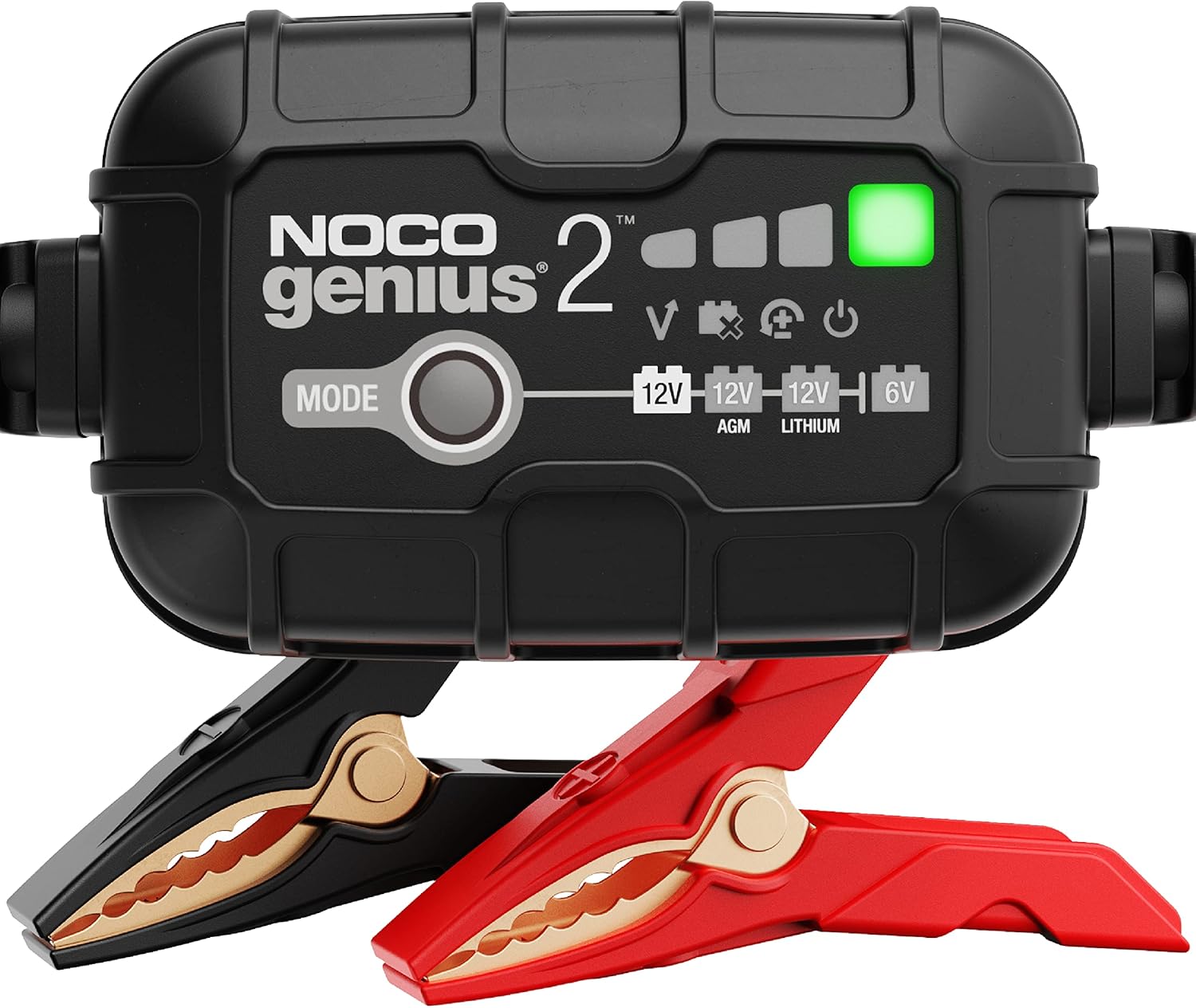
Modern vehicles are sensitive to voltage problems. Low battery voltage or an alternator that is overcharging or undercharging can trigger reduced power, transmission fail-safe operation, and communication faults between modules. With the engine off, a healthy battery should usually be around 12.4 to 12.7 volts. With the engine running, many vehicles will charge around 13.5 to 14.8 volts.
If voltage is much lower or higher than normal, correct that first. Loose battery terminals, corroded grounds, and a failing alternator can create multiple misleading codes.
Check Fluid Levels and Obvious Overheating
Low engine oil, low coolant, or low transmission fluid can all contribute to limp mode depending on the vehicle. Check levels only under the correct conditions listed in your owner’s manual or service information. A low fluid condition does not guarantee it caused limp mode, but it is a strong clue that should not be ignored.
Inspect for Loose Hoses, Damaged Connectors, and Blown Fuses
Open the hood and look for boost hoses that popped off, broken intake tubing after the mass air flow sensor, unplugged ignition coils, damaged wiring near the battery, and loose connectors at the throttle body, MAP sensor, MAF sensor, and transmission. Also check relevant fuses for the engine control module, transmission control module, throttle actuator, and ignition system.
Tools That Make This Job Easier


Scan for Trouble Codes Before Clearing Anything
Your scan tool is the most important diagnostic tool here. Read all stored, pending, and permanent codes before clearing them. If your scanner can access transmission, ABS, or body modules, check those too. Limp mode is often triggered by a fault in another system, and a basic engine-only code pull may miss the real cause.
What to Write Down
- Every code number and code description.
- Whether the check engine light is steady or flashing.
- Freeze-frame data such as RPM, speed, load, and coolant temperature.
- Whether the same code returns immediately after restarting.
- Any data that looks implausible, such as impossible temperatures or zero throttle reading.
Do not clear codes just to see if the car drives better unless you have already recorded them. Some vehicles will exit limp mode briefly after a restart, but the stored data from the original event is what helps you find the actual failure.
Common Limp Mode Triggers and How to Check Them
Electronic Throttle and Pedal Faults
Reduced power mode is often tied to the electronic throttle body, accelerator pedal position sensor, or throttle position correlation. Codes may mention throttle actuator control, pedal position, or reduced engine power. Inspect the throttle body connector, look for damaged wiring, and use scan data to compare pedal position and throttle angle. If one signal is erratic or does not track correctly, the computer may limit power.
Boost Leaks and Turbo Control Issues
Turbocharged vehicles commonly enter limp mode from underboost or overboost conditions. Check charge pipes, intercooler hoses, vacuum lines, boost control solenoids, and wastegate or actuator operation. A popped hose, split coupler, or sticking wastegate can create dramatic power loss without major engine noise.
Mass Air Flow, MAP, and Intake Leaks
A contaminated MAF sensor, bad MAP signal, or large intake leak can cause the engine computer to see airflow values that do not make sense. Inspect the air filter box, intake ducting, PCV hoses, and sensor connectors. If the intake tube is cracked after the MAF sensor, the engine may receive unmetered air and trigger protective strategies.
Transmission Faults
If the vehicle starts in a high gear, shifts harshly, or will not upshift, scan the transmission module if possible. Common causes include shift solenoid faults, input or output speed sensor faults, overheating, and internal slipping. Burnt-smelling fluid, delayed engagement, and ratio codes are stronger signs of true transmission trouble than a simple reduced-power engine complaint.
Cooling System and Temperature Faults
An overheating engine or a sensor falsely reporting extreme temperature can trigger limp mode. Compare the coolant temperature reading on the scan tool to a cold engine at startup. If the scan tool immediately shows an unrealistic hot or cold reading, the sensor or its circuit may be faulty.
Wheel Speed and ABS-related Faults
On some vehicles, especially those with integrated stability, AWD, or electronic throttle systems, a bad wheel speed sensor or ABS fault can trigger reduced power behavior. If you have ABS or traction warnings along with limp mode, inspect the wheel speed wiring and scan the ABS module for codes.
Use Live Data to Narrow the Cause
Codes tell you which system complained, but live data helps confirm whether the sensor, actuator, or circuit is actually failing. You do not need dealer-level tools to gain useful clues. Even a basic scan tool can show enough data to catch obvious problems.
- Throttle position should respond smoothly when the pedal is pressed.
- Pedal position sensors should rise steadily without sudden dropouts.
- Coolant temperature should be believable relative to actual engine temperature.
- MAF or MAP readings should change logically with RPM and load.
- Transmission input and output speed data can reveal slipping or missing sensor signals.
- Battery voltage PID should stay stable instead of dropping unpredictably.
Look for values that are stuck, jumping, or obviously impossible. A sensor reading of negative 40 degrees, zero throttle despite pedal input, or a speed signal that drops out randomly is often more helpful than the generic code description.
Recommended Tools for This Job


A Step-by-Step Diagnostic Routine
Use this order so you do not waste time replacing parts based on guesses.
- Confirm the symptom: note whether the problem is limited RPM, reduced throttle, or transmission stuck in one gear.
- Check warning lights and messages, then inspect fluid levels and engine temperature.
- Test battery and charging voltage and inspect the battery terminals and grounds.
- Scan all available modules and record every code and freeze-frame detail.
- Perform a visual inspection of intake hoses, turbo plumbing, vacuum lines, connectors, wiring, and fuses.
- Use live data to verify the suspect system instead of replacing the first part mentioned in a code.
- Repair the confirmed fault, clear codes, and perform a controlled road test to verify limp mode does not return.
If the vehicle has multiple unrelated low-voltage or communication codes, pause the process and solve the power supply issue first. If it has one or two system-specific codes with matching symptoms, focus your testing there.
How to Interpret What You Find
When the Problem Points to Wiring or Connectors
Intermittent limp mode after bumps, rain, or engine movement often suggests wiring damage, corrosion, or a loose connector. Look closely near the battery tray, fuse box, transmission harness, throttle body, and areas where wiring rubs on brackets or engine covers.
When the Problem Points to a Sensor
A sensor becomes more likely when the code is specific, the wiring looks good, and live data clearly shows an irrational signal. Compare suspected sensor readings to known conditions. For example, a coolant sensor on a cold engine should read near ambient temperature, and throttle position should not jump around with steady input.
When the Problem Points to a Mechanical Fault
Mechanical issues become more likely when codes return immediately, fluid condition is poor, noises are present, or data shows the commanded action is normal but the system response is not. Examples include a turbo that cannot build boost because of a stuck wastegate, or a transmission that has ratio errors because it is slipping internally.
What Not to Do
- Do not replace the throttle body, MAF sensor, or transmission parts just because the internet says they are common.
- Do not clear codes before recording them and then guess when limp mode comes back later.
- Do not keep driving for days with overheating, low oil pressure, or severe shifting problems.
- Do not ignore battery and ground issues because they can mimic many expensive failures.
When to Repair It Yourself and When to Get Help
DIY-friendly fixes include replacing a blown fuse after finding the cause, repairing a loose intake hose, cleaning and securing a corroded connector, fixing a bad battery connection, or replacing an easily verified sensor. These are reasonable home repairs when scan data and inspection support the diagnosis.
Professional help is usually the better move if you have transmission internal fault codes, repeated overboost or underboost with no obvious leak, communication network faults, complex throttle body relearn requirements, or wiring issues buried inside a harness. It is also smart to get help when limp mode is intermittent and only appears under specific load or temperature conditions.
Key Takeaways
- Start with battery voltage, fluid levels, and a full code scan before replacing any parts.
- Record stored and pending codes plus freeze-frame data before clearing the system.
- Use live data to confirm whether a sensor, wiring fault, or mechanical problem is actually causing limp mode.
- Stop driving and tow the vehicle if you also have overheating, low oil pressure, or severe transmission slipping.
- A simple issue like a loose boost hose or corroded connector can trigger limp mode just as easily as a major failure.
FAQ
Can I Keep Driving a Car in Limp Mode?
Only for a very short distance if the vehicle is stable, not overheating, and still moves safely. If you have an oil pressure warning, high temperature, smoke, or severe slipping, stop driving and tow it.
Will Disconnecting the Battery Reset Limp Mode?
It may temporarily clear adaptive memory or warning lights on some vehicles, but it does not fix the underlying cause. The fault will usually return once the computer sees the problem again.
Can Low Battery Voltage Cause Limp Mode?
Yes. Weak battery voltage, poor grounds, or charging system problems can cause reduced power, false sensor readings, and communication errors that trigger limp mode.
Does Limp Mode Always Mean the Transmission Is Bad?
No. Many limp mode events are caused by throttle faults, airflow sensor problems, boost leaks, overheating, or electrical issues. A full scan of engine and transmission modules is the best way to separate those possibilities.
Why Did Limp Mode Go Away After I Restarted the Engine?
Some faults are intermittent, and the computer may allow normal operation until the failure happens again. The stored codes and freeze-frame data are still important even if the car seems normal after a restart.
What Scan Tool Data Is Most Useful for Diagnosing Limp Mode?
Start with stored and pending codes, freeze-frame data, battery voltage, throttle position, pedal position, coolant temperature, MAF or MAP readings, and transmission speed data if your scanner supports it.
Can a Boost Leak Put a Turbo Car Into Limp Mode?
Yes. A loose charge pipe, torn coupler, split vacuum line, or wastegate control issue can trigger underboost or overboost faults and cause the engine to limit power.
Need Parts for This Repair?
The right parts and supplies vary by vehicle.
Select your make and model to find compatible parts and accessories for your car.
Exact Fit
Parts that fit your make and model
Quality You Can Trust
Top brands and OEM quality options
Fast Shipping
Get the parts you need, delivered fast