

Note: This article contains affiliate links. If you click on these links and make a purchase, I may earn a small commission at no extra cost to you. This helps support my research and content. Read my full affiliate disclosure here.
Repair Snapshot
Use a mechanic if the fault involves internal engine timing, high-pressure fuel systems, complex wiring diagnosis, or repeated limp mode. Professional help is also best if multiple unrelated codes return after basic repairs.
This article is part of our Engine Maintenance & Repair Guides.
Engine management faults can trigger a check engine light, rough idle, poor fuel economy, hard starting, loss of power, or limp mode. The good news is that many faults come from common issues like bad sensors, vacuum leaks, weak ignition parts, dirty throttle bodies, or damaged wiring rather than catastrophic engine failure.
A smart DIY diagnosis starts with reading trouble codes, checking live data, and confirming the actual cause before replacing parts. On modern cars, the engine control module reacts to many inputs at once, so the stored code often points you toward the affected system, not always the failed part.
This guide walks you through a practical process to diagnose engine management problems safely, narrow down the root cause, make common repairs, and verify the fix so the warning light stays off.
What Engine Management Faults Usually Mean
The engine management system is the network of sensors, wiring, actuators, and software that controls fuel delivery, spark timing, air intake, emissions operation, and idle quality. When one piece sends implausible data or fails to respond correctly, the computer stores a diagnostic trouble code and may turn on the check engine light.
Common fault categories include air and fuel metering problems, ignition misfires, emissions faults, throttle control issues, crankshaft or camshaft signal loss, and electrical problems like low reference voltage or poor grounds. A single bad component can also trigger several related codes, which is why diagnosis should follow a sequence instead of guessing.
- Misfire codes such as P0300 through P0308 often point to ignition, fuel, compression, or vacuum leak issues.
- Lean or rich mixture codes often involve vacuum leaks, mass airflow sensor errors, dirty injectors, or fuel pressure problems.
- Throttle or pedal correlation codes may indicate a throttle body issue, wiring fault, or electronic control problem.
- Camshaft or crankshaft sensor codes can cause stalling, no-start conditions, or severe drivability problems.
Safety and Preparation Before You Start
Park on level ground, set the parking brake, and work on a cool engine unless a specific test requires the engine to run. Keep loose clothing and tools away from belts, fans, and hot exhaust parts. If you need to unplug electrical connectors, switch the ignition off first.
If the engine is flashing the check engine light, misfiring badly, or making metallic noises, do not continue driving just to gather more symptoms. A flashing light usually means active misfire severe enough to damage the catalytic converter.
- Disconnect the battery only when the repair procedure requires it or when working on sensitive connectors.
- Never probe sealed connector terminals with oversized tools that can spread the contacts.
- Avoid spraying cleaners into sensors unless the product is designed for that exact component.
- If fuel system pressure testing or advanced timing work is needed, follow the service manual for your exact vehicle.
Scan the Car and Record Every Code First
Read Stored, Pending, and Permanent Codes
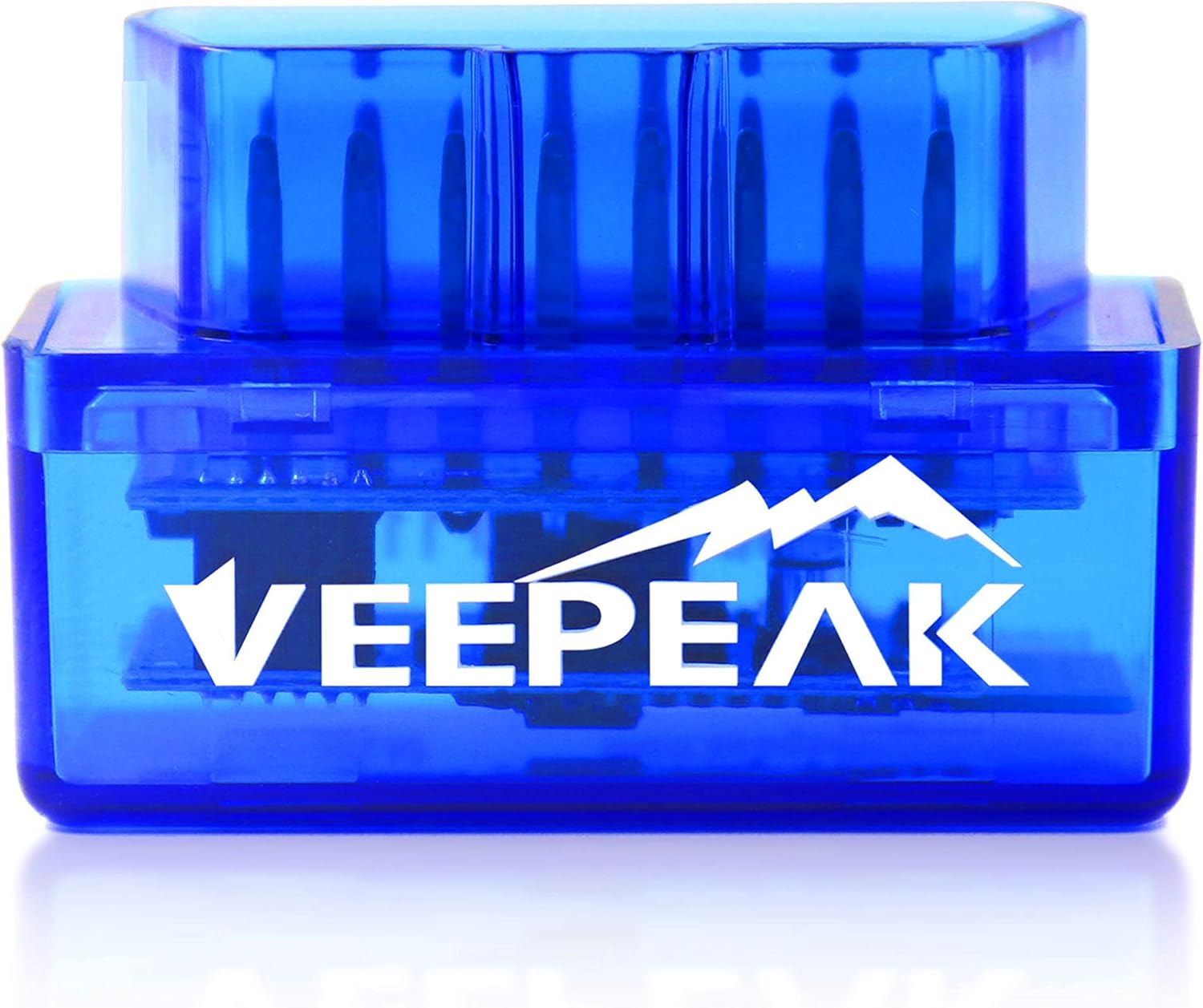
Plug in an OBD-II scan tool and record all codes before clearing anything. Stored codes show confirmed faults. Pending codes show issues that have not yet happened often enough to set a full warning. Permanent codes may remain until the vehicle completes its self-tests after the repair.
Look at Freeze-frame Data
Freeze-frame data captures engine conditions at the moment a code set. Note engine load, RPM, coolant temperature, vehicle speed, fuel trims, and intake air values. This can tell you whether the fault appears at idle, during acceleration, or after warm-up.
Check Live Data for Clues
Even a basic scanner may show live readings. Compare coolant temperature to actual engine temperature, check whether the upstream oxygen sensor switches normally, and look for unusually high positive fuel trims that suggest a vacuum leak or under-fueling condition. A flatlined sensor value often indicates a wiring or sensor fault.
Do not replace a part based only on the code description. For example, an oxygen sensor code may be caused by an exhaust leak, wiring damage, or a mixture problem elsewhere. The code tells you where to test next.
Tools That Make This Job Easier


Start with the Most Common Physical Checks
Before using a multimeter or removing parts, do a careful visual inspection. Many engine management faults are caused by simple problems like disconnected hoses, cracked intake boots, corroded connectors, rodent-damaged wiring, or weak battery voltage.
- Check battery voltage and charging condition, because low system voltage can create multiple false codes.
- Inspect air intake tubing for splits after the mass airflow sensor.
- Look for loose vacuum hoses, oil-soaked connectors, and broken wire insulation.
- Make sure the engine air filter housing is sealed properly.
- Inspect ignition coils and spark plug wells for moisture or oil contamination.
- Confirm all ground connections are tight and free of heavy corrosion.
If you recently had repairs done, inspect the exact area first. Many post-repair faults come from connectors not fully seated, vacuum lines left off, or harnesses routed too close to hot components.
Diagnose by Symptom and Code Family
Misfire and Rough Running Faults
For misfire codes, inspect and test the easiest items first: spark plugs, ignition coils, and obvious vacuum leaks. If the code identifies a specific cylinder, swap that coil with another cylinder and see if the misfire follows the coil. Check the spark plug for wear, oil fouling, or incorrect gap. If ignition parts check out, consider injector issues or low compression.
Lean Mixture or Fuel Trim Faults
Codes like P0171 or P0174 often indicate extra air entering the engine or not enough fuel reaching it. Inspect PCV hoses, intake manifold gaskets, brake booster hose, and intake ducting. On MAF-equipped vehicles, a dirty or skewed mass airflow sensor can misreport airflow and create lean codes. If fuel trims are high mostly at idle, a vacuum leak is likely. If trims are high under load too, fuel delivery may be weak.
Sensor Circuit and Correlation Faults
Codes involving camshaft sensors, crankshaft sensors, throttle position sensors, or manifold pressure sensors often require connector and wiring checks. Look for bent pins, green corrosion, broken locking tabs, and harness rub-through. Many sensor codes are caused by intermittent wiring faults rather than the sensor itself.
Throttle Body and Electronic Throttle Faults
A sticky throttle plate, carbon buildup, poor battery voltage, or a failing throttle body motor can trigger reduced power or limp mode. Remove the intake duct, inspect the throttle plate for heavy deposits, and clean only with approved throttle body cleaner and a lint-free rag. Some vehicles require an idle relearn or throttle relearn after cleaning or replacement.
Test Sensors, Wiring, and Connectors the Right Way
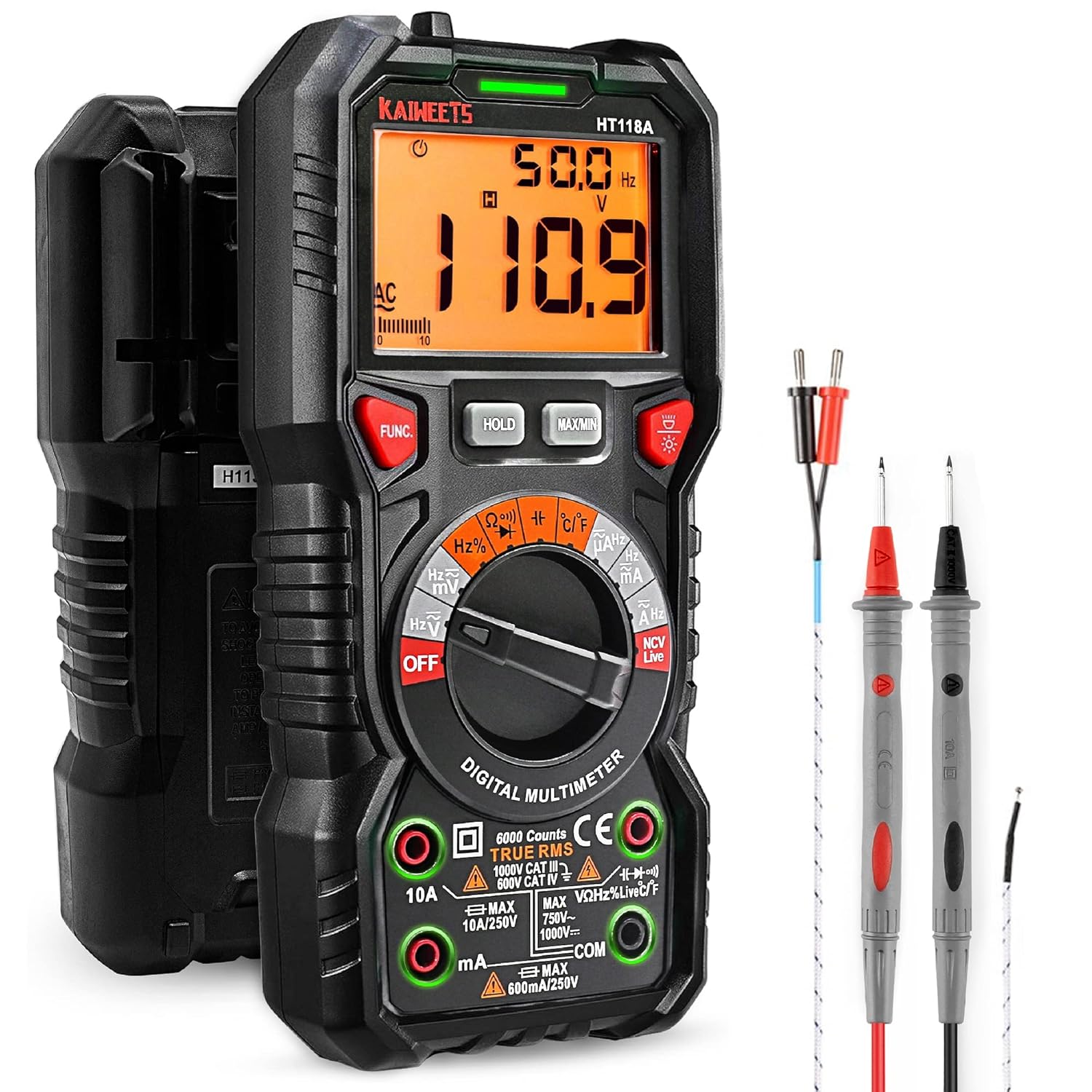
Use a wiring diagram or service information whenever possible. Most engine sensors operate on a 5-volt reference, a ground, and a signal wire. If several sensors show implausible readings at once, suspect a shared reference or ground fault before replacing multiple parts.
- Back-probe the connector carefully or use approved test leads.
- Verify reference voltage at the sensor when the key is on.
- Check ground quality with a voltage drop test rather than only a continuity test.
- Compare sensor signal readings to known-good values at idle and during throttle changes.
- Wiggle the harness gently while watching live data for dropouts.
If a sensor has proper power and ground but the signal is missing or clearly out of range, the sensor may be faulty. If power or ground is missing, the wiring or control module circuit needs more investigation. Repair wiring with proper automotive-grade methods, not household twist connectors.
Recommended Tools for This Job


How to Fix Common Engine Management Fault Causes
Replace Faulty Ignition Parts
Replace worn spark plugs with the correct type and torque them to specification. If a bad ignition coil is confirmed, replace it and inspect the connector boot for tracking or moisture. On high-mileage engines, replacing a full set of aged plugs may be more effective than changing only one.
Repair Vacuum Leaks
Replace cracked vacuum hoses, damaged intake boots, or hardened PCV lines. If an intake manifold gasket is leaking, torque the fasteners in the correct sequence if applicable or replace the gasket if torque correction does not solve it. Small vacuum leaks can cause major idle and fuel trim problems.
Clean or Replace Airflow and Throttle Components
Clean the throttle body if carbon buildup is preventing stable idle or proper airflow control. If the mass airflow sensor is dirty and the sensor type allows cleaning, use only dedicated sensor-safe cleaner and let it dry fully before reinstalling. Replace the part if live data remains incorrect after inspection and cleaning.
Replace Failed Sensors and Damaged Connectors
Once testing confirms a bad crank sensor, cam sensor, MAP sensor, coolant temperature sensor, or similar component, install a quality replacement and make sure the connector is fully seated. If the connector is heat-damaged or oil-soaked, replace the pigtail too. A new sensor connected to a failing plug may not fix the issue.
Address Fuel Delivery Faults
If testing shows low fuel pressure or an injector problem, the repair may involve a fuel filter, pump module, pressure regulator, or injector service. Because fuel systems vary widely and can be hazardous, use model-specific procedures and proper pressure relief steps.
Clear Codes and Confirm the Repair
After the repair, reconnect everything carefully and recheck fluid caps, intake clamps, and electrical connectors. Clear the codes with the scanner, then start the engine and watch live data. Make sure idle quality, throttle response, and sensor readings look normal.
Take a short test drive under the same conditions that triggered the fault before. Watch for returning codes, pending codes, misfire counters, and abnormal fuel trim values. Some monitors need several drive cycles to complete, so a permanent code may take time to disappear even after the problem is fixed.
- Verify the check engine light stays off during idle and acceleration.
- Confirm no connectors or hoses were left loose after reassembly.
- Re-scan for pending codes after the test drive.
- Make sure the vehicle no longer enters limp mode or hesitates under load.
Mistakes to Avoid During Diagnosis
The most expensive DIY mistake is replacing parts based on guesswork. Another common error is clearing codes before writing them down, which removes helpful freeze-frame information. Be careful not to create a second problem while trying to fix the first.
- Do not assume the named component in the code is automatically defective.
- Do not ignore battery and charging voltage during electronic diagnosis.
- Do not use silicone sealants or cleaners that can contaminate oxygen sensors.
- Do not overtighten plastic intake parts, sensors, or spark plugs.
- Do not overlook poor grounds and connector corrosion on older vehicles.
When Engine Management Faults Need a Professional
Some problems go beyond normal DIY tools. If you have multiple communication codes, immobilizer-related faults, repeated cam-crank correlation codes, or suspected timing chain stretch, a professional diagnostic approach is usually faster and safer. The same applies to direct-injection fuel system faults, scope-based waveform diagnosis, and software updates requiring manufacturer equipment.
You should also get professional help if the vehicle stalls unpredictably in traffic, enters limp mode repeatedly, has severe no-start issues, or fails emissions testing after basic repairs. At that point, paying for accurate diagnosis is often cheaper than replacing more parts.
Key Takeaways
- Always scan and record stored codes, pending codes, and freeze-frame data before clearing the check engine light.
- Start with simple checks like battery voltage, vacuum leaks, loose connectors, and damaged intake tubing before replacing parts.
- Confirm sensor faults by testing power, ground, and signal circuits instead of trusting the code description alone.
- After any repair, clear codes, road test the vehicle, and re-scan to verify the fault does not return.
- Seek professional help for timing-related faults, advanced fuel system issues, or repeated limp mode that basic repairs do not solve.
FAQ
Can I Keep Driving with an Engine Management Fault?
Sometimes, but it depends on the symptom severity. If the check engine light is steady and the car runs normally, you may be able to drive short distances while diagnosing it. If the light is flashing, the engine is misfiring badly, or the car is in limp mode, stop driving and repair it as soon as possible.
Does a Check Engine Light Always Mean a Bad Sensor?
No. A check engine light can be caused by vacuum leaks, ignition problems, fuel delivery issues, wiring faults, low voltage, emissions failures, or mechanical engine problems. Many codes point to a system that needs testing, not a part that automatically needs replacement.
Will Disconnecting the Battery Fix Engine Management Faults?
Disconnecting the battery may temporarily clear adaptive memory or turn off the warning light on some vehicles, but it does not fix the actual problem. The fault will usually return once the computer sees the issue again. It can also erase helpful diagnostic information.
What Is the Most Common Cause of Engine Management Faults?
Common causes include worn spark plugs, failing ignition coils, vacuum leaks, dirty throttle bodies, faulty mass airflow sensors, weak batteries, and damaged wiring or connectors. The exact cause depends on the stored codes and the vehicle’s symptoms.
Do I Need a Professional Scan Tool to Diagnose Engine Faults?
Not always. A basic OBD-II scanner is enough to read generic powertrain codes and can help with many DIY repairs. A more advanced tool becomes useful when you need live data, manufacturer-specific codes, bi-directional controls, or module-level diagnostics.
Why Did the Code Come Back After I Replaced the Part?
The original diagnosis may have been incomplete, the replacement part may be poor quality, or the actual problem may be wiring, a connector, a vacuum leak, or another related component. Codes can also return if a relearn procedure or drive cycle is required after the repair.
How Long Does It Take for Permanent Codes to Go Away?
Permanent codes usually clear only after the vehicle completes the required self-tests and confirms the fault is fixed. That may take several drive cycles under specific conditions, even if the repair was successful and no active code remains.
Need Parts for This Repair?
The right parts and supplies vary by vehicle.
Select your make and model to find compatible parts and accessories for your car.
Exact Fit
Parts that fit your make and model
Quality You Can Trust
Top brands and OEM quality options
Fast Shipping
Get the parts you need, delivered fast