

Note: This article contains affiliate links. If you click on these links and make a purchase, I may earn a small commission at no extra cost to you. This helps support my research and content. Read my full affiliate disclosure here.
What You’ll Need
A quick look at the tools and supplies commonly used for this job.
Tools
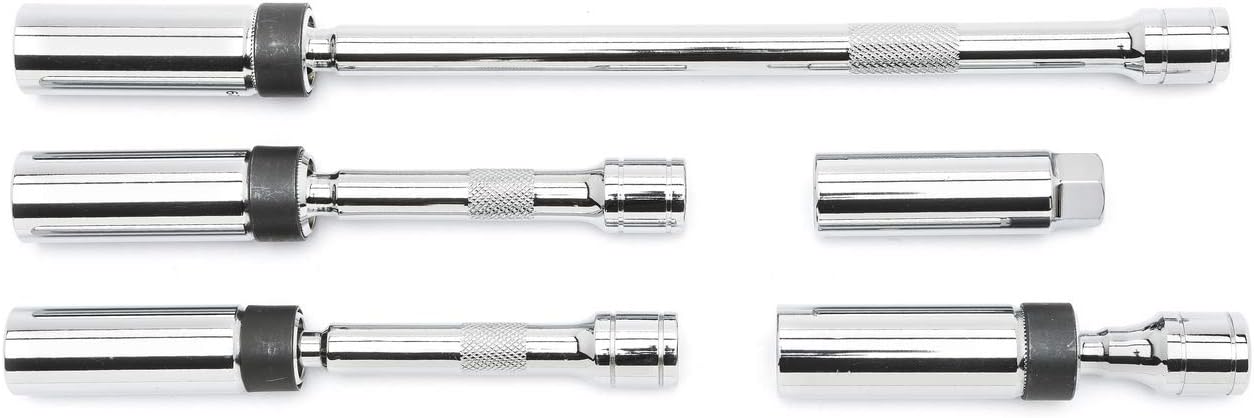
- Spark plug socket
- Ratchet and extension
- Torque wrench
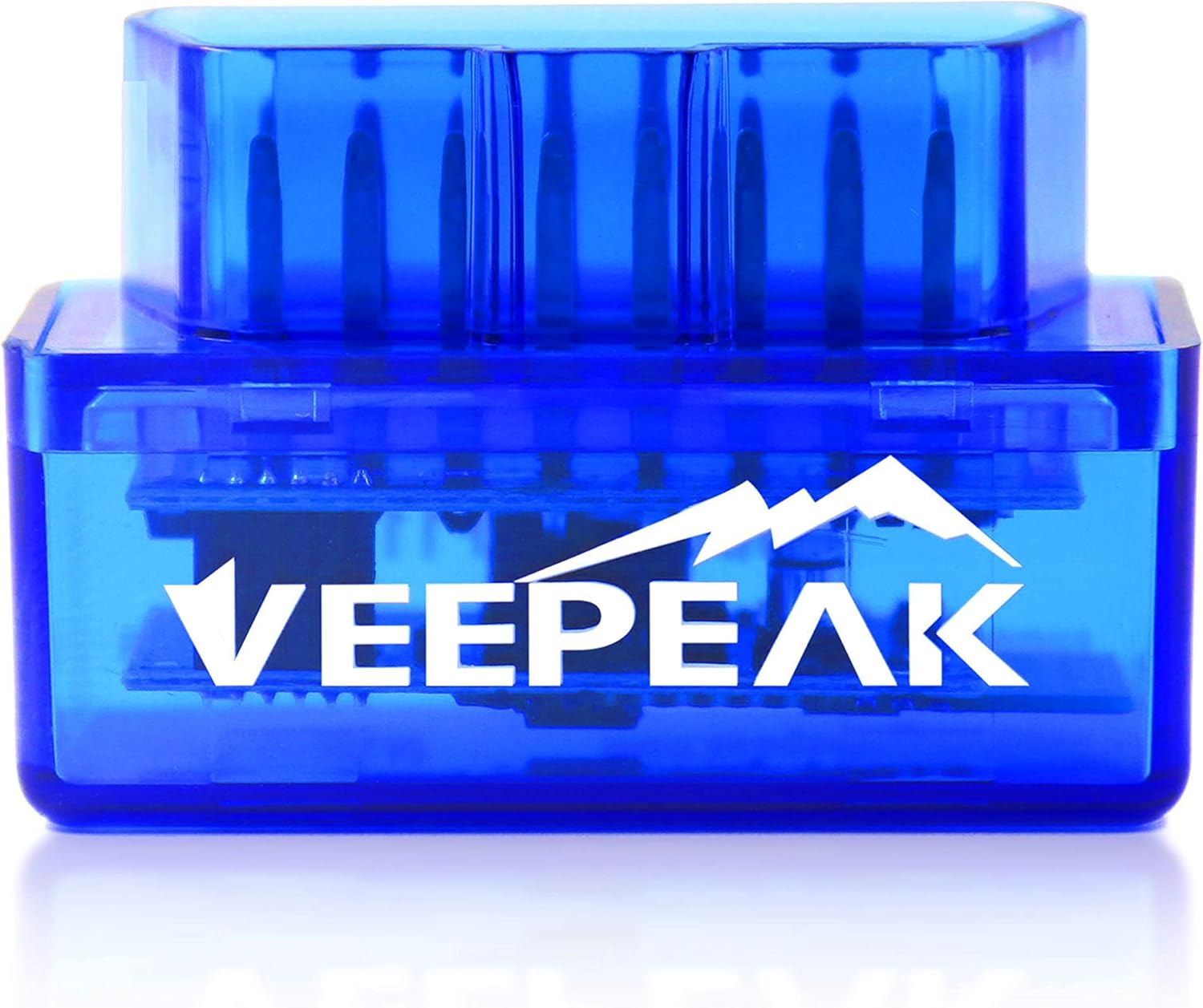
- OBD-II scan tool
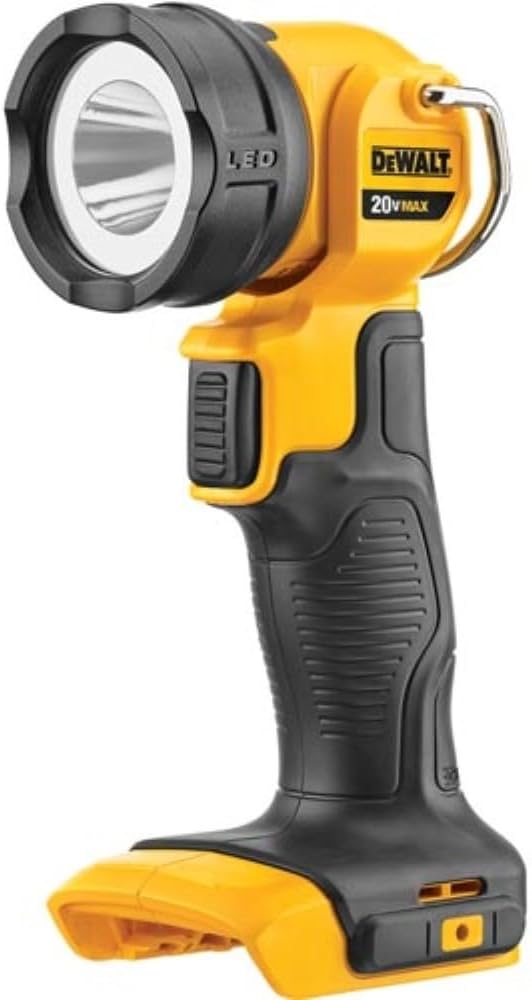
- Flashlight
- Work gloves
- Safety glasses
- Feeler gauge or spark plug gap tool
- Compressed air or shop air nozzle
Parts & Supplies
- Replacement spark plugs
- Dielectric grease
- Anti-seize compound if specified by the spark plug manufacturer
- Clean rag
- Pen and masking tape for labeling coils or wires
This article is part of our Engine Maintenance & Repair Guides.
Bad spark plugs can cause rough idle, poor acceleration, hard starts, lower fuel economy, and misfire codes, but those same symptoms can also come from ignition coils, fuel issues, or vacuum leaks.
The goal is to confirm whether the plugs themselves are worn, fouled, incorrectly gapped, overheated, or damaged before you start replacing parts. A careful diagnosis usually involves checking symptoms, scanning for codes, inspecting plug condition, and comparing what you find across all cylinders.
For most DIY car owners, spark plug diagnosis is very manageable with basic hand tools and a little patience. Work on a cool engine, stay organized as you remove coils or wires, and use your vehicle’s service information for plug type, gap specification, and torque values.
What Bad Spark Plugs Usually Feel Like
A bad spark plug usually shows up as a combustion problem. The plug may be too worn to jump a strong spark, the electrode may be contaminated, or the gap may be too large for the ignition system to fire consistently under load.
- Rough idle, especially when stopped in gear
- Hesitation or stumbling during acceleration
- Engine misfire under load or at highway speed
- Hard starting, especially when the engine is cold
- Lower fuel economy than normal
- Flashing or steady check engine light
- Noticeable lack of power
If your car has only one plug failing, symptoms may come and go. If multiple plugs are worn at the same time, the engine may feel weak all the time. On high-mileage vehicles, a full set of worn plugs can create a subtle loss of performance that gets worse so gradually you do not notice it until new plugs are installed.
Before You Start Diagnosis
Important Safety Steps
Let the engine cool fully before removing any spark plugs. Aluminum cylinder heads can be damaged if plugs are removed hot. Disconnect the negative battery cable if your repair information recommends it, and keep metal tools away from energized ignition components.
Know What Engine You Have
Check whether your vehicle uses coil-on-plug ignition, a coil pack with plug wires, or an older distributor setup. The spark plug diagnosis process is similar, but access and related failure points differ. On coil-on-plug systems, each cylinder has its own ignition coil. On wire-type systems, damaged wires can mimic bad plugs.
Gather Specs First
Before removing anything, look up the correct spark plug part number, electrode gap, and torque specification for your exact engine. Many modern iridium and platinum plugs are pre-gapped and should not be aggressively adjusted. Installing the wrong plug can create the same symptoms as a worn one.
Scan for Trouble Codes and Misfire Data
A scan tool is one of the fastest ways to narrow the problem. Spark plug issues commonly trigger misfire codes, but the code alone does not prove the plug is the cause. It tells you where to look first.
- P0300 means random or multiple cylinder misfire
- P0301 through P0308 usually identify a specific misfiring cylinder
- Fuel trim or lean condition codes may point to a non-plug issue causing the misfire
- Coil circuit codes may suggest an ignition coil or wiring fault instead of the plug
If you have live data, look at misfire counters, fuel trims, and engine operating conditions when the misfire occurs. A plug problem often appears worse under acceleration, when cylinder pressure is higher and it takes more voltage to jump the gap. If misfires cluster on one bank or only when the engine is wet, heat-soaked, or under heavy throttle, that pattern helps with diagnosis.
Do a Basic Under-Hood Inspection
Before pulling plugs, inspect the ignition system and surrounding area. Sometimes the plug is fine, but the coil boot, plug wire, or valve cover leak is causing the problem.
- Look for loose coil connectors or damaged plug wires
- Check for oil in spark plug wells from a leaking valve cover gasket
- Inspect for cracked coil boots, carbon tracking, or moisture intrusion
- Listen for vacuum leaks that can cause a lean misfire
- Check service records to see when the plugs were last replaced
If one plug well is full of oil or water, that cylinder may misfire even with a good plug installed. Fixing the leak or contamination issue matters just as much as replacing the spark plug.
Tools That Make This Job Easier


Remove and Inspect the Spark Plugs
How to Remove Them Correctly
Label coils or wires before removal so everything goes back to the same cylinder. Blow compressed air around the plug wells first to keep dirt from falling into the engine. Remove one plug at a time if you are worried about mixing up components.
What Normal Plugs Look Like
A healthy used spark plug usually has light tan or gray deposits on the insulator tip, with no heavy fouling, melted electrodes, or obvious damage. Slight wear is normal over time, but the center and ground electrodes should still have defined edges.
What Bad Plugs Look Like
- Worn electrode: rounded edges and excessive gap, often causing weak spark and misfire under load
- Carbon fouling: dry black soot, often linked to rich fuel mixture, weak ignition, or too much idling
- Oil fouling: wet or heavy dark deposits, often caused by oil entering the combustion chamber or plug well
- Fuel fouling: damp gasoline smell, often seen after repeated no-start attempts or a dead cylinder
- Ash deposits: light brown crusty buildup, sometimes related to oil consumption or fuel additives
- Overheating: chalky white insulator, blistering, or electrode erosion, often caused by wrong heat range, lean operation, or cooling issues
- Physical damage: cracked porcelain, bent electrode, or impact damage from improper handling
Compare all the plugs side by side. If one cylinder looks very different from the others, that cylinder may have a localized problem such as a bad injector, weak coil, oil control issue, coolant leak, or mechanical damage. If all plugs are similarly worn, age and mileage are more likely the main cause.
Measure Spark Plug Gap and Wear
Spark plugs wear as the electrodes slowly erode. As the gap grows, the ignition system needs more voltage to fire the plug. Eventually the spark becomes inconsistent, especially during acceleration or when the engine is under heavy load.
Use a feeler gauge or spark plug gap tool to compare the measured gap to factory specification. If the gap is too wide, the plug may be worn out even if it still looks fairly clean. On modern fine-wire iridium plugs, do not scrape or forcefully bend electrodes unless the manufacturer specifically allows adjustment.
A plug that is only slightly out of spec may not be the only issue, but a set of plugs with large gaps, rounded electrodes, and high mileage strongly supports replacement as part of the fix.
Match the Plug Condition to the Likely Cause
When the Spark Plugs Are the Main Problem
- The plugs are overdue by mileage and all show even wear
- The gap is beyond specification
- Electrodes are rounded off or eroded
- Symptoms improve after installing known-good plugs
- Misfire codes return to the same cylinders with no evidence of coil, injector, or compression issues
When Bad Plugs Are Probably a Symptom, Not the Root Cause
- Only one plug is oil-fouled while others look normal
- One cylinder has a clean, steam-washed appearance that may suggest coolant intrusion
- New plugs foul quickly after replacement
- The plug tip shows severe overheating but the cooling or fuel system has other faults
- A swapped ignition coil moves the misfire to another cylinder
This distinction matters. Replacing fouled plugs without addressing the reason they fouled may bring only a short-term improvement.
Use Cylinder Isolation and Swap Tests
If you have a misfire on one cylinder and want to confirm whether the spark plug is at fault, a careful swap test can help. Move the suspect plug to another cylinder only if the plugs are otherwise reusable and the service interval has not already been exceeded. Then clear codes and see whether the misfire follows the plug.
You can also swap the ignition coil on coil-on-plug systems. If the misfire moves with the coil but not with the plug, the coil is the better suspect. If the misfire stays on the same cylinder no matter what you swap, consider fuel injector problems, compression loss, or wiring faults.
- Identify the misfiring cylinder with a scan tool.
- Inspect the plug and coil boot from that cylinder.
- Swap the plug or coil with a known-good cylinder one at a time.
- Clear codes and road test under the same conditions.
- Re-scan to see whether the misfire moved.
Recommended Tools for This Job

Rule Out Other Problems That Mimic Bad Spark Plugs
Spark plug symptoms overlap with many other engine problems. If your plugs look decent and the gap is still in spec, keep an open mind before buying parts.
- Failing ignition coils or cracked coil boots
- Worn or leaking spark plug wires on older systems
- Clogged or leaking fuel injectors
- Vacuum leaks causing a lean misfire
- Low compression from burned valves, rings, or head gasket issues
- Incorrect plug type or heat range installed previously
- Oil or coolant contamination from engine leaks
A compression test may be worth doing if one cylinder has a consistently different plug appearance, a persistent misfire, or no improvement after ignition parts are verified. The spark plug tells a story, but it is not always the whole story.
When to Replace Spark Plugs Instead of Testing Further
Sometimes the most sensible diagnostic step is replacement. If the plugs are near or past the service interval, the electrodes are worn, and symptoms fit classic ignition wear, installing the correct new plugs is often justified. That is especially true if the engine has over 60,000 to 100,000 miles on long-life plugs or there is no record of previous service.
Replace the full set unless you have a very specific reason not to. A single new plug beside several worn plugs can leave uneven performance and make diagnosis less clear. After replacement, clear codes and road test the vehicle. If the misfire is gone, you likely confirmed the diagnosis. If it remains, continue with coil, injector, vacuum, or compression checks.
Installation Tips That Prevent Repeat Problems
Incorrect installation can create new misfires even when the diagnosis was right. Always thread plugs in by hand first to prevent cross-threading. Tighten to the proper torque spec, and verify whether your plug manufacturer recommends dry threads or a specific amount of anti-seize. Many modern plugs already have plated threads and do not require anti-seize.
- Use only the exact plug type recommended for your engine
- Check gap only if the manufacturer says adjustment is allowed
- Apply dielectric grease only where appropriate on coil boots, not on plug electrodes
- Reconnect every coil and electrical connector fully
- Do not overtighten plugs in aluminum heads
If oil was found in the plug wells, clean the area and plan to repair the valve cover gasket or tube seals. If a coil boot shows carbon tracking or cracking, replace it or the coil assembly as needed so the new plug is not immediately compromised.
What Your Results Mean
If the plugs are worn, out of gap, or damaged, that is strong evidence they are contributing to the engine’s symptoms. If the vehicle runs smoothly after correct replacement, you have a solid confirmation. If the plugs are fouled by oil, fuel, or coolant, they may need replacement, but the root cause still needs to be addressed.
If inspection shows clean, correctly gapped plugs and a swap test points elsewhere, do not force the diagnosis onto the spark plugs. Misfires are often ignition-related, but not always plug-related. The best repair comes from matching the evidence to the failure pattern, not from replacing parts at random.
Key Takeaways
- Use trouble codes and misfire patterns to identify the affected cylinder before removing parts.
- Inspect every plug for wear, fouling, overheating, and gap issues rather than judging by one plug alone.
- If one plug looks very different from the rest, suspect a cylinder-specific problem such as oil leakage, injector trouble, or low compression.
- Replace the full plug set when mileage is overdue and wear is obvious, but do not ignore the root cause of repeat fouling.
- Proper plug type, gap handling, and torque matter just as much as the diagnosis when you install new plugs.
FAQ
Can Bad Spark Plugs Cause a Check Engine Light?
Yes. Bad spark plugs can cause misfires, and misfires commonly trigger a check engine light. A flashing check engine light means the misfire is severe enough to risk catalytic converter damage, so avoid driving hard until the issue is diagnosed.
How Often Should Spark Plugs Be Replaced?
It depends on plug type and vehicle design. Conventional plugs may last around 30,000 miles, while platinum or iridium plugs often last 60,000 to 100,000 miles or more. Always check your owner’s manual or factory service schedule for the exact interval.
Can I Tell a Spark Plug Is Bad Just by Looking at It?
Sometimes, but not always. Heavy fouling, cracked porcelain, melted electrodes, and obvious wear are strong clues. However, a plug can still misfire under load without looking severely damaged, which is why code scanning, gap measurement, and comparison with other cylinders matter.
Should I Replace One Spark Plug or All of Them?
In most cases, replace the full set. If one plug is worn out, the others are usually close behind. Replacing the full set gives more even performance and makes follow-up diagnosis easier if the problem continues.
Can a Bad Ignition Coil Look Like a Bad Spark Plug?
Yes. A failing coil can cause rough idle, hesitation, hard starting, and misfire codes that look just like spark plug problems. A swap test is often the easiest way to separate a bad coil from a bad plug on coil-on-plug systems.
Why Is One Spark Plug Oily While the Others Look Normal?
One oily plug often points to a cylinder-specific problem, such as a leaking valve cover tube seal, worn piston rings, or valve guide/seal issues. Replacing the plug may help briefly, but the oil source should be repaired to prevent the problem from returning.
Can Incorrect Spark Plug Gap Cause Misfires?
Yes. A gap that is too wide can make the spark harder to fire, especially under load. A gap that is too small can also affect combustion quality. Always verify the correct specification and follow the plug manufacturer’s guidance before adjusting fine-wire plugs.
Is It Safe to Drive with Bad Spark Plugs?
Short trips may be possible if symptoms are mild, but it is not a good idea to keep driving with a persistent misfire. Ongoing misfires can damage the catalytic converter, reduce fuel economy, and leave you stranded if the problem gets worse.
Need Parts for This Repair?
The right parts and supplies vary by vehicle.
Select your make and model to find compatible parts and accessories for your car.
Exact Fit
Parts that fit your make and model
Quality You Can Trust
Top brands and OEM quality options
Fast Shipping
Get the parts you need, delivered fast