

Note: This article contains affiliate links. If you click on these links and make a purchase, I may earn a small commission at no extra cost to you. This helps support my research and content. Read my full affiliate disclosure here.
What You’ll Need
A quick look at the tools and supplies commonly used for this job.
Tools
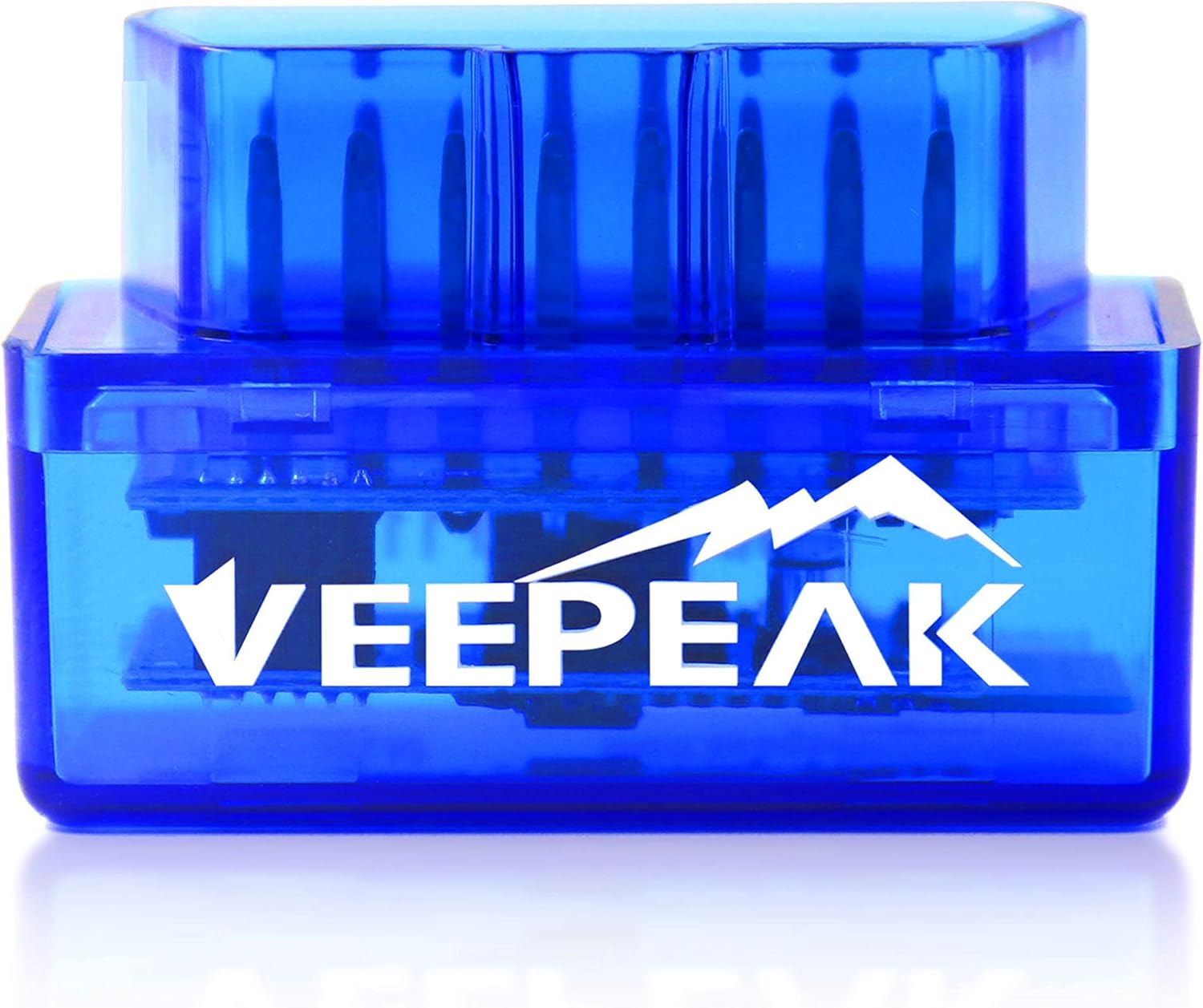
- OBD2 scan tool
- Mechanical oil pressure test gauge kit
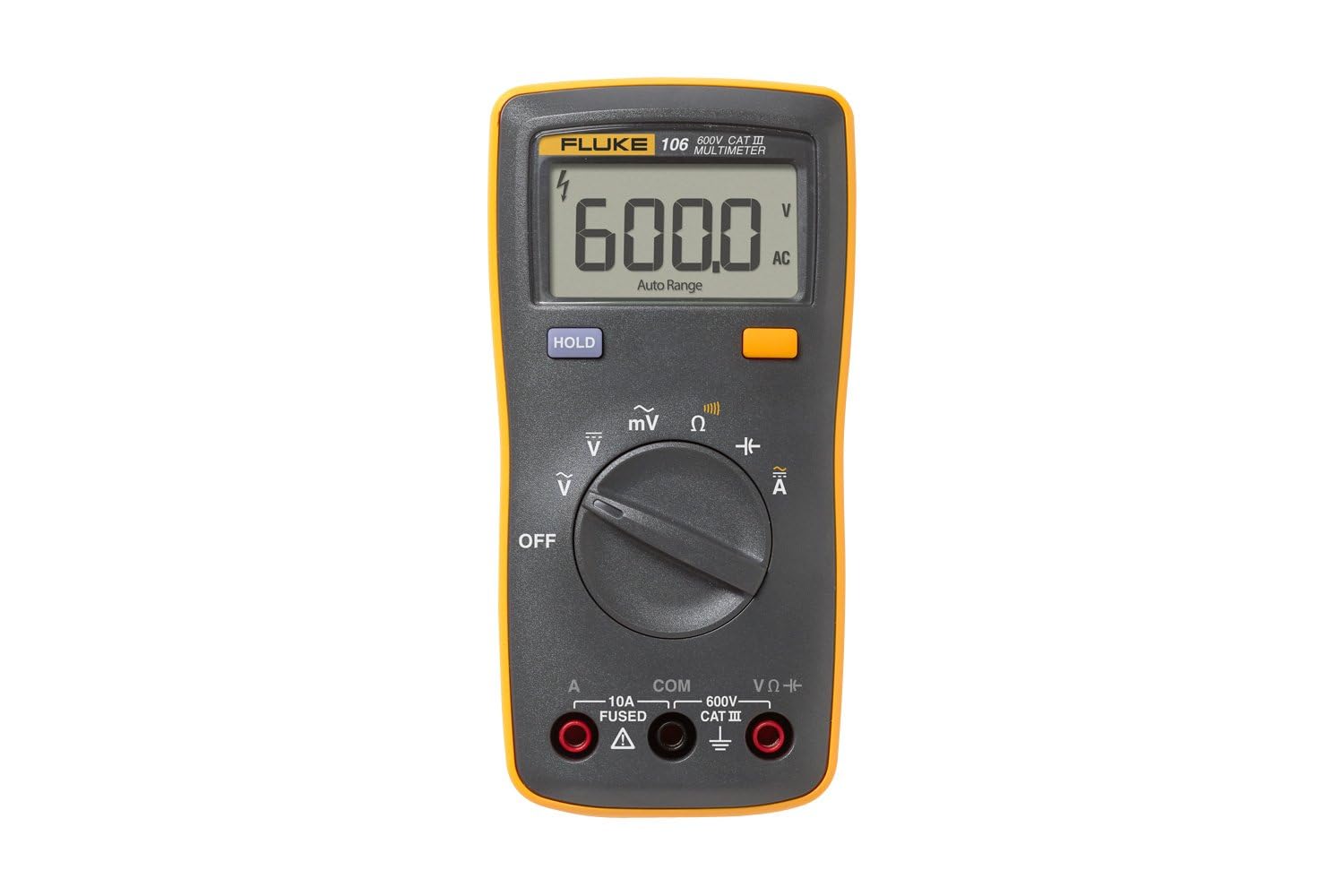
- Digital multimeter
- Socket set and ratchet
- Flashlight
- Safety glasses
- Gloves
- Oil pressure sensor socket or deep socket
- Shop rags
Parts & Supplies
- Engine oil
- Oil filter
- Replacement oil pressure sensor
- Thread sealant approved for oil system sensors, if specified by the manufacturer
- Electrical contact cleaner
This article is part of our Engine Maintenance & Repair Guides.
A bad oil pressure sensor can trigger a warning light, peg the gauge high or low, or make you think the engine is about to fail when the real problem is only the sender circuit. The challenge is that low oil pressure warnings can also point to a serious lubrication problem, so the goal is to verify the sensor without ignoring the possibility of real engine damage.
The safest approach is to start with quick checks, look for obvious wiring or oil leak issues, scan for codes, and then confirm actual oil pressure with a mechanical gauge. That extra step is what separates a sensor fault from a worn engine, clogged pickup, low oil level, or another condition that should not be driven on.
What the Oil Pressure Sensor Does
The oil pressure sensor, often called an oil pressure switch or sender, monitors engine oil pressure and sends that information to the vehicle computer, warning light, gauge, or all three. On some vehicles it works like an on/off switch that closes at a certain pressure threshold. On others it provides a variable signal so the gauge can display a pressure range.
When the sensor fails, the dash warning may come on even though oil pressure is normal, or the gauge may read zero, full high, or fluctuate wildly. Because the same symptoms can happen when the engine actually has low oil pressure, diagnosis always starts with caution.
Common Symptoms of a Bad Oil Pressure Sensor
- Oil pressure warning light stays on even though the engine sounds normal.
- Oil pressure gauge suddenly drops to zero or pegs high without any change in engine behavior.
- Gauge reading jumps around rapidly, especially over bumps or at idle.
- Oil leaking through the sensor body or from the sensor threads.
- Check engine light is on with oil pressure sensor or sender circuit codes.
- Warning appears intermittently during hot idle or only on cold starts.
A failed sensor often causes electrical symptoms that do not match what the engine is doing. For example, if the gauge says zero pressure but the engine is quiet and the reading changes instantly between normal and zero, the sensor or wiring is more suspect than a mechanical oiling failure. If the engine is ticking, knocking, or rattling with the warning on, assume the pressure really may be low until proven otherwise.
Safety First Before You Test
Do not keep driving a vehicle that has an active oil pressure warning unless you have confirmed the pressure is actually normal. Engine damage can happen quickly if oil pressure is low enough. Shut the engine off if you hear knocking, heavy ticking, or metal-on-metal noise.
- Park on level ground and let hot components cool before reaching near the exhaust or oil filter area.
- Use jack stands if you need to raise the vehicle.
- Wear safety glasses because oil may drip when the sensor is removed.
- Keep the engine off during resistance and continuity checks unless a specific voltage test requires key-on power.
Start With the Basic Checks
Check Oil Level and Oil Condition
Before blaming the sensor, verify the crankcase is full of the correct oil. Check the dipstick with the vehicle on level ground. If the oil is low, top it off to the proper mark and inspect for leaks or oil consumption. Extremely dirty, diluted, or incorrect-viscosity oil can also affect real pressure readings.
Listen to the Engine
A healthy engine with normal oil pressure usually sounds normal. If the warning light is on but the engine idles smoothly and does not tick or knock, that supports the possibility of a bad sensor, connector, or wiring issue. If the valvetrain is clattering or the lower end is knocking, stop and verify real oil pressure immediately.
Look for Visible Leaks at the Sensor
Many oil pressure sensors fail by leaking oil through the plastic body or electrical connector. Shine a light around the sensor and nearby engine surfaces. If the connector is wet with oil, the sensor itself is often defective and should be replaced.
Inspect the Connector and Harness
Check for loose terminals, corrosion, broken lock tabs, chafed wires, or harness damage from heat. A wire rubbed through on the engine block can short the signal and create a false low or high reading. Repairing the harness may solve the issue without replacing the sensor.
Tools That Make This Job Easier


Scan for Trouble Codes
Use an OBD2 scan tool and look for powertrain codes related to oil pressure sensor performance, signal range, or circuit faults. Common examples may include codes like P0520 through P0524, though exact code definitions vary by vehicle.
- Sensor circuit codes often point toward the sender, connector, reference voltage, ground, or signal wire.
- A code for low oil pressure does not prove the sensor is bad by itself.
- Freeze-frame data can show whether the fault occurred at hot idle, cold start, or under load.
Clear codes only after repairs or after you finish testing. If the code returns immediately with key on or soon after startup, that is useful information and may indicate an electrical fault rather than an intermittent lubrication issue.
Locate the Sensor and Identify Its Type
The oil pressure sensor is commonly threaded into the engine block near the oil filter, on top of the engine valley, or near the cylinder head oil passage. Some engines use a single-wire switch, while others use two-wire or three-wire sensors that carry reference voltage, ground, and signal.
This matters because testing a simple switch differs from testing a variable pressure sender. If possible, look up a wiring diagram or service information for your vehicle before doing multimeter tests. Wire colors and expected voltages vary too much to rely on guesswork.
Test the Sensor and Circuit
Perform a Visual and Connector Test First
With the engine off, unplug the sensor and inspect inside the connector. Oil intrusion, green corrosion, bent terminals, or a loose fit can create false readings. Clean light contamination with electrical contact cleaner and repair damaged terminals as needed.
Check for Reference Voltage and Ground when Applicable
On a three-wire sensor, one wire may carry a 5-volt reference from the computer, one may be ground, and one the signal return. With key on and engine off, back-probe the connector and verify reference voltage and ground according to service information. If either is missing, the problem may be in the harness or control module circuit rather than the sensor.
Test a Switch-style Sensor
A basic oil pressure switch changes open or closed state depending on oil pressure. With the engine off, you may be able to check continuity across the sensor terminals and compare the result to the expected at zero pressure. If the switch remains stuck open or closed regardless of pressure, it is likely faulty. Because many switches require actual oil pressure to change state, bench testing is limited unless you have specific specs and equipment.
Test a Variable Sender Signal
A variable pressure sender changes voltage or resistance as pressure changes. With the sensor connected, you may see the signal change as the engine starts and rpm rises. If the signal is fixed at zero, full reference voltage, or erratic without corresponding changes in engine condition, the sensor or wiring is suspect. Compare readings to factory specifications whenever possible.
Watch for Scan Data That Does Not Make Sense
If live data shows impossible pressure readings, such as a fixed maximum value on startup or instant drops to zero with no engine noise, that often points to a sensor or circuit fault. Still, do not stop there. The next step is the most important part of diagnosis.
Confirm Actual Oil Pressure With a Mechanical Gauge
The most reliable way to diagnose a bad oil pressure sensor is to remove it and install a mechanical oil pressure test gauge in its place or at the designated test port. This tells you whether the engine really has normal oil pressure.
How to Perform the Pressure Test
- Verify the engine has the correct oil level.
- Remove the electrical connector from the oil pressure sensor.
- Use the correct socket to remove the sensor.
- Install the mechanical test gauge with the proper adapter and seal as required.
- Start the engine and monitor pressure at cold idle, warm idle, and around 2,000 to 3,000 rpm.
- Compare the results to the factory oil pressure specifications for your engine.
How to Interpret the Results
- If mechanical pressure is normal but the dash warning or scan data is wrong, the sensor or its circuit is the likely problem.
- If mechanical pressure is low, do not replace the sensor and call it fixed. The engine has a real oil pressure issue that needs further diagnosis.
- If pressure is borderline only at hot idle, the cause could be wear, low viscosity oil, a restricted pickup, or a weak oil pump depending on the engine.
This test prevents the most common mistake: replacing the sensor when the engine actually has low oil pressure, or tearing into the engine when the real fault is only a bad sender.
Recommended Tools for This Job


How to Tell a Bad Sensor From Real Low Oil Pressure
Signs the Sensor Is Likely Bad
- Mechanical gauge shows normal pressure at all test points.
- Sensor body is leaking oil.
- Gauge reading is obviously erratic or pegs high or low without matching engine behavior.
- You find oil in the connector or damaged sensor terminals.
- Circuit power and ground are correct, but the sensor signal is out of range.
Signs the Engine Really Has Low Oil Pressure
- Mechanical gauge confirms low pressure.
- The engine knocks, ticks heavily, or gets noisier as it warms up.
- Oil level is low or oil is badly contaminated.
- Pressure improves only when rpm increases but is very low at hot idle.
- There is evidence of sludge, bearing wear, or oil pump pickup restriction.
Other Problems That Can Mimic a Bad Oil Pressure Sensor
Several non-sensor faults can create the same dashboard symptoms. That is why a sensor should not be replaced blindly just because the warning light came on.
- Low engine oil level from leaks or oil consumption.
- Wrong oil viscosity, especially oil that is too thin when hot.
- Clogged oil pickup screen or internal sludge buildup.
- Worn engine bearings reducing hot idle oil pressure.
- Weak or damaged oil pump.
- Restricted oil filter or incorrect filter design.
- Damaged wiring, poor ground, or corroded connector terminals.
- Instrument cluster or gauge circuit fault on older vehicles.
When Replacement Makes Sense
Replace the oil pressure sensor when mechanical pressure is verified as normal and the sensor fails visual inspection, leaks oil, has an out-of-spec electrical response, or produces false readings with a good circuit. On many vehicles, sensor replacement is straightforward, but some are buried under intake components or near hot exhaust parts.
Use the correct replacement part for your engine and build date. Some vehicles are picky about aftermarket senders, especially when the dashboard gauge reads through the engine computer. After installation, clear any stored codes, start the engine, check for leaks, and confirm the warning light or gauge now behaves normally.
What to Do if Pressure Is Actually Low
If the mechanical gauge shows low pressure, stop focusing on the sensor and diagnose the lubrication system. Start with the easiest checks: correct oil level, proper oil viscosity, recent oil change history, and filter condition. If the problem remains, deeper inspection may be needed.
- Change the oil and filter if the oil is wrong, dirty, fuel-diluted, or overdue.
- Inspect for sludge and consider pickup screen restriction on engines known for buildup.
- Check for excessive engine wear if pressure is low mainly at hot idle.
- Investigate oil pump condition only after confirming simpler causes first.
- Avoid driving until the cause is identified, especially if the engine is noisy.
DIY Diagnosis Tips That Save Time
- Do not assume a warning light means the sensor is bad or the engine is bad until you test actual pressure.
- A leaking sensor is often a strong clue because many fail internally and push oil through the electrical side.
- Intermittent warnings at hot idle are common with both weak sensors and real low-pressure conditions, so a mechanical gauge is still necessary.
- If the vehicle recently had engine work, check for pinched wiring, unplugged connectors, wrong oil, or a loose sensor before chasing deeper faults.
- Always compare readings to the specifications for your exact engine, since acceptable pressure varies widely.
Key Takeaways
- Verify oil level, engine noise, and visible leaks before assuming the oil pressure sensor has failed.
- Scan for oil pressure-related codes, but confirm the diagnosis with a mechanical oil pressure gauge test.
- If mechanical pressure is normal and the dash reading is wrong, the sensor, connector, or wiring is the likely fault.
- If mechanical pressure is low, treat it as a real engine lubrication problem and avoid driving the vehicle.
- Replace the sensor only after testing shows the engine has proper oil pressure and the circuit is otherwise sound.
FAQ
Can I Drive with a Bad Oil Pressure Sensor?
You should not keep driving until you know whether the engine truly has oil pressure. If the warning is caused only by a bad sensor, the vehicle may run fine, but if pressure is actually low, driving can quickly damage the engine.
Will a Bad Oil Pressure Sensor Make the Engine Run Poorly?
Usually it will not change how the engine runs, but it can trigger warning lights, fault codes, and gauge problems. On some vehicles the computer may alter certain strategies or display messages, but a bad sensor alone typically does not cause misfires or major drivability issues.
What Is the Fastest Way to Tell if the Sensor Is Bad or the Engine Really Has Low Oil Pressure?
Install a mechanical oil pressure gauge and compare actual pressure to factory specifications. That is the quickest and most reliable way to separate a sensor fault from a real lubrication problem.
Can Low Oil Level Cause the Same Symptoms as a Bad Oil Pressure Sensor?
Yes. Low oil level can cause real low oil pressure, especially during cornering, braking, or hot idle. Always check the dipstick first before testing the sensor.
Why Does the Oil Pressure Light Come on Only when the Engine Is Hot?
Hot oil is thinner, so marginal pressure problems often show up at warm idle. That can happen from a weak sensor, worn bearings, thin or incorrect oil, or other real pressure issues, so a gauge test is still needed.
Can an Oil Pressure Sensor Leak Oil Externally?
Yes. Many failed sensors leak through the plastic housing or into the electrical connector. If you find oil around or inside the connector, the sensor is often defective.
Do I Need a Multimeter to Diagnose an Oil Pressure Sensor?
A multimeter helps you check power, ground, continuity, and signal behavior, but it does not replace a mechanical oil pressure test gauge. The gauge is the critical tool for confirming whether pressure is actually normal.
Need Parts for This Repair?
The right parts and supplies vary by vehicle.
Select your make and model to find compatible parts and accessories for your car.
Exact Fit
Parts that fit your make and model
Quality You Can Trust
Top brands and OEM quality options
Fast Shipping
Get the parts you need, delivered fast