

Note: This article contains affiliate links. If you click on these links and make a purchase, I may earn a small commission at no extra cost to you. This helps support my research and content. Read my full affiliate disclosure here.
Repair Snapshot
Use a mechanic if the starter is buried under the intake manifold, near a high-voltage hybrid system, or if severe corrosion makes the electrical connections difficult to remove safely.
This article is part of our Electrical System Maintenance & Repair Guides.
Replacing a starter motor is a manageable DIY job on many vehicles if you work carefully, disconnect the battery first, and pay close attention to wire routing and bolt locations.
A bad starter can cause a single click, slow cranking, intermittent no-start conditions, or complete silence when you turn the key. On some cars and trucks, the starter is easy to reach from underneath. On others, it may be tucked close to the exhaust, steering rack, or transmission bellhousing, which makes the job slower but still straightforward if you stay organized.
This guide covers how to remove the old starter, install the new unit, reconnect the wiring correctly, and confirm the engine cranks normally. Always check your vehicle service information for exact torque specs, jack points, and any model-specific procedures.
Before You Start
The starter motor is usually mounted where the engine meets the transmission. Its small gear engages the flywheel or flexplate when you turn the key or press the start button. Because the starter draws high current directly from the battery, accidental short circuits are a real risk if you skip the battery disconnect step.
Before replacing the starter, make sure the problem is not caused by a weak battery, loose battery terminals, a bad engine ground, a failed starter relay, or a neutral safety switch issue. If the battery is low or the connections are badly corroded, a new starter may not solve the no-start condition.
Common Signs the Starter Itself Is Faulty
- A single click or repeated clicking with a fully charged battery.
- Intermittent cranking that gets worse over time.
- Grinding or whining from the starter area.
- Smoke, overheating, or a burnt electrical smell near the starter.
- Bench test or voltage-drop testing points to high starter current draw or internal failure.
If the starter remains energized after release of the key, or if the engine cranks but will not start, stop and diagnose further. Those issues may involve the ignition switch, wiring, relay, or fuel and spark systems rather than the starter motor itself.
Preparation and Safety
Set Up the Vehicle Safely
Park on level ground, set the parking brake, and chock the wheels. If you need under-vehicle access, raise the vehicle only at approved lifting points and support it securely on jack stands. Never rely on a floor jack alone.
Let the exhaust cool before working near the starter. On many vehicles, the starter sits next to the exhaust manifold, downpipe, or catalytic converter, and these parts can stay hot long after the engine is shut off.
Disconnect the Battery
Disconnect the negative battery cable first and isolate it so it cannot spring back onto the terminal. On some vehicles, removing the positive cable is also recommended for extra working room or safety. If your battery is in the trunk or under a seat, confirm that the starter feed is no longer live before touching the cable at the starter.
If your vehicle has radio anti-theft coding, memory settings, or start-stop battery monitoring, check whether any relearn procedure is needed after the battery is disconnected.
Locate the Starter and Plan Access
Most starter motors bolt to the transmission bellhousing and mesh with the engine’s ring gear. You may reach it from under the vehicle, through the wheel well, or from the top of the engine bay. Some models require removal of a splash shield, intake duct, battery tray, or skid plate before you can access the mounting bolts and electrical terminals.
Before removing anything, compare the new starter with the old one if possible. Check the mounting flange, bolt pattern, nose length, electrical stud locations, and any attached heat shield or support bracket. It is much easier to catch a wrong part before the old starter is fully out.
Good Habits Before Removal
- Take clear photos of every wire and bracket before disconnecting them.
- Label large battery cables and smaller signal wires if their positions are not obvious.
- Note whether any shim, support bracket, spacer, or heat shield is installed.
- Lay out bolts in removal order so they return to the same locations.
Tools That Make This Job Easier


Remove the Old Starter Motor
Remove Covers and Shields as Needed
Remove any lower splash shields, intake ducting, engine covers, or wheel-well liners blocking access. If the vehicle uses a skid plate, support it while removing the last fasteners so it does not drop unexpectedly.
Disconnect the Starter Wiring
Most starters have one large battery cable secured with a nut and one smaller trigger wire connected to a spade terminal or small stud. Remove the protective boot, then loosen the retaining hardware carefully. Do not twist the cable itself while loosening the nut, because that can damage the internal terminal or break brittle wiring.
If corrosion is present, clean enough debris away so the nut turns freely. Support the cable with one hand while removing the hardware. Set the wire ends aside where they cannot touch ground or snag during starter removal.
Remove Support Brackets and Mounting Bolts
Some starters use a rear brace or small support bracket in addition to the main mounting bolts. Remove that brace first if equipped. Then support the starter body with one hand while loosening the main bolts. Starters are often heavier than they look, and the last bolt can release suddenly.
Once the bolts are out, wiggle the starter straight back from the bellhousing. If it is stuck, check again for a hidden bracket or bolt before prying. Mild twisting motion is usually enough to free the locating dowel or pilot fit.
Inspect the Mounting Area
With the starter removed, inspect the ring gear teeth you can see through the opening. A few worn edges may be acceptable, but missing or badly chewed teeth point to a larger problem. Also check for oil leaks from the rear main seal, valve cover area, or transmission that may have contaminated the old starter.
Install the New Starter Motor
Compare the New and Old Units
Before installation, place the old and new starters side by side. Confirm the pinion gear position, mounting ears, electrical stud orientation, and connector type match. Transfer any heat shield, bracket, spacer, or shim exactly as removed unless the replacement unit includes updated instructions.
Position the Starter and Start Bolts by Hand
Lift the new starter into place and align it with the bellhousing. Start all mounting bolts by hand first to avoid cross-threading. If the starter does not seat flush, remove it and verify there is no trapped wire, bracket misalignment, or incorrect part.
Tighten the mounting bolts evenly, then torque them to the manufacturer specification. Many starter bolts are torqued roughly in the 20 to 40 ft-lb range on smaller vehicles, but some are significantly higher. Use the exact spec for your engine and transmission combination.
Reconnect the Electrical Connections
Reconnect the large battery cable and the small solenoid trigger wire to the correct terminals. If the threads are exposed to corrosion, clean them gently. Use dielectric grease on external connections only where appropriate, and do not smear grease between the contact surfaces unless the service information calls for it.
Tighten terminal nuts snugly but do not overtighten them. The stud can rotate or break if excessive force is used. Reinstall any insulating cap or rubber boot so the battery terminal on the starter cannot short against the engine block or heat shield.
Reinstall Brackets, Shields, and Removed Components
Reattach any rear support bracket, heat shield, splash panel, intake parts, battery tray, or underbody cover removed earlier. Route all wiring exactly as it was from the factory, keeping it away from the exhaust, steering components, and rotating shafts.
Torque, Electrical, and Fitment Notes
Starter installation is simple in concept, but several small mistakes can create repeat failures. Loose mounting bolts can cause poor gear engagement or grinding. Loose electrical terminals can create voltage drop, overheating, or intermittent no-start complaints. Incorrect wire placement can short directly to ground the moment the battery is reconnected.
- Use the vehicle-specific torque spec for all starter mounting bolts and support braces.
- Replace damaged bolts or missing heat shields rather than reusing questionable hardware.
- Make sure the large battery cable sits flat on the correct terminal and the boot fully covers it.
- If the old starter used shims, reinstall them exactly as removed unless the replacement instructions say otherwise.
- If corrosion on the cable end is severe, clean or replace the cable so the new starter gets full battery voltage.
On some vehicles, low voltage from battery cables or grounds causes starter symptoms that mimic a bad motor. If the old starter tested inconclusive, now is a good time to clean the battery posts, check engine ground straps, and verify cable condition end to end.
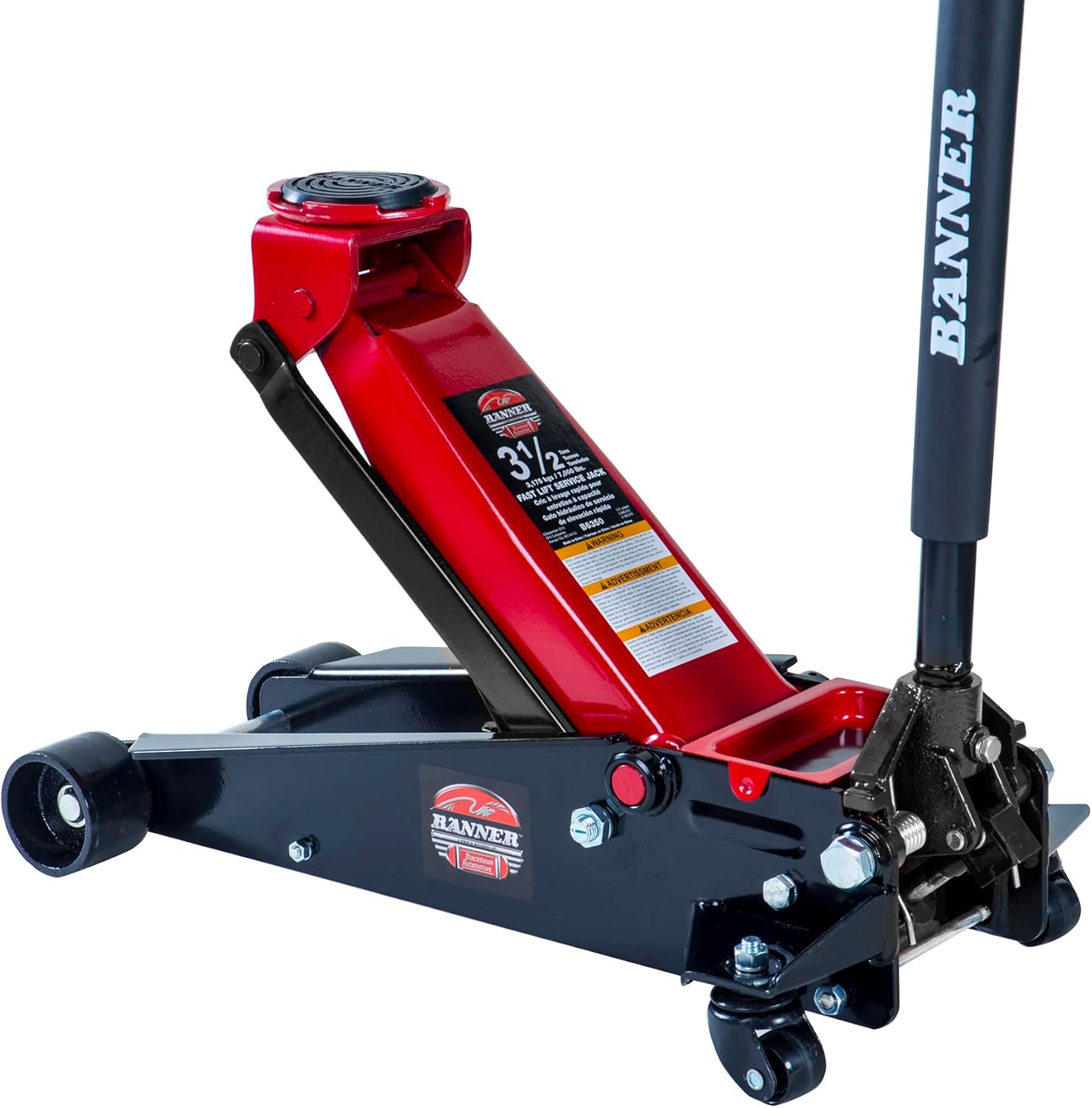
Recommended Tools for This Job


Reconnect the Battery and Test the Repair
After double-checking the wiring and confirming all tools are out of the engine bay and undercarriage, reconnect the battery. Connect the positive cable first if it was removed, then the negative cable last. Tighten the battery terminals securely.
Initial Testing
- Turn the key to the run position and check for warning lights or unusual smells.
- Start the engine and listen for normal, crisp cranking with no grinding or dragging noise.
- If the engine starts, let it idle while you confirm there is no smoke, arcing, or loose wiring near the starter.
- Shut the engine off and restart it several times to verify consistent engagement.
- If you raised the vehicle, lower it completely and perform one final start test on the ground.
A healthy replacement starter should crank the engine smoothly and consistently. If you hear grinding, stop immediately and recheck mounting, part compatibility, and any required shims or spacers.
What to Do If It Still Will Not Crank
If the new starter does not solve the problem, do not assume the replacement part is bad right away. No-crank conditions are often caused by battery, cable, relay, fuse, ignition switch, or ground problems.
- Check battery voltage and load-test the battery if it is more than a few years old.
- Inspect both battery terminals and the engine ground for looseness or corrosion.
- Verify the starter relay, fuse, and related wiring are working.
- Confirm the vehicle is recognizing Park or Neutral, or that the clutch switch is closing on manual-transmission models.
- Measure voltage at the starter main terminal and trigger wire during crank command.
If full battery voltage is reaching the starter but the engine still barely turns, the engine may have mechanical drag or the battery may be weak under load. If there is no trigger signal at the small wire, the problem is upstream in the control circuit.
When This Job Gets More Complicated
Starter replacement can become significantly harder on some modern vehicles. Transverse V6 engines, turbocharged models, trucks with limited frame clearance, and vehicles with starters mounted beneath the intake manifold may require much more disassembly than a typical under-car replacement.
If the starter is obstructed by exhaust components, motor mounts, steering gear, or the front driveshaft, consider whether the job still fits your workspace and experience level. Rusted exhaust fasteners and seized electrical hardware can quickly turn a simple repair into a broken-stud repair.
Hybrid and some late-model vehicles may have special high-voltage disable procedures or battery monitoring requirements. If your vehicle falls into that category, follow the manufacturer procedure exactly or hand the repair to a professional.
Key Takeaways
- Always disconnect the negative battery cable before touching the starter wiring.
- Match the new starter to the old one before installation, including brackets, shields, and terminal layout.
- Start all mounting bolts by hand and torque them to spec to prevent misalignment and grinding.
- Keep the battery cable boot in place so the starter power terminal cannot short to ground.
- If the new starter does not crank, test battery voltage, grounds, relays, and the trigger circuit before replacing more parts.
FAQ
How Long Does It Take to Replace a Starter Motor?
On an easy-to-access vehicle, many DIYers can do it in 1.5 to 2 hours. On vehicles where the starter is buried behind other components, it may take 3 to 4 hours or more.
Do I Always Need to Disconnect the Battery Before Replacing a Starter?
Yes. The starter has a direct high-current connection to the battery, and leaving the battery connected can cause a dangerous short circuit, sparks, or damage to wiring and tools.
Can a Bad Battery Act Like a Bad Starter?
Yes. A weak battery, corroded terminals, or poor engine grounds can cause clicking, slow cranking, or a no-start condition that feels exactly like a failed starter.
Should I Replace the Starter Solenoid Too?
Most replacement starters come with the solenoid attached, so both are replaced together. If your vehicle uses a separate serviceable solenoid, follow the part design and service instructions for that model.
What if the New Starter Grinds when I Try to Start the Engine?
Stop using it immediately. Grinding can mean the starter is not seated correctly, the wrong starter was installed, the mounting bolts are loose, or required shims or spacers were omitted.
Do Starter Bolts Need Thread Locker or Anti-seize?
Use only what the manufacturer specifies. Some bolts install dry, some may call for thread locker, and anti-seize is not always appropriate because it can affect torque readings.
Can I Test the Starter Before Reinstalling Shields and Covers?
Yes, that is often a smart idea. Reconnect the battery, test for proper cranking, then disconnect the battery again if needed before finishing reassembly.
Is It Safe to Drive Right Away After Replacing a Starter Motor?
Yes, if the engine starts normally, the wiring is secured away from heat and moving parts, and all shields and brackets are back in place. Perform several restart checks before regular driving.
Need Parts for This Repair?
The right parts and supplies vary by vehicle.
Select your make and model to find compatible parts and accessories for your car.
Exact Fit
Parts that fit your make and model
Quality You Can Trust
Top brands and OEM quality options
Fast Shipping
Get the parts you need, delivered fast