

Note: This article contains affiliate links. If you click on these links and make a purchase, I may earn a small commission at no extra cost to you. This helps support my research and content. Read my full affiliate disclosure here.
Repair Snapshot
Use a mechanic if access requires major front-end disassembly, coolant hoses or A/C components must be moved, or you are not comfortable diagnosing electrical problems. A pro is also a better choice if the engine is overheating badly or the fan still does not run after replacement.
This article is part of our Cooling System Maintenance & Repair Guides.
Replacing a radiator fan is a straightforward repair on many vehicles, but it needs to be done carefully because a cooling fan problem can quickly lead to overheating, poor A/C performance, and engine damage. If your fan is noisy, cracked, seized, or not turning on when the engine gets hot, replacing it can restore proper airflow through the radiator and condenser.
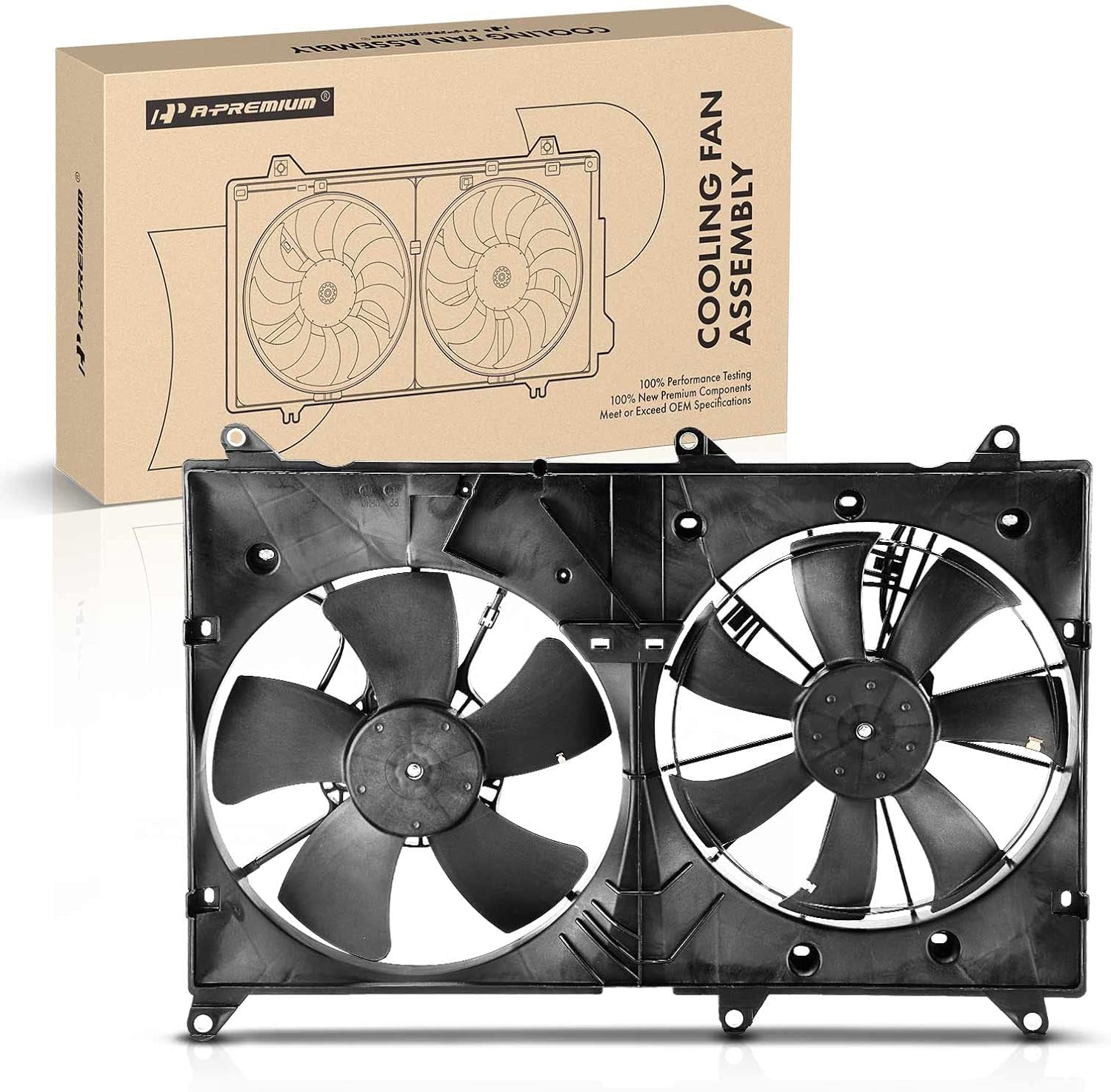
On some cars, you can swap only the fan motor or blade, while others use a complete fan and shroud assembly. The exact layout varies, but the basic process is similar: disconnect power, create working room, remove the old fan assembly, install the new one, and test fan operation before driving. Always compare the new part to the old one before installation, and check your service information for exact torque specs and any model-specific steps.
Before You Start
A radiator fan can start unexpectedly on some vehicles, even with the engine off, if the system is hot or commanded by the control module. Start by parking on a flat surface, letting the engine cool fully, and disconnecting the negative battery cable. Never put your hands near the fan blades on a hot vehicle with the battery connected.
You may need to remove a plastic upper radiator cover, intake ducting, or the coolant overflow bottle to gain access. On tighter engine bays, it can also help to remove the top radiator mounts or move the radiator slightly rearward or forward, depending on the design. If any coolant hoses need to come off, place a drain pan underneath first and plan to top off or bleed the cooling system afterward.
Common Signs the Fan Really Needs Replacement
- The engine overheats in traffic or at idle but cools down once the vehicle is moving.
- The A/C gets warm at stoplights because airflow through the condenser drops.
- The fan motor does not run even though power and ground are present at the connector.
- The fan blade is cracked, wobbles, or contacts the shroud.
- The motor is unusually loud, squeals, or draws excessive current.
Before buying parts, confirm whether your vehicle uses a single fan, dual fans, or a fan integrated into a complete shroud assembly. Matching the connector style, blade diameter, and mounting points matters as much as the year, make, and model.
How the Radiator Fan Is Mounted
Most modern vehicles use an electric fan attached to a shroud behind the radiator. The shroud directs air through the radiator core and often holds one or two fan motors. In many cases, the entire assembly lifts straight up after a few bolts and clips are removed. In other designs, the motor can be separated from the shroud while the shroud stays in the vehicle.
A few vehicles have very limited clearance between the engine and radiator. That can make the job more time-consuming because you may need to move hoses, transmission cooler lines, or upper support components out of the way. Work slowly so you do not crack the radiator tanks or bend cooling fins.
Removal Procedure
Disconnect the Battery and Inspect the Work Area
Disconnect the negative battery cable first. Then look over the fan area with a light and identify all fasteners, electrical connectors, retaining clips, and nearby hoses. Taking a few photos before disassembly can save time during reassembly, especially on dual-fan systems.
Remove Covers and Components Blocking Access
Remove any upper plastic radiator covers, intake snorkels, air ducting, or the coolant overflow bottle if they block access to the shroud. Keep fasteners grouped by component so they go back in the correct locations. If a hose clamp or wire loom is attached to the fan shroud, detach it now instead of trying to force the shroud out later.
Unplug the Fan Electrical Connector
Locate the fan motor connector and release the locking tab carefully. Do not pull on the wires. If the connector is dirty or stuck, use a small pick or screwdriver gently and inspect for melted plastic, corrosion, or loose terminals. If the connector is damaged, repair it before installing the new fan or the replacement may fail early.
Drain Coolant Only if Necessary
Many radiator fan jobs do not require draining the cooling system. If you must remove an upper hose or move the radiator significantly for clearance, catch the coolant in a clean drain pan. Reuse coolant only if it is fresh and uncontaminated; otherwise refill with the correct type recommended for your vehicle.
Remove the Fan or Fan Shroud Mounting Fasteners
Most assemblies are held by a small number of bolts at the top and slotted tabs at the bottom. Remove the top bolts first, then lift slightly to disengage any lower tabs. On some models, there may be side fasteners or retaining clips. Support the shroud as you remove the last fastener so it does not drop into the radiator.
Lift the Assembly Out Carefully
Work the fan assembly upward slowly, watching the blade edges, radiator fins, hoses, and transmission cooler lines. If it catches, stop and look for hidden clips or attached wiring. For dual-fan units, the assembly may need to come out at a slight angle. Avoid forcing it past the radiator core, which can be damaged easily.
If you are replacing only the motor or blade, move the assembly to a workbench and transfer parts there. Mark the blade orientation before removal if needed, and compare the mounting hardware and wiring path closely.
Tools That Make This Job Easier


Installing the New Radiator Fan
Compare the Old and New Parts
Before installation, set the old and new fans side by side. Check blade size, connector type, shroud shape, bolt locations, and overall depth. Even a small difference can cause interference with the radiator, belts, or engine accessories. If the new part includes rubber isolators, transfer any missing cushions or grommets from the old assembly.
Transfer Reusable Hardware and Clips
Move over any harness clips, hose holders, mounting bushings, and brackets that are not included with the new assembly. Use new fasteners where possible if the old clips are brittle or distorted. A little dielectric grease on the electrical connector seal can help prevent moisture intrusion.
Lower the Assembly Into Place
Guide the lower tabs into their slots first, then align the upper mounting holes. Make sure the shroud sits evenly and does not pinch any hoses or wiring underneath. Start all fasteners by hand before tightening so the assembly stays square in the radiator support.
Tighten Fasteners and Reconnect Wiring
Tighten the fan or shroud bolts to the manufacturer specification if you have it. If you do not have the exact torque value, snug them evenly without overtightening, especially where the shroud mounts to plastic radiator tanks or lightweight brackets. Reconnect the electrical connector until the lock clicks, then route the harness exactly as it was from the factory to keep it away from the blades and belts.
Reinstall Removed Components
Reinstall the coolant overflow bottle, intake ducting, upper covers, support brackets, and any hoses or clips removed earlier. If coolant was drained, refill the system with the correct coolant mixture and bleed air from the system using the manufacturer procedure. Some vehicles have a bleeder screw; others require running the engine with the heater on and topping off as air works out.
Torque, Clearance, and Wiring Notes
Radiator fan hardware is usually small, so exact torque values vary by vehicle and are often low. A common mistake is overtightening fasteners into plastic or thin metal brackets, which can crack mounting points or distort the shroud. If you do not have a service manual, use a small ratchet and tighten only until the assembly is secure.
Check clearance around the entire fan before reconnecting the battery. Spin the blade by hand if accessible to verify it does not rub the shroud. Confirm the shroud is fully seated, the harness is clipped back in place, and no loose shop towels or tools are left near the fan.
If the old connector looked overheated, test the wiring before calling the repair finished. A bad relay, resistor module, fuse, control module command, or poor ground can prevent the new fan from operating. Replacing the fan alone will not fix an upstream electrical problem.
Recommended Tools for This Job


Testing the New Fan
Reconnect Power and Start with a Visual Check
Reconnect the negative battery cable. Start the engine and let it idle while watching the fan area from a safe distance. Check for vibration, wobble, coolant leaks, and any harness movement toward the blades.
Bring the Engine Up to Operating Temperature
Allow the engine to reach normal operating temperature. On many vehicles, the fan does not run constantly; it cycles on only when coolant temperature reaches a set point or when the A/C is turned on. If the engine temperature climbs into an unsafe range without the fan engaging, shut the engine off and diagnose the control circuit before driving.
Test with the A/C On
Turn the air conditioning on and verify the fan runs if your vehicle is designed that way. This is one of the easiest quick checks because many systems command fan operation almost immediately with A/C request. You should also notice improved airflow and more stable A/C performance at idle.
Top Off Coolant if Needed
If any coolant was lost, let the engine cool and recheck the radiator or reservoir level. Add coolant as needed and inspect for leaks around any hoses or components moved during the repair. A trapped air pocket can cause temperature swings, so do not skip the final level check.
If the New Fan Still Does Not Work
If the replacement fan does not come on, do not assume the new part is defective right away. Cooling fan systems often rely on multiple parts working together, including fuses, relays, temperature sensors, control modules, resistor packs, and grounds.
- Check the fan fuse and relay first, especially if the old fan failed electrically.
- Verify battery voltage and good ground at the fan connector when the fan is commanded on.
- Inspect the connector for heat damage, corrosion, spread terminals, or broken wires near the plug.
- Scan for engine cooling or A/C related trouble codes if you have a scan tool.
- Confirm the engine is actually reaching the temperature that should trigger fan operation.
Some vehicles also use separate low-speed and high-speed circuits, so a fan may operate in one mode but not the other. If diagnosis points beyond the fan itself, a wiring diagram and a multimeter become important.
Mistakes to Avoid
- Do not work around the fan with the battery connected unless you are actively testing and keeping clear of the blades.
- Do not pry against the radiator core or plastic tanks when removing the shroud.
- Do not leave the wiring harness unclipped where it can contact the fan blade.
- Do not mix coolant types unless the vehicle manufacturer specifically allows it.
- Do not skip diagnosis if the old fan failed because of a blown fuse or melted connector.
Most repeat failures happen because the fan was not the only problem. Take a few extra minutes to inspect the connector, fuse, relay, and coolant condition before considering the job done.
Key Takeaways
- Disconnect the battery and let the engine cool completely before putting your hands near the fan assembly.
- Compare the new fan to the old one before installation so connector style, depth, and mounting points match exactly.
- Protect the radiator fins and tanks during removal because forcing the shroud out can create an expensive new leak.
- If coolant was drained or hoses were removed, refill and bleed the system before final testing.
- A new fan that still does not run usually means you need to inspect the fuse, relay, connector, ground, or control circuit.
FAQ
Can I Drive with a Bad Radiator Fan?
It is risky. A vehicle with a failed radiator fan may stay cool at highway speed but overheat quickly in traffic, at idle, or when the A/C is on. If the temperature gauge starts climbing, stop driving and fix the issue before engine damage occurs.
Do I Need to Drain the Coolant to Replace a Radiator Fan?
Usually no. Many fan assemblies can be removed without opening the cooling system. You only need to drain coolant if a hose, radiator mount, or nearby component must be removed and coolant would spill.
Should I Replace Only the Fan Motor or the Whole Assembly?
Replace the whole assembly if the shroud is cracked, the blade is damaged, or the complete unit is reasonably priced. Replacing only the motor can save money on some vehicles, but it takes more disassembly and is only worth it if the rest of the assembly is in good shape.
Why Does My New Radiator Fan Not Turn on Right Away?
Many cooling fans do not run constantly. They switch on only at a certain coolant temperature or when the A/C requests airflow. Let the engine reach operating temperature and test with the A/C on before assuming there is a problem.
What Causes a Radiator Fan to Fail?
Common causes include worn motor bearings, internal motor failure, cracked blades, corrosion in the connector, blown fuses, bad relays, and control circuit problems. An overheating event can also stress the fan motor and wiring.
Is a Radiator Fan the Same as a Condenser Fan?
Sometimes yes, sometimes no. Many vehicles use one electric fan or a dual-fan assembly to move air through both the radiator and A/C condenser. Other designs may refer to them separately, but they are often part of the same mounted assembly.
Do I Need a Scan Tool to Replace a Radiator Fan?
Not usually for the physical replacement. A basic hand-tool set is often enough. A scan tool becomes helpful if the new fan does not operate and you need to verify temperature data, fan commands, or stored diagnostic trouble codes.
Need Parts for This Repair?
The right parts and supplies vary by vehicle.
Select your make and model to find compatible parts and accessories for your car.
Exact Fit
Parts that fit your make and model
Quality You Can Trust
Top brands and OEM quality options
Fast Shipping
Get the parts you need, delivered fast