

Note: This article contains affiliate links. If you click on these links and make a purchase, I may earn a small commission at no extra cost to you. This helps support my research and content. Read my full affiliate disclosure here.
What You’ll Need
A quick look at the tools and supplies commonly used for this job.
Tools
- Floor jack
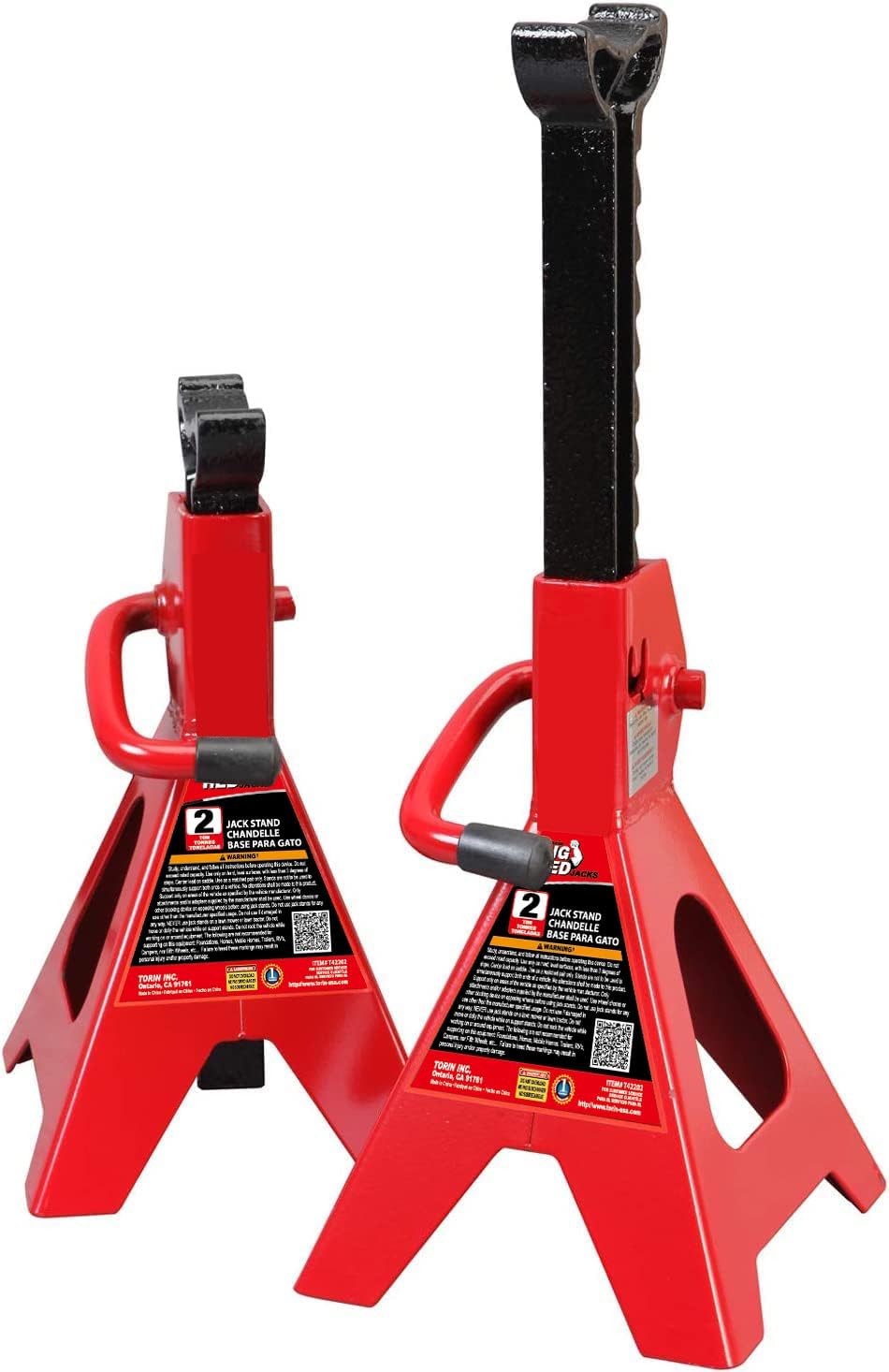
- Jack stands
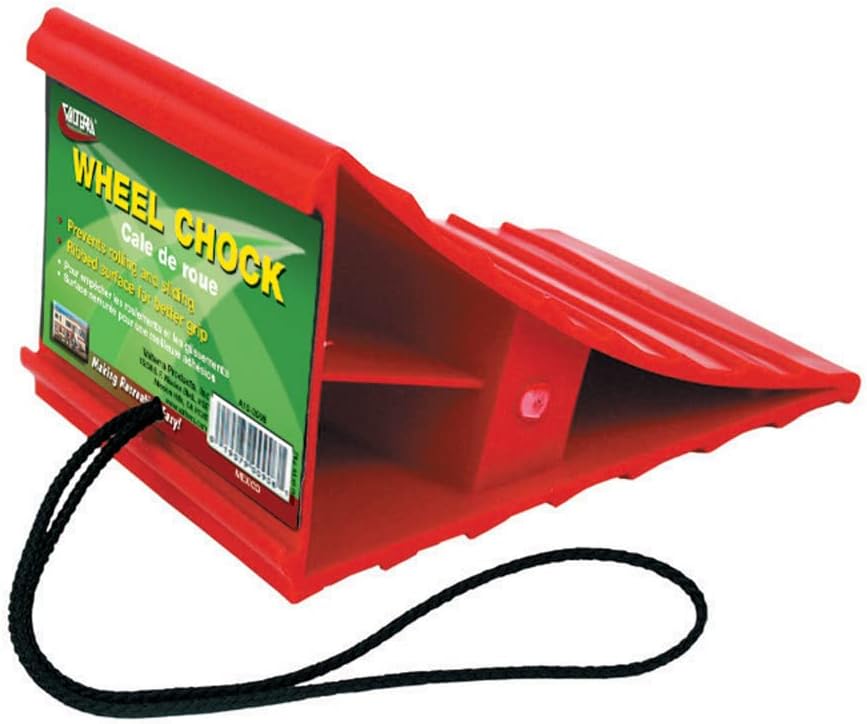
- Wheel chocks
- Lug wrench or impact wrench
- Flashlight
- Brake cleaner
- Safety glasses
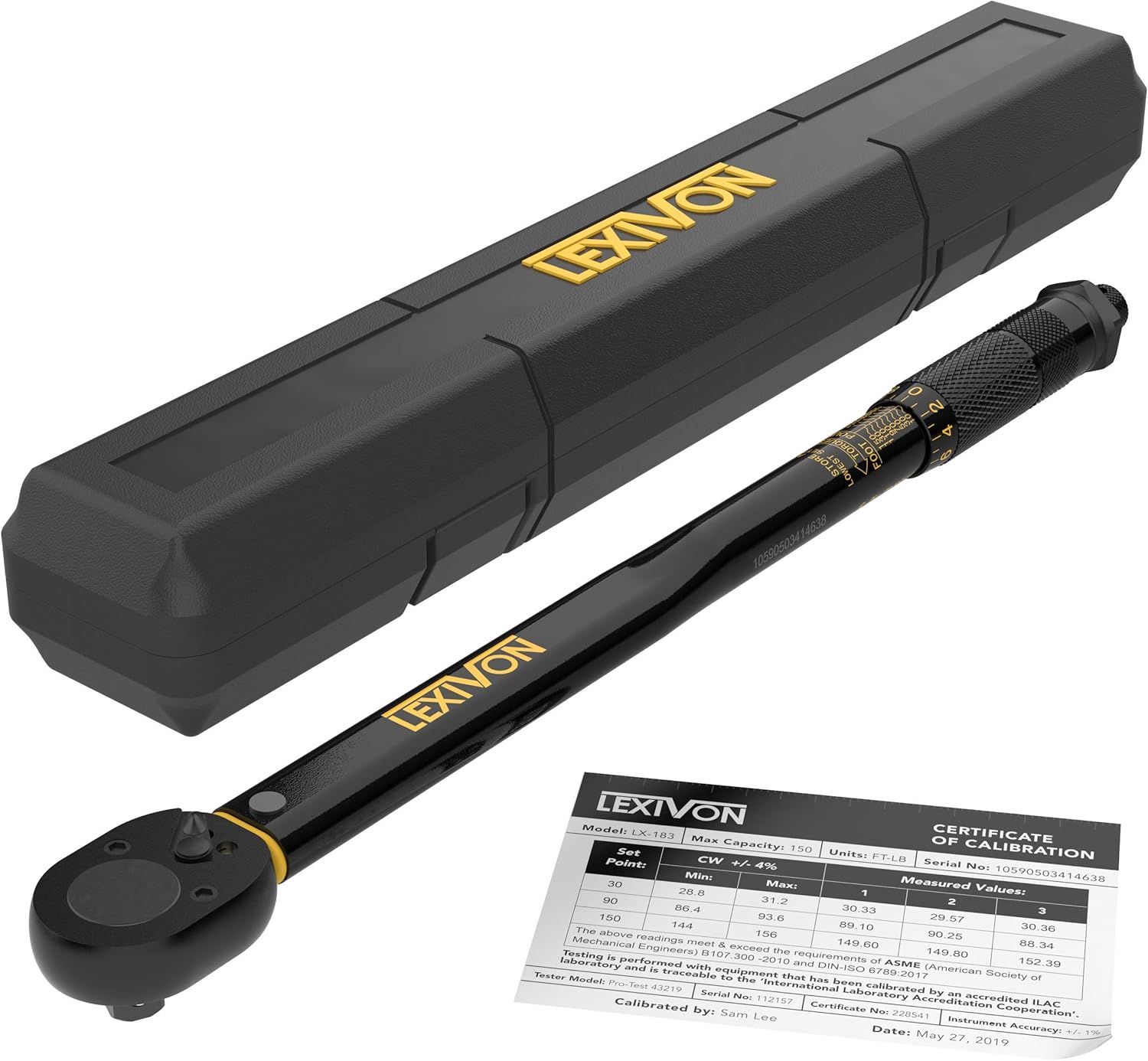
- Torque wrench
- Brake spring pliers
- Brake spoon or flat screwdriver
- Needle-nose pliers
- Drum brake hold-down spring tool
- Shop rags
- Dust mask
Parts & Supplies
- Drum brake hardware kit
- Replacement brake shoes if worn or contaminated
- High-temperature brake lubricant
- Anti-seize compound for drum-to-hub contact if specified
- New brake drum if out of spec or damaged
This article is part of our Brake System Maintenance & Repair Guides.
If you suspect rear drum brake hardware problems, the issue is often more than just worn brake shoes. Weak or stretched springs, seized adjusters, loose hold-down pins, and misrouted parking brake parts can cause noise, brake drag, poor stopping, or a low brake pedal.
The good news is that drum brake hardware faults usually leave visible clues once you know what to inspect. A careful diagnosis helps you tell the difference between bad hardware, worn friction material, a leaking wheel cylinder, or a parking brake problem.
This guide walks you through a practical DIY inspection process so you can safely confirm what failed, understand the symptoms, and decide whether you need a hardware kit, new shoes, additional brake parts, or a full professional inspection.
What Rear Drum Brake Hardware Actually Includes
Rear drum brakes rely on several small mechanical parts to keep the shoes centered, retract them after braking, and maintain proper clearance to the drum. When one of these parts weakens, breaks, rusts, or is installed incorrectly, braking performance can change quickly.
- Return springs that pull the shoes back after braking.
- Hold-down springs and pins that keep each shoe seated against the backing plate.
- The star wheel adjuster and adjuster lever that maintain correct shoe-to-drum clearance.
- Parking brake lever, strut, and cable connections that apply the rear brakes mechanically.
- Shoe contact pads on the backing plate where the shoes slide during operation.
A hardware problem may show up even if the shoes still have usable lining left. In many cases, the worn hardware is the real cause of rapid shoe wear, brake grabbing, overheated drums, or constant adjustment issues.
Common Symptoms of Drum Brake Hardware Problems
Before you take anything apart, pay attention to how the vehicle behaves. Symptoms often point you toward the failed part.
- Scraping, rubbing, clicking, or metallic noises from one rear wheel.
- A rear wheel that feels hot after a short drive, suggesting brake drag.
- Weak parking brake hold or a parking brake that will not release fully.
- The vehicle pulling, grabbing, or feeling unstable during light braking.
- A low brake pedal caused by excessive shoe-to-drum clearance from a bad self-adjuster.
- Uneven wear between the left and right rear shoes, or between the primary and secondary shoe on one side.
- Brake lockup at one rear wheel caused by missing or weak return hardware.
These symptoms can overlap with contaminated shoes, a leaking wheel cylinder, a seized parking brake cable, or an out-of-round drum. That is why a visual inspection matters before replacing parts.
Safety Steps Before Inspection
Brake dust and unstable vehicle support are the two biggest risks in a DIY drum brake inspection. Work slowly and keep safety ahead of speed.
- Park on a flat surface and chock the front wheels.
- Release the parking brake before removing the drums unless you are specifically testing for a stuck cable or applied shoe set.
- Loosen the rear lug nuts slightly before lifting the vehicle.
- Raise the rear safely and support it on jack stands.
- Wear safety glasses and avoid blowing brake dust with compressed air.
- Use brake cleaner and rags to control dust instead of dry brushing or air blasting.
If the drum will not come off, the shoes may be hanging on a drum ridge or the adjuster may be overextended. Back off the star wheel adjuster through the access slot if your drum and backing plate design allows it.
Initial Checks Before Removing the Drum
Compare Both Rear Sides
If only one side is noisy, dragging, or overheating, compare it to the opposite rear wheel. Drum brake hardware is often easiest to diagnose by noticing what looks different from the good side.
Spin the Wheel by Hand
With the rear end lifted and the transmission safely secured, spin each rear wheel by hand. A slight brushing sound can be normal, but strong resistance, binding, or a stop-start feel can point to overadjusted shoes, broken return springs, or a parking brake mechanism not releasing.
Check Parking Brake Operation
Apply and release the parking brake several times. If one side releases slower than the other, or if the wheel remains hard to turn after release, inspect the cable linkage and parking brake lever inside the drum carefully.
Tools That Make This Job Easier

How to Inspect the Drum and Hardware Visually
Once the drum is off, do not immediately disassemble everything. First, study the complete assembly as it sits. Take a clear photo so you can compare routing and part position during reassembly.
Look for Obvious Hardware Failures
- Broken return springs or springs with uneven tension.
- A missing or loose hold-down pin, spring, or retaining cap.
- Shoes tilted away from the backing plate instead of sitting flat.
- A star wheel adjuster that is frozen, rusty, or installed backward.
- Parking brake lever parts that are loose, jammed, or disconnected.
- Grooves worn into the backing plate contact pads.
Check for Heat and Drag Signs
Blue discoloration, cracked lining, glazing, or a scorched smell can indicate the shoes were dragging against the drum. Hardware is often the root cause when drag is combined with weak retraction or a self-adjuster that will not back off.
Inspect the Drum Surface
The inside drum surface should be relatively smooth and evenly worn. Deep grooves, heavy scoring, heat spots, or a pronounced outer lip can create noise and make diagnosis harder. If the drum is badly worn, measure it against service limits before reusing it.
Specific Hardware Problems and How to Identify Them
Weak or Broken Return Springs
Return springs pull the shoes away from the drum after you release the brake pedal. If a spring is broken, stretched, rusted thin, or has lost tension, the shoe may drag, overheat, or make scraping noises. Compare spring shape and tension with the opposite side. If one spring looks longer, distorted, or heat damaged, replace the hardware on both rear brakes.
Failed Hold-Down Springs and Pins
Hold-down hardware keeps each shoe aligned against the backing plate. When it loosens or breaks, the shoe can twist, chatter, wear unevenly, or rub the drum. A shoe sitting crooked or farther outward than normal is a strong clue that hold-down hardware has failed.
Frozen or Misinstalled Star Wheel Adjuster
The adjuster must turn freely and be installed on the correct side in the correct orientation. A seized adjuster may leave too much clearance, causing a low pedal and weak rear braking. An incorrectly assembled adjuster can over-tighten the shoes, causing drag or lockup. Remove the adjuster, clean it, and check whether the threads move smoothly by hand.
Parking Brake Lever or Strut Issues
If the parking brake lever inside the drum does not return fully, one shoe may stay partially applied. Look for rust at pivot points, missing clips, incorrect lever placement, or a strut that has slipped out of position. If the lever moves poorly even with the cable disconnected, the drum hardware is likely the main problem.
Backing Plate Wear
The shoes slide on raised contact pads of the backing plate. If those pads are deeply grooved or dry, the shoes may hang up instead of retracting smoothly. This can mimic a spring problem. Clean those contact points and inspect for excessive wear. Severe grooves may require backing plate replacement.
Tests That Help Separate Hardware Problems From Other Brake Faults
Check for Wheel Cylinder Leaks
Pull back the wheel cylinder boots if accessible and inspect for moisture. Brake fluid on the shoes can cause grabbing, pulling, and poor braking that may seem like hardware trouble. If the shoes are wet, the wheel cylinder and contaminated friction material need attention before hardware alone will fix the issue.
Inspect Shoe Wear Pattern
Uneven or tapered lining wear often points to hardware alignment problems. Even wear but heavy glazing may suggest prolonged drag. Oil or brake fluid contamination points away from hardware as the only cause.
Check the Parking Brake Cable
Disconnect or relax the cable if needed and see whether the internal parking brake lever returns normally. If the assembly moves freely with the cable removed, the cable may be seized or binding upstream rather than the drum hardware itself.
Compare Adjustment Side to Side
One rear drum that is much tighter than the other often points to an adjuster issue, hardware misassembly, or a non-releasing parking brake component. A much looser side can indicate a frozen self-adjuster or missing adjuster lever action.
Recommended Tools for This Job


What a Correctly Assembled Drum Brake Should Look Like
A healthy rear drum brake assembly should look symmetrical, clean, and stable. The shoes should sit flat against the backing plate contact points, the springs should appear evenly tensioned and correctly hooked, and the star wheel adjuster should sit squarely between the shoes.
- No shoe should be tilted, floating, or loose against the backing plate.
- Return springs should not be rust-thinned, overstretched, or rubbing where they should not.
- The adjuster should rotate when serviced and show clean, usable threads.
- Parking brake parts should move smoothly and return fully after release.
- Both rear sides should mirror each other except for left-versus-right-specific adjuster orientation.
If the assembly looks confusing or one side does not match the other, stop and verify the layout with a service manual or an untouched reference side before replacing individual parts.
When to Replace Hardware Only and When to Replace More Parts
Hardware kits are inexpensive, and on older drum brakes it often makes sense to replace the springs, hold-downs, and adjuster hardware whenever the shoes are replaced. But hardware alone is not always enough.
Replace Hardware Only If
- The shoes have even wear and plenty of lining left.
- There is no brake fluid or grease contamination.
- The drum is in good condition and within specification.
- The issue is clearly a broken spring, missing hold-down, or seized adjuster.
Replace Shoes and Hardware If
- The shoes are glazed, cracked, heat damaged, or worn unevenly.
- A dragging hardware problem has overheated the lining.
- The drum surface is damaged enough to require machining or replacement.
- The brake assembly shows age, rust, and multiple weak components.
Look Deeper If
- You find wheel cylinder leakage.
- The parking brake cable is seized.
- The backing plate is heavily grooved.
- The drum repeatedly overheats even after hardware replacement.
Reassembly and Final Verification
After repairs, clean the backing plate contact pads and apply a very light amount of high-temperature brake lubricant where the shoes slide. Do not get lubricant on the shoe lining or drum friction surface.
- Reassemble the hardware exactly as designed for that side of the vehicle.
- Confirm that the shoes sit squarely and the hold-downs fully secure them.
- Make sure the adjuster turns and is oriented correctly for left or right installation.
- Adjust the shoes so the drum installs with light drag, then fine-tune per service procedure.
- Pump the brake pedal before moving the vehicle to center the shoes.
- Test parking brake application and release before road testing.
- After a short drive, check that both rear drums are similar in temperature and neither wheel is dragging.
A successful repair should eliminate abnormal noise, restore smooth wheel rotation, and give you consistent braking and parking brake performance without overheating one side.
When to Stop and Get Professional Help
Rear drum brakes are serviceable for many DIY owners, but some situations call for expert help. If the hardware layout has been altered by a previous repair, if the assembly differs side to side and you are unsure why, or if braking remains uneven after careful reassembly, a technician should inspect the system.
- You cannot identify the correct spring or adjuster orientation.
- The wheel cylinder leaks or the brake pedal feels soft after repair.
- The parking brake cable is seized in the sheath.
- The drum will not come off or fit back on even after adjuster correction.
- You suspect backing plate or axle seal issues in addition to hardware faults.
Key Takeaways
- Compare both rear drum assemblies before disassembly, because the good side is often your best reference for spotting wrong or failed hardware.
- Broken return springs, failed hold-downs, and seized adjusters commonly cause drag, noise, uneven wear, and weak or inconsistent parking brake operation.
- Do not assume hardware is the only problem if you find wet shoes, heavy glazing, or a seized cable, because leaks and parking brake faults can mimic hardware failure.
- Replace aging drum hardware in pairs on both rear wheels to restore balanced spring tension and reduce repeat failures.
- After reassembly, verify light drum drag, full parking brake release, and similar wheel temperature on both sides after a short test drive.
FAQ
How Do I Know if a Rear Drum Brake Spring Is Bad?
A bad spring may be broken, stretched, rust-thinned, heat discolored, or obviously weaker than the matching spring on the other side. Common symptoms include dragging brakes, scraping noise, overheating, and shoes that do not retract evenly.
Can Drum Brake Hardware Cause a Low Brake Pedal?
Yes. If the self-adjuster is frozen or misassembled, the shoes can sit too far from the drum. That extra clearance makes the wheel cylinder travel farther before the shoes contact the drum, which can feel like a low pedal.
Should I Replace Drum Brake Hardware Whenever I Replace the Shoes?
In most cases, yes. Springs and hold-down parts lose tension with age and heat cycles, and hardware kits are usually inexpensive. Replacing the hardware with new shoes helps restore proper operation and reduces the chance of uneven wear or return problems.
What Causes One Rear Drum Brake to Get Hotter than the Other?
A hotter drum usually means that side is dragging. Common causes include weak return springs, a seized star wheel adjuster, a stuck parking brake lever, a seized parking brake cable, or contamination inside the drum.
Can I Reuse a Drum Brake Adjuster?
You can reuse it only if the threads are clean, the mechanism turns smoothly, and there is no excessive rust, damage, or incorrect wear. If it is seized, badly corroded, or questionable, replacement is the safer choice.
Why Do My Rear Drum Brakes Make a Clicking or Scraping Sound?
Noise can come from loose hold-down hardware, broken springs, a shoe sitting crooked, a badly grooved drum, or a parking brake component contacting where it should not. A visual inspection is usually needed to pinpoint the exact source.
Is It Safe to Drive with Suspected Rear Drum Brake Hardware Problems?
It is not a good idea. Hardware faults can lead to brake drag, overheating, poor rear braking, uneven stopping, or wheel lockup. If you suspect a drum brake problem, inspect and repair it before normal driving.
Need Parts for This Repair?
The right parts and supplies vary by vehicle.
Select your make and model to find compatible parts and accessories for your car.
Exact Fit
Parts that fit your make and model
Quality You Can Trust
Top brands and OEM quality options
Fast Shipping
Get the parts you need, delivered fast