

Note: This article contains affiliate links. If you click on these links and make a purchase, I may earn a small commission at no extra cost to you. This helps support my research and content. Read my full affiliate disclosure here.
What You’ll Need
A quick look at the tools and supplies commonly used for this job.
Tools
- Flashlight
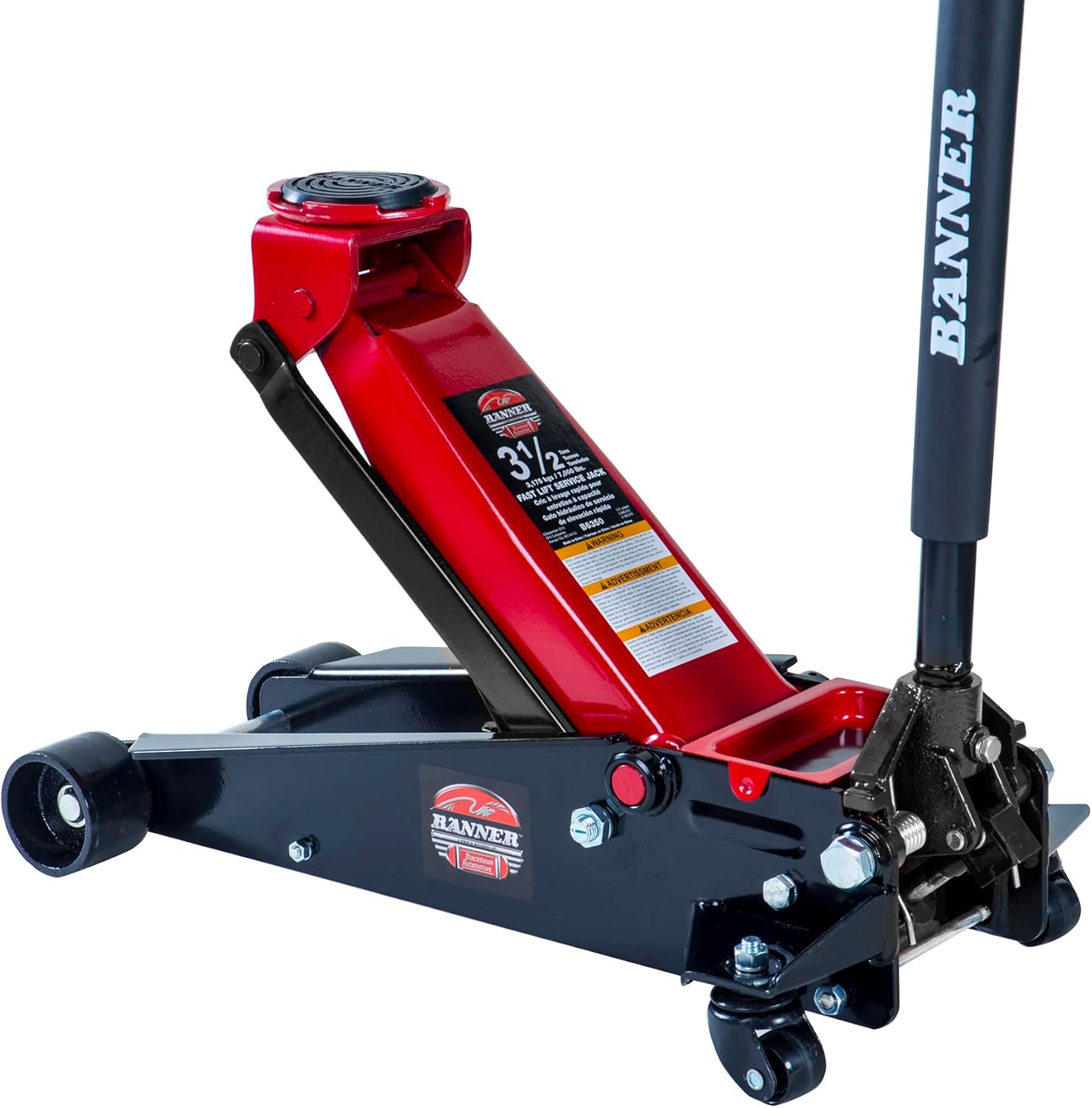
- Floor jack
- Jack stands
- Wheel chocks
- Lug wrench
- Mechanic’s gloves
- Safety glasses
- Flat-head screwdriver or small pry bar
- Feeler gauge or thin card for gap checking
- Rubber mallet
Parts & Supplies
- Brake cleaner
- Shop towels or rags
- Anti-seize compound for wheel mating surface if appropriate
This article is part of our Brake System Maintenance & Repair Guides.
Brake dust shield contact usually causes a light metallic scraping, ticking, or rubbing sound that changes with wheel speed. The shield sits just behind the rotor, and it can get bent by road debris, rust, improper wheel installation, or contact during other brake work.
The good news is that this problem is often simple to confirm with a careful visual inspection and a few basic checks. This guide walks you through the symptoms, safe inspection steps, how to tell shield noise from more serious brake issues, and what to do next once you find the contact point.
What Brake Dust Shield Contact Sounds and Feels Like
A brake dust shield, also called a splash shield or backing plate, is a thin metal panel mounted behind the brake rotor. Its job is to help deflect water, dirt, and debris. Because it sits very close to the spinning rotor, even a small bend can create a steady scraping or intermittent rubbing noise.
Common Symptoms
- A light metallic scrape, shhh sound, or tinny rubbing noise while driving.
- Noise that speeds up as the wheel rotates faster.
- Sound that may get worse when turning, driving over bumps, or backing up.
- Little or no brake pedal change compared with normal operation.
- Noise that remains even when you are not actively pressing the brake pedal.
Shield contact is often most noticeable at low speed with the windows down. In many cases, the sound is constant once the rotor begins turning, but sometimes it only happens at one point in the rotor’s rotation if the shield is bent inward at a single spot.
Why the Symptoms Matter
The key clue is that the noise is usually thin and metallic, not deep or grinding. A bent dust shield can sound annoying, but it is different from worn brake pads, a seized caliper, loose hardware, or a bad wheel bearing. Your goal is to confirm whether the rotor is touching the shield directly or whether another brake component is making the noise.
Safety First Before You Inspect
Brake inspections involve lifting the vehicle and working around sharp metal edges. Take a few extra minutes to set up safely before you start.
- Park on a flat, solid surface.
- Set the parking brake unless you are working on a rear brake setup that requires it released for rotation checks.
- Chock the wheels that stay on the ground.
- Wear gloves and safety glasses.
- Never rely on a jack alone; always support the vehicle with jack stands.
If you just drove the car, let the brakes cool down first. Rotors, calipers, and wheels can be hot enough to burn you. Also remember that a scraping noise from the brake area can sometimes indicate a more serious failure, so do not assume it is only the shield until you verify it.
Tools and Supplies That Help
You do not need specialty brake tools for a basic diagnosis, but a few simple items make the job much easier and more accurate.
Most Useful Items
- A flashlight helps you see the small gap between the rotor and shield.
- A flat-head screwdriver or small pry tool lets you gently reshape a bent shield.
- A feeler gauge or even a thin card can help compare rotor-to-shield clearance around the circumference.
- Brake cleaner and towels help remove packed dirt or rust flakes that can mimic contact.
- A rubber mallet can help if road debris has slightly deformed the shield edge.
If you are already removing the wheel, keep a lug wrench handy and inspect the brake assembly slowly. Many shield contact issues become obvious only after the wheel is off and the rotor can be rotated by hand.
Initial Checks Without Removing the Wheel
Start with a quick inspection before lifting the vehicle. Sometimes you can narrow down the issue in a few minutes.
Listen for when the Noise Happens
Drive slowly in a quiet area if it is safe to do so. Note whether the sound changes with vehicle speed, steering angle, or brake pedal pressure. Dust shield contact often changes little with brake pedal input because the rubbing is between the rotor and shield, not between the pads and rotor friction surface.
Look Through the Wheel Openings
Use a flashlight to look behind the rotor. On some vehicles, you can see an obviously bent shield edge or a section that sits much closer to the rotor than the rest. You may also see a shiny wear mark where the spinning rotor has been touching the shield.
Check for Obvious Recent Causes
- Recent brake service where the shield may have been bumped.
- Driving through deep snow, mud, gravel, or road debris.
- A curb strike or impact near the wheel.
- Rust buildup around the shield mounting area.
- A noise that started right after wheel or tire work.
If the sound started immediately after a wheel installation, also consider a wheel or rotor not seated correctly, though that is less common than a simple shield bend.
Tools That Make This Job Easier


How to Inspect the Dust Shield With the Wheel Removed
For a reliable diagnosis, raise the vehicle safely, remove the wheel, and inspect the brake assembly directly. This is the point where shield contact usually becomes easy to confirm.
Raise and Support the Vehicle
Loosen the lug nuts slightly before lifting the vehicle if needed. Jack the car up at the correct lift point, place jack stands securely, then remove the wheel. Keep the lug nuts together and position the wheel out of your way.
Inspect the Shield-to-rotor Gap
With the wheel off, look all the way around the outer edge and inner face of the rotor. The dust shield should sit close, but it should not touch. Compare the gap at several points around the rotor. If one area is much tighter than the rest, that is a strong sign of a bent shield.
Rotate the Rotor by Hand
Spin the rotor slowly by hand. Listen for scraping and watch for the exact point where the rotor passes closest to the shield. If the noise repeats at the same place every rotation, mark that area mentally and inspect for a shiny rubbed spot on either the shield or rotor.
Look for Physical Evidence of Contact
- Bright metal marks on the shield edge.
- A polished ring or line on the rotor where contact is occurring.
- Packed gravel, rust scale, or a small foreign object stuck between rotor and shield.
- A shield section that is creased, rippled, or pushed inward.
- Uneven clearance caused by corrosion or mounting distortion.
Sometimes a pebble or rust flake trapped between the rotor and shield causes the sound instead of a permanent bend. Remove debris carefully, clean the area, and recheck clearance before assuming the shield must be reshaped.
Simple Tests to Confirm It Is the Shield and Not Another Brake Problem
A dust shield can be the culprit, but other brake noises can sound similar from the driver’s seat. Use these checks to separate shield contact from pad wear, caliper issues, or rotor damage.
Test How the Noise Reacts to Brake Pedal Pressure
On a careful low-speed test drive, note whether the sound changes when you lightly apply the brakes. If the noise stays mostly the same whether the pedal is pressed or not, shield contact becomes more likely. If the noise gets much worse or changes sharply during braking, inspect pads, rotors, and hardware closely.
Check Pad Wear Indicators
Many pads include a wear tab that creates a high-pitched metallic squeal when the pad material is low. That sound can be mistaken for shield contact. Inspect pad thickness and look for an indicator touching the rotor.
Listen for Grinding Versus Light Scraping
A shield usually makes a thin scraping sound. Brake pads worn down to metal often make a much harsher grinding noise and are typically accompanied by reduced braking performance, rotor scoring, or visible pad wear. Do not ignore that difference.
Inspect Caliper Hardware and Rotor Condition
- Loose anti-rattle clips can rub or buzz.
- A seized caliper slide can cause uneven pad contact.
- Heavily rust-lipped rotors can lightly contact nearby components.
- Loose splash shield mounting points can let the shield shift during driving.
- A bent rotor shield plus another brake issue can happen at the same time.
If you find worn pads, deeply grooved rotors, fluid leaks, or a dragging caliper, treat those as higher-priority repairs than the shield itself.
How to Identify the Exact Contact Point
Finding the exact contact area saves time and prevents over-bending the shield. You usually only need a small correction in one spot.
Use a Slow-rotation Visual Check
Position your light so it shines across the gap between the shield and rotor. Rotate the rotor slowly and watch for the tightest point. If needed, use a thin card or feeler gauge as a visual reference to compare clearance at different spots.
Follow Scrape Marks
A shiny line on the shield or a faint polished ring on the rotor often points directly to the interference area. Light contact may only leave a small bright patch, especially if it started recently.
Gently Move the Suspected Area
Using a screwdriver or pry tool, carefully pull the shield a small amount away from the rotor at the suspected contact point. Do not use excessive force. Rotate the rotor again and listen. If the noise disappears, you have confirmed the problem.
The shield is thin metal, so small movements make a big difference. Avoid bending large sections unless the entire shield is obviously distorted.
Recommended Tools for This Job


What Your Findings Mean
If the Shield Is Only Slightly Bent
A minor bend with clear rotor contact marks usually means the repair is simple. Clean the area, gently reshape the shield for consistent clearance, rotate the rotor several times, and verify the rubbing is gone.
If Debris Caused the Noise
Remove the trapped pebble, rust flake, or buildup, then recheck the shield shape. If the shield springs back into place and clearance is even, no further repair may be needed.
If Contact Returns After Adjustment
Recurring contact suggests the shield may be rust-weakened, loose at its mounting points, or distorted more severely than it first appeared. It can also indicate rotor runout, wheel bearing play, or another alignment issue that changes the rotor’s path during rotation.
If the Noise Does Not Match Shield Contact
No visible contact marks, unchanged shield clearance, and noise that reacts strongly to braking all point toward other brake causes. Inspect pad thickness, rotor surface, caliper operation, hardware security, and wheel bearing condition before driving much farther.
Next Steps and When to Repair More Than the Shield
Once you confirm shield contact, decide whether a simple adjustment is enough or if replacement or further brake service is the better call.
A Simple Adjustment Is Usually Enough When
- The shield has only a minor localized bend.
- There is no major rust damage.
- The rotor and pads are otherwise in good condition.
- The shield stays in position after a small correction.
- The noise disappears completely during a hand-rotation check and road test.
Consider Replacement or Professional Inspection When
- The shield is cracked, severely corroded, or loose at the mounting bolts.
- The rubbing returns quickly after you bend it back.
- The rotor appears to wobble or does not run true.
- You find heavy rotor scoring, worn pads, or caliper problems.
- There is wheel bearing play, vibration, or a growling noise in addition to scraping.
After any shield adjustment, reinstall the wheel properly, torque the lug nuts to specification, and do a short test drive. Listen at low speed first. If the sound remains or braking feels abnormal, stop and re-inspect.
Mistakes to Avoid During Diagnosis
A few common mistakes can turn a simple diagnosis into a missed problem or repeat noise.
- Assuming every metallic brake-area sound is just the shield.
- Bending the shield too aggressively and creating new contact points.
- Skipping a rotor hand-spin check after making an adjustment.
- Ignoring worn pads, grooves, or caliper drag because the shield was also rubbing.
- Working under a vehicle supported only by a hydraulic jack.
The safest approach is to confirm the contact visually, correct only what you can verify, and road test carefully afterward.
Key Takeaways
- A brake dust shield usually makes a light metallic scraping noise that changes with wheel speed more than brake pedal pressure.
- The best confirmation is a wheel-off inspection showing uneven rotor-to-shield clearance or shiny contact marks.
- Small shield bends often need only a gentle correction, but recurring contact can point to rust, looseness, or another brake issue.
- Do not confuse shield noise with worn pads, rotor damage, caliper drag, or wheel bearing problems.
- If braking performance changes, the rotor wobbles, or the noise persists after adjustment, inspect the full brake assembly or get professional help.
FAQ
Can I Drive with a Brake Dust Shield Rubbing the Rotor?
A short trip to inspect or repair it is usually possible if braking feels normal, but you should not ignore it. A rubbing shield can mask more serious brake problems, and persistent contact can create noise, heat, or eventually damage the shield.
What Usually Bends a Brake Dust Shield?
Common causes include road debris, snow or ice buildup, minor impacts, recent brake service, rust weakening the metal, or accidental contact during wheel or suspension work.
Will Shield Contact Affect Braking Performance?
Mild shield contact by itself usually causes noise more than a noticeable braking change. If you also feel vibration, pulling, poor braking, or pedal changes, inspect for pad, rotor, caliper, or bearing issues instead of assuming the shield is the only problem.
How Much Clearance Should There Be Between the Rotor and Dust Shield?
The exact gap varies by vehicle, but the shield should sit close to the rotor without touching at any point during rotation. What matters most during diagnosis is even clearance around the rotor and no scrape marks.
Can a Small Rock Between the Rotor and Shield Cause the Same Sound?
Yes. A pebble, rust flake, or packed debris can make a scraping sound that closely mimics a bent shield. Always inspect for trapped debris before reshaping or replacing parts.
Why Does the Noise Sometimes Get Worse when Turning?
Turning can slightly shift suspension and hub loading, changing the rotor-to-shield relationship enough to increase or reduce contact. That does not automatically mean the wheel bearing is bad, but you should still inspect for play if the symptom is strong.
Should I Replace the Dust Shield if It Is Rusty?
If the shield is heavily corroded, cracked, loose, or will not hold its shape after adjustment, replacement is the better fix. A thin rust-weakened shield often continues to move and rub again.
Need Parts for This Repair?
The right parts and supplies vary by vehicle.
Select your make and model to find compatible parts and accessories for your car.
Exact Fit
Parts that fit your make and model
Quality You Can Trust
Top brands and OEM quality options
Fast Shipping
Get the parts you need, delivered fast