

Note: This article contains affiliate links. If you click on these links and make a purchase, I may earn a small commission at no extra cost to you. This helps support my research and content. Read my full affiliate disclosure here.
What You’ll Need
A quick look at the tools and supplies commonly used for this job.
Tools
Parts & Supplies
- Replacement splash shield clips
- Replacement screws or bolts
- Large fender washers
- Zip ties for temporary securing
- Replacement splash shield panel if damaged
This article is part of our Body and Exterior Maintenance & Repair Guides.
A loose splash shield or underbody rattle often sounds minor, but it can quickly turn into a dragging panel, lost fasteners, or damage to parts underneath the vehicle. The good news is that this is usually a straightforward DIY diagnosis if you inspect the car safely and pay attention to when the noise happens.
Most splash shield noises come from broken plastic clips, missing screws, cracked mounting holes, or a panel that has sagged after scraping a curb, road debris, or deep water. Before replacing anything, the goal is to confirm that the noise really is from the underbody cover and not from the exhaust, brakes, suspension, or a loose heat shield.
This guide walks you through the common symptoms, safe inspection steps, simple hands-on tests, and how to decide whether you can resecure the panel, repair the mounting points, or replace the shield entirely.
What the Splash Shield Does and Why It Rattles
The splash shield, also called an engine undertray or lower engine cover, is the panel under the front of many vehicles. It helps keep water, dirt, and road debris away from sensitive components, and on some cars it also improves airflow and fuel economy.
A rattle starts when the panel is no longer held tightly against its mounting points. At speed, airflow can flex the shield up and down. Over bumps, the panel can tap the subframe, crossmember, or other covers. If one edge comes loose, it may flap loudly or scrape the road.
- Missing or broken plastic push clips are one of the most common causes.
- Stripped screws or rusted fasteners can let one side of the panel sag.
- Cracked mounting holes in the shield can make the fasteners look tight even though the panel is still loose.
- Impact damage from parking blocks, debris, or ice can split the panel or tear it away from its supports.
- Previous oil change or service work may leave clips or bolts missing after reinstallation.
Common Symptoms That Point to a Loose Splash Shield
Noise pattern matters. A loose splash shield often makes more noise at certain speeds or after hitting bumps, and it may change depending on wind direction or whether the car is accelerating.
Sounds and Behavior to Watch For
- A light plastic flutter or slapping noise at 25 mph and up.
- A rattling or tapping sound from the front underside on rough pavement.
- Scraping or dragging after driving over a curb stop, road debris, snow, or a steep driveway.
- Noise that gets louder with speed but is less noticeable when stopped and revving the engine.
- A panel visibly hanging lower than normal near the front bumper or wheel well.
Clues That Suggest a Different Problem
If the sound is metallic, changes with engine RPM while parked, or comes from the middle of the car after the exhaust heats up, inspect the exhaust system and heat shields too. Suspension clunks usually show up over sharp bumps and are less affected by vehicle speed or airflow. Brake-related noises may change when braking or turning.
Safety Before You Inspect Underneath
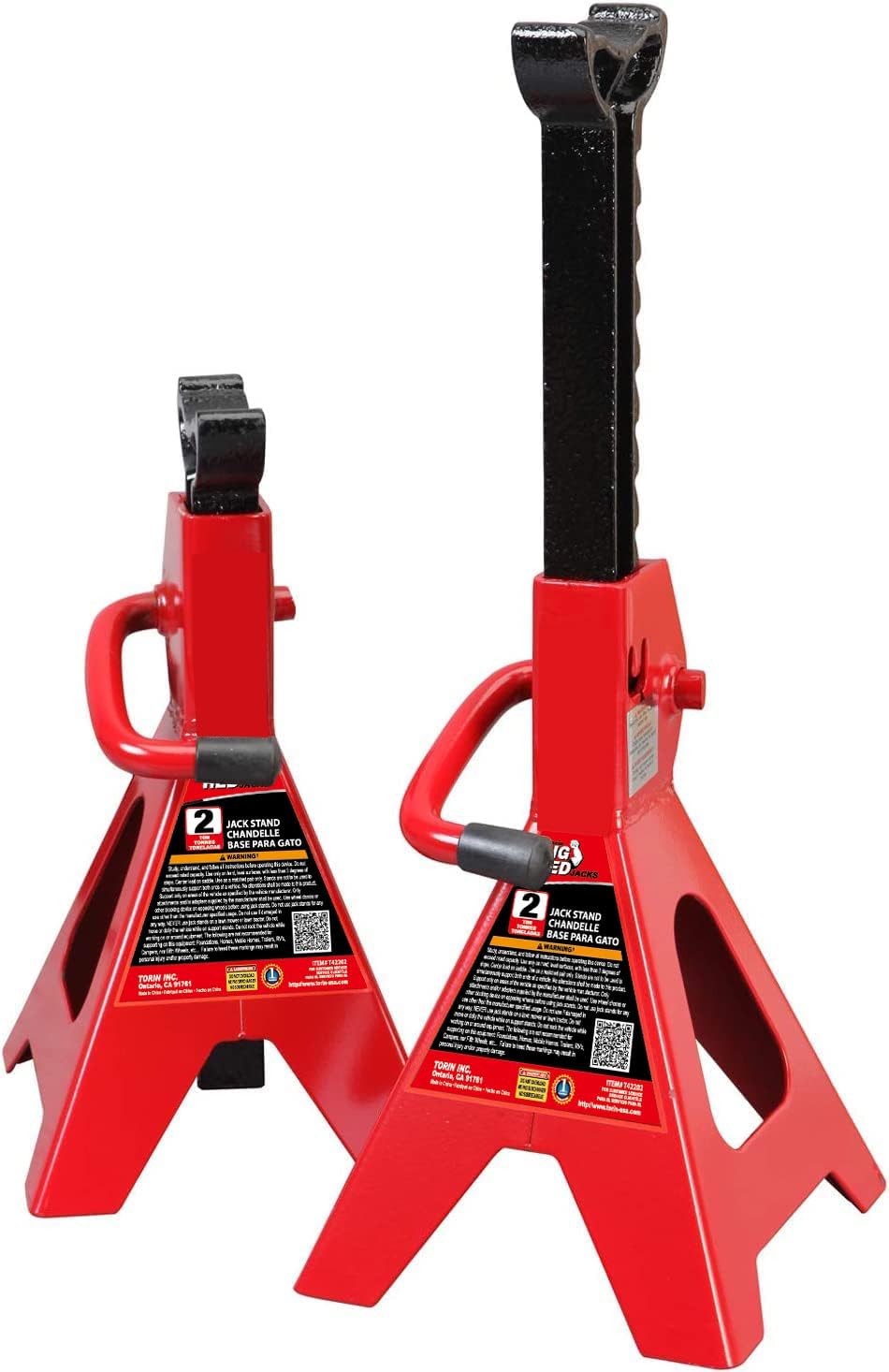
Do not slide under a vehicle supported only by a jack. If you need to get underneath, park on a level surface, set the parking brake, chock the wheels, and support the vehicle with properly placed jack stands.
- Let the vehicle cool down before reaching near the exhaust or catalytic converter.
- Wear safety glasses because dirt and broken clips often fall when the panel is touched.
- Use a flashlight and inspect from the front and both wheel-well sides before lifting the car.
- If a panel is dragging badly, avoid highway driving until it is secured or removed.
Initial Checks You Can Do Without Lifting the Vehicle
Start with the easiest checks first. In many cases you can identify a loose shield just by looking along the lower edge of the bumper and front wheel wells.
Walk-around Inspection
- Park on flat ground and turn the steering wheel fully left, then fully right, so you can see the rear side of each front wheel well.
- Look for hanging plastic, missing clips, torn corners, or a panel edge that sits lower than the opposite side.
- Check whether the lower bumper lip and splash shield are still aligned. A gap or droop usually means a fastener or mounting tab has failed.
- Look for scrape marks, fresh cracks, or shiny wear spots where the shield has been rubbing another component.
Gentle Hand Test
With the engine off, reach the accessible edge of the panel and gently wiggle it. A properly secured splash shield should feel supported with only minor flex. If it moves several inches, knocks against metal, or one side drops easily, you likely found the source.
If you can reproduce the same sound by tapping or moving the panel by hand, that is a strong sign the rattle is from the shield itself rather than an internal suspension or engine issue.
Tools That Make This Job Easier


How to Inspect the Underbody More Closely
If the quick checks suggest the shield is loose, raise the front of the vehicle safely so you can inspect all mounting points. Many undertrays use a mix of bolts, screws, and plastic push retainers, so check every fastener location rather than only the obvious loose corner.
What to Inspect Underneath
- Missing fasteners along the front bumper edge, side edges, and rear mounting points.
- Fasteners that are present but not actually clamping the panel because the hole is torn out.
- Cracked or split plastic around mounting tabs and bolt holes.
- Warped sections that have bent downward from impact or heat.
- Contact marks where the panel is hitting the subframe, sway bar, lower radiator support, or another shield.
- Loose inner fender liners that may rattle together with the splash shield.
Hands-on Confirmation
Use one hand to support the loose area and the other to tap nearby components lightly. Compare the sound of the shield tapping the body with the noise you hear while driving. Then hold the panel tight against its normal position and shake the car slightly or tap the panel again. If the rattle disappears when the panel is held in place, your diagnosis is becoming much more certain.
How to Tell Splash Shield Noise From Other Underbody Noises
Not every underbody rattle is caused by the splash shield. Before you buy replacement clips or panels, rule out the most common look-alikes.
Loose Heat Shield
Heat shields make a thinner metallic buzz or tinny rattle, especially at certain RPMs. You may hear it at idle, when revving in park, or just after startup. Splash shield noise is usually more plastic-sounding and more affected by road speed or wind.
Exhaust Hanger or Pipe Contact
An exhaust-related rattle often comes from the center or rear underside and may worsen on acceleration or when the engine rocks under load. Look for shiny impact marks where the pipe touches a crossmember or shield.
Suspension or Steering Clunk
Suspension noises are usually heavier sounding and happen over potholes, driveway entries, or steering input. They will not usually stop just because you hold a plastic undertray tight by hand.
Brake Backing Plate or Wheel Well Liner
A bent brake dust shield tends to make noise near one wheel and may change with wheel speed. A loose wheel well liner often rubs the tire while turning. These can sound similar, so inspect them while you are already under the front corners.
Simple Diagnostic Tests to Narrow It Down
Speed Test
If the noise appears mainly above neighborhood speeds and gets louder with airflow, suspect a panel edge that is catching wind. A splash shield with a loose front edge is especially likely to flutter between 30 and 60 mph.
Bump Test
If the noise shows up on rough roads or speed bumps but is quiet on smooth pavement, a loose rear or side mounting point may be allowing the panel to tap the body. This points more toward a physically loose shield than an airflow issue.
Temporary Securing Test
If a corner is clearly hanging and can be safely secured away from moving or hot parts, use a temporary method such as a zip tie to hold it close to its normal position. Then perform a short, low-speed test drive. If the noise is gone, you have strong confirmation that the splash shield or its mounting points were the source.
Only use temporary securing for diagnosis or a very short-term fix. Keep any tie or fastener well away from belts, pulleys, the exhaust, and the tires.
Recommended Tools for This Job


What Your Findings Mean
One or Two Missing Clips, Panel Otherwise Intact
This is the best-case scenario. If the shield is not cracked and all mounting holes are still solid, replacing the missing clips or screws is usually enough.
Fasteners Present but Holes Torn Out
The panel may have been dragged or over-tightened in the past. In some cases, large washers can spread the load and hold the panel again. If several holes are torn, replacement is usually the cleaner long-term fix.
Large Crack, Split Corner, or Panel Warped Badly
A damaged panel may continue to flap even with new clips. If the plastic has become brittle or a large section is bent downward, replace the shield rather than trying to force it flat.
Shield Is Secure but Noise Remains
At that point, inspect nearby heat shields, exhaust hangers, wheel well liners, and front suspension components. A splash shield diagnosis should not be forced if the panel does not actually move or reproduce the sound.
Next Steps: Repair, Replace, or Get Professional Help
Once you confirm the source, decide whether this is a simple reattachment job or a larger repair. Many DIY owners can handle clip and fastener replacement, but some situations call for parts replacement or a shop visit.
When a DIY Fix Is Usually Reasonable
- The shield is intact and only missing a few clips or screws.
- You can safely access the mounting points with basic tools.
- There is no contact with the exhaust, belts, axles, or steering components.
- The bumper cover and wheel liners are not damaged.
When Replacement Is the Better Option
- Mounting holes are torn out in multiple spots.
- The panel is cracked across large sections or has been ground down by road contact.
- The panel no longer lines up with its supports.
- You need repeated temporary fixes because the shield keeps coming loose.
When to Seek Professional Help
Get the car inspected by a professional if the noise is still unclear, if you see damage to the bumper reinforcement or underbody supports, or if the vehicle recently hit something hard. Also get help if a loose panel is near a cooling fan, serpentine belt, or hot exhaust components that could create a safety issue.
Mistakes to Avoid During Diagnosis
- Do not assume every rattle under the front end is the splash shield without reproducing the noise by inspection.
- Do not reuse damaged clips that no longer lock firmly into place.
- Do not overtighten screws into plastic panels, because that can crack the mounting holes.
- Do not leave a hanging shield in place for highway driving, since airflow can rip it off completely.
- Do not use temporary zip ties near hot exhaust parts or rotating components.
Key Takeaways
- A splash shield rattle is most likely when the noise changes with speed, bumps, or airflow and you can see or feel a loose underbody panel.
- Confirm the diagnosis by safely inspecting all fasteners, mounting holes, and panel edges instead of focusing only on the most obvious loose corner.
- If holding the panel in place or temporarily securing it makes the noise disappear, you have strong evidence the shield is the source.
- Replace missing clips promptly, but replace the entire panel if it is badly cracked, warped, or torn at multiple mounting points.
- Rule out heat shields, exhaust contact, wheel well liners, and suspension noise before you commit to a repair.
FAQ
Can I Drive with a Loose Splash Shield?
Short local driving may be possible if the panel is only slightly loose and not contacting anything, but it is best to fix it quickly. At highway speed, airflow can pull the shield down, tear it further, or make it drag on the road.
What Does a Loose Splash Shield Usually Sound Like?
It often sounds like plastic flapping, slapping, scraping, or a light underbody rattle. The noise usually changes with speed, bumps, or wind rather than engine RPM alone.
Can Missing Clips Alone Cause a Loud Rattle?
Yes. Even one or two missing clips can allow one edge of the panel to flex enough to tap the body or catch airflow, especially at the front of the vehicle.
How Do I Know if It Is the Splash Shield and Not a Heat Shield?
Splash shield noise is usually more plastic-sounding and tied to road speed or bumps. Heat shield noise is more metallic and often happens at idle, during revving, or after the exhaust heats up.
Can I Use Zip Ties as a Permanent Repair?
They are best used as a temporary diagnostic or emergency fix. Heat, road debris, and vibration can cause them to fail, so proper clips, bolts, or panel replacement are the better long-term solutions.
Do I Need to Replace the Whole Splash Shield if One Corner Is Torn?
Not always. If the rest of the panel is solid, a washer-backed fastener or limited repair may work. If there are multiple torn mounting holes, major cracks, or severe warping, full replacement is usually more reliable.
Why Did the Noise Start After an Oil Change or Other Service?
Some undertrays must be removed for service access. If clips or screws were not reinstalled correctly, or if an older fastener broke during removal, the panel may come loose soon afterward.
Need Parts for This Repair?
The right parts and supplies vary by vehicle.
Select your make and model to find compatible parts and accessories for your car.
Exact Fit
Parts that fit your make and model
Quality You Can Trust
Top brands and OEM quality options
Fast Shipping
Get the parts you need, delivered fast