

Note: This article contains affiliate links. If you click on these links and make a purchase, I may earn a small commission at no extra cost to you. This helps support my research and content. Read my full affiliate disclosure here.
When winter roads turn icy or snowy, the right Subaru Forester winter tire can be the difference between a tense commute and a controlled drive. You want tires that grip in snow, resist hydroplaning on slushy roads, and wear predictably through cold months. This guide presents five shortlisted options that cover common Forester sizes and winter use cases. We evaluated each pick on cold-weather grip and braking performance, plus fitment and tread durability, to help you find the right balance for your driving style and local conditions.
Looking for other parts? See all Subaru Forester parts & accessories.
Top Picks at a Glance
| Best Reviewed A top-rated pick with lots of positive feedback | Firestone Winterforce 2 Winter/Snow Passenger Tire 205/70R15 |  |
| Best Quality Built to a higher standard if you want something more solid | Cooper Evolution Winter P215/55R17 94H Tire |  |
| Best Budget The cheapest option that still gets the job done reliably | Goodyear Winter Command Ultra Winter Tire, 225/65R17 |  |
| Most Sold A high-volume bestseller chosen again and again | Bridgestone Blizzak LM001 Run-Flat Winter Tire 225/55R17 |  |
| Best Overall The best all-around choice for most situations | MICHELIN X-Ice Snow 215/60R16 99H Winter Tire |  |
1. Firestone Winterforce 2 Winter/Snow Passenger Tire 205/70R15

| Size | 205/70R15 |
|---|---|
| Tread Type | Directional |
| Tread Depth | 12 32nds |
| Maximum Pressure | 44 PSI |
| Construction Type | Radial |
The Firestone Winterforce 2 is a winter tire built to provide dependable traction in snow and cold conditions for vehicles like the Subaru Forester when fitted in the correct 205/70R15 size. It uses a cold-weather compound, directional tread, and full-depth tread features to maintain grip through multiple winters and carries the three-peak mountain snowflake certification for validated winter performance. Practical benefits include strong snow traction, an open shoulder design that helps evacuate slush, and tread depth intended for longer tread life than some budget winter options. The tire is available pinned for studs on compatible sizes, which can be useful in consistently icy areas. Limitations are that this is a size-specific passenger tire so buyers must confirm Forester wheel and year fitment, and a dedicated winter compound typically increases rolling resistance and road noise compared with summer or all-season tires.
Best for: Reliability-focused buyers who prioritize consistent winter traction and proven cold-weather performance for safe winter driving in a Subaru Forester.
Less Ideal for: Drivers who need an all-year tire or prioritize the quietest, most fuel-efficient ride should consider winter-ready all-season or summer options instead.
- Three-peak mountain snowflake certification for verified winter traction
- Cold-weather rubber compound that maintains flexibility in low temperatures
- Directional tread and open shoulder slots that help shed slush and improve snow grip
- Full-depth tread design intended to extend usable tread life
- Available only in specific tire sizes, so fitment must be confirmed for a given Forester model
- Dedicated winter compound can increase road noise and rolling resistance versus all-season tires
Verdict A reliable, certified winter tire that prioritizes snow and cold-weather grip for Forester owners who put winter safety first.
2. Cooper Evolution Winter P215/55R17 94H Tire

| Size | 215/55R17 94H |
|---|---|
| Tread Type | Directional |
| Tread Depth | 12 32nds |
| Maximum Pressure | 44 PSI |
| Construction Type | Radial |
The Cooper Evolution Winter is a winter-specific tire built to deliver grip and control in heavy snow and icy conditions. With a directional tread, extensive siping, and Snow Groove Technology it traps snow in the tread for improved snow-on-snow traction while the wide contact center rib helps stability during acceleration and braking. It is studdable for drivers who need extra ice bite and carries the Three-Peak Mountain Snowflake severe-weather rating, so it is intended for genuine winter use rather than light-seasonal slush. In practice this means confident climbs on steep, snow-covered drives, predictable braking in packed snow, and quieter highway manners than many aggressive winter treads. The trade-offs are typical for a true winter tire: heavier rolling resistance and faster wear if used year-round, and you will need stud installation separately if you want studs. For Subaru Forester owners who prioritize winter traction and on-snow control, this tire is a high-performance option that focuses squarely on cold-season safety and handling.
Best for: Performance-oriented buyers who prioritize maximum winter traction and confident control on snow and ice during the cold months.
Less Ideal for: Drivers who want a single set of tires for all seasons or who rarely encounter deep snow should consider an all-season or touring winter compromise instead.
- Severe-weather 3PMSF certification for verified snow performance
- Directional tread and Snow Groove Technology improve snow-on-snow traction
- Studdable design allows added ice bite when required
- Multi-angled siping and wide center rib enhance stability and braking in winter conditions
- Not intended for year-round use so tread life and fuel economy will be reduced if used off-season
- Studs are not preinstalled so separate studding is required for maximum ice performance
Verdict A performance-focused winter tire that delivers proven snow and ice traction for Subaru Forester drivers who demand winter confidence.
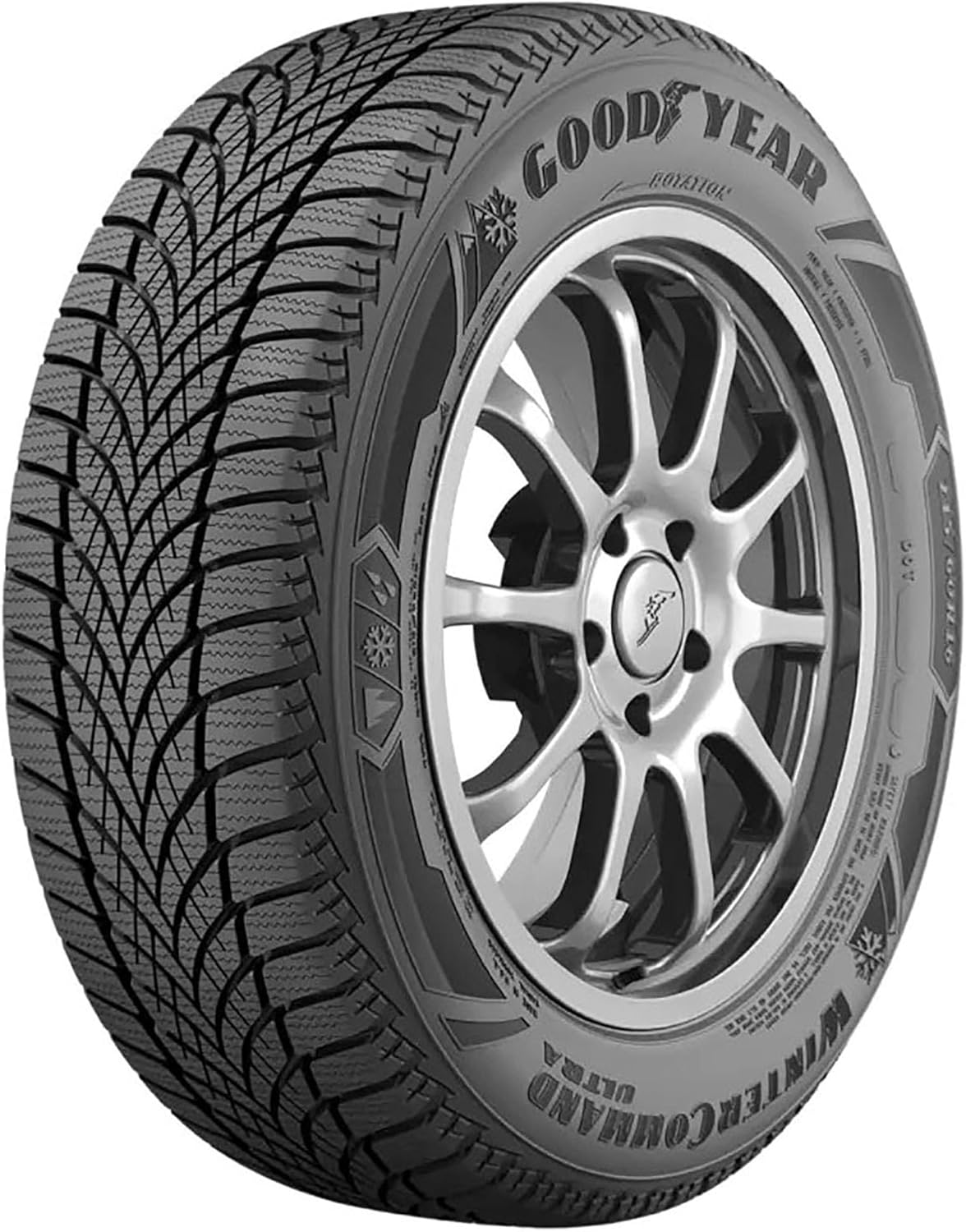
3. Goodyear Winter Command Ultra Winter Tire, 225/65R17
| Size | 225/65R17 |
|---|---|
| Tread Type | Directional |
| Construction Type | Radial |
| Tread Depth | 11 32nds |
The Goodyear Winter Command Ultra is a studless winter tire designed to give predictable traction on cold, snowy, and wet roads. It uses a cryo-adaptive rubber compound and numerous sipes plus angled grooves in a directional tread to help with grip, braking, and water evacuation. For a Subaru Forester, this tire is typically fitted as a winter replacement to improve control during seasonal driving and to reduce hydroplaning risk on slush-covered roads. The directional pattern supports stable handling at moderate speeds and the tread design concentrates biting edges for acceleration and braking on packed snow. As a budget-focused option, it delivers winter capability without premium pricing, but it is not a studded ice tire so stopping on bare ice will be limited compared with studded alternatives. Expect a balance of winter traction and reasonable tread life rather than top-level performance in extreme icy conditions.
Best for: Budget-conscious Subaru Forester drivers who want a winter tire that improves cold-weather traction and reduces hydroplaning risk without paying for a premium performance winter product.
Less Ideal for: Drivers who frequently encounter extensive ice or need the absolute best wet-handling and longevity should consider higher-end winter or studded tires instead.
- Studless design with cryo-adaptive compound for improved grip in sub-freezing temperatures
- Directional tread and angled grooves help channel water and slush to reduce hydroplaning
- Multiple sipes increase biting edges for better braking and acceleration on packed snow
- Designed to fit common Forester tire sizes so installation is straightforward
- Not studdable, so ice traction will lag behind studded winter tires
- Positioned as a budget option, it may not match premium tires for wet handling or long-term tread life
Verdict A cost-conscious winter tire for Subaru Forester owners that improves snow and slush traction at a modest price, but it is not optimized for severe ice or premium wet performance.
4. Bridgestone Blizzak LM001 Run-Flat Winter Tire 225/55R17

| Size | 225/55R17 |
|---|---|
| Tread Type | Directional |
| Construction Type | Radial |
| Load Capacity | 3547.2 Pounds |
The Bridgestone Blizzak LM001 is a winter-focused passenger tire engineered to improve traction and control in cold weather. It uses a directional tread and winter compound to maintain grip on snowy, slushy, icy, and wet roads, and is intended for drivers who need predictable cornering and braking in winter conditions. Typical use is as a dedicated winter tire fitted to a Forester for seasonal driving; the directional tread helps evacuate slush and resist hydroplaning while the tread depth supports snow traction. Practical benefits include consistent winter traction, stable handling during cornering, and a winter-specific design from a major tire maker that includes a limited warranty. Limitations are that it is a winter tire, so it will wear faster and feel less refined in warm temperatures and is not a year-round or summer replacement; run-flat capability can sometimes trade off ride comfort and may reduce available tread choices for rotation and replacement. Fitment must match the Forester's 225/55R17 wheel specification for proper use.
Best for: A risk-averse mainstream buyer who wants a factory-quality winter tire for dependable, predictable winter driving on a Subaru Forester and prioritizes safety and consistent traction over aggressive performance.
Less Ideal for: Drivers seeking a single tire to run year-round or those prioritizing the quietest, most comfortable ride in warm conditions should consider seasonal or touring tire alternatives.
- Designed for winter traction across snow, slush, ice, and wet roads
- Directional tread pattern aids water and slush evacuation to reduce hydroplaning risk
- From a well-known manufacturer with a winter tire limited warranty
- Not suitable for warm-weather or year-round use due to faster wear and reduced handling in heat
- Run-flat construction can compromise ride comfort compared with non-run-flat winter tires
Verdict A dependable, factory-quality winter tire choice for Forester owners who prioritize consistent winter traction and predictable handling.
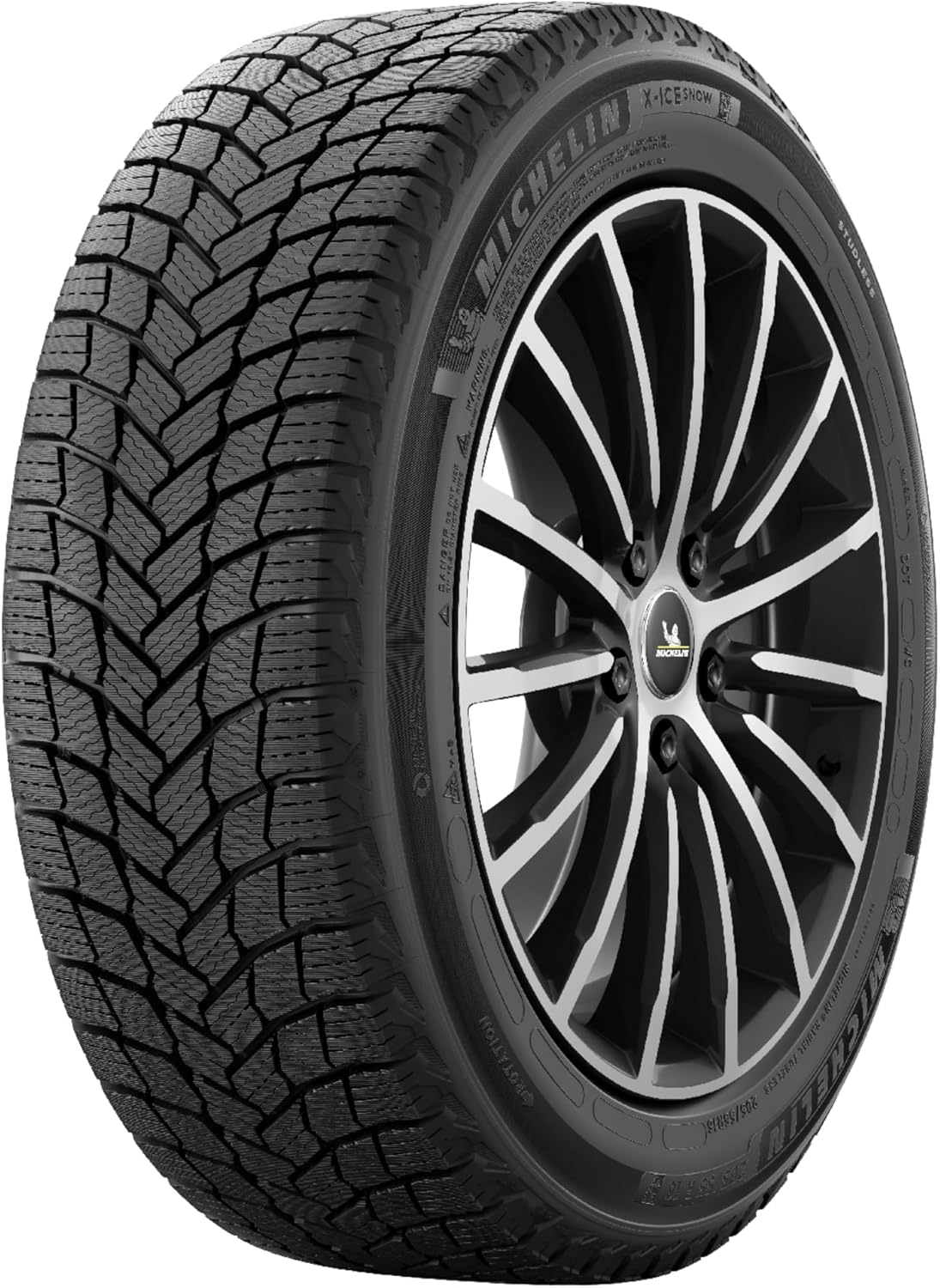
5. MICHELIN X-Ice Snow 215/60R16 99H Winter Tire
| Size | 215/60-16 |
|---|---|
| Load Index and Speed | 99H |
| Tread Depth | 10.5 32nds |
| Construction | Radial |
The MICHELIN X-Ice Snow is a winter passenger tire engineered to deliver reliable traction on snow and ice while maintaining controlled wet-road performance. It uses interlocking full-depth 3D sipes and a V-shaped tread pattern to boost biting edges for shorter stopping distances on packed snow and ice, and an increased void ratio that helps evacuate slush and standing water. Michelin’s EverGrip-inspired tread design aims to keep tread block rigidity for steady handling and longer wear compared with competitors, so it is suited to seasonal use rather than year-round fitment. On a Subaru Forester, the tire will provide quieter, more confident cold-weather driving and better hydroplaning resistance than many older winter designs, though seasonal traction-focused tires typically sacrifice some summer handling and rolling efficiency. These tires are best installed before the first hard freeze and swapped out in spring to preserve tread life and fuel economy. Overall the X-Ice Snow prioritizes consistent winter grip and longevity for drivers who rotate tires seasonally.
Best for: Balanced, all-round Forester drivers who prioritize predictable winter traction and longevity from a seasonal winter tire while keeping everyday comfort and handling in mind.
Less Ideal for: Drivers who need a single set of tires year-round for mixed-season performance or those seeking the absolute lowest rolling resistance for maximum fuel economy.
- Designed 3D sipes and V-shaped tread pattern for improved grip on snow and ice
- Engineered for better hydroplaning resistance and wet evacuation
- Tread design aimed at longer winter tread life versus leading competitors
- Quiet and controlled ride suitable for daily driving in cold conditions
- Optimized for winter use so it reduces summer handling and fuel efficiency if used year-round
- May arrive with older manufactured date on some listings which can shorten usable life
Verdict A top-choice seasonal winter tire for Forester owners who want strong snow and ice grip with improved wet handling and longer winter tread life.
Choosing the Right Subaru Forester Winter Tire: Key Factors to Consider
Snow Traction and Siping
Snow traction is the most critical factor for winter tires because deep snow and packed ice demand specialized contact behavior. Look for dense siping patterns and softer winter-specific rubber compounds that remain pliable at low temperatures. The arrangement and depth of sipes help the tread bite into snow and clear slush from the footprint, improving acceleration and cornering.
Tire designers trade off siping density with tread block stiffness, so more siping can mean better initial bite but potentially faster wear. For a Subaru Forester, prioritize patterns optimized for packed and fresh snow if you frequently encounter those conditions.
Wet Braking and Hydroplaning Resistance
Wet braking matters in winter because melting snow and slush create standing water and slick surfaces. Wide circumferential grooves and well-placed lateral channels help evacuate water from the contact patch, reducing the risk of hydroplaning and shortening stopping distances on wet roads.
Braking performance also depends on compound temperature behavior. A winter compound that stays flexible in cold conditions will maintain grip during emergency stops. Evaluate tread design that balances water evacuation with maintaining a stable footprint for predictable braking.
Fitment and Size Compatibility
Match tire size to the Subaru Forester's recommended dimensions and load index to preserve handling, speedometer accuracy, and safety. Using the correct diameter and aspect ratio maintains suspension geometry and braking balance.
Consider whether your Forester has factory wheels with lower profiles or larger diameters, which may narrow suitable winter tire choices. Choosing a tire that fits available rim widths and supports the vehicle's load rating avoids unnecessary stress on the sidewalls and ensures consistent performance in winter conditions.
Tread Wear and Compound Durability
Winter compounds are formulated to stay soft in cold weather, but softer compounds can wear faster, especially if used outside of winter months. Assess expected tread life relative to how many winter miles you drive and whether you will store or swap tires seasonally.
Look for tread designs that distribute forces evenly across the footprint to limit irregular wear. Durable winter tires strike a balance between providing good low-temperature grip and offering enough longevity to be cost-effective for multiple winter seasons.
Ride Comfort and Noise
Tread pattern and block geometry affect ride comfort and cabin noise. Aggressive winter treads with large blocks or directional patterns can increase road noise and transmit more vibration, which may be noticeable on daily drives.
If you use your Forester for long commutes, prioritize tires that dampen noise and deliver a smooth ride while still offering dependable winter traction. A quieter tire may sacrifice a small amount of ultimate snow grip, so weigh comfort against worst-case winter conditions.
Studded Versus Studless Options
Studded winter tires can provide superior ice traction in environments with persistent black ice, while studless designs rely on compound and tread geometry to achieve grip. Consider local regulations, as stud use is restricted or banned in some areas, and the studs themselves can accelerate wear on dry pavement.
If you rarely encounter bare ice, modern studless winter tires often provide sufficient performance with less road damage and noise. Choose studded options only when icy conditions are frequent and legal where you drive.
FAQ
When should I switch to winter tires on my Subaru Forester?
Switch to winter tires when average daily temperatures consistently drop below about 45 degrees Fahrenheit. Cold rubber compounds perform best at low temperatures, so installing winter tires before the first serious freeze avoids reduced traction. Also consider local snowfall patterns and forecasts to time the change for safety and convenience.
Can I use studded winter tires everywhere?
Studded winter tires provide extra ice bite but are subject to legal restrictions in many regions and can increase road wear. Check local regulations before selecting studs, and weigh whether your typical winter roads involve frequent black ice to justify their use. For many drivers, high-performance studless tires offer a good balance of grip and everyday usability.
How do I know the right winter tire size for a Subaru Forester?
Refer to the vehicle placard or owner manual for the manufacturer-recommended tire sizes and load ratings. Matching the correct diameter, width, and aspect ratio is important for maintaining handling and fitment. If you plan to change rim sizes, confirm the new combination still meets the vehicle's load and speed rating requirements.
Do winter tires wear faster than all-season tires?
Winter tires often use softer compounds that can wear more quickly when used on warm, dry pavement. If you only drive in winter conditions, wear should be reasonable, but using winter tires year-round will shorten tread life. Many drivers swap between winter and summer or all-season tires seasonally to maximize longevity.
Will winter tires affect fuel economy or ride feel?
Winter tires can slightly reduce fuel economy due to higher rolling resistance from softer compounds and deeper tread patterns. You may also notice a firmer ride or more road noise with aggressive winter treads. These trade-offs are often acceptable given the safety benefits in snow and ice.
How We Chose the Best Subaru Forester Winter Tire
We focused on candidate tires that are engineered for cold-weather performance and that match common Subaru Forester wheel sizes and load ratings. Key evaluation criteria included snow traction measured by tread compound and siping design, wet braking and hydroplaning resistance based on groove architecture, and fitment availability for typical Forester rim diameters and aspect ratios. Ride comfort and noise were considered to ensure everyday usability, while tread life and compound wear in cold conditions informed durability expectations. We also checked manufacturer load index and speed rating compatibility to confirm safe mounting on the Forester. We excluded tires designed solely for off-road use, summer-only compounds, and variants incompatible with standard Forester size or load specifications. The final list favors tires that balance on-snow performance, wet stopping, and reasonable tread longevity for winter climates.
Our full evaluation process is outlined in our review methodology.
Conclusion
Prioritize snow traction and wet braking when choosing a Subaru Forester winter tire, while ensuring the size and load rating match your vehicle. Balance compound durability and ride comfort against the level of winter severity you face. Think about whether you need studs, how many winter miles you drive, and whether you will swap tires seasonally. Focusing on those criteria will help you choose a winter tire that enhances safety and performance through cold months.
Explore More:
- Check out all Subaru Forester parts & accessories
- Explore Wheels & Tires
- Browse all Auto Parts
