

Note: This article contains affiliate links. If you click on these links and make a purchase, I may earn a small commission at no extra cost to you. This helps support my research and content. Read my full affiliate disclosure here.
Driving a Ford Expedition in cold months changes what matters most from a tire. You need dependable traction on packed snow and predictable handling in melting slush, while still supporting the vehicle's weight and towing demands. This guide shortlists the top winter tire options for the Ford Expedition, chosen for their traction, load capability, and durability in freezing conditions.Below you will find the best picks, with notes on why they made the list and the criteria we used to evaluate them.
Looking for other parts? See all Ford Expedition parts & accessories.
Top Picks at a Glance
| Best Reviewed A top-rated pick with lots of positive feedback | Cooper Discoverer True North Winter Tire, 245/70R17 110T |  |
| Best Quality Built to a higher standard if you want something more solid | Cooper Discoverer Snow Claw Winter Tire 275/55R20XL | 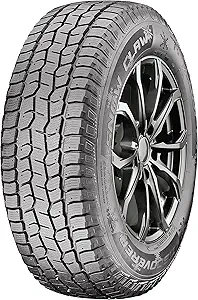 |
| Most Sold A high-volume bestseller chosen again and again | Firestone Winterforce 2 UV Studdable Winter Tire P235/70R16 |  |
| Best Overall The best all-around choice for most situations | Nexen Winguard Winspike 3 Winter Tire — 275/65R18 |  |
1. Cooper Discoverer True North Winter Tire, 245/70R17 110T

| Size | 245/70R17 110T |
|---|---|
| Tread Type | Asymmetrical |
| Tread Depth | 11 32nds |
| Construction Type | Radial |
| Maximum Pressure | 44 PSI |
The Cooper Discoverer True North is a dedicated winter tire built to deliver predictable control on treated roads, slush, and packed snow. Designed with Snow Groove Technology and dense siping, it traps snow in the tread and increases snow-on-snow traction while the compound and tread pattern aim to shorten stopping distances on ice. Typical use is seasonal: fit these to the front or all four corners of a Ford Expedition for winter commutes and highway driving where black ice and slush occur. Notable features include 3-Peak Mountain Snowflake severe weather certification, asymmetrical tread for stable steering, and noise-dampening structures for a quieter ride than many winter tires. In practice the tire balances grip and comfort, offering confident braking and predictable handling on winter pavement, though some owners report uneven wear in aggressive use. Expect good winter performance on plowed roads and improved safety in slippery conditions, but plan for seasonal mounting and attention to alignment and rotation to maximize tread life.
Best for: A reliability-focused buyer who prioritizes seasonal safety and predictable winter braking for a Ford Expedition on commutes and highway travel. Ideal for owners who want validated snow performance and a quieter winter ride.
Less Ideal for: Not a good choice for drivers who need an all-season tire year-round or who frequently drive off-road in deep snow where a dedicated aggressive winter/snow tire or studdable option would be better.
- Severe Weather Rated (3PMSF) for validated snow performance
- Snow Groove Technology and high-density siping improve traction on snow and ice
- Asymmetrical tread with noise-dampening features reduces road noise for highway driving
- Designed for confident braking and handling on plowed and treated winter roads
- Some user reports of faster than expected front tread wear under certain driving conditions
- Intended as a seasonal winter tire so performance and longevity depend on correct seasonal use and rotation
Verdict A winter-specific, 3PMSF-certified tire that gives Ford Expedition drivers confident traction and braking on plowed and icy roads when used seasonally.
2. Cooper Discoverer Snow Claw Winter Tire 275/55R20XL

| Size | 275/55R20XL 117T |
|---|---|
| Load Capacity | 2833 Pounds |
| Tread Depth | 12.5 32nds |
| Maximum Pressure | 50 Pound per Square Inch |
| Construction Type | Radial |
The Cooper Discoverer Snow Claw is a winter tire built for trucks and SUVs that need serious snow and ice capability. It uses a flexible cold-weather compound and Cooper's Snow Groove Technology to trap snow in the tread for improved snow-on-snow bite, and the construction is engineered to accept studs when additional ice traction is required. Typical use is seasonal: install for winter months on a Ford Expedition to improve starting, braking, and cornering in deep snow, slush, and icy roads. Notable features include its Three-Peak Mountain Snowflake certification and a tread pattern intended for severe winter performance. In practice this delivers confident traction in snowy and mixed winter conditions and a ride that reviewers report as reasonably smooth for a winter tire. The tire is XL load-rated which suits heavier SUVs. Expect somewhat higher road noise and quicker wear than all-season tires when used year-round, and studding will increase noise and road wear further, so this is best kept as a dedicated winter fitment rather than an all-season choice.
Best for: Performance-oriented owners who prioritize maximum winter traction and confident control on snowy or icy roads during the cold season.
Less Ideal for: Drivers who need a single tire for year-round use or who rarely encounter snow and ice should choose an all-season tire instead.
- Severe Weather Rated with Three-Peak Mountain Snowflake certification for verified winter performance
- Snow Groove Technology traps snow to create snow-on-snow traction for improved grip in deep snow
- Tread compound formulated to stay flexible in very cold temperatures for better handling
- Can be studded to boost ice traction when conditions demand it
- Higher road noise and faster wear compared with all-season tires if used outside winter
- Studding increases noise and pavement wear and may not be legal everywhere
Verdict Choose the Discoverer Snow Claw for a Ford Expedition when you need top-tier, certified winter traction and the option to add studs for icy conditions, but plan to use it only as a seasonal tire.
3. Firestone Winterforce 2 UV Studdable Winter Tire P235/70R16

| Size | P235/70R16 |
|---|---|
| Load Capacity | 1984 Pounds |
| Tread Depth | 12 32nds |
| Construction Type | Radial |
| UTQG | 500 AA C |
The Firestone Winterforce 2 UV is a winter tire engineered for light trucks and SUVs and is suitable for use on a Ford Expedition when fitted in the specified P235/70R16 size. It uses a special cold-weather compound, open shoulder slots, and a non-directional tread pattern with full depth tread features to maintain grip on snow and cold pavement and to extend usable tread life from season to season. The tire carries the 3-Peak Mountain Snowflake certification and can be pinned for size 11 studs for enhanced ice traction. In real-world use it provides confident winter traction and a predictable feel while carrying truck loads, though studding is required for optimal ice braking. Expect typical winter-tire noise and slightly reduced dry-road responsiveness compared with an all-season tire. Fitment should be confirmed for your Expedition trim and wheel size before purchase.
Best for: A risk-averse mainstream buyer who prioritizes reliable winter traction and seasonal durability for their Ford Expedition and prefers a tire with verified winter certification and the option to add studs.
Less Ideal for: Drivers who need maximum dry-road performance year-round or those who prefer a single set of tires for all seasons should consider alternative all-season or performance winter options.
- 3-Peak Mountain Snowflake certification for verified winter performance.
- Cold-weather compound and open shoulder slots for improved snow traction.
- Full-depth tread design intended to extend winter tread life across seasons.
- Studdable for users who need extra ice traction.
- Non-directional tread and winter compound mean reduced dry-road handling compared with summer or all-season tires.
- Available in specific sizes only, so wheel compatibility must be checked for some Expedition trims.
Verdict A certified, studdable winter tire that brings proven snow and ice capability and long-lasting winter tread to a Ford Expedition but will trade some dry-road handling for cold-weather grip.
4. Nexen Winguard Winspike 3 Winter Tire — 275/65R18

| Size | 275/65R18 |
|---|---|
| Tread Depth | 11 32nds |
| Tread Type | Directional |
| Maximum Pressure | 51 PSI |
| Construction Type | Radial |
The Nexen Winguard Winspike 3 is a studdable winter tire built to give reliable grip and control in snow, ice, slush, and wet conditions. On a Ford Expedition it is typically used as a dedicated winter set to replace highway tires for the cold months; the flexible winter compound and dense siping increase road bite while the directional tread channels slush and water away from the contact patch. Notable features include Three-Peak Mountain Snowflake certification for true winter performance, optional TSMI #12 studs for enhanced ice traction, and Nexen's Total Coverage Warranty with 36 months of roadside assistance. In practical use the Winspike 3 delivers confidence on steep driveways and packed snow where traction matters, and reviewers report quieter, comfortable ride for a winter tire. Limitations are that studding is optional rather than factory-installed and wet-road performance is acceptable but not class-leading, so drivers who need top wet braking or year-round use should consider alternatives. Fitment and mounting should be handled by a tire shop familiar with the Ford Expedition's wheel/tire requirements.
Best for: Balanced, all‑round Ford Expedition drivers who prioritize dependable winter traction and a comfortable ride without paying premium tire prices.
Less Ideal for: Drivers who need best-in-class wet braking year-round or who want tires delivered already studded should look at other options.
- 3PMSF certification that verifies capability in moderate to severe winter conditions
- Studdable design with optional TSMI #12 studs for better ice traction
- Directional tread and deep grooves that improve slush and water evacuation
- Dense siping and winter compound for improved grip in sub-freezing temperatures
- Not sold pre-studded so studs must be installed after purchase
- Wet-road performance is solid but not at the top of the segment
Verdict A cost-effective, studdable winter tire that gives Ford Expedition drivers strong snow and ice capability while balancing comfort and value.
Choosing the Right Ford Expedition Winter Tire: Key Factors to Consider
Tread Compound and Rubber Flexibility
A winter-specific rubber compound keeps the tire flexible at low temperatures, which directly affects grip on cold pavement and packed snow. Softer compounds maintain contact with uneven surfaces and reduce the chance of hardening and losing traction. However, softer compounds can wear faster if the tire is used extensively on warm pavement, so consider your winter mileage and road mix.
When choosing a tire for a heavy SUV, look for compounds formulated to balance low-temperature flexibility with increased abrasion resistance. This helps preserve traction through the season while limiting premature wear from heavier vehicle loads and occasional dry-road driving.
Tread Pattern and Snow Evacuation
Tread block design, siping, and groove placement determine how quickly a tire sheds snow and slush and regains contact with the road. Deep circumferential grooves help channel slush away from the contact patch, while interlocking blocks and dense siping improve bite on packed snow. Tires that evacuate snow efficiently reduce hydroplaning risk and maintain braking performance in mixed winter conditions.
For large vehicles, look for patterns that resist squirm under load; stable shoulder blocks and reinforced ribs improve steering response and even wear when the tire is supporting heavier weights or towing.
Load Rating and Sidewall Strength
The Ford Expedition is a heavy vehicle, so tire load capacity is critical for safety and stability. Each tire has a load index that indicates how much weight it can carry at its maximum inflation. Using tires with inadequate load ratings can lead to faster wear, reduced handling precision, and possible structural failure under severe conditions.
Sidewall construction also matters. Reinforced sidewalls resist flex and damage from curb impacts and heavy loads, improving steering feedback and maintaining contact patch geometry under cornering and braking.
Tire Size Fitment and Compatibility
Proper size fitment ensures the tire works with the vehicle’s suspension, speedometer calibration, and wheel clearance. Factory-recommended sizes for the Ford Expedition prioritize load capacity and clearance for braking components. Choosing a size outside recommended ranges can affect handling, ground clearance, and steering effort.
Confirm the tire’s overall diameter and width are compatible with your Expedition’s wheels and fender clearance. Also verify speed rating and load index match or exceed the vehicle manufacturer’s specifications to maintain safe performance.
Studded Options and Legal Considerations
Studded winter tires add metal studs that penetrate ice to improve braking and lateral grip on glazed surfaces. They can be highly effective on black ice and on roads that are consistently icy. However, studs also wear road surfaces faster and are regulated or restricted in many jurisdictions, so check local laws before choosing them.
If studs are not permitted or you encounter many plowed roads, look for advanced studless designs with aggressive siping and silica-enhanced compounds that aim to deliver strong ice and snow traction without studs.
Tread Depth and Longevity
Deeper tread depth gives more material to bite into snow and improves slush-channeling ability, which enhances wet traction and decreases hydroplaning risk. New winter tires often start with deeper grooves than all-season equivalents to preserve performance as the tire wears.
Consider expected seasonal mileage and how long you need the tire to remain effective. Tires with durable compounds and deeper starting tread typically offer a better lifespan for drivers who cover many miles during winter or who use the vehicle for towing or heavy loads.
FAQ
When should I switch to Ford Expedition winter tire options?
Many drivers switch when daily temperatures regularly drop below about 45 degrees Fahrenheit because winter compounds work better in cold conditions. Timing also depends on local weather patterns; switch earlier if your area gets early snow or persistent freezing temperatures. Consider pavement conditions and forecasts rather than a specific calendar date.
Are studded winter tires necessary for the Ford Expedition?
Studs can help on continuous, glazed ice and provide extra bite in extreme icy conditions. They are not always necessary on plowed or treated roads, and they may be restricted in some areas. Assess typical road surfaces and local regulations when deciding between studded and high-performance studless options.
How does tire size fitment affect winter performance for this vehicle?
Correct tire size ensures proper load capacity, rolling circumference, and clearance. A wider tire may reduce snow traction by riding on top of soft snow, while a narrower tire can dig in and find firmer layers. Always choose sizes that maintain the vehicle’s load rating and clearances to avoid handling compromises.
Can winter tires be used year-round on a Ford Expedition?
Using winter tires year-round is usually not recommended because the softer winter compound wears faster on warm pavement and may reduce high-speed stability. If you drive in mild climates without persistent cold, all-season or all-weather options might be more appropriate for year-round use.
How important is tread depth for winter stopping distance?
Deeper tread generally improves snow traction and helps channel slush away from the contact patch, both of which can shorten stopping distances in winter conditions. As tread wears down, wet and snow performance typically degrades, so maintaining sufficient tread depth is important for consistent winter braking.
How We Chose the Best Ford Expedition Winter Tire
We focused on tires engineered for full-size SUVs and large crossovers, using criteria that reflect real-world winter demands. Key filters included certified winter traction performance on snow and ice, load rating and sidewall strength appropriate for Ford Expedition gross vehicle weight, and tread compound formulated for low temperatures. We also evaluated tread pattern for snow evacuation, wet braking performance on slush, and resistance to uneven wear under heavier loads.Additional considerations were available sizes that match common Ford Expedition wheel diameters and tire durability in repeated freeze-thaw cycles. We excluded tires designed only for light cars or for performance summer use, as well as experimental prototypes and tires lacking independent winter traction verification. The result is a curated set of four viable winter tire choices that balance stopping power, load capacity, and longevity for the Ford Expedition.
Our full evaluation process is outlined in our review methodology.
Conclusion
Prioritize winter tires that match the Ford Expedition’s load and size requirements while delivering flexible cold-weather compounds and aggressive tread designs. Balance the need for winter traction against expected mileage and the types of roads you drive most often.Keep in mind tradeoffs such as studded versus studless performance and compound longevity. Select a tire that meets your typical winter conditions and supports the vehicle’s weight for the safest, most predictable winter driving.
Explore More:
- Check out all Ford Expedition parts & accessories
- Explore Winter Tires Maintenance & Repair Guides
- Explore Wheels & Tires
- Browse all Auto Parts
