

Note: This article contains affiliate links. If you click on these links and make a purchase, I may earn a small commission at no extra cost to you. This helps support my research and content. Read my full affiliate disclosure here.
Upgrading your Ford Expedition with quality wheel spacers can change how the truck looks and performs on the road. The right spacers widen track width for a more aggressive stance and can provide extra clearance when fitting larger tires or aftermarket wheels. Choosing the wrong spacer can affect handling, generate vibration, or cause premature wear, so careful selection matters.This guide covers seven shortlisted Ford Expedition wheel spacers that meet common buyer needs. We evaluated each option for fitment accuracy, material strength, and installation practicality to help you pick a safe, compatible spacer. Read on for the key factors we used to narrow the list and what to check before you buy.
Looking for other parts? See all Ford Expedition parts & accessories.
Top Picks at a Glance


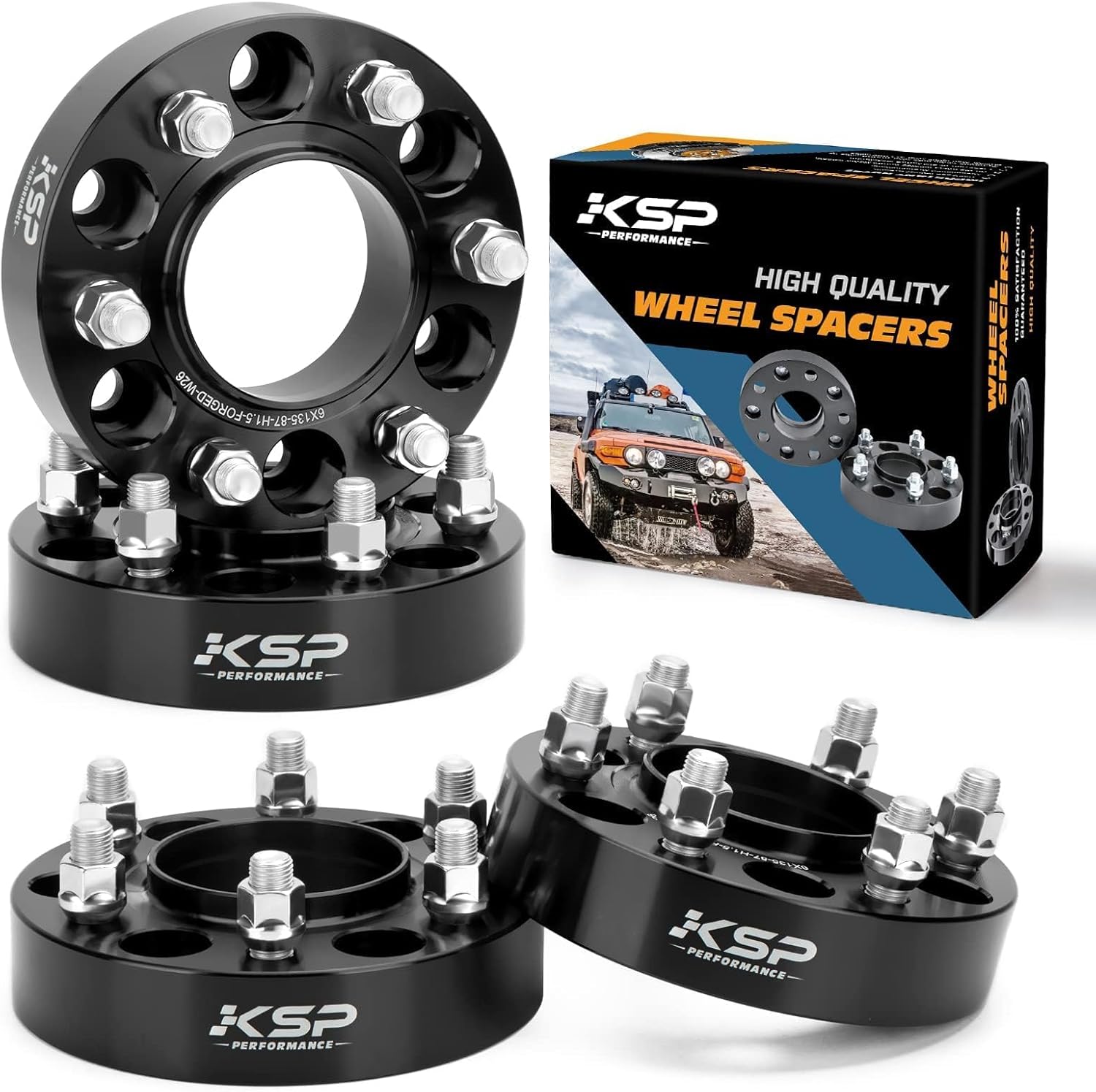
1. KSP Performance 1.5" 6×135 Hubcentric Wheel Spacers for Ford Expedition (4pcs)
| Thickness | 1.5 inches (38mm) |
|---|---|
| Bolt pattern | 6x135mm |
| Center bore | 87.1mm |
| Stud thread | M14x1.5 |
| Hardware | Includes 24 lug nuts and 10.9 grade bolts |
These KSP Performance wheel spacers are billet 6061-T6 aluminum, CNC machined and anodized to resist corrosion while adding 1.5 inches of offset for Ford Expedition models from 2015–2024. They install between the hub and wheel using the supplied M14x1.5 studs, hardened 10.9 bolts, and included lug nuts with thread locker, so the kit is ready for a torque-and-check installation. In real-world use they solve clearance problems such as wheels rubbing calipers or struts and create a wider, more aggressive stance without changing wheels. Positive points are the hubcentric bore that centers the wheel, the strong forged construction, and the complete hardware and instructions included. Limitations are that spacers change wheel offset which can slightly increase stress on suspension components over time and may affect handling if oversized spacers are used; they also require proper torque checks after initial miles. For Expedition use stick to recommended torque and periodic inspections to avoid issues.
Best for: A reliability-focused buyer who wants a proven, hardware-complete spacer to fix clearance or stance issues on a 2015–2024 Ford Expedition without swapping wheels, and who prioritizes factory-quality fit and long-term durability.
Less Ideal for: Drivers wanting extreme negative offset looks or who prefer changing wheel offset via new wheels rather than using spacers should consider other solutions.
- Made from forged 6061-T6 aluminum with black anodize for corrosion resistance and long service life.
- Hubcentric 87.1mm bore centers the wheel to the hub for reduced vibration risk.
- Includes hardened M14x1.5 studs, 10.9 grade bolts, open-ended lug nuts and thread locker for a complete install.
- CNC machining provides close tolerances for a snug, repeatable fit on Expedition hubs.
- Adds 1.5" offset which increases leverage on suspension components and may accelerate wear if oversized spacers are installed.
- Requires regular torque checks after installation to maintain safety and fitment.
- Not compatible with Expeditions outside the 2015–2024 model years specified.
Verdict Solid, factory-quality 1.5" hubcentric spacers built for 2015–2024 Ford Expeditions that deliver improved clearance and stance when installed and maintained properly.
2. FLYCLE 1.5" 6×135 Hubcentric Wheel Spacers for 2015–2024 Ford Expedition

| Thickness | 1.5 inch |
|---|---|
| Bolt pattern | 6×135 mm |
| Center bore | 87.1 mm |
| Thread pitch | 14×1.5 |
These FLYCLE spacers are a practical way to push the wheels 1.5 inches outward on 2015–2024 Ford Expeditions to improve tire clearance, allow wider tires, and give a more aggressive stance. They are forged from 6061-T6 aluminum, CNC machined, anodized, and supplied with grade 12.9 studs and thread-locking compound, which together aim to deliver accurate hubcentric fitment and corrosion resistance. Installation is straightforward for anyone comfortable removing wheels and following torque specs, and many owners report no vibration or drivability issues when properly torqued. The package includes four spacers and basic instructions, but the written guidance and torque information are limited in the documentation so you should refer to factory torque specs and consider anti-seize for future maintenance. While build quality and fitment are generally praised, a small number of users reported broken studs or sizing mistakes, so double-check fitment and torque carefully or have a shop install them if you are unsure.
Best for: Buyers who value convenience and a quick visual and functional upgrade to their Expedition without changing suspension geometry and who prefer a bolt-on solution they can install or have fitted easily.
Less Ideal for: Drivers seeking large amounts of additional wheel offset or heavy off-road abuse should consider thicker spacers, wheel/tire choices, or professional fitment options instead.
- Hubcentric design with 87.1 mm bore for centered, accurate fit on compatible hubs
- Forged 6061-T6 aluminum and CNC machining for consistent fit and corrosion-resistant anodized finish
- Includes 12.9 class studs and thread-locking compound for secure wheel attachment
- 1.5-inch thickness increases tire clearance and provides a wider stance without major suspension changes
- Limited written instructions and torque guidance in the package may require consulting factory specs
- A few reports of stud failures mean correct torqueing and inspection are important
Verdict A convenient, budget-friendly 1.5-inch hubcentric spacer that improves stance and clearance on compatible Ford Expeditions when installed and torqued correctly.
3. dynofit 2" Hub-Centric Wheel Spacers (4 pcs) for 2015–2025 Ford F150/Expedition/Navigator, M14x1.5, 87.1mm bore

| Thickness | 2" (50mm) |
|---|---|
| Bolt pattern | 6x135mm (6×5.31") |
| Center bore | 87.1mm |
| Thread pitch | M14x1.5 |
These dynofit 2-inch hub-centric spacers are a performance-focused way to push wheels outward for tire clearance, improved track width, and a more aggressive stance on 2015–2025 Ford Expeditions. Made from forged 6061-T6 aluminum and CNC machined, the kit uses M14x1.5 studs and an 87.1mm center bore to center the spacer on the hub, reducing vibration under load. The set includes grade 10.9 hardware and DACROMAT-treated bolts for corrosion resistance. In practice they solve caliper clearance and rubbing issues while allowing larger tires and a wider track that can improve cornering stability. Installation requires careful torqueing and periodic rechecks; reviewers note specific torque practices to avoid local yielding of the aluminum. These spacers are not a bolt-on replacement for every application and must be fitted to the specified vehicle years; correct installation technique and torque monitoring are essential to avoid stud or spacer damage. For drivers seeking stronger construction and a full 2-inch offset, these provide a high-quality option with the usual maintenance vigilance that forged spacers demand.
Best for: Performance-oriented owners who prioritize improved track width, clearance for larger tires, and a durable forged spacer for spirited driving and off-road use.
Less Ideal for: Buyers seeking a maintenance-free, one-time fit solution or those unwilling to follow a specific torque and recheck routine should consider alternatives or professional installation.
- Forged 6061-T6 aluminum construction for higher strength compared with cast spacers
- Hub-centric 87.1mm bore reduces vibration and helps maintain balance under load
- Includes grade 10.9 studs and DACROMAT-treated bolts for corrosion resistance
- 2-inch thickness gives substantial clearance for larger tires and caliper fitment
- Requires correct torque procedure and periodic retorque checks to avoid local yielding or stud issues
- Not suitable unless vehicle year/model matches the listed compatibility; fitment is specific
Verdict A high-quality forged 2-inch hub-centric spacer that gives Expeditions extra clearance and improved track width but demands proper torqueing and periodic checks.
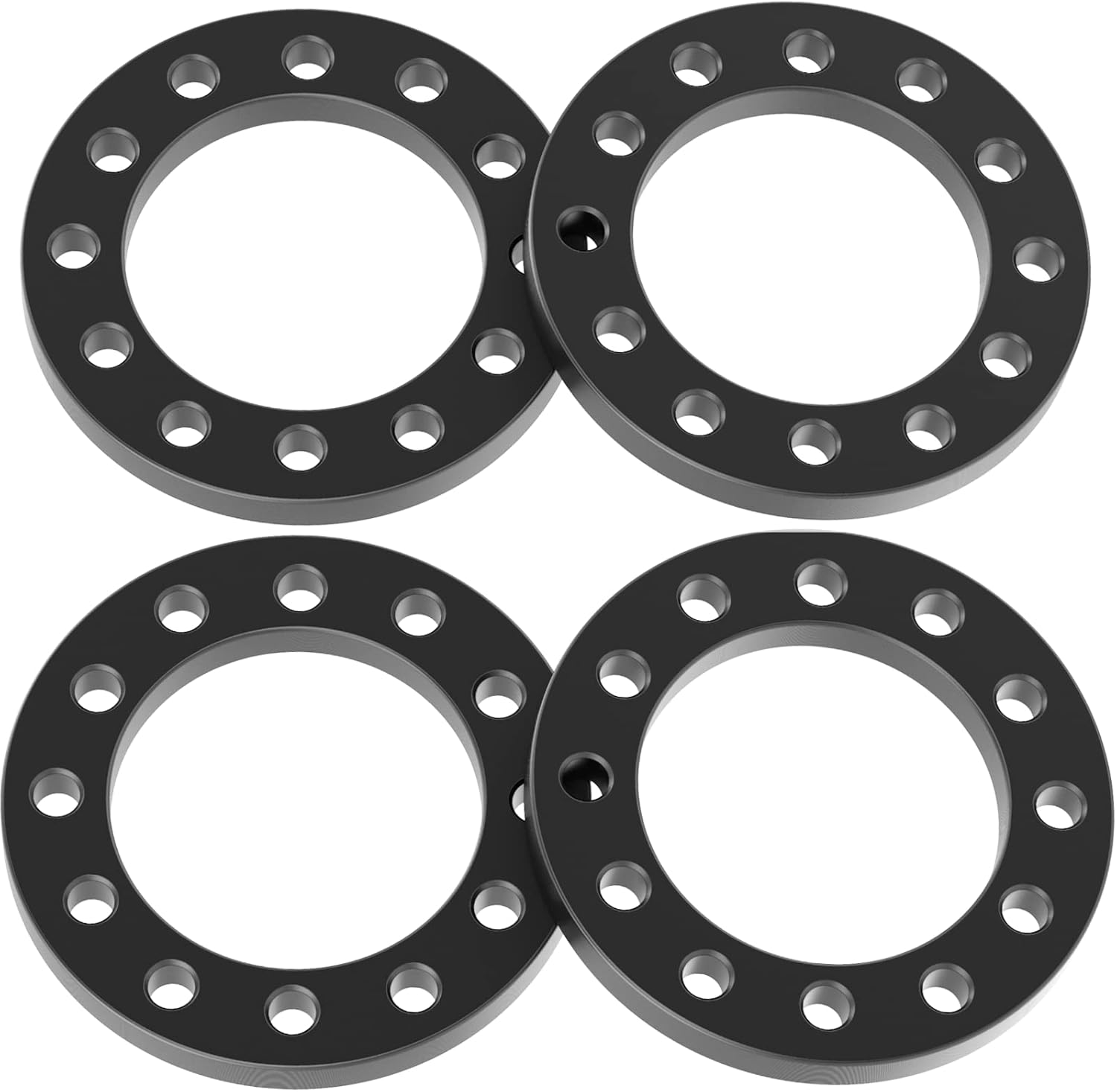
4. HHCSOP 12mm Forged 6×5.5 Wheel Spacers (4-pack)
| Thickness | 12mm |
|---|---|
| Bolt pattern | 6×5.5 / 6×139.7 / 6×135 |
| Center bore | 108mm |
| Material | 6061-T6 aluminum |
| Quantity | 4PCS |
These HHCSOP spacers are a budget-focused way to widen the track and clear rubbing on a Ford Expedition without swapping wheels. Sold as a 4-pack of 12mm (1/2") spacers, they are forged from 6061-T6 aluminum, CNC machined and anodized to resist corrosion. Install is straightforward: the spacer mounts to the factory hub and the wheel is bolted onto the spacer, which creates extra clearance between rims and steering or brake components and gives a broader stance. For day-to-day use the lightweight aluminum construction minimizes added unsprung mass and the precise CNC tolerances mean most users report an easy fit. Important limitations are that hardware is not included and some long factory studs or certain wheel and lug-nut combos may require different lug nuts or extended studs for safe thread engagement. Also a 12mm spacer is modest in width, so it corrects minor clearance issues or track feel but will not achieve dramatic offset changes.
Best for: Practical, budget-conscious buyers who want an affordable, factory-style spacer to fix minor rubbing or give their Expedition a slightly wider stance without major mods.
Less Ideal for: Enthusiasts seeking large offset changes, heavy-load towing modifications, or complete wheel fitment transformations should consider thicker spacers or professional wheel/hub solutions instead.
- Forged 6061-T6 aluminum construction for a strong, lightweight spacer.
- CNC machining and anodized finish improve fit accuracy and corrosion resistance.
- 12mm thickness provides modest clearance and a subtle, wider stance without major drivetrain changes.
- Fits 6×5.5 bolt pattern commonly used on Ford Expedition wheel setups.
- Does not include extended bolts or lug nuts so additional hardware may be needed for proper thread engagement.
- 12mm thickness only addresses minor clearance issues and is not suitable for large offset corrections.
- Some vehicle/wheel combinations may require different lug nut types to avoid interference.
Verdict A cost-effective, factory-quality 12mm spacer for Ford Expedition owners who need modest clearance and a wider stance but do not want to replace wheels or hubs.
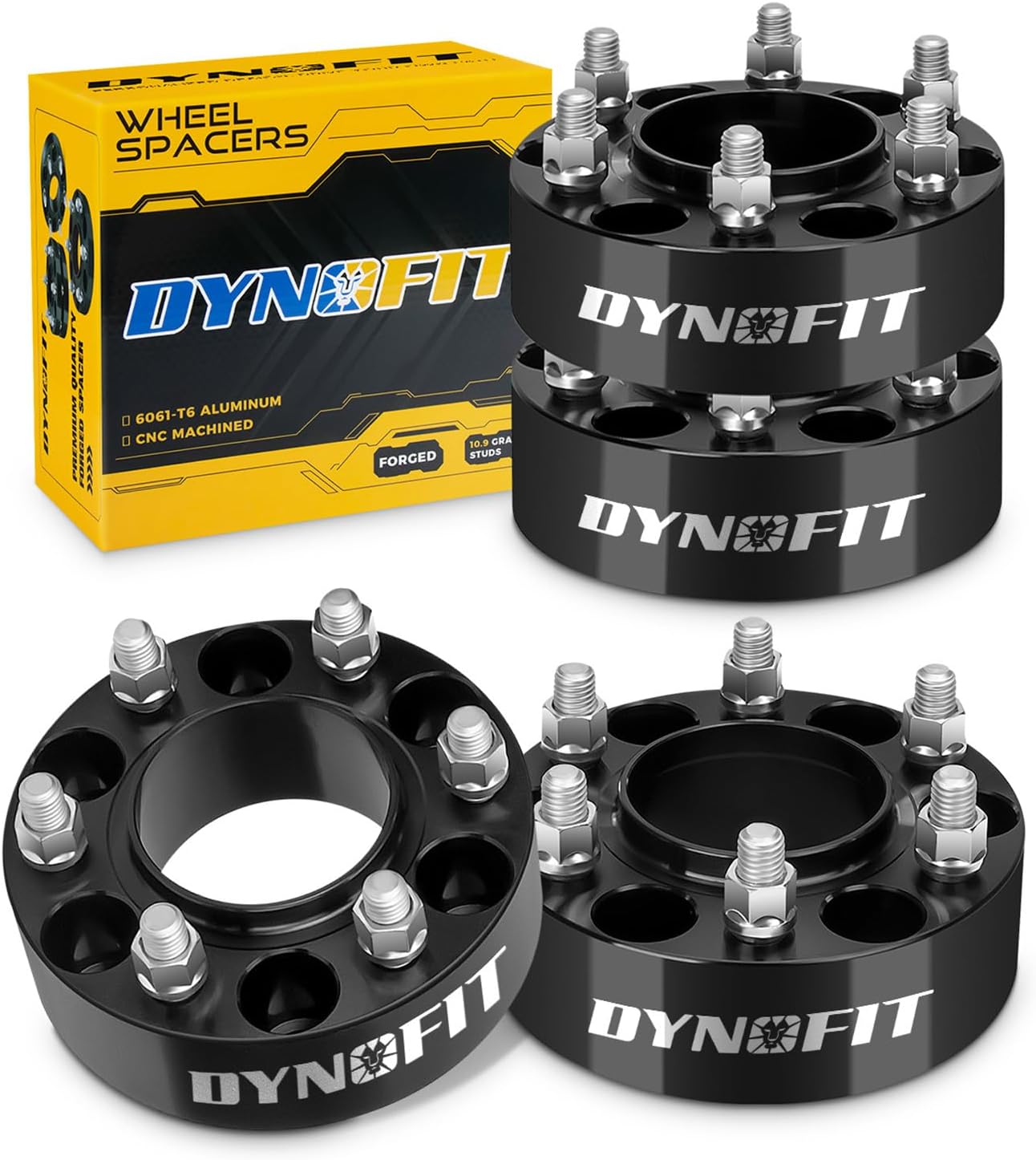
5. dynofit 2" 6×135 Hub-Centric Wheel Spacers for 2003–2014 Ford Expedition / Lincoln Navigator (4 pcs)
| Compatibility | 2003–2014 Ford Expedition / Lincoln Navigator |
|---|---|
| Bolt pattern | 6x135mm |
| Hub bore | 87.1mm |
| Thickness | 2 inch (50mm) |
These dynofit spacers push the wheel out 2 inches to correct backspacing, clear larger tires, and give a wider stance on 2003–2014 Ford Expedition models. They are forged from 6061-T6 aluminum, CNC-machined for a hub bore of 87.1mm and use Grade 10.9 studs with dacromet coating to resist corrosion. Typical use is bolt-on: remove the wheel, fit the spacer to the hub, torque the spacer studs, then mount the wheel to the spacer. The manufacturing method and hub-centric design reduce runout risk and improve fitment compared with low-cost cast spacers. Buyers should follow the advised torque procedure and recheck fasteners after initial miles because aluminum spacers can exhibit embedding during first use and require proper torque practice. These spacers are not for dually configurations and rely on correct installation to avoid problems reported with any spacer product when misinstalled or over-torqued. For a risk-averse buyer looking for a factory-quality replacement-style spacer for a Ford Expedition, they offer a sensible balance of strength and value.
Best for: Practical, risk-averse Expedition owners who prioritize a reliable, factory-style upgrade to correct clearance or run wider tires while keeping installation straightforward.
Less Ideal for: Those seeking heavy-duty, off-road-specific hardware for extreme towing or commercial duty where steel spacers or custom hub solutions are preferred.
- Forged 6061-T6 aluminum construction for good strength-to-weight ratio
- Hub-centric 87.1mm bore improves centering and reduces vibration risk
- Grade 10.9 dacromet-coated studs resist corrosion and favor ductile deformation over brittle failure
- CNC machining and close tolerances for tight fit on Ford Expedition hubs
- Requires careful torque procedure and periodic rechecks during break-in
- Not compatible with dually axle setups
- Aluminum material can show local yielding if over-torqued beyond recommended values
Verdict A well-made, hub-centric 2" spacer tailored for 2003–2014 Ford Expedition owners who want a reliable, factory-style stance and clearance solution when installed and torqued correctly.
6. Dynofit 1.5in Forged 6-Lug Wheel Spacers for 2015-2025 F150, Expedition & Navigator (Set of 4)

| Fitment | 2015-2025 Ford F150, Expedition, Lobo, Lincoln Navigator |
|---|---|
| Thickness | 1.5 Inch |
| Bolt Pattern | 6x135mm |
| Hub Bore | 87.1mm |
| Thread Pitch | M14x1.5 |
These Dynofit wheel spacers are a vehicle-specific, hub-centric solution that moves the wheel 1.5 inches outward to resolve brake caliper and tire clearance problems and allow larger tires. They are forged from 6061-T6 aluminum and CNC machined, which keeps weight down while giving a stronger part than many cast alternatives. The kit includes M14x1.5 studs and grade 10.9 bolts with a dacromat finish to resist corrosion. Typical use is bolt-on: mount the spacer to the hub, torque to the recommended spec, then refit the wheel and re-torque after initial miles. Real benefits are improved stance and cornering stability plus clearance for aftermarket wheels and tires. Important limitations are the lower spacer-to-hub torque guidance compared with wheel torque and the need for periodic rechecks after installation; improper torquing or using lubricants can cause problems. For a practical buyer wanting forged, hub-centric spacers for Ford trucks and SUVs, this kit balances cost and quality but requires careful installation and follow-up checks.
Best for: Practical buyers who want a cost-effective, forged wheel spacer to fix rubbing or fit larger tires and who prioritize improving vehicle stance and clearance without overspending.
Less Ideal for: Drivers who want a maintenance-free modification or who will not check torque after installation should consider alternatives or professional installation services.
- Forged 6061-T6 aluminum construction for higher strength than typical cast spacers
- Hub-centric design tailored for 6x135mm bolt pattern and 87.1mm hub bore
- Includes grade 10.9 bolts with corrosion-resistant dacromat treatment
- Moves wheels 1.5 inches outward to improve clearance and stance
- Requires careful torqueing and periodic re-torques to avoid preload and stud issues
- Installation may need threadlocker and an alignment after fitment for best results
Verdict A budget-friendly forged, hub-centric spacer kit for 2015–2025 Ford trucks and SUVs that delivers clearance and a wider stance if installed and torque-checked correctly.
7. KSP PERFORMANCE 2" Hub-Centric Wheel Spacers for Ford F-150 / Expedition (6×135, 87.1mm Bore)

| Bolt pattern | 6x135mm |
|---|---|
| Center bore | 87.1mm |
| Thread pitch | M14x1.5 |
| Thickness | 2" (50.8mm) |
These KSP 2" wheel spacers move factory wheels two inches outward on compatible 6-lug Ford trucks, giving more clearance for larger tires and a wider, more aggressive stance. Made from 6061-T6 aluminum with a hub-centric 87.1mm bore and hardened grade 10.9 hardware, they are intended to fit stock hubs and factory wheels on F-150 and Expedition models listed by the manufacturer. Installation is straightforward for anyone comfortable with wheel torque procedures and the kit includes bolts and thread locker so you can torque to spec and recheck after a short break-in. In practice the spacers solve brake caliper clearance and rubbing issues and several owners report quiet, vibration-free operation when torqued correctly. Limitations to keep in mind: these are cast billet aluminum spacers that add offset to the wheel, which increases loads on suspension components compared with stock geometry, so very large spacers or extreme tire sizes may require additional suspension upgrades. Also they do not fit heavy duty or dually models, so verify your exact model and wheel fitment before buying.
Best for: Balanced buyers who want a reliable, factory-compatible way to fit larger tires or improve wheel stance on Ford Expedition/F-150 without replacing wheels.
Less Ideal for: Drivers seeking extreme negative offsets, dually or heavy-duty truck fitment, or those unwilling to perform torque checks and occasional hardware inspection.
- Hub-centric design with 87.1mm center bore for accurate wheel centering
- 6061-T6 aluminum construction balances strength with lighter weight than steel
- Includes hardened 10.9 grade bolts and thread locker for secure fastening
- Designed to provide 2" of extra wheel offset to improve clearance and stance
- Adds extra offset that increases stress on suspension and wheel bearings over time
- Not compatible with F-150 HD or dually models
- Cast billet construction is strong but still requires correct torque and periodic checks
Verdict A well-built hub-centric 2" spacer tailored to Ford F-150/Expedition that improves tire clearance and stance for most owners when installed and torqued correctly.
Choosing the Right Ford Expedition Wheel Spacers: Key Factors to Consider
Fitment And Bolt Pattern
Exact fitment to the Ford Expedition bolt pattern is critical because incorrect patterns will not align and can lead to unsafe installation. Confirm the wheel spacer matches the vehicle bolt pattern and the wheel bolt circle to ensure every lug seats correctly.
Beyond pattern, pay attention to the hub bore size and whether the spacer is hubcentric or lugcentric. A hubcentric spacer centers on the vehicle hub and reduces the risk of runout, while lugcentric designs rely on lug nut centering. Properly matched fitment reduces stress on studs and helps prevent vibration.
Material And Manufacturing Quality
Materials affect strength, weight, and corrosion resistance. Billet aluminum spacers are common for their strength-to-weight ratio and resistance to rust, while steel options can offer higher strength at the expense of added weight. Look for precision machining and quality finishes that protect threads and mating surfaces.
Consistent manufacturing tolerances matter because even small mismatches in thickness or bore concentricity can introduce vibration or uneven load on wheel bearings. Request or verify manufacturing specs where possible and prioritize parts with documented tolerances.
Spacer Thickness And Clearance Needs
Thickness determines how far the wheel moves outward and is the main factor in achieving desired stance or clearance for larger tires and calipers. Use a thickness guide or measure existing clearances before choosing a spacer size to avoid overextension that could stress wheel bearings or require extended studs.
Keep in mind that thicker spacers change scrub radius and steering geometry. Small changes can be acceptable, but large offsets can alter handling and increase component wear. Balance aesthetic or clearance goals with mechanical limits for the Expedition.
Hubcentric Versus Lugcentric Design
Hubcentric spacers center the wheel on the vehicle hub and are generally preferred to help maintain concentricity and reduce vibration risks. Lugcentric spacers depend on lug nuts to pull the wheel into position, which can be acceptable for small thicknesses but may be less precise for larger offsets.
Consider whether the spacer includes a lip that matches the hub bore and whether it is machined concentrically. For owners concerned about vibration, hubcentric options typically provide a more repeatable mounting surface.
Hardware, Studs, And Torque Specs
Installation hardware affects safety and ease of use. Some spacers use extended studs and require specific lug nut torque to maintain clamp load. Others bolt to the hub and provide new mating studs for wheels. Confirm the spacer’s attachment method and whether an installation kit is required for safe fitting.
Follow manufacturer torque specs for both hub-to-spacer and wheel-to-spacer fasteners. Proper torque ensures even clamp load and reduces the chance of loosening. If torque specs are not documented, seek professional guidance.
Impact On Handling And Vibration Potential
Any spacer changes the effective track width and scrub radius, which can alter steering feel and load distribution across suspension components. Small changes often have minimal impact, but larger spacers can change handling dynamics and increase wear on wheel bearings or suspension parts.
Vibration can result from mismatched hub bores, uneven spacer thickness, or improper torque. Choose spacers designed to minimize runout and ensure concentric mounting to reduce the likelihood of vibration issues.
FAQ
Are wheel spacers safe to use on a Ford Expedition?
Wheel spacers can be safe when they are the correct fit for the Ford Expedition, made from quality materials, and installed with the proper hardware and torque. Safety depends on correct bolt pattern, hub bore match, and using the right thickness for your application. Follow recommended torque specs and inspect fasteners periodically.
How do I determine the right spacer thickness for my Expedition?
Determine the required thickness by measuring current clearance between the wheel and suspension or brake components and deciding how much additional offset you need for stance or tire fitment. Consider the effect on scrub radius and wheel bearing loads, and avoid extreme offsets that exceed manufacturer guidance or safe mechanical limits.
Do wheel spacers cause vibration?
Spacers can cause vibration if they are not concentric, have inconsistent thickness, or if fasteners are not torqued correctly. Choosing hubcentric spacers, verifying hub bore fit, and following torque specifications reduces the chance of vibration. Regular inspections help catch any developing issues early.
Do I need new studs or an installation kit to fit spacers?
Some spacers require extended studs or include a spacer installation kit, while others bolt to existing studs and use the original lug nuts. Check the spacer design and included hardware. If extended studs are used, confirm proper thread engagement and follow torque specifications to ensure safety.
Will spacers affect my Expedition’s handling or tire wear?
Yes, spacers change track width and scrub radius, which can influence steering feel and load on suspension components. Moderate spacers typically have limited effect, but larger offsets can increase tire wear and stress on wheel bearings. Balance aesthetic and clearance goals with the potential handling tradeoffs.
How often should I check the fasteners after installing spacers?
It is common to recheck lug nut and spacer fastener torque after the first 25 to 50 miles of driving, then periodically as part of routine maintenance. Regular inspections ensure that fasteners remain properly torqued and that there are no signs of movement or corrosion that could compromise fitment.
How We Chose the Best Ford Expedition Wheel Spacers
We shortlisted products based on criteria that matter specifically for Ford Expedition wheel spacers. Primary filters included exact hub bore and bolt pattern match to the Ford Expedition, verifying hubcentric dimensions where specified, and confirming available thicknesses for common stance and clearance goals. Material and construction were next: we favored fixtures made from billet aluminum or forged steel with corrosion-resistant finishes and consistent manufacturing tolerances.Mechanical strength and safety were evaluated by looking at stud or lug engagement, load rating information, and whether spacers use extended studs or hub-centric designs to maintain alignment. Installation practicality mattered as well, so we considered included hardware, whether a spacer installation kit was required, and documented torque specifications for lug nuts or bolts. Noise and vibration potential were assessed through design features that promote concentric mounting.We excluded any spacer listings that lacked clear vehicle fitment data, omitted critical dimensions, or relied on unknown materials or unverified manufacturing processes. We also excluded adapters that change bolt patterns rather than simple spacers, since those introduce different fitment risks.
Our full evaluation process is outlined in our review methodology.
Conclusion
Choosing Ford Expedition wheel spacers means balancing fitment precision, material quality, and the correct thickness for your clearance or stance goals. Prioritize hub bore match and bolt pattern compatibility, and select a spacer design that minimizes runout to reduce vibration risk.Also consider hardware and documented torque specifications as part of the purchase. Be realistic about how much offset your suspension and bearings can safely handle and plan for periodic inspections after installation to maintain safe operation.
Explore More:
- Check out all Ford Expedition parts & accessories
- Explore Wheel Spacers Maintenance & Repair Guides
- Explore Wheels & Tires
- Browse all Auto Parts
