

Note: This article contains affiliate links. If you click on these links and make a purchase, I may earn a small commission at no extra cost to you. This helps support my research and content. Read my full affiliate disclosure here.
If you drive a 2011-2019 Ford Explorer, choosing the right winter tire matters more than ever for safety and control on snow and ice. The wrong tire can lengthen stopping distances and reduce stability in slippery conditions, while the right tire restores predictable handling and traction. This guide presents seven shortlisted winter tires selected for the Explorer's weight, typical SUV load, and common winter driving demands.Below you will find practical evaluation criteria we used, plus guidance on fitment, tread characteristics, and installation considerations to help you pick the best winter tires for your driving needs. Read on for a focused roundup of top options and what each buyer should prioritize.
Looking for other parts? See all Ford Explorer parts & accessories.
Top Picks at a Glance
| Best Overall The best all-around choice for most situations | Nexen Winguard Sport 2 Winter Tire 245/60R18 105H |  |
| Best Quality Built to a higher standard if you want something more solid | Bridgestone Blizzak DM-V2 Winter SUV Tire 255/50R20 XL | 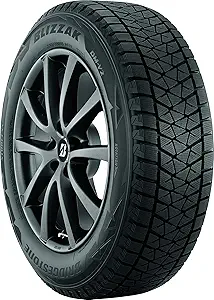 |
| Best Value The sweet spot between price and what you get | Firestone Winterforce 2 UV studdable winter tire P235/75R15 XL |  |
| Highest Rated A top-rated pick with lots of positive feedback | Cooper Discoverer True North Winter Tire 265/65R18 114T |  |
| Most Popular A crowd favorite that many people choose with confidence | Nexen Winguard Winspike 3 Winter Tire 235/75R15 |  |
1. Nexen Winguard Sport 2 Winter Tire 245/60R18 105H

| Rim Size | 18 Inches |
|---|---|
| Load Index | 105 |
| Speed Rating | H |
| Tread Type | Directional |
| Seasons | Winter |
The Nexen Winguard Sport 2 is a studless winter tire intended to give dependable traction and a quieter ride in severe winter conditions. It uses a unidirectional tread with deep zigzag grooves and high-density multi-sipes to channel slush and water, resist hydroplaning, and bite into snow and ice. The 3D winter kerf and 3PMSF certification indicate it holds traction on packed snow and icy patches, while Nexen’s pitch sequencing aims to reduce road noise for more comfortable daily driving. This tire is typically used as a seasonal swap for winter months on passenger SUVs and crossovers sized 245/60R18. Limitations include that it is a winter-specific design so it will wear faster and perform less predictably in warm conditions, and buyers should verify load and speed ratings for heavier Explorer trims before purchase.
Best for: Drivers who want a balanced winter tire that prioritizes predictable traction on snow and slush while keeping road noise and comfort in mind during daily winter driving.
Less Ideal for: Drivers seeking a year-round tire or high-performance summer handling should choose a different tread designed for warmer conditions.
- Studless winter compound and 3D sipes improve grip on ice and packed snow
- Unidirectional tread and deep grooves for effective slush and water evacuation
- 3PMSF certification for recognized winter performance
- Designed for a quieter, more comfortable ride through dual pitch sequencing
- Not suitable for year-round use since winter compound wears faster in warm weather
Verdict: A practical, quiet studless winter tire that delivers dependable snow and slush traction for everyday winter driving.
2. Bridgestone Blizzak DM-V2 Winter SUV Tire 255/50R20 XL

| Rim Size | 20 Inches |
|---|---|
| Load Index | 109.0 |
| Speed Rating | T |
| Tread Type | Winter/Snow |
| Load Range | XL |
The Blizzak DM-V2 is a winter-specific SUV tire that focuses on grip and braking on ice and packed snow. It uses Bridgestone’s Multi-Cell compound and a tread pattern with more block edges to shed slush and bite into icy surfaces, which translates to shorter stopping distances and more confident launches in winter conditions. The tire’s revised contact patch aims to spread load evenly for steadier handling and improved stability during cornering on cold roads. Designed as an extra-load radial with a T speed rating, it is intended for heavier SUVs and CUVs where load capacity matters. Trade-offs are typical for winter rubber: it will wear faster and feel noisier in warm, dry conditions compared with all-season tires, and fuel economy can be slightly lower. For drivers who value maximum winter traction on a 2011–2019 Ford Explorer fitted with 20-inch wheels, this tire delivers focused snow and ice performance at the cost of year-round versatility.
Best for: Drivers of 2011–2019 Ford Explorers who prioritize maximum winter traction and confident braking on ice and packed snow over year-round tread life.
Less Ideal for: People who need an all-season tire for mixed weather or who rarely encounter ice and deep snow should consider a touring or all-season option instead.
- Very strong ice braking thanks to Multi-Cell compound that disperses surface water
- Increased snow traction from 15% more block edges in the tread pattern
- Improved stability from a reworked contact patch for more uniform pressure distribution
- Extra-load rating provides higher load capacity for heavier SUVs and CUVs
- Winter-focused compound and tread wear faster and produce more road noise in warm, dry conditions
Verdict: Choose the Blizzak DM-V2 when your top priority is best-in-class ice and snow grip for a Ford Explorer with 20-inch wheels.
3. Firestone Winterforce 2 UV studdable winter tire P235/75R15 XL

| Size | P235/75R15 |
|---|---|
| Load Capacity | 2183 Pounds |
| Tread Depth | 12 32nds |
| Load Range | XL |
| Construction Type | Radial |
The Firestone Winterforce 2 UV is a winter tire intended for pickup trucks, CUVs and SUVs and is built to improve traction in snow and ice. It uses a special cold-weather compound, directional tread with open shoulder slots and full-depth tread features to provide grip in winter conditions and extended tread life over multiple seasons. This size is pinned for size #11 studs if you need added ice traction, and it carries the 3-Peak Mountain Snowflake certification for winter use. In everyday use it will feel more confident in snowy, slushy or icy conditions than an all-season tire, while the directional design helps channel slush for more consistent contact. Expect a stiffer ride and somewhat higher rolling resistance compared with touring tires, and if you do not plan to use studs you will rely solely on the tread compound for ice grip. Overall it is a value-focused winter option for drivers who want dependable winter traction without stepping up to premium winter-focused models.
Best for: Drivers who prioritize reliable winter traction and long wear on light trucks or SUVs and want a practical, value-oriented tire that can be studded for added ice grip when necessary.
Less Ideal for: Drivers looking for the quietest, most fuel-efficient highway tire or those who never encounter ice and do not need a dedicated winter compound.
- 3-Peak Mountain Snowflake certification for recognized winter performance
- Special cold-weather rubber compound for improved grip in low temperatures
- Pinnable for #11 studs to add mechanical ice traction if needed
- Full-depth tread design aimed at longer tread life across winters
- Directional tread can limit rotation options and may increase noise compared with non-directional patterns
Verdict: A durable, value-focused winter tire that delivers certified snow performance and the option to add studs for superior ice traction.
4. Cooper Discoverer True North Winter Tire 265/65R18 114T

| Size | 265/65R18 114T |
|---|---|
| Tread Depth | 11 32nds |
| Maximum Pressure | 44 PSI |
| Load Capacity | 2601 Pounds |
| Construction Type | Radial |
The Cooper Discoverer True North is a severe-weather winter tire designed to give predictable, confidence-building performance on plowed, treated roads as well as in slush and packed snow. It uses a winter-specific compound and high-density siping to improve ice and snow traction, and Cooper's Snow Groove Technology helps the tread hold snow for better snow-on-snow grip. Manufacturers describe it as quiet for a winter tire thanks to noise-damping structures in the tread, and it is Three-Peak Mountain Snowflake certified for severe snow service. For everyday commuters who need dependable stopping distances and steady wet traction in winter commutes, this tire offers a solid balance of control and comfort. Trade-offs are typical for a dedicated winter tire: it is optimized for cold-season conditions and will wear faster and reduce fuel efficiency if used year-round on warm pavement. Fitment must match the 265/65R18 size and load rating for the vehicle.
Best for: Drivers who prioritize consistent, weather‑tested winter traction and predictable braking on treated roads, slush, and occasional black ice during cold months.
Less Ideal for: Drivers who need an all-season tire for year-round driving or who frequently drive in mild climates where winter-only performance is unnecessary.
- Severe-weather 3PMSF certification for proven snow performance
- Snow Groove Technology and dense siping improve snow-on-snow traction
- Designed for strong wet traction and shorter stopping distances on snow
- Tread noise damping for quieter highway commutes in winter
- Not intended for year-round use on warm pavement where wear and rolling resistance increase
Verdict: Choose this tire if you want a tested, stability-focused winter tire that prioritizes reliable snow and wet stopping performance for cold-season SUV use.
5. Nexen Winguard Winspike 3 Winter Tire 235/75R15

| Size | 235/75R15 |
|---|---|
| Tread Type | Directional |
| Tread Depth | 11 32nds |
| Maximum Pressure | 50 PSI |
| Load Range | XL |
The Nexen Winguard Winspike 3 is a studdable winter tire aimed at drivers who need reliable traction on snow and ice. It uses an advanced winter compound and dense siping to stay flexible in sub-freezing temperatures, while the directional tread and deep grooves help evacuate water and slush for improved wet performance. The tire is Three-Peak Mountain Snowflake certified, so it is intended for moderate to severe winter use, and it accepts optional TSMI #12 studs when extra ice grip is required. In practice this means stronger braking and better control on icy roads, and a noticeably firmer grip in packed snow compared with an all-season tire. Trade-offs are typical for winter rubber: it will wear faster in warm, dry conditions and produce higher road noise than highway tires. For a 2011–2019 Ford Explorer that needs dependable winter traction, this tire delivers stud-capable performance and winter-specific handling.
Best for: Buyers who prioritize reliable winter traction and safety on icy or snowy roads and want a tire that can be studded for additional ice grip.
Less Ideal for: Drivers who primarily drive in mild climates or who value low road noise and long tread life over winter performance should consider an all-season or touring winter alternative.
- Three-Peak Mountain Snowflake certification for proven snow and ice capability
- Studdable design with optional TSMI #12 studs for added ice grip
- Directional tread and deep grooves that help clear water and slush
- Dense siping and winter compound that maintain flexibility in very cold temperatures
- Winter-specific compound will wear faster and feel less responsive in warm, dry conditions
Verdict: Choose the Winguard Winspike 3 when you need a stud-capable, winter-focused tire that delivers confident traction on snow and ice for a Ford Explorer.
Choosing the Right 2011-2019 Ford Explorer Winter Tire: Key Factors to Consider
Tire Size and Load Rating
Selecting the correct tire size and load rating is essential for fitment and safety on a 2011-2019 Ford Explorer. The Explorer was offered with multiple wheel diameters and tire widths across trim levels, and using a tire that does not match the recommended diameter or load index can affect speedometer accuracy, handling, and braking. Always confirm the recommended sizes on your vehicle placard or owner manual and choose a tire whose load rating meets or exceeds the vehicle's original specification.
Size choices also affect ride comfort and steering response. Narrower winter tires can improve snow pack penetration and traction, while wider tires may float on top of deep snow. When selecting sizes, consider any difference in clearance if you plan to run a slightly smaller or larger wheel during the winter months. Proper load rating ensures the tire handles the Explorer's mass, cargo, and passengers without overheating or premature wear.
Tread Design and Siping
Tread pattern and siping determine how a tire bites into snow and channels slush and water away from the contact patch. For the Explorer, look for winter-specific patterns with deep grooves to evacuate slush and directional or asymmetric designs that maintain stability at highway speeds. Dense siping increases the number of biting edges to improve traction on packed snow and ice, but overly aggressive siping can wear faster on dry pavement.
Balance is important: a pattern that aggressively clears snow while maintaining a solid center rib will offer better steering control for an SUV. Consider how the tread design affects road noise and ride comfort, as some winter patterns trade refinement for enhanced grip.
Rubber Compound and Cold-Temperature Performance
Winter tire compounds remain pliable at low temperatures, preserving grip when asphalt is cold. For the Explorer, which carries more mass than a compact car, having a compound that resists hardening is critical for consistent traction, especially during extended cold spells. Tires with winter-specific polymers maintain elasticity down to lower temperatures, which helps with shorter stopping distances on snow and ice.
Compound choices also influence wear: softer winter compounds improve grip but can wear faster if used beyond the winter season. Consider seasonal usage patterns and whether you will switch back to all-season or summer tires when temperatures rise.
Snow and Ice Braking Performance
Stopping distances on snow and ice are among the most important safety metrics for the Explorer in winter. A tire that shortens braking distance on packed snow and black ice provides meaningful safety benefits for family driving scenarios. Look for designs and compounds optimized for controlled braking, including features like sipes that close under load to create stable braking surfaces and block shapes that resist deformation during hard stops.
Keep in mind that traction aids such as studs can impact braking on ice but may reduce wet-road handling and are restricted in some regions. Consider how frequently you encounter glazed ice versus soft snow and prioritize braking characteristics accordingly.
Hydroplaning Resistance and Wet Grip
Winter conditions often include slush and standing water, so hydroplaning resistance matters. Deep circumferential grooves and lateral channels help evacuate water and slush from under the tire, maintaining contact with the road surface. For the heavier Explorer, maintaining water evacuation at highway speeds is important to avoid sudden loss of control.
A tire that balances snow evacuation with wet grip will also perform better during freeze-thaw cycles when road surfaces vary. Consider pattern stiffness and block design because overly flexible blocks can reduce wet handling, while very stiff blocks may lose traction in snow.
Studdable Options and Regional Regulations
Studs can substantially improve traction on pure ice, but they come with tradeoffs and legal restrictions. If you frequently encounter sheet ice or ice-covered roads, studdable winter tires offer an option to add metal studs for extra bite. However, studs can increase wear on dry pavement and may be banned or restricted by local law.
When considering studs for an Explorer, check local regulations and weigh the benefit for the specific roads you travel. Also evaluate whether the tire construction supports studs without compromising tread life or stability at highway speeds.
Understanding Winter Tire Markings and Ratings
Winter tires use specific markings and ratings that indicate their suitability for snow and ice. The three-peak mountain snowflake symbol denotes tested winter performance in severe snow conditions, while the M+S marking signals mud and snow capability but not necessarily proven winter-grade performance. For the 2011-2019 Ford Explorer, prioritize tires bearing the three-peak mountain snowflake for reliable snow traction.
Aside from symbols, look at manufacturer-supplied ratings for load index and speed rating to ensure safe match with your Explorer. Some brands publish test data for braking and traction; use those details as one input among many when choosing a tire.
- Three-peak mountain snowflake indicates severe snow rating
- M+S signifies mud and snow capability but not full winter certification
- Check load index and speed rating to match vehicle requirements
Studded Versus Studless: Real-World Tradeoffs
Studded tires can dramatically improve traction on hard-packed ice but add road noise and can accelerate pavement wear. Studless winter tires rely on compound and tread design to deliver ice performance without metal studs, offering quieter, more versatile behavior on mixed surfaces. For many Explorer owners, studless designs are a practical balance because they provide strong snow and ice grip without the legal and pavement drawbacks of studs.
If your driving includes long stretches of untreated icy roads, studdable tires give you the option to add studs seasonally where allowed. Consider regional weather patterns and restrictions before choosing a studded or studdable option.
- Studs help on pure ice but may be restricted by law
- Studless designs offer quieter, more versatile winter performance
- Consider seasonal and regional needs before choosing studs
Fitment Tips for the Explorer: Clearance and Wheel Choices
The Explorer's suspension and wheel well clearance vary by trim and wheel size. If you switch to a narrower or taller winter tire, verify clearance, especially if you use wheel spacers or carry heavy cargo. Taller tires may contact the wheelhouse during full lock or compression, while much smaller diameters can affect odometer and traction control calibration.
Many owners choose to mount winter tires on a dedicated set of steel wheels to simplify seasonal swaps. This approach reduces repeated mounting and balances costs of installation while preserving factory wheels. Whatever route you choose, confirm TPMS compatibility and have a qualified shop mount and balance the tires.
- Verify wheel well clearance for alternate sizes
- Consider dedicated winter wheels to simplify swaps
- Ensure TPMS sensors and load ratings are compatible
Tread Life Expectations and Seasonal Use
Winter rubber is softer and typically wears faster than all-season compounds. If you drive many miles in winter or across milder seasons, expect shorter tread life if you run winter tires year-round. For the Explorer, which often carries heavier loads, monitor tread depth regularly and plan to replace tires once wear compromises winter performance.
To balance wear and performance, many drivers use winter tires only during sustained cold months and revert to all-season or summer tires when temperatures consistently exceed 45 degrees Fahrenheit. That preserves tread life and maintains dry-road handling.
- Softer compounds wear faster than all-season tires
- Use winter tires seasonally to extend life
- Monitor tread depth, especially on a heavier SUV
Maintenance: Pressure, Rotation, and Storage
Cold temperatures reduce tire pressure, so check and adjust pressures regularly during winter months to maintain the Explorer's handling and even tread wear. Follow the vehicle placard pressure recommendations, adjusting for load when carrying passengers or cargo. Proper inflation improves braking and reduces uneven wear.
Rotate winter tires according to the recommended intervals to ensure even wear across all four corners. When the season ends, clean and store tires in a cool, dry place away from direct sunlight. Proper storage helps preserve the compound and simplifies swapping the next season.
- Check tire pressure weekly in cold weather
- Rotate tires to even wear
- Store off-vehicle in a cool, dark place during off-season
Still looking for the perfect fit?
Select your Ford Explorer configuration to see the most relevant Winter Tires recommendations
How We Chose the Best 2011-2019 Ford Explorer Winter Tire
We focused on criteria that directly affect winter performance for the 2011-2019 Ford Explorer and its typical use as a family SUV. Primary evaluation factors included wet and snow traction measured by tread compound and pattern design; braking distance in slush and packed snow; handling and directional stability for a heavier SUV; and performance in below-freezing temperatures. We also weighed tread life expectations for winter compounds, rolling resistance that influences fuel economy, and available sizes and load ratings suitable for Explorer wheel and axle setups.We excluded tires that did not offer appropriate load index or size options for the Explorer, designs intended only for light cars, and products lacking verifiable winter-focused engineering. We prioritized tires with purposeful siping, deeper tread elements for snow evacuation, and compound formulations rated for sustained cold conditions. Additional filters included available studding options where permitted, reinforcement for highway stability, and options that balance grip with reasonable wear for seasonal use.
Our full evaluation process is outlined in our review methodology.
FAQ
When should I switch to winter tires on my 2011-2019 Ford Explorer?
Switch when average daily temperatures consistently fall below about 45 degrees Fahrenheit. At these temperatures, winter compounds remain flexible and provide better traction than all-season tires.
Can I use studded winter tires on the Explorer everywhere?
Studs are subject to regional regulations and can damage paved roads. Check local laws before using studded tires and consider studdable options only if you routinely encounter hard ice and studs are permitted.
Will winter tires reduce my Explorer's fuel economy?
Winter tires can slightly increase rolling resistance, which may reduce fuel economy modestly. The effect is usually small compared with the safety benefits of improved winter traction.
How do I know the correct winter tire size for my Explorer?
Confirm the recommended sizes on the vehicle placard or owner manual and choose tires with equivalent overall diameter and a load rating that meets or exceeds the factory specification. If considering alternate sizes, verify wheel well clearance and speedometer accuracy.
Are studless winter tires effective on black ice for the Explorer?
Studless winter tires with a soft winter compound and dense siping can provide good performance on packed snow and some ice, but no tire eliminates risk on black ice. Studs improve pure ice bite but carry tradeoffs in noise and pavement wear.
How much does winter tire installation typically cost?
Installation costs vary by shop and region. Expect charges for mounting, balancing, and TPMS service if needed. Many owners reduce repeated installation costs by mounting winter tires on a dedicated set of wheels.
Final Verdict
For the 2011-2019 Ford Explorer, prioritize winter tires that pair an appropriate load rating and size with a winter-specific compound and effective tread design. Balance deep, well-siped tread patterns for snow traction against durable block stiffness for highway stability and wet handling. If you encounter significant ice, consider studdable options while checking local regulations.Choose the tire that best matches your typical winter conditions and driving style, then commit to seasonal installation and proper maintenance. Prioritizing correct fitment, proven snow braking performance, and regular pressure and rotation checks will deliver the safest, most reliable winter driving experience for your Explorer.
Explore More:
- Check out all Ford Explorer parts & accessories
- Explore Winter Tires Maintenance & Repair Guides
- Explore Wheels & Tires
- Browse all Auto Parts
