

Note: This article contains affiliate links. If you click on these links and make a purchase, I may earn a small commission at no extra cost to you. This helps support my research and content. Read my full affiliate disclosure here.
Upgrading wheel spacers on a 2006-2010 Ford Explorer can change how the vehicle looks and how wheels clear brakes and suspension. For owners who want a wider stance, improved track width, or extra clearance for larger brake calipers, the right spacer balances safety and appearance. This guide covers seven shortlisted wheel spacers selected for fitment, durability, and installation practicality specifically for the 2006-2010 Explorer.Below you will find the evaluation criteria we used and practical guidance on spacer sizes, hub fitment, and installation considerations to help you choose the right option for your Ford Explorer.
Looking for other parts? See all Ford Explorer parts & accessories.
Top Picks at a Glance
| Best Overall The best all-around choice for most situations | GAsupply 5×4.5 2" (50mm) Wheel Spacers — 82.5mm Hub Bore, 4-pack |  |
| Best Quality Built to a higher standard if you want something more solid | YHTAUTO 1.5" Hub-Centric 5×4.5 Wheel Spacers (4 pcs) |  |
| Best Value The sweet spot between price and what you get | Titan Wheel Accessories 50mm (2") Billet Aluminum Wheel Spacers, 5×114.3, 82.5mm Hub Bore — Pair |  |
| Best Budget The cheapest option that still gets the job done reliably | HHCSOP 1.5" 5×114.3 Wheel Spacers (2-Pack) with 82.5mm Bore and 1/2×20 Studs |  |
| Highest Rated A top-rated pick with lots of positive feedback | ILONPA 2" 5×4.5 Wheel Spacers with 82.5mm Bore, Set of 4 |  |
| Most Popular A crowd favorite that many people choose with confidence | Orion Motor Tech 5×4.5 1" Wheel Spacers with 1/2-20 Studs (Set of 2) |  |
| Best Seller A high-volume bestseller chosen again and again | dynofit 2" 5×4.5 Wheel Spacers, 80.5mm Hub Bore, 1/2"-20 Thread Pitch (4-pack) |  |
1. GAsupply 5×4.5 2" (50mm) Wheel Spacers — 82.5mm Hub Bore, 4-pack

| Bolt Pattern | 5×4.5 (5×114.3mm) |
|---|---|
| Hub Bore | 82.5mm |
| Thickness | 50mm |
| Material | 6061-T6 Aluminum |
| Fasteners | 10.9 grade bolts, 1/2-20 thread |
These GAsupply 2" (50mm) wheel spacers are a hub-centric, billet-aluminum option aimed at widening the track on compatible 5×4.5 vehicles like the 2006-2010 Ford Explorer. They are CNC machined from 6061-T6 aluminum, anodized for corrosion resistance, and come with 10.9 grade bolts pre-installed which makes installation straightforward with basic tools. In practice they provide solid clearance gain to prevent wheel-to-caliper or wheel-to-suspension rub and give the vehicle a wider stance for improved visual presence and stability in cornering. The 82.5mm hub bore helps center the wheel and reduce vibration when fitted to matching hubs. Trade-offs are typical for long spacers: they add leverage on wheel studs and increase scrub radius, so proper torqueing and periodic checks are important and they are best used where 50mm is required rather than as a first-choice for minor clearance issues. For owners seeking a durable, precision-machined spacer to correct fitment and improve stance on an Explorer, these are a practical choice.
Best for: Drivers who want a reliable, factory-quality spacer to eliminate rubbing and widen the stance on a 2006–2010 Ford Explorer while prioritizing a balance of durability and ease of installation.
Less Ideal for: People looking for small clearance tweaks or those unwilling to perform periodic torque checks and maintenance after fitting large-diameter spacers.
- CNC machined from 6061-T6 aluminum for strength with reduced weight compared to steel
- Anodized finish improves corrosion resistance and maintains appearance
- Pre-installed 10.9 grade bolts simplify installation and provide strong clamping
- 82.5mm hub-centric design helps center the wheel and reduce vibration
- Thick 50mm size significantly increases scrub radius and load on studs compared with thinner spacers
Verdict: A durable, hub-centric 2" billet-aluminum spacer that reliably clears calipers and widens the stance on 2006–2010 Ford Explorer models.
2. YHTAUTO 1.5" Hub-Centric 5×4.5 Wheel Spacers (4 pcs)

| Bolt pattern | 5×4.5 (5×114.3mm) |
|---|---|
| Thickness | 1.5 inch |
| Hub bore | 70.5mm |
| Stud size | 1/2"-20 |
| Stud grade | 12.9 |
These YHTAUTO 1.5-inch hub-centric spacers are designed to push wheels outward for improved track width and a more aggressive stance while keeping the load centered on the hub. They bolt on using the vehicle's stock studs and include high-strength 12.9 grade studs for the outer wheel fastening, with a recommended torque of 75-85 ft·lbs. Typical use is on SUVs and trucks that need extra clearance for larger tires or to change wheel offset for handling improvements. The hub-centric lip helps reduce vibration compared with lug-centric designs and removes the need for separate hub rings. In practice they provide a noticeable increase in track without altering steering geometry dramatically at this thickness, but regular torque checks and using the suggested thread locker are important to maintain safety. Installation is straightforward for anyone comfortable with removing wheels, though professional installation is recommended if you are not experienced. These spacers are a practical way to widen stance and fit wider wheels on compatible Ford Explorer models, but they do require periodic checks and correct torque to stay secure.
Best for: Drivers who want a performance-oriented, bolt-on way to widen track and fit wider wheels or tires on compatible 2006–2010 Ford Explorer models while maintaining a hub-centered fit.
Less Ideal for: People who do not plan routine maintenance checks or who prefer suspension modifications to change handling characteristics should consider other options.
- Hub-centric design centers load on the hub to reduce vibration and improve fitment
- 1.5-inch thickness provides meaningful track widening and extra clearance for larger tires
- Includes high-strength 12.9 grade studs for reliable outer wheel fastening
- Direct bolt-on installation using vehicle studs without needing hub rings
- Requires regular torque checks and use of thread locker to prevent loosening
Verdict: A practical hub-centric spacer that gives 2006–2010 Ford Explorer owners a safe, bolt-on way to widen stance and fit wider wheels for improved track and clearance.
3. Titan Wheel Accessories 50mm (2") Billet Aluminum Wheel Spacers, 5×114.3, 82.5mm Hub Bore — Pair

| Bolt pattern | 5×114.3 |
|---|---|
| Hub bore | 82.5mm |
| Thickness | 50mm |
| Material | 6061-T6 billet aluminum |
These Titan 50mm wheel spacers are a bolt-on way to widen track width and create clearance for larger tires or aftermarket wheels on 2006–2010 Ford Explorer models that use a 5×114.3 pattern and 82.5mm hub bore. Made from CNC-machined 6061-T6 billet aluminum with a black anodized finish, they are hub-centric and designed to seat flush when lug nuts are torqued to specification. The kit includes a pair of spacers and open-ended lug nuts so installation only requires hand tools and a torque wrench, although professional installation is recommended for safety. In practice they deliver a noticeably wider stance and more tire clearance without modifying suspension; they can improve stability and the vehicle's visual stance. Buyers should plan for wheel alignment after installation and be aware that added offset changes scrub radius and load on wheel bearings compared with factory geometry. These spacers are a practical solution for owners wanting a reliable, long-lasting spacer for the specified Explorer years when fitment matches exactly.
Best for: Buyers seeking a durable, bolt-on way to widen the stance or make room for larger tires on a 2006–2010 Ford Explorer while prioritizing a clean, factory-style installation and long-term corrosion resistance.
Less Ideal for: Drivers who want to change suspension geometry, require guaranteed zero impact on steering feel, or prefer solutions that do not alter wheel offset should consider alternative fitment or suspension modifications.
- CNC-machined 6061-T6 billet aluminum construction for strength and corrosion resistance
- Hub-centric 82.5mm bore for centered, consistent mounting
- Adds 50mm per side to increase track width and create clearance for larger tires or wheels
- Includes open-ended lug nuts so no separate fasteners are required for installation
- Thicker 50mm offset increases load on wheel bearings and alters steering geometry compared with factory setup
Verdict: A robust, hub-centric 50mm billet aluminum spacer that reliably widens the track on 2006–2010 Ford Explorer models to fit larger wheels and tires without suspension changes.
4. HHCSOP 1.5" 5×114.3 Wheel Spacers (2-Pack) with 82.5mm Bore and 1/2×20 Studs
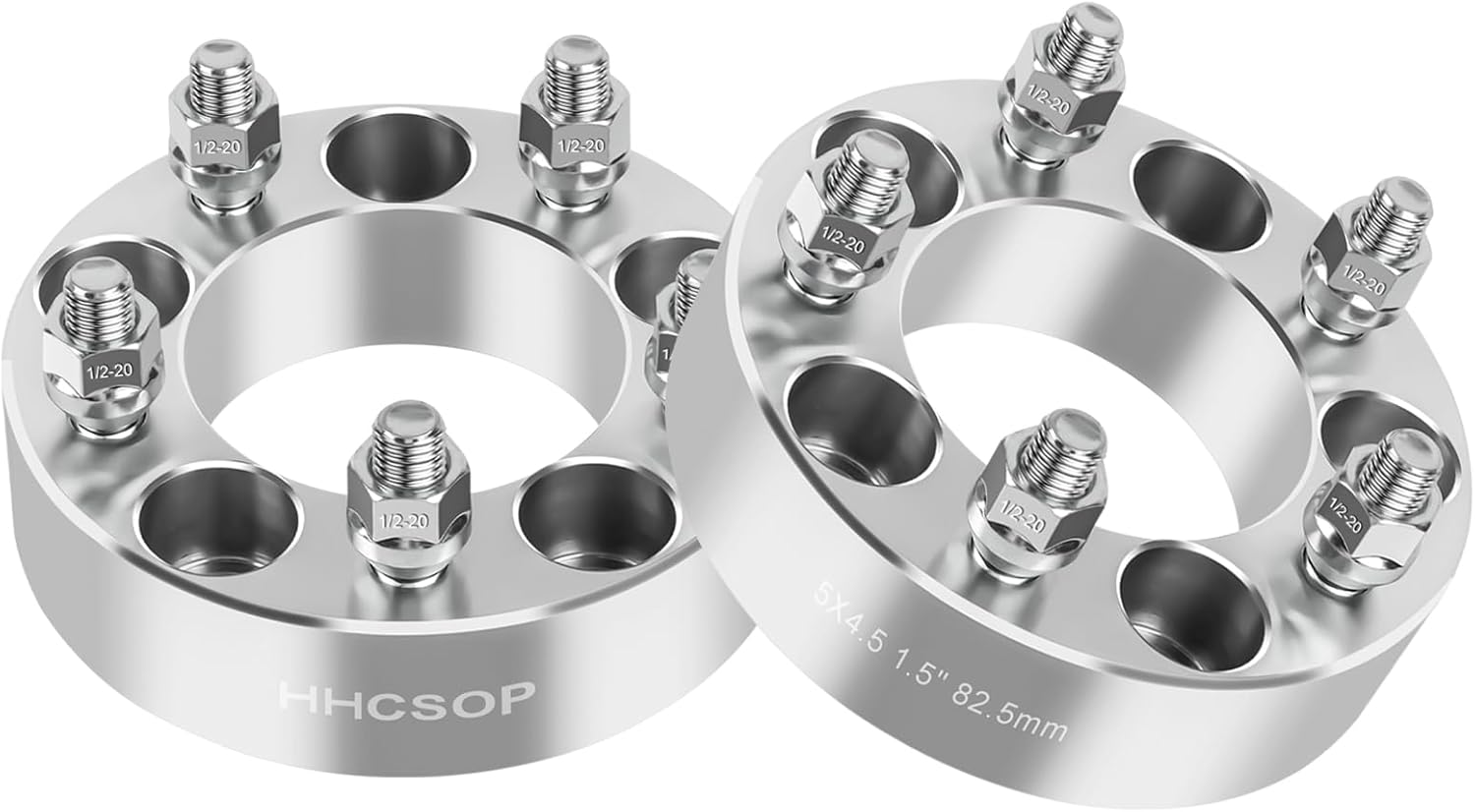
| Thickness | 1.5" (38mm) |
|---|---|
| Bolt pattern | 5×4.5 (5×114.3mm) |
| Hub bore | 82.5mm |
| Thread pitch | 1/2" x 20 |
| Material | 6061-T6 Forged Aluminum |
These HHCSOP 1.5-inch wheel spacers push wheels outboard to create extra clearance, improve stance, and permit wider tires or minor suspension modifications on compatible vehicles. Sold as a 2-piece set, they are CNC machined from 6061-T6 forged aluminum, anodized for corrosion resistance, and include 10.9 grade studs and a large 82.5mm hub bore for centered fitment. Typical use is for drivers wanting a wider track or to clear larger tires without changing wheels or major suspension work. In practice the spacers are lightweight, precise, and the included studs simplify installation, though universal fit designs can require trimming long factory studs on some cars. They help improve lateral stability and allow fitment of lift or lowering kits where extra offset is needed, but buyers should verify hub centering and torque sequence during installation. These spacers are a straightforward, budget-friendly option when fitment matches and proper installation procedures are followed.
Best for: Buyers on a budget who want a simple way to increase wheel clearance and achieve a wider stance on a 2006-2010 Ford Explorer while keeping a factory-quality-looking finish.
Less Ideal for: Drivers seeking a vehicle-specific, bolt-on spacer with guaranteed bolt length compatibility or those who prefer professional shop installation without any on-vehicle modification.
- Forged 6061-T6 aluminum construction provides strength while keeping weight low
- CNC machined and anodized surface for precise fit and improved corrosion resistance
- Includes 10.9 grade studs for durable wheel fastening
- 82.5mm hub bore helps center the spacer on the hub and reduces vibration risk
- Universal-style fit may require trimming long bolts or additional adjustment during installation
Verdict: A cost-conscious choice to widen track and clear larger tires on a 2006-2010 Ford Explorer using forged, CNC-machined aluminum spacers with heavy-duty studs.
5. ILONPA 2" 5×4.5 Wheel Spacers with 82.5mm Bore, Set of 4

| Thickness | 2" (50.8mm) |
|---|---|
| Center bore | 82.5mm |
| Thread pitch/stud | 1/2"-20 |
| Bolt pattern | 5×4.5 (5×114.3mm) |
These ILONPA wheel spacers move each wheel outward by 2 inches to increase track width and create clearance for larger wheels or aftermarket brake calipers. Machined from 6061-T6 aluminum and anodized, they are lightweight while resisting corrosion, and the included 10.9 grade studs and heat-treated lug nuts are intended to withstand road stresses. Installation is typical for hub-centric spacers: remove the wheel, fit the spacer onto the hub, torque the supplied studs, and reinstall the wheel using the lug nuts. For a 2006–2010 Ford Explorer the 82.5mm bore and 5×4.5 pattern match the factory hub dimensions, so they provide a hub-centered fit when paired correctly. The clear benefit is improved wheel fitment and a wider stance that can help handling and allow larger brake packages. These are not full hub replacements and require correct torque sequence and periodic retorqueing; buyers should avoid power wrenches during final torque as recommended and confirm centering rings if any hub gap exists.
Best for: Buyers who prioritize a dependable, factory-matching spacer to widen stance or clear larger brakes on a 2006–2010 Ford Explorer and value durable materials and solid hardware.
Less Ideal for: Drivers seeking a complete hub-centric conversion kit with integral hub or those who prefer professional installation only; not suited for vehicles outside the specified bolt pattern and bore without modification.
- Machined from 6061-T6 aluminum with anodized finish for corrosion resistance and consistent fit.
- Includes 10.9 grade studs and heat-treated lug nuts for stronger threaded connections.
- 82.5mm center bore and 5×4.5 (5×114.3mm) bolt pattern matches many factory hubs for hub-centric mounting.
- 2" thickness provides substantial clearance for larger wheels and brake calipers.
- Requires correct hub centric rings if there is any hub-to-spacer gap since hub is not included.
- Periodic retorqueing and manual torque tool recommended rather than electric impact wrenches.
Verdict: A robust, vehicle-matching 2" spacer set that gives 2006–2010 Ford Explorer owners a reliable way to fit bigger wheels or brakes while maintaining a hub-centered fit.
6. Orion Motor Tech 5×4.5 1" Wheel Spacers with 1/2-20 Studs (Set of 2)
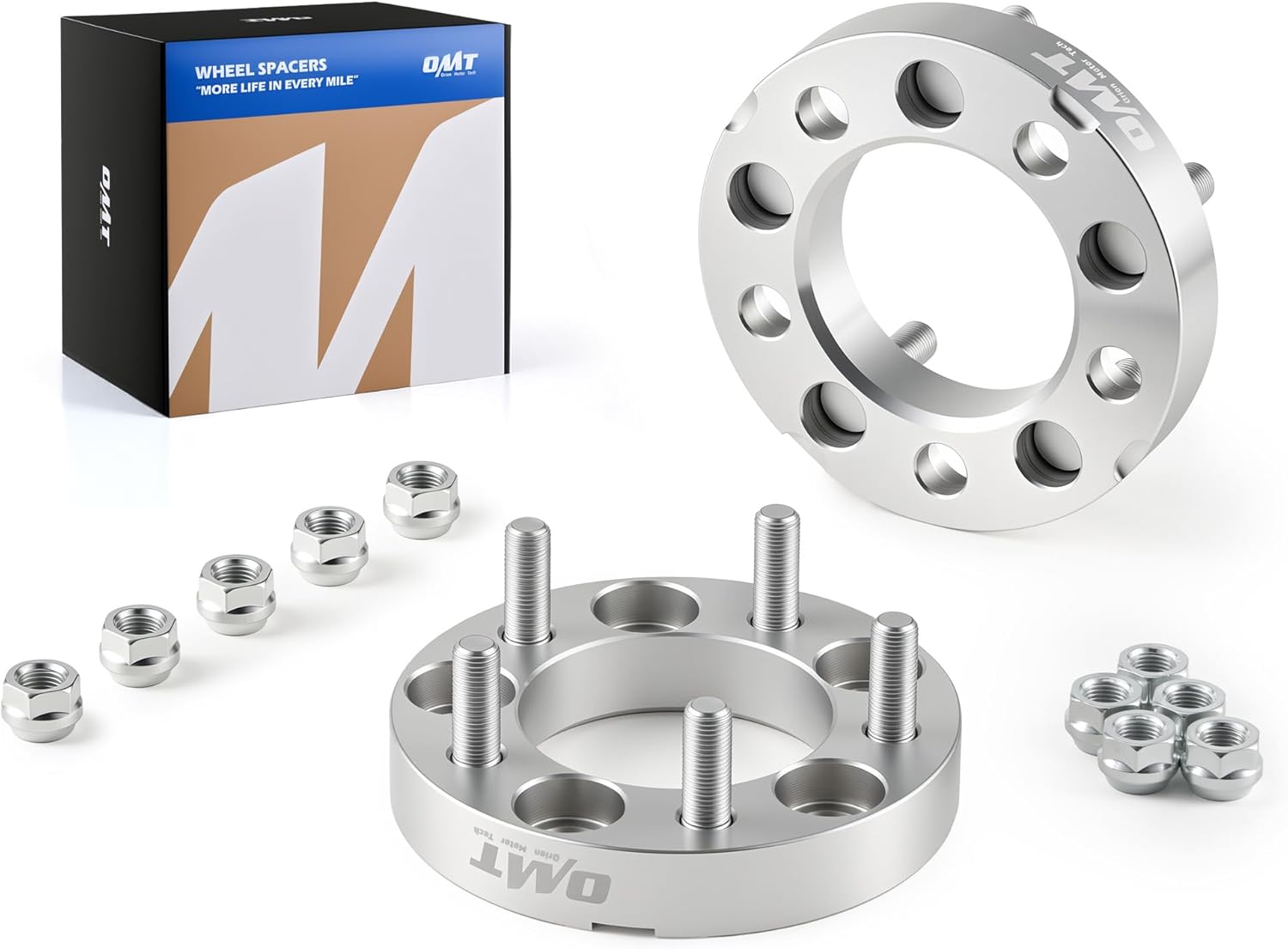
| Bolt pattern | 5×4.5" |
|---|---|
| Center bore | 82.5mm |
| Material | T6 aircraft-grade aluminum |
| Included components | 2 piece wheel spacers with studs |
These Orion Motor Tech spacers are a straightforward way to widen the track by one inch per side using a hub-centric 5×4.5 bolt pattern and included 1/2-20 studs. Made from T6 aircraft-grade aluminum and shipped as a two-piece kit, they are designed to be lightweight yet durable for everyday driving and light performance use. The kit includes heat-treated zinc-coated studs and uses a 60 degree taper for proper seating, and the rear slots help with removal and long-term durability. For a 2006–2010 Ford Explorer the spacers will push the wheels outward to improve cornering feel and give a slightly more aggressive stance without major suspension changes. Installation is typical for spacers and requires torqueing the supplied studs to spec and checking hub clearance. These are not a load-bearing upgrade for heavy towing or extreme off-road use and depend on correct wheel backspacing and lug engagement to stay secure, so confirm fitment and torque procedures before driving aggressively.
Best for: Buyers who want a reliable, factory-quality spacer to subtly improve handling and stance on a 2006–2010 Ford Explorer and who prioritize proven construction and social proof when choosing parts.
Less Ideal for: Drivers seeking solutions for heavy-duty towing, aggressive off-road axle loads, or those who need larger than 1 inch of offset change should consider different hardware or suspension upgrades.
- Solid T6 aircraft-grade aluminum construction for strength with minimal added weight
- Hub-centric 5×4.5 design helps maintain concentric wheel mounting
- Includes heat-treated zinc-coated 1/2-20 studs for secure fastening
- Rear removal slots and precision machining simplify installation and longevity
- Not intended for heavy towing or extreme off-road loads
Verdict: A well-made, hub-centric 1" spacer kit that safely tightens the track and improves handling and stance for a 2006–2010 Ford Explorer.
7. dynofit 2" 5×4.5 Wheel Spacers, 80.5mm Hub Bore, 1/2"-20 Thread Pitch (4-pack)

| Thickness | 2 inch (50.8mm) |
|---|---|
| Bolt Pattern | 5×4.5 (5×114.3mm) |
| Hub Bore | 80.5mm |
| Thread Pitch | 1/2"-20 |
| Construction | Forged 6061-T6 aluminum |
These dynofit spacers push wheels 2 inches outward to correct clearance issues, allow larger tires, and widen track for improved cornering feel. They are forged from 6061-T6 aluminum with CNC machining and come with DACROMAT-treated Grade 10.9 bolts for corrosion resistance and dependable strength. Typical use is straightforward: remove the wheel, fit the spacer over the hub, torque the supplied bolts to the recommended 75–85 ft·lbs, then reinstall the wheel. In practice they give a noticeable stance change and solve rubbing or brake-caliper interference without major suspension work. Because they are vehicle-specific fitment and use grade 10.9 hardware, they balance strength and ductility for daily driving and light off-road use. Limitations include the added leverage on wheel bearings and suspension components inherent to any spacer and the need to confirm exact year/model fitment before installation. Follow local regulations about track width and fender coverage when installing.
Best for: Buyers who prioritize a conservative, safety-conscious upgrade to fix tire rubbing or gain clearance while keeping a near-factory reliability mindset will appreciate these spacers.
Less Ideal for: Drivers seeking extreme off-road abuse, heavy towing, or who want a no-impact warranty-backed factory solution should consider other suspension or wheel options.
- Forged 6061-T6 aluminum construction for good strength-to-weight.
- CNC machining and DACROMAT-treated bolts improve fit and corrosion resistance.
- Includes Grade 10.9 bolts chosen for strength with ductility to reduce catastrophic failure risk.
- 2-inch thickness provides ample clearance for larger tires and brake calipers.
- Spacers increase load on wheel bearings and suspension components compared with stock fitment.
Verdict: A conservative, well-made 2-inch forged spacer set that fixes clearance and stance issues while using durable hardware suited to everyday driving.
Choosing the Right 2006-2010 Ford Explorer Wheel Spacers: Key Factors to Consider
Bolt Pattern and Stud Compatibility
Matching the bolt pattern and stud thread size is the foundation of safe spacer selection for the 2006-2010 Ford Explorer. If the spacer does not align with the Explorer s bolt pattern or uses a different stud thread, the wheel will not mount securely and could lead to lug failure. Confirm whether the spacer is designed to reuse the factory studs or requires extended studs, and verify the taper seat or ball seat style matches your wheel.
Incorrect stud length or mismatched taper can prevent proper torque on the lug nuts and increase the risk of loosening. Always cross-check the spacer s specifications against the vehicle s hub and wheel hardware before purchase to avoid fitment issues.
Hub-Centric Vs Lug-Centric Fitment
How a spacer centers the wheel affects vibration and load transfer. Hub-centric spacers seat against the vehicle s hub bore so the hub, not the lug nuts, centers the wheel. This reduces the chance of runout and vibration, particularly important on the Explorer because of its heavier duty front and rear assemblies.
Lug-centric spacers rely on the lug nuts to center the wheel and can be acceptable for small offsets, but they are more sensitive to wheel and lug runout. When possible, choose hub-centric spacers or ones that include correct hub bore rings to maintain factory-like centering and lower vibration risk.
Spacer Thickness and Track Width Changes
Spacer thickness determines how far the wheel moves outward and influences handling, scrub radius, and fender clearance. Thinner spacers, typically 5 to 15 mm, are common for stance adjustments and modest clearance needs. Thicker spacers may provide the necessary clearance for larger brake calipers or aggressive wheel offsets but increase stress on studs and wheel bearings.
Consider intended use: a street-driven Explorer will usually be fine with modest thickness to maintain steering geometry. If you need larger offsets for brake clearance, plan for upgraded studs and verify wheel backspacing so you do not introduce rubbing or premature bearing wear.
Material, Manufacturing, and Finish
The spacer s material and how it is made determine durability. High-quality spacers are machined from billet aluminum or forged alloys with precise tolerances. These manufacturing methods produce a consistent hub bore and flat, parallel faces for even load distribution. Poorly made spacers can warp or crack under repeated loading.
A corrosion-resistant finish is important in climates where road salt or moisture is present. Anodized or coated surfaces extend service life and maintain mating surface integrity. Check for documented hardness or alloy spec where available to assess long-term reliability.
Installation Hardware and Torque Requirements
Proper installation depends on using the correct hardware and torque values. Some spacers reuse factory studs; others include longer studs, replacement nuts, or specialized hardware. Using the wrong studs or failing to torque to the recommended specification can cause loosening or stud failure. For the Explorer, ensure that any included studs are rated for automotive wheel loads and that the spacer design does not exceed recommended thread engagement.
Also confirm whether hub-centric rings are included or available and whether the spacer requires a specific torque sequence. Clear installation instructions and a recommended torque specification reduce the chance of improper fitment and improve long-term safety.
Legal, Warranty, and Service Considerations
Adding spacers can affect tire and wheel alignment, suspension geometry, and may influence warranty coverage or inspection outcomes in some jurisdictions. While spacers are commonly used for clearance and stance, they change load paths and can accelerate wear on bearings or ball joints if improperly sized.
Before installing, consider how the change will affect maintenance intervals and whether you will need alignment or upgraded components. Keep documentation of the spacers specifications and installation steps in case service providers request fitment details.
Understanding Bolt Patterns and the Explorer S Hub
Confirming the bolt pattern and hub bore is the first step for any 2006-2010 Ford Explorer owner. Wheel spacers must align precisely with the factory bolt pattern and seat securely on the hub to avoid centering issues. A spacer that is hub-centric or supplied with a correct hub ring helps the wheel sit true and minimizes vibration.
When checking fitment, measure stud protrusion after installing the spacer to ensure there is adequate thread engagement for lug nuts. If the spacer is thicker than the factory wheel studs allow, you will need extended studs or a conversion kit designed for the Explorer.
- Verify spacer bolt pattern matches vehicle
- Check hub bore or use hub-centric rings
- Measure available stud thread engagement after spacer installation
Choosing Spacer Thickness for Clearance Versus Stress
Think through why you need spacers: brake caliper clearance, improved stance, or to correct wheel backspacing. Small thicknesses give aesthetic benefits with minimal additional stress, while larger thicknesses move the load path outward and increase leverage on wheel bearings and studs.
If larger thicknesses are required for brake clearance, factor in upgraded studs and possibly different wheel offsets to keep loads within safe limits.
- 5-15 mm for modest stance and minimal load increase
- 20 mm and up may require hardware upgrades
- Consider impact on scrub radius and alignment
Hub-Centric Rings and Reducing Vibration
Hub-centric rings fill the gap between the spacer and the wheel center bore so the hub carries the centering load. For the Explorer, where heavier components and longer spans can amplify runout, using hub-centric spacers or rings reduces the chance of vibration at highway speeds.
If a spacer is lug-centric, limit its use to small offsets and inspect wheels for runout after installation. Proper balancing and checking lug torque after a short drive can catch issues early.
- Prefer hub-centric spacers for larger offsets
- Inspect for wheel runout and vibration after installation
- Use rings sized to the wheel bore if not included
Installation Sequence and Torque Best Practices
Install spacers on a clean hub surface and ensure mating faces are free of rust or debris. Tighten to the manufacturer s recommended torque in a crisscross pattern to seat the spacer evenly. For the 2006-2010 Explorer, re-torque lug nuts after an initial short drive to confirm proper seating.
If the spacer requires extended studs, confirm thread engagement with factory lug nuts or use supplied nuts rated to automotive standards. Keep a record of torque values used and recheck periodically as part of routine maintenance.
- Clean mating surfaces before installation
- Use crisscross torque pattern and re-torque after a short drive
- Confirm thread engagement when extended studs are used
When to Upgrade Studs or Use an Installation Kit
Thicker spacers often necessitate extended studs to maintain safe thread engagement. An installation kit that includes properly rated studs and nuts reduces the risk of using underspecified hardware. Kits may also include hub rings and warranties for the complete assembly.
If you are unsure about thread engagement or the correct stud length, consult a service manual or a professional who knows the 2006-2010 Explorer s wheel hardware specifications before proceeding.
- Use extended studs for spacers that exceed available factory thread length
- Choose kits that include hub rings and rated nuts
- Verify compatibility with wheel backspacing and brake components
Maintaining Safety and Monitoring Wear
After installing spacers, monitor wheel bearings, lug torque, and suspension components for signs of accelerated wear. Check for play at the wheel and listen for unusual noises during the first several hundred miles. Periodic inspections will reveal if the spacers are affecting component life.
Regularly inspect the spacer surfaces and hardware for corrosion or loosening. Early detection of issues avoids more costly repairs and ensures the added stance or clearance does not come with unsafe side effects.
- Re-check lug torque after 50-100 miles and periodically thereafter
- Inspect bearings and suspension for accelerated wear
- Look for corrosion or material fatigue on spacer faces
Still looking for the perfect fit?
Select your Ford Explorer configuration to see the most relevant Wheel Spacers recommendations
How We Chose the Best 2006-2010 Ford Explorer Wheel Spacers
We evaluated wheel spacers for the 2006-2010 Ford Explorer using a set of vehicle-specific, function-focused filters. Primary criteria included bolt pattern compatibility and fitment. For this Explorer the correct bolt pattern, stud length needs, and hub bore alignment were treated as pass/fail items to ensure safe mounting and proper centering.Material and manufacturing quality were a second key filter. We prioritized spacers made from high-strength aluminum alloys or forged materials with corrosion-resistant finishes and clear machining tolerances to resist fatigue under load. Thickness and offset options were reviewed to cover common owner goals such as minor stance changes, brake clearance, or larger wheel backspacing adjustments.Thermal and load considerations formed the third axis: spacers must tolerate brake heat and road stresses without deforming. We also checked recommended torque specs and the availability of installation hardware or kits that include extended studs or hub-centric rings when required. Fitment-focused documentation and clear installation guidance earned higher placement.Excluded items were one-off or non-hubcentric adapters that require custom machining, spacers without clear torque guidance, and products with insufficient material spec documentation. The final selections balance safe, documented fitment for the 2006-2010 Explorer, reliable materials, and practical installability.
Our full evaluation process is outlined in our review methodology.
FAQ
Will wheel spacers cause vibration on my 2006-2010 Ford Explorer?
Spacers can cause vibration if the wheel is not properly centered or if there is excessive runout. Choosing hub-centric spacers or using correctly sized hub rings reduces this risk. Also ensure proper wheel balancing and re-torque lug nuts after installation.
How thick of a spacer can I safely use on this Explorer?
Safe thickness depends on intended use and remaining stud engagement. For modest stance changes 5 to 15 mm is common. Thicker spacers may require extended studs and increase stress on bearings, so plan for hardware upgrades and alignment checks.
Do I need extended studs or an installation kit?
If spacer thickness reduces factory thread engagement below the recommended amount, you should use extended studs or an installation kit. Kits that include properly rated studs, nuts, and hub rings simplify installation and improve safety.
Are hub-centric spacers worth it for the Explorer?
Yes. Hub-centric spacers are generally worth choosing because they center the wheel on the hub rather than the lug nuts, which lowers the chance of vibration and uneven load. This is particularly helpful on heavier SUVs like the Explorer.
How should I torque lug nuts after installing spacers?
Use the manufacturer-recommended torque values for the lug nuts and tighten in a crisscross pattern to seat the spacer evenly. Re-check torque after the first short drive and periodically thereafter to ensure nothing has loosened.
Will wheel spacers affect alignment or handling?
Spacers change track width and can slightly alter scrub radius, which may affect steering feel and handling. Small spacers usually have minimal impact, but larger offsets can change handling enough to require alignment and other suspension checks.
Final Verdict
For the 2006-2010 Ford Explorer, prioritize correct bolt pattern, hub-centric fitment, and adequate thread engagement when choosing wheel spacers. Balance the aesthetic or clearance gains against the increased loads thicker spacers place on studs and bearings. If you need larger offsets, plan on upgraded hardware and post-install inspections. By focusing on fitment, material quality, and proper installation procedures, you can achieve the stance or clearance you want without compromising safety.
Explore More:
- Check out all Ford Explorer parts & accessories
- Explore Wheel Spacers Maintenance & Repair Guides
- Explore Wheels & Tires
- Browse all Auto Parts
