

Note: This article contains affiliate links. If you click on these links and make a purchase, I may earn a small commission at no extra cost to you. This helps support my research and content. Read my full affiliate disclosure here.
If you drive a Ford Explorer in cold climates, choosing the right winter tire matters for safety and confidence behind the wheel. Winter tires change how your SUV accelerates, brakes, and corners on snow, slush, and icy roads, so selecting a fitment and tread that match typical winter conditions is important.This guide highlights the top shortlisted options for Ford Explorer winter tire fitment and performance. We assessed each pick for snow traction and wet braking, plus fitment and durability, to help you narrow options quickly before checking specific sizes and installation details.
Looking for other parts? See all Ford Explorer parts & accessories.
Top Picks at a Glance
| Best Quality Built to a higher standard if you want something more solid | Cooper Evolution Winter 255/50R20 XL 109H Tire |  |
| Best Budget The cheapest option that still gets the job done reliably | Firestone Winterforce 2 UV Winter/Snow SUV Tire P245/70R16 |  |
| Most Sold A high-volume bestseller chosen again and again | Bridgestone Blizzak DM-V2 Winter Tire (245/65R17) | 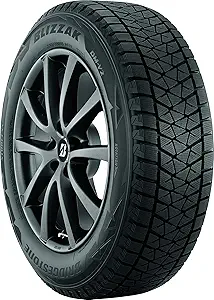 |
| Best Overall The best all-around choice for most situations | Nexen Winguard Winspike 3 Winter Tire — 275/60R20 |  |
1. Cooper Evolution Winter 255/50R20 XL 109H Tire

| Size | 255/50R20XL 109H |
|---|---|
| Tread Type | Directional |
| Load Capacity | 2271 Pounds |
| Construction Type | Radial |
| Severe Weather Rating | 3PMSF certified |
The Cooper Evolution Winter is a purpose-built snow tire that prioritizes grip and stability in harsh winter weather. It uses a directional tread, deep snow grooves, and multi-angled siping to trap snow and create biting edges for improved acceleration, braking, and cornering on packed snow and fresh drifts. The tire is three-peak mountain snowflake certified for severe snow service and can be studded for extra ice traction, which helps on untreated roads and icy driveways. For a Ford Explorer fitted with 20-inch winter wheels, this tire delivers confident uphill starts, repeatable braking, and controlled steering in deep snow while remaining reasonably quiet on cleared pavement. Trade-offs are typical of winter rubbers: dry-road handling is softer than all-season tires and tread life will be shorter when used year-round, so it is best used as a dedicated winter set on the Explorer's winter rims.
Best for: Performance-oriented drivers who prioritize reliable winter traction and predictable control on a Ford Explorer during heavy snow and icy conditions.
Less Ideal for: Drivers who need a single set of tires year-round or who rarely encounter snow should consider all-season or touring tires instead.
- Severe-weather 3PMSF certification for verified snow performance
- Directional tread and deep snow grooves improve traction in deep and packed snow
- Studdable design option for enhanced ice braking and starting
- Sawtooth center rib and siping add stability and all-direction biting edges
- Winter-specific compound reduces dry-road grip and increases wear if used year-round
- Designed for snow and ice rather than summer performance, so handling and fuel economy may decline on warm pavement
Verdict If you want a Ford Explorer winter tire that maximizes deep-snow traction and ice capability, the Cooper Evolution Winter is a performance-focused choice best used as a dedicated seasonal set.
2. Firestone Winterforce 2 UV Winter/Snow SUV Tire P245/70R16

| Size | P245/70R16 |
|---|---|
| Load Capacity | 2094 Pounds |
| Tread Depth | 12 32nds |
| Maximum Pressure | 44 PSI |
| Construction Type | Radial |
The Firestone Winterforce 2 UV is a winter tire engineered for SUV use and marketed to provide dependable snow and cold-weather traction. Its special cold-weather compound, open shoulder slots, and 3-peak mountain snowflake certification mean it is intended for driving on packed snow and slushy winter roads rather than dry-performance driving. The tire is built with full-depth tread features aimed at extending usable life, and it is pinned for studs on the listed size for added traction options in extreme icy conditions. In practice this tire will be used for daily winter commuting and family driving in climates that see regular snow and freezing temperatures, offering confidence at modest speeds and long service between replacements. Limitations include a design focused on winter traction rather than sporty handling or a quiet ride, so expect more road noise and softer steering response compared with touring or all-season tires. Fitment and performance should be confirmed specifically for the Ford Explorer wheel and tire size requirements before purchase.
Best for: Budget-conscious buyers who prioritize reliable winter traction for daily driving and want a tire that stretches service life without a premium price.
Less Ideal for: Drivers seeking the quietest ride, sharp handling, or a high-performance winter tire for spirited driving should consider higher-end alternatives.
- 3-Peak Mountain Snowflake certification for proven winter traction.
- Cold-weather compound and open shoulder slots improve grip on snow and slush.
- Full-depth tread design intended to extend tread life across seasons.
- Stud-pinned option on the listed size for extra ice traction when needed.
- Engineered for winter traction so it sacrifices on-road quietness and sporty handling compared with touring tires.
- Universal fit listing means confirm Ford Explorer size compatibility before ordering.
Verdict A practical, value-focused winter tire for Ford Explorer drivers who need reliable snow traction and long tread life on a budget.
3. Bridgestone Blizzak DM-V2 Winter Tire (245/65R17)

| Size | 245/65R17 |
|---|---|
| Tread Type | Directional |
| Construction Type | Radial |
| UTQG | 200 AB B |
| Tread Depth | 13 32nds |
The Bridgestone Blizzak DM-V2 is a winter tire engineered to improve grip and braking on snow and ice for SUVs like the Ford Explorer. It uses a next-generation multicell compound with a hydrophilic coating to remove surface water on ice and a directional tread with increased block edges to boost snow shearing and traction. In practice this translates to shorter stopping distances and more predictable handling in winter conditions, and the enhanced ground contact area helps maintain stability on packed snow. The tire is a radial construction intended for rim widths around 7 inches and a 17-inch wheel diameter, so it fits common Explorer wheel setups. Trade-offs include a focus on winter performance rather than year-round comfort or tread life in warm, dry conditions, and its UTQG suggests a softer winter compound that will wear faster off-season. Buyers should plan to switch to all-season or summer tires when winter driving ends to preserve tread life and ride quality.
Best for: Risk-averse mainstream buyers who prioritize predictable stopping and confident winter handling on a Ford Explorer and want a dedicated winter tire for seasonal use.
Less Ideal for: Drivers who need a single set of tires year-round or who primarily drive in mild climates where a winter-specific tire is unnecessary.
- Specialized multicell compound with hydrophilic coating improves traction on ice.
- Directional tread and 15% more block edges increase snow grip and shearing force.
- Enhanced contact patch improves stability and braking on packed snow and ice.
- Designed specifically for winter conditions so tread wear and ride comfort decline in warm weather.
- Not optimized for year-round mileage compared with touring or all-season tires.
Verdict If you drive a Ford Explorer in snowy or icy conditions, the Blizzak DM-V2 delivers superior winter traction and braking but should be swapped out for warmer months to avoid accelerated wear.
4. Nexen Winguard Winspike 3 Winter Tire — 275/60R20

| Size | 275/60R20 |
|---|---|
| Tread Type | Directional |
| Construction Type | Radial |
| Tread Depth | 11 32nds |
| Certification | Three-Peak Mountain Snowflake |
The Nexen Winguard Winspike 3 is a stud-capable winter tire built to improve traction, braking, and control on snow, ice, slush, and wet roads. For Ford Explorer drivers who need a winter-specific setup, this tire is typically installed as a dedicated winter wheel package and used through the cold season, then swapped out for all-seasons in warmer months. Notable features include a directional tread with deep grooves for faster water and slush evacuation, dense siping for extra biting edges, and an advanced winter compound that stays flexible at sub-freezing temperatures. It is Three-Peak Mountain Snowflake certified and supports optional TSMI #12 studs for enhanced ice grip. Practical benefits include confident hill starts and improved handling in moderate to severe winter conditions, plus Nexen's Total Coverage Warranty with roadside assistance. Limitations are that studs are optional rather than factory-installed, wet-road performance and on-road noise are not top-tier, and winter compounds wear faster if used year-round, so it is best for seasonal use only.
Best for: Balanced buyers who want a dependable, winter-focused tire for their Ford Explorer that prioritizes reliable traction in snow and ice without paying top-tier brand premiums.
Less Ideal for: Drivers who need a year-round tire, those wanting the quietest possible highway ride, or buyers who require factory-installed studded tires out of the box.
- Three-Peak Mountain Snowflake certified for verified snow and ice capability
- Directional tread with deep grooves that evacuate water and slush quickly
- Dense siping and winter compound that stay flexible in sub-freezing temperatures
- Option to add TSMI #12 studs for superior ice traction
- Backed by Nexen's Total Coverage Warranty including 36 months of roadside assistance
- Studs are optional and not installed from the factory
- Winter compound can wear quickly if driven in warm months
- Wet-road handling and cabin quietness are not class-leading
Verdict A cost-conscious, stud-capable winter tire that delivers strong snow and ice traction for Ford Explorer owners who run a seasonal winter setup.
Choosing the Right Ford Explorer Winter Tire: Key Factors to Consider
Tire Size and Fitment
Correct size and load rating directly affect handling, braking, and clearance. Verify the tire diameter, width, and aspect ratio listed for your Ford Explorer, and match the load index and speed rating to the vehicle’s requirements.
Using the wrong size can alter speedometer readings, reduce traction, or cause rubbing on suspension components. Fitment also dictates whether winter tires will fit the factory wheels or require a separate wheel set. Consider the wheel well clearance and any recommended offset changes when selecting tires to ensure safe installation and normal steering response.
Tread Pattern and Siping
Tread design governs how a tire displaces snow and slush and how many biting edges contact the road. Aggressive siping and specialized blocks improve grip on packed snow and ice by creating more edges to bite into slippery surfaces.
Open channels and directional or asymmetric patterns help evacuate water and slush to reduce hydroplaning risk. While deeper, more aggressive patterns can enhance snow traction, they may produce more road noise and slightly different steering feel on dry roads. Balance the tread aggressiveness with your typical mix of winter conditions.
Rubber Compound and Cold-Temperature Grip
Winter-specific rubber compounds remain pliable at low temperatures, maintaining traction where all-season compounds harden and lose grip. Look for compounds formulated for sustained cold performance rather than seasonal blends that harden quickly.
A softer compound improves grip on ice and cold pavement but can wear faster if used extensively on dry roads. If you drive in consistently cold climates, prioritize cold-temperature compounds to preserve braking and handling during the winter months.
Studded Versus Studless Options
Studded winter tires provide extra mechanical grip on ice through metal studs embedded in the tread, which can make a measurable difference on glare ice. However, studs may be restricted or prohibited in some jurisdictions and can increase road wear and noise.
Studless winter tires use advanced tread patterns and rubber compounds to achieve grip without metal studs, offering a calmer ride and broader legality. Choose studded models only if you encounter frequent, hard-packed ice and local regulations allow them; otherwise, high-performance studless designs often suffice for mixed snow and icy conditions.
Tread Depth and Wear Life
Initial tread depth affects how much snow a tire can pack and evacuate, which influences traction in deep snow. Deeper treads with sturdy block structures generally perform better in heavy snow and last through multiple winters if rotated and maintained properly.
Consider expected winter tire lifespan based on your annual mileage and driving style. Tires designed for longer wear may sacrifice a bit of low-temperature softness, while softer compounds can provide superior initial grip but shorten service life. Regular rotation and seasonal storage will help maximize usable tread life.
Installation and Mounting Considerations
Proper mounting, balancing, and alignment ensure the tire performs as designed on your Ford Explorer. Professional installation addresses proper torque, valve stems, and wheel compatibility to avoid vibration and uneven wear.
When planning, factor in the logistics of swapping tires seasonally, storage for off-season wheels, and any local guidelines for stud use or tire changes. Confirm that the mounting shop checks alignment and balance after installation to preserve tread life and maintain safe handling.
FAQ
When should I switch to winter tires on my Ford Explorer?
You should usually switch when average daily temperatures consistently drop below about 45 degrees Fahrenheit. At that point, winter rubber maintains better grip than summer or all-season compounds. Timing also depends on local weather patterns and road conditions, so plan to change tires before the first expected snow or prolonged cold spell.
Are studded winter tires necessary for an Explorer in snowy climates?
Studded tires can improve traction on hard-packed ice, but they are not always necessary. Many modern studless winter tires perform very well on snow and variable ice while avoiding stud restrictions. Consider local winter conditions and regulations before choosing studded options, and weigh the extra noise and possible road wear.
How do I determine the right winter tire size for my Explorer?
Check the tire placard on the driver door jamb or your owner’s manual for the manufacturer-recommended sizes and load ratings. Choose winter tires available in those sizes to preserve speedometer accuracy, load capacity, and proper clearance. If you plan to change wheel sizes, confirm the new combination is compatible with suspension clearances and braking systems.
Will winter tires affect fuel economy or handling on dry roads?
Winter tires often have softer compounds and more aggressive tread patterns, which can slightly reduce fuel economy and alter dry handling compared with summer tires. The tradeoff is improved safety and control in cold and slippery conditions. If you do significant dry driving in winter, opt for models that balance low-temperature grip with reasonable rolling resistance.
How often should I rotate and inspect winter tires?
Rotate winter tires every 5,000 to 7,000 miles or as recommended by the tire manufacturer to promote even wear. Inspect tires regularly for uneven wear, cuts, or embedded objects, and check tread depth before each season. Proper rotation and inflation substantially extend usable life and preserve traction throughout the winter.
How We Chose the Best Ford Explorer Winter Tire
We focused on criteria that matter specifically for Ford Explorer owners and similar midsize SUVs. Key evaluation points included snow traction, measured by grip in packed and fresh snow; wet braking performance to reduce stopping distances in slush and cold rain; tread design and siping patterns that aid ice handling and slush evacuation; and load and speed ratings appropriate for the Explorer to ensure safe vehicle stability.We also considered winter tire size fitment options commonly used on this vehicle, expected tread life under winter driving, and compatibility with common wheel sizes to limit fitment surprises. Durability in cold temperatures and resistance to chunking or rapid wear were part of the assessment. We excluded all-season and summer tires from consideration, as well as tires not offered in standard Explorer sizes. Tires that required vehicle-specific modifications or failed to meet load/speed requirements were not included.
Our full evaluation process is outlined in our review methodology.
Conclusion
Choosing the right Ford Explorer winter tire comes down to matching size and load rating, prioritizing snow and wet braking performance, and selecting a tread and compound suited to your local winter conditions. Expect tradeoffs between extreme cold grip, tread life, and on-road comfort.Focus on a tire that meets the Explorer’s fitment requirements and balances durable tread depth with a compound designed for cold temperatures. Plan for correct installation, regular rotation, and seasonal storage to get the most consistent winter performance.
Explore More:
- Check out all Ford Explorer parts & accessories
- Explore Winter Tires Maintenance & Repair Guides
- Explore Wheels & Tires
- Browse all Auto Parts
