

Note: This article contains affiliate links. If you click on these links and make a purchase, I may earn a small commission at no extra cost to you. This helps support my research and content. Read my full affiliate disclosure here.
If you drive a Subaru Outback with a manual gearbox, choosing the appropriate transmission fluid matters for shift feel, reliability, and long-term transmission health. The wrong fluid can lead to noisy gear engagement, accelerated wear, or harsher shifting, while the right fluid helps keep gear synchromesh working smoothly and supporting consistent lubrication under load. This guide covers the top shortlisted manual transmission fluids we evaluated for the Subaru Outback Manual and highlights the key performance and service considerations that matter when you change or top up fluid.Below you will find the top options we tested against practical criteria like friction characteristics, viscosity retention, and compatibility with Subaru manual gearboxes. Use the short decision guide and FAQs to pick the best fit for your driving habits and service needs.
Looking for other parts? See all Subaru Outback parts & accessories.
Top Picks at a Glance
| Best Overall Transmission Fluid A well-rounded choice balancing performance, compatibility, and longevity | Subaru 75W-90 High Performance Gear and Transmission Fluid 1 Quart (SOA427V1700) |  |
| Best Budget Transmission Fluid A low-cost option that still meets basic protection and spec needs | TRIAX Synergy Gear MT 75W-80 GL-4 Full Synthetic Manual Transmission Fluid (1 Quart) |  |
| Best Premium Transmission Fluid Higher-end formulation with enhanced additives for longer life and protection | Red Line 50204 75W80 GL-4 Manual Transmission Gear Oil, 1 Quart |  |
| Best Synthetic Transmission Fluid Full-synthetic formulations for improved temperature performance and longevity | Valvoline Advanced Full Synthetic 75W-90 Gear Oil, 1 qt |  |
| Best GL-4 Transmission Fluid A formulation meeting GL-4 gear oil specs for manual gearboxes | TRIAX Synergy Gear MT 75W-90 GL-4 Full Synthetic Manual Transmission Fluid (1 Quart) | 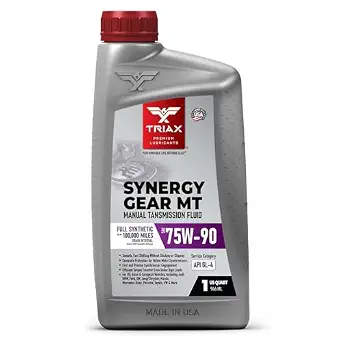 |
| Best High-Mileage Transmission Fluid Formulated for older gearboxes to refresh seals and reduce wear | ACDelco 75W-90 Manual Transmission and Transfer Case Fluid, 1 qt |  |
1. Subaru 75W-90 High Performance Gear and Transmission Fluid 1 Quart (SOA427V1700)
Best Overall Transmission Fluid
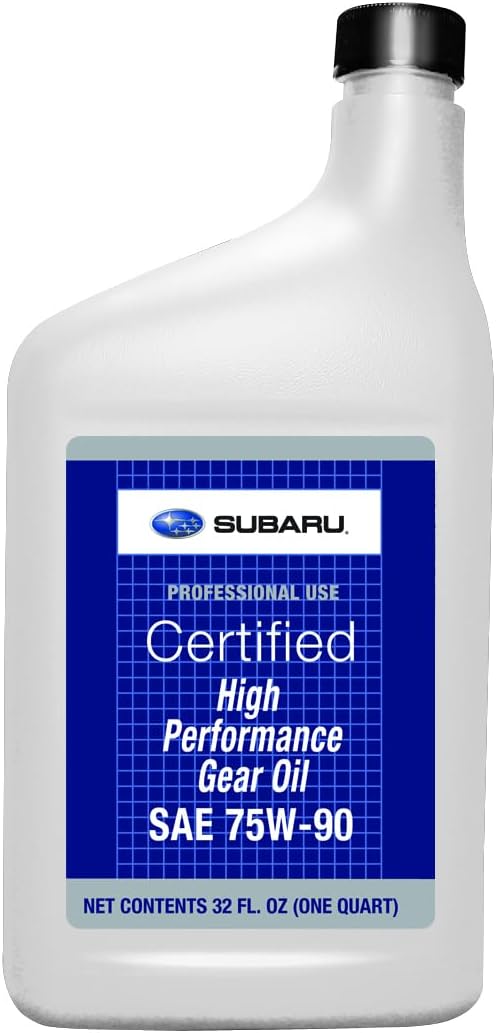
| Material | Synthetic |
|---|---|
| Liquid Volume | 1 Quarts |
| Viscosity | 75W-90 |
| SAE J300 Viscosity Grade | 75W-90 |
This Subaru 75W-90 Extra-S gear and transmission fluid is the factory-recommended synthetic oil for Subaru manual gearboxes and differentials. It is typically used during manual transmission services and differential fill jobs to restore smooth shifting and reduce the common 3-4 shift grind found in higher-mileage 5-speed WRX and similar Subaru units. Key features include a full synthetic formulation and OEM part number fitment, which translate to consistent viscosity at operating temperatures and compatibility with Subaru factory seals and materials. In real-world use owners report noticeably smoother shifts and reduced gear noise after a fluid change. The 1-quart bottle makes it easy for DIY mechanics to add or top up fluid during routine maintenance, but larger jobs may require multiple bottles or a larger container. This product is focused on Subaru transmissions specifically, so it is a straightforward, no-surprises choice when you want factory-spec performance and to maintain original shifting characteristics.
Best for: DIY mechanics maintaining Subaru manual transmissions who prioritize using the factory-recommended fluid to preserve shift quality and gearbox longevity.
Less Ideal for: People servicing non-Subaru transmissions or looking for a multi-vehicle universal fluid should consider a different product with broader manufacturer approvals.
- Factory-recommended formulation for Subaru manual transmissions and differentials.
- Full synthetic 75W-90 viscosity provides stable protection across temperature ranges.
- Reported to reduce 3-4 shift grind and produce smoother shifting in higher-mileage gearboxes.
- Available in a 1-quart bottle convenient for DIY top-ups and maintenance.
- Sold in small 1-quart bottles which may require multiple units for full services or multiple differentials.
Verdict: The best all-around transmission fluid that balances compatibility, protection, shift quality, and service life for most DIY mechanics' manual transmissions.
2. TRIAX Synergy Gear MT 75W-80 GL-4 Full Synthetic Manual Transmission Fluid (1 Quart)
Best Budget Transmission Fluid

| Viscosity | 75W-80 |
|---|---|
| Container Type | Bottle |
| Unit Count | 32 Fluid Ounces |
| Material | Synthetic |
| Recommended Uses For Product | Manual gearboxes, differentials and multi-vehicle transfer cases |
This Triax Synergy Gear MT 75W-80 is a full synthetic GL-4 manual transmission fluid intended for passenger cars and SUVs that need a 75W-80 spec. It is used like any gear oil refill for manual gearboxes, differentials, and transfer cases where GL-4 chemistry and yellow-metal protection are required. The formula emphasizes friction control and shear stability to promote fast, smooth shifts and reduce notchy or grinding feel on synchromesh systems. Practical benefits include strong corrosion inhibition, additives aimed at seal protection and wear reduction, and good low-temperature flow for easier cold shifting. The product claims long drain potential relative to OEM intervals and compatibility with a wide range of vehicles. Limitations for this budget-focused pick are that it does not rely on exotic long-life marketing and may not match costlier fluids with specialized long-term additive packages or manufacturer-specific approvals for extended service intervals. For DIY manual-transmission maintenance it delivers solid, spec-compliant protection without premium upcharges.
Best for: DIY owners looking for an affordable, full-synthetic GL-4 fluid that gives reliable wear protection and smooth shifting for manual transmissions without paying for premium long-life marketing.
Less Ideal for: Owners seeking factory-specified extended-life fluids or transmission fluids with unique OEM approvals should consider manufacturer-recommended products instead.
- Full synthetic GL-4 formulation for stable viscosity and wear protection
- Engineered friction control for smoother, quicker shifting and reduced notchy feel
- Corrosion and yellow-metal protection for synchros and brass components
- Good low-temperature fluidity to aid cold-weather shifting
- No manufacturer-stated extended service approvals beyond claiming longer drains versus OEM intervals
Verdict: The best low-cost transmission fluid for DIYers who need adequate wear protection and spec compliance without paying for premium additives or long-life claims.
3. Red Line 50204 75W80 GL-4 Manual Transmission Gear Oil, 1 Quart
Best Premium Transmission Fluid

| Viscosity | 185 |
|---|---|
| Flash Point | 232 Degrees Celsius |
| Material | Synthetic |
| Liquid Volume | 32 Fluid Ounces |
Red Line 50204 is a synthetic 75W80 GL-4 manual transmission lubricant designed to protect gears and extend synchro life while maintaining positive shift feel. It is typically used as a direct-fill service fluid for manual gearboxes where GL-4 or special synchromesh fluids are specified. The formula balances friction control so synchronizers grab cleanly without the slipperiness of many GL-5 synthetics, producing quicker, more precise shifts. Notable features include synthetic base stocks for thermal stability, a high flash point for heat resistance, and compatibility with brass synchronizers. In practice this results in reduced wear under frequent shifting and better shift quality in demanding driving or towing. Limitations are that it is a single-quart retail bottle and you may need multiple bottles for full fills, and it is specifically a GL-4-type fluid so it should not replace applications explicitly calling for a different spec. For buyers focused on premium protection and smoother shifting, this is a strong choice; for casual or budget-oriented maintenance other mainstream fluids may be adequate.
Best for: Buyers who prioritize long-term transmission protection and noticeably smoother, more positive shifting and are willing to pay for a premium lubricant.
Less Ideal for: Those looking for a low-cost, bulk option or users whose vehicle requires a different transmission spec should consider alternatives.
- Synthetic formulation offers strong thermal stability and wear protection for gears and synchronizers.
- GL-4 friction characteristics preserve brass synchros and deliver positive, quicker shifts.
- High flash point indicates resistance to breakdown under heat during heavy use.
- Sold in one-quart bottles so larger fills require purchasing multiple units.
Verdict: The best premium transmission fluid for buyers willing to pay more for superior wear protection, smoother shifting, and extended service intervals.
4. Valvoline Advanced Full Synthetic 75W-90 Gear Oil, 1 qt
Best Synthetic Transmission Fluid

| Viscosity | 75W-90 |
|---|---|
| Upper Temperature Rating | 300 Degrees Fahrenheit |
| Flash Point | 302 Degrees Fahrenheit |
| Unit Count | 1 Quarts |
| Specific Uses For Product | Manual Transmissions and Differentials with API GL-5 or GL-4 |
Valvoline Advanced Full Synthetic 75W-90 is formulated for hypoid rear differentials and non-synchronized manual transmissions, offering a full synthetic option for vehicles that call for 75W-90 gear lubricant. It is typically used in demanding service like towing, heavy loads, and off-road driving where high torque and heat are common. Notable features include a high temperature rating to about 300F, anti-foaming additives, and a limited slip friction modifier to support clutch-pack performance. In practice this translates to smoother shifts, reduced gear noise and chatter, and stronger protection against gear wear and extreme pressure compared with conventional formulas. The product also advertises improved thermal stability and oxidation resistance for longer fluid life under severe conditions. Limitations: this is a gear oil intended for differentials and manual transmissions, not automatic transmission fluid, and compatibility depends on the vehicle manufacturer specification for 75W-90 and API GL-5 or GL-4 where allowed. For Subaru Outback manual differentials and non-synchronized gearboxes that specify 75W-90, it provides a robust synthetic upgrade; for other Subaru systems follow the factory fluid recommendation.
Best for: DIY mechanics who service Subaru Outback manual differentials or non-synchronized transmissions and prioritize improved high/low temperature stability, reduced friction, and longer-lasting lubricant performance.
Less Ideal for: Anyone who needs automatic transmission fluid or whose Subaru Outback specifies a different viscosity or fluid specification should look for the factory-recommended product instead.
- Full synthetic formula for improved thermal stability and oxidation resistance
- Claims 1.5X better extreme pressure and gear wear protection versus Valvoline Daily Protection 75W-90
- Includes limited slip friction modifier for clutch-pack performance in limited-slip differentials
- Wide operating temperature range for cold start fluidity and high temperature protection
- Designed specifically as gear oil; not suitable as automatic transmission fluid
Verdict: The best synthetic transmission fluid for DIY mechanics who want improved high- and low-temperature stability, reduced friction, and longer fluid life compared with conventional oils.
5. TRIAX Synergy Gear MT 75W-90 GL-4 Full Synthetic Manual Transmission Fluid (1 Quart)
Best GL-4 Transmission Fluid

| SAE Viscosity Grade | 75W-90 |
|---|---|
| Material | Full Synthetic Fluid |
| Liquid Volume | 1 Quarts |
| Viscosity | 75W90 / MT 90 |
This Triax Synergy Gear MT 75W-90 GL-4 is a full-synthetic manual transmission fluid formulated to give the friction characteristics many manual gearboxes require. It is used where GL-4 or GL-3 and synchromesh fluids are specified, supplying optimized friction modifiers to promote positive synchronizer engagement and reduce shudder, sticking, slipping, and vibration. The formulation is yellow-metal safe, so it will not react with brass or copper synchronizer components found in many transmissions. Its higher-temperature protection and claimed long drain capability make it suitable for spirited driving or towing conditions that put extra thermal stress on gears. As a dedicated GL-4 fluid, it is not a universal substitute for fluids that require different additive balances, so always confirm Subaru manual transmission specs before switching. Packaged in a one-quart bottle, it is convenient for topping off or partial drains during routine service on compatible gearboxes.
Best for: Buyers who need a GL-4 manual transmission fluid tuned for correct synchronizer friction and want a full-synthetic option suitable for Subaru manual gearboxes under normal and demanding driving.
Less Ideal for: Do not choose this if your Subaru manual specifically calls for a different spec or a multi-vehicle universal fluid; also avoid if you need larger bulk quantities without buying multiple quarts.
- Formulated to GL-4/GL-3 specs for correct synchronizer friction behavior.
- Yellow-metal safe for brass and copper synchronizer components.
- Full synthetic base for improved thermal stability and gear protection.
- Designed to reduce shudder, sticking, and slipping for smoother shifts.
- Sold as a single-quart bottle which may require multiple purchases for full fluid changes.
Verdict: The best GL-4 transmission fluid for users who need the correct gear additive balance and friction characteristics specified for many manual gearboxes.
6. ACDelco 75W-90 Manual Transmission and Transfer Case Fluid, 1 qt
Best High-Mileage Transmission Fluid

| Viscosity | 75W-90 |
|---|---|
| Formulation rating | GL-4 |
| Volume | 1 Quarts |
| Base materials | Calcium Sulfonate, Copper |
This ACDelco 75W-90 manual transmission fluid is a gear oil designed for manual transmissions and transfer cases, offering consistent lubrication and protection even in cold conditions. It is typically used during a routine fluid change for manual gearboxes to maintain gear protection and shift feel. The formula is GL-4 rated and built on calcium sulfonate with copper, which helps with wear protection and corrosion resistance. For higher-mileage Subaru Outback manual gearboxes, the fluid’s stability across temperatures can help preserve shift quality and reduce gear noise that appears as fluid ages. It does not advertise dedicated seal conditioners or leak-stopping additives, so it should be paired with a separate seal conditioner if you are specifically targeting softened seals or reduced seepage. Packaging in a one-quart jug makes top-ups and partial drain-and-refill services straightforward, but confirm Subaru’s required viscosity and spec before use to ensure compatibility.
Best for: Owners of higher-mileage Subaru Outback manual transmissions who prioritize stable gear protection and consistent shift feel without changing transmission hardware.
Less Ideal for: Drivers seeking a fluid that actively conditions seals or claims to stop existing leaks should consider products formulated with dedicated seal conditioners instead.
- GL-4 rated formula for gear protection
- Stable 75W-90 viscosity for cold-weather performance
- Calcium sulfonate and copper chemistry for wear and corrosion resistance
- One-quart jug convenient for partial changes and top-ups
- No explicit seal-conditioning or leak-stopping additives included
Verdict: The best high-mileage transmission fluid for owners of higher-mileage vehicles who want conditioners and additives that help reduce leaks, soften seals, and restore shift quality.
Choosing the Right Subaru Outback Manual Transmission Fluid: Key Factors to Consider
Viscosity Grade and Temperature Performance
Viscosity influences how the fluid flows at startup and how it maintains protective lubrication at operating temperatures. For the Subaru Outback Manual, choose a viscosity that matches the vehicle specifications to preserve shift precision and prevent gear wear.
At low temperatures a too-thick fluid can make shifting heavy and cause synchronizer wear during cold starts. Conversely, a fluid that thins excessively at high temperature may reduce film strength and increase metal-to-metal contact under load. Consider seasonal climate where you drive and whether the vehicle sees towing or extended highway use when assessing viscosity ratings.
Friction Modifier and Synchronizer Compatibility
Manual transmissions rely on synchronizers to match gear speeds during shifts, and fluid friction behavior plays an outsized role in how smooth or abrupt shifts feel. Fluids with inappropriate friction modifiers can cause grabbiness, longer shift throws, or slipping synchronizers.
Look for fluids specifically formulated for manual gearbox friction characteristics or those explicitly stating compatibility with synchronizer systems. Avoid using fluids designed only for automatic transmissions unless they are specifically cross-rated for manual gearboxes, since additive packages differ between transmission types.
Wear Protection and Extreme Pressure Additives
Gear teeth and shafts see high contact pressures, especially under hard acceleration or towing. Extreme pressure additives form a protective film that reduces metal-to-metal wear during boundary lubrication conditions.
Assess the fluid's ability to protect against micropitting and scuffing through available specifications or industry test results. Good wear protection helps extend service intervals and preserves bearing and gear surfaces in the Subaru Outback Manual gearbox.
Oxidation Resistance and Thermal Stability
Oxidation and breakdown products can thicken fluid, form deposits, and degrade additive performance. Fluids with stronger antioxidant packages maintain viscosity, prevent varnish formation, and retain frictional properties over time.
If you drive in hot climates, tow light loads, or run repeated spirited drives, thermal stability becomes more important because the transmission operates at higher temperatures. Choosing a fluid with proven oxidation resistance reduces the chance of more frequent fluid changes and helps maintain consistent shifting behavior.
Seal Compatibility and Leakage Risk
Different fluids interact with seal and gasket materials in distinct ways. Some formulations can cause hardening, swelling, or shrinking of seals, leading to leaks or premature seal failure.
Confirm compatibility with the rubber and polymer materials used in Subaru manual transmissions. Fluids that list seal compatibility or that are recommended for manual gearboxes reduce the risk of unintended seal damage and associated repairs.
Serviceability and Availability
Easy access to the correct fluid simplifies maintenance and ensures consistent service. Fluids sold in appropriate container sizes, with clear labeling and documented specifications, make regular transmission fluid change or top-ups straightforward.
Also consider drain and fill procedures, whether a complete fluid flush is required, and how frequently the fluid needs replacement. Choosing a commonly stocked fluid that matches Subaru's specs helps avoid substitution errors during future service.
Why Manual Transmission Fluid Differs From ATF
Manual transmission fluids are formulated with friction characteristics and additive packages tailored to synchronizer operation and gear contact patterns found in manual gearboxes. Automatic transmission fluids are engineered for torque converters, clutch packs, and valve bodies and therefore often have different friction modifiers and viscosity targets.
Using a fluid intended for the wrong transmission type can change shift feel and potentially accelerate wear. For Subaru Outback Manual gearboxes, prefer fluids specified for manual transmissions or those explicitly cross-referenced for use in manual gearboxes to preserve intended shift performance.
- Synchronizer-friendly friction properties are a core difference.
- Manual fluids focus on shear stability and gear wear protection.
- ATF formulations may cause grabbiness or poor synchronizer behavior.
How to Check and Change Transmission Fluid on an Outback Manual
Service intervals and fill volumes vary by model year and configuration, but basic steps are consistent: warm the vehicle to operating temperature, safely elevate and support the car, locate the fill and drain plugs, drain the old fluid, and refill to the correct level. Always follow the vehicle service manual for the correct procedure and torque values.
Use a fluid matching the specified viscosity and compatibility guidance. Inspect the drain plug and magnet for metal particles during the change; small amounts of fine particles are common, but larger chunks or heavy metal accumulation warrants mechanical inspection.
- Warm vehicle before draining for more complete fluid removal.
- Observe manufacturer fill level procedure; overfilling can cause foaming.
- Dispose of used fluid responsibly following local regulations.
Signs Your Manual Transmission Fluid May Need Attention
Pay attention to shifting feel and noise. Stiff or notchy shifts, grinding during engagement, or inconsistent shift effort can indicate degraded fluid or synchronizer wear. A burnt smell or dark, contaminated fluid when you inspect the drain sample often signals oxidation or contamination.
Leaking fluid levels that require frequent top-ups suggest a seal or gasket issue and should be addressed promptly to avoid gearbox damage. Early intervention often prevents more extensive repairs.
- Noisy or rough shifting during gear changes.
- Visible contamination or metallic sheen in drain sample.
- Frequent need to top up fluid may indicate leaks.
Choosing Fluids for Different Driving Conditions
If you use the Outback for daily commuting and light highway driving, prioritize a fluid that matches Subaru specifications and offers balanced friction and wear protection. For drivers in colder climates, ensure the chosen fluid offers adequate low-temperature flow to avoid heavy cold shifts. In hotter climates or for towing and frequent heavy loads, focus on thermal stability and oxidation resistance to keep viscosity and protective properties intact.
Think about maintenance intervals you are willing to follow. More stable fluids can extend service intervals, while fluids with less oxidation resistance may require more frequent changes to maintain performance.
- Cold climates: prioritize low-temperature viscosity and smooth cold shifts.
- Hot climates or towing: choose high thermal stability and oxidation resistance.
- Frequent spirited driving: favor strong wear protection and EP additives.
How To Store and Handle Transmission Fluid
Store fluid in a cool, dry place, tightly sealed to prevent moisture ingress and contamination. Keep original labeling and technical data sheets available for reference during service.
When handling fluid during service, use clean funnels and avoid introducing dirt or debris into the fill port. Small contaminants can accelerate wear and reduce the effectiveness of additives.
- Keep containers sealed and away from direct sunlight.
- Use clean tools and funnels when filling.
- Record fluid type and change date for future service.
Still looking for the perfect fit?
Select your Subaru Outback configuration to see the most relevant Transmission Fluids recommendations
How We Chose the Best Subaru Outback Manual Transmission Fluid
We focused on attributes that directly affect shifting performance, transmission longevity, and service practicality for Subaru Outback Manual gearboxes. Our evaluation prioritized fluids that meet or exceed Subaru-recommended viscosity and additive requirements for manual transmissions. We assessed friction performance to ensure smooth synchronizer operation and consistent shift feel, looking for fluids formulated to minimize grabbiness or slipping during gear engagement.Thermal and oxidative stability were considered to determine how well fluids maintain viscosity and protective film under highway loads and towing. Wear protection and anti-corrosion properties were examined through available technical data and manufacturer specifications to judge long-term gearbox preservation. Compatibility with seal materials and gaskets used in Subaru manual gearboxes was another key filter to prevent leaks or premature seal degradation.We excluded products labeled solely for automatic transmissions, CVT-only fluids, or items lacking clear technical specifications for manual gearbox use. We also set aside any fluid without sufficient technical documentation or formulations that could alter synchronizer friction properties. The final shortlist balances performance data, documented compatibility, and service convenience.
Our full evaluation process is outlined in our review methodology.
FAQ
Can I use automatic transmission fluid in a Subaru Outback Manual?
Often automatic transmission fluids have different friction and additive packages than manual transmission fluids and may change shift feel or synchronizer behavior. Only use ATF if the fluid is explicitly cross-referenced for manual gearbox use in Subaru specifications.
How often should I change the manual transmission fluid in my Outback?
Change intervals depend on driving conditions and the specific fluid used. Under normal driving, many owners follow periodic services; under heavy use, towing, or frequent spirited driving, change intervals are typically shortened. Consult the vehicle service recommendations and consider fluid thermal stability when deciding frequency.
Will a higher-viscosity fluid improve gear protection?
A thicker fluid can provide a stronger lubricant film at high temperatures, but if it is outside the recommended viscosity range it can make shifting heavy and stress synchronizers and bearings. Stick to viscosity grades that align with Subaru guidance while balancing protection needs.
What are signs of contamination in my transmission fluid?
Contaminated fluid may appear dark, gritty, or have a burnt odor. Finding excessive metal particles or sludge during a drain suggests internal wear or contamination and should prompt further inspection.
Can I top up manual transmission fluid myself?
Topping up is possible if you can access the fill port and use the correct fluid and level procedure. Ensure the vehicle is safely supported and warmed if required by the service procedure. For uncertain cases, professional service reduces risk of incorrect level or contamination.
Does fluid choice affect synchronizer life?
Yes. Fluids with mismatched friction characteristics can accelerate synchronizer wear or cause poor shift feel. Choosing a fluid formulated for manual transmissions and compatible with Subaru materials helps preserve synchronizer function.
Final Verdict
Prioritize fluids that match Subaru Outback Manual viscosity and synchronizer-friendly friction characteristics while offering solid wear protection and thermal stability. Your driving environment and service preferences should guide whether you choose a formulation with enhanced cold-flow properties or one optimized for high-temperature durability. By focusing on compatibility, oxidation resistance, and documented seal compatibility, you minimize shifting problems and extend transmission life.Ultimately, pick a fluid that aligns with the vehicle specifications and your typical driving demands, maintain regular inspection and service intervals, and address any unusual shifting symptoms early to avoid larger gearbox repairs.
Explore More:
- Check out all Subaru Outback parts & accessories
- Explore Fluids & Chemicals
- Browse all Accessories
