

Note: This article contains affiliate links. If you click on these links and make a purchase, I may earn a small commission at no extra cost to you. This helps support my research and content. Read my full affiliate disclosure here.
If you own a Subaru Outback with a CVT, picking the correct transmission fluid is one of the most important maintenance decisions you will make. The right CVT fluid affects shift smoothness, belt and pulley wear, overheating risk, and how often you need service. This guide covers six top-rated fluids suitable for the Outback CVT, shortlisted for durability, friction consistency, and thermal performance.Below you will find a concise evaluation of each option and the criteria used to select them, plus practical advice on service intervals, fluid change procedures, and compatibility checks to help you maintain reliable CVT operation.
Looking for other parts? See all Subaru Outback parts & accessories.
Top Picks at a Glance
| Best Overall Transmission Fluid Balanced OEM-level performance and friction control for CVT service | Subaru CVTF-III (CVT 3) Genuine CVT Transmission Fluid — 6 Quarts |  |
| Best Budget Transmission Fluid Low-cost, serviceable CVT/ATF that covers basic maintenance needs | Valvoline CVT Full Synthetic Continuously Variable Transmission Fluid, 1 Quart |  |
| Best OEM Subaru Transmission Fluid Genuine Subaru CVTF formulation sold in service-sized quantities | Subaru CVTF-II Continuously Variable Transmission Fluid (6 Quarts) – SOA427V1660 Genuine Subaru |  |
| Best OE-Equivalent Import Fluid Japanese-engineered CVT fluid formulated to meet OEM import specifications | ENEOS Import CVT Model S CVT Fluid for Subaru CVTF II, 12 Qt (12×1 qt) | 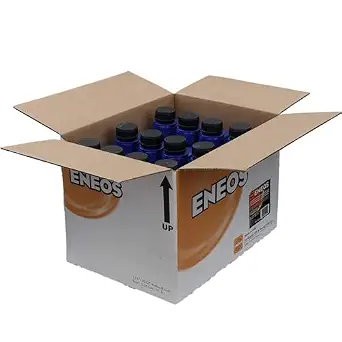 |
| Best Full‑Synthetic Multi‑Vehicle Fluid Broadly compatible synthetic CVT/ATF engineered for many vehicle makes | Castrol Transmax ATF/CVT Universal Full‑Synthetic Automatic Transmission Fluid, 1 Gallon |  |
| Best Bulk / Case Pack Multi-quart or multi-bottle packs for complete services and stock-ups | ENEOS ECO CVT Fully Synthetic Transmission Fluid, 12-Quart Pack |  |
1. Subaru CVTF-III (CVT 3) Genuine CVT Transmission Fluid — 6 Quarts
Best Overall Transmission Fluid

| Unit Count | 192 Fluid Ounces |
|---|---|
| SAE J300 Viscosity Grade | 10W-30 |
| Material | Synthetic |
| Included Components | Cvt |
This genuine Subaru CVTF-III (SOA427V2610) is a full synthetic CVT fluid supplied in a six-quart pack and intended for routine service in compatible Subaru CVT-equipped vehicles. It matches Subaru factory friction and viscosity characteristics for smooth belt and pulley operation, so it helps preserve shift feel and minimize judder in stock CVTs. Typical use is a drain-and-fill or complete fluid replacement during scheduled maintenance; the six-quart quantity covers full service without mixing fluids from different formulations. Notable features include factory specification chemistry and a 10W-30 SAE J300 viscosity rating that supports cold-start flow and operating stability. The main benefit is confidence in compatibility and longevity versus generic fluids when you want factory-like performance. Expect no extra additives for modified transmissions and limited applicability strictly to Subaru CVT models listed by the manufacturer, so confirm model fit before purchasing.
Best for: Buyers who want a single, factory-matching CVT fluid for routine DIY maintenance on supported Subaru CVT models and prioritize correct friction behavior over aftermarket additives.
Less Ideal for: Drivers who run heavily modified or high-mileage transmissions that need specialized performance additives or formulations should consider alternative fluids designed for those conditions.
- Factory-formulated for Subaru CVT transmissions to preserve intended friction characteristics
- Supplied as a six-quart pack suitable for a full service without mixing fluids
- Full synthetic base for stable viscosity and protection across operating temperatures
- 10W-30 viscosity grade balances cold flow with operating stability
- Intended only for specific Subaru CVT models so not universal for all CVTs
Verdict: Choose this when you want a single, well-rounded CVT fluid that matches factory friction characteristics and delivers reliable shifting and protection for routine DIY service.
2. Valvoline CVT Full Synthetic Continuously Variable Transmission Fluid, 1 Quart
Best Budget Transmission Fluid

| Item Type Name | Automatic Transmission Fluid |
|---|---|
| Specific Uses For Product | CVT transmission protection and optimization in automatic vehicles |
| Material | Synthetic |
| SAE J300 Viscosity Grade | 10W |
| Flash Point | 219 Degrees Fahrenheit |
Valvoline CVT Full Synthetic is a ready-to-use 1 quart CVT fluid designed for routine top-offs and fluid changes in belt and chain-driven continuously variable transmissions. It uses premium synthetic base stocks, shear-stable viscosity modifiers, and anti-wear additives to deliver consistent torque transfer and improved wet clutch performance. In practice this means smoother, quieter operation and reduced shudder risk compared with conventional fluids, plus extra metal-on-metal protection that helps guard against premature wear. The bottle is convenient for DIY maintenance and the full synthetic formulation supports longer-lasting performance between services. Limitations are that it does not list compatibility with specific factory specifications for every vehicle, so for cars that require a particular OEM-approved CVT fluid you should confirm fitment before changing fluid. For general top-offs and budget-conscious CVT maintenance it provides a reliable, widely available option.
Best for: Buyers who need an affordable, ready-to-use CVT fluid for routine top-offs or budget-conscious fluid changes and who prioritize practical protection over meeting a specific OEM fluid spec.
Less Ideal for: Drivers who must use a manufacturer-specified or proprietary CVT fluid for warranty or strict compatibility reasons should choose the exact factory-recommended fluid instead.
- Formulated specifically for belt and chain-driven CVTs to improve torque transfer and wet clutch performance
- Full synthetic base stocks and shear-stable modifiers for consistent viscosity under load
- Anti-wear and metal-on-metal protection to help extend transmission life
- Available in a convenient 1 quart bottle suitable for DIY top-offs and small fluid changes
- Product listing does not specify OEM approvals for all manufacturer-specific CVT fluids
Verdict: Pick this if you need an inexpensive, ready-to-use CVT/ATF option for routine top-offs or budget-conscious fluid changes without specialty OEM specs.
3. Subaru CVTF-II Continuously Variable Transmission Fluid (6 Quarts) – SOA427V1660 Genuine Subaru
Best OEM Subaru Transmission Fluid

| Brand | Subaru |
|---|---|
| Liquid Volume | 6 Quarts |
| Specific Uses For Product | Maintenance of Subaru CVT transmissions |
| Upper Temperature Rating | 176 Degrees Celsius |
This genuine Subaru CVTF-II (SOA427V1660) supplies the exact fluid formulation Subaru specifies for many of its CVT-equipped models. Sold as six quarts, it is intended for service and top-ups where the factory calls for CVTF-II, preserving the transmission's designed friction characteristics and shift behavior. Typical use is a drain-and-fill or scheduled service on compatible Crosstrek, Forester, Legacy, Outback, and Impreza CVTs; the listing notes specific model years and non-turbo configurations where it fits. Being a factory fluid, it helps maintain consistent clutch engagement and belt life compared with generic CVT fluids, and it is a straightforward option when you want a warranty-friendly, like-for-like replacement. The main limitation is strict fitment: this formula is for specific Subaru CVTs only, so confirm your model/year and avoid using it in turbo, wilderness, or non-specified variants. Also note the product is sold in bulk quantity which is convenient for a full service but more than needed for a single top-up.
Best for: Buyers who prioritize using factory-specified fluids to maintain original shift feel and preserve warranty-friendly service on compatible Subaru CVT vehicles.
Less Ideal for: Drivers with turbocharged Subaru variants, off‑road Wilderness models, or anyone needing a generic multi-vehicle CVT fluid should look elsewhere.
- Factory-formulated CVT fluid matches Subaru's specified friction characteristics for smooth clutch engagement
- Packaged as six quarts, providing enough volume for a full CVT service without mixing fluids
- Clear fitment guidance for specific Subaru CVT models reduces guesswork when replacing fluid
- Only compatible with the Subaru CVT models listed; not suitable for turbo or unspecified variants
Verdict: Use this slot when you want factory-specified Subaru CVT fluid to preserve original friction properties and warranty-friendly service for compatible transmissions.
4. ENEOS Import CVT Model S CVT Fluid for Subaru CVTF II, 12 Qt (12×1 qt)
Best OE-Equivalent Import Fluid

| Specific uses | Subaru vehicles requiring Subaru CVTF II fluid |
|---|---|
| Unit count | 384 Fluid Ounces (12 quarts) |
| Material | Synthetic oils |
| Included components | 12 × 1 quart ENEOS Import CVT Model S CVT Fluid |
This ENEOS Import CVT Model S fluid is designed as a direct-match CVTF II replacement for Subaru CVTs and is sold as a 12-quart pack for service jobs. It uses fully synthetic base oils and advanced additives to promote smooth belt or chain operation, steady hydraulic control, and reduced friction that helps maintain shift quality and fuel efficiency. The formulation targets the same chemistry Subaru specifies, so it is useful when you want a factory-quality fluid without buying OEM bottles. In practice it is applied during CVT drain-and-fill or full service intervals and is especially helpful after rebuilds or when restoring proper CVT feel. The product is focused on matching specs rather than adding aftermarket friction modifiers or extreme-temperature claims, so technicians should follow Subaru’s specified fill volumes and service procedure. Pack sizing is convenient for shops or owners doing complete fluid changes but may be more than needed for a single small job.
Best for: Buyers who want a close match to Subaru factory CVT chemistry for reliable, OEM-like drivability and who perform full-service CVT fluid changes or shop-level maintenance.
Less Ideal for: Casual owners needing a single quart or those whose vehicle requires Subaru High Torque CVTF should consider a different product or smaller package sizes.
- Formulated to meet Subaru CVTF II specifications for factory-quality compatibility
- Fully synthetic base oils and additives for smooth CVT operation and reduced friction
- Sold in a 12-quart pack suitable for full-service jobs or multiple vehicles
- Made by ENEOS, a supplier with OEM experience for Japanese automakers
- Not suitable for Subaru High Torque CVTF applications so verify vehicle fluid spec before use
- Large pack quantity may be excessive for a single small-volume service
Verdict: Choose this when you prefer an OE-grade import formulation that mirrors Japanese factory chemistry for smooth CVT operation and long-term drivetrain protection.
5. Castrol Transmax ATF/CVT Universal Full‑Synthetic Automatic Transmission Fluid, 1 Gallon
Best Full‑Synthetic Multi‑Vehicle Fluid

| Container Type | Bottle |
|---|---|
| Viscosity | 32 centistokes |
| Liquid Volume | 1 Gallons |
| Item Form | Liquid |
Castrol Transmax ATF/CVT Universal is a full‑synthetic transmission fluid designed to work across many stepped automatic and continuously variable transmissions. For a Subaru Outback with a CVT, this fluid aims to reduce shudder and provide consistent friction control under changing loads thanks to Castrol Smooth Drive Technology. It offers strong resistance to high‑temperature oxidation and corrosion protection for copper components, which helps preserve transmission internals over time. In normal driving the product is poured during service like any factory replacement fluid and should help maintain smooth belt or chain operation and stable shift feel in varied temperatures. Limitations include that it is a multivehicle formula rather than a Subaru‑specific CVT fluid, so always check Subaru service guidance and compatibility before switching; some model years or special CVT calibrations may still require the factory‑specified fluid. Overall, it is a practical option when you need a single full‑synthetic fluid that targets anti‑shudder performance and broad temperature stability.
Best for: Owners seeking a single full‑synthetic fluid that stabilizes friction and reduces CVT shudder across a range of driving conditions in their Subaru Outback.
Less Ideal for: Those who prefer to stick strictly to Subaru factory‑specified fluids or who own an Outback model explicitly listed by the manufacturer as requiring a unique CVT fluid.
- Full‑synthetic formula suitable for both stepped automatics and CVTs
- Smooth Drive Technology adjusts friction for reduced shudder and smoother operation
- High temperature oxidation resistance helps maintain fluid life under load
- Provides copper corrosion protection to preserve transmission components
- Multivehicle formulation rather than a Subaru‑branded CVT fluid, so confirm compatibility with specific model years
Verdict: Buy this if you need a full‑synthetic fluid that works across multiple CVT/automatic platforms for consistent anti‑shudder performance and wide temperature stability.
6. ENEOS ECO CVT Fully Synthetic Transmission Fluid, 12-Quart Pack
Best Bulk / Case Pack

| SAE J300 Viscosity Grade | 5W-20 |
|---|---|
| Compatible with Vehicle Type | Car |
| Automotive Fit Type | Vehicle Specific Fit |
| Liquid Volume | 384 fluid ounces |
| Item Type Name | Full Synthetic Motor Oil |
The ENEOS ECO CVT 12-quart pack is a bulk supply of fully synthetic continuously variable transmission fluid designed for belt and chain pulley CVTs commonly found in Asian vehicles. Supplied in a large multi-quart pack, it is intended for frequent service or shop stocking and delivers fuel-efficiency benefits, quieter operation, and longer drain intervals compared with conventional fluids. The formulation targets CVT requirements and aims to control deposits and provide smooth hydraulic response for consistent shift feel. Its vehicle-specific fit note means you should still confirm compatibility with your Subaru Outback CVT before use. The practical advantage here is volume and convenience: a single purchase covers multiple services, saving time and reducing per-quart cost when doing routine maintenance. The main limitation is the need to verify Subaru CVT specs and fluid compatibility, since CVT formulations vary by manufacturer and an exact factory-match fluid may be required for some models.
Best for: Shoppers stocking parts for frequent CVT services or independent shops that prioritize lower per-quart cost and ready supply for repeated maintenance.
Less Ideal for: Owners who need a guaranteed factory-specified Subaru CVT fluid match for warranty or dealer service requirements should consider a Subaru-recommended branded fluid instead.
- Sold as a 12-quart pack suitable for multiple services or shop inventory
- Fully synthetic formula designed to improve fuel efficiency and protect components
- Formulated for both belt and chain-type CVTs, supporting common Asian CVT designs
- Aims to reduce noise and extend drain intervals compared with conventional fluids
- Not explicitly listed as a Subaru factory-match fluid so compatibility should be confirmed against the vehicle manual or dealer specification
Verdict: Pick this when you want to buy in bulk—cases or multi‑quart packs—to stock up for full-service jobs or repeated maintenance at the best per‑quart cost.
Choosing the Right Subaru Outback CVT Transmission Fluid: Key Factors to Consider
Manufacturer Specification and Compatibility
Using a fluid that matches Subaru's CVT specification is critical because chemical formulation affects friction characteristics, seal compatibility, and warranty considerations. Even small differences in additives can change how the belt or chain and pulleys interact, so verify that the fluid is explicitly rated for Subaru CVT applications.
Compatibility also matters for long-term seal and gasket life. Some fluids contain detergents or solvents that can accelerate seal hardening or swelling in components designed for a specific formula. Confirming specification alignment reduces the risk of leaks, erratic shifting, or premature component wear.
Frictional Properties and Shift Feel
Friction modifiers and additives in CVT fluids determine how smoothly the belt or chain transfers torque between pulleys. Stable frictional properties across temperature ranges help avoid judder, shudder, or a vague shift sensation; this is especially important for the Outback, which often sees a mix of city driving, highway loads, and towing or carrying cargo.
Look for fluids that advertise controlled friction coefficients and proven performance in CVT environments. Consistent friction reduces stress on the CVT's mechanical elements and improves driver confidence during acceleration and deceleration.
Thermal Stability and Oxidation Resistance
CVT fluids operate under sustained heat, particularly during highway driving or when the vehicle is loaded. Fluids with high thermal stability resist breakdown and limit the formation of varnish and sludge that can clog valves, contaminate sensors, or impair hydraulic circuits.
Good oxidation resistance extends fluid life and helps maintain hydraulic responsiveness. For an Outback that may be used in towing or mountainous terrain, prioritize fluids formulated to withstand higher operating temperatures without rapid degradation.
Wear Protection and Corrosion Inhibition
Protecting the belt, chain, pulleys, bearings, and clutch packs from wear is a core function of CVT fluid. Effective antiwear additives and corrosion inhibitors reduce metal-to-metal contact and slow component erosion, which translates to longer service life and fewer repairs.
Consider fluids with demonstrated antiwear performance in CVT contexts. Corrosion inhibitors are also important if the vehicle is exposed to high humidity, salted roads, or infrequent use, since corrosion can impair hydraulic components and lead to leaks or failures.
Viscosity Behavior Across Temperatures
A fluid's viscosity impacts hydraulic pressure and lubrication film thickness. For the Outback, which can operate in cold starts and hot summer runs, choose a fluid that retains appropriate viscosity across the expected temperature range. If viscosity thins too much at high temperature, protection and pressure control suffer; if it thickens excessively in cold, initial hydraulic response can be sluggish.
Many CVT fluids are formulated with viscosity modifiers to stabilize performance. Evaluate technical specifications or manufacturer guidance to ensure the fluid maintains usable properties in both your local winter lows and summer highs.
Service Life and Change Interval Guidance
Different fluids carry different recommended change intervals, influenced by their additive packages and oxidation resistance. If you use the Outback for frequent towing, heavy loads, or lots of stop-and-go driving, shorter intervals may be warranted even with a premium fluid.
Check manufacturer guidance for recommended intervals and consider fluids that support extended service life if you prefer fewer changes. Balance that against real-world conditions and your tolerance for preventive maintenance versus risk of accelerated wear.
When To Change CVT Fluid On Your Outback
Subaru provides interval guidance for CVT fluid changes, but actual needs depend on driving patterns. Regular highway commuting results in different thermal cycling than city traffic, and towing or carrying heavy loads accelerates fluid stress. Monitor for symptoms like unusual noise, shudder, or a change in shift feel; these can indicate fluid degradation.
If you drive primarily in mild conditions, adhering to the recommended interval and checking fluid condition during service is usually sufficient. For harsher use, consider more frequent changes and inspect for contamination or metallic particles that signal component wear.
- Check fluid color and odor during service inspections.
- Look for metallic flecks on the drain plug or in the old fluid.
- Shorten intervals if the vehicle is used for towing or in mountainous areas.
DIY Fluid Change Versus Professional Service
Changing CVT fluid on an Outback can be more involved than a simple drain-and-fill. Many CVT systems require specific fill procedures, torque values, and sometimes calibration steps to ensure correct hydraulic pressure. If you have the factory service manual and the right tools, a DIY change is possible, but attention to procedure is essential.
Professional service shops typically perform a complete fluid flush or full-fill service and can confirm torque specs and level procedures. For owners unfamiliar with CVT fill sequences or lacking a lift and the necessary tools, professional service reduces the risk of misfill or air entrapment.
- DIY is feasible with proper tools, manual, and attention to fluid level procedure.
- Professional shops can perform flushes and verify correct hydraulic operation.
How Fluid Quality Affects CVT Lifespan
Higher-quality fluids maintain friction characteristics and protection longer, reducing cumulative wear on belts, pulleys, and bearings. Fluids that resist oxidation and varnish formation keep hydraulic circuits cleaner, preserving valve operation and pressure regulation.
Conversely, degraded fluid can lead to erratic pressure behavior and increased mechanical wear, which shortens CVT service life and increases the likelihood of expensive repairs. Choosing a fluid balanced for friction control and antiwear protection helps sustain the Outback's transmission reliability.
- Stable friction reduces belt and pulley stress.
- Oxidation-resistant fluids prevent varnish and clogged valves.
- Consistent viscosity maintains hydraulic pressure and lubrication film.
Fluid Selection For Different Climates
Cold climates demand fluids that provide fast hydraulic response at low temperatures to prevent sluggish engagement and wear during start-up. Look for CVT fluids with low-temperature flow properties and formulations that retain proper viscosity at freezing temperatures.
In hot climates, prioritize fluids with strong thermal stability and resistance to oxidation. For regions with wide temperature swings, choose a fluid that balances both cold-start performance and high-temperature protection to avoid compromise in either condition.
- Cold regions: prioritize low-temperature viscosity and start-up response.
- Hot regions: prioritize thermal stability and oxidation resistance.
- Mixed climates: choose fluids engineered for broad temperature performance.
Signs Your CVT Fluid May Need Attention
Several symptoms indicate the fluid may be degraded or contaminated. Common signs include a subtle shudder under light acceleration, a delay in acceleration response, unusual whining or groaning noises from the transmission area, or visible darkening and burnt odor in the fluid. These symptoms warrant a fluid inspection and possible change.
If you notice leaks, check seals and gaskets as degraded fluid compatibility can accelerate seal wear. Early detection of issues through periodic inspection can prevent larger transmission problems and reduce repair costs over time.
- Shudder during light throttle is a common early sign.
- Delayed response or slipping sensations under load.
- Dark, opaque fluid or burnt smell indicates breakdown.
Still looking for the perfect fit?
Select your Subaru Outback configuration to see the most relevant Transmission Fluids recommendations
How We Chose the Best Subaru Outback CVT Transmission Fluid
We focused on product attributes that directly influence the performance and longevity of a Subaru Outback CVT. Primary evaluation criteria included friction stability under load to ensure smooth belt-and-pulley engagement, heat resistance and oxidation control to reduce varnish and sludge formation, and compatibility with Subaru CVT specifications to prevent seal degradation and erratic operation. We also weighed thermal hysteresis and viscosity retention across temperature ranges, since the Outback sees varied climates and these properties impact start-up and sustained operation.Additional filters included manufacturer claims of service interval suitability, independent lab data or technical documentation when available, and observed user reports about long-term durability. We excluded fluids formulated only for torque-converter automatics or manual transmissions, as well as any products lacking clear compatibility with Subaru CVT requirements. The resulting list emphasizes fluids that balance friction control, protection against wear, and stable performance across typical Outback driving conditions.
Our full evaluation process is outlined in our review methodology.
FAQ
How often should I change the CVT fluid in a Subaru Outback?
Recommended intervals depend on driving conditions, but many owners follow scheduled service intervals and inspect fluid condition regularly. For frequent towing, heavy loads, or severe stop-and-go driving, consider shortening intervals and inspecting fluid for contamination.
Can I use automatic transmission fluid instead of a CVT-specific fluid?
Using a fluid formulated for torque-converter automatics is not advisable because CVT systems require specific friction and additive properties. Using the wrong fluid can cause poor shift feel, seal issues, and accelerated wear. Stick to fluids specified for CVT use and Subaru compatibility.
Will a higher-mileage fluid help my older Outback CVT?
Some fluids are marketed with additives intended to refresh seals or reduce leaks, but results vary. Higher-mileage formulas may improve symptomatically for small leaks or degraded seals, yet they do not reverse significant mechanical wear. Evaluate based on symptoms and consult service guidance for major repairs.
Is a full fluid flush necessary or is a drain-and-fill enough?
A drain-and-fill replaces only part of the fluid, while a full flush or full-fill service replaces more of the old fluid. The choice depends on fluid condition and service objectives. For severe contamination or long-overdue service, a more complete replacement is often beneficial, but ensure the service provider follows manufacturer-recommended procedures for the Outback CVT.
What should I inspect when checking CVT fluid condition?
Look at fluid color and smell, and inspect for metallic particles or sludge. Clean, amber-colored fluid with a neutral scent is normal; dark, opaque fluid or a burnt odor indicates oxidation. If you find metallic flecks, have the transmission inspected for internal wear.
Final Verdict
When maintaining a Subaru Outback with a CVT, prioritize fluids that match Subaru CVT specifications, deliver consistent friction characteristics, and resist thermal breakdown. Consider your typical driving conditions when deciding on service intervals and fluid grade, and be proactive about inspections to catch early signs of fluid degradation.Balancing friction control, wear protection, and thermal stability will give you the best chance of smooth shift feel and long transmission life. Use the evaluation criteria here to choose confidently and plan maintenance that fits how you use your Outback.
Explore More:
- Check out all Subaru Outback parts & accessories
- Explore Fluids & Chemicals
- Browse all Accessories
