

Note: This article contains affiliate links. If you click on these links and make a purchase, I may earn a small commission at no extra cost to you. This helps support my research and content. Read my full affiliate disclosure here.
Keeping the right transmission fluid in your 2010-2014 Subaru Outback has a big impact on shift quality, long-term wear, and reliability under varied driving conditions. Whether you drive in cold climates, tow occasionally, or simply want crisp gear changes, the correct fluid helps the gearbox operate as designed and reduces the risk of premature service.This guide presents the top shortlisted transmission fluids for the 2010-2014 Outback and explains the criteria used to evaluate them, including friction characteristics, temperature resistance, and compatibility with Subaru specifications. Read on for concise guidance to help you pick the fluid that matches your driving patterns and service interval preferences.
Looking for other parts? See all Subaru Outback parts & accessories.
Top Picks at a Glance
| Best Overall Transmission Fluid Balanced choice that fits spec and offers reliable shifting protection | Subaru CVTF-II Automatic Transmission Fluid (6 Quarts) – SOA427V1660 Genuine |  |
| Best Budget Transmission Fluid Low-cost option that still meets common ATF/CVT performance requirements | Valvoline Full Synthetic CVT Continuously Variable Transmission Fluid, 1 Quart |  |
| Best Aftermarket Synthetic ATF Match Premium aftermarket synthetic engineered to meet OEM ATF/HP friction specs | Idemitsu ATF Type HP Synthetic Automatic Transmission Fluid, 5 qt |  |
| Best Bulk / Case Transmission Fluid Large-volume case or multi-quart packs for full-service flushes and multiple jobs | ENEOS Import CVT Model S Fluid for Subaru CVTF II, 12-Quart Case | 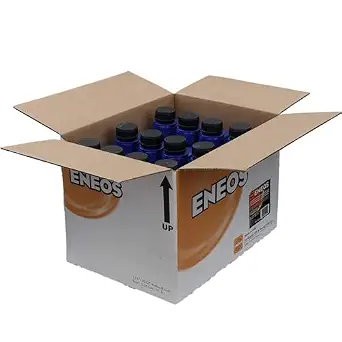 |
| Best Universal Synthetic CVT/ATF Multi-vehicle synthetic labeled for CVT or ATF use across many makes | Castrol Transmax ATF/CVT Universal Full-Synthetic Transmission Fluid, 1 Gallon |  |
1. Subaru CVTF-II Automatic Transmission Fluid (6 Quarts) – SOA427V1660 Genuine
Best Overall Transmission Fluid

| Brand | Subaru |
|---|---|
| Liquid Volume | 6 Quarts |
| Specific Uses For Product | Maintenance of Subaru CVT transmissions |
| Upper Temperature Rating | 176 Degrees Celsius |
This 6-quart package of Subaru CVTF-II (SOA427V1660) supplies the exact fluid formulated for Subaru CVT units. It is intended for use during service and fluid changes in specified CVT-equipped Subaru models and is the same specification used by the factory. Mechanics will appreciate that the fluid is pre-matched for Subaru CVTs so there is no need to cross-reference alternative formulations. Typical use is a drain-and-fill or full-service change during scheduled transmission maintenance to preserve shift quality and protect internal components. The green fluid is rated for continuous CVT lubrication and is presented in manufacturer-branded bottles that simplify handling. Limitations are that it only fits Subaru CVT transmissions listed by the manufacturer and is not suitable for torque-converter automatics or non-compatible CVT variants; buyers should confirm vehicle fitment before purchase.
Best for: DIY mechanics performing scheduled CVT service on compatible Subaru models who prioritize using the manufacturer-recommended fluid to maintain shift quality and long-term transmission health.
Less Ideal for: People servicing non-CVT transmissions, owners of Subaru variants not listed by the manufacturer, or those seeking a multi-vehicle universal transmission fluid.
- Factory-formulated for Subaru CVT transmissions so no spec guessing required
- Sold in a 6-quart pack suitable for a full CVT service on many Subaru models
- Manufacturer-branded product reduces risk of compatibility issues
- Green-colored CVTF-II formulation used specifically for Subaru CVTs
- Only compatible with the Subaru CVT models listed by Subaru and not for other transmission types
Verdict: For DIY mechanics who want a dependable, spec-correct fluid that delivers smooth shifts and long-term transmission protection.
2. Valvoline Full Synthetic CVT Continuously Variable Transmission Fluid, 1 Quart
Best Budget Transmission Fluid

| Viscosity | 10W |
|---|---|
| Flash Point | 219 Degrees Fahrenheit |
| Material | Synthetic |
| Liquid Volume | 1 Liters |
Valvoline Full Synthetic CVT fluid is designed to meet the needs of continuously variable transmissions by delivering stable friction characteristics, anti-wear protection, and shear-stable viscosity modifiers. In use it helps preserve smooth, shudder-free shifts and maintains torque transfer across the metal-on-metal and wet-clutch interfaces common to CVTs. The one-quart bottle and synthetic base make it suitable for partial top-ups or small fluid changes during routine maintenance. Notable features include long-life friction modifiers and anti-wear additives intended to reduce wear and deposits, plus a formulation aimed at resisting breakdown under heat. The product is not a vehicle-specific factory replacement, so matching Subaru Outback 2010–2014 CVT chemical requirements and manufacturer fill recommendations is important before use. For owners seeking a cost-conscious fluid that improves durability and shift quality compared with conventional ATF, this offers a practical balance between performance and price.
Best for: Subaru Outback owners who prioritize an affordable, full-synthetic CVT fluid to maintain smooth shifting and basic protection during routine maintenance.
Less Ideal for: Owners looking for a direct factory-specified replacement or fluids required by a dealer service procedure should confirm Subaru CVT spec compliance or choose a factory-recommended product.
- Full synthetic base provides better thermal and shear stability than conventional fluids
- Formulated specifically for belt and chain-driven CVTs to help reduce shudder and improve torque transfer
- Contains anti-wear additives and friction modifiers to help extend transmission life
- 1 quart bottle size is convenient for topping up or small service jobs
- Not explicitly listed as meeting Subaru OEM CVT specifications in the product information
Verdict: Choose this when you need an affordable fluid that preserves basic shift quality and protection without a premium price.
3. Idemitsu ATF Type HP Synthetic Automatic Transmission Fluid, 5 qt
Best Aftermarket Synthetic ATF Match

| Unit Count | 160 Fluid Ounces |
|---|---|
| Container Type | Bottle |
| Flash Point | 174 °C |
| Recommended Uses For Product | Transmission Fluid |
Idemitsu Type HP is a synthetic ATF developed to match Subaru HP friction characteristics for smooth shifts and to prevent shudder in affected transmissions. It is used as a direct-fill aftermarket fluid when servicing compatible Subaru transmissions and during routine ATF changes or flushes. Key features include engineered friction control for consistent clutch engagement, strong resistance to oxidation and thermal breakdown for longer fluid life, and anti-wear additives that protect gears and bearings. The fluid also helps keep the transmission clean by reducing sludge and varnish buildup. As an aftermarket option, it provides a factory-quality match for vehicles that specify Type HP without needing dealer bottles, but buyers should confirm compatibility with their specific model year and transmission variant before use. It comes in a 5 quart bottle that suits most service intervals but does not include a service funnel or adapter for deep pan drains, so plan tools accordingly.
Best for: Buyers who want an aftermarket synthetic that closely matches Subaru factory friction and anti-shudder behavior for routine ATF service on 2010–2014 Outbacks.
Less Ideal for: Drivers who prefer dealer-supplied branded fluid or need a product packaged with service accessories should consider other options.
- Formulated to meet Subaru Type HP friction and anti-shudder requirements
- Synthetic base and anti-oxidation additives extend fluid life under heat
- Anti-wear chemistry protects gears, clutch packs, and bearings
- Helps prevent sludge and varnish for cleaner transmission internals
- Sold as fluid only with no service accessories or specialist adapters included
Verdict: Use this aftermarket synthetic when you want an engineered ATF that matches OEM friction and anti-shudder characteristics without buying OEM bottles.
4. ENEOS Import CVT Model S Fluid for Subaru CVTF II, 12-Quart Case
Best Bulk / Case Transmission Fluid

| Specific Uses For Product | Subaru vehicles requiring Subaru CVTF II fluid |
|---|---|
| Unit Count | 384 Fluid Ounces |
| Included Components | 1 Quart bottles, 12 Pack |
| Material | Synthetic oils |
This 12-quart case of ENEOS Import CVT Model S supplies enough Subaru CVTF II-compatible fluid for multiple full transmission services or a shop workload. It is formulated from high-quality synthetic base oils and additives to promote smooth CVT operation, dependable driveline protection, and stable performance under normal driving and repeated service intervals. The case format delivers clear value per quart for DIYers doing complete drain and fill jobs or for small shops that service multiple Subaru CVTs, and the packaging keeps individual one-quart bottles handy for measured fills. Important limits: it is intended specifically for applications requiring Subaru CVTF II and is not suitable for Subaru High Torque CVTF or other unrelated specifications, so verify the 2010–2014 Outback owner's manual for the correct fluid before use. Expect factory-quality match to Subaru CVTF II but no additional adapters, tools, or vehicle-specific fitment guidance are included.
Best for: DIYers and small shops needing a cost-effective, ready-to-use supply of Subaru CVTF II fluid for multiple full drain-and-fill services on compatible vehicles.
Less Ideal for: Owners unsure which CVT fluid their vehicle requires or those needing fluid specified as Subaru High Torque CVTF should avoid this product and verify the correct specification first.
- Full 12-quart case provides enough fluid for multiple complete CVT service jobs or shop throughput.
- Formulated to meet Subaru CVTF II requirements for proper CVT performance when that specification is called for.
- Synthetic base oils and advanced additives help with smooth pulley operation and drivetrain protection.
- Individual one-quart bottles in a box make storage and measured dispensing straightforward.
- Limited to applications specifying Subaru CVTF II and incompatible with Subaru High Torque CVTF and other specs.
Verdict: Ideal for DIYers doing a complete drain/fill, repeated services, or shop use who need the best per-quart value in larger quantities.
5. Castrol Transmax ATF/CVT Universal Full-Synthetic Transmission Fluid, 1 Gallon
Best Universal Synthetic CVT/ATF

| Brand Name | Castrol |
|---|---|
| Liquid Volume | 1 Gallons |
| Viscosity | 32 centistokes |
| Item Form | Liquid |
Castrol Transmax ATF/CVT Universal is a full‑synthetic ATF designed as a single fluid for both traditional stepped automatics and CVTs. It is typically used for drain-and-fill service where a universal spec is desirable and when sourcing a single fluid for mixed-transmission fleets or mixed-vehicle households. The formula pairs premium base oils with Castrol Smooth Drive Technology, which adjusts friction properties to help maintain smooth shifts and clutch engagement across varying operating conditions. Users will see improved high-temperature oxidation resistance and enhanced protection against copper corrosion, which helps prolong component life in transmissions subjected to heat. As a universal product it simplifies maintenance by covering many manufacturer specs, but it is important to confirm compatibility with a 2010–2014 Subaru Outback before use because some Subaru transmissions have OEM fluid requirements; using a universal ATF without verifying the owner manual or dealer guidance can risk improper friction characteristics for specific Subaru CVT units.
Best for: Buyers who want one high‑quality synthetic fluid that can cover multiple transmission types and reduce the hassle of stocking different fluids for mixed vehicles, while checking fitment for their Subaru.
Less Ideal for: Buyers who prefer strictly manufacturer‑specified factory replacement fluids or who will only ever service a single model with a specific OEM fluid requirement.
- Full‑synthetic formula for better high‑temperature stability and oxidation resistance
- Built with Smooth Drive Technology to help maintain consistent friction for smoother shifts
- Formulated for both stepped automatic and CVT applications to simplify fluid selection
- Not a guaranteed direct match for every manufacturer specification so confirm Subaru CVT compatibility before use
Verdict: Choose a universal synthetic when you want a versatile fluid that covers multiple transmission types and brands while easing sourcing.
Choosing the Right 2010-2014 Subaru Outback Transmission Fluid: Key Factors to Consider
Manufacturer Specification and Compatibility
Confirming that a fluid meets Subaru's specification for the 2010-2014 Outback is the first step. Fluids formulated for the correct transmission type ensure proper friction characteristics and protect clutch packs, bands, and seals.
Using a product that deviates from the recommended spec can produce hard shifts, slippage, or accelerated wear. Compatibility also affects warranty and long-term reliability, so always check the vehicle's owner manual or service documentation for the exact fluid designation before choosing a product.
Friction Characteristics and Shift Quality
Friction modifiers and additive balance determine how smoothly gear engagements occur and how the transmission responds to throttle inputs. For automatic and CVT applications, fluids with stable friction coefficients prevent shudder and clutch slippage across a range of temperatures.
A fluid with poor friction stability may feel fine when warm but produce harsh or delayed shifts when cold. Because the Outback is driven in diverse climates, look for fluids that explicitly address low-temperature friction performance as well as consistency at operating temperature.
Thermal Stability and Oxidation Resistance
High thermal stability limits viscosity breakdown and deposit formation during extended highway drives or towing. Oxidation resistance helps preserve detergent and dispersant additives that keep internal surfaces clean and prevent varnish buildup.
Fluids that break down quickly can become thicker or form sludge, degrading hydraulic control and accelerating component wear. For owners who do long commutes, tow occasionally, or drive in hot weather, prioritize fluids with demonstrated high-temperature performance.
Shear Stability and Viscosity Retention
Shear stability describes a fluid's ability to maintain its viscosity under mechanical stress. Transmissions subject fluid to constant shear forces; if viscosity drops, the film thickness that separates metal surfaces declines, increasing wear.
Choosing a fluid with strong shear stability ensures consistent lubrication throughout the service interval, reducing the chance of premature component fatigue. This is especially relevant for higher-mileage Outbacks or vehicles used with roof cargo or trailers that add gearbox load.
Seal Compatibility and Corrosion Protection
Additive packages must be compatible with the seals, gaskets, and nonferrous components used in Subaru transmissions. Some formulations can swell or shrink seal materials, leading to leaks or pressure loss.
Corrosion inhibitors and neutral dispersants also protect bearings and clutch steels from chemical attack. For long-term reliability, select fluids that specify compatibility with the materials used in 2010-2014 Outback gearboxes and list corrosion protection in their performance data.
Service Interval and Maintenance Practicality
Consider how frequently you are willing to change the transmission fluid. Some high-stability formulations extend safe service intervals, while conventional fluids may require more frequent replacement to prevent degradation.
Also account for the practicality of the change procedure on the Outback. Drain-and-fill methods, the ability to access the fill port, and whether a full fluid exchange is needed affect labor time and your decision about which fluid to use.
Automatic Versus CVT Considerations for the Outback
The 2010-2014 Outback can be equipped with different transmission types depending on engine and market. Automatic and continuously variable transmissions rely on distinct friction and hydraulic characteristics, so you should only select fluids labeled for the specific transmission in your vehicle. Using an ATF where a CVT fluid is required can cause shudder, slipping, or premature wear.
- Verify the transmission type before selecting fluid.
- Choose fluids that explicitly state compatibility with the Outback's transmission variant.
- Avoid mixing ATF and CVT-designated fluids in the same service.
Cold-Weather Performance and Low-Temperature Flow
If you regularly start and drive your Outback in freezing conditions, low-temperature viscosity and pour point are critical. Good cold-flow properties minimize wear during initial engagement by ensuring rapid hydraulic pressure build-up and smooth clutch engagement. Fluids that remain too viscous at low temperatures will cause delayed or harsh shifts and increased component stress.
- Look for low-temperature viscosity specifications or pour point data.
- Consider fluids with fast cold-flow performance for frequent short trips in winter.
Towing, Load, and Highway Use Impacts
Towing or carrying heavy loads increases transmission temperature and stress. For owners who occasionally tow a small trailer or regularly carry rooftop cargo, choose fluids with stronger thermal and shear stability to resist viscosity loss under sustained load. This reduces the risk of overheating-related damage and helps maintain shift firmness during prolonged high-load driving.
- Ensure the fluid lists high-temperature performance characteristics.
- Plan more frequent checks if you use the vehicle for towing.
DIY Fluid Change Tips for the 2010-2014 Outback
A correct fluid change on the Outback requires identifying the fill and drain points and following the vehicle's recommended procedure to avoid air entrapment or incorrect fluid level. Many owners perform a drain-and-fill, but a full exchange provides a more thorough replacement of degraded fluid. Always warm the transmission to operating temperature before checking level to get an accurate reading.
When topping off or changing fluid, dispose of used fluid responsibly and use the correct capacities and fluid type listed in the owner's manual.
- Warm the transmission before checking or changing fluid.
- Follow the vehicle-specific fill and level procedure precisely.
- Consider professional service for full fluid exchange if you cannot access all drain points.
Signs Your Outback Needs a Transmission Fluid Change
Watch for symptoms such as delayed engagement from park to drive, slipping under load, unusual noises, or rough or delayed shifts. These can indicate fluid degradation, contamination, or low level and should prompt a level check and fluid inspection. Dark, burnt-smelling fluid usually points to oxidation and possible overheating, while metal particles in the fluid suggest internal wear.
Regular condition checks and scheduled maintenance based on driving conditions can prevent small issues from becoming major gearbox failures.
- Check fluid color and smell during routine service.
- Address unusual shifting behavior promptly to avoid further damage.
Still looking for the perfect fit?
Select your Subaru Outback configuration to see the most relevant Transmission Fluids recommendations
How We Chose the Best 2010-2014 Subaru Outback Transmission Fluid
We prioritized fluids that match Subaru factory specifications for the 2010-2014 Outback and that demonstrate consistent friction performance across temperature ranges. Selection weighed laboratory-grade thermal stability and oxidation resistance to limit viscosity drift under heavy use. We also considered shear stability to ensure the fluid maintains film strength across mileage and load, which affects gearbox life and shift feel.Other evaluation criteria included compatibility with automatic versus manual or CVT applications where relevant to the 2010-2014 Outback, detergent and dispersant additive balance to protect internal components, and serviceability factors such as drain and fill practicality. We excluded any fluids that did not meet the vehicle's specified performance standards or that relied on additives known to cause clutch slip or erratic engagement.The final picks reflect a balance of proven chemical formulations, SAE viscosity range appropriateness, and overall suitability for common Outback use cases like highway commuting, cold-weather starts, and occasional towing.
Our full evaluation process is outlined in our review methodology.
FAQ
How often should I change transmission fluid in a 2010-2014 Subaru Outback?
Interval recommendations vary by transmission type and driving conditions. For normal driving, many owners follow the service manual intervals, but for towing, heavy use, or frequent cold starts you may need shorter intervals. Check fluid condition regularly and change if it looks dark or smells burnt.
Can I use the same ATF for both automatic and CVT models?
No. Automatic and CVT transmissions require fluids with different friction and hydraulic properties. Using the wrong type can cause shudder, slipping, or premature wear. Always use the fluid specified for your transmission type.
Will a higher-grade fluid eliminate shifting problems?
A higher-stability fluid can improve shift feel and reduce issues caused by degraded fluid, but it will not fix mechanical faults like worn clutch packs or valve body problems. If shifting issues persist after a proper fluid change, have the transmission inspected.
Is DIY fluid replacement on the Outback straightforward?
Basic drain-and-fill is manageable for owners comfortable with vehicle maintenance, but full fluid exchange can be more complex and may require special equipment. Follow the vehicle's fill and level procedure and warm the transmission before measuring.
How can I tell if my fluid is contaminated or failing?
Normal fluid should be relatively clear and have a mild odor. Dark color, a strong burnt smell, or visible metal particles indicate contamination or oxidation. If you notice any of these signs, inspect further and consider replacement.
Final Verdict
For the 2010-2014 Subaru Outback, prioritize fluids that match Subaru specifications and that deliver stable friction characteristics across temperature extremes. Balance thermal and shear stability with seal compatibility to protect internal components and maintain crisp, reliable shifts.Decide based on your driving: choose fluids with superior cold-flow for frequent winter starts, and select high thermal-stability formulations if you tow or carry heavy loads. Regular condition checks and following the correct fill and level procedure will ensure the transmission performs reliably for many miles.
Explore More:
- Check out all Subaru Outback parts & accessories
- Explore Fluids & Chemicals
- Browse all Accessories
