

Note: This article contains affiliate links. If you click on these links and make a purchase, I may earn a small commission at no extra cost to you. This helps support my research and content. Read my full affiliate disclosure here.
If you own a Subaru Outback with an automatic transmission, choosing the right transmission fluid matters for smooth shifts, longevity, and heat management. Fluids vary in friction characteristics, oxidation resistance, and additive chemistry, and picking the correct type affects how the transmission responds in daily driving and towing.This guide covers the six best transmission fluids shortlisted for the Subaru Outback Automatic. We explain why each fluid type made the cut and outline the practical evaluation criteria used, so you can match a fluid to driving habits and service intervals. Read on for what to look for and how to plan a transmission fluid change.
Looking for other parts? See all Subaru Outback parts & accessories.
Top Picks at a Glance
| Best Overall Transmission Fluid A well-rounded choice balancing compatibility, performance, and value for DIY services | Subaru Genuine CVTF-II Automatic Transmission Fluid, 6-Quart Pack (SOA427V1660) |  |
| Best Budget Transmission Fluid An inexpensive, effective fluid for routine top-offs and budget-minded DIY mechanics | Valvoline Full Synthetic CVT Transmission Fluid, 1 Quart |  |
| Best OEM CVT Fluid Genuine OE-formulated CVT fluid supplied in vehicle-specific quarts or cases for exact fit | ENEOS Import CVT Model S CVT Fluid for Subaru CVTF II, 1 qt |  |
| Best CVTF‑III (new CVT Spec) A CVT fluid meeting the newer CVTF‑III spec designed for updated transmissions | Subaru CVTF‑III (CVT 3) Genuine Transmission Fluid — 6 Quarts |  |
| Best Bulk / Case Pack Larger multi-quart or case quantities for full fluid changes and frequent shop use | ENEOS Import CVT Model S CVT Fluid for Subaru CVTF II (12 qt case) | 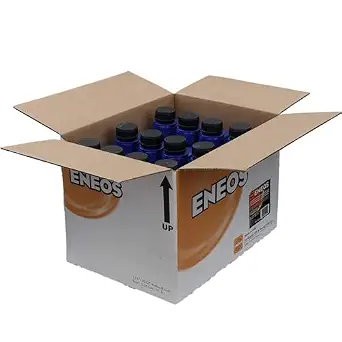 |
| Best Full‑Synthetic Multi‑Vehicle ATF A synthetic, multi-vehicle ATF that covers many factory specs for versatility | Valvoline MaxLife Multi‑Vehicle Full Synthetic ATF, 1 Gallon |  |
1. Subaru Genuine CVTF-II Automatic Transmission Fluid, 6-Quart Pack (SOA427V1660)
Best Overall Transmission Fluid

| Brand | Subaru |
|---|---|
| Liquid Volume | 6 Quarts |
| Specific Uses For Product | Maintenance of Subaru CVT transmissions |
| Upper Temperature Rating | 176 Degrees Celsius |
This is the genuine Subaru CVTF-II fluid supplied in a six-quart bottle pack for CVT-equipped Subaru models. It is intended for routine service of Subaru continuous variable transmissions, delivering the frictional properties and viscosity control the transmission needs for smooth, predictable shift behavior and torque transfer. Typical use is straightforward: refill or top up during scheduled CVT services where the manufacturer specifies CVTF-II. Notable features include factory formulation and vehicle-specific fitment guidance that reduces guesswork about compatibility. The practical benefit is confidence in using the exact fluid the manufacturer recommends, which helps preserve CVT shift feel and component longevity when used as directed. Limitations are that this product is only for Subaru CVT applications listed by the maker and will not substitute for other fluid types or cover non-CVT transmissions, so it is not a universal transmission fluid for mixed fleets.
Best for: Buyers who want a single, manufacturer-recommended fluid to maintain Subaru CVT transmission shift quality and protection during routine scheduled services.
Less Ideal for: Drivers who need a universal or aftermarket fluid for multiple vehicle types or non-CVT transmissions should look elsewhere.
- Factory-formulated for Subaru CVT systems to match manufacturer friction and viscosity requirements
- Sold in a 6-quart package that covers full service intervals for many CVT drain/refill tasks
- Clear vehicle fitment guidance reduces risk of using an incorrect fluid
- Limited to Subaru CVT applications and not suitable for non-CVT or non-specified transmissions
Verdict: Choose this when you want a single transmission fluid that offers broad compatibility, reliable shift quality, and proven protection for regular maintenance.
2. Valvoline Full Synthetic CVT Transmission Fluid, 1 Quart
Best Budget Transmission Fluid

| Item Type Name | Automatic Transmission Fluid |
|---|---|
| Specific Uses For Product | CVT transmission protection and optimization in automatic vehicles |
| Material | Synthetic |
| Liquid Volume | 1 Liters |
| Viscosity | 10w |
Valvoline Full Synthetic CVT Transmission Fluid is a one-quart, full synthetic fluid designed for continuously variable transmissions. It is used when topping off or changing CVT fluid to help maintain smooth, linear acceleration and reduce shudder in belt or chain-driven CVTs. The formula includes shear-stable viscosity modifiers, long-life friction modifiers, and anti-wear additives to support torque transfer and protect metal-on-metal contact. For routine Subaru Outback CVT maintenance this product offers a factory-quality replacement that focuses on basic protection and drivability rather than specialty performance gains. It is packaged in a convenient bottle for DIY use and is suitable for common service intervals where the manufacturer allows aftermarket CVT fluid. Limitations include that it is a single-quart consumer package rather than a multi-quart kit and buyers should confirm Subaru's specified fluid requirements for model year and transmission variant before use.
Best for: Subaru Outback owners looking for an affordable, straightforward CVT fluid for routine maintenance and DIY top-offs who prioritize reliable, factory-quality protection over specialty formulas.
Less Ideal for: Those needing Subaru-specific factory-branded fluid for warranty or precise OEM spec matching or users performing large-volume shop-level transmission overhauls.
- Full synthetic formulation for improved shear stability and protection
- Formulated specifically for belt and chain-driven CVTs to reduce shudder and improve torque transfer
- Includes anti-wear additives for metal-on-metal protection
- Convenient one-quart bottle suited to DIY top-offs and small service jobs
- Sold in single-quart bottles which may be less convenient for full fluid changes requiring larger volumes
Verdict: Pick this if you need an affordable, no-frills transmission fluid that still meets common ATF/CVT service requirements for everyday maintenance tasks.
3. ENEOS Import CVT Model S CVT Fluid for Subaru CVTF II, 1 qt
Best OEM CVT Fluid

| Specific Uses For Product | Subaru CVTF II fluid replacement |
|---|---|
| Unit Count | 32 Fluid Ounces |
| Item Form | Oil |
| Material | Synthetic |
This ENEOS Import CVT Model S is a synthetic transmission fluid formulated as a direct match for Subaru CVTF II applications. It is intended for routine CVT service where Subaru specifies CVTF II and is used the same way as factory replacement fluid during drain-and-fill or full-service CVT maintenance. The formula combines high-quality synthetic base oils and additives to promote smooth belt or chain operation, consistent pressure control, and protection against wear and deposits. Because it is designed to mirror Subaru factory chemistry and color coding, it simplifies warranty-conscious repairs and reduces the risk of compatibility issues compared with generic CVT fluids. Limitations: it is not suitable for Subaru High Torque CVTF applications, so confirming the correct Subaru spec for your Outback model year is essential before use, and a single quart may not cover a full service on many vehicles without purchasing multiple units.
Best for: Buyers who need a spec-matched, factory-quality CVT fluid for Subaru CVTF II service and prioritize exact chemistry for warranty-conscious maintenance.
Less Ideal for: People who want a universal CVT fluid for multiple vehicle types or those specifically requiring Subaru High Torque CVTF should look elsewhere.
- Formulated to match Subaru CVTF II chemistry for factory-level compatibility
- Fully synthetic base oils and additives support smooth CVT operation and deposit control
- Clear OEM-focused specification reduces guesswork for warranty-aware servicing
- Not compatible with Subaru High Torque CVTF applications
Verdict: Select this OEM CVT fluid when you want factory-formulated chemistry and color-coded, spec-matched fluid for CVT servicing and warranty-conscious repairs.
4. Subaru CVTF‑III (CVT 3) Genuine Transmission Fluid — 6 Quarts
Best CVTF‑III (New CVT Spec)

| Unit Count | 192 Fluid Ounces |
|---|---|
| SAE J300 Viscosity Grade | 10W-30 |
| Material | Synthetic |
| Included Components | Cvt |
This genuine Subaru CVTF‑III (CVT 3) comes in a six-quart package intended for use in Subaru continuously variable transmissions that require the newer CVTF‑III formulation. You use it when performing a drain-and-fill or full fluid service on compatible Subaru CVTs to preserve the transmission's designed friction characteristics and reduce shudder. The fluid is synthetic and sold as an OEM-specified product, so it matches factory chemistry and viscosity expectations for models listed by Subaru. Practical benefits include correct friction behavior for smooth belt/pulley engagement and straightforward fit-and-fill since it is supplied in a ready-to-pour bottle. Limitations are simple: it is only for CVT applications and must be used only in Subaru models that call for CVTF‑III; it is not a universal transmission fluid and offers no advantage on conventional automatics or non‑specified CVTs. If your Outback's manual specifies CVTF‑III, this provides a direct factory replacement to maintain intended transmission performance.
Best for: Buyers who need the latest Subaru CVTF‑III specification to preserve CVT smoothness and shudder protection during scheduled fluid service on their vehicle.
Less Ideal for: Do not choose this if your vehicle does not call for CVTF‑III or if you need a multi-vehicle universal transmission fluid for different transmission types.
- Factory-formulated CVTF‑III chemistry matched to Subaru CVTs
- Sold in a six-quart pack suitable for a full service or multiple drain-and-fills
- Synthetic formulation for stable viscosity and consistent friction behavior
- Ready-to-pour bottle makes fluid changes straightforward
- Restricted to vehicles that explicitly require CVTF‑III and unsuitable for other transmission types
Verdict: Use this newer-spec CVTF‑III fluid when your transmission requires the latest CVT formulation to maintain correct friction behavior and shudder protection.
5. ENEOS Import CVT Model S CVT Fluid for Subaru CVTF II (12 qt case)
Best Bulk / Case Pack

| Specific Uses For Product | Subaru vehicles requiring Subaru CVTF II fluid |
|---|---|
| Unit Count | 384 Fluid Ounces |
| Item Form | Liquid |
| Material | Synthetic oils |
This 12-quart case of ENEOS Import CVT Model S is a synthetic CVT fluid made to match Subaru CVTF II requirements and intended for full CVT service or shop use. It is used when servicing continuously variable transmissions that specify Subaru CVTF II and comes in individual 1-quart bottles packaged as a case, which keeps a ready supply on hand for multiple vehicles or repeat maintenance. The formulation blends high-quality synthetic base oils with advanced additives to promote smooth belt or chain operation, consistent shift feel, and protection against wear and deposits. Because it is a dedicated Subaru CVTF II match, it simplifies fluid selection for Subaru CVT service and supports factory-quality performance. Limitations include that it is not suitable for Subaru High Torque CVTF applications and that fitment must be verified against the vehicle owner manual; shops servicing a variety of non-Subaru CVTs will need different fluids for other specs.
Best for: Shops and DIYers who perform full CVT services on multiple Subaru vehicles or want lower per-quart cost by buying a ready case for routine maintenance.
Less Ideal for: Someone who only needs a single quart for an occasional top-up or who works on non-Subaru CVTs that require different fluid specifications.
- Bulk 12-quart case reduces trips and saves per-quart cost for frequent servicing
- Formulated specifically to meet Subaru CVTF II requirements for correct fitment in matching CVTs
- Fully synthetic base oils with additives to support smooth CVT operation and deposit control
- Individual 1-quart bottles make measuring and pouring easier during service
- Not compatible with Subaru High Torque CVTF formulations and must be matched to vehicle specification
Verdict: Choose a bulk or case pack when you do full transmission services, service multiple vehicles, or want lower per-quart cost for regular maintenance.
6. Valvoline MaxLife Multi‑Vehicle Full Synthetic ATF, 1 Gallon
Best Full‑Synthetic Multi‑Vehicle ATF

| Material | Synthetic |
|---|---|
| Liquid Volume | 1 Gallons |
| Viscosity | 1 |
| Flash Point | 394 Degrees Fahrenheit |
| Model | MaxLife Multi-Vehicle ATF |
Valvoline MaxLife Multi‑Vehicle Full Synthetic ATF is a one‑gallon, full synthetic transmission fluid designed to protect and extend the life of automatic transmissions, including many Subaru applications. It is formulated with conditioning agents to help maintain seal elasticity and anti‑wear additives that reduce internal wear and support smoother gear engagements in both cold and hot conditions. The product explicitly lists compatibility with Subaru ATF HP and Lineartronic CVT types, so it can be used where those factory fluid specifications are called for. In practice this ATF suits routine service and fluid top‑offs aimed at improving shift consistency and reducing leak risk without frequent changes. The fluid’s improved thermal and viscosity stability means it holds performance across highway driving and colder starts. Limitations: because it is a multi‑vehicle formula, always confirm your Outback’s owner manual or dealer spec for the exact Subaru type required and follow Subaru service intervals; some specialty Subaru transmissions may still require a factory‑specified single‑make fluid.
Best for: Buyers who want a single high‑performance transmission fluid that supports Subaru Outback service needs and prioritizes improved shift consistency and longer fluid life.
Less Ideal for: Do not choose this if your service manual specifies a unique Subaru‑only fluid or you require manufacturer‑branded replacement fluid for warranty or dealership servicing.
- Full synthetic formula with additives that improve seal elasticity and reduce wear
- Compatible with Subaru ATF HP and Lineartronic CVT according to the product specification
- Improved thermal and viscosity stability for consistent shifting in hot and cold conditions
- Designed for broad light‑duty vehicle coverage, reducing the need to stock multiple fluids
- Multi‑vehicle formulation may not match every Subaru special‑brand fluid specification exactly
Verdict: Pick this full‑synthetic multi-vehicle ATF if you want one high-performance fluid that fits a wide range of automatic transmissions and improves cold/hot shift consistency.
Choosing the Right Subaru Outback Automatic Transmission Fluid: Key Factors to Consider
Fluid Type and Manufacturer Specification
Automatic transmissions rely on specific fluid formulations to manage clutch friction and hydraulic function. Using a fluid that matches Subaru's required specifications ensures the right friction coefficients for smooth engagement and avoids shudder or harsh shifts.
Different automatic fluids can vary in base oil and additive chemistry, which affects compatibility with internal materials and friction modifiers. Confirming the fluid meets the vehicle's specification reduces the risk of premature wear or degraded shift quality over time.
Frictional Properties and Shift Quality
Friction stability determines how consistently clutches and bands engage across temperature ranges. Fluids with stable friction characteristics provide repeatable shift timing and feel, which improves drivability for daily commuting and loaded conditions.
When a fluid's friction curve shifts with temperature or age, you may notice delayed or harsh shifts. Choosing a fluid formulated for consistent friction helps maintain the transmission's designed shift mapping and driver expectations.
Thermal and Oxidation Stability
Transmissions operate under high heat, and fluid that resists thermal breakdown will retain viscosity and protective properties longer. Oxidation-resistant formulations form fewer varnish and deposit precursors, keeping hydraulic circuits and valve bodies cleaner.
A fluid with strong thermal stability supports extended intervals between services and reduces the risk of degraded lubrication during sustained highway driving or towing situations that elevate transmission temperatures.
Wear Protection and Additives
A comprehensive additive package including antiwear agents, corrosion inhibitors, and detergent/dispersant chemistries helps protect gear surfaces and internal components. Antiwear additives reduce metal-to-metal contact under load, extending component life.
Detergents and dispersants help keep particles suspended so filters can capture them, limiting deposit formation. Choosing fluids with proven antiwear and cleaning additives helps maintain internal cleanliness and minimize long-term wear.
Seal Compatibility and Leak Prevention
Some fluid chemistries can cause softening or shrinking of seals over time, leading to leaks. Seal compatibility is critical for older Outbacks where rubber or elastomer components may be more sensitive to certain additive systems.
Selecting fluids formulated to be compatible with Subaru transmission seals reduces the likelihood of increased leakage and preserves hydraulic integrity over extended service periods.
Service Interval and Change Practicalities
Service interval recommendations depend on fluid durability and operating conditions. Fluids with higher oxidation resistance and stable viscosity often support longer intervals, which can reduce maintenance frequency.
Consider the practicality of performing a fluid change: drain-and-fill versus full flush has different effects on fluid exchange percentage. Choose a fluid that works well with the service method you plan to use and that clearly states change interval guidance for the Subaru Outback Automatic.
Which Fluid Specification Does the Outback Automatic Require
Subaru transmissions typically require fluids that meet specific ATF specifications and internal friction profiles. Before selecting any product, verify the vehicle's owner manual or manufacturer service documentation for the exact fluid specification and capacity for the automatic transmission. Using a fluid that lists compatibility with Subaru automatic transmissions or the referenced specification ensures proper operation.
- Check the year-specific owner manual for the correct ATF specification.
- Confirm fluid capacity and whether a torque converter refill is required during service.
- Match any viscosity or friction modifier notes to product technical data sheets.
Signs Your Transmission Fluid Needs Attention
Watch for changes in shift behavior, such as delayed engagement, slipping under load, harsh upshifts, or unusual noises during gear changes. These symptoms can indicate fluid degradation, contamination, or low fluid level. Routine inspections of fluid color and smell can also reveal problems: dark fluid with a burnt odor suggests oxidation or overheating.
- Delayed or erratic shifting during acceleration.
- Dark, gritty fluid or burnt smell on dipstick inspection.
- Periodic fluid level checks that show frequent top-ups, which may indicate a leak.
Service Methods: Drain-and-Fill Versus Full Exchange
A drain-and-fill replaces only a portion of the fluid, often enough for preventive maintenance if done regularly. A full exchange or flush replaces nearly all fluid but requires correct flushing procedures to avoid dislodging deposits that could clog passages. For the Outback Automatic, choose a method that matches the fluid's stated compatibility and the vehicle's maintenance history.
- Drain-and-fill is simpler and less likely to disturb settled deposits.
- Full exchange provides a more complete replacement but should be performed carefully.
- Record the service method and mileage to plan future changes consistently.
Matching Fluid Choice to Driving Conditions
Your choice should reflect typical use. Frequent highway driving, towing, or carrying heavy loads increases thermal stress on the transmission and favors fluids with high thermal and oxidation stability. For mostly urban stop-and-go driving, prioritize fluids with stable low-speed friction and anti-shudder properties to maintain smooth transitions.
- Towing and heavy loads demand high thermal stability.
- City driving benefits from smooth low-speed friction control.
- Adjust service intervals based on duty cycle and operating temperatures.
DIY Versus Professional Service Considerations
If you plan to change the transmission fluid yourself, verify you have the correct tools, the service procedure for the Outback Automatic, and an understanding of fluid disposal rules. Some service procedures require specific refill steps or torque converter bleeding that are easier in a shop setting.Professional service can ensure a proper exchange method and torque converter fill, but DIY allows controlled product selection and cost savings. Choose the route that ensures the correct fluid volume and procedure are followed for the Subaru Outback Automatic.
- Follow the vehicle's service manual for filler location and fill sequence.
- Keep a record of fluid type, mileage, and service method.
- Use proper disposal channels for used transmission fluid.
Still looking for the perfect fit?
Select your Subaru Outback configuration to see the most relevant Transmission Fluids recommendations
How We Chose the Best Subaru Outback Automatic Transmission Fluid
Our selection focused on fluids suited specifically to the Subaru Outback Automatic transmission, prioritizing formulations that address the vehicle's common operating conditions. We evaluated products across several concrete dimensions: friction consistency to ensure smooth, predictable shifting; thermal stability to resist breakdown during highway speeds and towing; oxidation resistance for extended service intervals; additive package completeness for wear protection and corrosion inhibition; and compatibility with Subaru seals and materials to reduce leak risks.We favored fluids with clear manufacturer specifications that match Subaru Automatic requirements and those with independent laboratory data or OEM-equivalence statements. Exclusions included products intended exclusively for manual gearboxes, CVT-specific fluids that do not meet automatic transmission requirements, and any fluid lacking technical data or compatibility guidance. The result is a focused list emphasizing long-term transmission health and dependable shift quality.
Our full evaluation process is outlined in our review methodology.
FAQ
How often should I change the transmission fluid in my Subaru Outback Automatic?
Intervals depend on the fluid type and driving conditions. For normal driving, many manufacturers recommend periodic changes every 30,000 to 60,000 miles, while severe use may require earlier service. Check the owner manual and follow the fluid maker's guidance for the specific product.
Can I mix different automatic transmission fluids if I need a top-up?
Mixing fluids is generally not recommended because differing additive packages and friction modifiers can alter shift quality. If a top-up is unavoidable, choose a fluid that closely matches the existing fluid's specification and replace the fluid properly at the next convenient service opportunity.
Will using a higher-performance fluid prevent transmission failures?
Higher-performance fluids can reduce wear and resist breakdown, but they cannot fix existing mechanical issues. They help mitigate overheating and wear when used correctly, but proper maintenance and diagnosis are still essential for preventing failures.
Is CVT fluid the same as automatic transmission fluid for my Outback?
No. CVT fluids are formulated specifically for continuously variable transmissions and have different friction and shear properties. For the Outback Automatic, use a fluid specified for automatic transmissions rather than a CVT product.
What should I look for when inspecting transmission fluid on the dipstick?
Check color and smell. Healthy automatic fluid is usually translucent and reddish; dark brown or black fluid or a burnt odor indicates oxidation or heat damage. Also note any metal particles or grit, which suggest internal wear and warrant further inspection.
Does the type of driving I do affect the fluid choice?
Yes. Highway and towing increase thermal demands, favoring fluids with strong oxidation resistance and thermal stability. Frequent stop-and-go city driving benefits from stable low-speed friction properties to maintain smooth shifts.
Final Verdict
Prioritize fluids that meet the Subaru Outback Automatic specifications, offer stable friction performance, and resist thermal and oxidative breakdown. Balance service interval expectations with your driving habits: higher thermal loads call for fluids with better heat resistance, while city driving benefits from smooth low-speed friction control. Ultimately, choose a fluid that aligns with the vehicle's required specification and the service method you will use, and maintain a consistent change schedule to protect the transmission over the long term.
Explore More:
- Check out all Subaru Outback parts & accessories
- Explore Fluids & Chemicals
- Browse all Accessories
