

Note: This article contains affiliate links. If you click on these links and make a purchase, I may earn a small commission at no extra cost to you. This helps support my research and content. Read my full affiliate disclosure here.
If you drive a Honda Accord V6, the serpentine belt is a small part that plays a big role in engine accessories and daily dependability. A worn or poorly fitting belt can cause noise, accessory failure, or even leave you stranded if it snaps. This guide highlights the top serpentine belts chosen for fit, material quality, and longevity specifically for the Accord V6.The shortlist covers the most suitable belt options for common service needs and driving conditions. Below we summarize the evaluation criteria used and what to expect when replacing the belt, so you can pick the replacement that best balances quiet operation, wear resistance, and ease of installation.
Looking for other parts? See all Honda Accord parts & accessories.
Top Picks at a Glance
| Best Overall The best all-around choice for most situations | A-Premium 84.06" Engine Serpentine Drive Belt (6-Rib) |  |
| Best Quality Built to a higher standard if you want something more solid | Gates Micro-V Serpentine Belt for Honda Accord 3.0L/3.5L V6 (2003–2012) |  |
| Best Value The sweet spot between price and what you get | Generic EPDM Serpentine Belt for Honda and Acura 3.0L–3.7L V6 |  |
| Best Budget The cheapest option that still gets the job done reliably | Cheyia Serpentine Belt for Honda/Acura V6 (fits many 3.0L–3.7L models) | 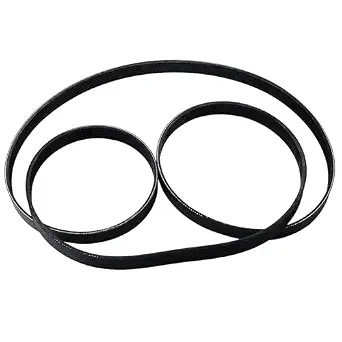 |
| Highest Rated A top-rated pick with lots of positive feedback | Gates K060841 Micro-V Serpentine Drive Belt |  |
1. A-Premium 84.06" Engine Serpentine Drive Belt (6-Rib)

| Belt Material | EPDM |
|---|---|
| Cord Material | Polyester |
| Cross Section | K |
| Effective Length | 84.06 in |
| Rib Quantity | 6 |
This A-Premium serpentine belt is a direct replacement drive belt sized for many V6 Honda and Acura engines and select Mercedes 3.5L applications. Constructed from EPDM rubber with polyester cords and a K cross section, it is designed to resist cracking, oils, and contaminants while maintaining stable tension and alignment. Typical use is as a factory-style replacement during routine maintenance or when the original belt shows wear; installation is straightforward for mechanically minded owners and installers, though the listing recommends checking the tensioner before fitting. The six ribs and precision dimensions aim to reduce vibration and noise under load, and the material choice supports durability in high-temperature engine bays. Limitations include the need to confirm exact fitment for your specific year and transmission since there are several similar belt sizes across model years and a few customer reports of wrong-size deliveries. The one-year unlimited-mileage guarantee provides some protection, but buyers should verify fitment against their vehicle's OEM reference numbers before purchase.
Best for: Buyers who want a cost-conscious, factory-style replacement belt for V6 Honda or Acura engines and value durable materials and reduced vibration during normal driving.
Less Ideal for: Drivers who prefer dealer-sourced replacement parts or need guaranteed fit without checking OEM reference numbers should consider alternatives or confirm fitment first.
- EPDM rubber compound resists cracks, oils, and contaminants for longer service life
- Precision 84.06 inch length and 6-rib K profile for stable tension and reduced vibration
- Polyester cord reinforcement improves strength and load handling
- Designed for tool-free installation and fits many Honda/Acura V6 applications
- Fitment can be finicky across model years and configurations, with some reports of wrong-size units
Verdict: A practical, durable replacement belt for V6 Honda and Acura engines that balances material quality and noise control for everyday driving.
2. Gates Micro-V Serpentine Belt for Honda Accord 3.0L/3.5L V6 (2003–2012)

| Compatible Devices | UTV |
|---|---|
| Belt Style | Serpentine Belt |
| Material Type | Ethylene Propylene Diene Monomer (EPDM) |
This Gates Micro-V serpentine belt is a direct-replacement belt intended to restore drive of the engine accessories on Honda Accord 3.0L and 3.5L V6 models from 2003 to 2012. Installed in place of a worn factory belt, it routes around the alternator, power steering pump, A/C compressor, and crank pulley to transfer power reliably under everyday and spirited driving. Made from EPDM compound and sold with original packaging, the belt matches factory profile for correct pulley engagement and quiet operation. Practical benefits include simple swap-in installation with no modifications, OEM-style fit for consistent tension and accessory performance, and a durable material that resists heat and ozone aging. Limitations are typical of replacement belts: performance gains are incremental compared with upgraded performance belts and longevity still depends on correct tensioner condition and pulley alignment. Confirm fitment for your exact model and year before ordering.
Best for: Drivers who prioritize restoring factory-level accessory drive reliability on a V6 Accord and want a direct, no-fuss replacement that behaves like the original belt.
Less Ideal for: Drivers seeking measurable horsepower gains or race-oriented drive belts should consider dedicated performance belts or a broader drivetrain upgrade instead.
- Factory-style Micro-V profile for reliable pulley engagement
- EPDM construction that resists heat and ozone for durable service life
- Direct replacement fit for listed Honda Accord V6 model years
- Ships in original packaging which helps verify part authenticity
- Offers only incremental performance improvements versus specialty performance belts
Verdict: Choose this belt if you want a reliable, factory-style serpentine replacement that restores correct accessory drive behavior on Honda Accord V6 models.
3. Generic EPDM Serpentine Belt for Honda and Acura 3.0L–3.7L V6

| Compatible Devices | Honda, Acura |
|---|---|
| Belt Style | serpentine belt |
| Material Type | Ethylene Propylene Diene Monomer (EPDM) |
This EPDM serpentine belt is a factory-replacement style belt made for Honda and Acura 3.0L, 3.5L, and 3.7L V6 engines. It installs like a standard belt and restores proper routing and tension to drive the alternator, AC compressor, power steering and water pump. Constructed from high-grade EPDM rubber, it is built to resist heat, oil, cracking and wear so it should last longer than older ribbed belts and help reduce squeaks and slippage. As a direct replacement for the listed OEM numbers and common aftermarket sizes, it simplifies fitment for the specified vehicles and avoids the need to source multiple belt codes. The trade-offs are typical for aftermarket single-belt offerings: longevity depends on proper installation and pulley condition, and you should inspect tensioners and pulleys when replacing the belt to avoid premature wear. For routine maintenance this belt is a straightforward, cost-effective way to restore accessory drive reliability on compatible Honda and Acura V6 models.
Best for: Buyers who prioritize a practical, reliable factory-style replacement to restore accessory drive function on Honda and Acura V6 engines and who want a straightforward, no-frills maintenance fix.
Less Ideal for: Those needing a belt for vehicles outside the specified Honda/Acura V6 applications or users planning performance modifications that change belt length or routing.
- Made from EPDM compound for improved heat, oil, and wear resistance
- Matches factory routing and replaces specified OEM part numbers for simple fitment
- Designed to stop squeaks and slipping and restore smooth accessory operation
- Single-piece direct replacement that simplifies routine belt replacement
- Compatibility limited to the listed Honda and Acura 3.0L–3.7L V6 applications and specific part numbers
Verdict: A straightforward EPDM direct-replacement serpentine belt that restores factory-style accessory drive reliability on the listed Honda and Acura V6 engines.
4. Cheyia Serpentine Belt for Honda/Acura V6 (fits many 3.0L–3.7L models)

| Compatible Devices | Honda Accord, Odyssey, Pilot, Ridgeline; Acura MDX, ZDX, RL, TL |
|---|---|
| Part Number | 56992-RV0-A05 6PK2135 |
| Belt Style | serpentine belt |
This Cheyia serpentine belt is a budget-focused replacement built to match common Honda and Acura V6 routing and accessory loads. Made from EPDM rubber, it resists heat, oil, cracking, and wear so it can replace worn factory belts that cause squeaks, slippage, or uneven tension. Typical use is a one-for-one replacement during routine maintenance or when a failing belt threatens alternator, power steering, water pump, or AC operation. The product lists explicit fitment for many Accord, Odyssey, Pilot, Ridgeline and Acura V6 model years and references common OEM part numbers to help confirm compatibility. Practical benefits include straightforward fit for correctly matched vehicles, durable EPDM construction, and the ability to restore smooth accessory drive function without expensive dealer parts. Limitations to expect are occasional fit discrepancies noted by some buyers and installation complexity on certain models where the tensioner requires careful technique; double-check fitment for your exact year and engine before installation.
Best for: Buyers who need an affordable, factory-style replacement to get a V6 Honda or Acura back to reliable accessory drive operation without paying dealer prices.
Less Ideal for: Anyone who cannot verify exact year/engine fit or who prefers OEM-branded parts for guaranteed compatibility should consider alternatives or confirm fitment with a parts specialist.
- Designed to match OEM routing and part numbers for many Honda and Acura V6 engines
- EPDM construction resists heat, oil, cracking and wear for longer service life
- Restores smooth operation of alternator, power steering, water pump and AC after replacement
- Covers a wide list of model years making it useful for common V6 maintenance jobs
- Some buyers reported the belt did not fit certain model years despite claimed compatibility
Verdict: If you want a low-cost, factory-style replacement to restore accessory drive function on a Honda or Acura V6, this EPDM serpentine belt is a practical choice.
5. Gates K060841 Micro-V Serpentine Drive Belt

| Model | K060841 |
|---|---|
| Rib count | 6-Ribs |
| Country of Origin | UNITED STATES |
This Gates K060841 Micro-V serpentine belt is a direct-fit replacement designed to match factory size and construction so it runs the alternator, power steering and A/C smoothly. Typical use is straightforward: install as a like-for-like replacement during routine maintenance or when the old belt shows wear or noise. Gates emphasizes precision fit and materials that mirror factory-quality belts, which helps reduce squeal and premature glazing and keeps accessory drives stable under load. Reviewers report long service life on Honda V6 applications and consistent fit on common Accord and Odyssey V6 engines. The belt is lightweight and comes in a standard 6-rib Micro-V profile; it is a single-purpose part with no added hardware such as tensioners or pulleys, so plan to reuse or replace related components separately if worn. One limitation is that performance depends on correct routing and tensioning, so noisy or failing accessories may require attention beyond swapping the belt itself.
Best for: Buyers who prioritize a reliable, factory-quality replacement belt for routine maintenance or preventative service on V6 Hondas and want a part that closely matches original fit and performance.
Less Ideal for: If you need a complete accessory drive repair kit or upgraded performance belt for racing or heavily modified engines, this single replacement belt alone is not sufficient.
- Factory-quality fit and construction aimed to match OEM sizing
- Micro-V 6-rib profile for smooth accessory drive engagement
- Proven longevity reported by users on Honda V6 engines
- Does not include tensioner or installation hardware so related parts may need separate replacement
Verdict: Choose this Gates Micro-V belt when you want a dependable, factory-quality serpentine replacement that fits Honda V6 applications and delivers proven longevity.
Choosing the Right Honda Accord V6 Serpentine Belt: Key Factors to Consider
Correct Fit and Rib Profile
A serpentine belt must match the exact rib count, width, and profile used on the Honda Accord V6 to seat securely in each pulley groove. Even small deviations in rib geometry can cause misalignment, accelerated wear, or belt slippage.
Fit affects tensioner load and accessory drive efficiency. When a belt does not match OEM dimensions it can shorten service life and produce noise. Confirming precise fit minimizes the chance of improper tensioning and reduces the risk of sudden failure while driving.
Material Construction and Reinforcement
Belts are typically made from rubber compounds reinforced with cords or fabric; the specific compound affects flexibility, heat resistance, and resistance to cracking. For a V6 engine that can generate high accessory loads, choose belts with durable compounds and robust reinforcement to withstand sustained tension and cyclic bending.
Better materials slow the onset of glazing and edge fray, so you get longer intervals between replacements. Reinforcement quality also influences how the belt handles torque from the alternator, power steering, and A/C compressor without deforming.
Resistance to Heat and Oil Exposure
Engine bays can expose belts to elevated temperatures and occasional contact with oil or coolant. A belt with poor heat resistance will harden and crack, while oil exposure can swell or soften certain compounds.
Selecting a belt formulated for automotive thermal conditions and with some resistance to common contamination extends service life and reduces unexpected breakdowns. This is especially important if the vehicle is used in stop-and-go traffic or hot climates where the accessory drive sees heavier duty.
Noise and Squeal Behavior
Squealing on startup or under load often signals glazing, misalignment, or an incompatible belt material. Noise is not just an annoyance; persistent squeal can indicate slipping that accelerates wear on both the belt and pulleys.
Look for belts engineered to minimize friction noise and that maintain grip when cold. Proper seating and compatibility with the factory pulleys and tensioner are essential to prevent the conditions that cause squeal.
Durability and Expected Service Life
Longevity depends on material, reinforcement, and operating conditions. A belt that resists cracking, chunking, and edge wear will provide predictable mileage between replacements, reducing the chance of mid-trip failure.
Consider manufacturer guidance on expected service intervals and any warranty coverage. Longer-lasting belts may cost more upfront but lower the frequency of interventions, which is valuable for a daily-driven Accord V6.
Compatibility with Tensioner and Accessories
The serpentine belt works with the factory tensioner and accessory pulley set. Belts that alter the required tension or do not flex correctly around idlers can overload the tensioner or cause accessory bearings to wear faster.
Ensuring compatibility avoids excess tensioner travel and helps the accessory components operate within their intended design range. This reduces secondary repair needs and keeps the drive system functioning smoothly.
When To Replace the Serpentine Belt on an Accord V6
Routine inspection intervals and symptom-driven replacement are both important for the Accord V6. Visually inspect the belt at every oil change for cracks across the ribs, missing chunks, noticeable glazing, or frayed edges. If you observe deep cracks, exposed reinforcement cords, or repeated slipping, plan replacement promptly rather than extending use.
On vehicles subjected to heavy urban driving or towing, expect the belt to wear sooner than highway-only cars. If you are unsure about age because of incomplete service history, replacing the belt as part of major maintenance is prudent to avoid sudden failure.
- Look for longitudinal cracks across the ribs.
- Check for shiny glazing which indicates slippage.
- Inspect for uneven wear that may point to pulley or tensioner issues.
Common Symptoms That Indicate Belt Problems
Several symptoms commonly point to a failing serpentine belt on the Accord V6. High-pitched squeal on cold start or under heavy accessory load can signal glazing or slipping. Loss of charging, erratic power steering assistance, or A/C failure are functional signs when the belt stops driving those accessories effectively.
Visible physical damage is an unmistakable cue. If the belt begins shedding material or shows edge separation, stop driving and replace it to prevent a breakdown.
- Squeal or chirp during startup or acceleration.
- Intermittent charging system warnings or dimming lights.
- Accessory failures such as power steering flutter or A/C compressor not engaging.
Tools and Prep Needed for a Replacement Job
Replacing the serpentine belt on the Accord V6 is typically a routine shop or DIY job if you have the right tools and a safe workspace. Required tools usually include a serpentine belt tool or breaker bar to relieve tensioner force, a basic socket set, and the correct belt routing diagram. A good light and inspection mirror help check pulley condition.
Before starting, confirm the exact belt routing and rib count for your engine configuration. Note tensioner condition while the belt is off; a worn tensioner should be replaced at the same time to avoid premature belt failure.
- Serpentine belt tensioner tool or long breaker bar.
- Socket set sized for tensioner pivot fastener.
- Belt routing diagram and replacement belt with correct rib profile.
Inspecting Pulleys and Tensioner While Replacing the Belt
When you remove the old belt, take time to spin accessory pulleys and the tensioner by hand. Pulleys should rotate smoothly without roughness or play. Any rough feeling or side-to-side movement often means a bearing is failing and should be addressed before installing a new belt.
The tensioner should move smoothly through its travel and return positively. Check for oil seepage or signs of spring fatigue. Replacing the tensioner along with the belt is a common preventive measure that reduces the chance of immediate rework.
- Spin pulleys to check for roughness.
- Check tensioner travel and return action.
- Look for signs of fluid leaks or bearing play.
Still looking for the perfect fit?
Select your Honda Accord configuration to see the most relevant Serpentine Belts recommendations
How We Chose the Best Honda Accord V6 Serpentine Belt
We prioritized belts that deliver dependable fitment and longevity for the Honda Accord V6 and screened options using practical, vehicle-focused criteria. First, correct OEM-style dimensions and rib profile were required to ensure proper engagement with the engine pulleys and accessories. Second, we favored materials and construction known for resistance to cracking, chunking, and glazing under typical temperature and load cycles.Third, we evaluated compatibility with common service tasks, including ease of installation with the factory belt path and interaction with the serpentine belt tensioner. Fourth, we considered noise behavior under load to reduce the chance of squeal during cold starts or heavy accessory demand. Finally, we looked at documented durability and warranty support where available.Excluded from consideration were belts lacking clear fitment data for the Accord V6, aftermarket items with unverified rib counts or unclear material specs, and any products with frequent reports of premature failure. The final picks emphasize correct sizing, construction quality, and predictable service life for this vehicle.
Our full evaluation process is outlined in our review methodology.
FAQ
How often should I inspect the serpentine belt on my Accord V6?
Inspect the belt visually every oil change and perform a hands-on check for tension and wear annually. More frequent checks are sensible if you hear noise or notice accessory issues.
What causes a serpentine belt to squeal on the Accord V6?
Squeal often results from glazing, slipping due to incorrect tension, or pulley misalignment. Cold starts and high accessory load can make noise more noticeable until the belt warms and grips better.
Can I replace the serpentine belt myself on an Accord V6?
Yes, many owners can replace the belt with basic tools and a tensioner tool. Follow the correct routing and inspect pulleys and the tensioner; if in doubt, have a technician verify the job.
Should I replace the tensioner when changing the belt?
It depends on the tensioner condition. If it shows reduced travel, rough operation, or has high mileage, replacing it with the belt is a prudent preventive step to avoid rapid re-wear.
What are signs the belt is about to fail on an Accord V6?
Visible cracking across ribs, missing chunks, exposed cords, heavy glazing, or sudden accessory loss are indicators a replacement is needed soon to avoid breakdown.
How can I check belt tension on the Accord V6?
With the engine off, observe tensioner position and check for excessive slack in the belt span. Many modern V6 engines use an automatic tensioner that self-adjusts, but extreme belt looseness or tightness suggests a problem.
Final Verdict
For the Honda Accord V6, prioritize a correctly sized belt made from durable compound and matched to the factory rib profile. Confirm pulley and tensioner condition during replacement to prevent early re-failure. Balance resistance to heat and oil exposure with low-noise characteristics when choosing a replacement. By focusing on accurate fitment, robust materials, and addressing related components like the tensioner or worn pulleys, you minimize the chance of drive-system interruptions and get the most predictable service life from the new belt.
Explore More:
- Check out all Honda Accord parts & accessories
- Explore Serpentine Belts Maintenance & Repair Guides
- Explore Engine
- Browse all Auto Parts
