

Note: This article contains affiliate links. If you click on these links and make a purchase, I may earn a small commission at no extra cost to you. This helps support my research and content. Read my full affiliate disclosure here.
Your Honda Accord 2.4L depends on a properly fitted serpentine belt to drive the alternator, power steering, air conditioning, and other accessories. A worn or incorrectly sized belt can cause noise, reduced accessory performance, or sudden failure that leaves you stranded. This guide covers the top seven serpentine belts suited to the Accord 2.4L, shortlisted for durable materials and accurate fitment.You will find belts selected for longevity, correct rib count and width, and compatibility with the factory tensioner. We also explain common symptoms of belt wear and the basics of replacement so you can decide whether to replace the belt yourself or have it installed professionally.
Looking for other parts? See all Honda Accord parts & accessories.
Top Picks at a Glance
| Best Quality Built to a higher standard if you want something more solid | Gates Micro-V Serpentine Belt for Honda Accord 2.4L (2003–2007) |  |
| Best Value The sweet spot between price and what you get | MOCA AUTOPARTS 7PK1781 Serpentine Belt (EPDM) |  |
| Best Budget The cheapest option that still gets the job done reliably | MOCA EPDM Serpentine Belt (7PK1781) for 2003–2007 Honda Accord 2.4L |  |
| Highest Rated A top-rated pick with lots of positive feedback | Bando USA Serpentine Belt 7PK1781 |  |
| Most Popular A crowd favorite that many people choose with confidence | MOCA EPDM Serpentine Belt 7PK1785 | 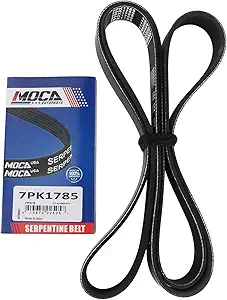 |
| Best Seller A high-volume bestseller chosen again and again | YUANTUO Serpentine Drive Belt (7PK1785) for Honda Accord 2.4L 2003–2007 |  |
1. Gates Micro-V Serpentine Belt for Honda Accord 2.4L (2003–2007)

| Compatible Vehicles | Honda Accord 2.4L L4 2003–2007 |
|---|---|
| Belt Style | Serpentine Belt |
| Compatible Devices | UTV |
This Gates Micro-V serpentine belt is a factory-quality replacement built to route power to the alternator, power steering, A/C compressor, and other front-end accessories on the 2.4L Honda Accord (2003–2007). Installation is the same as a stock belt: relieve tension with the tensioner, remove the old belt, and fit the new Micro-V profile along the pulleys. The Micro-V ribbed design delivers consistent grip and reduced slip under load, which helps maintain charging and accessory operation during spirited driving. Because it is a direct-fit Gates part, you get predictable fitment and the same belt profile as factory service belts. The product is straightforward with no added hardware required, but buyers should confirm exact fitment for models without air conditioning or different accessory layouts. This belt is a practical choice for someone replacing a worn belt or restoring factory performance on a 2.4L Accord, and it performs reliably without aftermarket modifications or special tools.
Best for: Buyers who prioritize restoring or maintaining reliable factory accessory drive performance on a 2.4L Honda Accord and want a straightforward, performance-minded replacement part.
Less Ideal for: Drivers looking to change accessory drive ratios, run nonstandard pulley setups, or fit other vehicle models should choose a belt matched to those specific modifications or applications.
- Factory-quality Micro-V rib profile for consistent grip and reduced slip under load
- Direct replacement fit for Honda Accord 2.4L 2003–2007 which simplifies installation
- No extra hardware required and uses standard belt routing so replacement is straightforward
- Fitment references mention vehicles with air conditioning so some non-A/C layouts may require verification
Verdict: Choose this Gates Micro-V belt when you want a direct-fit, factory-quality serpentine replacement to maintain reliable accessory drive performance on a 2.4L Accord.
2. MOCA AUTOPARTS 7PK1781 Serpentine Belt (EPDM)

| Part number | 7PK1781 |
|---|---|
| Material | EPDM |
| Compatible models | 2003-2007 Honda Accord 2.4L |
| Belt style | SerpentineBelt |
This MOCA AUTOPARTS 7PK1781 is a straightforward replacement serpentine belt designed for the 2.4L Honda Accord engines from 2003 to 2007. It is an EPDM multi-rib belt built to meet SAE quality specifications and is sold as a single main drive belt. In use it performs the basic job of transferring power to alternator, water pump, and accessory pulleys; customers report it fits accurately and reduces belt noise compared with worn originals. The EPDM compound promises better heat and wear resistance than older rubber formulations, so you can expect reasonable service life under normal driving. Installation can be tight on some tensioner layouts, so expect to use proper tools or an extra set of hands for routing. This is a no-frills, economy-friendly replacement that focuses on fit and function rather than performance upgrades or extended warranty coverage.
Best for: Buyers who want a practical, reliable factory-replacement belt for routine maintenance on a 2.4L Accord and prioritize correct fit and solid everyday performance.
Less Ideal for: Drivers looking for performance or heavy-duty belts for modified engines or commercial duty applications should consider specialty options instead.
- Made from EPDM compound for improved heat and wear resistance over older rubber belts
- Specifically listed for 2003–2007 Honda Accord 2.4L fitment, simplifying selection
- Meets SAE quality specifications and replaces the factory part numbers listed
- Reported to reduce belt noise compared with worn original belts
- Can be tight to install on some engines and may require extra effort or tools during routing
Verdict: A budget-friendly, factory-fit EPDM replacement that reliably restores accessory drive function on 2003–2007 Accord 2.4L engines.
3. MOCA EPDM Serpentine Belt (7PK1781) for 2003–2007 Honda Accord 2.4L

| Material Type | Ethylene Propylene Diene Monomer (EPDM) |
|---|---|
| Belt Style | Serpentine Belt |
| Compatible Devices | Car |
This MOCA serpentine belt is a straightforward factory-replacement style belt intended to replace the main drive belt on 2003–2007 Honda Accord 2.4L engines. Made from EPDM rubber, it is designed to resist heat and ozone better than older neoprene belts, which helps it last longer under normal city and highway use. Installation is the same as a stock belt and it comes as a single belt (part number 7PK1781) for the accessory pulleys on that Accord engine. For everyday drivers this belt provides reliable belt grip and quieter operation compared with inexpensive older-material belts. Expect typical service life for an aftermarket EPDM belt when used in routine maintenance; it is not a performance upgrade but a cost-effective replacement. Note that fitment should be confirmed against the vehicle year and engine code before purchase and that long-term durability will depend on pulleys and tensioner condition as well as proper routing during installation.
Best for: Buyers who need an affordable, direct replacement belt to restore the accessory drive on a 2003–2007 Accord 2.4L and prioritize reliable everyday performance over performance upgrades.
Less Ideal for: Drivers seeking high-performance or heavy-duty upgrade belts, or those who want a kit that includes a tensioner or pulleys should look elsewhere.
- Made from EPDM for improved heat and ozone resistance compared with older rubber compounds
- Sold as a direct-fit replacement for the 2003–2007 Honda Accord 2.4L accessory drive
- Simple, factory-style design makes installation and routing straightforward
- Lower-cost aftermarket option for routine maintenance needs
- Single-belt offering with no tensioner or pulley included so other worn components must be replaced separately
Verdict: A budget-friendly EPDM replacement belt that restores factory-style accessory drive performance on 2003–2007 Honda Accord 2.4L vehicles.
4. Bando USA Serpentine Belt 7PK1781

| Model | 7PK1781 |
|---|---|
| Manufacturer | Bando USA |
| Material | EPDM rubber |
| OEM Part Number | 7 PK 1781B, 7PK1781B |
This Bando 7PK1781 serpentine belt is a direct-fit replacement engineered to meet factory specifications. Made from EPDM rubber with precision-ground ribs, it is intended for routine drive-belt duties such as powering the alternator, power steering, A/C compressor, and water pump on compatible Honda Accord 2.4L engines. Installation is straightforward for a DIYer familiar with tensioner removal and typically takes under 30 minutes with basic hand tools. Notable features include OEM-grade construction, heat-resistant EPDM compound for longer life, and workmanship that mirrors the belts Bando supplies to automakers. In practice the belt offers consistent grip and low stretch, so pulley alignment and accessory performance remain steady over years of use. The main limitation is that this is a single belt with no extras such as a tensioner or idler pulley, so replacing related wear items at the same time is wise if they show age. Fitment is vehicle-specific so confirm compatibility before purchasing.
Best for: Buyers who prioritize a reliable, factory-equivalent replacement for regular maintenance on a Honda Accord 2.4L and want a belt that matches original performance and longevity.
Less Ideal for: Drivers looking for a complete accessory overhaul kit or those who need multi-item repair bundles that include tensioners or pulleys should consider a kit instead.
- OEM-quality manufacturing and precision ground ribs for consistent fit
- EPDM rubber compound offers improved heat resistance and long wear life
- Matches factory belt profile so installation and fit are straightforward
- Does not include tensioner or idler pulleys so related parts may need separate purchase
Verdict: Choose this Bando 7PK1781 belt when you want a dependable, factory-quality serpentine replacement that matches OEM fit and longevity for the Honda Accord 2.4L.
5. MOCA EPDM Serpentine Belt 7PK1785
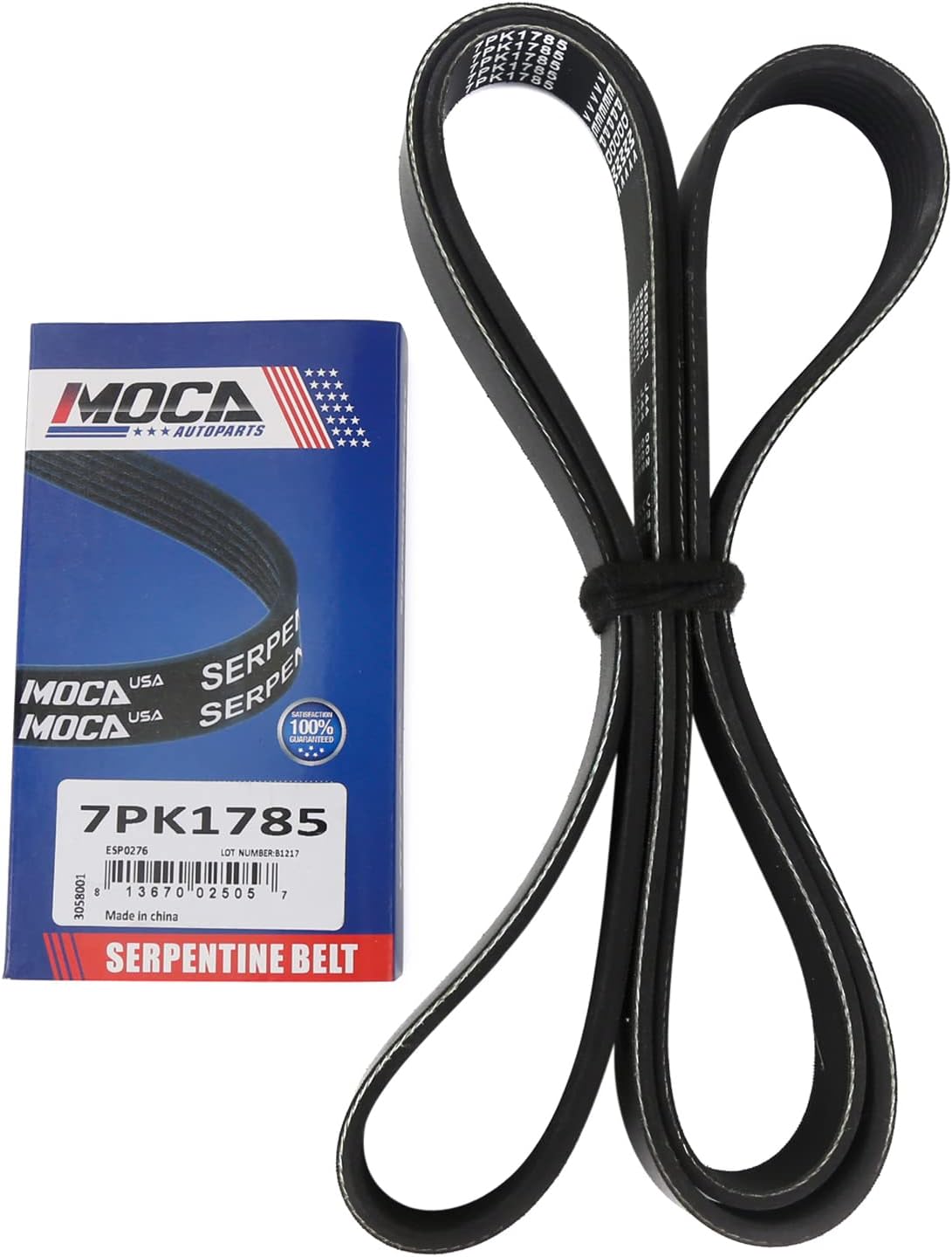
| Manufacturer Part Number | FESP0276 |
|---|---|
| OEM Part Number | 7PK1785 |
| Material | EPDM |
| Package Includes | 1 Serpentine Belt |
The MOCA EPDM 7PK1785 is a direct-replacement serpentine belt made for the 2.4L Honda Accord. It installs like a factory replacement and is used to drive accessories such as the alternator, power steering pump, and A/C compressor. The belt’s precision rib profile is built to transfer load evenly across the accessory belt drive system, which helps reduce slippage and cold-start squeal reported by users. Customers commonly buy it as a routine service part or keep one as an emergency spare because it matches OEM part numbering and arrives ready to route on the factory pulley layout. Expect straightforward fitment when your vehicle matches the listed application, though access to the tensioner or confined engine bays can still make installation fiddly for a solo DIYer. The product is a single-belt package with visible quality consistent with aftermarket factory-replacement parts, but long-term durability depends on driving conditions and maintenance schedule rather than the belt alone.
Best for: Buyers who prioritize a low-risk, proven replacement that matches factory part numbers and want a belt that’s reported to fit without modification for routine maintenance or emergency replacement.
Less Ideal for: Shoppers looking for a full accessory drive overhaul kit or those who want to replace multiple drive components at once should consider a multi-part kit instead.
- Direct-fit replacement that matches OEM part number 7PK1785
- EPDM rib profile designed for efficient load transfer and reduced slippage
- Commonly reported to fit accurately on Honda 2.4L installations
- Sold as a single belt so other drive components like the tensioner are not included
- Installation can be awkward in tight engine bays and may require a second person
Verdict: Choose this MOCA 7PK1785 belt if you want an affordable, direct-fit EPDM replacement that matches the factory part number for the Honda Accord 2.4L.
6. YUANTUO Serpentine Drive Belt (7PK1785) for Honda Accord 2.4L 2003–2007
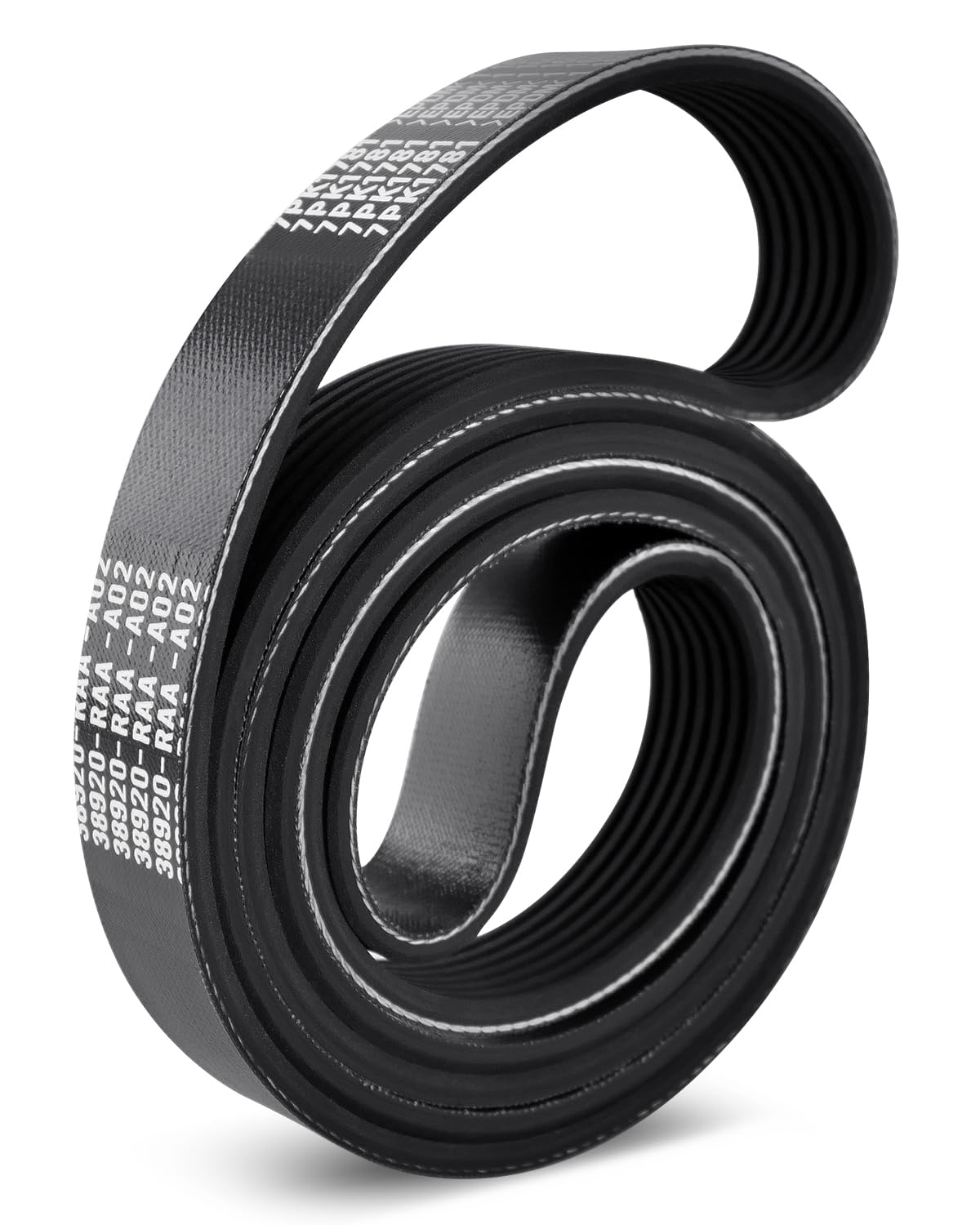
| Compatible Devices | Honda Accord 2.4L 2003-2007 |
|---|---|
| Part Number | 7PK1785 |
| Material Type | Rubber |
This YUANTUO serpentine belt is a direct-replacement style belt for the Honda Accord 2.4L (2003–2007). It is made from high-strength, wear-resistant rubber and is intended to drive accessories like the alternator, power steering pump and air conditioning compressor without slipping or excess noise. Installation is straightforward for anyone performing basic belt replacement and many buyers report an OEM-like fit and quiet operation. The belt’s construction aims to handle typical engine conditions and reduce vibration, which helps keep accessory drive systems stable over time. Limitations are typical of aftermarket belts: long-term lifespan and heat resistance depend on driving conditions and installation tension, and it does not include additional items such as a tensioner or routing hardware. For risk-averse buyers this model provides a simple, compatible replacement that mirrors factory fit and function but buyers seeking premium materials or extended warranties may want to compare higher-end branded options.
Best for: Buyers who want a dependable, factory-style replacement belt that installs easily and restores normal accessory drive performance without experimentation.
Less Ideal for: Drivers looking for premium aftermarket belts with advanced heat-resistant compounds or extended warranty coverage should consider higher-end branded options instead.
- Direct-replacement fit for Honda Accord 2.4L 2003–2007 for straightforward installation
- Made from high-strength, wear-resistant rubber designed to reduce slippage and noise
- Reported OEM-like fit and quiet operation by multiple users
- Does not include tensioner or installation hardware so additional parts may be required for some repairs
Verdict: A straightforward, factory-style replacement serpentine belt that restores reliable accessory drive performance for 2003–2007 Honda Accord 2.4L models.
Choosing the Right Honda Accord 2.4L Serpentine Belt: Key Factors to Consider
Correct Size and Rib Count
Getting the exact belt length and rib count is the most basic but critical requirement for the Honda Accord 2.4L. A belt that is too long will slip and accelerate wear on both the belt and the accessories, while a too-short belt can overstress the tensioner or lead to premature failure. Confirm the factory rib profile, width, and pitch so the belt seats properly in each pulley groove.
Manufacturers sometimes sell belts that fit several engines but with slightly different tolerances. On the 2.4L, small deviations are enough to cause squeal or irregular wear, so use part numbers and size lookup references to verify compatibility before purchase.
Material and Construction
Modern serpentine belts commonly use EPDM or other synthetic rubber compounds that resist heat, oil, and ozone. Materials with superior abrasion resistance and reinforced tensile cords help the belt tolerate the operating environment found in everyday driving. Look for belts that list multilayer construction or reinforced cord technology, as these features generally translate into longer service intervals.
Construction also affects flexibility and noise. A belt that maintains shape and rib profile under load will transmit power consistently to accessories, reducing slippage and squeal on startup or under heavy accessory load.
Compatibility With Tensioner And Pulleys
The factory tensioner on the Accord 2.4L applies a specific preload to the belt. Compatibility between the belt and the tensioner range is essential because the belt must remain within the tensioner's effective travel. If a belt is stiffer or stretches differently than the original, the tensioner may sit outside its optimal range, causing belt flutter or failure.
Also consider idler and accessory pulley diameters. A belt designed for different pulley sizes will wear faster at contact points, creating scalloping or glazing that shortens belt life.
Noise And Vibration Characteristics
Squeal and chirp are common complaints when a belt is worn, misaligned, or improperly profiled. Look for belts that advertise rib geometry or surface treatments aimed at quieter operation. Reduced noise is often a byproduct of better seating in pulley grooves and consistent friction characteristics across the belt surface.
Noise control matters for everyday driving comfort and can also indicate healthier belt behavior. A quiet belt usually means less slip and more efficient accessory drive, which is important for systems like the alternator and power steering.
Durability And Expected Service Life
Service life depends on material, driving conditions, and maintenance. Belts exposed to high under-hood temperatures, oil contamination, or heavy accessory loads will degrade faster. Choose belts whose specs or user feedback indicate good resistance to cracking, glazing, and rib separation.
Longer-lasting belts reduce the frequency of replacement and the risk of unexpected failure. However, longer service life can come with different cost or installation tradeoffs, so balance durability against ease of replacement and compatibility with the vehicle's tensioner system.
Ease Of Installation And Availability
Some belts are straightforward to install with standard tools and access to the tensioner, while others may require special routing or partial accessory removal. For owners planning DIY replacement, check that belt routing matches the factory diagram and that the belt comes with clear fitment information.
Availability of the correct size and replacement options also matters. If a specific belt is rare or hard to source, that can delay maintenance. Prefer options with clear size lookup information so you can confirm fitment quickly when you need a replacement.
Common Serpentine Belt Symptoms On The Accord 2.4L
Recognizing early signs of belt trouble helps prevent accessory failure. Typical symptoms include high-pitched squeal during cold start or acceleration, visible cracking or fraying along the ribs, and glazing that appears shiny on the belt surface. You may also notice power steering effort changes or battery charging irregularities if the alternator drive is compromised.
Intermittent slip-induced squeal often points to reduced rib friction or a stretched belt. Consistent chirping under load can signal misalignment or pulley wear rather than the belt itself.
- Squeal or chirp at startup or acceleration
- Cracks across ribs or along edges
- Shiny glazing on rib faces
- Accessory performance changes such as weak charging
How To Inspect The Belt And Related Components
A routine inspection is quick and reveals many common problems. With the engine off and cool, visually inspect the rib side for cracks, chunking, or rib separation. Check the belt edges for fraying and look for glazing on the faces that contact pulleys. Run your hand along the belt to feel for unevenness or hard spots, but avoid touching moving parts while the engine is running.
Also inspect the tensioner and idler pulleys for smooth rotation and play. A squeaky bearing or loose pulley can mimic belt symptoms and lead to premature belt wear.
- Check ribbed side for cracks and separation
- Look for glazing and frayed edges
- Verify tensioner travel and pulley bearings
- Compare belt condition to the factory diagram to ensure correct routing
Basic Steps For Serpentine Belt Replacement
Replacing the belt on the Accord 2.4L typically involves relieving tension with the factory tensioner and routing the new belt according to the engine diagram. Always confirm the correct belt size and rib profile before starting. Use a breaker bar or a dedicated tensioner tool to rotate the tensioner and slip the old belt off the pulleys, then route the new belt and slowly release the tensioner so it takes up the slack.
After installation, start the engine and observe for proper tracking and any unusual noises. Recheck tensioner position and belt seating after a short test drive to ensure everything remains properly aligned.
- Relieve tension using a wrench or tensioner tool
- Follow the factory belt routing diagram
- Verify belt seats fully in each pulley groove
- Run the engine briefly and inspect for squeal or misalignment
When To Replace The Tensioner And Pulleys
Replacing the belt alone can be futile if the tensioner or idler pulleys are worn. Signs that a tensioner needs replacement include excessive free play, noisy bearings, visible corrosion, or inability to hold proper tension. Because the tensioner maintains belt preload, a failing unit can cause rapid belt wear and recurring noise issues.
If pulley bearings feel rough or show play when spun by hand, plan to replace them at the same time as the belt. Doing so reduces the chance of early failure and often saves labor if replacement requires partial disassembly.
- Replace tensioner if travel is outside the service range
- Swap pulleys with rough or noisy bearings
- Consider replacing related components during belt service to reduce repeat labor
Understanding Belt Size Lookup And Diagrams
Accurately identifying the correct belt length and rib profile often requires a size lookup based on engine configuration. Use the Accord 2.4L engine designation and the factory routing diagram to verify the number of ribs and belt path. Many service manuals and parts resources provide the belt dimensions and a clear diagram showing routing around the alternator, idler, and tensioner.
If you remove the old belt, compare its stamped or printed code to the replacement's markings. A mismatch in rib count, width, or length is a common source of noise and accelerated wear.
- Use engine configuration and routing diagram for accurate lookup
- Compare printed codes on old and new belts
- Ensure rib count and width match factory specifications
Maintenance Tips To Extend Belt Life
Keep the belt area clean and free of oil or coolant contamination, which degrades rubber compounds. Address any leaks promptly and clean spilled fluids to avoid premature belt deterioration. Regularly inspect the belt at service intervals and replace at the first sign of significant cracking or rib separation.
Avoid topping accessory loads beyond factory specifications, as excessive accessory demand can increase belt strain. If you frequently tow or use heavy accessory loads, check the belt and tensioner more often.
- Clean oil or coolant off the belt and pulleys
- Inspect at regular service intervals for cracks and glazing
- Monitor accessory loads and inspect more often if driving conditions are severe
Still looking for the perfect fit?
Select your Honda Accord configuration to see the most relevant Serpentine Belts recommendations
How We Chose the Best Honda Accord 2.4L Serpentine Belt
We focused on criteria that directly affect performance and longevity on the Honda Accord 2.4L. Primary evaluation factors included material composition and construction, such as multi-rib EPDM compounds that improve heat and ozone resistance. Fitment accuracy was crucial; we prioritized belts manufactured to match factory rib count, width, and length tolerances for the 2.4L configuration. Durability indicators like reinforced tensile cords and abrasion-resistant ribs were considered to estimate service life under typical driving conditions.Noise and vibration characteristics were assessed by looking for belts designed to minimize slip and squeal, including rib profiles engineered for quiet operation. Compatibility with the original tensioner and pulley sizes mattered because incorrect tensioning or mismatched ribs accelerates wear. We also considered user feedback on longevity and installation ease as a reality check on manufacturer claims.Excluded from our list were belts intended only for performance or racing applications that use nonstandard pulley sizing, and any items lacking clear fitment specifications for the Accord 2.4L. The final shortlist balances precise fitment, durable materials, and noise control to meet typical ownership needs.
Our full evaluation process is outlined in our review methodology.
FAQ
How often should I replace the serpentine belt on a Honda Accord 2.4L?
Replacement intervals vary with material and driving conditions, but many belts warrant inspection at regular service intervals and replacement when cracking, glazing, or rib separation appear. Typical service guidance often suggests checking the belt at every major service and replacing it every several years depending on wear.
Can I replace the belt myself on the Accord 2.4L?
Many owners can perform the replacement with basic hand tools and a tensioner tool, provided they follow the factory routing diagram and take safety precautions. If access is limited or you do not have experience with belt routing, professional installation is a sensible option.
What causes a serpentine belt to squeal on startup?
Squeal at startup often results from temporary slip when the belt is cold, reduced rib friction from contamination or glazing, or a belt that has stretched. Misaligned pulleys or weak tensioner action can also produce squeal. Addressing contamination, verifying routing, and checking the tensioner usually resolves the issue.
Do I need to replace the tensioner when I replace the belt?
Not always, but it is recommended to inspect the tensioner for proper travel and bearing noise. If the tensioner shows excessive play, noisy operation, or visible wear, replacing it during a belt change helps prevent premature belt failure and repeat labor.
How can I confirm the correct belt size for my Accord 2.4L?
Use the vehicle engine configuration and the factory belt routing diagram to look up rib count, width, and length. Comparing the stamped code on the old belt with the replacement part markings is another reliable method to confirm the correct size.
Are there signs that mean the belt is about to fail?
Yes. Visible cracking across the ribs or along the edges, rib chunking, severe glazing, or sudden changes in accessory performance are indicators that the belt may fail soon. Unusual vibrations or persistent squeal under normal conditions also suggest imminent replacement.
Final Verdict
For the Honda Accord 2.4L, prioritize exact fitment, durable EPDM-style construction, and compatibility with the factory tensioner when selecting a serpentine belt. Inspect the belt and pulleys regularly and address contamination or pulley wear promptly to avoid premature failure. If you value quiet operation and longer service life, choose belts that emphasize abrasion resistance and proper rib geometry, and consider replacing the tensioner or pulleys if they show wear. With those tradeoffs in mind, you can select a replacement that balances longevity and reliable accessory drive for everyday use.
Explore More:
- Check out all Honda Accord parts & accessories
- Explore Serpentine Belts Maintenance & Repair Guides
- Explore Engine
- Browse all Auto Parts
