

Note: This article contains affiliate links. If you click on these links and make a purchase, I may earn a small commission at no extra cost to you. This helps support my research and content. Read my full affiliate disclosure here.
If you drive a 2011-2016 Ford F-350, the radiator is one of the few components that directly affects engine longevity and towing reliability. A radiator that meets the truck's cooling demands helps prevent overheating during heavy loads, stop-start traffic, and hot-weather operation. Choosing the right 2011-2016 Ford F-350 radiator matters because fitment, cooling capacity, and construction determine service life and ease of installation.This guide presents a shortlist of the top radiators selected for this Ford F-350 range. We focus on fitment accuracy, cooling efficiency, material durability, and installation considerations so you can pick a radiator that suits towing needs, daily driving, or heavy-duty work. Read on for the factors we considered and practical advice for replacement and maintenance.
Top Picks at a Glance
| Best Overall The best all-around choice for most situations | Klimoto Radiator for 2011–2016 Ford F-250/F-350/F-450/F-550 (KLI13230) |  |
| Best Quality Built to a higher standard if you want something more solid | ENGINKUHLER All-Aluminum Radiator for 2011–2016 Ford Super Duty 6.7L V8 |  |
| Best Value The sweet spot between price and what you get | Auto Dynasty 13339 1-Row Auxiliary Radiator for 2011–2016 Ford Super Duty 6.7L Diesel |  |
| Best Budget The cheapest option that still gets the job done reliably | SCITOO Radiator Assembly Replacement for select Ford Super Duty 5.4L/6.2L/6.8L |  |
| Highest Rated A top-rated pick with lots of positive feedback | Mishimoto Performance Aluminum Radiator for 6.7L Powerstroke (2011–2016) |  |
| Most Popular A crowd favorite that many people choose with confidence | DNA Motoring 2-Row Aluminum Radiator OEM-RA-13230 for 2011–2016 Ford Super Duty |  |
1. Klimoto Radiator for 2011–2016 Ford F-250/F-350/F-450/F-550 (KLI13230)

| Compatible vehicles | 2011–2016 Ford F-250/F-350/F-450/F-550 |
|---|---|
| Manufacturer | Klimoto |
| Model | KLI13230 |
| OEM part numbers | 13230, 13423583, 3601, CU13230 |
This Klimoto radiator is a direct replacement unit designed for 2011–2016 Ford Super Duty trucks and replaces several OEM part numbers. It uses an all-new aluminum core with folded fins and thermal cuts to improve cooling efficiency and accommodate expansion and contraction under heat, while a protective finish resists corrosion for longer service life. The product is intended for a straightforward swap into the factory location and the listing includes fittings and Every-Fit attachment points to simplify installation; the vendor materials suggest a competent DIYer can complete the job in 30–45 minutes. Practical benefits include stronger heat rejection from the folded fin layout and reduced risk of leaks thanks to reinforced brazing and multiple quality checks. Limitations are typical of aftermarket radiator swaps: you should verify hose and mount alignment with your truck before installation and expect professional help if your vehicle has hidden damage or aftermarket cooling mods.
Best for: A practical buyer who wants a solid, factory-replacement style radiator for routine driving and towing in a 2011–2016 Ford Super Duty and values durability and straightforward installation.
Less Ideal for: Not the best choice for owners running heavily modified cooling systems or who need a performance racing-specific radiator; those users should seek specialty performance units or custom solutions.
- Strengthened all-new aluminum core for improved durability and heat transfer
- Folded fin design increases cooling capacity compared with basic cores
- Thermal cuts allow controlled expansion and reduce likelihood of core failure
- Protective corrosion-resistant coating extends service life in harsh conditions
- Fitment must be confirmed against vehicle mounts and hoses since slight variations can occur with aftermarket parts
Verdict: Choose this Klimoto radiator if you want a durable, vehicle-specific replacement that boosts cooling capacity and resists corrosion for 2011–2016 Ford Super Duty trucks.
2. ENGINKUHLER All-Aluminum Radiator for 2011–2016 Ford Super Duty 6.7L V8

| Vehicle fit | 2011–2016 Ford F-250/F-350/F-450/F-550 Super Duty V8 6.7L |
|---|---|
| Core | Dual-row tube-and-fin design |
| Material | Full 5052 aluminum |
| End tanks | TIG-welded aluminum |
This ENGINKUHLER radiator is a full-aluminum, dual-core replacement built to improve cooling for 2011–2016 Ford Super Duty trucks with the 6.7L V8. Designed with a two-row tube-and-fin core and TIG-welded aluminum end tanks, it raises coolant capacity and heat transfer compared with factory plastic-end radiators. In practice that means lower operating temperatures under heavy loads, better resistance to temperature spikes during towing or spirited driving, and greater durability against cracking from heat cycling. The radiator keeps the factory form for a straightforward drop-in installation and the machined finish looks robust. Downsides to consider are the larger physical core compared with some stock units and the heavier construction, which can complicate handling during install, and the listing does not include fan or shroud details so confirm compatibility with your existing cooling assembly before buying. For anyone pushing their Super Duty harder than stock, this unit offers tangible cooling performance and longevity benefits.
Best for: Drivers who run heavy loads, tow frequently, or modify their 6.7L Super Duty for increased performance and need improved cooling reliability under sustained stress.
Less Ideal for: Owners who want a direct like-for-like lightweight replacement without changing cooling system components or who need guaranteed compatibility with aftermarket fan assemblies.
- Full 5052 aluminum construction with TIG-welded end tanks for improved durability over plastic-end radiators
- Two-row tube-and-fin core increases surface area for better heat dissipation
- Higher coolant capacity reduces temperature spikes under heavy load
- Designed to match factory form for a drop-in installation
- Listing lacks explicit fan, shroud, and hose connection details so verify fitment before purchase
- Heavier and larger core may require extra care during installation
Verdict: Choose this full-aluminum dual-core radiator to significantly improve cooling capacity and durability for a performance-driven 2011–2016 6.7L Super Duty.
3. Auto Dynasty 13339 1-Row Auxiliary Radiator for 2011–2016 Ford Super Duty 6.7L Diesel

| Vehicle fitment | 2011–2016 Ford F-250/F-350/F-450/F-550 6.7L Power Stroke |
|---|---|
| Rows | 1 |
| Core material | Aluminum |
| Flow type | Crossflow |
| Inlet / Outlet | 1" |
This Auto Dynasty 13339 auxiliary radiator is a direct-fit single-row replacement for the 6.7L Power Stroke auxiliary cooling system on 2011–2016 Ford Super Duty trucks. Constructed with an aluminum core and reinforced PVC end tanks, it is intended as a bolt-on swap for the factory auxiliary radiator and does not require drilling or modification. In use it provides the same crossflow layout as the factory unit and aims to restore or improve cooling capacity compared with a worn OEM radiator. The radiator lacks integrated transmission or engine oil coolers so it only handles coolant flow. Installation instructions are not included and a professional installer is recommended, which is common for auxiliary radiators on these trucks. Buyers should expect a lightweight, factory-style replacement that focuses on core cooling performance rather than added features like multi-row cores or built-in oil cooling.
Best for: Buyers who want a practical, factory-style replacement to restore proper auxiliary cooling on a 2011–2016 6.7L Power Stroke Super Duty without modifying the truck.
Less Ideal for: Not a good choice for owners seeking increased cooling capacity for heavy towing or performance upgrades who should consider multi-row or heavy-duty aftermarket radiators.
- Direct bolt-on fitment for 2011–2016 6.7L Power Stroke auxiliary radiator locations
- Aluminum core construction for good thermal conductivity and lighter weight
- Factory-style crossflow design maintains stock coolant routing and installation simplicity
- Single-row core offers less heat capacity than multi-row performance radiators
Verdict: A straightforward, factory-style auxiliary radiator replacement for 2011–2016 6.7L Power Stroke Super Duty trucks that restores stock cooling with a lightweight aluminum single-row core.
4. SCITOO Radiator Assembly Replacement for select Ford Super Duty 5.4L/6.2L/6.8L
| Transmission Oil Cooler Included | Yes |
|---|---|
| Engine Oil Cooler Included | NO |
| Inlet Diameter | 1.87in |
| Outlet Diameter | 1.87in |
| Core Rows | 1 Row |
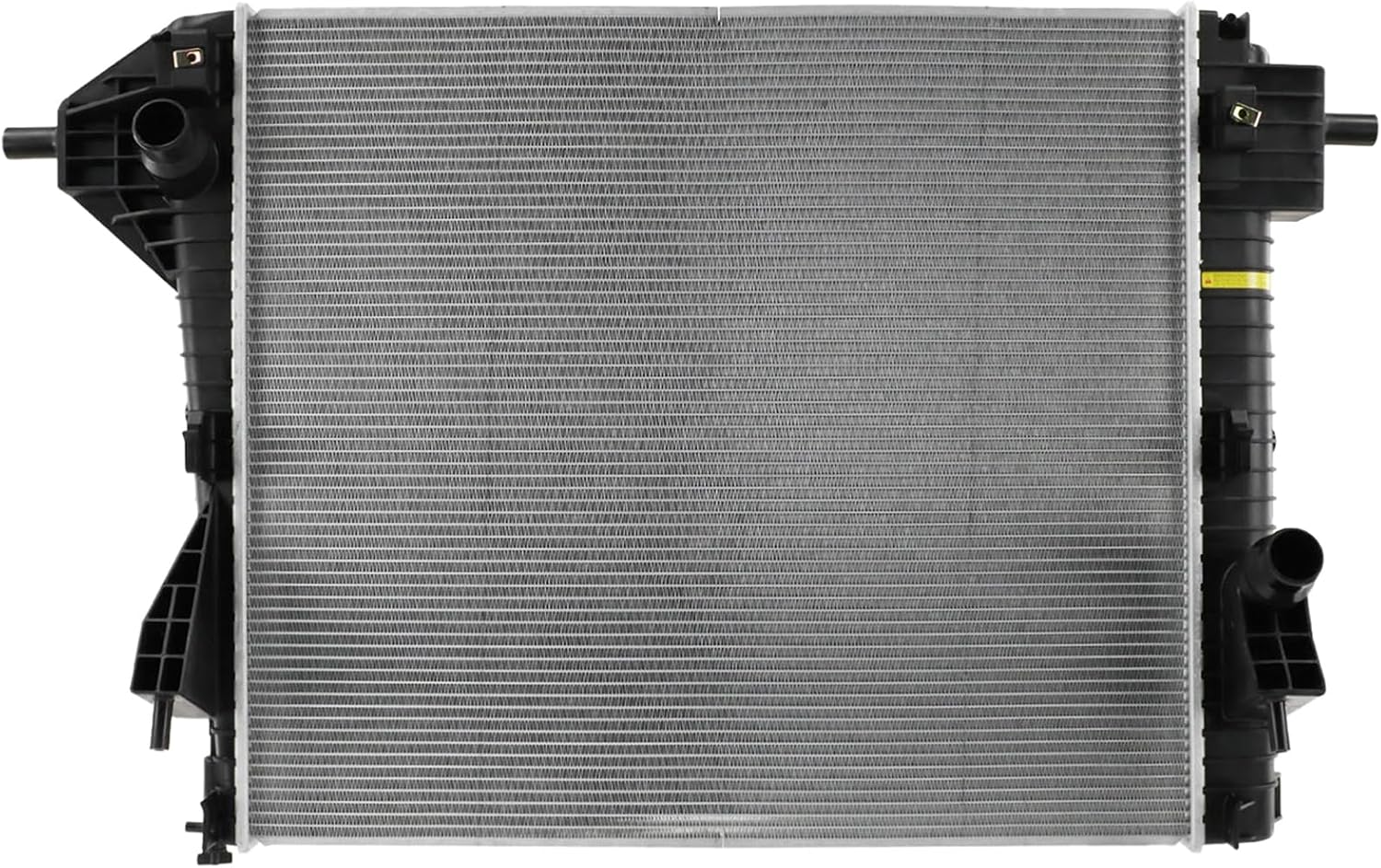
This SCITOO radiator is a direct-fit replacement designed for Ford Super Duty trucks and related chassis using 5.4L, 6.2L, or 6.8L engines in the covered years. It combines an aluminum core with a built-in transmission oil cooler so you replace both the radiator and the transmission cooler function in one assembly. Typical use is straightforward: remove the old radiator, swap mounting points and hoses, and reconnect the transmission lines and cooling connections. Notable features include model-specific fitment, 1-row core construction, and 1.87 inch inlet and outlet diameters which match factory hoses. The practical benefits are restoring cooling and transmission cooling capacity without modifying the vehicle and reducing parts sourcing since the cooler is integrated. Limitations are that it does not include an engine oil cooler and users should verify exact year/trim fitment before purchase; professional installation is recommended for large trucks because of weight and the transmission lines. For budget-focused buyers this offers a complete replacement option that keeps the truck running to factory-style cooling performance.
Best for: Buyers looking to restore cooling function on a Super Duty truck affordably and who prioritize a direct-fit replacement that also replaces the transmission cooler.
Less Ideal for: People who need an engine oil cooler integrated or who prefer a lightweight performance aftermarket radiator with multi-row cores for heavy towing.
- Integrated transmission oil cooler eliminates separate cooler replacement
- Built to match vehicle-specific mounting and hose sizes for straightforward installation
- Aluminum construction for efficient heat transfer and corrosion resistance
- Includes 1.87 inch inlet and outlet diameters to fit factory coolant lines
- Does not include an engine oil cooler
- Relatively heavy and may require professional installation on large trucks
Verdict: A budget-friendly, model-specific replacement that restores both engine cooling and transmission cooling in one integrated assembly.
5. Mishimoto Performance Aluminum Radiator for 6.7L Powerstroke (2011–2016)

| Fits | 2011–2016 Ford F-250/F-350 6.7L Powerstroke |
|---|---|
| Core | 100% brazed aluminum core |
| End tanks | TIG-welded aluminum |
| Cooling improvement | 10% thicker core; 37% increased coolant capacity |
| Includes | Magnetic M12 x 1.5 oil drain plug |
This Mishimoto radiator replaces the factory unit on 2011–2016 6.7L Powerstroke trucks and focuses on stronger cooling and long-term reliability. Constructed from aircraft-grade aluminum with a fully brazed core and TIG-welded end tanks, it is designed to resist the cracking and corrosion that commonly affect the stock radiator. The design uses extruded tubes with internal struts and a thicker core to increase pressure tolerance and coolant capacity, which helps lower operating temperatures under towing or heavy-load conditions. It retains factory-style fitment for a direct replacement installation and includes a magnetic oil drain plug to catch debris during service. Expect clearer cooling performance and a more durable assembly compared with an aged factory radiator, but installation on a heavy truck may be bulky and could require two people. This is a focused upgrade for owners wanting a maintenance‑forward, longer‑lasting cooling solution rather than a lightweight or budget throwaway part.
Best for: A buyer who prioritizes long-term cooling reliability and wants a direct-fit, heavy-duty replacement for a 6.7L Powerstroke that will stand up to towing and frequent highway duty.
Less Ideal for: Someone looking for the cheapest short-term fix or a lightweight race-only radiator; this is intended as a durable, serviceable replacement for daily-driven and work trucks.
- Aircraft-grade brazed aluminum core for improved corrosion resistance and heat transfer
- TIG-welded aluminum end tanks for greater durability and resistance to failure
- Thicker core and increased coolant capacity reduce operating temperatures during heavy use
- Extruded tubes with internal struts improve strength and pressure tolerance
- Retains factory-fit for a direct replacement and includes a magnetic drain plug for service
- Large and heavy assembly may be awkward to handle during installation
Verdict: Choose this Mishimoto radiator if you need a durable, higher-capacity direct-fit cooling upgrade for a 2011–2016 6.7L Powerstroke to reduce overheating and extend service life.
6. DNA Motoring 2-Row Aluminum Radiator OEM-RA-13230 for 2011–2016 Ford Super Duty
| Compatible Models | Ford F-250/F-350 2011–2016; F-450 2011–2015; F-550 2011 |
|---|---|
| Engine Fitment | 6.7L Turbo Diesel, automatic transmission models |
| Core Rows | 2 Rows |
| Core Material | T-6061 Aluminum |
| Inlet/Outlet | 2-1/4" Inlet / 2-1/4" Outlet |
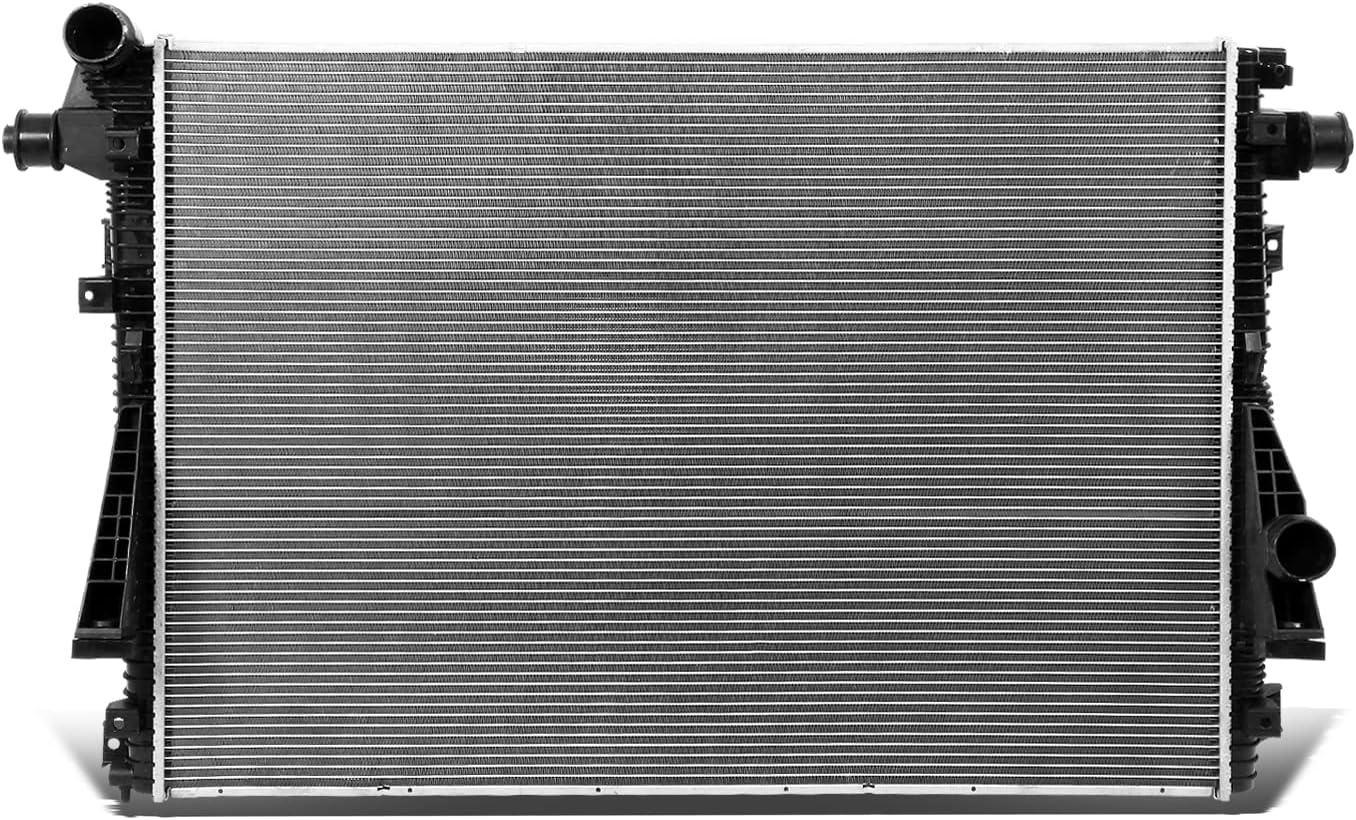
This DNA Motoring 2-row aluminum radiator is built as a direct bolt-on replacement for 2011–2016 Ford Super Duty trucks equipped with the 6.7L turbo diesel and automatic transmission. The full T-6061 aluminum core and tube-and-fin design increase surface area for faster heat dissipation, while reinforced PVC tanks aim to resist heat and wear. It matches factory inlet and outlet diameters and does not include transmission or engine oil coolers, so installation is a straightforward swap for owners replacing a failed factory radiator. The lightweight construction makes handling and fitment easier during installation, but the package does not include installation instructions so a professional or an experienced DIYer familiar with Super Duty cooling systems is recommended. Expect real-world benefits in cooling efficiency and corrosion resistance compared with aging stock radiators, but note this unit is a 2-row design without integrated oil coolers, so it may not replace radiators on trucks that require a TOC/EOC or specific accessory plumbing without modification.
Best for: Truck owners who prioritize a factory-style replacement that restores cooling performance and prefers a tested direct-fit part backed by user feedback, with plans to have the swap done professionally or by an experienced DIYer.
Less Ideal for: Drivers who need an integrated transmission or engine oil cooler, or those seeking a multi-row high-capacity aftermarket upgrade for heavy towing or extreme duty applications.
- Full T-6061 aluminum core improves heat transfer and corrosion resistance
- Direct bolt-on fitment for specified 2011–2016 Super Duty models simplifies replacement
- Factory-matching inlet/outlet diameters for straightforward hose connections
- Lightweight construction eases handling during installation
- No built-in transmission or engine oil cooler so not suitable for trucks requiring TOC/EOC integration
- Installation instructions not included, which can complicate DIY replacement
Verdict: If you want a lightweight, OEM-style aluminum replacement that restores cooling for 2011–2016 Super Duty diesel trucks without integrated oil coolers, this radiator is a practical direct-fit choice.
Choosing the Right 2011-2016 Ford F-350 Radiator: Key Factors to Consider
Fitment and Mounting Accuracy
Correct fitment is essential for the 2011-2016 Ford F-350 because the radiator must align with factory mounting points, fan shroud, and hose locations. A radiator that requires modification can add labor time, risk leaks, or interfere with other components like the AC condenser or intercooler.
When assessing fitment, check inlet and outlet positions, transmission cooler lines routing if applicable, and mounting bracket locations. Confirm whether the replacement uses the original mounting pattern or requires adapter brackets. Proper fitment reduces installation time and avoids extra sealing or trimming that can compromise longevity.
Cooling Capacity and Core Design
Cooling capacity dictates how well the radiator maintains engine temperature under towing and heavy-load conditions common with an F-350. Core size, tube count, and fin density influence heat rejection. A thicker or multi-row core typically offers better cooling, but it must still fit the truck's space and allow adequate airflow through the grille.
Core design should balance airflow resistance and surface area. High-density fins increase surface area but can restrict airflow if paired with inadequate fan sizing. Consider the typical operating conditions—long highway pulls, repeated towing, or urban stop-and-go—when deciding the level of heat rejection you need.
Material and Construction Quality
Materials affect thermal performance and long-term durability. All-aluminum cores with welded or brazed joints tend to resist vibration and corrosion better than radiators with plastic end tanks. However, some quality composite designs can offer adequate performance while reducing weight.
Inspect construction details such as seam welding, brazing quality, and corrosion protection. Higher-grade materials help the radiator tolerate the vibration and heavy loads experienced by the F-350, reducing the chance of cracks or leaks over time.
Transmission Cooler Compatibility
Many F-350 radiators incorporate an integrated transmission cooler or provisions for external cooler lines. If your truck is equipped with an automatic transmission, ensure the replacement radiator supports the transmission cooler connections and provides sufficient capacity to keep transmission fluid temperatures in range during towing.
Mismatched cooler ports or inadequate cooling capacity for transmission fluid can lead to higher transmission temperatures and accelerated wear. Verify the presence, type, and placement of cooler ports and whether adapter fittings are required for your configuration.
Serviceability and Maintenance
Serviceability affects long-term ownership costs and downtime. Radiators that use common replacement parts and preserve factory hose locations simplify routine maintenance like coolant changes or thermostat replacement. Consider how accessible drain plugs, petcock valves, and mounting hardware are when the radiator is installed.
Also evaluate whether the radiator design allows straightforward cleaning of fins and whether fin density will make debris removal difficult. Ease of access to the top and bottom hose clamps reduces labor time during installation or future repairs.
Warranty and Support
Warranty length and coverage give insight into manufacturing confidence. A robust warranty that covers leaks and core failure is valuable for a heavy-duty vehicle that sees high thermal stress. Also consider manufacturer support for replacement parts and whether warranty claims require proof of professional installation.
Check the fine print for coverage of corrosion and seam failures. A longer warranty is useful, but clarity about what is excluded ensures you understand your protection if a failure occurs under heavy-duty use.
Signs Your F-350 Radiator Needs Replacement
Recognizing early symptoms of radiator failure helps prevent overheating and engine damage. Watch for slow coolant loss with no visible external leak, persistent high temperature readings under load, or coolant that appears rusty or contaminated. Steam from the engine bay after heavy towing or a sweet coolant smell are also indicators of a compromised cooling system.
- Visible puddles or drips under the truck after sitting
- Rising temperature gauge during towing or hill climbs
- Coolant discoloration or sludge indicating internal corrosion
- Steam or sweet smell indicating coolant reaching hot engine parts
Preparing for Radiator Replacement on an F-350
Before removing the old radiator, gather tools and supplies that match the F-350 configuration for 2011-2016. This includes correct-size wrenches, new hose clamps, fresh coolant, and any required O-rings or adapter fittings. Park on level ground, allow the engine to cool fully, and relieve pressure from the system by carefully opening the radiator cap only when the engine is cool.
- Drain coolant using the lower drain or petcock and capture it for proper disposal
- Label hose positions and take photos to ensure correct reassembly
- Inspect and consider replacing upper and lower radiator hoses, thermostat, and fan clutch while you have access
Cooling System Maintenance Tips for Longevity
Regular maintenance extends radiator life and keeps the F-350 operating reliably. Follow a scheduled coolant flush interval appropriate for the coolant type used, and top off with the manufacturer-recommended coolant concentration. Periodically inspect fins for debris and straighten bent fins carefully to preserve airflow.
- Perform a coolant coolant flush at recommended intervals and use the correct coolant mixture
- Check hose clamps and replace any brittle hoses during service
- Clean the grille area and remove debris from fins to maintain airflow
Common Causes of Radiator Leaks and How to Diagnose Them
Leaks originate from a few typical points: seam failure, plastic end-tank cracks, corroded cores, or damaged hoses and clamps. Pressure testing the cooling system helps locate slow leaks that are not visible while the engine is off. Also inspect the area around hose connections and the transmission cooler fittings for weeping that appears under pressure.
- Use a pressure tester to pressurize the system and observe for drops in pressure
- Visually inspect for wetness, white residue, or crusty coolant deposits at seams
- Check plastic end tanks for stress cracks, especially near mounting points
Upgrading Cooling Capacity for Towing and Heavy Use
If you frequently tow heavy loads or operate the F-350 in hot climates, consider radiators with larger cores or higher-efficiency fin designs. These upgrades increase heat rejection but must fit the truck and work with the fan and shroud. Evaluate whether your existing fan and shroud assembly will provide adequate airflow with a thicker core before choosing an upgrade.
- Confirm clearance for thicker cores behind the grille and in front of the fan
- Consider supplemental cooling like an auxiliary transmission cooler if towing regularly
- Ensure the fan shroud seals properly to maintain airflow through the core
Still looking for the perfect fit?
Select your Ford F-350 configuration to see the most relevant Radiators recommendations
How We Chose the Best 2011-2016 Ford F-350 Radiator
Our selection process prioritized aspects that affect real-world performance and long-term reliability in the 2011-2016 Ford F-350. We evaluated radiators based on cooling capacity under load, measured by core size and tube/fin density; build materials such as aluminum versus plastic end tanks and brazed versus crimped joints; and fitment precision to the F-350 chassis mounting points and hose locations.We also considered durability factors like corrosion resistance, quality of brazing or welding, and resistance to vibration common in heavy-duty trucks. Serviceability played a role: ease of installation, compatibility with factory mounting hardware, and whether OEM-style inlet/outlet positions are preserved. Heat rejection and airflow performance under towing conditions were assessed conceptually from engineering specs and core design.Excluded from the list were radiators lacking clear fitment data for the 2011-2016 F-350 or those with documented warranty or manufacturing concerns. We favored options that balance cooling performance and long-term durability for owners who tow, haul, or use the truck commercially.
Our full evaluation process is outlined in our review methodology.
FAQ
How often should I replace the radiator in a 2011-2016 Ford F-350?
There is no fixed interval; many radiators last the vehicle's life if maintained. Replace the radiator when you see leaks, persistent overheating, or internal contamination. Regular coolant service and inspections help catch issues before failure.
Can I reuse my existing hoses when installing a new radiator?
You can reuse hoses if they are flexible and free of cracks or soft spots. However, because hose failure can occur soon after radiator replacement, many owners replace upper and lower hoses as preventive maintenance to avoid repeat labor.
Will a high-capacity radiator require changes to my fan or shroud?
Maybe. Thicker or higher-density cores can reduce airflow if the fan and shroud do not seal properly. Verify clearance and airflow after installation and consider shroud or fan upgrades only if necessary for cooling performance.
How do I tell if the radiator leak is from the core or an end tank?
A pressure test combined with visual inspection is the most reliable method. Seams and end-tank joints often show visible wetness or residue. Core leaks can be harder to localize and may require drying and repeated pressurization to find the source.
Is it worth upgrading the radiator if I tow often?
Often yes. Upgrading to a radiator with greater heat rejection can reduce engine and transmission temperatures during sustained towing, extending component life and reducing the risk of overheating. Ensure the upgrade fits without interfering with other components.
Can I perform a radiator coolant flush myself on the F-350?
Yes, many owners can perform a coolant flush with basic tools, proper coolant, and safe disposal of old coolant. Take care to follow the correct bleeding procedures to avoid air pockets in the cooling system after refilling.
Final Verdict
Prioritize fitment accuracy, cooling capacity, and durable construction when selecting a radiator for your 2011-2016 Ford F-350. Consider your typical duty cycle—frequent towing, hot-climate work, or heavy hauling—when deciding whether to opt for a higher-capacity core or additional transmission cooling.Balancing ease of installation and long-term reliability will help you avoid repeat labor and downtime. Focus on options that match factory mounting and cooler connections while offering the heat rejection you need; that approach delivers dependable temperature control and reduces the chance of overheating in demanding use.
