

Note: This article contains affiliate links. If you click on these links and make a purchase, I may earn a small commission at no extra cost to you. This helps support my research and content. Read my full affiliate disclosure here.
A healthy cooling system is essential for keeping your Chevrolet S-10 running reliably, especially in stop-and-go city driving or towing tasks. A worn or leaking radiator hose can lead to overheating, loss of coolant, and unexpected roadside breakdowns. Choosing the right Chevrolet S-10 radiator hose helps restore proper coolant flow and reduces the chance of failures under load.This guide covers our top five shortlisted radiator hoses for the S-10, focusing on fitment, material longevity, and ease of installation. Below you will find the evaluation criteria we used and practical information to help you decide whether to replace the upper hose, lower hose, or the full set on your truck. Read on for installation tips, common symptoms of hose failure, and how to match the correct hose size for your S-10.
Top Picks at a Glance
| Best Overall The best all-around choice for most situations | PartCatalog Upper Radiator Coolant Hose for Chevrolet S10 (1996–2004) 4.3L V6 |  |
| Best Quality Built to a higher standard if you want something more solid | Gates Lower Radiator Coolant Hose for Chevrolet S10 4.3L V6 (Lower) |  |
| Best Value The sweet spot between price and what you get | GM Genuine Parts Radiator Surge Tank Hose |  |
| Highest Rated A top-rated pick with lots of positive feedback | ACDelco Gold 20382S Molded Upper Radiator Hose |  |
| Most Popular A crowd favorite that many people choose with confidence | Gates 22719 Premium Molded Coolant Hose |  |
1. PartCatalog Upper Radiator Coolant Hose for Chevrolet S10 (1996–2004) 4.3L V6

| Brand | PartCatalog |
|---|---|
| Manufacturer Part Number | PC-185649 |
| Position | Upper |
| Fits | Chevrolet S10 1996-2004 4.3L V6 |
This upper radiator coolant hose from PartCatalog is a direct replacement intended to match the factory part on Chevrolet S10 trucks with the 4.3L V6 (1996–2004). It is used in the cooling system to route coolant between the engine and radiator and is sold as a single upper hose. The manufacturer states it is built to OEM specifications for a precise fit, which simplifies installation and reduces the need for trimming or modification. For routine maintenance and cooling-system repairs this hose should restore proper coolant flow and sealing where the original part has cracked, swollen, or split. The main practical benefit is the straightforward, vehicle-specific fit that makes it a convenient swap during a thermostat or radiator service. Limitations are typical of aftermarket hoses: long-term durability depends on installation quality and operating conditions, and there is no indication of included clamps or an extended warranty in the listing.
Best for: Buyers seeking a no-frills, vehicle-specific replacement hose for routine cooling-system maintenance on a Chevrolet S10 who prioritize a direct fit and simple installation.
Less Ideal for: Those wanting heavy-duty performance upgrades, extended warranty coverage, or hoses rated for extreme temperatures and motorsport use should consider upgraded aftermarket options instead.
- Designed to match factory fit and specifications for straightforward replacement
- Sold as the single upper hose for direct swap during cooling-system repairs
- Manufacturer part number provided for easy cross-referencing
- Listing does not specify included clamps or installation hardware
- No explicit long-term warranty or durability ratings provided
Verdict: Choose this hose if you want a straightforward, factory-spec upper radiator hose replacement for a 1996–2004 Chevrolet S10 4.3L V6 to restore proper cooling-system function with minimal fuss.
2. Gates Lower Radiator Coolant Hose for Chevrolet S10 4.3L V6 (Lower)

| Fits vehicles | Chevrolet S10 1988-2004 4.3L V6 (Lower) |
|---|---|
| Material Type | Reinforced Rubber |
| Unit Count | 1 Count |
This Gates lower radiator coolant hose is a reinforced rubber, direct-fit replacement for the lower radiator hose on Chevrolet S10 trucks with the 4.3L V6 from 1988 through 2004. It installs in place of the factory hose and is used to carry coolant between the engine and radiator; its molded shape ensures the same routing and connection points as the original. Reinforced rubber construction helps resist bulging and coolant leakage under normal operating temperatures, and the part comes in original-style packaging for straightforward swap-in replacement. For a performance-minded owner this hose provides reliable cooling system function and reduces the short-term risk of failures that can cause overheating during spirited driving. The hose is a single-piece lower hose, so replacing it restores factory routing but does not change flow capacity or cooling performance beyond improving leak resistance; those wanting upgraded heat handling or heavy-duty racing setups should consider full-system cooling upgrades instead.
Best for: Buyers looking to maintain reliable cooling during spirited driving and restore factory cooling integrity on a Chevrolet S10 4.3L V6 without modifying the cooling system.
Less Ideal for: Drivers building high-heat or track-focused cooling systems who need higher temperature tolerance or increased flow should look at upgraded silicone hoses or full cooling-system upgrades.
- Direct-fit molded shape matches factory routing for easy installation
- Reinforced rubber construction resists bulging and common coolant leaks
- Made as a replacement part intended to restore factory cooling connections
- Single-piece replacement does not increase cooling capacity or heat resistance beyond stock
Verdict: A reliable, factory-fit reinforced rubber lower radiator hose that restores proper coolant routing and leak resistance for 4.3L V6 S10s without changing cooling performance.
3. GM Genuine Parts Radiator Surge Tank Hose
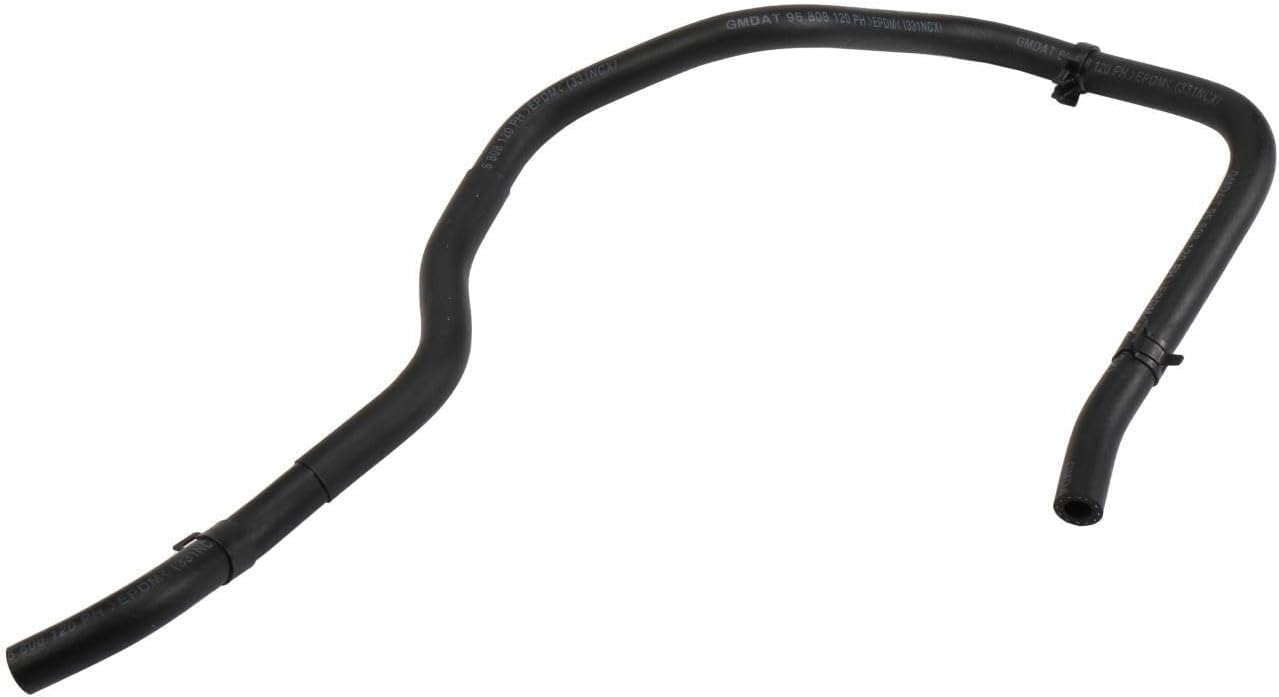
| Material Type | Rubber |
|---|---|
| Included Components | Engine Coolant Reservoir Hose |
| Manufacturer | GM Genuine Parts |
| Unit Count | 1 Count |
This GM Genuine Parts radiator surge tank hose is a direct-fit replacement intended to restore the coolant circulation path between the radiator and surge tank on compatible Chevrolet S-10 cooling systems. Made of molded rubber and supplied as a single engine coolant reservoir hose, it replicates factory form and attachment points so installation is straightforward for DIYers or techs using basic hand tools. The hose helps maintain correct coolant levels and temperatures by preventing leaks and pressure loss at the surge tank connection. Because it is a genuine GM part, it follows the same design and validation used in production, which reduces fitment guesswork and the chance of early failure from mismatched geometry. Limitations are typical of rubber hoses: it must be checked for age-related wear and swapped when softening or cracking appears, and it does not include clamps or additional hardware so you may need to reuse or purchase connectors separately.
Best for: Buyers who prioritize a reliable, factory-quality replacement that fits like the original and minimizes time spent verifying fitment and clearance during installation.
Less Ideal for: If you want a performance-upgraded hose with reinforced silicone construction or custom routing for modified engines, this standard rubber OE-style hose is not the best choice.
- Factory-designed fit reduces installation adjustments and alignment issues
- Molded rubber construction matches original routing for reliable coolant flow
- Supplied as a single direct-replacement part for straightforward DIY or shop installation
- Backed by GM engineering and validation for predictable performance
- Does not include clamps or extra hardware needed for installation
Verdict: Choose this GM Genuine Parts surge tank hose when you want a factory-matching replacement that simplifies installation and restores proper coolant circulation.
4. ACDelco Gold 20382S Molded Upper Radiator Hose

| Material Type | Reinforced Rubber |
|---|---|
| Item Length | 257 Millimeters |
| Brand Name | ACDelco |
The ACDelco Gold 20382S molded upper radiator hose is a factory-style replacement intended to restore coolant flow and sealing where the original upper hose has failed. It is typically used as a direct swap during routine cooling system repairs or when a cracked, leaking, or swollen hose is found. Built from reinforced rubber and produced to match fit, form, and function, this hose installs like a factory part and reduces guesswork during a repair. The reinforced construction improves resistance to heat and pressure compared with generic hoses, and being a molded piece helps ensure correct routing and fewer clamps in complex engine bays. Limitations include compatibility dependence on exact vehicle fitment and the usual lifespan constraints of rubber hoses that will require periodic inspection and replacement over years. There are no extra fittings or universal adaptors included, so expect a straightforward replacement rather than a modified upgrade.
Best for: Buyers who prioritize a reliable, factory-quality replacement to restore the cooling system with minimal fuss and correct fitment for GM vehicles.
Less Ideal for: Those seeking a universal or modified hose solution for custom engine swaps or performance cooling upgrades should look at specialty hoses and kits instead.
- Factory-style molded shape for correct routing and secure fit
- Reinforced rubber construction offers improved heat and pressure resistance
- Made to meet GM specifications for reliable fit, form, and function
- Service life limited by rubber aging so periodic replacement will be necessary
Verdict: Choose this ACDelco Gold molded upper radiator hose when you want a dependable, factory-quality replacement that installs like the original and restores proper cooling system function.
5. Gates 22719 Premium Molded Coolant Hose
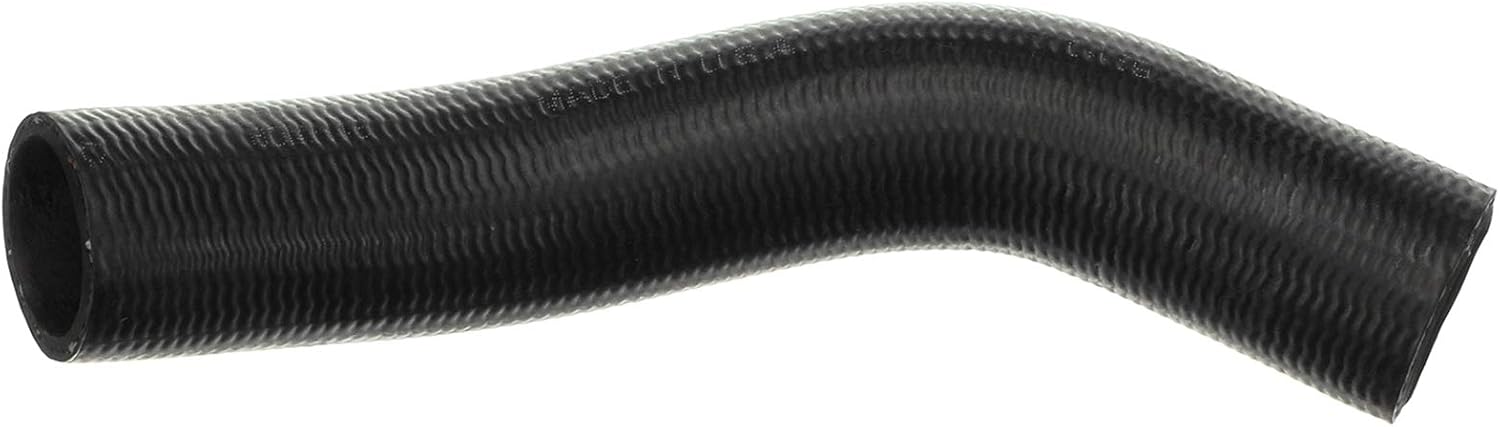
| Material Type | Epdm, Synthetic Fiber |
|---|---|
| Included Components | Premium Molded Coolant Hose |
| Meets Standards | SAE 20R4 class D2; DIN 73411 class A |
The Gates 22719 is a molded coolant hose intended as a direct replacement for factory radiator, heater, bypass, or other coolant connections. It comes pre-shaped to match the original routing, so installation is straightforward and you avoid the fiddling and trimming of universal hoses. Materials are engineered EPDM with synthetic fiber reinforcement and an EPDM cover, which Gates says resists vacuum collapse, ozone, heat, and chemical degradation that commonly cause hose failures. For everyday driving and routine engine temps this hose delivers a durable, factory-like fit that reduces the chance of leaks and premature swelling. It is best used when you want a like-for-like replacement and prefer reduced downtime versus searching for dealer parts. The hose meets SAE and DIN class requirements for coolant hoses, but keep in mind fit depends on exact vehicle application so confirm the part number for your S-10 before buying.
Best for: Buyers who want a reliable, factory-style replacement that minimizes installation time and reduces the risk of early hose failure, backed by many positive user reviews.
Less Ideal for: People looking for universal or adjustable hose solutions for custom plumbing or nonstandard engine modifications should consider other options.
- Pre-shaped molded design matches factory routing for easier installation
- EPDM construction with synthetic fiber reinforcement resists heat, ozone, and chemical coolant exposure
- Engineered to resist vacuum collapse and electrochemical degradation that cause hose failures
- Meets SAE 20R4 class D2 and DIN 73411 class A requirements for coolant hoses
- Requires confirmation of exact fitment for the vehicle since molded hoses are vehicle-specific
Verdict: Choose this Gates molded coolant hose when you want a factory-quality, pre-shaped replacement that reduces installation time and lowers the risk of coolant-hose failure.
Choosing the Right Chevrolet S-10 Radiator Hose: Key Factors to Consider
Fitment and Hose Routing
Correct fitment is the top priority when selecting a radiator hose for your Chevrolet S-10. Hoses must match the factory routing so they do not rub on other components, kink during engine movement, or stress connection points. Mismatched bends or lengths can cause tension at clamps and lead to leaks or premature failure.
When evaluating fitment, check inner diameters at both ends, overall length, and the location of any molded bends or molded connector bosses. For the S-10, confirm whether you need the upper hose, lower hose, or a set that includes heater hose connections. Proper routing reduces the chance of abrasion and makes installation faster.
Material and Heat Resistance
Radiator hose materials affect how well the hose tolerates heat cycles and coolant chemistry over time. High-quality EPDM rubber is commonly used because it resists ozone cracking, radiator coolant, and repeated temperature swings typical under the S-10 hood. Silicone hoses offer improved heat and pressure tolerance but can be stiffer and may require slight re-routing in tight S-10 spaces.
Consider the thermal range a hose is rated for and whether the material resists softening from oils or additives. Heat-resistant compounds help prevent premature swelling and collapse, which maintains coolant flow and prevents overheating.
Reinforcement and Durability
Reinforcement layers and internal braids increase a hose's resistance to collapse under vacuum and to bulging under pressure. For an S-10 that sees towing, hill driving, or frequent highway use, reinforcement matters because higher coolant system stresses can accelerate wear.
Look for hoses with multi-layer construction or textile braids that provide strength without sacrificing flexibility. Durable outer covers resist abrasion and surface chafing where hoses contact brackets or other engine components.
Clamp Compatibility and Connection Security
A hose is only as secure as its clamps and attachment method. Proper clamp compatibility matters: the hose must accept common worm-drive clamps or spring clamps at the radiator and water pump ends without slipping. Some hoses include molded beadings or ribbed ends that help hold clamps in place and improve sealing.
For the S-10, confirm that clamp access is achievable with hand tools and that clamp placement will not interfere with nearby components. Tight, well-placed clamps prevent coolant hose leaks and reduce the need for repeat adjustments.
Flexibility and Cold-Weather Performance
Flexibility affects both ease of installation and long-term thermal cycling performance. A hose that is too rigid can strain connection points, while one that is too soft may kink. Cold-weather flexibility is especially important if you operate your S-10 in low temperatures because brittle hoses crack more easily during winter starts.
Assess whether the hose maintains pliability across seasons and whether it can accommodate engine movement without binding. Manufacturers that specify cold-temperature ratings help you predict real-world performance.
Maintenance and Serviceability
Consider how easy it will be to inspect, replace, or re-clamp the hose in routine maintenance. Hoses that allow quick visual checks for soft spots, bulges, or seepage simplify preventive care. Choosing hoses with standard connector sizes and readily available clamps makes future service straightforward.
Also factor in whether the hose comes in a kit with necessary clamps or if you will need to source hardware separately. Standardized fittings reduce the chance of mix-ups during replacement.
Upper Versus Lower Radiator Hose: Which to Replace
Deciding whether to replace the upper hose, lower hose, or both depends on the age and condition of each component. The upper hose carries hot coolant from the engine to the radiator and often sees higher heat cycles, so check for surface cracking, soft spots, or hardening near the ends. The lower hose runs cooler but is subjected to vacuum and pressure changes that can cause collapse or internal delamination over time.
If one hose shows obvious deterioration, replacing just that hose can be acceptable. However, if the companion hose is original or shows similar age-related wear, installing both ensures consistent performance and minimizes repeat labor. For an S-10, visual inspection and squeeze tests reveal most common failures.
- Inspect both hoses at clamps, bends, and where they contact the engine.
- Replace both hoses if you plan to avoid another service within a few years.
- Consider replacing clamps at the same time for a secure seal.
Common Radiator Hose Symptoms and Diagnosing Leaks
Watch for common symptoms like visible coolant dripping, low coolant level without other obvious leaks, engine overheating, or a sweet smell in the engine bay. Hoses sometimes fail internally or develop small pinhole leaks that are easier to spot when the engine is warm and the system is under pressure.
Perform a pressure test or inspect hoses after a short drive when the engine is warm. Soft spots, bulging, or a spongy feel when squeezed usually indicate internal breakdown. Minor weeping at a clamp can often be remedied by tightening or re-positioning the clamp, but persistent seepage usually means the hose or the clamp seating area is compromised.
- Look for crusty coolant residue around hose connections.
- Squeeze hoses when cool to detect soft or overly hard sections.
- Use a coolant system pressure tester to find slow leaks.
Matching Radiator Hose Size and Fitment
Correct inner diameter, overall length, and bend profile are the basic size parameters to match. Measure from end to end along the hose path and note the diameters at each connection. Many S-10 hoses have unique bends that ensure clearance for brackets and accessory pulleys, so capturing the bend geometry matters as much as length.
Also confirm whether the hose requires molded fittings for heater lines or sensor ports. Recording part numbers from the old hose or referencing S-10-specific fitment guides simplifies ordering the right replacement and reduces the risk of returns or modification.
- Measure along the hose contour for accurate length.
- Note diameters at each hose end and any reducer sections.
- Compare bend angles to the factory routing to avoid kinks.
Tools and Tips for Installing Hoses on an S-10
Most hose replacements on the S-10 can be completed with common hand tools: screwdrivers, pliers for spring clamps, ratchet sets, and a drain pan for coolant. Work on a cool engine and relieve system pressure before loosening clamps. Support the vehicle securely if you need to access the lower hose from below.
When installing, ensure the hose seats fully over the barb or flange before setting the clamp. Tighten clamps incrementally and position them so they compress the sealing bead without cutting into the hose. After installation, refill the coolant to the correct level and burp the system per the S-10 procedures to remove trapped air.
- Always replace coolant with the correct type and concentration.
- Tighten clamps while the hose is in its relaxed, routed position.
- Check for leaks after a warm-up cycle and re-torque clamps if needed.
When to Consider Upgraded Materials
Some owners choose hoses with upgraded compounds for higher-temperature tolerance, greater abrasion resistance, or improved longevity. Silicone hoses resist heat and can last longer under severe service, but their greater stiffness can complicate routing in tight spaces. Reinforced hoses with textile braids better resist pressure and vacuum collapse when used for heavy towing or frequent high-load driving.
Balance the benefits of upgraded materials against installation complexity and compatibility. For typical S-10 owners who drive under normal conditions, high-quality EPDM hoses often provide the best balance of flexibility, cost, and longevity.
- Choose silicone for high-heat environments, understanding potential routing tradeoffs.
- Select reinforced hoses if you tow frequently or subject the cooling system to higher pressures.
- Verify upgraded hoses fit the OEM bend profiles before final purchase.
Maintenance Checklist After Replacement
After replacing radiator hoses, perform a short maintenance routine to ensure long-term reliability. Recheck clamp tightness after the first heat cycle, monitor coolant level over the next few drives, and inspect for signs of seepage or hose movement. Periodic visual checks every oil change help catch early deterioration.
Keep a record of replacement dates and any part numbers used so future maintenance is streamlined. Regular coolant changes per manufacturer recommendations also prolong hose life by reducing chemical degradation and buildup inside the system.
- Re-torque clamps after the initial drive cycle.
- Inspect hoses visually every 6 months or per service interval.
- Log replacement date and part identifiers for future service.
How We Chose the Best Chevrolet S-10 Radiator Hose
We prioritized objective, truck-specific criteria that matter most for Chevrolet S-10 owners replacing radiator hoses. First, fitment accuracy was critical: hoses had to match factory routing, connection diameters, and clamp locations for the S-10 to avoid leaks or installation hassle. Second, material and construction were evaluated for heat resistance, flexibility, and resistance to oil or coolant exposure, since heat-cycling and chemical contact drive premature failures. Third, abrasion and crush resistance were considered for hoses that route near components or across brackets. Fourth, we assessed mounting and installation friendliness, including whether standard clamps and common hand tools work and whether minor trimming or adapters are necessary. Fifth, longevity indicators such as multi-layer reinforcement, EPDM rubber quality, and resistance to hardening or swelling were weighed.We excluded hoses that required extensive modification, non-direct-fit universal types, or parts that lacked clear S-10-specific fitment information. Products without clear spec sheets for hose inner diameter, length, or bend geometry were also set aside. Our shortlist thus reflects hoses that combine accurate fitment, durable construction, and straightforward installation for Chevrolet S-10 owners.
Our full evaluation process is outlined in our review methodology.
FAQ
How often should I replace the radiator hoses on my Chevrolet S-10?
Hoses typically last many years, but inspect them at least annually. Replace sooner if you see cracking, soft spots, bulging, or coolant seepage. Many owners proactively replace hoses every 5 to 10 years depending on climate and usage.
Can I replace only the upper radiator hose instead of both on my S-10?
Yes, you can replace only the affected hose if the other one is in good condition. However, replacing both hoses at the same time reduces the chance of a second failure and avoids repeat labor.
What are the signs of a coolant hose leak versus a radiator leak?
Coolant hose leaks often produce localized wetness or crusty residue near clamps and connection points, and you may see drops underneath the hose path. A radiator leak usually shows seepage around the radiator core, fins, or tank seams. Pressure testing helps pinpoint the source when visual clues are unclear.
Do I need special clamps for replacement hoses on the S-10?
Standard worm-drive clamps or spring-style clamps are commonly used. Choose clamps sized appropriately for the hose outer diameter and position them over the hose bead or molded area for secure sealing. In some tight locations, low-profile clamps make access easier.
Will upgrading to silicone hoses improve cooling on my S-10?
Silicone hoses resist heat and can offer longer service life, but they do not inherently increase cooling capacity. Their main benefits are durability and heat tolerance. Stiffer silicone hoses may require careful routing to avoid kinks on the S-10.
How do I know the radiator hose size fitment for my S-10?
Measure the inner diameters at each connection, overall hose length along the routed contour, and note any reducer sections or molded bends. Cross-referencing those measurements with S-10-specific fitment listings ensures you get the correct replacement.
Final Verdict
When replacing radiator hoses on a Chevrolet S-10, prioritize accurate fitment, material durability, and secure clamp attachment to maintain reliable cooling. Inspect both upper and lower hoses for signs of heat damage, softening, or bulging, and consider replacing clamps during the service to ensure a long-lasting seal.Weigh the tradeoffs between flexible EPDM hoses for ease of installation and stiffer silicone or reinforced options for high-heat or heavy-duty use. Choosing the right hose and following proper installation and maintenance steps will minimize the risk of coolant leaks and overheating so you can keep your S-10 on the road with confidence.
