

Note: This article contains affiliate links. If you click on these links and make a purchase, I may earn a small commission at no extra cost to you. This helps support my research and content. Read my full affiliate disclosure here.
If you own a 2026 Ford Explorer, choosing the right oil filter matters for engine longevity, oil flow, and maintenance convenience. A proper oil filter traps contaminants, supports correct oil pressure, and helps protect turbochargers or direct-injection components found on modern Explorer engines.This guide covers the top shortlisted oil filters for the 2026 Ford Explorer and broadly for 2020-present Explorer models, focusing on filtration efficiency, construction quality, and correct fitment. Use this overview to understand the practical differences between filter types and maintenance implications before you pick a replacement. Next you'll find the top options and what to consider when replacing the filter yourself or scheduling service.
Looking for other parts? See all Ford Explorer parts & accessories.
Top Picks at a Glance
| Best Overall The best all-around choice for most situations | Motorcraft FL2062A Oil Filter |  |
| Best Value The sweet spot between price and what you get | A-Premium Spin-On Oil Filter (Semi-Synthetic Media, PH3614 Fitment) |  |
| Best Budget The cheapest option that still gets the job done reliably | PurolatorTECH TL22500 Spin-On Oil Filter |  |
| Highest Rated A top-rated pick with lots of positive feedback | Purolator PL22500 PurolatorONE Spin-On Oil Filter |  |
| Most Popular A crowd favorite that many people choose with confidence | Motorcraft FL-1-A Engine Oil Filter (Replacement) |  |
| Best Seller A high-volume bestseller chosen again and again | K&N Premium Oil Filter HP-7037 | 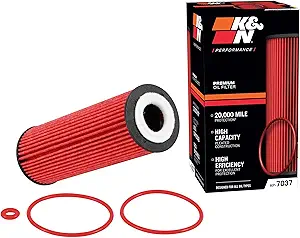 |
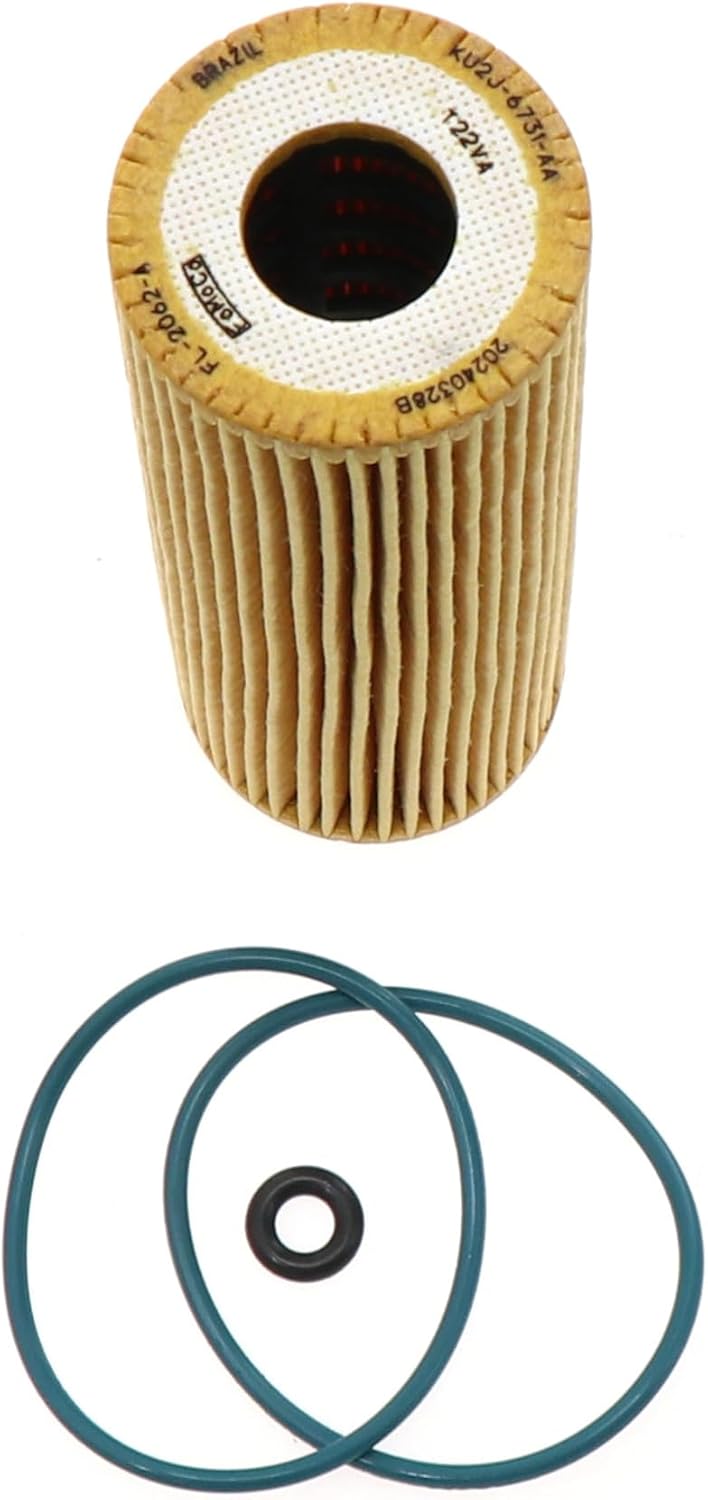
1. Motorcraft FL2062A Oil Filter
| Thread Size | 3/4-16 NC |
|---|---|
| Product Grade | Performance Part |
| Compatible with Vehicle Type | Car |
| Material Type | Fiberglass, Synthetic Fibers |
The Motorcraft FL2062A is a single-canister engine oil filter built as a vehicle-specific replacement for compatible Ford and Lincoln cars. It uses fiberglass and synthetic fiber media to trap contaminants while maintaining oil flow and installs with the standard 3/4-16 NC threaded base for a straightforward swap during routine oil changes. In practice the filter is meant for owners who prefer factory-compatible parts that match original fit and function and it performs like a basic performance-grade replacement rather than a heavy-duty aftermarket option. The compact canister and common thread size make it easy to handle and install in tight engine bays, and the Motorcraft brand backing provides confidence in fitment and material choices. Limitations are that this is a single, vehicle-specific part number so buyers must confirm fit for their exact Explorer year and engine, and it does not advertise extended-life or premium multi-layer media found on some high-end filters.
Best for: Buyers who want a straightforward, factory-compatible replacement that preserves original fit and filtration without moving to specialty long-life or performance filters.
Less Ideal for: Drivers seeking extended-life filters or heavy-duty high-flow options for modified engines should look at premium aftermarket alternatives.
- Factory-compatible fit and thread standard for easy installation
- Fiberglass and synthetic fiber media for effective contaminant capture
- Compact canister suits tight engine bays
- Made by Motorcraft, engineered alongside Ford and Lincoln models
- Not marketed as extended-life or premium multi-layer filter
Verdict: Choose the Motorcraft FL2062A if you want a reliable, factory-quality oil filter that fits Ford vehicles and keeps maintenance simple.
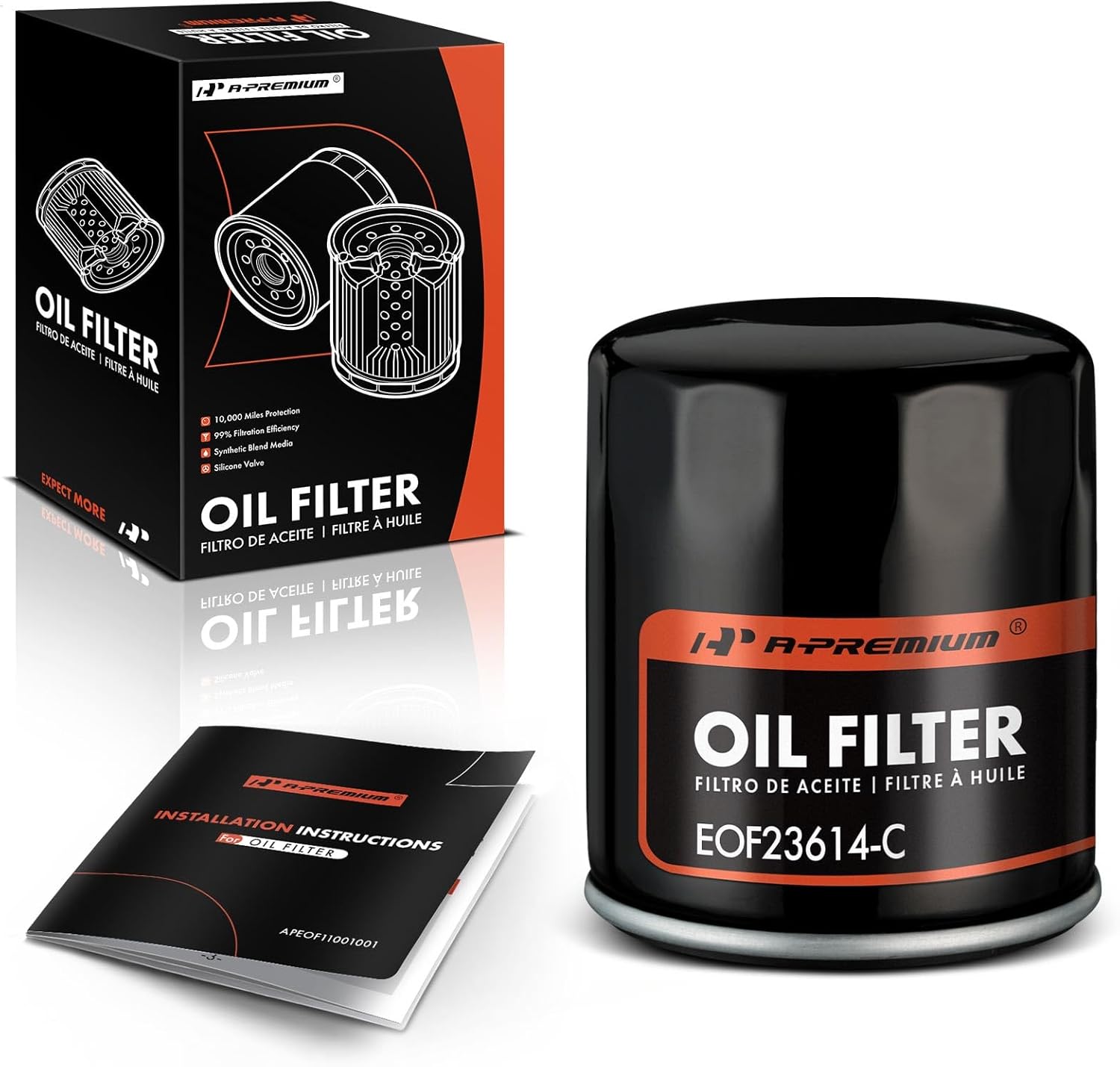
2. A-Premium Spin-On Oil Filter (Semi-Synthetic Media, PH3614 Fitment)
| Filter Media Material | Semi-Synthetic |
|---|---|
| Filter Type | Spin-On Canister |
| Thread Size | 3/4-16 |
| Anti-Drain Back Valve | Yes |
| Bypass Relief Valve | Yes |
This A-Premium spin-on oil filter is a budget-oriented replacement built around semi-synthetic filter media and a standard 3/4-16 thread for vehicles matching the PH3614 family. It installs like a typical screw-on filter and includes an anti-drain back valve to reduce dry starts and a bypass relief valve to maintain oil flow if the element restricts. The filter’s compact canister and common gasket dimensions make it easy to swap during routine maintenance and compatible with many engines that accept this reference. Practical benefits include factory-style fitment, straightforward installation with basic tools, and filter media intended to balance particle capture with flow for typical oil change intervals. Limitations are that it is a general aftermarket unit rather than a factory-branded part and it does not list a guaranteed mileage performance beyond standard expectations, so users preferring extended-interval or performance filters may want higher-spec options. For someone maintaining a Ford Explorer that requires a PH3614-style spin-on filter, this offers a value-focused, serviceable replacement.
Best for: A practical owner who prioritizes reliable, cost-effective routine maintenance and wants an easy-to-install, factory-compatible spin-on replacement for scheduled oil changes.
Less Ideal for: Not suited for owners seeking extended-interval, high-performance, or heavy-duty filtration solutions where a premium or specialized filter is required.
- Semi-synthetic filter media for balanced particle capture and flow
- Includes anti-drain back valve to reduce oil starvation at startup
- Bypass relief valve helps maintain oil circulation if the element becomes restricted
- Standard 3/4-16 thread and common gasket sizes for straightforward fitment
- No stated extended mileage rating or manufacturer performance guarantee
Verdict: A practical, budget-friendly spin-on replacement that provides factory-style fitment and standard filtration features for routine oil changes.
3. PurolatorTECH TL22500 Spin-On Oil Filter

| Thread Size | M22x1.5-6H |
|---|---|
| Product Grade | Performance Part |
| Compatible with Vehicle Type | Car, Truck |
| OEM Equivalent Part Number | 89017525 MO-231 T500 AA5Z6714A 19330000 19330001 |
The PurolatorTECH TL22500 is a spin-on oil filter built for routine oil changes and long-term engine protection. It filters out fine particles with a claimed high dirt-holding capacity and includes an anti-drainback valve to maintain oil in the filter between runs, reducing start-up wear. The metal construction and reinforced internal parts make it robust enough for highway driving and heavier duty use, while the rubber gasket and hand-friendly casing let you install it without special tools during DIY maintenance. For a budget-focused buyer, this filter delivers factory-quality fitment and covers many vehicles, including the 2011–2023 Ford Explorer in the article scope, so you can buy with confidence that it will thread and seal correctly. The product is vehicle-specific rather than universal, so confirm fitment before purchasing. It is positioned as a performance-grade aftermarket option that balances durability and cost, but it is not a specialty extended-life or racing filter.
Best for: Buyers who prioritize reliable, factory-quality replacement parts at a lower cost and want a straightforward filter that is easy to install during routine oil changes.
Less Ideal for: Drivers seeking specialty filters for race use or significantly extended oil change intervals should consider purpose-built high-performance or long-life alternatives.
- Anti-drainback valve prevents dry starts and protects the engine at startup
- Sturdy metal end caps and reinforced internals for solid structural integrity
- Hand-tightenable design and strong rubber gasket make DIY installation easy and leak-resistant
- Covers a wide range of vehicle applications including compatible Ford Explorer model years
- Not marketed as an extended-life or high-mileage specialty filter
Verdict: A cost-conscious, robust spin-on filter that delivers reliable engine protection and easy DIY installation for compatible Ford Explorer model years.
4. Purolator PL22500 PurolatorONE Spin-On Oil Filter

| Thread Size | M22x1.5-6H |
|---|---|
| Material | Silicone (valve/gasket) |
The PurolatorONE PL22500 is a spin-on oil filter built to keep engines clean through extended service intervals when paired with full synthetic oil. It uses high-density synthetic-blend filter media and claims up to 99% dirt removal efficiency, plus expanded dirt-holding capacity so it can run longer between changes. Practical features include a silicone anti-drainback valve to prevent dry starts after sitting and a PTFE-treated gasket for a heat-resistant, leak-resistant seal. Metal end caps and a reinforced center tube improve structural durability under heavy use such as towing or stop-and-go driving. For a Ford Explorer within the compatible year range, this filter is typically installed during routine oil changes and aims to protect oil passages and prolong engine life. The main limitations are that claimed mileage intervals depend on using full synthetic oil and following manufacturer service schedules, and fitment must be verified for the specific Explorer year and engine variant before purchase.
Best for: Buyers who prioritize long-term engine protection and want a durable filter that supports extended oil-change intervals when using full synthetic oil in a compatible Explorer.
Less Ideal for: Drivers who prefer strictly factory-recommended short oil-change intervals or who are unsure about exact year and engine fitment should consider other options or verify compatibility before buying.
- High-density synthetic-blend media for improved particle capture
- Silicone anti-drainback valve prevents dry starts after extended downtime
- PTFE-treated gasket offers heat-resistant, leak-resistant sealing
- Wear-resistant metal end caps and reinforced center tube for structural durability
- Extended 15,000-mile protection is conditional on using full synthetic oil and following service intervals
Verdict: Choose the PL22500 if you want a durable, high-efficiency filter aimed at extending protection between oil changes for compatible Explorers when running full synthetic oil.
5. Motorcraft FL-1-A Engine Oil Filter (Replacement)

| Thread Size | 1/2"-18 UNF |
|---|---|
| Material | Enhanced Cellulose |
| Manufacturer Part Number | FL1A |
| Vehicle Service Type | Car, Sports Utility Vehicle, Truck, Van |
The Motorcraft FL-1-A is a direct-fit replacement oil filter built to Ford-recommended standards for select Ford, Lincoln and Mercury vehicles. It installs like a factory part and is typically used at routine oil changes to capture dirt, metal particles, and other abrasives before they circulate through the engine. Notable features include reinforced steel casing with removal flutings, pressure-relief and silicone anti-drain back valves, and enhanced cellulose filter media that increases dirt-holding capacity. In practice this means reliable oil pressure during cold starts, reduced risk of dry starts from oil drainback, and straightforward removal during service. The filter is vehicle-specific so fit and sealing are predictable, but the media is cellulose-based rather than synthetic so it may reach capacity sooner under extreme or extended-interval use. For drivers who prefer factory-style replacements for a 2026 Ford Explorer, this part offers dependable, OEM-aligned protection with simple installation and long-standing fitment history.
Best for: Buyers who prioritize factory-matching parts and proven reliability for routine maintenance on their Ford-family vehicle and who value social proof from established brand recommendations.
Less Ideal for: Drivers planning very long oil-change intervals, high-performance tuning, or heavy-duty extended-service use should consider premium synthetic-media filters instead.
- Factory-replacement fit and construction for predictable sealing and installation
- Silicone anti-drain back valve preserves oil in the filter for immediate oil pressure at startup
- Pressure-relief valve helps maintain oil supply if the filter becomes clogged or in cold conditions
- Steel casing with flutings eases removal during service
- Enhanced cellulose media offers good dirt-holding capability for standard service intervals
- Cellulose media is not as durable as premium synthetic media for extended oil-change intervals
Verdict: Choose the Motorcraft FL-1-A when you want a factory-aligned, easy-to-install oil filter that preserves oil at startup and matches Ford-recommended fitment.
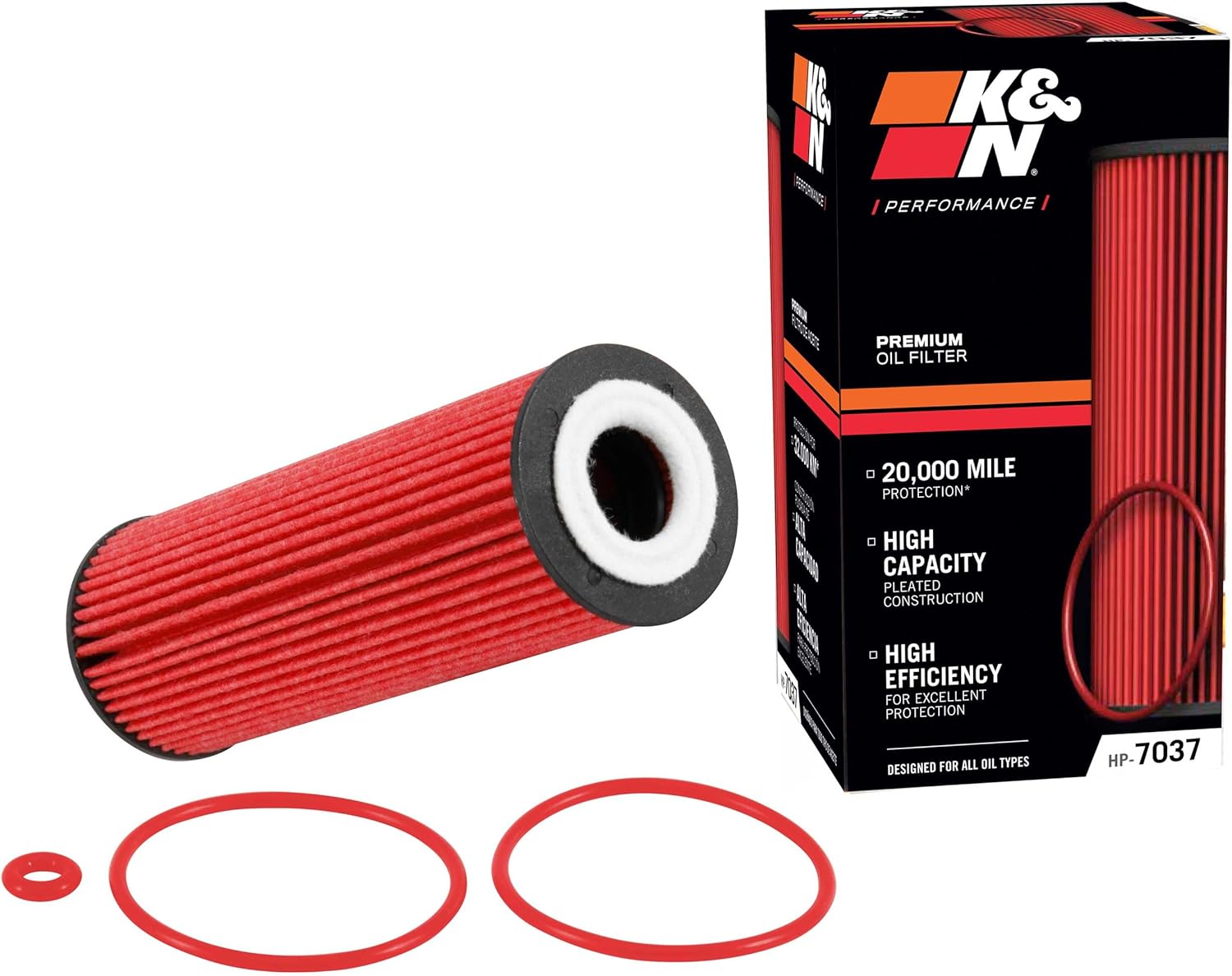
6. K&N Premium Oil Filter HP-7037
| Thread Size | M16 x 1.5 |
|---|---|
| Material Type | Resin |
| Product Grade | Performance Part |
| Included Components | Oil Filter |
The K&N HP-7037 is a performance-grade, vehicle-specific spin-on oil filter built to provide high flow and extended protection up to 20,000 miles when used per manufacturer guidance. It uses pleated synthetic-blend media to capture contaminants while maintaining consistent oil flow, and a heavy-duty canister with a welded one-inch hex nut makes wrench-off removal straightforward during service. The filter is compatible with conventional, synthetic, and blended oils and is engineered for quick installation with precise fitment for supported Ford vehicles. Practical benefits include strong burst strength in lab testing, high dirt-holding capacity for longer intervals, and a robust shell that resists deformation. Limitations are that extended interval claims depend on oil type, driving conditions, and following maintenance schedules, and some drivers who prefer very frequent changes may not need the extended-capability design.
Best for: Buyers who prioritize reliable factory-quality replacement filters and prefer longer service intervals backed by tested construction and straightforward fitment.
Less Ideal for: Drivers who perform very frequent oil changes by preference or those who prefer basic economy filters purely to save upfront cost.
- High flow rate design that supports consistent oil circulation to the engine
- Pleated synthetic-blend filtration media for effective contaminant capture
- Heavy-duty canister and welded hex nut for easier, reliable removal
- Compatible with conventional, synthetic, and blended motor oils
- Extended 20,000-mile protection depends on oil type and real-world driving conditions
Verdict: Choose the K&N HP-7037 if you want a durable, high-flow replacement filter engineered for extended service intervals and easy, dependable installation.
Choosing the Right 2026 Ford Explorer Oil Filter: Key Factors to Consider
Filtration Efficiency and Media Type
Filtration efficiency determines how well a filter removes microscopic particles that cause engine wear. For the 2026 Ford Explorer, look for media rated to capture fine particulates while maintaining sufficient flow. Synthetic media typically offers finer filtration and higher dirt-holding capacity than basic cellulose, which helps protect modern engines with tighter tolerances.
Media construction also affects pressure drop across the filter. A well-designed synthetic or blended media balances trapping small contaminants with low restriction, ensuring the oil pump does not have to work harder during cold starts or high-load operation. Pay attention to stated micron ratings and whether the filter uses layered media to combine depth filtration with surface capture.
Compatibility and Fitment
Correct fitment is critical for sealing and proper oil flow. Use filters specified for 2020-present Ford Explorer applications to avoid thread pitch, gasket diameter, or height mismatches. Improper fit can cause leaks, cross-threading, or interference with the oil cooler or mounting bracket found on some Explorer engine variants.
Verify the filter's gasket material and outer diameter against the vehicle's housing. Some filters list multiple compatible engines; confirm that the part covers the 2026 Explorer engine variant in your vehicle. Fitment also influences where the drain-back valve sits, which matters for oil pressure on startup.
Bypass Valve and Cold-Start Performance
A bypass valve allows oil to flow around the media if it becomes clogged or during cold starts when oil is thick. For the 2026 Ford Explorer, reliable bypass operation prevents oil starvation during extreme cold or when the filter is loaded late in its service life. Ensure the bypass opens at an appropriate pressure level to protect the engine without allowing unfiltered oil flow during normal operation.
Valve construction and spring tension affect responsiveness. Filters with poorly tuned bypass valves can either open too early, passing unfiltered oil, or stay closed too long, risking low pressure. Look for filters designed for modern synthetic oils and the Explorer's typical operating temperatures.
Gasket Quality and Sealing
The gasket creates the oil-tight seal between the filter and the engine. For Ford Explorer applications, the gasket must resist oil swell and compression set across temperature cycles to prevent leaks. High-quality nitrile or silicone gaskets provide better sealing life and are less likely to cause oil seepage at the filter base.
Pay attention to whether the gasket is pre-lubricated and how it behaves with synthetic oils. A flat, correctly sized gasket reduces the chance of over-tightening damage and helps ensure consistent torque when installing the filter during routine oil service.
Construction and Canister Strength
The canister or housing must withstand installation torque and road vibration without deforming. Stronger housings resist dents and maintain a secure seal under the hood. For spin-on filters, a solid metal canister with consistent welds and a good finish reduces the likelihood of rust and structural failure over time.
Canister strength matters if you plan to use larger service intervals or operate in harsher environments. A flimsy housing can collapse slightly under vacuum or pressure spikes, which compromises filtration, so choose construction rated for automotive service conditions.
Maintenance Interval and Serviceability
Consider how long you intend to run between oil changes. Filters compatible with synthetic oil service intervals let you extend drain intervals without sacrificing protection. Also evaluate how easy the filter is to remove and install in the Explorer's engine bay, particularly if space is tight or access requires a lift.
Serviceability also includes whether replacement gaskets are integrated and how readily a filter can be hand-tightened or requires a strap wrench. Choosing a filter that balances longer life with practical removal reduces the risk of installation errors or damage during routine maintenance.
Spin-On Versus Cartridge Styles
The 2026 Ford Explorer and 2020-present models may use either spin-on or cartridge-style filters depending on engine variant and service design. Spin-on filters are self-contained canisters that screw onto a mounting boss and are straightforward to replace. Cartridge styles place the media inside a permanent housing on the engine and require replacing the internal element and sometimes the cap gasket.
Each style has service implications. Spin-on filters simplify disposal and replacement while cartridge systems reduce waste and can allow larger media capacity within the housing. Confirm which style your Explorer uses before purchasing to ensure compatibility and to understand how the change affects service time and tool needs.
- Spin-on: simple swap, integrated canister, easier for DIY
- Cartridge: less waste, larger media possible, may need cap gasket replacement
- Verify engine-specific mounting style for correct purchase
Synthetic Media and Extended Drain Intervals
Synthetic media filters perform well with synthetic engine oils that many Explorer owners use for extended drain intervals. These media types trap finer particles and hold more contaminants without significant pressure drop, making them suitable for longer service periods.
If you plan to run extended intervals, choose a filter whose dirt-holding capacity and bypass behavior are proven under synthetic-oil conditions. Regular oil analysis or following Ford's service recommendations will help determine a safe interval for your driving pattern and engine condition.
- Synthetic media supports longer intervals when paired with appropriate oil
- Check manufacturer guidance and vehicle service schedule before extending intervals
Dealing with Gasket Leaks and Proper Torque
Oil filter gasket leaks are usually caused by incorrect installation, a damaged gasket, or a poor seal between the filter and housing. For the Explorer, ensure the mating surface is clean and the old gasket fully removed if using a spin-on filter. Lubricate the new gasket lightly and hand-tighten to the recommended torque or specified turns.
Avoid over-tightening which can distort the gasket or housing threads, and under-tightening which can cause seepage. If a leak appears after installation, check for gasket seating, cross-threading, or a damaged sealing surface and re-install as needed.
- Clean mating surface and remove old gasket residue
- Lightly oil new gasket and tighten to specified turns
- Inspect for damage if leaks persist after installation
Choosing the Right Size and Thread for Fit
Although filters may look similar, thread pitch, gasket diameter, and overall height vary. Select a filter confirmed for 2020-present Ford Explorer fitment to ensure the correct size and thread engagement. Incorrect sizing can prevent full sealing or cause interference with other engine components.
When buying, compare the physical dimensions against the vehicle's service manual or parts reference. Proper thread engagement and gasket contact area are key to reliable installation and long-term sealing performance.
- Match thread pitch and gasket diameter to the Explorer's filter housing
- Check overall height to avoid interference in crowded engine bays
Filter Replacement Frequency and Maintenance Tips
Follow Ford's recommended service intervals for oil and filter changes, adjusting for severe driving conditions such as frequent towing, heavy idling, or extreme temperatures. Many owners using high-quality synthetic oil and compatible filters can extend intervals within manufacturer limits, but routine inspection remains important.
Keep records of service intervals and note any oil appearance changes or consumption. When changing the filter, inspect the old filter for excessive metal or debris which can indicate engine wear and prompt a service inspection.
- Use manufacturer intervals as baseline and adjust for severe use
- Check old filter contents for abnormal contamination
Still looking for the perfect fit?
Select your Ford Explorer configuration to see the most relevant Oil Filters recommendations
How We Chose the Best 2026 Ford Explorer Oil Filter
We selected filters based on performance attributes that matter specifically for 2026 Ford Explorer engines and the broader 2020-present Explorer range. Our evaluation prioritized filtration efficiency and media quality to reduce abrasive wear, along with flow characteristics to maintain correct oil pressure across typical operating temperatures and service intervals. Fitment and sealing integrity were essential filters: correct gasket design and thread engagement reduce leak and cross-thread risk on the Explorer's oil filter housing.Construction durability and bypass valve reliability were included because late-model Explorers can run higher oil temperatures and may require a dependable bypass under cold-start or clogged-media conditions. We also assessed element type and capacity, emphasizing options that balance contaminant-holding capacity with minimal restriction. Maintenance factors such as ease of removal for spin-on designs and compatibility with synthetic-oil service intervals influenced selection.Excluded from consideration were filters lacking clear fitment data for 2020-present Explorer vehicles, filters with known integrity issues, and products intended for other engine families. The final picks reflect practical tradeoffs between longevity, engine protection, and serviceability for Explorer owners.
Our full evaluation process is outlined in our review methodology.
FAQ
How often should I replace the oil filter on a 2026 Ford Explorer?
Replacement frequency depends on oil type and driving conditions. Follow Ford's recommended intervals as a baseline; many owners change the filter at each oil change, while others using synthetic oil may extend intervals within manufacturer guidance.
Can I switch to a synthetic media oil filter for my Explorer?
Yes, synthetic media filters are compatible with modern oils and can offer finer filtration and greater dirt capacity. Ensure the filter is specified for 2020-present Ford Explorer fitment and that you adhere to appropriate service intervals.
What should I do if I find an oil filter gasket leak after installation?
If you see a leak, stop the engine and check the filter seating. Clean the mating surface, confirm the gasket is properly seated and undamaged, and re-install the filter to the correct torque specification. If the leak continues, inspect for cross-threading or housing damage.
Are spin-on filters easier to install on the Explorer than cartridge types?
Spin-on filters are generally simpler for quick DIY service because they are self-contained and screw onto a mounting boss. Cartridge filters may require replacing the element and a separate cap gasket, which can take slightly more time and care during installation.
Does the oil filter type affect oil pressure in the 2026 Explorer?
Filter media and bypass valve characteristics influence pressure drop across the filter. A properly sized filter with a correctly functioning bypass will maintain normal oil pressure. Excessive restriction or a sticking bypass can affect pressure and should be addressed.
How can I check whether a replacement filter fits my Explorer engine variant?
Use the vehicle's VIN or consult the 2026 Ford Explorer parts reference to confirm thread size, gasket diameter, and style. Many manufacturers list fitment by model year and engine; verify that the part explicitly covers 2020-present Explorer applications.
Final Verdict
For the 2026 Ford Explorer, prioritize filters that match the vehicle's specified fitment, offer robust media performance, and feature a reliable gasket and bypass design. These elements together determine how well the filter protects the engine under everyday driving and more demanding conditions.Balance your desire for longer drain intervals with the engine's operating demands. Choosing a high-quality filter that fits correctly and matches your oil type gives the best chance of consistent protection and trouble-free service life for Explorer owners.
Explore More:
- Check out all Ford Explorer parts & accessories
- Explore Oil Filters Maintenance & Repair Guides
- Explore Engine
- Browse all Auto Parts
