

Note: This article contains affiliate links. If you click on these links and make a purchase, I may earn a small commission at no extra cost to you. This helps support my research and content. Read my full affiliate disclosure here.
If you own a 2006-2010 Ford Explorer, choosing the right oil filter matters for engine longevity and dependable performance. The wrong filter can allow contaminants through or cause fitment problems that lead to leaks and oil pressure issues. This guide looks at a short list of top options selected for their filtration efficiency, sealing reliability, and compatibility with this Explorer generation and its common engine variants.We shortlisted seven oil filters that meet practical criteria for owners who do regular oil changes or switch to synthetic oil. Below you will find the factors we used to evaluate them and guidance on installation, maintenance interval considerations, and common fitment pitfalls.
Looking for other parts? See all Ford Explorer parts & accessories.
Top Picks at a Glance
| Best Quality Built to a higher standard if you want something more solid | K&N Premium Oil Filter HP-2010 |  |
| Best Budget The cheapest option that still gets the job done reliably | ECOGARD X4651 Premium Spin-On Engine Oil Filter |  |
| Highest Rated A top-rated pick with lots of positive feedback | WIX 51372 Premium Spin-On Oil Filter |  |
| Most Popular A crowd favorite that many people choose with confidence | WIX 51372XP XP Series Spin-On Oil Filter |  |
| Best Seller A high-volume bestseller chosen again and again | Motorcraft FL-820-S Oil Filter |  |
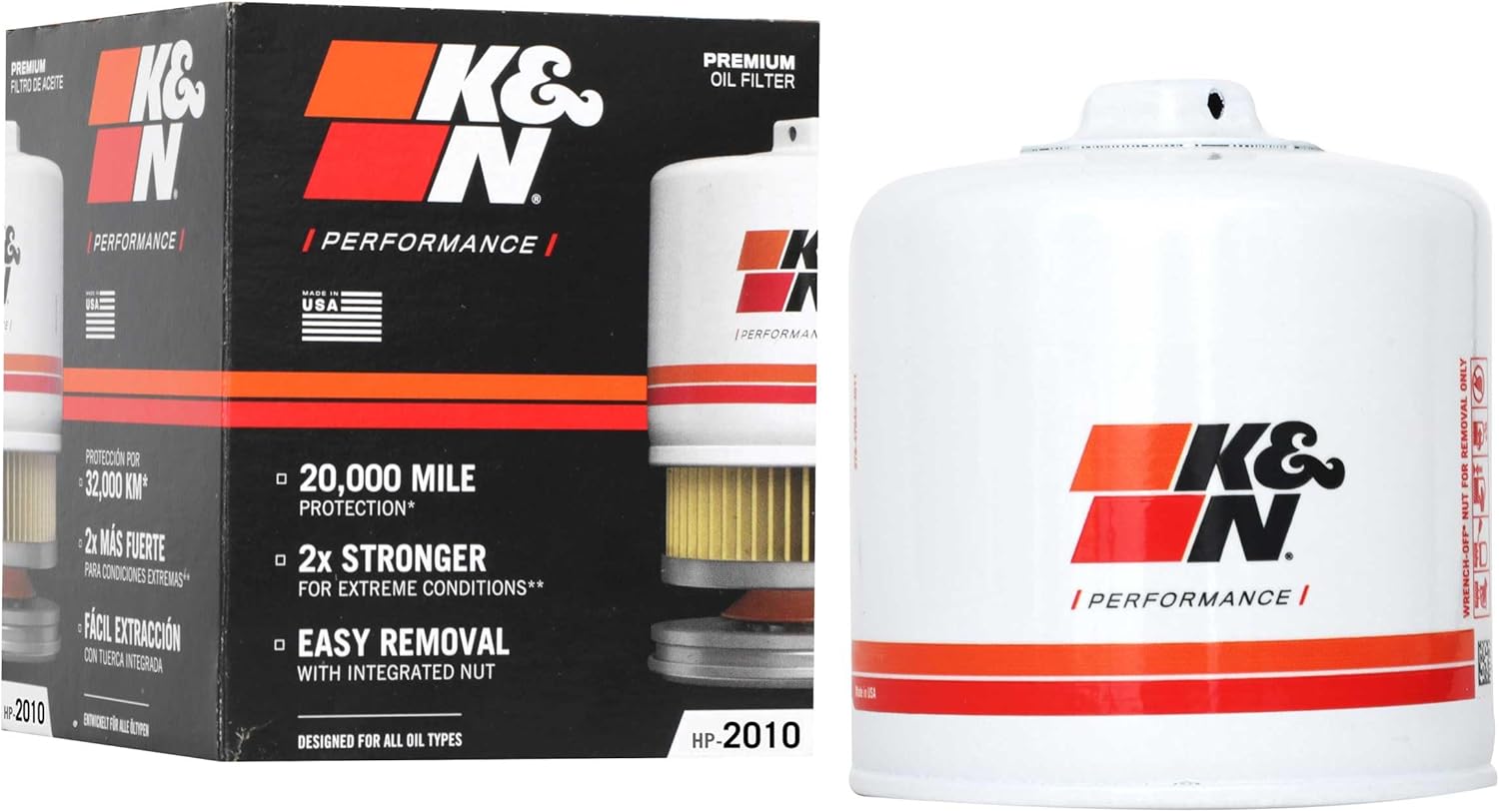
1. K&N Premium Oil Filter HP-2010
| Thread Size | M22 X 1.5 |
|---|---|
| Outside Diameter | 3.66 Inches |
| Material | steel |
| Product Grade | Performance Part |
| Automotive Fit Type | Vehicle Specific Fit |
The K&N Premium Oil Filter HP-2010 is a high-capacity spin-on filter built for performance use where extended intervals and strong flow matter. It uses pleated synthetic-blend media to capture contaminants while maintaining a consistent oil flow, and the machined steel canister and welded hex nut make it sturdy and simple to remove during service. The filter is engineered and lab-tested for burst strength and durability so it stands up to demanding driving conditions and higher stress on the oiling system. For drivers who run synthetic or blended oils and want longer intervals between changes, this filter supports up to 20,000-mile service claims when used with appropriate oil and maintenance habits. The main trade-offs are its focus on capacity and flow rather than ultra-fine filtration down to microscopic particles, and its larger canister means it is bulkier than basic economy filters, which can make access in tight engine bays slightly more fiddly.
Best for: Drivers focused on performance and longer oil change intervals who use synthetic or blended oils and want a rugged filter that supports higher flow and durability during demanding driving.
Less Ideal for: Drivers who prioritize lowest-cost disposable filters or who prefer the absolute finest micron filtration for extreme longevity before engine overhaul.
- High flow design supports consistent oil delivery under performance driving
- Pleated synthetic-blend media for improved contaminant capacity over basic paper elements
- Durable machined steel canister with welded hex nut for easier removal
- Engineered and lab-tested for burst strength and extended service intervals
- Manufacturer service interval claim requires compatible oil and disciplined maintenance to realize the full life
Verdict: Choose this K&N filter if you want a high-flow, durable replacement that supports extended service intervals for performance-oriented use in the specified Explorer years.
2. ECOGARD X4651 Premium Spin-On Engine Oil Filter

| Manufacturer Part Number | X4651 |
|---|---|
| Thread Size | L14x1.5 |
| Material Type | Steel |
| Product Grade | Replacement Part |
| Compatible with Vehicle Type | Car |
The ECOGARD X4651 is a spin-on engine oil filter built to match factory replacement fit and filter performance for a range of Ford V6 and V8 engines, including mid-2000s Explorers. It installs like a standard screw-on filter and is intended for DIY oil changes using either conventional or synthetic oil. The filter uses steel end caps, a double-fluted center tube, and efficient media that the maker says removes over 97% of contaminants, which helps reduce abrasive wear and extend engine life between changes. Its vehicle-specific design and common thread size make installation straightforward, and the unit count and compact size are convenient for keeping a spare on hand. Limitations are that this is a conventional spin-on cartridge rather than a cartridge-style filter used on some modern engines, and claimed filtration percentages and service intervals reflect the manufacturer's testing rather than independent lab verification.
Best for: Buyers looking for an affordable, ready-to-install replacement filter that matches factory fit and lets them do routine oil changes themselves on a 2006–2010 Ford Explorer.
Less Ideal for: Drivers seeking premium aftermarket filtration verified by independent lab data or owners of vehicles that require a cartridge-style filter should consider alternate options.
- Vehicle-specific fit for many Ford models including 2006–2010 Explorers
- Designed to work with both synthetic and conventional oils
- Steel end caps and double-fluted center tube for durable construction
- Claims to capture over 97% of contaminants to help protect the engine
- Manufacturer claims on filtration and service interval are not independently verified
Verdict: A budget-friendly, factory-fit spin-on filter that gives straightforward DIY replacement and claimed high contaminant capture for mid-2000s Ford Explorers.
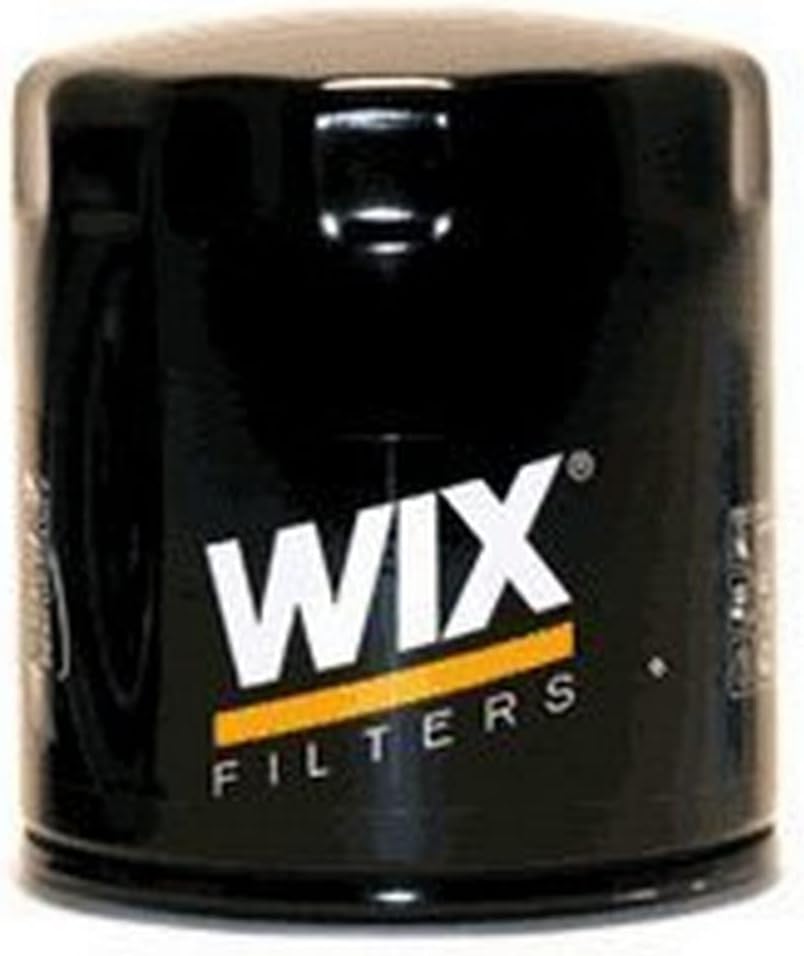
3. WIX 51372 Premium Spin-On Oil Filter
| Manufacturer Part Number | 51372 |
|---|---|
| Thread Size | 22X1.5 MM |
| Included Components | WIX Spin-On Lube Filter |
| Compatible with Vehicle Type | Car |
The WIX 51372 is a spin-on premium oil filter built to trap contaminants and maintain oil flow under demanding conditions. It uses a synthetic-blended media with high particle retention and increased dirt-holding capacity, so it is typically used during routine oil changes with synthetic or high-mileage oils. The silicone anti-drainback valve prevents oil from draining out of the filter when the engine is off, reducing dry-start wear. Installation is the same as a standard spin-on filter and the thread size and fitment make it compatible with the intended Ford Explorer model years covered by this article. Practical benefits include strong filtration performance for stop-and-go driving, towing, and dusty conditions, and a high-capacity element that extends service intervals compared with basic filters. Limitations are that fit is universal rather than vehicle-specific and the filter uses paper-based media blended with synthetics, so users seeking specialty materials or a manufacturer-specific part number may prefer other options.
Best for: Drivers prioritizing dependable engine protection for daily driving, towing, or dusty conditions who want a robust, high-capacity filter for use with synthetic or high-mileage oil.
Less Ideal for: Buyers who require an exact factory-replacement part number from the vehicle manufacturer or those wanting a specialty filter media beyond a synthetic-blend should consider alternatives.
- Synthetic-blended media captures up to 99% of contaminants according to manufacturer claims
- High dirt-holding capacity supports longer intervals between changes compared with basic filters
- Silicone anti-drainback valve prevents dry starts and reduces engine wear at startup
- Designed for synthetic and high-mileage oils so it works with modern oil formulations
- Listed as a universal fit rather than a vehicle-specific OEM replacement which may require confirming thread and clearance before purchase
Verdict: Choose the WIX 51372 when you want a durable, high-capacity spin-on filter that prioritizes reliable filtration and anti-drainback protection for demanding driving conditions.
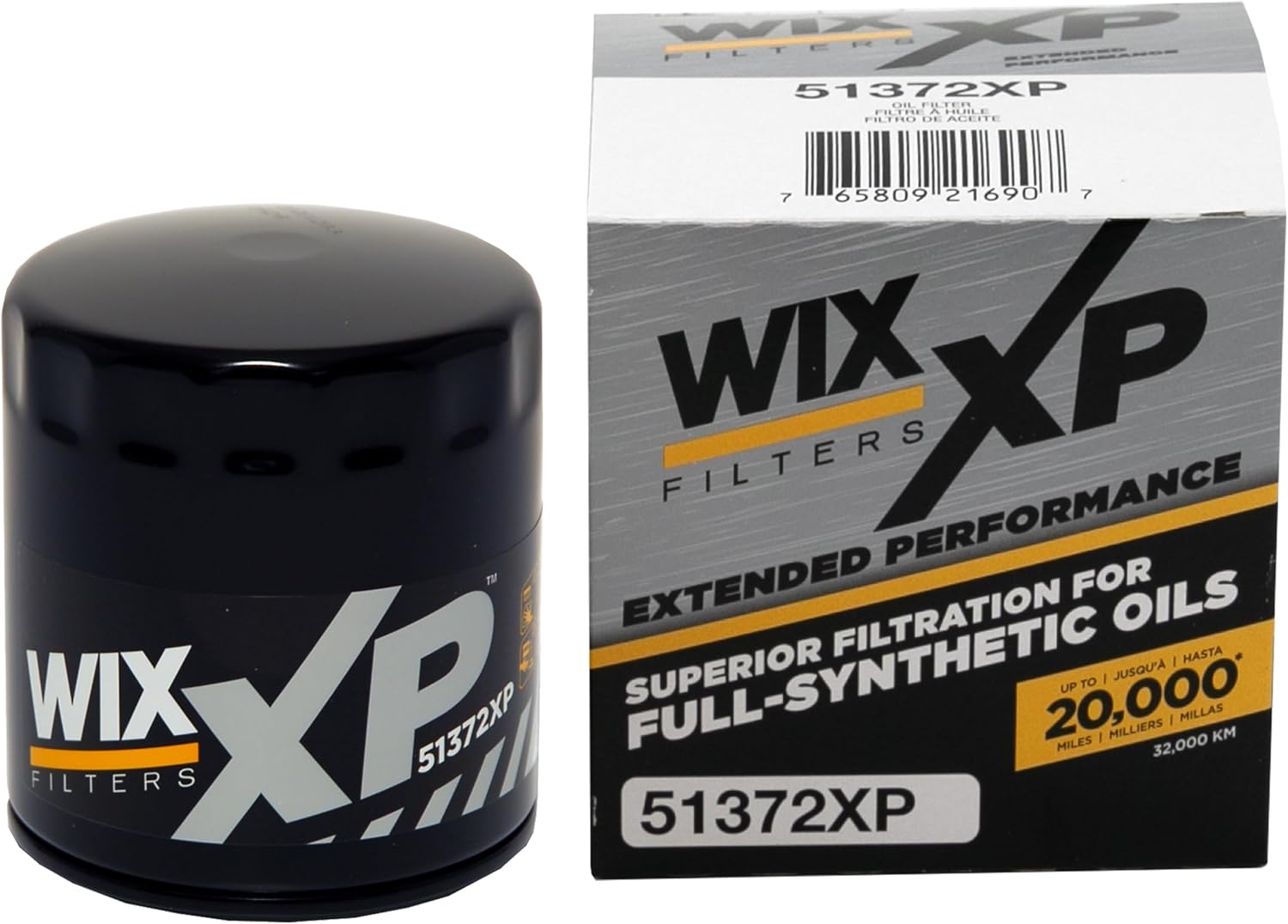
4. WIX 51372XP XP Series Spin-On Oil Filter
| Product Grade | Replacement Part |
|---|---|
| Compatible with Vehicle Type | Car |
| OEM Equivalent Part Number | 51372XP |
| Automotive Fit Type | Vehicle Specific Fit |
The WIX 51372XP XP Series is a spin-on oil filter built for drivers who use synthetic oil or put extra strain on their engines through towing, highway miles, or stop-and-go driving. It uses a synthetic-blended media with natural fibers and a silicone anti-drainback valve to improve filtration efficiency on startup and during high-temperature operation. The filter is engineered for a precise fit and straightforward installation, so DIYers and mechanics can swap it quickly. WIX claims extended change intervals—up to 20,000 miles when paired with compatible synthetic oil—which makes it attractive for those seeking longer service periods. The design removes the need for wire backing while keeping structural rigidity through an internal metal tube. Expect strong particle capture and reliable oil flow at startup, but plan inspections around whatever oil change interval you adopt since manufacturer guidance and driving conditions still matter. Fitment should be verified against the Explorer model years in question before purchase.
Best for: Buyers who prioritize proven performance and community trust and who want a filter that supports synthetic oil and longer service intervals while reducing frequent maintenance.
Less Ideal for: Drivers who prefer strictly following shorter factory-recommended oil change intervals or those who want the absolute lowest-cost disposable filter option.
- Synthetic-blended media with natural fibers for high filtration efficiency
- Durable silicone anti-drainback valve maintains oil pressure at startup
- Engineered for precise, easy installation
- Advertised extended change intervals suitable for synthetic oil use
- Extended 20,000-mile interval depends on oil type and driving conditions and may not match every vehicle maker's recommended schedule
Verdict: Choose the WIX 51372XP if you want a synthetic-friendly, high-efficiency spin-on filter that supports longer service intervals and dependable startup oil flow.
5. Motorcraft FL-820-S Oil Filter

| Thread Size | M14 x 1.5 |
|---|---|
| Outside Diameter | 4 Inches |
| Product Grade | Performance Part |
| OEM Part Number | FL820S |
The Motorcraft FL-820-S is a factory-quality replacement oil filter designed to match the fit and function of original equipment on Ford-family vehicles. It installs like a standard spin-on filter and is used during routine oil changes to screen out abrasives and particles that accelerate engine wear. Notable features include pressure-relief and silicone anti-drain back valves that help preserve oil supply in cold starts and prevent oil from draining back into the engine when parked. The steel outer casing and flutings make removal straightforward while the filter media is tuned for increased dirt-holding capacity. For a risk-averse buyer focused on reliability and correct fitment, this filter provides confidence because it follows the manufacturer's specifications. The main limitations are that it is a single-vehicle-range factory replacement rather than a premium long-life or high-capacity aftermarket option, so those wanting extended service intervals may prefer a performance-focused filter.
Best for: Buyers who prioritize correct fitment and reliable, factory-style protection during standard oil changes for their Ford-family vehicle and prefer low-risk, maintenance-focused parts.
Less Ideal for: Drivers seeking a performance or extended-interval oil filter designed for very long drain intervals or heavy-duty racing conditions should consider specialty aftermarket options instead.
- Factory-engineered fit and function for Ford-family vehicles
- Silicone anti-drain back valve preserves oil and resists high-heat aging
- Pressure-relief valve maintains oil flow in cold conditions or if clogged
- Steel casing with flutings eases installation and removal
- Not marketed as a long-life or high-capacity performance filter
Verdict: Choose this Motorcraft filter when you want a factory-matched, dependable replacement that protects the engine with features like anti-drain back and pressure-relief valves.
Choosing the Right 2006-2010 Ford Explorer Oil Filter: Key Factors to Consider
Filtration Efficiency
Filtration efficiency determines how well a filter removes harmful particles from engine oil. For the 2006-2010 Ford Explorer, particles left in the oil can accelerate wear on bearings, camshafts, and lifters, so choosing a filter with documented micron ratings or beta ratios helps you compare performance. Higher-efficiency media captures smaller particles but can increase flow resistance; a good filter balances fine filtration with reliable oil flow at operating temperatures.
Manufacturers often list nominal or absolute ratings. Look for absolute ratings or beta ratios where possible rather than vague marketing terms. Efficient media that also resists collapse under pressure will better protect the Explorer's engine over extended intervals, especially if you use synthetic oil or occasionally tow.
Fitment and Thread/Gasket Compatibility
Correct thread size, gasket diameter, and overall canister length are essential for a proper seal and to avoid clearance issues with the Explorer's oil filter housing and surrounding components. An improperly sized filter can cause cross-threading, misalignment, or an inadequate seal that leads to oil weepage or the dreaded oil filter gasket leak. Verify the filter's specified fitment for the 2006-2010 Explorer engines you have, including details like gasket outside diameter and thread pitch.
Also consider canister height and proximity to frame or suspension parts. A filter that is too tall or has an unusual shape may hit other components during installation or removal, making routine maintenance harder and increasing the risk of cross-threading or incomplete seating.
Anti-Drainback Valve and Cold-Start Performance
An anti-drainback valve prevents oil from draining out of the filter when the engine is off, which maintains immediate oil pressure at startup. For Explorers that sit for days between starts or operate in colder climates, a reliable valve reduces dry-start wear on bearings and cam lobes. Assess the material and design of the valve; silicone valves resist hardening better than some rubber compounds and tend to last longer.
A well-designed anti-drainback valve also helps avoid air pockets and oil starvation during start-up. If you use synthetic oil, which can flow differently at various temperatures, the valve must maintain function across the Explorer's expected operating range to protect the engine effectively.
Construction Quality and Pleat Stabilization
High-quality construction extends filter life and prevents collapse or bypass under heavy flow or pressure spikes. Look for reinforced center tubes, solid end caps, and properly stabilized pleats so the media maintains its shape through the filter's service life. Poorly stabilized pleats can buckle, allowing oil to bypass the media and reducing filtration when the engine is under load.
Durable adhesives and crimping at the end caps reduce the risk of media separation. For Explorers used for towing or frequent highway loads, stronger internal support matters because higher oil flow and pressure can stress weaker filters.
Compatibility With Synthetic Oil
If you plan to run synthetic oil or extended service intervals, the oil filter must be compatible with synthetic formulations and longer drain intervals. Synthetic oil can carry different contaminant loads and may interact differently with seal materials. Ensure the filter's media and seals are rated for extended intervals and for the specific viscosity range you use in your Explorer.
Some filters advertise compatibility with synthetic oil explicitly and design their media and adhesives to resist degradation during prolonged use. Matching filter interval expectations to your chosen oil strategy prevents premature clogging or seal breakdown.
Ease of Installation and Removal
Routine maintenance is easier when a filter installs smoothly and unthreads reliably. Consider features such as knurling on the canister, a hex nub for an oil filter wrench, or a flat surface for tool engagement. These design elements reduce the chance of struggling with a stuck filter or damaging the filter housing during removal.
Ease of removal also affects the risk of cross-threading during installation. Filters that seat cleanly and have good gasket materials allow you to finger-tighten to the correct torque without worry. This practical factor is especially relevant for owners performing their own oil filter replacement on a 2006-2010 Explorer.
Which Explorer Engines Need Special Fitment Attention
The 2006-2010 Ford Explorer came with a few engine options and accessory layouts that affect filter access and clearance. When selecting a filter, verify fitment details against your Explorer's engine variant and under-hood component layout. Differences in oil filter location, surrounding brackets, or heat shields can make a normally compatible filter difficult to install.
Check clearances for canister height and whether an extended wrench or angled tool is required for removal. If you plan to perform oil changes on a lift or from the roadside, pick a filter profile that allows straightforward access to avoid damaging nearby components.
- Confirm thread size and gasket outside diameter for your engine.
- Measure available vertical space to ensure canister clearance.
- Account for nearby hoses, brackets, or heat shields that could obstruct removal.
Spin-On Vs Cartridge-Style Filters
Most replacement options for this Explorer generation are spin-on filters, which combine the media and housing in a single disposable canister. Spin-on designs are simple to install and replace, making them a convenient choice for DIY maintenance. Cartridge-style systems are less common and require a vehicle-specific housing; unless your Explorer has a cartridge conversion, focus on spin-on options that list Explorer fitment.
Spin-on filters vary in shell strength, sealing design, and whether they include features like a built-in hex nut for an oil filter wrench. Those small differences affect durability and ease of service rather than filtration performance directly, so factor in both build quality and filter media when deciding.
- Spin-on: simpler for DIY, one-piece replacement.
- Cartridge-style: less common for this vehicle, requires housing compatibility.
- Prefer filters with a flat wrench surface or hex fitting for easier removal.
Installation Best Practices to Avoid Gasket Leaks
A proper installation reduces the risk of oil filter gasket leak. Start by cleaning the mounting surface and removing old gasket residue. Lightly lubricate the new gasket with fresh oil to help it seat correctly. Thread the filter by hand to avoid cross-threading and tighten to the recommended specification or roughly three-quarters to full turn after the gasket contacts the mounting surface if a torque spec is not available.
Avoid over-tightening the filter, which can deform the gasket and lead to leaks. After installation, run the engine and check for leaks at operating temperature and pressure. Recheck the filter after a short drive and again after the first engine warm-up cycle to confirm the seal is stable.
- Clean the mounting surface and remove old gasket material.
- Lubricate gasket with clean oil and hand-thread filter to seat.
- Check for leaks after startup and recheck after the first warm-up.
Maintenance Intervals and When to Replace the Filter
Maintenance intervals depend on oil type, driving conditions, and whether you tow or carry heavy loads. For typical driving, following the oil manufacturer's recommendations and the Explorer's service schedule is appropriate. If you use synthetic oil or perform severe-service driving, you can often extend intervals within manufacturer guidelines, but always ensure the filter is rated for the chosen interval.
Replace the filter at every oil change to ensure contaminants are removed promptly. If you notice signs like oil pressure fluctuations, visible leaks around the filter base, or a suspected oil filter gasket leak, replace the filter and inspect the mounting surface immediately.
- Change filter with every oil change, adjusting interval by oil type and driving load.
- Inspect for leaks and oil pressure symptoms between services.
- If towing or high-load use is frequent, consider filters rated for extended service.
Common Installation Mistakes Owners Make
A few recurring mistakes lead to avoidable failures. Cross-threading during installation can destroy the mounting threads and cause persistent leaks. Over-tightening the filter can crush the gasket or make removal difficult, while under-tightening risks leaks. Reusing an old gasket or leaving dirt on the mounting surface also undermines the seal.
Another common issue is neglecting to verify the filter's actual dimensions despite a claimed fitment. Even if a filter is listed for the Explorer, confirm the gasket diameter and overall height to ensure proper clearance and a secure seal.
- Do not reuse old gaskets.
- Avoid cross-threading by hand-starting the filter.
- Do not over-tighten; follow recommended torque or hand-tighten guidance.
Still looking for the perfect fit?
Select your Ford Explorer configuration to see the most relevant Oil Filters recommendations
How We Chose the Best 2006-2010 Ford Explorer Oil Filter
We focused on criteria that matter specifically to 2006-2010 Ford Explorer owners and to how oil filters affect engine wear and service reliability. Key evaluation points included filtration efficiency measured by micron or beta ratios where available, because finer filtration captures more abrasive particles that cause engine wear. We examined sealing and gasket design to reduce the chance of oil filter gasket leak and ensure consistent oil pressure after installation. Fitment reliability was assessed by matching thread size, gasket diameter, and canister clearance to the Explorer's service points to avoid interference with nearby components.We also weighed construction quality such as anti-drainback valves and center tube strength, which matter for vehicles that sit between services or use synthetic oil. Consideration was given to compatibility with both conventional and synthetic oil types and to whether the filter design is spin-on versus cartridge-style for ease of oil filter replacement. Filters with poor documented sealing, nonstandard sizing, or unclear fitment for this model were excluded. We excluded options that lack clear specifications or show frequent owner reports of leaks or fit issues. Overall, selections favor proven sealing, clear fitment specs, and materials that support longer maintenance intervals.
Our full evaluation process is outlined in our review methodology.
FAQ
How often should I replace the oil filter on a 2006-2010 Ford Explorer?
Replace the oil filter at every oil change. Interval length depends on your chosen oil and driving conditions. For normal driving, follow the oil maker and vehicle service recommendations; for severe duty or towing, consider shorter intervals.
Can I switch to a synthetic oil filter in my Explorer?
Many filters are compatible with synthetic oil, but you should choose one rated for extended intervals and compatible seal materials. Confirm the filter manufacturer states compatibility with synthetic oil before extending change intervals.
What causes an oil filter gasket leak and how do I fix it?
Common causes include dirt on the mounting surface, a mis-seated or damaged gasket, cross-threading, or over-tightening. Fixes include cleaning the mounting surface, installing a new correctly lubricated gasket, hand-threading to seat, and checking for leaks after startup.
Is a spin-on oil filter the right choice for my Explorer?
Most replacement filters for the 2006-2010 Explorer are spin-on designs and are practical for DIY oil filter replacement. Ensure the spin-on unit matches the Explorer's thread and gasket dimensions and provides the filtration and construction features you need.
How do I know if a filter will physically fit under the hood?
Check the filter's overall height and gasket outside diameter against the available space around the filter mounting pad. Measure vertical clearance and compare to published filter dimensions to avoid interference with brackets or hoses.
Can a higher-efficiency filter cause oil flow problems?
Very high-efficiency media can increase flow resistance, but reputable filters balance filtration and flow. Ensure the chosen filter maintains sufficient flow at operating temperature and pressure and is designed to withstand the Explorer's oil system conditions.
Final Verdict
Prioritize filters that combine proven filtration efficiency with reliable sealing and accurate fitment for the 2006-2010 Ford Explorer. Balance media performance with oil flow characteristics and ensure the gasket, thread size, and canister dimensions match your engine variant and under-hood clearance. For owners using synthetic oil or extending service intervals, choose filters rated for longer life and with robust anti-drainback designs.Making a conservative choice that emphasizes sealing and construction quality reduces the risk of leaks or premature bypass. When in doubt, verify fitment specifications and follow correct installation steps to protect your Explorer's engine effectively.
Explore More:
- Check out all Ford Explorer parts & accessories
- Explore Oil Filters Maintenance & Repair Guides
- Explore Engine
- Browse all Auto Parts
