

Note: This article contains affiliate links. If you click on these links and make a purchase, I may earn a small commission at no extra cost to you. This helps support my research and content. Read my full affiliate disclosure here.
If your Honda Accord V6 is showing rough idle, stalling, or a persistent check engine light, a failing mass air flow sensor is a common culprit. Choosing the right mass air flow sensor matters because it directly affects fuel mixture, engine response, and emissions on the V6 engine. You want a sensor that fits the Accord V6 electrical and intake layout, restores correct airflow readings, and holds calibration across temperature and vibration.This guide covers seven shortlisted mass air flow sensors chosen for compatibility with the Honda Accord V6. We evaluated each option for fitment, electrical reliability, and ease of installation, and we explain the practical signs and maintenance steps to help you decide which replacement makes the most sense. Continue below to review the key decision points before the product details.
Looking for other parts? See all Honda Accord parts & accessories.
Top Picks at a Glance
| Best Overall The best all-around choice for most situations | AOTPAT MAF0033 Mass Air Flow Sensor (MAF Sensor) |  |
| Best Quality Built to a higher standard if you want something more solid | Denso Mass Air Flow (MAF) Sensor 197-6170 |  |
| Best Value The sweet spot between price and what you get | Yezoauto Mass Air Flow Sensor (HNA319P) Compatible with Select Acura and Honda V6 Models |  |
| Best Budget The cheapest option that still gets the job done reliably | JTSAUTO Mass Air Flow Sensor 37980RC0M01 Compatible with Honda V6 models |  |
| Highest Rated A top-rated pick with lots of positive feedback | Hitachi MAF0033 Mass Air Flow Sensor |  |
| Most Popular A crowd favorite that many people choose with confidence | BDFHYK Mass Air Flow Sensor MAF0033 |  |
| Best Seller A high-volume bestseller chosen again and again | Yukrotor Mass Air Flow Sensor 37980-RV0-A01 (MAF) |  |
1. AOTPAT MAF0033 Mass Air Flow Sensor (MAF Sensor)

| Mounting Type | Flange Mount |
|---|---|
| Output Type | Digital |
| Material Type | Metal |
| Warranty Description | 2-Year Unlimited-Mileage |
This AOTPAT MAF0033 is a direct-replacement style mass air flow sensor intended for mid-2000s to early-2010s Honda and Acura V6 engines and similar applications. It uses a flange-mount, digital output design to read incoming air and send real-time data to the engine control unit so the fuel delivery and idle control stay accurate. In practice the sensor is installed in the intake duct where it reacts quickly to airflow changes, which helps smooth idle, restore throttle response, and clear airflow-related fault codes when it is the root cause. The unit is metal-bodied and comes with a two-year unlimited-mileage warranty, and several user reports note straightforward fitment and improved drivability after swap. Limitations: aftermarket sensors can vary by vehicle and one report indicates a compatibility failure on a specific Accord, so confirming the OE number or part fit is important before installation. Cleaning the intake and air filter beforehand is recommended for stable long-term readings.
Best for: Buyers seeking a balanced, cost-conscious replacement MAF for mid‑2000s to early‑2010s Honda/Acura V6 engines who want restored drivability without paying OEM prices.
Less Ideal for: If you prioritize guaranteed factory-fit performance or have a vehicle with unclear part numbers, a dealer or OEM sensor may be a safer choice.
- Direct-replacement flange mount with digital output for OEM-style installation
- Quick response to airflow changes improves idle and throttle feel
- Metal construction and included 2-year unlimited-mileage warranty
- Reportedly easy to install for DIYers familiar with intake sensors
- Compatibility can be inconsistent across model years so OE number verification is required
- As an aftermarket unit performance may vary compared with factory parts
Verdict: AOTPAT MAF0033 offers a reasonably priced, OEM-style digital replacement that restores airflow sensing and drivability for compatible Honda V6 models.
2. Denso Mass Air Flow (MAF) Sensor 197-6170

| Measurement Accuracy | ±3% |
|---|---|
| Mounting Type | Plug-In |
| Output Type | Digital |
| Upper Temperature Rating | 210 Degrees Fahrenheit |
This Denso 197-6170 MAF sensor is a direct-fit, plug-in replacement built to the same factory-quality standards used by automakers. It measures intake airflow with a fine platinum wire sensing element coated for contamination resistance and a bypass structure for improved detection accuracy. In practice the unit is used to replace a failing MAF that causes rough idling, poor fuel trims, hesitation, or a check engine light. Installation is straightforward due to the compact plug-in design and returns the engine management system reliable airflow data so fuel delivery, idle stability, and shift behavior normalize after an ECU relearn. The digital output and ±3% measurement accuracy help maintain consistent performance on V6 Hondas when the original sensor degrades. Buyers should note this is a vehicle-specific replacement so fitment must match the listed model years and swapping requires the usual reset/relearn steps after installation.
Best for: Drivers who need a reliable, factory-grade MAF to restore accurate air metering and drivability on Honda V6 engines and prioritize long-term sensor stability over low-cost alternatives.
Less Ideal for: People looking for a universal or adjustable airflow sensor for tuning modifications or custom intake builds should consider purpose-built aftermarket performance MAFs instead.
- Factory-quality, plug-in design for straightforward installation
- Platinum wire sensing element with glass coating for improved durability against contaminants
- Digital output with ±3% measurement accuracy for consistent air metering
- Compact, lightweight design that mirrors the original unit
- Vehicle-specific fitment requires confirming model years and application before purchase
Verdict: Choose the Denso 197-6170 when you want a factory-quality, direct-fit MAF that reliably restores proper airflow measurement and drivability on Honda V6 applications.
3. Yezoauto Mass Air Flow Sensor (HNA319P) Compatible with Select Acura and Honda V6 Models

| Model | HNA319P |
|---|---|
| Material Type | Plastic |
| Mounting Type | Flange Mount |
| Output Type | electrical |
This Yezoauto mass air flow sensor replaces the factory unit to measure intake air mass and send that signal to the engine control module, helping restore correct air‑to‑fuel ratio and drivability on compatible Acura and Honda V6 models. Installation is straightforward for anyone comfortable with basic under‑hood work and the sensor is flange mounted with an electrical output that plugs into the factory harness. The product description highlights precision sensing elements, fast response time, and factory‑level testing, which translate to improved throttle response and more stable idle when the original sensor is failing. Practical buyers will appreciate the lightweight design and that it directly replaces the factory part number referenced in the listing. Downsides in real use include mixed longevity reports from users and a handful of complaints about early failure or intermittent drivability issues, so some buyers prefer a branded OEM unit if they want longer proven service life. Use the vehicle selector or part reference to confirm fit before ordering.
Best for: A practical buyer who needs a cost‑effective replacement to quickly restore proper engine running and fuel trim on a compatible Honda or Acura V6 and who prioritizes immediate drivability over long‑term OEM provenance.
Less Ideal for: Drivers who want a guaranteed long lifespan or prefer factory‑branded parts for peace of mind should consider purchasing a name‑brand factory replacement instead.
- Direct replacement for referenced factory part numbers for compatible Acura and Honda V6 models
- Flange mount design and electrical plug fit the factory installation layout
- Manufacturer states precision sensing elements and pre‑shipping testing for accurate readings
- Lightweight and easy to handle for DIY installation
- Some customer reports of short service life and intermittent drivability issues
- Not a branded OEM part so long‑term durability varies between vehicles
Verdict: A budget‑minded direct replacement that can quickly restore drivability on compatible Honda and Acura V6 engines.
4. JTSAUTO Mass Air Flow Sensor 37980RC0M01 Compatible with Honda V6 models

| Brand | JTSAUTO |
|---|---|
| Model | 37980RC0M01 |
| Output Type | electrical signal |
| Material Type | Metal and other high-temperature stable materials |
| Included Components | 1 x MAF Sensor |
This JTSAUTO replacement MAF sensor is built to measure incoming air mass and send that signal to the engine control unit so the fuel system can keep combustion balanced. It is sold as a direct-fit, vehicle-specific replacement for numerous Honda V6 applications and comes with a single sensor and OE-style electrical interface. Installation is straightforward for anyone comfortable with basic engine-bay work since the unit uses the same mounting points and a simple plug-in connector or a few screws. The listing highlights thermally stable materials and a protective metallic coating, which should help durability in hot intake areas. Most buyers report easy installs and restored idle smoothness or drivability. A minority of reviews note connector fitment issues with the factory clip and at least one unit that did not function, so double-check connector engagement during installation and be prepared to secure the plug if needed. This is a practical budget replacement for repairing poor idle, rough running, or check-engine codes related to a failing MAF sensor.
Best for: Buyers looking to repair drivability issues or clear airflow-related codes on a Honda V6 without paying dealer prices and who prefer a direct-fit, DIY-replaceable part.
Less Ideal for: Drivers who want dealer-level OEM support or those unwilling to troubleshoot a connector that may need minor adjustment should consider purchasing a factory-authorized part instead.
- Vehicle-specific design intended to match factory mounting and signal function
- Constructed from high-temperature stable materials for engine-bay durability
- Simple plug-and-play installation for DIYers using factory mounting points
- Includes one complete MAF sensor, ready for direct replacement
- Some reviewers report the factory electrical clip does not lock securely on this unit
- A small number of units were reported defective on arrival
Verdict: A practical, budget-friendly direct-fit replacement for Honda V6 models that restores proper airflow sensing for improved idle and drivability.
5. Hitachi MAF0033 Mass Air Flow Sensor

| Brand | Hitachi |
|---|---|
| Material | Metal |
| Mounting Type | Flange Mount |
| Output Type | Digital |
| Manufacturer Part Number | MAF0033 |
The Hitachi MAF0033 is a direct-replacement mass air flow sensor built to the same manufacturing standards used by vehicle makers and intended to restore proper fuel metering and drivability. It installs in the intake tract where it measures the amount and characteristics of incoming air and sends a digital signal to the engine control unit so the computer can adjust fueling and emissions. Notable features include precision sensing elements, factory calibration for each application, and a contaminant bypass port and protected circuitry to improve longevity. In practice this means quicker recovery from hesitation, more consistent idle and smoother throttle response compared with a failing sensor, and a return toward original fuel economy once calibrated. The unit is marketed and used as a new original-equipment replacement, so installation is typically plug-and-play for compatible Honda V6 applications. Limitations to consider are occasional reports of remanufactured-looking units in the aftermarket stream and the fact that replacing the MAF only fixes issues actually caused by the sensor rather than unrelated engine or exhaust faults.
Best for: Buyers who prioritize a reliable, factory-quality replacement to restore original drivability and emissions performance on a Honda V6 and prefer a plug-and-play repair over prolonged troubleshooting.
Less Ideal for: Drivers who are diagnosing complex engine or exhaust faults or seeking a universal sensor for multiple vehicle types should look elsewhere or confirm exact application fitment before buying.
- Factory-quality design and calibration targeted to specific applications
- Precision sensing elements and digital output for accurate air measurement
- Built-in contaminant bypass port and protected circuitry to improve durability
- Plug-and-play installation for compatible vehicles
- Some marketplace units show signs of remanufacture or rebranding which can affect appearance and require inspection on arrival
Verdict: Choose the Hitachi MAF0033 when you want a factory-quality, application-calibrated replacement to reliably restore Honda V6 drivability and fuel control.
6. BDFHYK Mass Air Flow Sensor MAF0033
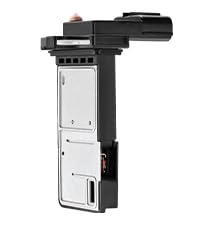
| Brand | BDFHYK |
|---|---|
| Model | MAF0033 |
| Mounting Type | Flange Mount |
| Specific Uses For Product | automotive |
| Included Components | 1x Mass Air Flow Sensor Meter MAF Sensor |
This BDFHYK MAF0033 is a straightforward replacement mass air flow sensor that measures incoming air and relays that information to the vehicle computer to keep air/fuel balance. Installation is typical for MAF swaps: unplug the old sensor, remove the flange-mounted unit and fit the new sensor into the intake housing. The listing indicates factory-style design and the part ships with one sensor. In use it can restore proper idle and drivability when the original MAF has failed, and many buyers report quick fixes for rough idle, hesitation, and check-engine light issues. Performance and longevity vary across users, with several reports of good long-term operation and some reports of early failure or out-of-box defects, so having a diagnostic tool handy after installation is sensible. This unit is a budget-friendly alternative to a factory sensor and can be a practical option if you need a fast replacement and are prepared to verify function after fitting.
Best for: Buyers who want an inexpensive, direct-replacement MAF to quickly address rough idle or check-engine symptoms and who prefer evidence from other owners before committing to a non-factory part.
Less Ideal for: Drivers who prioritize guaranteed long-term reliability or prefer factory-branded parts for critical engine sensors should consider higher-priced OEM replacements or dealer-sourced units.
- Factory-style flange mount fits typical intake housings for direct replacement
- Designed to restore proper air/fuel metering to resolve idle and hesitation issues
- Affordable option compared with higher-cost factory replacements
- Ships as a single ready-to-install unit to simplify quick repairs
- Mixed user reports on reliability and occasional early failure
- Some units may require post-install diagnostic verification to confirm proper operation
Verdict: A budget-friendly direct-replacement MAF that can quickly fix drivability issues if you verify operation after installation.
7. Yukrotor Mass Air Flow Sensor 37980-RV0-A01 (MAF)

| Measuring Range | 0.05 – 0.25 g/s |
|---|---|
| Mounting Type | Plug Mount |
| Output Type | Analog |
| Material Type | Plastic |
This Yukrotor MAF sensor replaces factory-style units for a range of Honda and Acura V6 engines and is used to restore proper air-flow measurement when a vehicle shows MAF-related symptoms like poor idle, reduced fuel economy, or engine codes. It mounts with the same plug-style connector and provides an analog output that the engine control unit uses to set fuel delivery. In practice the part is compact and straightforward to swap with the original sensor and comes with five electrical terminals matching many factory harnesses. Buyers report it fixes common drivability issues on affected Accords and similar models, though a few users found early failures and some units required warranty support. The sensor is plastic-bodied and claimed to meet or exceed factory specifications for fit and response. For a risk-averse buyer this is a budget-friendly factory-replacement style option that can return a car to normal running, but expect mixed durability reports compared with higher-cost branded parts and check fitment carefully before installation.
Best for: Buyers who prioritize a low-cost, direct-replacement sensor to restore normal engine performance on covered Honda V6 models and who prefer an easy swap over troubleshooting components.
Less Ideal for: Shoppers seeking an OEM-branded, long-term durability solution or those who prefer to pay a premium for a manufacturer-backed part with extensive service history should consider other options.
- Direct plug-mount design for straightforward installation into listed Honda and Acura V6 intake housings
- Analog output and five-terminal connector match common factory harnesses for proper ECU communication
- Compact, factory-style form factor intended to restore drivability and clear MAF-related error codes
- Multiple user reports of resolving poor idle and fuel trim issues after replacement
- Some buyers reported early failures or intermittent faults requiring replacement or refund
- Aftermarket plastic construction may not match longevity of higher-priced OEM-brand sensors
Verdict: A budget-friendly, plug-in replacement that restores proper air-flow readings on compatible Honda V6 engines and gets the car back to normal running quickly.
Choosing the Right Honda Accord V6 Mass Air Flow Sensor: Key Factors to Consider
Electrical Compatibility and Connector Fit
The sensor must match the Accord V6 electrical connector and pinout exactly to avoid wiring changes or signal mismatch. Mismatched connectors can cause erratic voltage readings, trigger error codes such as P0100, or prevent the engine control unit from receiving the proper airflow signal. Confirming connector fit reduces installation time and eliminates the need for soldering or terminal swaps.
Beyond the physical connector, the sensor's voltage and frequency response should align with the OEM output range. A replacement that produces a slightly different output curve can cause persistent fuel trim corrections, rough idle, or intermittent limp-home behavior. For reliable operation, look for units with documented output ranges and, if available, calibration notes for the Accord V6.
Airflow Measurement Accuracy
Accurate measurement of intake airflow is essential for proper air-fuel ratio control across idle, cruise, and load conditions. If the sensor under-reads, the engine may run rich and foul spark plugs; if it over-reads, the mixture can go lean and cause misfires or hesitation. On a V6, where intake runner geometry and volume differ from four-cylinder layouts, the sensor must sample a representative airflow without excessive turbulence.
Consider sensors with testing data or calibration procedures that demonstrate linearity across the typical operating range of the V6. Units that maintain stability after temperature changes and transient throttle events will produce smoother throttle response and more consistent fuel trims.
Durability Against Contaminants
Mass air flow sensors live in the intake tract where they are exposed to oil vapors, road dust, and particulate matter. On an Accord V6, oil carryover from crankcase ventilation and heavier intake airflow can accelerate contamination of the sensing element. Choose a sensor with a protective screen, durable sensing element, and sealing that limits ingress.
A more robust sensor reduces the frequency of cleaning or premature replacement and helps avoid intermittent errors that lead to poor idle or stalling. Durability also affects long-term calibration; a sensor that resists buildup will maintain more consistent output voltages over its service life.
Ease of Installation and Serviceability
Installation should be straightforward and require minimal disassembly of intake plumbing on the Accord V6. A direct-fit replacement that uses the same mounting points and clamps saves time and reduces the risk of leaks. Clear connector orientation and accessible mounting screws are practical details that make installation easier for DIYers and technicians alike.
Consider whether the sensor allows in-place cleaning without full removal, or whether access requires removal of intake components. Units that offer a simple swap procedure reduce vehicle downtime and the chance of damaging surrounding vacuum lines or sensors during installation.
Signal Stability and Calibration
Stable output and retained calibration after installation are important to minimize drivability issues. Some sensors require a relearn procedure by the ECU; others present outputs within the expected range immediately. For the Accord V6, sensors that match expected idle and low-load signals help the engine control module adapt quickly and avoid long-term fuel trim corrections.
Look for units with low thermal drift and consistent readings at both cold start and operating temperatures. Signal stability reduces false codes and improves the predictability of diagnostic checks when investigating issues like code P0100 or intermittent check engine lights.
Maintenance and Cleaning Requirements
All mass air flow sensors benefit from periodic inspection and cleaning, but some designs are more tolerant of routine maintenance. Understand whether the sensor element can be cleaned safely with approved cleaners and whether cleaning access requires full removal. For the Accord V6, sensors that can be carefully cleaned without damaging delicate elements will extend service intervals and reduce replacement frequency.
Also consider how easily one can inspect the housing and connector for oil contamination or corrosion. A sensor design that facilitates visual checks and straightforward cleaning will save effort during scheduled maintenance and when diagnosing dirty MAF symptoms.
Common Symptoms of a Failing MAF on the Accord V6
A failing mass air flow sensor on the Honda Accord V6 typically produces specific drivability issues. Expect rough or fluctuating idle, hesitation on acceleration, and stalling at low speeds when the ECU is getting incorrect airflow data.
You may also see persistent or intermittent check engine lights tied to airflow codes. In some cases, the vehicle will show poor fuel economy or a hard start. Recognizing these symptoms early helps determine whether cleaning, testing, or replacement is the appropriate next step.
- Rough or surging idle
- Hesitation or hesitation under load
- Check engine light with airflow-related codes
- Long crank or hard starts
- Degraded fuel economy
How To Test a Mass Air Flow Sensor on the V6
Testing should start with a visual inspection of the connector, wiring, and sensor housing for contamination or damage. Look for oil residue, loose pins, or cracked housings that can affect readings.
Basic electrical checks include verifying supply voltage at the connector and measuring the sensor's output voltage at idle and during throttle changes. If you are comfortable using a multimeter, compare observed voltages to documented ranges for the Accord V6. For more confidence, back-probing the signal while watching live data can show whether the reading moves smoothly with throttle input.
- Inspect connector and wiring for corrosion or oil
- Verify reference voltage from the ECU
- Measure signal voltage at idle and during throttle
- Watch live MAF readings to confirm smooth response
Cleaning and Maintenance Best Practices
Cleaning can be an effective fix when the sensor is only lightly contaminated. Use an approved mass airflow sensor cleaner and follow a gentle approach: remove the sensor when access allows, spray the sensing element, and allow it to dry completely before reinstalling. Avoid touching the sensing element directly.
Regular inspection during routine maintenance can catch oil and dirt buildup before it substantially degrades readings. Replace intake filters on schedule and check the crankcase ventilation system to reduce oil vapor reaching the intake and sensor.
- Only use cleaners designed for MAF elements
- Allow complete drying before reinstalling
- Inspect intake and PCV system to reduce contamination
- Replace intake filter on manufacturer schedule
Diagnostic Codes and What They Mean
Codes like P0100 indicate a general mass air flow circuit malfunction. On the Accord V6, this can originate from a failed sensor, wiring issues, or intake leaks that produce erroneous readings. Intermittent codes often point to connector or wiring problems, while steady codes suggest sensor degradation or contamination.
Interpreting codes alongside live data and fuel trim values helps isolate whether the issue is the sensor itself or a secondary system. For example, large short-term fuel trim corrections during steady driving can indicate under- or over-reporting by the MAF sensor.
- P0100: MAF circuit malfunction
- Intermittent codes: check wiring and connector
- Consistent fuel trim drift: suggests sensor inaccuracy
- Combine codes with live data for accurate diagnosis
Installation Tips Specific to the Accord V6
Plan for sufficient access to the intake tube attachment points and the sensor connector before starting. Use the original clamps or equivalent replacements that ensure an airtight seal. Tighten mounting hardware to the specified torque to avoid air leaks and sensor movement.
After installation, inspect surrounding vacuum lines and the intake boot for proper seating. Some replacements may require a short ECU relearn period; if idle is slightly unstable after swap, allow a few warm-up cycles and a gentle drive to let fuel trims normalize.
- Ensure airtight seal at intake joints
- Use correct clamp torque and mounting orientation
- Check wiring harness routing to avoid chafing
- Allow ECU to adapt after installation with normal drive cycles
When To Replace Instead of Clean
Cleaning is worth attempting when contamination is light and the sensing element is intact. However, if the sensor has had repeated failures, visible damage to the element, or inconsistent readings after cleaning, replacement is the more reliable option on the Accord V6.
Also consider replacement if wiring or connector damage is present and repair is impractical. A new sensor eliminates lingering uncertainty from a degraded element and restores expected signal characteristics.
- Replace after unsuccessful cleaning attempts
- Replace if sensing element or housing is damaged
- Replace when electrical connector or pins are compromised
- Replace if fuel trim errors persist after cleaning
Still looking for the perfect fit?
Select your Honda Accord configuration to see the most relevant Mass Air Flow Sensors recommendations
How We Chose the Best Honda Accord V6 Mass Air Flow Sensor
We prioritized sensors that meet the electrical and mechanical fitment requirements of the Honda Accord V6 engine and that use sensing elements and housings designed for the vehicle's intake geometry. Evaluation focused on measured airflow accuracy, connector compatibility, and resistance to contamination that commonly affects V6 intake paths.Key evaluation filters included: confirmed OEM-style electrical connector and pinout, accurate voltage and frequency response across the engine's operating range, robust housing and sealing against intake-side oil and dust, and availability of clear installation guidance for inline replacement. We also looked for units with consistent quality control indicators such as calibrated outputs and durable sensor elements.We excluded items lacking documented compatibility with the Accord V6 connector or those that required wiring modification. We did not consider universal sensors that need custom adaptors or products without published electrical specs. The final list balances fitment certainty, serviceability, and long-term signal stability so you can expect reliable readings and fewer drivability issues.
Our full evaluation process is outlined in our review methodology.
FAQ
How long does a mass air flow sensor usually last on a Honda Accord V6?
MAF sensor life varies depending on intake contamination and maintenance. Many last several years under normal conditions, but exposure to oil vapor or heavy dust can shorten lifespan. Regular filter changes and addressing PCV issues extend service life.
Can I clean the MAF sensor myself or should a mechanic handle it?
You can clean the sensor yourself if you follow proper procedures and use an approved cleaner. Remove the sensor when possible, spray lightly, and allow it to dry fully. If the connector or wiring is damaged, or if you are uncomfortable with electrical checks, seek professional assistance.
Will a bad MAF sensor cause the car to go into limp mode?
Yes, significant MAF failures or erratic readings can cause the ECU to enter a reduced-performance mode to protect the engine. Limp mode often accompanies persistent airflow-related codes or major discrepancies in fuel trim readings.
Is a check engine light with code P0100 always a bad MAF sensor?
Not always. P0100 indicates a MAF circuit problem but the root cause can be the sensor, wiring and connector issues, or intake leaks that alter readings. Use live data and a systematic inspection to determine whether cleaning, wiring repair, or replacement is needed.
How do I know if the MAF is causing poor fuel economy?
Look for sustained rich or lean fuel trim values and correlate them with driving behavior. If trims show large corrections during steady driving and fuel consumption is worse than normal, the MAF may be misreporting airflow. Combine this with symptom checks like rough idle to build the case for MAF diagnosis.
Do I need to reset the ECU after installing a new MAF sensor?
A reset is not always necessary. The ECU usually adapts as it learns new airflow signals over a few drive cycles. If idle or drivability is noticeably off after installation, a manual ECU reset or a short relearn drive cycle can help restore expected behavior more quickly.
Final Verdict
For the Honda Accord V6, prioritize replacements that match the original connector and signal characteristics, resist intake contamination, and are straightforward to install. Balance durability against the likelihood of exposure to oil and dust in your driving environment and plan regular inspections and cleaning when appropriate.When deciding between cleaning and replacement, start with diagnosis and cleaning if contamination is evident. Replace the sensor when electrical faults, damaged elements, or persistent fuel trim errors remain. Focus on fitment and signal stability to restore smooth idle, accurate fuel trims, and reliable engine response on the V6.
Explore More:
- Check out all Honda Accord parts & accessories
- Explore Mass Air Flow Sensors Maintenance & Repair Guides
- Explore Engine
- Browse all Auto Parts
