

Note: This article contains affiliate links. If you click on these links and make a purchase, I may earn a small commission at no extra cost to you. This helps support my research and content. Read my full affiliate disclosure here.
When a mass air flow sensor fails on a 2008-2012 Honda Accord it can cause rough idle, poor throttle response, and reduced fuel economy. You need a replacement that fits the Accord's intake system and returns reliable airflow readings so the engine control unit can calculate fuel delivery correctly. This guide highlights seven shortlisted mass air flow sensors chosen specifically for the 2008-2012 Accord, covering the most common fitment and diagnostic concerns owners face. We evaluate each option for mechanical fit, electrical compatibility, and diagnostic accuracy so you can pick a unit that addresses MAF-related drivability issues without guesswork.
Looking for other parts? See all Honda Accord parts & accessories.
Top Picks at a Glance
| Best Overall The best all-around choice for most situations | AOTPAT MAF0033 Mass Air Flow Sensor (MAF Sensor) |  |
| Best Quality Built to a higher standard if you want something more solid | Denso Mass Air Flow (MAF) Sensor 197-6170 |  |
| Best Value The sweet spot between price and what you get | JTSAUTO 37980RC0M01 Mass Air Flow (MAF) Sensor |  |
| Best Budget The cheapest option that still gets the job done reliably | Jhyzxiang Mass Air Flow (MAF) Sensor, replacement for select Honda and Acura V6/4-cylinder models |  |
| Highest Rated A top-rated pick with lots of positive feedback | Hitachi MAF0033 Mass Air Flow Sensor |  |
| Most Popular A crowd favorite that many people choose with confidence | BDFHYK Mass Air Flow Sensor MAF0033 |  |
| Best Seller A high-volume bestseller chosen again and again | ChawYI Mass Air Flow (MAF) Sensor for Honda 2.4L (fits 2008–2012 Accord and similar models) | 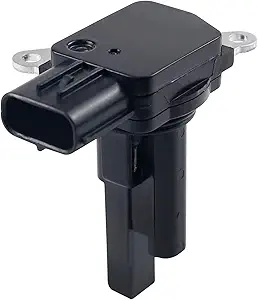 |
1. AOTPAT MAF0033 Mass Air Flow Sensor (MAF Sensor)

| Mounting Type | Flange Mount |
|---|---|
| Output Type | Digital |
| Material Type | Metal |
| Model | MAF0033 |
| Warranty Description | 2-Year Unlimited-Mileage |
This AOTPAT MAF0033 replacement mass air flow sensor measures the volume of air entering the engine and sends a digital signal to the vehicle computer so the ECU can set the correct fuel delivery. It is intended as a direct-fit replacement for many Honda and Acura applications and is typically used when a failing factory sensor causes rough idle, poor fuel economy, or an engine warning light. The sensor uses a flange mount and metal construction and the listing emphasizes quick response and quiet operation, which in practice helps restoring smooth idle and throttle response. Installation is straightforward for anyone comfortable disconnecting the intake tube and electrical connector, and the part comes with a two-year unlimited-mileage warranty. Limitations to consider are mixed user reports on compatibility and occasional failures on some vehicles, so confirm the OE numbers before buying and be prepared to test or swap if the check engine light persists.
Best for: A practical buyer who wants a cost-effective, direct replacement MAF sensor to restore drivability and fuel economy on 2008–2012 Honda Accord models and similar Hondas, prioritizing reliability and straightforward DIY installation.
Less Ideal for: If you need a guaranteed factory-brand sensor or exact OEM-sourced part for extended diagnostics or dealer repair, consider an authenticated factory replacement instead.
- Direct-fit replacement for many Honda and Acura models listed in the fitment
- Digital output with reportedly fast response for stable air-fuel control
- Metal construction and flange mount for secure installation
- Includes a two-year unlimited-mileage warranty
- Some reviewers report compatibility or functional failures on certain vehicles so fitment must be double-checked
Verdict: AOTPAT MAF0033 is a budget-friendly, quick-response direct replacement that restores smooth idle and throttle response on compatible 2008–2012 Honda Accords.
2. Denso Mass Air Flow (MAF) Sensor 197-6170

| Brand | Denso |
|---|---|
| Measurement Accuracy | ±3% |
| Mounting Type | Plug-In |
| Output Type | Digital |
| Upper Temperature Rating | 210 Degrees Fahrenheit |
The Denso 197-6170 is a plug-in replacement mass air flow sensor intended to restore correct air measurement and fuel trim control on affected Honda Accord models from the specified years. It uses a fine platinum wire sensing element with a protective glass coating and an air bypass structure to improve detection accuracy and resist contamination, which helps maintain fuel efficiency and smooth throttle response. Installation is straightforward for anyone comfortable with basic engine work because the unit is a direct-fit plug-in design that minimizes modifications. In practical use this sensor brings back proper idle, eliminates hesitation and rough shifting caused by incorrect MAF readings, and lets the engine management relearn normal trims after a battery reset or a short drive cycle. Limitations are that it is a vehicle-specific replacement so fitment must match the listed model years and versions, and like all sensitive MAF elements it can be affected by improper intake work or heavy contamination if upstream filters or intakes are altered.
Best for: A buyer needing a reliable, factory-quality replacement to restore performance and drivability on the covered 2008–2012 Accord generations who prioritizes accurate airflow readings and OEM-style fit.
Less Ideal for: Not a good choice for someone looking to modify intake flow characteristics or run nonstandard cold air intakes where an aftermarket MAF tuned for altered airflow would be required.
- Factory-quality design with a fine platinum wire sensing element for accurate airflow readings
- Plug-in, direct-fit construction for straightforward installation
- Protective glass coating and reduced exposure design improve durability against contaminants
- Improved detection accuracy helps restore fuel trims, idle, and throttle response
- Vehicle-specific fitment requires confirming exact model years and variants before purchase
Verdict: Choose the Denso 197-6170 when you want a factory-quality, direct-fit MAF that reliably restores correct airflow readings and engine performance on the specified Honda Accord models.
3. JTSAUTO 37980RC0M01 Mass Air Flow (MAF) Sensor

| Model | 37980RC0M01 |
|---|---|
| Output Type | electrical signal |
| Included Components | 1 x MAF Sensor |
| Material Type | Metal and other high-temperature stable materials |
This JTSAUTO 37980RC0M01 mass air flow sensor is a direct-fit aftermarket replacement for many Honda and Acura models and restores the engine's ability to measure incoming air for correct fuel metering. Installation is straightforward for a DIYer: the unit mounts in the intake tract and plugs into the factory connector, so most swaps take only a few minutes with basic tools. The sensor uses thermally stable metal components and a protective coating intended to resist heat in the engine bay, and the listing references OE-grade components and vehicle-specific design. In use it should clear rough idle, hesitation, or poor fuel economy caused by a failed MAF, though one reviewer noted the factory electrical clip did not lock perfectly and required a small fix. Build quality appears generally solid for an aftermarket part, but there are mixed reports about fitment and one user reported a nonworking unit, so expect the occasional unit that needs return or troubleshooting. For a practical replacement that avoids dealer service, this is a sensible option.
Best for: Buyers who want an affordable, vehicle-specific replacement that they can install themselves to fix idle or drivability problems without paying a shop.
Less Ideal for: If you prioritize guaranteed factory-fit perfection or need a sensor for a different vehicle family, consider sourcing an OEM part or alternative supplier.
- Direct-fit design covering many 2003–2014 Honda and Acura applications
- Thermally stable metal construction designed for engine-bay heat resistance
- Easy to install for DIYs with simple bolt-and-plug replacement
- Claims OE-grade components and vehicle-specific engineering
- Some units have fitment issues with the factory electrical clip requiring minor securing
- A small number of buyers report dead or nonfunctional units out of the box
Verdict: A budget-friendly, direct-fit replacement that lets practical DIYers restore proper fuel delivery on affected Honda/Acura models without a trip to the dealer.
4. Jhyzxiang Mass Air Flow (MAF) Sensor, replacement for select Honda and Acura V6/4-cylinder models

| Output Type | electrical signal |
|---|---|
| Material Type | Plastic |
| Included Components | Mass Air Flow Sensor |
| Unit Count | 1.0 Count |
This Jhyzxiang mass air flow sensor is a budget-oriented replacement intended to restore correct airflow sensing on compatible Honda and Acura models. It installs in place of the factory sensor and sends an electrical signal to the engine control unit so the car can adjust fuel delivery. The listing highlights compatibility with many Honda Accord model years and Acura V6/Coupe variants and claims factory-quality fit and rapid response. Practical benefits include straightforward plug-and-play installation for those who confirm part numbers, and the unit is lightweight and made of molded plastic to match factory mounting points. Expect quick symptom relief for common MAF failures such as rough idle or check engine light related to airflow readings. Limitations are typical of lower-cost aftermarket sensors: intermittent compatibility reports exist across different vehicle brands and a minority of buyers reported incorrect readings or nonfunction on some trucks and non-listed makes, so confirm fitment and test after installation. The seller offers a 12-month warranty and advises cleaning the airbox and filter before replacing the sensor to avoid recurring codes.
Best for: Buyers looking to replace a failed MAF on a 2008–2012 Honda Accord who prioritize a low-cost, straightforward swap and want a quick fix without professional installation.
Less Ideal for: Drivers seeking a guaranteed OEM-level sensor or long-term performance tuning should consider higher-end or factory replacement parts instead.
- Direct-replacement design claims to match factory mounting and connector for listed models
- Easy installation with plug-and-play electrical connection for DIY replacement
- Made from molded plastic to mirror factory sensor housing and keep weight low
- Covers many Honda Accord years and related Acura fitments useful for Accord V6 and 4-cylinder owners
- Some buyers report inconsistent readings or incompatibility on non-listed vehicles, indicating variable quality control
Verdict: A budget-friendly, plug-and-play replacement MAF for 2008–2012 Accord owners who need a quick, affordable fix.
5. Hitachi MAF0033 Mass Air Flow Sensor

| Brand | Hitachi |
|---|---|
| Material | Metal |
| Mounting Type | Flange Mount |
| Output Type | Digital |
| Manufacturer Part Number | MAF0033 |
The Hitachi MAF0033 is a direct-fit mass air flow sensor made and calibrated to factory performance standards to measure intake air volume and characteristics. It installs in-line with the intake tract and feeds the engine computer precise airflow data so fuel delivery and ignition timing return to correct values. Notable features include precision sensing elements, protected circuitry, and a built-in contaminant bypass port where applicable, which combine to reduce false readings and extend service life. In real-world use buyers report the part clears related check-engine warnings, restores throttle response and can recover lost fuel economy compared with a failing sensor. Some units on the market appear to be remanufactured or carry replaced markings, so inspect the part on arrival; occasional early failures are reported but many buyers find long-term reliability. This sensor is best for a straightforward replacement when you want factory-calibrated measurements without modifying the engine management system.
Best for: Buyers who prioritize a reliable, factory-quality replacement to restore stock engine performance and emissions compliance after a MAF-related fault; good for DIY installers who want a direct-fit sensor that needs minimal setup.
Less Ideal for: If you are seeking performance tuning, aftermarket airflow calibration, or a multi-vehicle universal solution, this factory-style replacement is not the right choice.
- Factory-calibrated for accurate air flow readings
- Protected circuitry and precision sensing elements for durability
- Built-in contaminant bypass port improves longevity where used
- Direct-fit design that restores drivability and clears related fault codes
- Some listings appear to contain remanufactured or rebranded units which requires inspection on receipt
- A minority of users report premature failure in certain vehicles
Verdict: Choose the Hitachi MAF0033 when you want a factory-calibrated, direct-fit replacement to reliably restore stock air measurement and engine drivability.
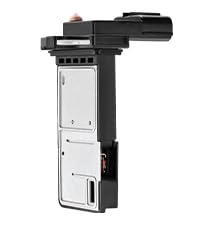
6. BDFHYK Mass Air Flow Sensor MAF0033
| Brand Name | BDFHYK |
|---|---|
| Model | MAF0033 |
| Mounting Type | Flange Mount |
| Measurement Accuracy | [HIGH] |
| Included Components | 1x Mass Air Flow Sensor Meter MAF Sensor |
This BDFHYK MAF0033 is a straightforward mass air flow sensor intended as a replacement part for vehicles that use this fitment. It senses the amount of intake air and communicates with the engine control module so fuel delivery and idle behavior stay balanced. Installation is typical for a MAF sensor: unplug the electrical connector, remove the mounting screws, swap the unit and reconnect. The listing emphasizes factory-style design and factory-quality fitment and the sensor ships with a single unit in the box. In real-world use buyers report a mix of outcomes: many users found it easy to install and working correctly, while some experienced early failures or needed diagnostics to confirm proper operation. Practical benefits include an affordable alternative to dealer parts and simple, no-frills replacement for fixing symptoms like rough idle or check engine light related to MAF faults. Important limitations are variable long-term reliability and the need for a diagnostic scan tool to verify function after install if problems persist.
Best for: Buyers who prioritize social proof and want an economical, commonly used replacement they can install themselves and then verify with a diagnostic scan to confirm the repair.
Less Ideal for: Drivers who need guaranteed long-term durability or prefer factory OEM sensors backed by dealer support should consider higher-cost factory replacements.
- Factory-style design aimed at direct fit and easy swap with existing MAF mounting
- Affordable alternative to higher-cost factory parts
- Simple installation procedure that most DIYers can handle
- Ships as a single ready-to-install sensor with standard connector
- Customer reports show inconsistent longevity with some units failing in months
- No on-product diagnostics so a scan tool may be required to confirm correct operation after installation
Verdict: A budget-friendly, factory-style replacement that suits DIYers who rely on peer reviews and will verify operation with a diagnostic tool.
7. ChawYI Mass Air Flow (MAF) Sensor for Honda 2.4L (fits 2008–2012 Accord and similar models)

| Maximum Supply Voltage | 12 Volts (DC) |
|---|---|
| Mounting Type | Flange Mount |
| Output Type | analog or digital signals |
| Material | Plastic |
This ChawYI MAF sensor replaces the factory air-flow meter on Honda 2.4L engines to restore accurate intake-air measurement and help the engine run at the correct air/fuel ratio. Install is the usual flange-mount swap-in: unplug the harness, unbolt the old sensor and fit the new unit. The part reports analog or digital signals and is rated for 12 V systems, so it integrates with the stock engine control system without extra modules. In real-world use it can clear mixture-related trouble codes and stop rough idle or poor fuel economy caused by a failing MAF, and many owners report straightforward fitment and immediate symptom resolution. As an aftermarket unit, build materials are plastic and quality varies between batches, so occasionally a defective unit is reported; if that happens the sensor will need replacement. For risk-averse buyers plan for a quick test after installation and keep the original sensor until you confirm the new unit works.
Best for: A prudent buyer who wants a low-cost, direct-fit replacement to restore proper air metering on a 2008–2012 Honda Accord 2.4L and similar Honda models; best for someone who prefers a plug-and-play repair and will verify operation after installation.
Less Ideal for: Those seeking an OEM-branded sensor with manufacturer warranty support or buyers who need a lifetime-long factory-quality part for high-mileage restorations.
- Designed to fit specified Honda 2.4L applications for direct flange-mount replacement
- Reports analog or digital signals compatible with factory engine controls
- Rated for standard 12 V automotive electrical systems
- Many user reports of immediate symptom resolution and correct fitment
- Aftermarket plastic construction can lead to occasional defective units or shorter long-term durability
Verdict: A practical, direct-fit replacement MAF sensor that restores proper air measurement on Honda 2.4L engines and resolves mixture-related driveability issues quickly.
Choosing the Right 2008-2012 Honda Accord Mass Air Flow Sensor: Key Factors to Consider
Mechanical Fit and Housing Compatibility
Correct mechanical fit matters because the mass air flow sensor must seal with the intake duct and align with the intake meter tube or housing to avoid unmetered air leaks. A sensor that is a direct fit preserves the factory intake geometry and reduces the chance of vacuum leaks that cause rough idle or inconsistent airflow readings. When evaluating fitment, confirm flange dimensions, mounting boss locations, and screw patterns match the Accord's intake so no adapter plates or sealants are needed.
Poor physical compatibility can also affect airflow path and turbulence characteristics. Even small misalignments can change the local airflow profile the sensor sees, leading to inaccurate mass airflow measurements and erroneous fueling commands from the engine control unit. For owners who prefer a bolt-on replacement, prioritizing sensors designed for the 2008-2012 Accord intake ensures simpler installation and more predictable performance.
Electrical Connector and Signal Type
The sensor's electrical interface must match the Accord's factory wiring harness to provide correct power, ground, and signal paths. Many sensors use a multi-pin OEM-style connector; verifying the pinout and clip design prevents wiring repairs or unreliable connections that can trigger intermittent faults. Matching the connector also reduces the risk of incorrect voltage levels or grounding issues that can distort sensor output.
Beyond physical connection, confirm the sensor's signal type and voltage range align with the vehicle's expected MAF output. Some sensors provide a variable voltage signal while others use frequency outputs. Using a sensor with the wrong signal characteristics can produce wrong readings at the engine control unit, causing check engine lights or limp-home behavior. For this Accord generation, prioritize replacements explicitly specified for the model years to ensure electrical compatibility.
Diagnostic Accuracy and OBD-II Behavior
A reliable replacement should produce predictable OBD-II responses so diagnostic trouble codes and live data are meaningful. Sensors with stable, linear output help the ECU tune fueling across idle, cruise, and wide-open throttle conditions, and make it easier to diagnose issues such as P0100-style mass airflow circuit faults. When a sensor reports erratic values it can mask the root cause of other problems or create false positives for diagnostic scans.
Consider whether the sensor's response curve and calibration are documented so you or a technician can compare live MAF readings to expected values under specific engine conditions. This clarity is especially useful when troubleshooting MAF-related symptoms like a high or low voltage reading, poor acceleration, or a persistent check engine light. A unit that yields consistent diagnostic behavior reduces repair time and avoids repeated part swaps.
Durability Against Contaminants and Heat
The MAF sensor sits in the intake air stream and is exposed to dust, oil vapor, and temperature swings. Durability against contamination and heat affects how long the sensor will provide accurate readings. Features such as protective mesh, robust sensing elements, and housing materials rated for engine-bay temperatures help resist drift and early failure.
Sensors that tolerate particulate exposure and brief oil contamination are less likely to show "dirty MAF" symptoms shortly after installation. In climates with dusty roads or vehicles that draw in crankcase vapor, a more contamination-resistant sensor reduces the frequency of service and cleaning interventions. Prioritizing units with documented contamination tolerance will improve long-term drivability on the 2008-2012 Accord.
Installation Complexity and Serviceability
How easy the sensor is to install affects both cost in labor and the likelihood of correct installation. A direct-fit unit that uses the factory mounting points and mates with the stock harness keeps installation to a few basic steps: unplug the connector, remove mounting screws, swap the sensor, and reassemble. Sensors that require cutting, splicing, or adapter plates increase the risk of mistakes that cause vacuum leaks or electrical issues.
Consider also whether the sensor can be inspected or cleaned in place and whether replacement requires disassembling other intake components. Sensors designed for straightforward access are preferable for owners who want to perform do-it-yourself service. Clear instructions and labeled connectors reduce the chance of incorrect wiring or loose mounting that can cause intermittent faults.
Warranty and Replacement Support
Warranty coverage and manufacturer support matter because premature sensor failure often manifests as drivability issues that require a replacement. A reasonable warranty period offers confidence against early defects in sensing elements or housing seal failures. Look for options that provide clear warranty terms and accessible customer support to simplify returns or exchanges when necessary.
Also consider the availability of technical documentation, such as electrical pinouts and output characteristics, as part of support offerings. Good documentation makes troubleshooting and verification easier if you experience persistent MAF sensor symptoms after installation. Choosing suppliers or manufacturers that stand behind their parts reduces risk and can speed resolution when problems occur.
Common Symptoms of a Failing MAF on the 2008-2012 Accord
Mass air flow sensor symptoms on this Accord generation often include rough or surging idle, hesitation on acceleration, and decreased fuel economy. You may also see inconsistent idle speed after startup or a noticeable lack of power under load. These symptoms occur because the engine control unit receives incorrect air mass data and cannot calculate the correct fuel trim.
Another common tell is an illuminated check engine light with codes that reference airflow or circuit faults. However, not all symptoms trigger a code immediately, so monitoring live MAF readings with a scan tool can reveal low or erratic signals that coincide with drivability issues.
- Rough or unstable idle
- Hesitation or stumble on throttle
- Poor fuel economy
- Erratic live MAF readings on a scanner
- Check engine light with airflow-related codes
How to Diagnose MAF Issues on This Accord
Start with a visual inspection of the intake tract, air filter, and housing for leaks, oil contamination, or disconnected hoses. A clogged air filter or intake leak can mimic MAF failure, so correcting those issues first avoids unnecessary sensor replacement. Then check the electrical connector for corrosion or loose pins.
Use a scan tool to monitor MAF sensor voltage or frequency at idle and during acceleration and compare values to expected ranges for a 2.4L or V6 engine in the Accord if you know the engine type. If live data shows sudden drops or spikes that align with symptoms, the sensor itself is a likely culprit. Also confirm there are no intake leaks or vacuum issues influencing readings.
- Inspect air filter and intake for leaks
- Check connector pins and wiring for corrosion
- Monitor live MAF readings during idle and throttle
- Confirm absence of vacuum leaks before replacing sensor
Cleaning Versus Replacing: When Cleaning Helps
Mass airflow sensor cleaning can resolve "dirty MAF" symptoms if contamination is light and limited to the sensing element. Carefully use an appropriate mass airflow sensor cleaner and follow safe procedures to avoid damaging delicate sensor wires or films. Cleaning is a cost-effective first step when live data shows only slight drift or the sensor has been exposed to dust or minor oil vapor.
However, if the sensor shows erratic electrical behavior, persistent diagnostic trouble codes, or physical damage, cleaning may provide only temporary relief. In those cases replacement is the more reliable option to restore consistent engine performance on your Accord.
- Clean when contamination is minor and readings are only slightly off
- Use dedicated MAF cleaner and avoid contact with sensing elements
- Replace if the sensor shows erratic voltages or persistent codes
Practical Tips for Installing a Replacement Sensor
Before starting, disconnect the negative battery terminal to prevent any short circuits while handling the electrical connector. Park the vehicle on a level surface and allow the engine to cool to avoid burns from hot intake components. Unplug the sensor connector, remove mounting screws, and gently lift the sensor from the housing to avoid bending the intake flange.
After installing the new sensor, ensure the mounting surface and gasket area are clean and seated correctly to prevent air leaks. Reconnect the harness and clear any stored engine codes with a scan tool. Finally, perform a short test drive while monitoring live MAF values to confirm stable readings and that drivability symptoms are resolved.
- Disconnect battery before handling connectors
- Ensure mounting surfaces are clean and gasketed
- Clear codes and verify live data after installation
Interpreting MAF-Related OBD-II Codes
OBD-II codes that point to the mass airflow circuit, such as general airflow sensor circuit faults, indicate either a wiring issue, connector problem, or sensor failure. When you see a code tied to the MAF circuit on the 2008-2012 Accord, start by checking wiring continuity and ground integrity before assuming the sensor is defective. Electrical faults are a common source of intermittent codes.
If wiring and connectors check out, compare live MAF readings with expected values for different engine loads. A sensor that consistently produces out-of-range values is likely the root cause. Recording data during a test drive can help correlate specific driving conditions with diagnostic behavior and guide whether replacement is necessary.
- Check wiring and grounds first for circuit-related codes
- Use live data to confirm whether the sensor is producing out-of-range values
- Log readings during drive cycles to correlate symptoms with faults
Still looking for the perfect fit?
Select your Honda Accord configuration to see the most relevant Mass Air Flow Sensors recommendations
How We Chose the Best 2008-2012 Honda Accord Mass Air Flow Sensor
We selected sensors using criteria focused on real-world reliability and direct relevance to the 2008-2012 Honda Accord. First, fitment and connector compatibility were primary filters to ensure each sensor mates with the vehicle's intake housing and factory wiring harness without modification. Second, sensor output accuracy and stability under varied engine loads were evaluated via manufacturer specifications and technical documentation to prioritize units that minimize drivability issues. Third, diagnostic clarity was considered so that sensor voltage and frequency responses align with common OBD-II readings for this Accord generation, helping avoid ambiguous fault codes. Fourth, environmental durability including resistance to heat, vibration, and contamination was considered because the sensor sits in the intake stream and is exposed to particulates and heat cycles. Fifth, return and warranty terms were noted to favor options that offer straightforward replacement in case of early failure. We excluded units that required harness splicing, significant intake modification, or lacked clear electrical specifications. The final list balances mechanical fit, electrical compatibility, diagnostic reliability, and long-term durability specific to the 2008-2012 Accord.
Our full evaluation process is outlined in our review methodology.
FAQ
What are the first things to check when my Accord shows MAF-related symptoms?
Begin with a visual inspection of the air filter and intake hoses for leaks or blockages, and check the sensor connector for corrosion or loose pins. Many issues stem from intake leaks or a clogged filter rather than the sensor itself.
Can I clean the MAF sensor on my 2008-2012 Accord instead of replacing it?
Cleaning can help if contamination is light and the sensor still produces stable readings, but avoid touching the sensing element. If the sensor produces erratic voltages, frequent codes, or shows physical damage, replacement is the better long-term solution.
Will a faulty MAF always trigger a check engine light on this Accord?
Not always. Mild drift or gradual contamination can cause drivability symptoms without immediately setting a code. Monitoring live MAF data with a scan tool is useful when you suspect a failing sensor but see no stored fault.
How do I know if the replacement sensor is electrically compatible?
Verify the replacement lists pinout and signal type that match the factory sensor for the 2008-2012 Accord. Confirm connector shape, pin count, and expected voltage or frequency ranges to ensure proper ECU communication.
Should I reset the ECU after installing a new mass air flow sensor?
Clearing stored trouble codes and performing a short drive cycle is recommended so the ECU can relearn trim values with the new sensor. Resetting the ECU alone will not fix mechanical issues but helps the engine control unit adapt to the replacement sensor.
How long does a typical MAF sensor last in this Accord generation?
It often depends on operating conditions. Under normal conditions many sensors last several years, but exposure to oil contamination, dusty environments, or frequent short trips can accelerate degradation. Regular air filter maintenance helps extend life.
Final Verdict
For the 2008-2012 Honda Accord prioritize a mass air flow sensor that matches the factory mechanical and electrical interfaces, provides stable diagnostic output, and resists contamination. Correct fitment and connector compatibility reduce installation issues and prevent vacuum leaks that mimic sensor failures. Balance durability and serviceability so you can clean or replace the unit without excessive labor. Ultimately, choose a sensor that restores consistent MAF readings under real driving conditions to resolve idle instability and throttle hesitation reliably.
Explore More:
- Check out all Honda Accord parts & accessories
- Explore Mass Air Flow Sensors Maintenance & Repair Guides
- Explore Engine
- Browse all Auto Parts
