

Note: This article contains affiliate links. If you click on these links and make a purchase, I may earn a small commission at no extra cost to you. This helps support my research and content. Read my full affiliate disclosure here.
If your Ford F-250 is running rough, stalling, or has poor throttle response, the mass air flow sensor is a common component to inspect. Choosing the right Ford F-250 mass air flow sensor matters because incorrect fitment or unreliable electrical readings can leave performance issues unresolved and trigger error codes.This guide covers the top shortlisted options for this vehicle and explains the key criteria we used to evaluate them, including fitment accuracy and sensor electrical accuracy. Read on to understand how each factor affects drivability and what to check before you install a replacement.
Looking for other parts? See all Ford F-250 parts & accessories.
Top Picks at a Glance
| Best Reviewed A top-rated pick with lots of positive feedback | Motoforti Mass Air Flow (MAF) Sensor for Ford F-250 (1999) |  |
| Most Popular A crowd favorite that many people choose with confidence | BEAMINGAUTO Mass Air Flow Sensor compatible with 1998–2004 Ford F-Series and Expedition |  |
| Best Quality Built to a higher standard if you want something more solid | A-Premium Mass Air Flow Sensor for Ford Super Duty and Escape |  |
| Best Budget The cheapest option that still gets the job done reliably | EATAKWARD Mass Air Flow Sensor Meter, Replacement for Ford F-Series 1997–1998 | 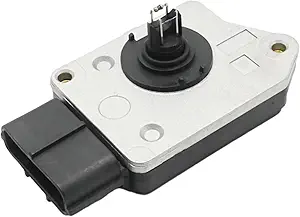 |
| Most Sold A high-volume bestseller chosen again and again | A-Premium Mass Air Flow Sensor Meter, 4-Pin, Compatible with Ford F-150/F-250/F-350 Super Duty and Lincoln Navigator |  |
| Best Value for Money The sweet spot between price and what you get | HIMARKLIF Mass Air Flow (MAF) Sensor with Connector Harness |  |
| Best Overall The best all-around choice for most situations | Motorcraft AFLS-165 Mass Air Flow Sensor |  |
1. Motoforti Mass Air Flow (MAF) Sensor for Ford F-250 (1999)

| Vehicle Fit | Ford F-250 1999 |
|---|---|
| Pin Number | 4 |
| Mounting Type | Flange Mount |
| Upper Temperature Rating | 250 Degrees Fahrenheit |
This Motoforti MAF sensor replaces a failing airflow meter on 1999 Ford F-250 models to restore proper air-to-fuel measurement and engine management. It installs as a direct replacement in the intake tract and is intended for professional or mechanically comfortable DIY installation; disconnecting the battery and swapping the sensor into the flange mount completes the job. The unit uses a four-pin connector and a plastic housing with metal internals to deliver the electrical signal the engine computer needs for fuel trim and idle control. In practice the sensor brings stalled or rough-idle trucks back to smoother operation and can clear drivability issues caused by incorrect airflow readings. Limitations are that this is an aftermarket, non-factory sensor so fit and long-term durability may vary compared with a factory-quality part, and professional installation is recommended to avoid connector or sealing issues. For a reliability-focused buyer wanting a cost-effective repair for a 1999 F-250, this provides a practical replacement option.
Best for: Reliability-focused owners who prioritize restoring factory drivability on a 1999 Ford F-250 without spending on dealer parts and who prefer a straightforward repair over more extensive engine work.
Less Ideal for: Owners seeking an exact factory-manufactured sensor or a long-term OEM-backed warranty should consider dealer-sourced replacements instead.
- Direct-fit design for 1999 Ford F-250 to simplify replacement
- Four-pin electrical connector matches factory wiring harness
- Plastic housing with metal components resists corrosion
- Intended to restore proper air measurement and improve drivability
- Aftermarket part rather than factory-quality so long-term durability may differ
- Professional installation is recommended to ensure proper sealing and connector fit
Verdict A budget-conscious, direct-replacement MAF sensor that restores airflow readings on a 1999 Ford F-250 but is an aftermarket part with potential differences from factory components.
2. BEAMINGAUTO Mass Air Flow Sensor compatible with 1998–2004 Ford F-Series and Expedition

| Measurement Accuracy | ±3% |
|---|---|
| Measuring Range | Low – High Airflow |
| Mounting Type | Flange Mount |
| Output Type | Electrical signal |
This BEAMINGAUTO mass air flow sensor is a direct-replacement MAF for late 1990s to early 2000s Ford trucks and Expeditions that restores accurate airflow readings to the engine control system. It installs in the stock intake tract and uses the same mounting pattern and electrical connection as the factory unit, so most owners can swap it in without modification. The sensor is offered as a replacement for common Ford part numbers and supports a wide range of V8 displacements, which helps return rough idle, poor fuel economy, and engine codes to normal when an original sensor fails. Construction is typical for aftermarket sensors and the listing cites measurement accuracy and a broad operating range, which translate to reliable performance in everyday driving. Keep in mind this is an aftermarket part rather than a factory-branded unit, so long-term durability can vary by climate and driving conditions and some vehicles may need a code clear or brief relearn after installation.
Best for: Buyers who prioritize convenience and quick, straightforward repairs for older Ford F-250/F-Series trucks and Expeditions and who want a part they can install themselves to restore normal engine behavior.
Less Ideal for: Owners seeking a factory-branded OEM replacement with extended proven longevity or those who prefer dealer-sourced parts should consider dealer options instead.
- Direct-fit replacement for multiple Ford part numbers, easing installation
- Compatible with a wide range of 1998–2004 F-Series trucks and Expeditions
- Claims good measurement accuracy and a wide airflow range for practical engine control
- Simple plug-and-play installation restores drivability quickly
- Aftermarket construction may not match long-term durability of factory-quality parts
- Limited warranty details are provided in the product listing
Verdict A convenient, direct-fit aftermarket MAF that gets older Ford trucks and Expeditions back to proper running condition without complicated installation.
3. A-Premium Mass Air Flow Sensor for Ford Super Duty and Escape

| Measurement Accuracy | ±3% |
|---|---|
| Mounting Type | Flange Mount |
| Terminal Quantity | 4 |
| Material | Aluminum, Plastic |
This A-Premium mass air flow sensor measures intake airflow and sends an electrical signal to the engine control system to restore proper fuel trim and idle behavior. It installs as a bolt-on flange replacement and uses a four-pin connector and two mounting holes, so installation is straightforward in typical engine bays with the matching connector. The unit is built from plastic and aluminum with stated measurement accuracy of plus or minus 3 percent, which helps deliver predictable readings that clear intermittent faults and keep the engine running smoothly. For performance-focused owners of Ford F-250/F-350/F-450/F-550 Super Duty trucks, the sensor’s factory-style fitment and accurate output help recover drivability and turbo response on diesel 6.7L engines. Limitations include reliance on correct fitment to the listed reference numbers and no vehicle-specific calibration tools included, so professional diagnostic verification is recommended after installation if codes persist.
Best for: Performance-oriented buyers who prioritize restoring precise engine airflow and drivability on Ford Super Duty trucks and similar Ford models to maintain power delivery and throttle response.
Less Ideal for: Buyers seeking a universal sensor for many makes and models or a plug-and-play performance upgrade that requires no post-installation diagnostics should consider other options.
- Designed to match factory fitment for specified Ford applications for straightforward bolt-on replacement
- Measurement accuracy rated at ±3% for consistent airflow readings and stable engine control
- Aluminum and plastic construction balances durability with weight savings
- Four-pin electrical output supports direct connection to the vehicle harness without splicing
- No vehicle-specific calibration tools or instructions included, so ECU verification may be needed after install
- Compatibility is limited to the listed Ford models and reference numbers; wrong part selection will not function
Verdict A factory-style replacement MAF that delivers accurate airflow readings for specified Ford trucks and helps restore performance when matched to the correct reference numbers.
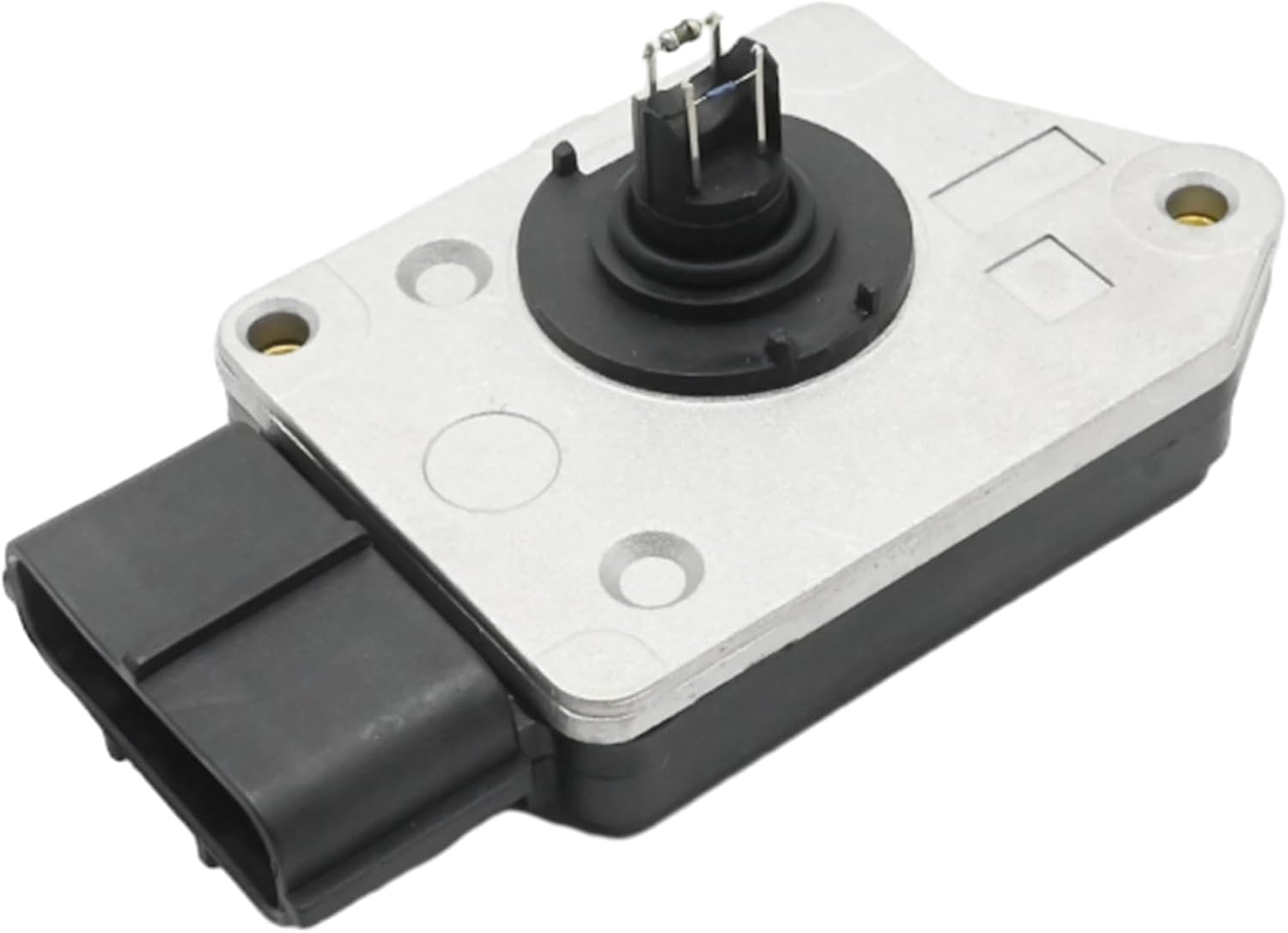
4. EATAKWARD Mass Air Flow Sensor Meter, Replacement for Ford F-Series 1997–1998
| Manufacturer Part Number | F8LF-12B579-AA |
|---|---|
| OEM Part Number | F8LF-12B579-AA, F8LF12B579AA |
| Position | Front |
This EATAKWARD mass air flow (MAF) sensor is a direct replacement intended for Ford F-Series 150/250 model years 1997–1998 and functions to measure the mass of incoming air so the engine computer can set the correct fuel mixture. Installation is straightforward for a technician or a DIYer comfortable with basic engine-bay connectors and mounting; the product ships as a single sensor and fits in the air intake housing next to the airbox. For a budget-focused buyer it delivers the core benefits you need: accurate airflow sensing to clear a check engine light caused by a failed MAF, recover drivability, and help with fuel efficiency. The unit’s machined exterior and stated part-number compatibility suggest a close physical fit to the factory location, but this is an aftermarket part so long-term durability and precise calibration may not match a factory-quality sensor. Also follow the seller’s advice to clean the air intake and replace the air filter before install to avoid misleading readings.
Best for: Budget-conscious owners seeking a low-cost, practical repair to restore F-250 drivability and clear MAF-related engine faults without paying for an expensive factory replacement.
Less Ideal for: Those who need guaranteed factory-level durability or exact OEM calibration for performance tuning should consider higher-tier or factory-quality sensors instead.
- Direct replacement for Ford F-Series 1997–1998 F150/F250 fitment for quick swap-in
- Designed to restore proper air-fuel metering and resolve MAF-related check engine lights
- Simple plug-and-play installation with a single sensor package
- Affordable option compared with higher-end aftermarket or factory-quality sensors
- Aftermarket unit may not match factory sensor longevity or exact calibration
- Limited fitment to late-1990s Ford F-Series models only
Verdict A low-cost, direct-fit MAF sensor that gets a late-1990s Ford F-250 back to normal performance quickly but may not match factory durability or precision.
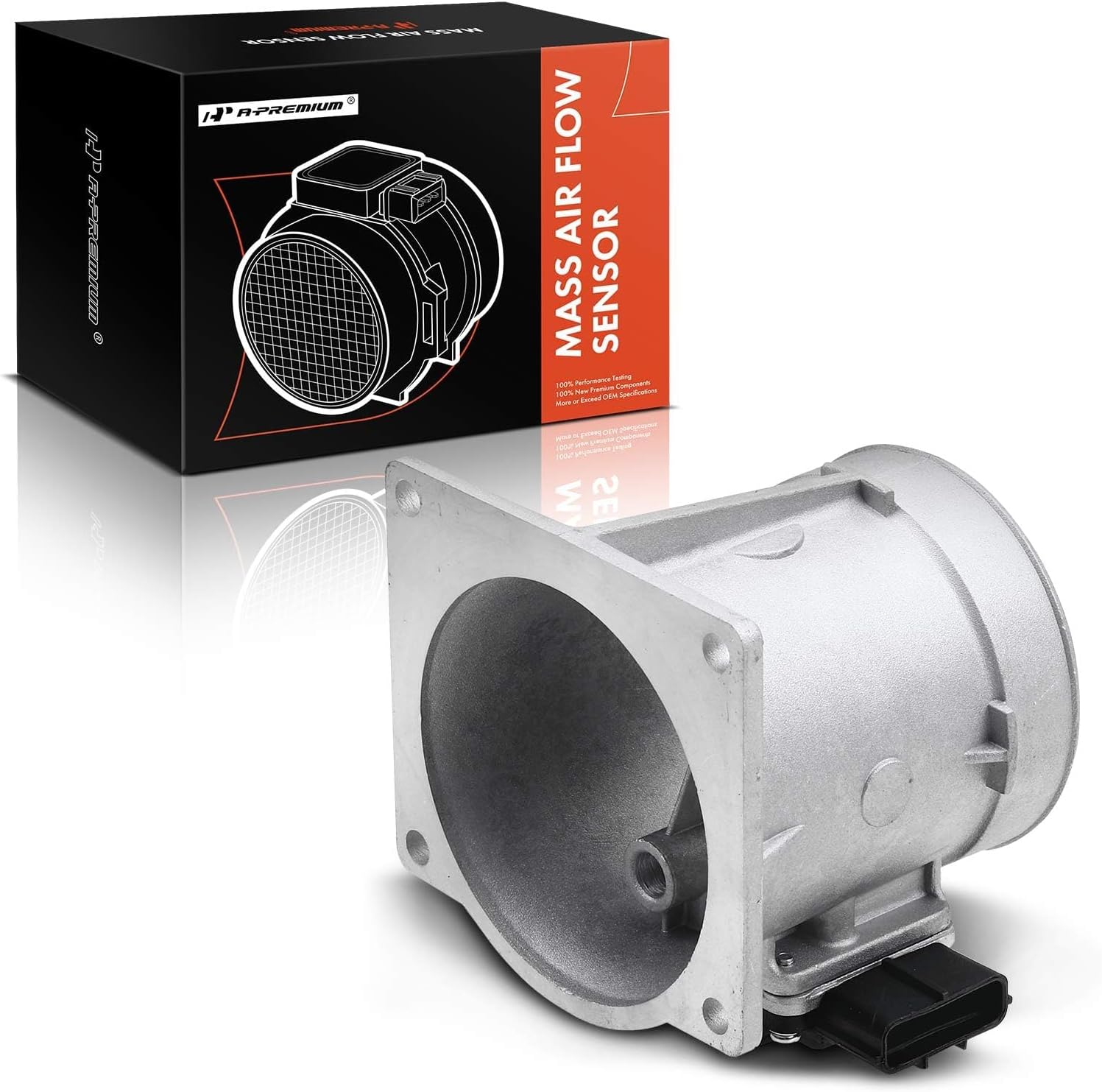
5. A-Premium Mass Air Flow Sensor Meter, 4-Pin, Compatible with Ford F-150/F-250/F-350 Super Duty and Lincoln Navigator
| Measurement Accuracy | ±2% |
|---|---|
| Mounting Type | Bolt Mount |
| Terminal Quantity | 4 |
| Output Type | electrical signal |
This A-Premium mass air flow sensor is a direct-fit replacement for select Ford F-series and Lincoln models that measures incoming air and sends an electrical signal to the engine computer to help control fuel injection. Installation is typical bolt-on replacement using the four mounting holes and standard blade terminals, so it is usually fitted during routine maintenance or when a bas malfunction is diagnosed. The unit uses an aluminum housing and claims ±2% measurement accuracy, which supports stable readings and should restore normal idle, fuel economy, and throttle response if a failing sensor was the root cause. The product includes a one-year unlimited-mileage guarantee from the brand. Expect aftermarket-level build quality rather than factory-spec components; some buyers report early failures, so careful inspection and testing after installation are wise. It is a practical, lower-cost option for restoring driveability on the covered Ford F-250 models but may not match long-term durability of a factory-quality sensor.
Best for: Risk-averse mainstream buyers looking for an affordable replacement to restore normal engine operation on a Ford F-250 without needing performance upgrades or specialty parts.
Less Ideal for: Drivers seeking a long-term factory-quality replacement or a performance-calibrated sensor should consider OEM or higher-end alternatives.
- Direct bolt-on 4-hole mounting and 4-blade terminal connector for simple installation
- Aluminum housing and claimed ±2% measurement accuracy for consistent air reading
- Compatible with many Ford F-series and Lincoln models listed, restoring engine control signals
- Includes a one-year unlimited-mileage guarantee from the manufacturer
- Aftermarket construction may not match long-term durability of factory-quality sensors
- Some customer reports of early failure suggest variable quality control
Verdict A cost-effective, bolt-on MAF sensor that can quickly restore driveability on covered Ford F-250s but may offer shorter service life than factory-quality units.
6. HIMARKLIF Mass Air Flow (MAF) Sensor with Connector Harness

| Measurement Accuracy | ±2% |
|---|---|
| Measuring Range | 0.05 – 0.15 kg/s |
| Response Time | 15 Milliseconds |
| Mounting Type | Flange Mount |
| Output Type | electrical signal |
This HIMARKLIF mass air flow sensor measures intake airflow and sends an electrical signal to the engine computer so fuel delivery can be adjusted. It is sold with a connector harness for straightforward plug-and-play replacement and uses aluminum heat dissipation plates, thermistors, and a control board to deliver a claimed output tolerance under 2% and a 15 ms response time. Typical use is as a direct replacement when a failing MAF triggers rough idle, poor fuel economy, or fault codes; installation is usually a simple swap in the air intake housing after disconnecting the battery. Practical benefits include improved fuel metering and quicker response compared with a degraded sensor, plus a compact connector designed to match factory mounting points. Limitations are that this is an aftermarket unit so fit and long-term durability can vary between vehicles, and a few reports indicate installation or performance issues on some trucks, so verify connector and mounting compatibility before committing to installation.
Best for: Practical optimizers who want a cost-conscious replacement that aims to restore drivability and fuel economy on their Ford without paying for a dealer part.
Less Ideal for: Drivers who prefer guaranteed factory-quality replacements or need a long-term warranty-backed component should consider OEM or dealer-sourced sensors instead.
- Claims high measurement accuracy with output curve tolerance under 2% and 15 ms response time.
- Includes connector harness for plug-and-play replacement and flange mount compatibility.
- Aluminum heat dissipation design and dedicated control board aimed at stable readings and temperature management.
- Aftermarket part so long-term durability and exact fit may vary versus factory-quality components.
- Some buyers reported that the sensor caused issues or did not perform as expected on certain vehicles.
Verdict A budget-friendly aftermarket MAF sensor that aims to restore fuel metering and idle stability on compatible Ford trucks but may not match factory longevity for every vehicle.
7. Motorcraft AFLS-165 Mass Air Flow Sensor

| Brand | Motorcraft |
|---|---|
| Material | Plastic Metal |
| Mounting Type | Flange Mount |
| Specific Uses For Product | Air Flow Sensor |
The Motorcraft AFLS-165 is a factory-style mass air flow sensor that replaces a failed MAF on Ford F-250 trucks to restore proper air metering and engine performance. It installs in the intake tract where the original sensor sat and provides the vehicle computer with accurate airflow data so fuel delivery and idle control return to normal. Notable features include Motorcraft branding and factory fit intent, which simplifies direct replacement without modification for compatible Ford models. In practice this means a straightforward swap during routine repairs or when a check-engine light indicates MAF fault codes. Benefits include factory-level fit and consistent signal output that many owners report brings back fuel economy and smooth idle. Limitations are mainly logistical: some buyers reported loose packaging or rare DOA units, and any sensor must be tested and calibrated per Ford procedures if required. Expect typical service‑level installation by a technician or a competent DIYer familiar with intake electrical connectors.
Best for: Balanced all-round buyers who want a factory-quality replacement for their Ford F-250 that prioritizes reliable fit, predictable performance, and straightforward installation.
Less Ideal for: Buyers who need a budget aftermarket upgrade with performance tuning or those replacing MAFs on vehicles outside the Ford F-250 without confirmed compatibility should look elsewhere.
- Factory-designed fit and function for Ford vehicles, reducing fitment issues
- Restores accurate airflow signal to improve fuel economy and idle behavior
- Simple direct-replacement installation for technicians and experienced DIYers
- Motorcraft brand backing with parts engineered for Ford and Lincoln models
- Reports of occasional units arriving improperly packaged or damaged
- Not a universal drop-in for non-Ford vehicles without confirmed compatibility
Verdict A factory-quality Motorcraft replacement that reliably restores MAF function on Ford F-250 trucks, with the convenience of direct fit but occasional packaging concerns.
Choosing the Right Ford F-250 Mass Air Flow Sensor: Key Factors to Consider
Vehicle-Specific Fitment
Exact fitment matters because the sensor must align with the intake housing and electrical connectors. A sensor that does not seat properly can leak unmetered air, causing incorrect fuel calculations and drivability problems.
Check the physical mounting dimensions, connector type, and wire harness orientation. Differences in engine bay layout or intake plumbing between production years can require a specific sensor version. Ensuring a direct fit reduces the need for adapters or splicing, and improves long-term sealing against contaminants.
Electrical Accuracy and Signal Stability
The sensor’s ability to produce a stable, linear voltage or frequency response across airflow ranges determines how accurately the engine computer meters fuel. Erratic or noisy signals can trigger diagnostic codes and poor idle, acceleration, or fuel economy.
Look for specifications on output range, tolerance, and response time. Sensors with tighter tolerances and proven stability under varying temperatures provide more predictable engine behavior, especially during steady-state cruising or abrupt throttle changes.
Contamination Resistance and Durability
MAF sensors sit in the intake stream and are exposed to dust, oil vapors, and particulates. A design with protective coatings, robust housings, and effective sealing helps prevent buildup on the sensing element that causes drift and failure.
Consider materials and protective features that reduce sensitivity loss over time. A durable sensor lowers the frequency of replacements and maintains consistent performance under towing, dusty conditions, or extended idling.
Connector and Harness Quality
A reliable electrical connection prevents intermittent faults and maintains consistent readings. Poor-quality connectors, flimsy pins, or exposed wiring increase the risk of corrosion and intermittent signals when exposed to heat and moisture.
Inspect pin layout, locking mechanisms, and strain relief on the harness. A robust connector design minimizes installation difficulty and reduces long-term maintenance issues from loose or corroded contacts.
Compatibility With Diagnostic Procedures
Being able to diagnose sensor function quickly helps identify whether the sensor is the root cause of drivability problems. Sensors that produce predictable voltage ranges or clear diagnostic behaviors make testing more straightforward.
Familiarize yourself with expected voltage ranges at idle and during throttle changes, as well as common trouble codes tied to airflow faults. Sensors that align with standard diagnostic steps reduce troubleshooting time and avoid unnecessary replacements.
Ease of Installation and Serviceability
A sensor that installs without complex modifications saves time and reduces the chance of errors. Features like clear orientation markings, accessible mounting screws, and plug-and-play connectors make the job faster and neater.
Also consider whether the sensor can be cleaned or inspected without complete disassembly of the intake. Easier serviceability helps extend service life and simplifies routine checks when investigating dirty MAF symptoms or intermittent issues.
FAQ
What are common symptoms of a failing MAF sensor in a Ford F-250?
Common signs often include rough idle, hesitation on acceleration, stalling, or reduced fuel economy. You may also see an engine control code related to airflow measurement. Symptoms can vary with driving conditions and are usually more noticeable under load or during throttle changes.
How can I test a Ford F-250 mass air flow sensor before replacing it?
You can perform basic checks using a multimeter to verify voltage or frequency output against expected ranges at idle and during throttle application. Visual inspection for contamination, damaged wiring, or poor connectors is also helpful. More definitive confirmation usually requires comparing live sensor readings to factory specifications.
Can cleaning the mass airflow sensor fix performance issues?
Cleaning can help when dirt or oil has contaminated the sensing element and caused drift. Use cleaning methods that are appropriate for airflow sensors and avoid harsh chemicals. If electrical damage or severe contamination is present, cleaning may only be a temporary fix.
Will a bad MAF sensor trigger a code P0100 on my Ford F-250?
A P0100 code, which relates to the mass airflow circuit, can appear when the sensor signal is out of expected range or intermittent. However, the code can also result from wiring issues, grounding problems, or intake leaks. Diagnosing the underlying cause requires checking the sensor signal, connectors, and intake sealing.
How difficult is it to install a replacement MAF sensor on a Ford F-250?
Installation is usually straightforward if the replacement is vehicle-specific, with basic hand tools and attention to connector orientation and sealing. Take care to avoid damaging the sensing element and ensure a secure electrical connection. If wiring or mounting differs, additional steps may be needed.
How long do mass air flow sensors typically last in Ford F-250 trucks?
Sensor life depends on exposure to contaminants, driving conditions, and maintenance. Under normal driving, they often last many years, but frequent towing, dusty environments, or oil contamination can shorten service life. Regular inspection and cleaning where appropriate can extend longevity.
How We Chose the Best Ford F-250 Mass Air Flow Sensor
We focused on sensors specifically designed for the Ford F-250 chassis and engine configurations to ensure direct fitment and correct wiring. Our evaluation prioritized electrical accuracy, signal stability, and consistent voltage response because these determine how well the engine control unit measures incoming air. Durability and contamination resistance were applied as core filters, since exposure to oil and dirt shortens service life. We also assessed connector quality and mounting tolerances to reduce installation issues and ensure a secure seal in the intake tract. Units lacking clear vehicle-specific fit information, substandard electrical documentation, or poor sealing designs were excluded. The final list reflects products that meet vehicle fit requirements and deliver reliable airflow measurement for typical driving and towing loads.
Our full evaluation process is outlined in our review methodology.
Conclusion
When choosing a replacement Ford F-250 mass air flow sensor, prioritize exact vehicle fitment, electrical accuracy, and durability against contamination. Those factors most directly affect drivability, fuel control, and the likelihood of recurring diagnostic codes.Balance ease of installation and connector quality with the sensor’s resistance to dirt and oil. Taking time to match fitment and verify expected signal behavior will reduce troubleshooting time and help restore reliable engine performance.
Explore More:
- Check out all Ford F-250 parts & accessories
- Explore Mass Air Flow Sensors Maintenance & Repair Guides
- Explore Engine
- Browse all Auto Parts
